Kurdish Textile Museum
Discover the vibrant world of Kurdish weaving and culture at this museum, showcasing intricate textiles and historical artistry within the Erbil Citad...
Highlights
Must-see attractions

Social
From TikTok & Reddit
Best Time
Fewer crowds, peaceful viewing
Kurdish Textile Museum
Best Time
Fewer crowds, peaceful viewing
Highlights
Must-see attractions
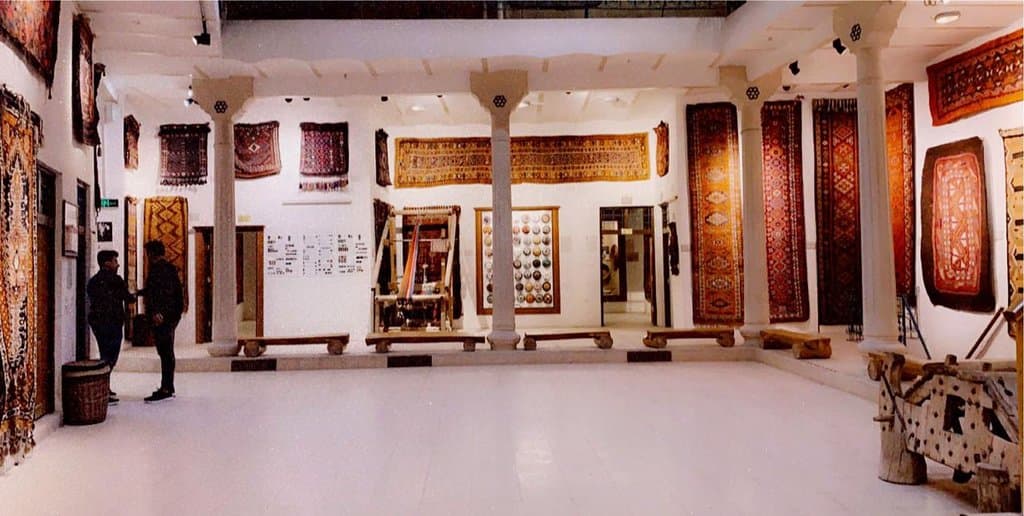
Discover the vibrant world of Kurdish weaving and culture at this museum, showcasing intricate textiles and historical artistry within the Erbil Citadel.
"A fascinating place that beautifully preserves Kurdish and Iraqi cultural heritage."
Allow ample time
Don't rush; immerse yourself in the stories woven into each piece.
Engage with the history
Read the descriptions to understand the cultural significance and symbolism.
Quick Facts
Rating
4.4 · 495 reviews
Type
Museum
Highlights
Discover the most iconic attractions and experiences
Traditional Kurdish Carpets & Rugs
Marvel at the vibrant colors and intricate patterns of handwoven masterpieces, each telling a unique story of Kurdish heritage.
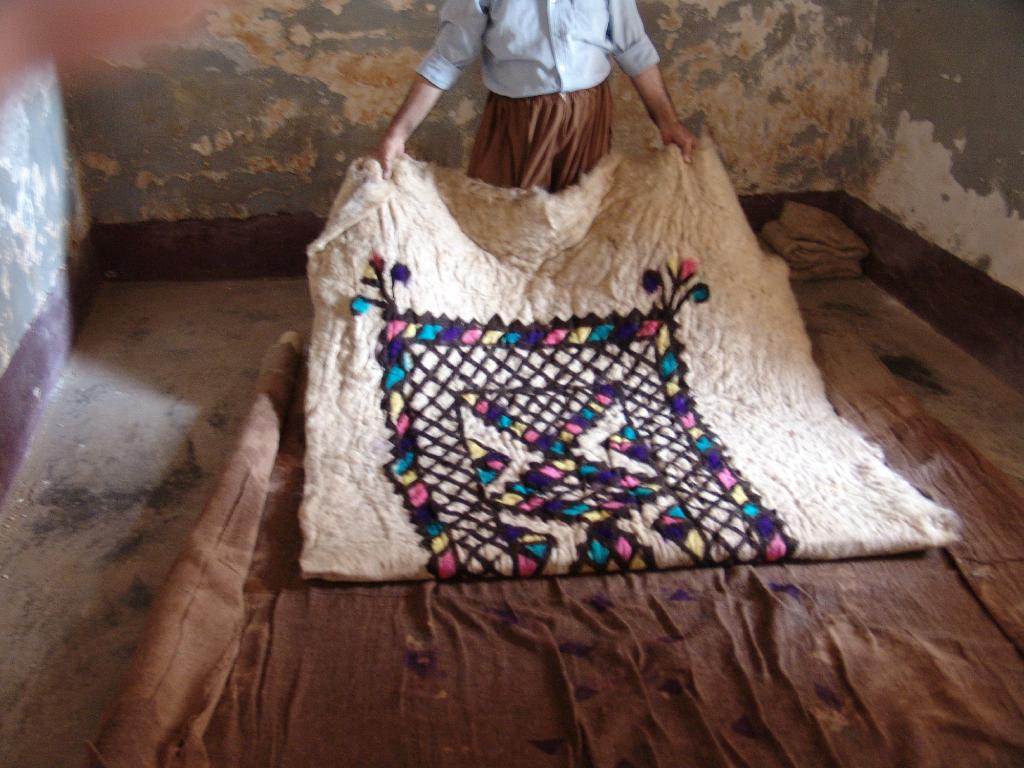
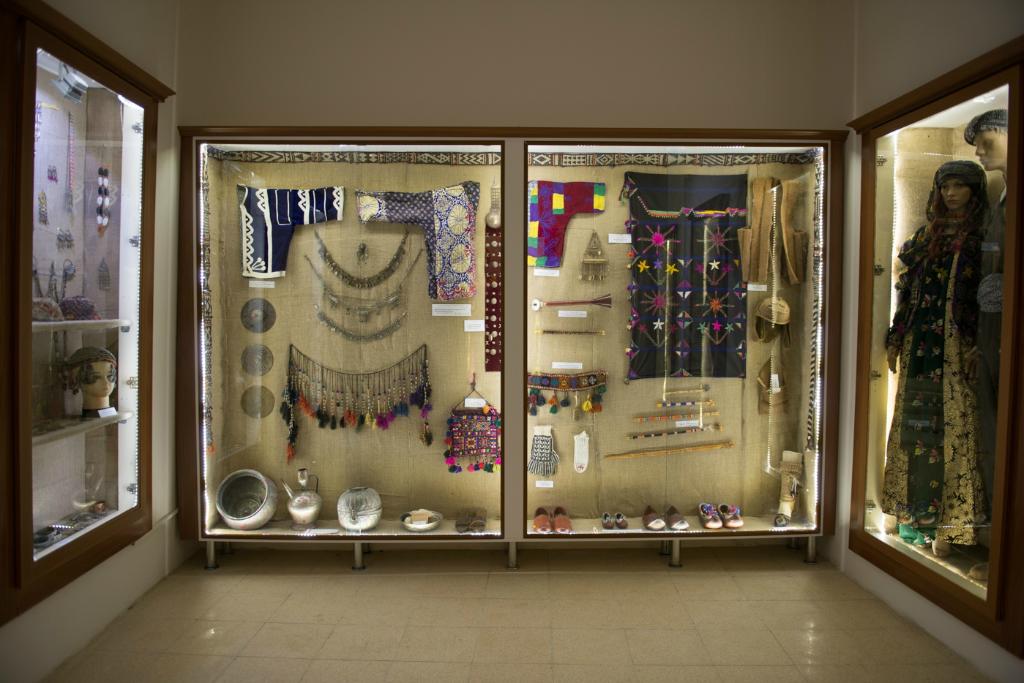
Ancient Weaving Tools
Discover the craftsmanship behind the textiles by viewing the historical tools and understanding the traditional dyeing processes.
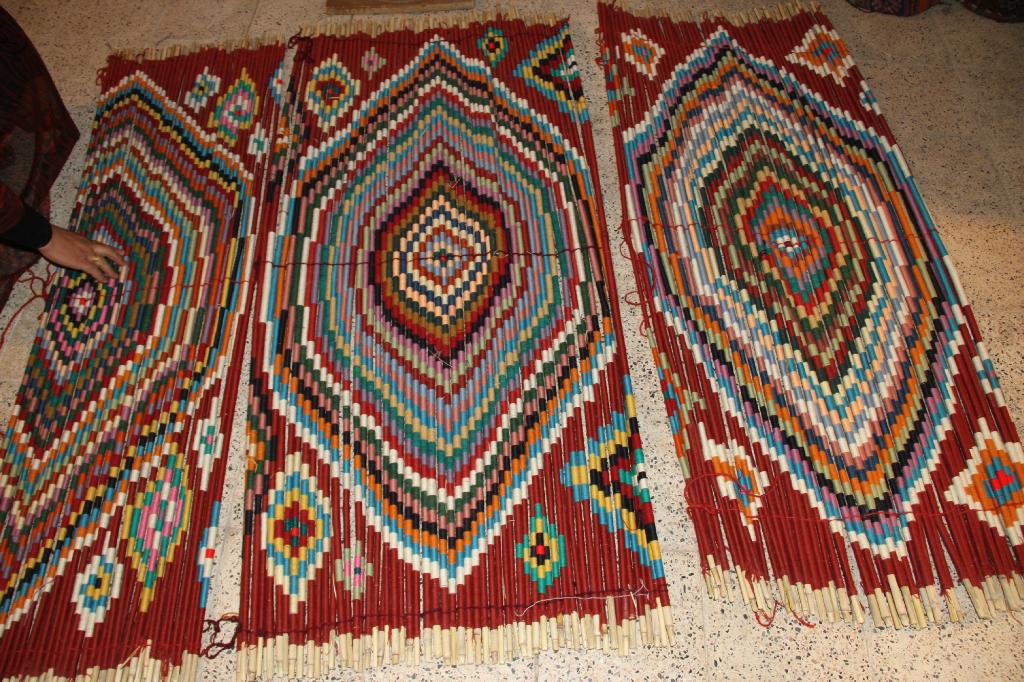
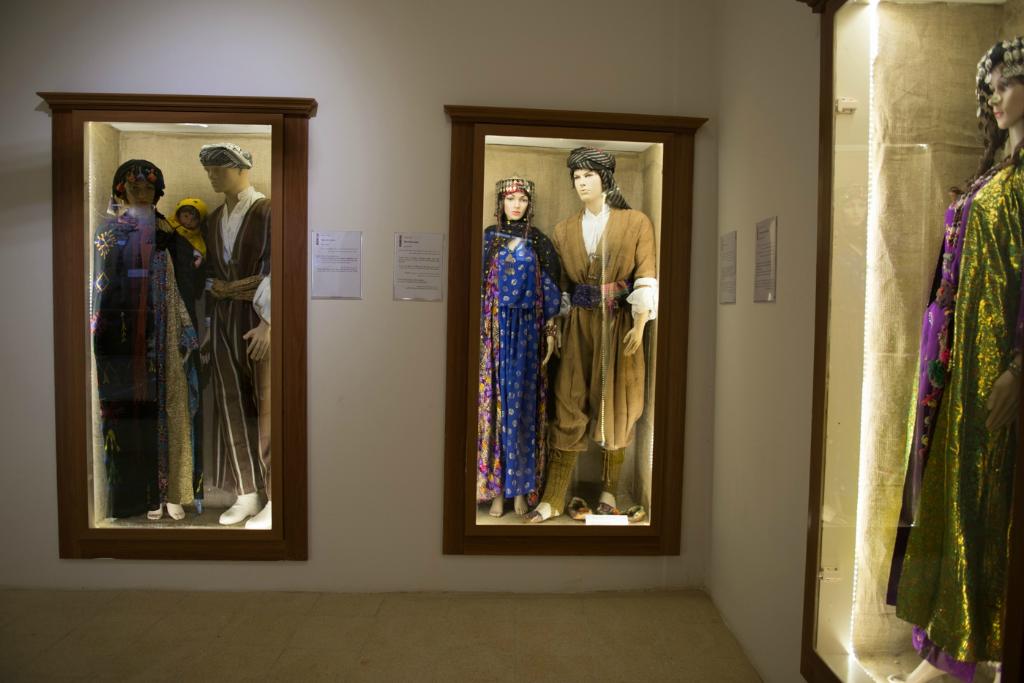
Cultural Narratives
Gain insights into Kurdish culture, traditions, and even their historical struggles through informative displays alongside the textiles.
Plans like a pro.
Thinks like you
Planning Your Visit
Timing is Key for a Peaceful Visit
Understand the Cultural Tapestry
Best Times
Insider Tips
from TikTok, Instagram & Reddit
Shahmaran, the KURDISH legend ❤️☀️💚
Shamaran wan an orphan girl, she lived with her old grandmother and was distinguished by beauty, and wisdom. She loved a poor young man from the village, and as soon as the news of her love for the poor young man reached her cousin, the oppressive Agha, he became mad and went to…
Allow ample time
Don't rush; immerse yourself in the stories woven into each piece.
Engage with the history
Read the descriptions to understand the cultural significance and symbolism.
Visit the Citadel
The museum is within the historic Erbil Citadel, explore the surroundings too!
Appreciate nomadic life
Reflect on how these textiles represent Kurdistan's nomadic lifestyle.
Tips
from all over the internet
Allow ample time
Don't rush; immerse yourself in the stories woven into each piece.
Engage with the history
Read the descriptions to understand the cultural significance and symbolism.
Visit the Citadel
The museum is within the historic Erbil Citadel, explore the surroundings too!
Appreciate nomadic life
Reflect on how these textiles represent Kurdistan's nomadic lifestyle.
What Travellers Say
Reviews Summary
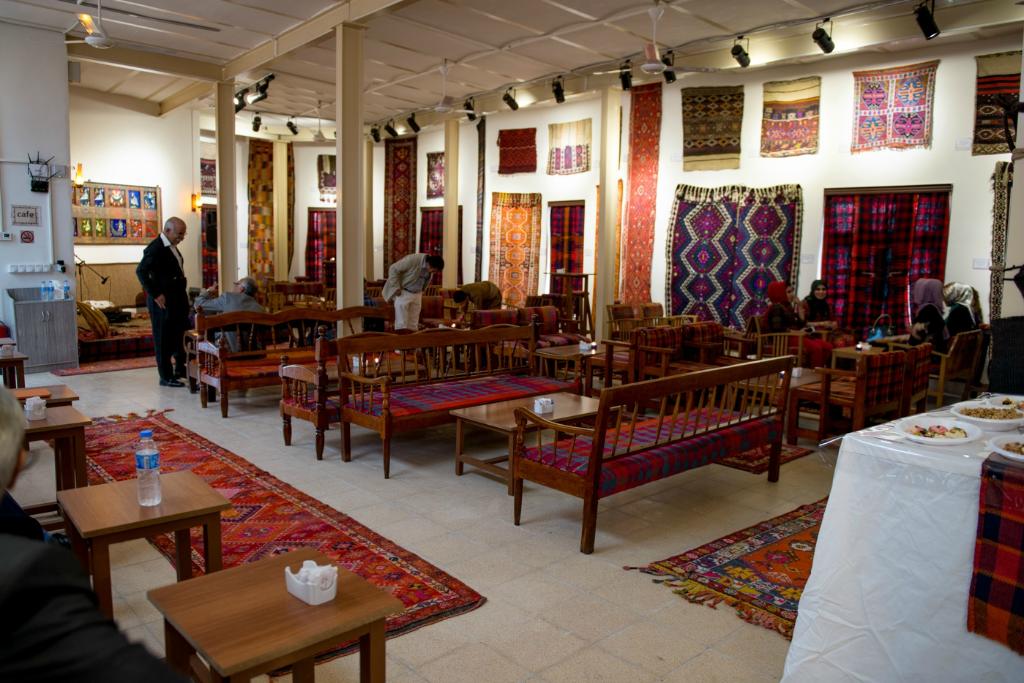
Visitors consistently praise the Kurdish Textile Museum for its beautiful collection of traditional carpets and textiles, highlighting the intricate craftsmanship and vibrant colors. Many appreciate the cultural insights and historical context provided, offering a deeper understanding of Kurdish heritage. While not typically crowded, the museum is a peaceful and informative stop within the historic Erbil Citadel.
"The Erbil Textile Museum, located inside the historic Erbil Citadel, is a fascinating place that beautifully preserves Kurdish and Iraqi cultural heritage. The museum showcases a wide collection of traditional handwoven carpets, rugs, and textiles from different regions of Kurdistan and Iraq. Each piece tells a story through its patterns, colors, and craftsmanship. The atmosphere inside the museum is peaceful and full of history, and the displays are well organized, helping visitors understand the cultural importance of weaving in this region. It’s also interesting to see the old weaving tools and how the artisans used natural dyes. Overall, the Erbil Textile Museum is a must-visit for anyone interested in art, culture, and traditional craftsmanship.”"
Rasha Dwieb
"One of the oldest cities in the world is in Kurdistan"
Sarwat Sabar
"I really enjoyed visiting this museum. It didn't only show textiles but also had a lot of information to offer about the Kurdish culture and its recent and current struggles. It is also very informative about the textiles, explaining patterns and material used for the natural dyes. I would recommend this museum to anyone who is interested in learning about cultures and traditions."
Jana Saalfeld
What People Like
What People Dislike
Frequently Asked Questions
🚇 🗺️ Getting There
The Kurdish Textile Museum is located within the historic Erbil Citadel. You can reach the Citadel by taxi or ride-sharing services. Once inside the Citadel, follow signs for the museum.
Parking is available in designated areas around the Erbil Citadel. It's advisable to arrive early, especially during peak times, to secure a spot.
While direct public transport to the museum's entrance might be limited, you can take local buses or taxis to the vicinity of the Erbil Citadel and then walk to the museum.
The Erbil Citadel is a large historical site. Look for directional signage within the Citadel complex that points towards the Kurdish Textile Museum. Maps might also be available at the Citadel entrance.
The museum is situated within the prominent Erbil Citadel itself, a major landmark. Once inside, the museum is a key attraction within the Citadel's historical buildings.
🎫 🎫 Tickets & Entry
Opening hours can vary, so it's best to check locally or with your accommodation for the most up-to-date information. Generally, museums in the region operate during daylight hours.
Admission fees are typically modest. It's recommended to have some local currency on hand for the entrance ticket.
Advance booking is usually not required for the Kurdish Textile Museum, as it's not typically overcrowded. However, for groups, it might be advisable to inquire.
Discounts may be available for students, seniors, or children. It's worth inquiring at the ticket counter about any applicable concessions.
Visiting on a weekday, particularly in the morning or late afternoon, is recommended to avoid larger crowds and enjoy a more peaceful experience.
🎫 🧭 Onsite Experience
You can expect to see a rich collection of traditional Kurdish handwoven carpets, rugs, and various textiles, showcasing intricate patterns, natural dyes, and craftsmanship.
While children can appreciate the colors and patterns, the museum's focus on cultural history and textiles might be more engaging for older children and adults.
Photography policies can vary. It's best to look for signage or ask museum staff if photography is permitted, especially without flash.
A typical visit can last from 1 to 2 hours, depending on your interest in the details of the textiles and the cultural information provided.
As the museum is housed in a historic building within the Citadel, accessibility might be limited. It's advisable to inquire about specific facilities beforehand.
📸 📸 Photography
The most photogenic aspects are the vibrant, intricately patterned carpets and rugs. The textures and colors are stunning.
Flash photography is generally not permitted in museums to protect delicate textiles from damage. Always check for specific rules.
Focus on close-ups of the detailed patterns, the rich textures of the fabrics, and wider shots that show the scale of the displays.
Areas with well-lit displays of the most elaborate carpets and rugs will offer the best photographic potential.
Natural light filtering into the museum can be beautiful. Aim for times when the lighting is soft, avoiding harsh direct sunlight if possible.
Social
from TikTok, Instagram & Reddit