Har HaMenuchot Cemetery
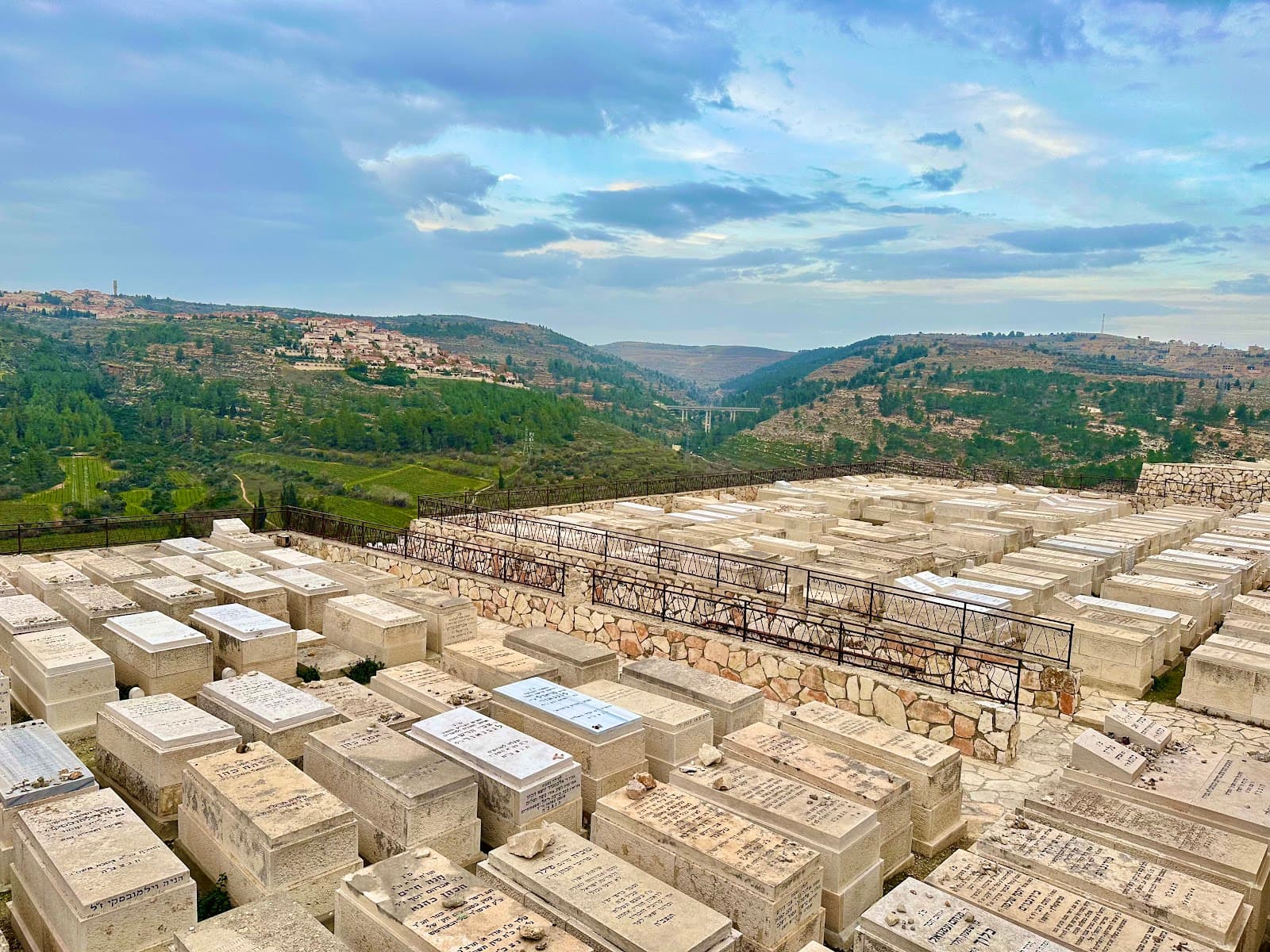
Jerusalem's largest cemetery, a vast resting place offering profound historical and spiritual insights with panoramic city views.
Highlights
Must-see attractions

Social
From TikTok & Reddit
Best Time
Fewer services, more peaceful.
Har HaMenuchot Cemetery
Best Time
Fewer services, more peaceful.
Highlights
Must-see attractions
Jerusalem's largest cemetery, a vast resting place offering profound historical and spiritual insights with panoramic city views.
"Quiet, clean and well maintained cemetery, close to my heart as my loved ones are resting there."
🚗 Parking Challenges
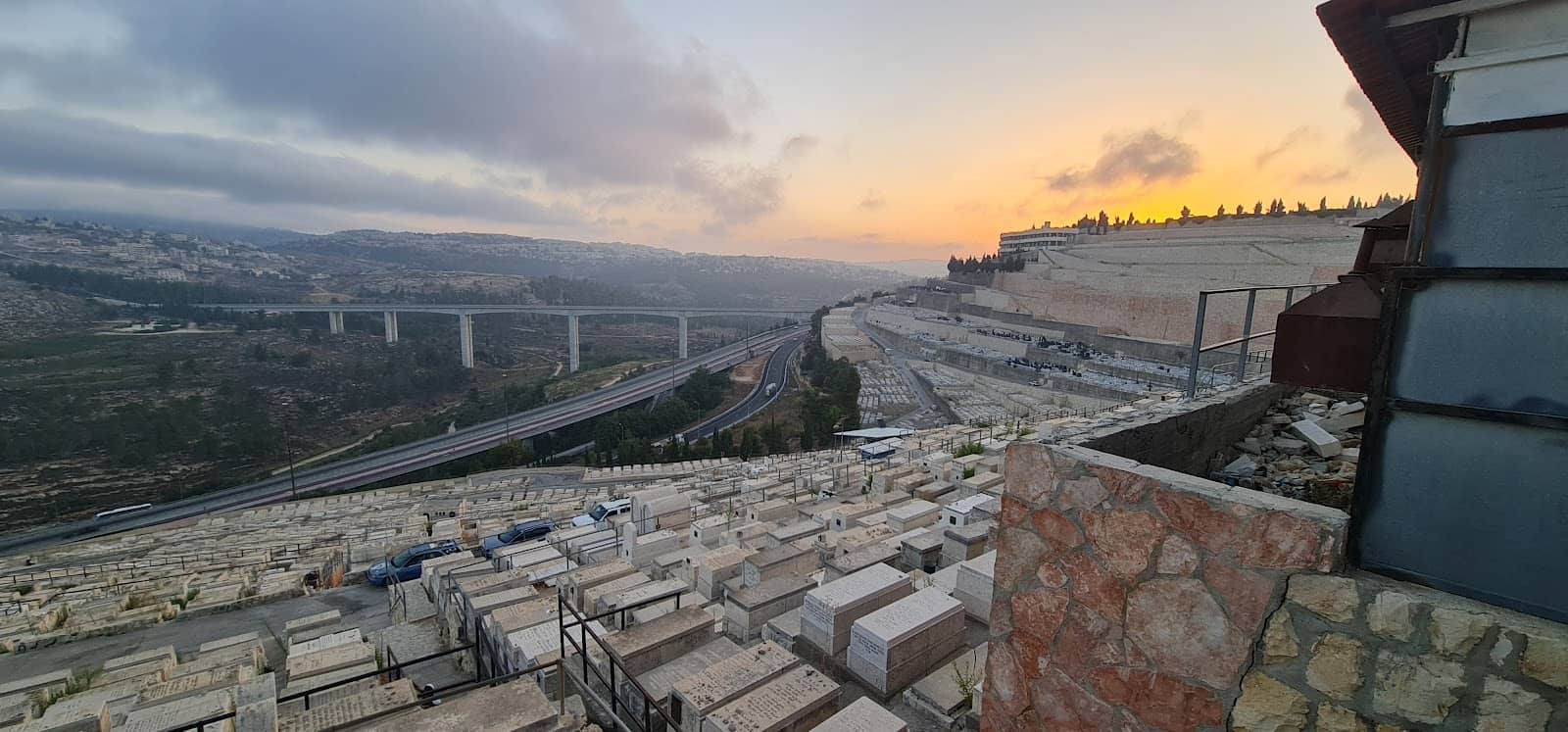
Parking can be very difficult, especially near specific graves. Arrive early or consider alternative transport.
🗺️ Navigation Woes
The cemetery is vast and can be hard to navigate. A map or GPS is highly recommended.
Quick Facts
Hours
Rating
4 · 135 reviews
Type
Cemetery
Address
Highlights
Discover the most iconic attractions and experiences
Tomb of Absalom
Mount of Olives
An ancient, monumental tomb believed to be that of King David's son, Absalom. A significant historical landmark.
Graves of Prominent Rabbis
Near the entrance
Pay respects to revered religious leaders. Many graves are adorned with stones left by visitors.
Panoramic City Views
Higher elevations
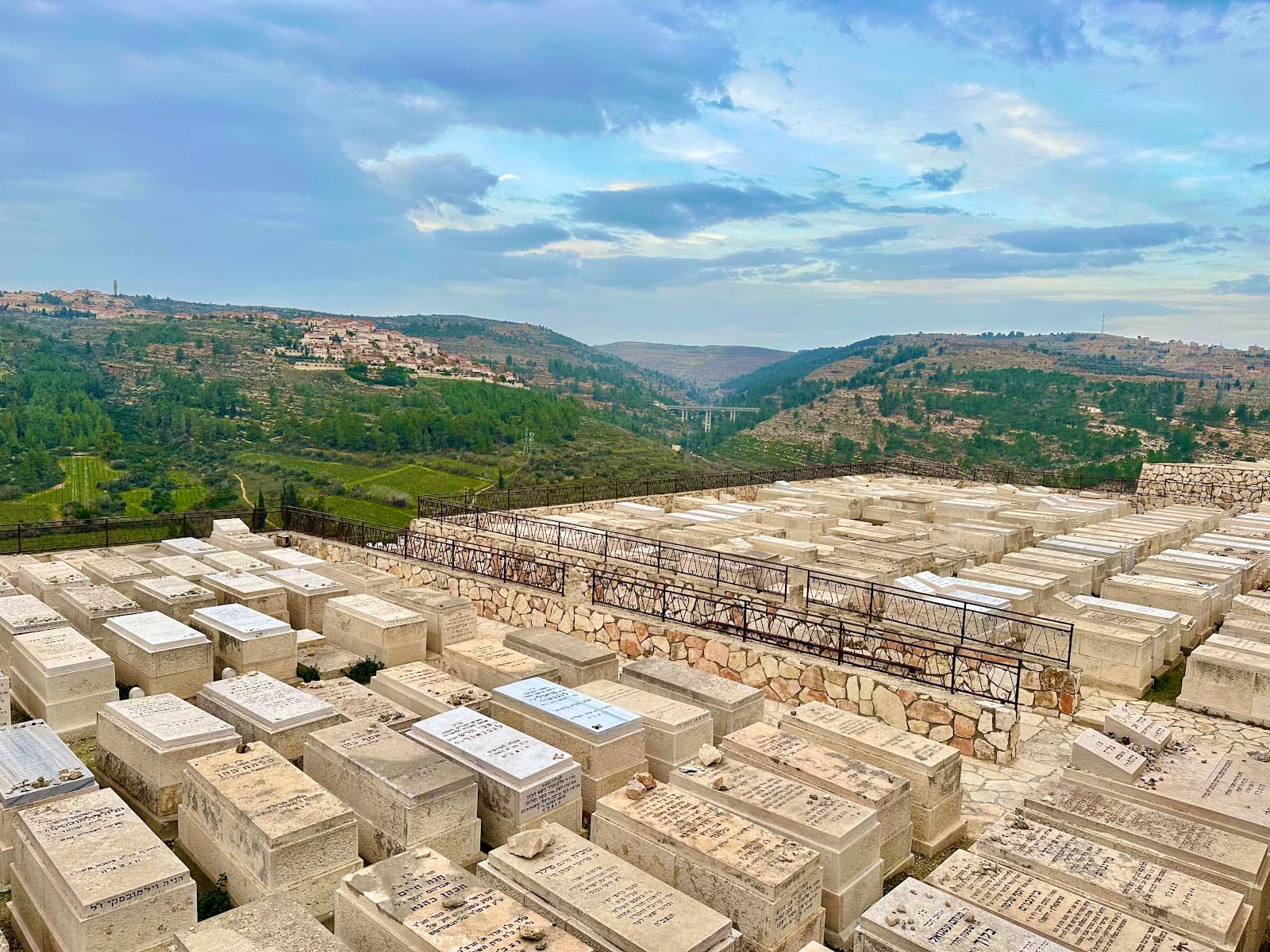
Breathtaking vistas of Jerusalem, the surrounding hills, Motza, and Mevaseret Zion.
Plans like a pro.
Thinks like you
Planning Your Visit
Navigating Har HaMenuchot
Respectful Visitation
Best Times
Insider Tips
from TikTok, Instagram & Reddit
🚗 Parking Challenges
Parking can be very difficult, especially near specific graves. Arrive early or consider alternative transport.
🗺️ Navigation Woes
The cemetery is vast and can be hard to navigate. A map or GPS is highly recommended.
💧 Bring Your Own Toiletries
Restrooms are available but often lack toilet paper. Come prepared!
🚶♀️ Wear Comfortable Shoes
You'll be doing a lot of walking on uneven terrain. Sturdy footwear is a must.
Tips
from all over the internet
🚗 Parking Challenges
Parking can be very difficult, especially near specific graves. Arrive early or consider alternative transport.
🗺️ Navigation Woes
The cemetery is vast and can be hard to navigate. A map or GPS is highly recommended.
💧 Bring Your Own Toiletries
Restrooms are available but often lack toilet paper. Come prepared!
🚶♀️ Wear Comfortable Shoes
You'll be doing a lot of walking on uneven terrain. Sturdy footwear is a must.
🙏 Respectful Demeanor
This is a place of mourning. Dress modestly and maintain a quiet, respectful attitude.
What Travellers Say
Reviews Summary
Visitors describe Har HaMenuchot as a quiet, clean, and well-maintained cemetery offering profound spiritual and historical insights. While appreciated for its serene atmosphere and breathtaking views, many find the parking and navigation challenging. It's generally considered more of a place for remembrance than a typical tourist attraction.
"Quiet, clean and well maintained cemetery, close to my heart as my loved ones are resting there. Parking and orientation are very complicated. Not really a tourist attraction, IMHO.
The views on the surrounding hills, Motza and Mevaseret Zion, are breathtaking."
Reut Golinsky
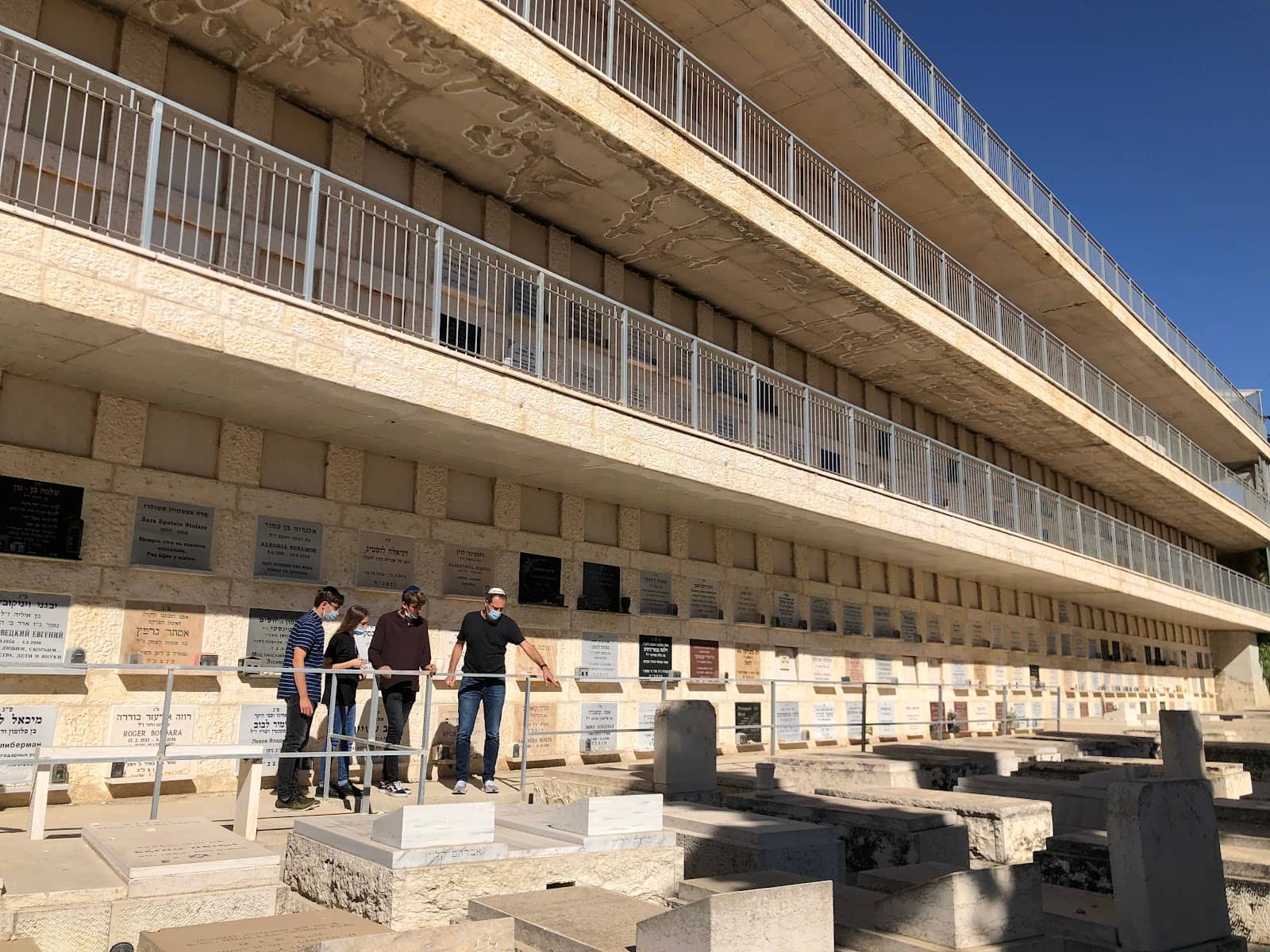
"Solitude. Peaceful and serene like a city in itself. Austere setting surrounded by maintains and greenery. Most of the graves are clearly marked, not just on top, but on the sides for easier recognition. Many great Rabbis buried here and their plots are covered in stones marking all those who came to pray and pay their respects. Very spiritual feeling and a view of family and national history. Clean bathrooms, but no toilet paper, so come prepared."
Naomi Sprung
"The view can be fantastic, but the cemetery is not recommended for sight seeing. Parking is difficult near graves. The graves are also hard to find. Prominent religious figures are buried in a separate section near the entrance."
Jay Levinson
What People Like
What People Dislike
Frequently Asked Questions
🚇 🗺️ Getting There
Har HaMenuchot is accessible by car, though parking can be challenging. Public transportation options include buses that stop near the cemetery entrances. It's advisable to check local bus routes and schedules in advance. For those using navigation apps, searching for 'Har HaMenuchot Cemetery' should provide directions.
Yes, parking is available, but it can be very difficult to find a spot, especially during peak times or if you are looking for a specific section. It's recommended to arrive early or be prepared for a walk from your parking location.
Taxis and rideshare services can drop you off at the cemetery's entrances. This can be a convenient option if you are unfamiliar with the area or prefer not to deal with parking. Ensure your driver knows the specific section or entrance you wish to reach.
The cemetery is extensive and can be disorienting. While there are some signs, a cemetery map or a GPS-enabled app is highly recommended for finding specific graves or sections. Some visitors find it helpful to note landmarks.
The terrain can be uneven and hilly, which may pose challenges for individuals with mobility issues. While some main paths are paved, many areas are unpaved. It's advisable to contact the cemetery administration in advance for specific accessibility information.
🎫 🎫 Tickets & Entry
Har HaMenuchot Cemetery does not typically charge an entrance fee for visitors. It is a functioning cemetery, and access is generally open to the public during daylight hours. However, it's always a good idea to confirm operating hours.
The cemetery is generally open during daylight hours. Specific hours can vary, and it's advisable to check for any updated information, especially around holidays or during periods of mourning. Access may be restricted during religious services.
No, tickets are not required to visit Har HaMenuchot Cemetery. As it is a place of burial, entry is typically free and open to the public. Visitors are expected to behave respectfully.
Yes, the cemetery is an active burial ground. If you are attending a funeral or memorial service, it's best to coordinate with the family or funeral home for specific timings and locations. Be prepared for potentially emotional scenes.
Visitors are generally allowed to bring flowers or small memorial items. However, it's best to avoid bringing large bags, food, or anything that could be considered disruptive. Respectful conduct is expected at all times.
🎫 🧭 Onsite Experience
The atmosphere is generally solemn, peaceful, and spiritual. It's a place of remembrance and reflection, with many visitors coming to pay respects to loved ones or prominent figures. The vastness and the surrounding hills contribute to a serene, albeit somber, environment.
Official guided tours are not commonly advertised for Har HaMenuchot. However, some private tour operators in Jerusalem may offer historical or religious tours that include a visit to the cemetery. It's also possible to explore independently, though navigation can be challenging.
Har HaMenuchot is the final resting place for many prominent rabbis, scholars, and public figures in Jewish history. Notable burials include various Chief Rabbis of Israel and influential religious leaders from different Jewish communities. The Tomb of Absalom is also a significant historical site within the broader Mount of Olives area.
Placing stones on graves is a Jewish tradition symbolizing a visit and remembrance of the deceased. It signifies that someone has come to pay their respects. Many graves, especially those of revered figures, are covered in these stones.
Yes, restrooms are available within Har HaMenuchot. However, as noted by visitors, they may not always be stocked with toilet paper, so it's advisable to bring your own.
📸 📸 Photography
Photography is generally permitted, but it's crucial to be discreet and respectful. Avoid photographing mourners or services. Focus on the landscape, architecture, and historical markers. Remember, it's a place of mourning, so sensitivity is key.
The panoramic views of Jerusalem and the surrounding hills offer excellent photographic opportunities. The unique architecture of some older tombs, like the Tomb of Absalom, and the sea of gravestones can also make for compelling shots. Look for interesting textures and light.
The primary guideline is respect. Do not photograph people without their explicit consent, especially if they appear to be in mourning. Avoid intrusive photography that might disturb the peace of the cemetery. Be mindful of the solemnity of the location.
Drone usage is typically restricted in cemeteries and sensitive religious sites due to privacy and security concerns. It is highly unlikely that drone photography is permitted at Har HaMenuchot. Always check local regulations before flying a drone.
A versatile lens, such as a 24-70mm or a 35mm prime, would be suitable for capturing both landscapes and details. A wide-angle lens can be useful for the panoramic views. Consider a camera with good low-light performance if you plan to stay until dusk. A tripod might be useful for landscape shots but can be cumbersome.
Social
from TikTok, Instagram & Reddit