
Sabil Abu Nabbut Jaffa
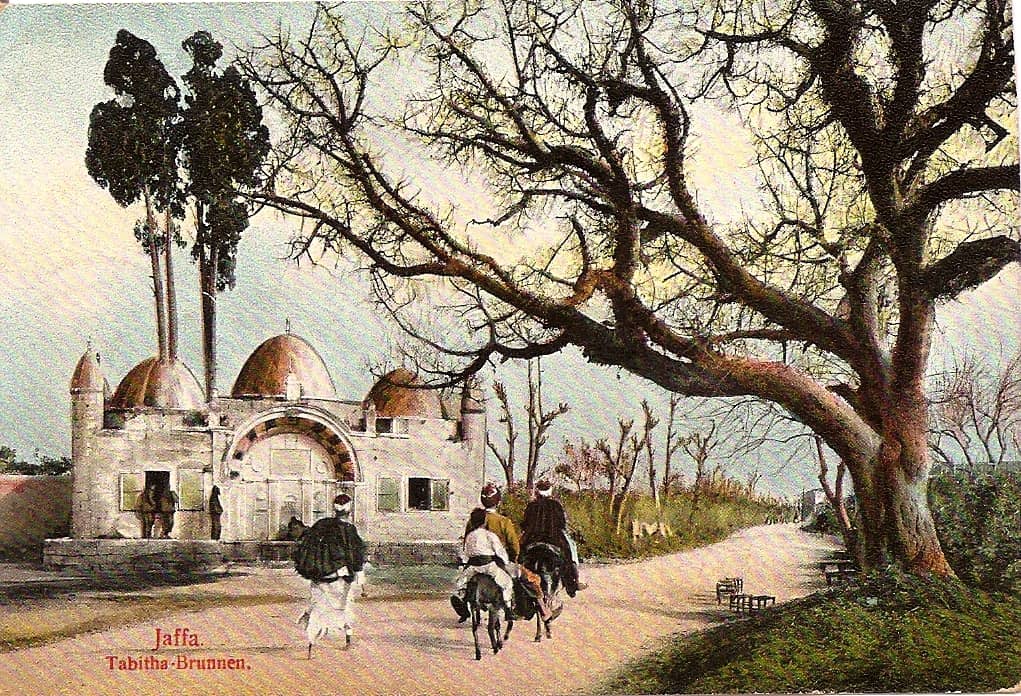
A historic Ottoman fountain and sculpture garden in Jaffa, once a vital water stop for travelers to Jerusalem.
Highlights
Must-see attractions

Social
From TikTok & Reddit
Best Time
Best for architecture & art
Sabil Abu Nabbut Jaffa
Best Time
Best for architecture & art
Highlights
Must-see attractions
A historic Ottoman fountain and sculpture garden in Jaffa, once a vital water stop for travelers to Jerusalem.
"A beautiful Ottoman structure and a testament to Jaffa's historical importance as a gateway."

Check Restoration Status
Confirm current access as it's often undergoing restoration. :information_source:
Explore the Art
Don't miss the adjacent sculpture garden by Igael Tumarkin. 🎨

Quick Facts
Hours
Rating
4.2 · 78 reviews
Type
Tourist Attraction
Highlights
Discover the most iconic attractions and experiences
The Ottoman Fountain
Main structure
A beautifully restored 19th-century fountain, a crucial oasis for ancient travelers.
Igael Tumarkin Sculpture Garden
Adjacent to the fountain
An artistic space featuring sculptures by a renowned Israeli artist.


Historical Gateway Arch
Near the fountain
An impressive archway that once marked the entrance to Jaffa for land travelers.
Plans like a pro.
Thinks like you
Planning Your Visit
Timing Your Visit
Understanding the History
Best Times
Insider Tips
from TikTok, Instagram & Reddit
Check Restoration Status
Confirm current access as it's often undergoing restoration. :information_source:
Explore the Art
Don't miss the adjacent sculpture garden by Igael Tumarkin.
Historical Context
Imagine travelers filling water for their journey to Jerusalem.
Photo Opportunities
Great spot for capturing Ottoman architecture and urban art.
Tips
from all over the internet
Check Restoration Status
Confirm current access as it's often undergoing restoration. :information_source:
Explore the Art
Don't miss the adjacent sculpture garden by Igael Tumarkin.
Historical Context
Imagine travelers filling water for their journey to Jerusalem.
Photo Opportunities
Great spot for capturing Ottoman architecture and urban art.
What Travellers Say
Reviews Summary
Visitors praise Sabil Abu Nabbut for its beautiful Ottoman architecture and historical significance as a traveler's oasis. The adjacent sculpture garden adds an artistic dimension. Some note that the site is frequently undergoing restoration, which can affect accessibility and the overall experience.
"Beautiful Arab fountain from the 1800s, recently renovated."
Regis Firmin
"Currently going through restorations.
Was erected by Muhammad Abu-Nabbut Agha who ruled Jaffa in early 19th century.
It was the last spot for the travelers to Jerusalem to get water for their journey.
Its possible the water originated from a well-house few hunderd meters north-east-east"
Eliran V
"Interesting place.
You can visit it if you will be near"
Ilona Kaplun
What People Like
What People Dislike
Frequently Asked Questions
🚇 🗺️ Getting There
Sabil Abu Nabbut is located in Jaffa, easily accessible by public transport from Tel Aviv. Many visitors arrive by bus or taxi. It's also a pleasant walk from other Jaffa attractions.
Yes, Sabil Abu Nabbut is situated on the historical route leading from Jaffa Port inland, making it a logical stop when exploring the area.
While a longer walk, it's feasible for those who enjoy exploring on foot. Alternatively, consider a short bus or taxi ride from central Tel Aviv.
Numerous bus lines run from Tel Aviv to Jaffa. Alight at a stop near the Old City or the port and walk towards the fountain.
Parking in Jaffa can be challenging. It's recommended to use public transport or explore parking options near the Jaffa Port and walk.
🎫 🎫 Tickets & Entry
Sabil Abu Nabbut is an outdoor historical site and generally free to visit. However, access might be restricted during restoration periods.
As an outdoor monument, it's typically accessible during daylight hours. It's advisable to check for any temporary closures due to ongoing restoration work.
The site is often undergoing restoration. It's best to check recent local information or social media for the most up-to-date status before your visit.
The sculpture garden adjacent to the fountain is usually part of the public space and free to access, though it may also be affected by restoration efforts.
While the exterior is visible, visiting at night is not recommended as the area is not illuminated, and access might be restricted. Daylight hours are best for appreciation.
📸 📸 Photography
Early morning or late afternoon offer the best light for photography, minimizing harsh shadows and capturing the architectural details beautifully.
Generally, photography for personal use is allowed. However, always be mindful of any temporary signage or restrictions, especially if restoration work is active.
You can capture the intricate Ottoman architecture of the fountain, the surrounding sculptures, and the historical gateway arch.
Drone usage is often restricted in urban areas and historical sites. It's best to check local regulations before attempting any drone photography.
A wide-angle lens is useful for capturing the entire fountain and arch. A standard zoom lens is versatile for details and sculptures.
🎫 🏛️ History & Significance
It was built in the early 19th century by Muhammad Abu Nabbut, the Ottoman governor of Jaffa, to provide water for travelers journeying between Jaffa and Jerusalem.
It served as the last reliable water source for caravans and pilgrims before they embarked on the arduous journey inland, making it a vital stop.
The fountain exhibits classic Ottoman architectural elements, characterized by its arches and decorative stonework.
While not directly connected to the biblical figure Tabitha, the fountain is sometimes referred to as 'Tabitha's Well' due to its proximity to historical sites associated with her.
The garden, established in 2000 by artist Igael Tumarkin, adds a contemporary artistic layer to the historical site, creating a dialogue between past and present.



Social
from TikTok, Instagram & Reddit