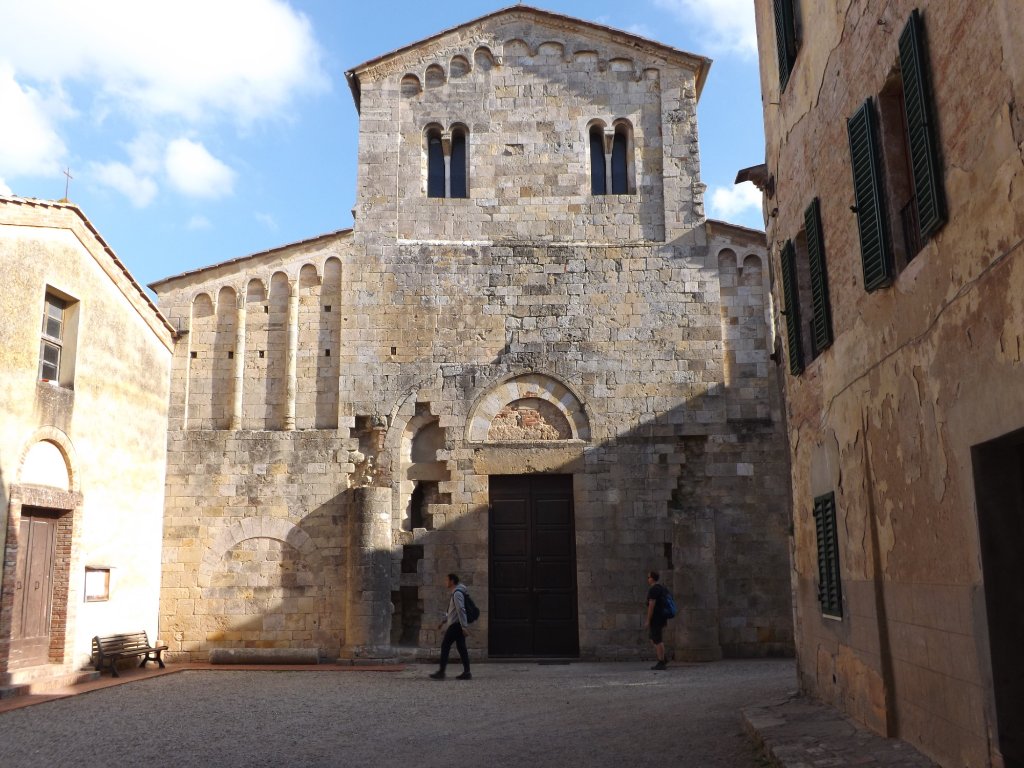
Abbadia a Isola
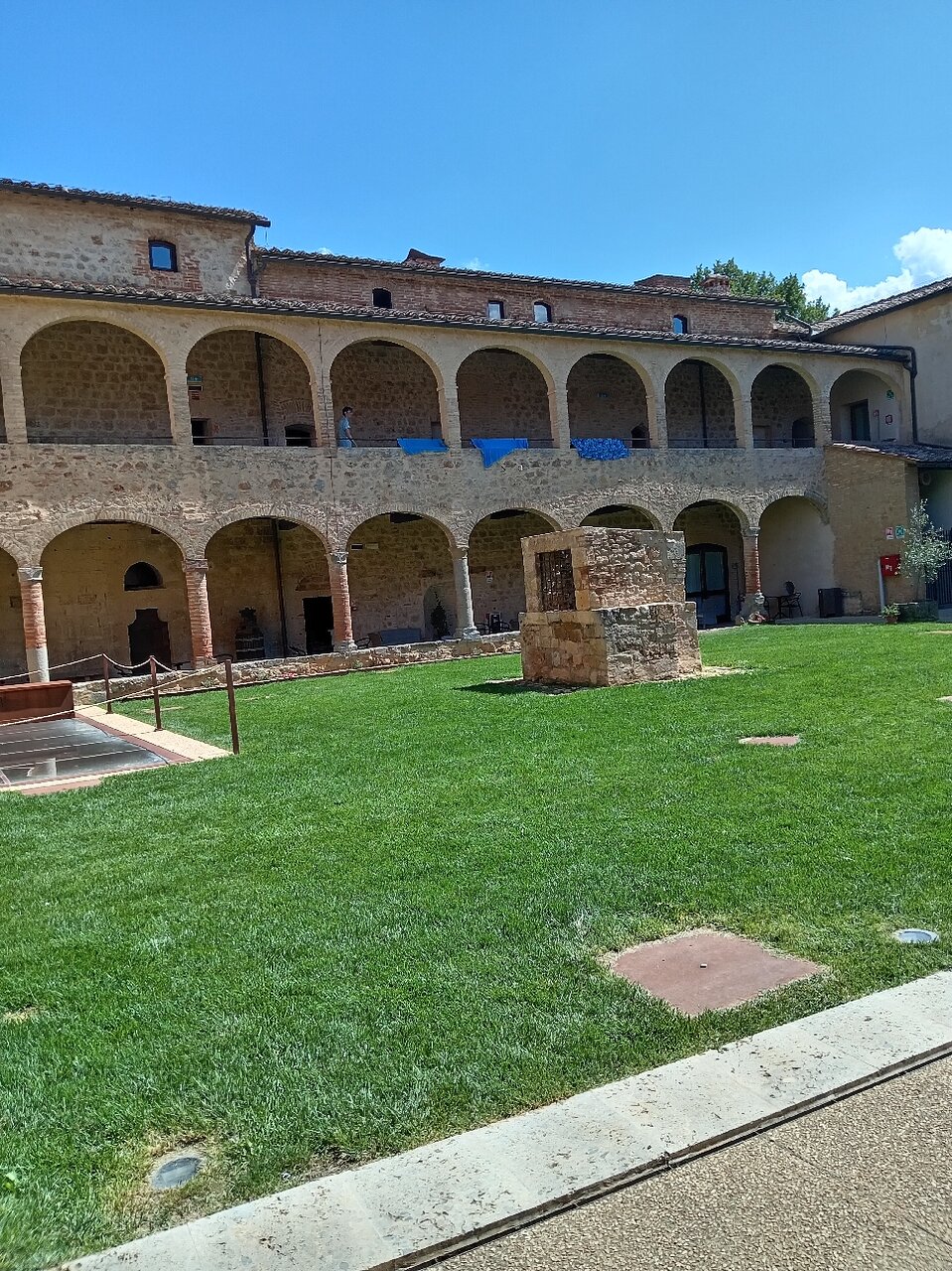
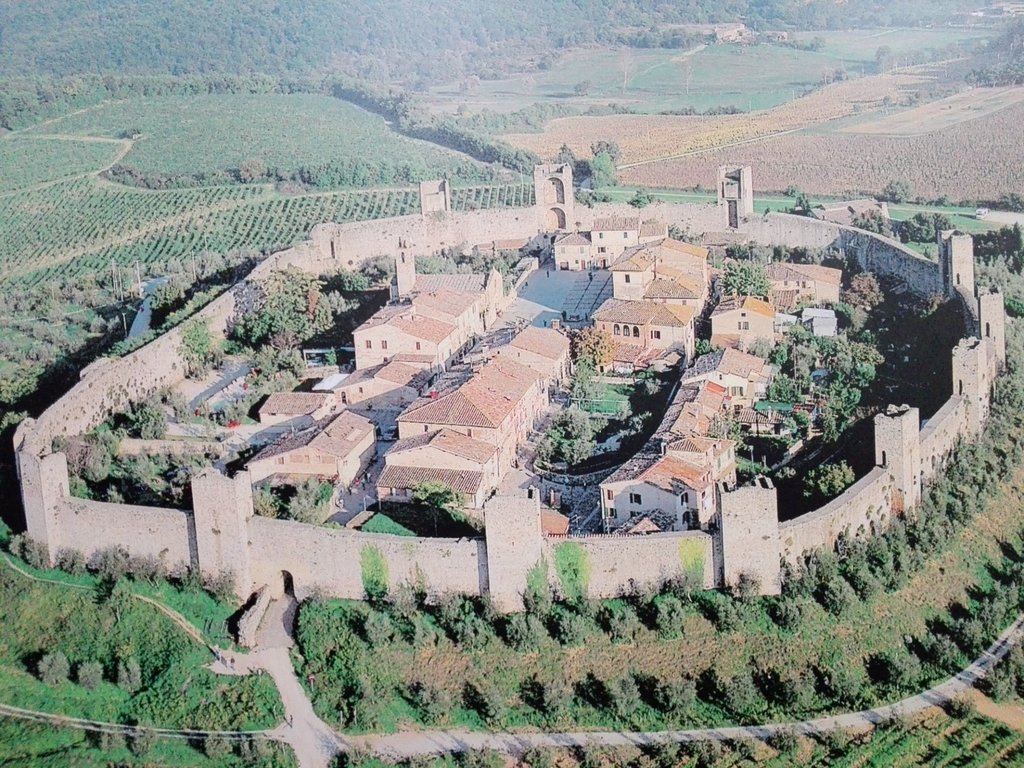
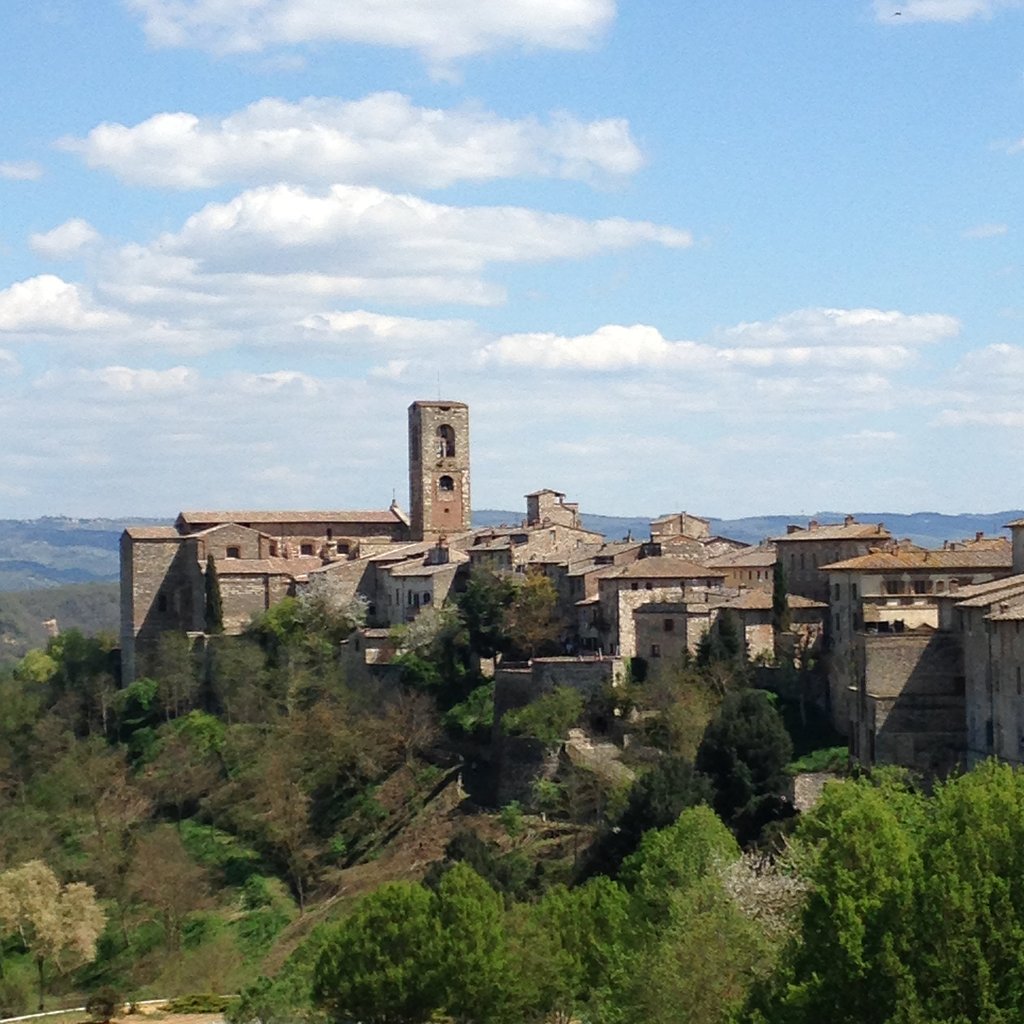
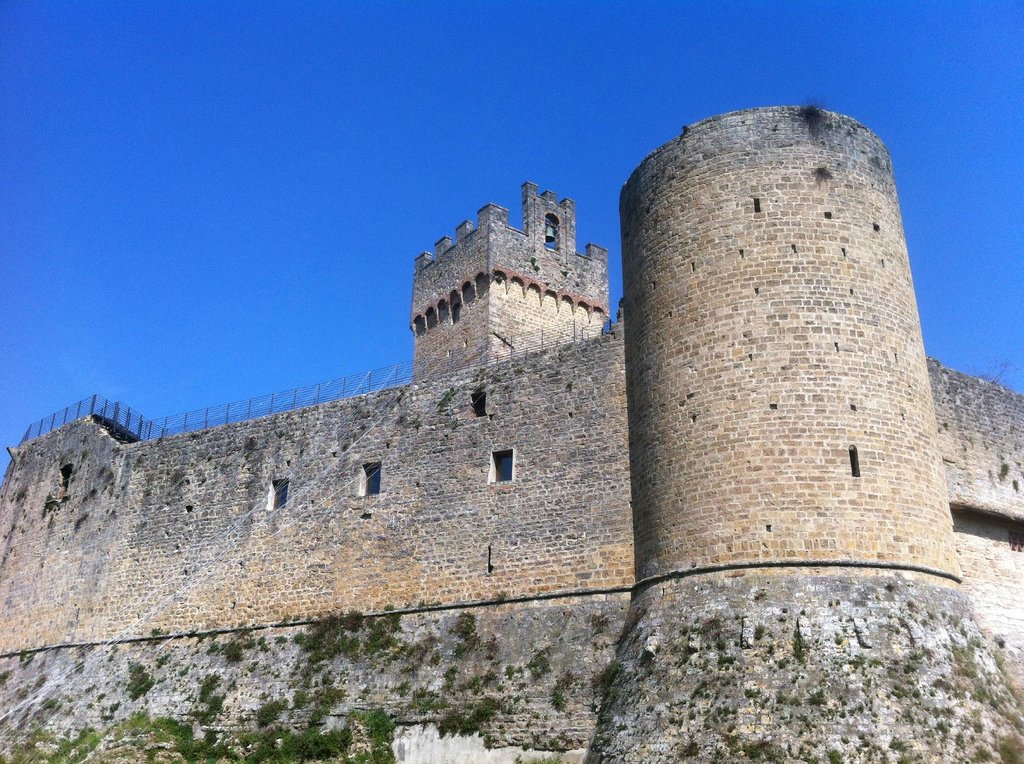
A serene medieval village centered around an 11th-century Benedictine Abbey, a vital stop on the historic Via Francigena pilgrimage route.
Highlights
Must-see attractions

Social
From TikTok & Reddit
Best Time
Pleasant weather, fewer crowds
Abbadia a Isola
Best Time
Pleasant weather, fewer crowds
Highlights
Must-see attractions
A serene medieval village centered around an 11th-century Benedictine Abbey, a vital stop on the historic Via Francigena pilgrimage route.
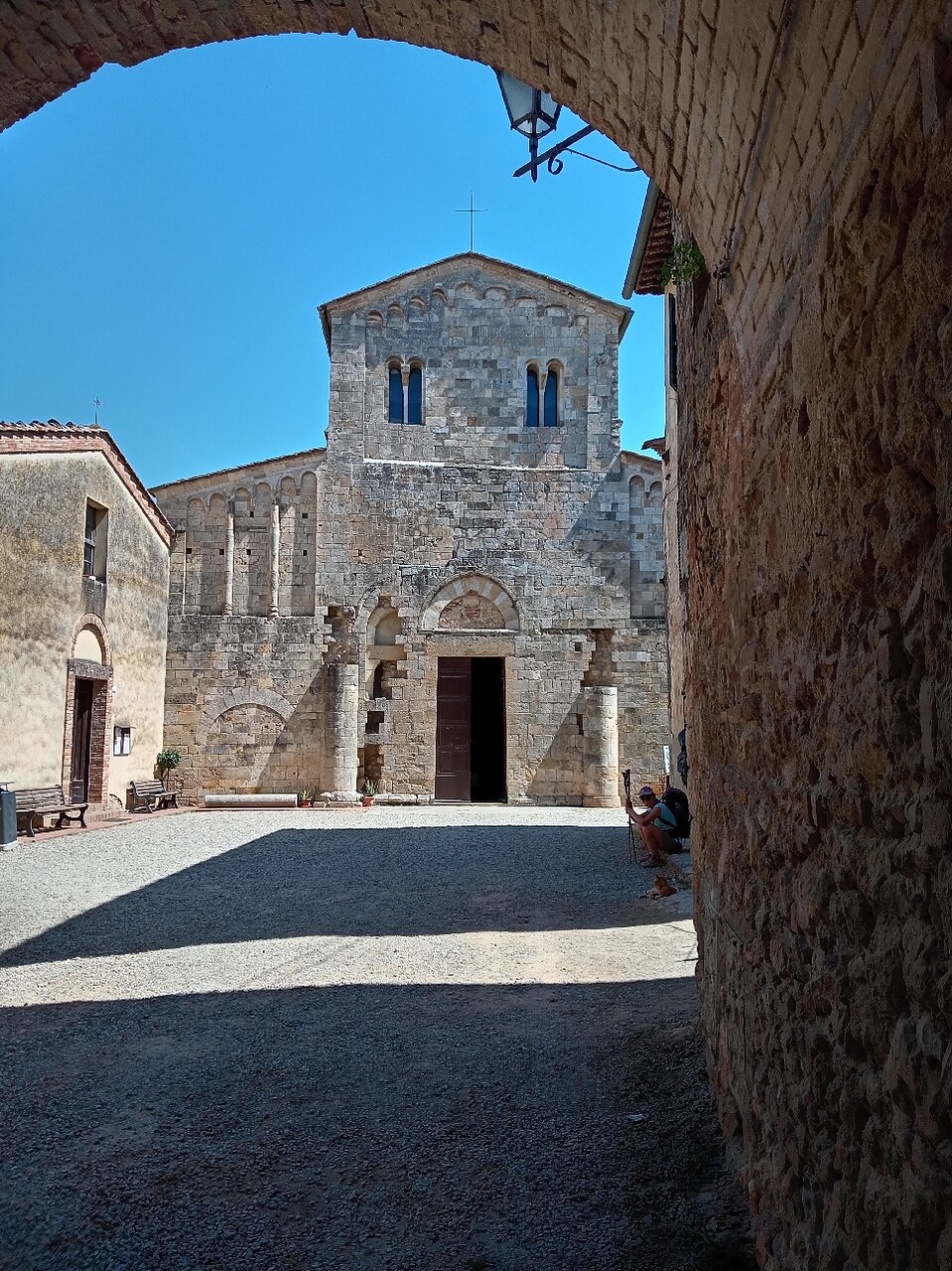
🚶♀️ Walk the Via Francigena
Experience the pilgrimage route firsthand; many visitors enjoy the journey on foot or by bike.
📸 Capture the Abbey's Charm
The Romanesque architecture and serene setting make for beautiful photos, especially in soft light.
Quick Facts
Highlights
Discover the most iconic attractions and experiences
Abbazia Benedettina dei Santi Salvatore e Cirino
The Abbey itself
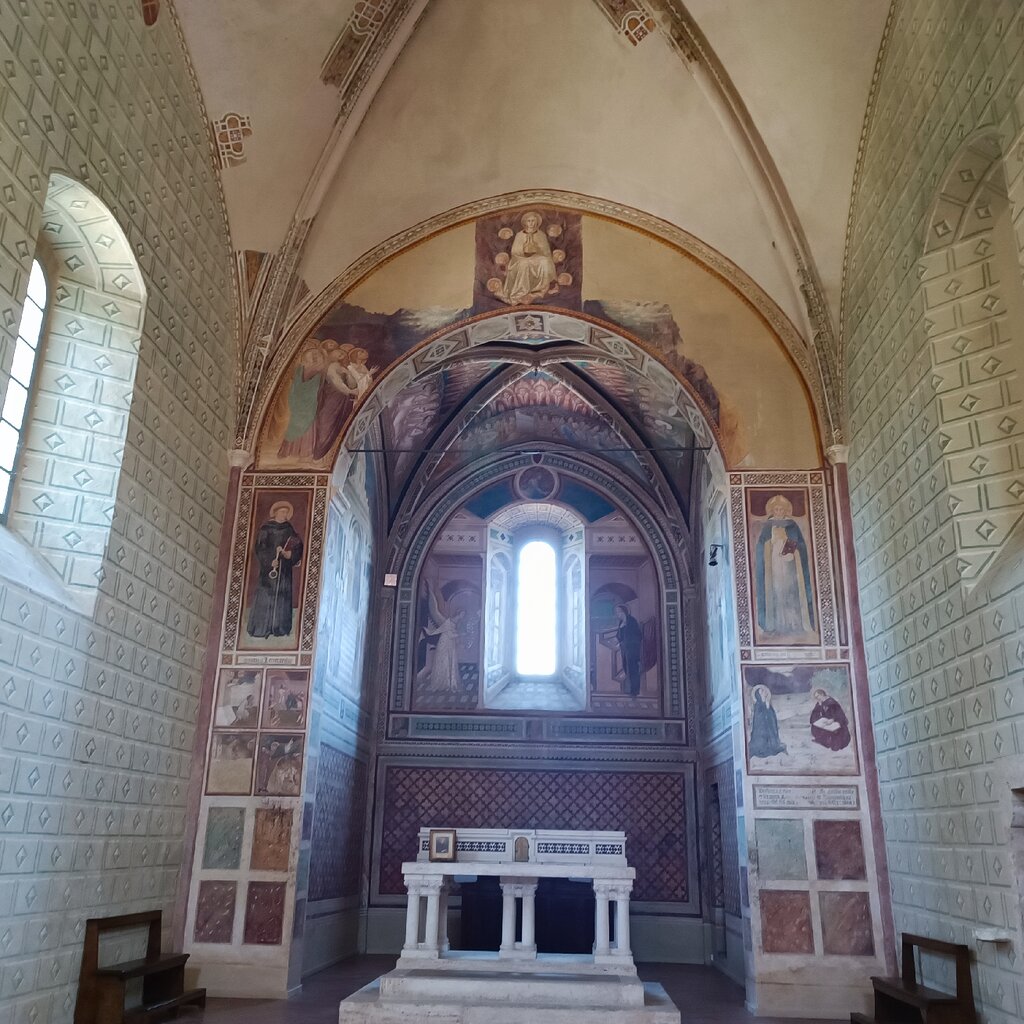
A stunning 11th-century Romanesque abbey, the heart of the village and a testament to medieval monastic life.
 +1
Via Francigena Path
The village and surrounding trails
Walk or cycle a section of this ancient pilgrimage route, connecting with history and breathtaking Tuscan scenery.
+1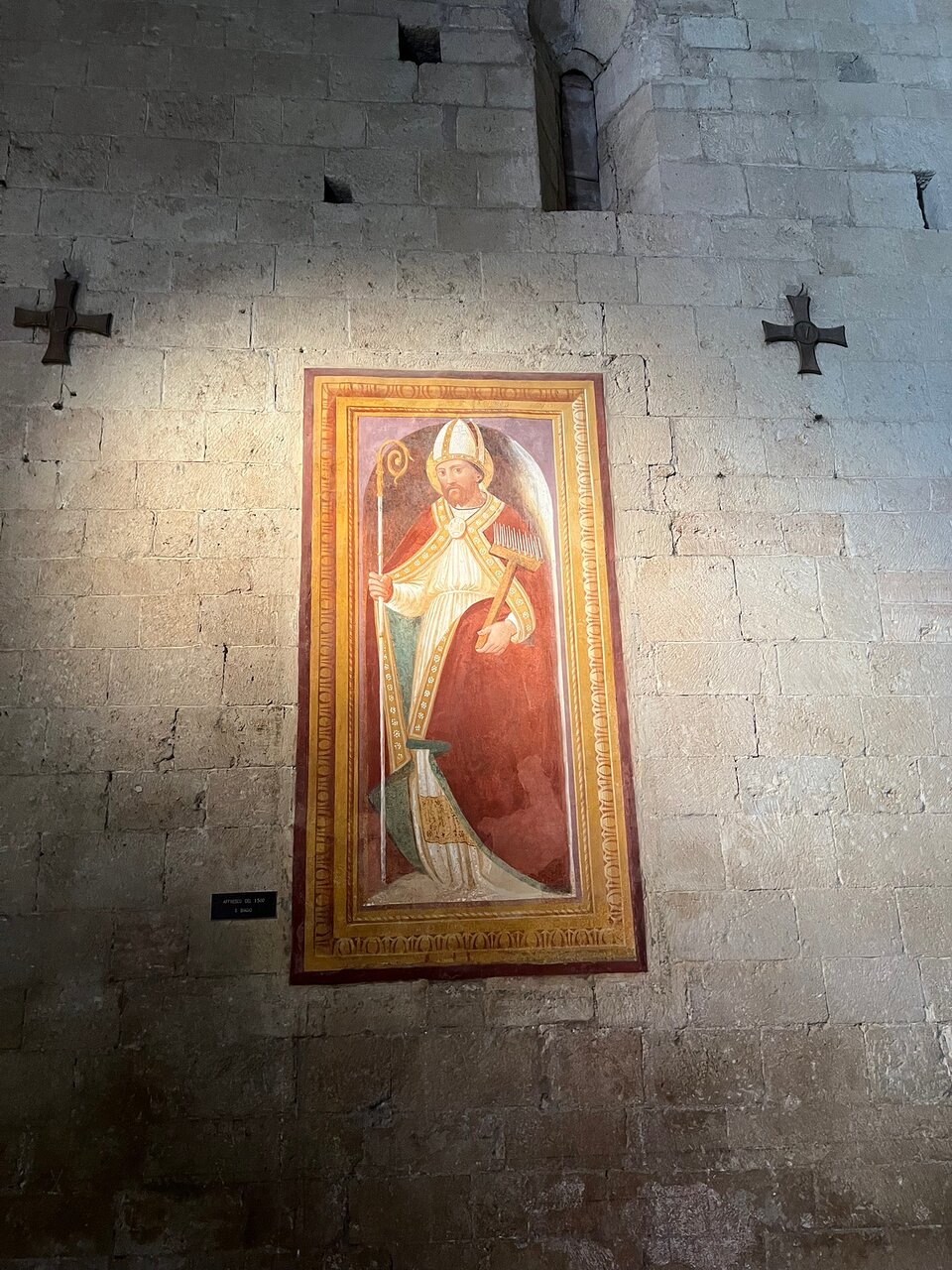
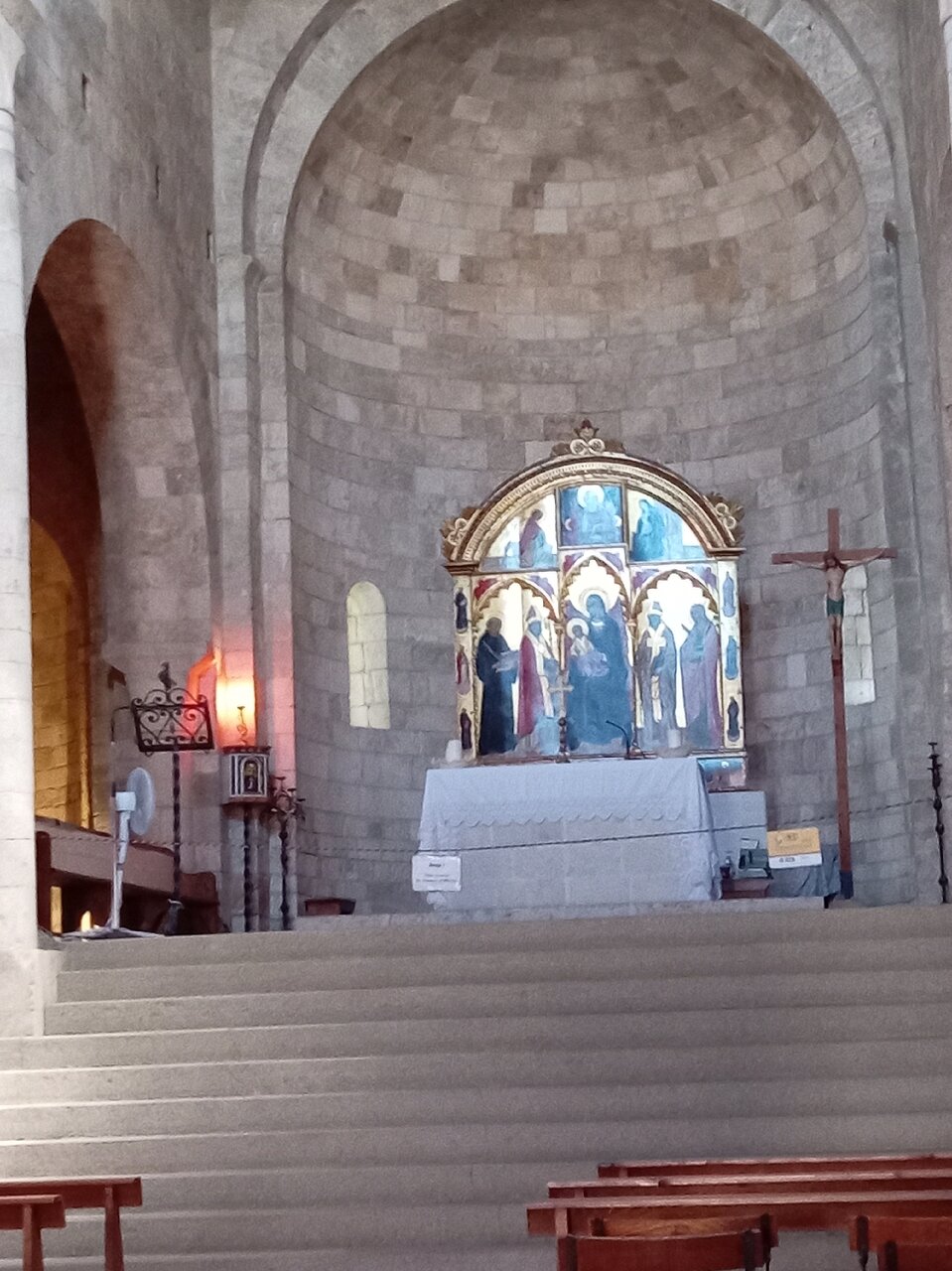
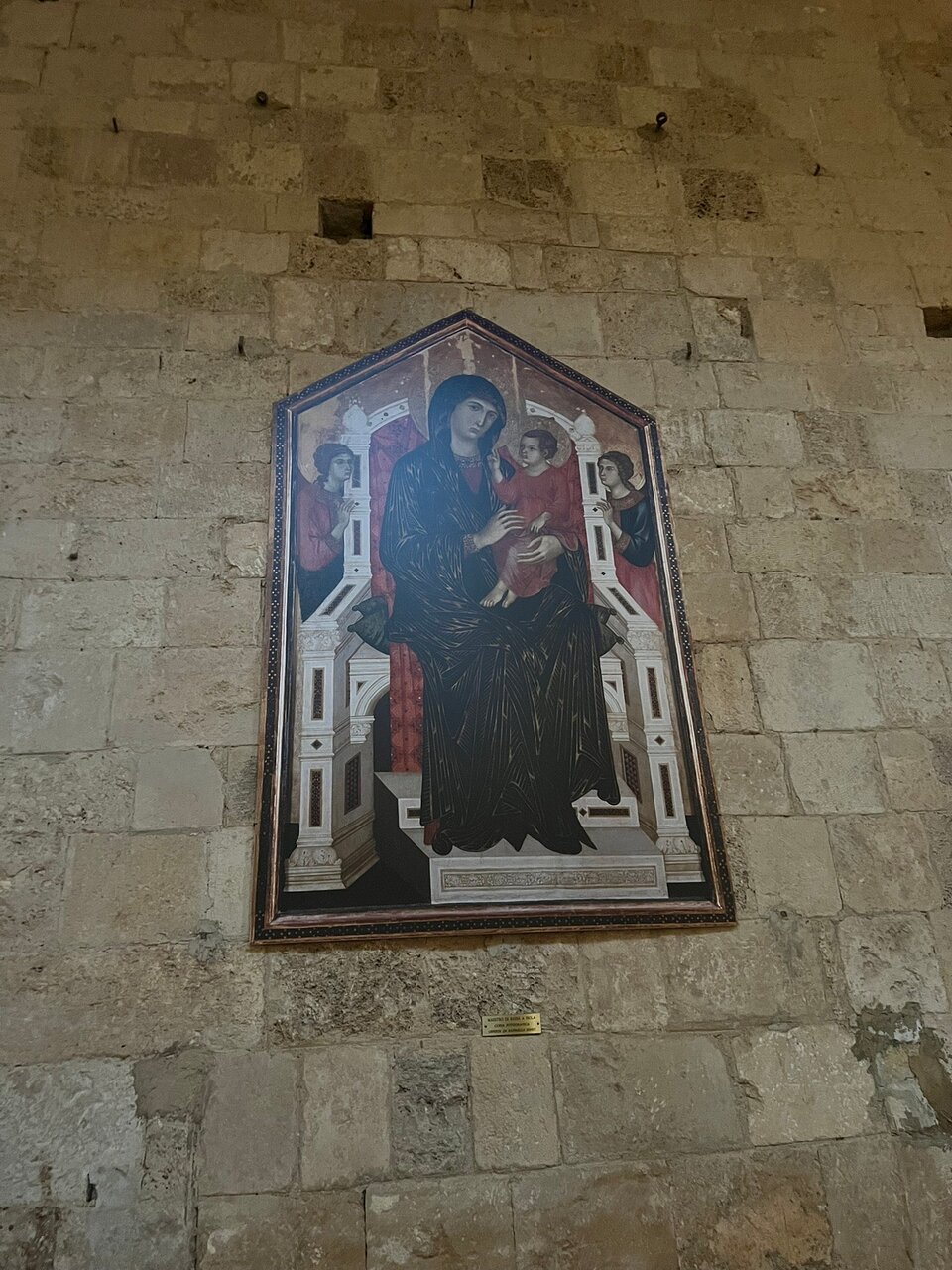
Sano di Pietro Altarpiece
Church of the Abbey
Admire the 15th-century altarpiece by Sano di Pietro, a significant work of art within the abbey church.
Plans like a pro.
Thinks like you
Planning Your Visit
Timing Your Visit to Abbadia a Isola
Embrace the Via Francigena Journey
+2Best Times
Insider Tips
from TikTok, Instagram & Reddit
🚶♀️ Walk the Via Francigena
Experience the pilgrimage route firsthand; many visitors enjoy the journey on foot or by bike.
📸 Capture the Abbey's Charm
The Romanesque architecture and serene setting make for beautiful photos, especially in soft light.
🕰️ Check Abbey Hours
Verify opening times for the abbey and any associated museum exhibits before your visit.
🚗 Parking Considerations
Parking can be limited, especially during peak times; consider arriving early or using nearby parking in Monteriggioni.
Tips
from all over the internet
🚶♀️ Walk the Via Francigena
Experience the pilgrimage route firsthand; many visitors enjoy the journey on foot or by bike.
📸 Capture the Abbey's Charm
The Romanesque architecture and serene setting make for beautiful photos, especially in soft light.
🕰️ Check Abbey Hours
Verify opening times for the abbey and any associated museum exhibits before your visit.
🚗 Parking Considerations
Parking can be limited, especially during peak times; consider arriving early or using nearby parking in Monteriggioni.
What Travellers Say
Reviews Summary
Visitors praise Abbadia a Isola for its serene beauty and historical significance, particularly the stunning Romanesque abbey and its connection to the Via Francigena. The peaceful atmosphere and artistic treasures like Sano di Pietro's altarpiece are frequently highlighted. Some find the village very small with limited amenities, and parking can be a challenge during peak times.
What People Like
What People Dislike
Frequently Asked Questions
🚇 🗺️ Getting There
Abbadia a Isola is easily accessible from Siena. You can drive, which takes about 20-30 minutes, or take a local bus. For those walking the Via Francigena, it's a direct and scenic route.
Yes, Abbadia a Isola is very close to Monteriggioni, just a short distance away. Many visitors combine a visit to both locations.
While direct public transport might be limited, local buses often connect to nearby towns like Monteriggioni, from where you can reach Abbadia a Isola. It's also a popular stop for pilgrims on the Via Francigena.
Driving is convenient for a day trip, offering flexibility. Alternatively, consider a guided tour from Siena or Florence that includes Abbadia a Isola and Monteriggioni.
Absolutely! Abbadia a Isola is a well-known stop for cyclists, particularly those following the Via Francigena. There are routes suitable for various cycling levels.
🎫 🎫 Tickets & Entry
Entry to the village and the exterior of the abbey is generally free. There might be a fee for specific museum exhibits or guided tours within the abbey complex.
Opening hours can vary, especially outside of peak season. It's recommended to check the official website or contact local tourist information for the most up-to-date times.
Typically, the church itself is accessible without an entrance fee, though donations are often appreciated. Special exhibitions or guided tours may have separate charges.
Yes, guided tours are often available, especially for the abbey and its historical significance. Some tours might focus on the Via Francigena aspect or local history.
Yes, the MAM (Museo Archeologico Monteriggioni) is located at Abbadia a Isola and offers insights into the area's Etruscan and Roman past. Check their specific opening hours.
📸 📸 Photography
The Romanesque abbey architecture, the charming village streets, and the surrounding Tuscan countryside offer numerous picturesque opportunities. Early morning or late afternoon light is ideal.
Drone regulations can be strict in historical and protected areas. It's essential to check local laws and obtain any necessary permits before flying a drone.
A versatile lens (like a 24-70mm equivalent) is great for capturing both the abbey's details and wider landscapes. A wide-angle lens can be useful for interior shots.
Generally, photography for personal use is permitted inside the church, but flash might be discouraged to protect artwork. Always look for signage or ask for clarification.
The 'golden hours' – shortly after sunrise and before sunset – provide soft, warm light that enhances the beauty of the abbey and the village.
🍽️ 🍽️ Food & Dining
Abbadia a Isola is a small village, so dining options might be limited. You'll find more extensive choices in nearby Monteriggioni or Siena.
Look for Pici pasta, wild boar dishes (cinghiale), and local Tuscan wines like Chianti Classico.
The surrounding countryside offers beautiful spots for a picnic. You can pick up local produce and bread from markets in nearby towns.
While traditional Tuscan cuisine is meat-heavy, many restaurants are increasingly offering vegetarian options. It's always best to inquire about specific dietary needs.
Prices can vary, but expect moderate pricing for trattorias and slightly higher for more upscale restaurants in the region.

Social
from TikTok, Instagram & Reddit