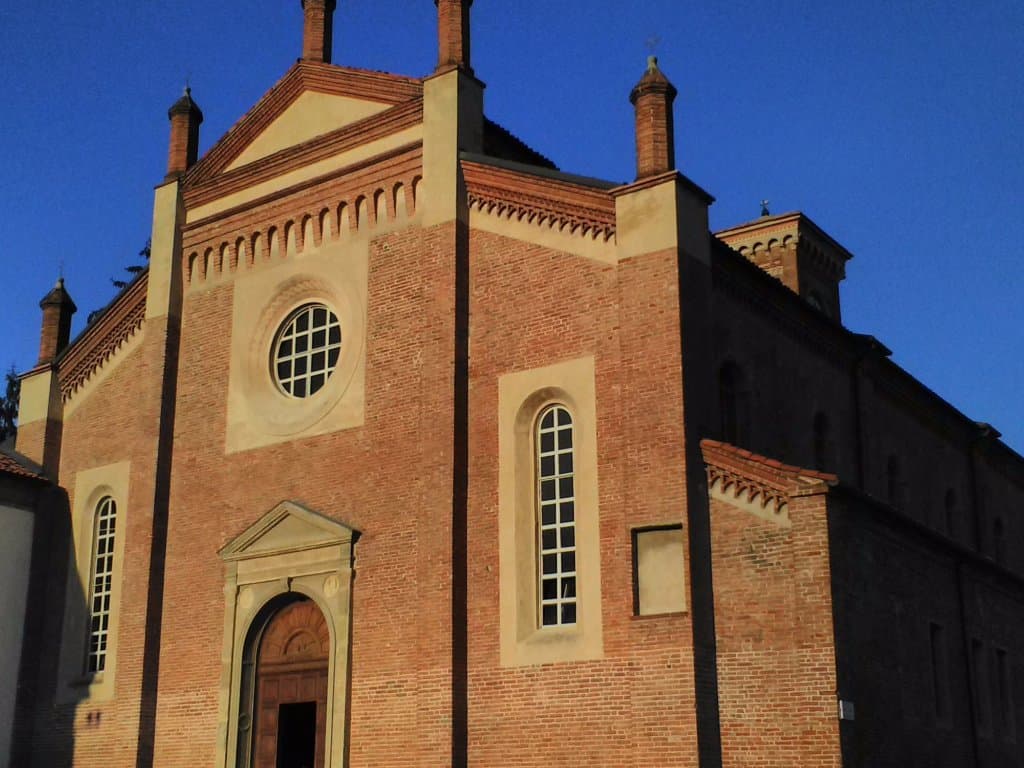
Santa Maria di Castello
Alessandria's oldest church, a stunning blend of Padanian Gothic and Renaissance architecture, housing ancient foundations and artistic masterpieces.
Highlights
Must-see attractions

Social
From TikTok & Reddit
Best Time
Peaceful exploration
Santa Maria di Castello
Best Time
Peaceful exploration
Highlights
Must-see attractions
Alessandria's oldest church, a stunning blend of Padanian Gothic and Renaissance architecture, housing ancient foundations and artistic masterpieces.
"The oldest church in the city is truly beautiful, Alessandria's most important historical complex."
Book Guided Tours
Enhance your visit by booking guided tours to uncover hidden stories and access restricted areas like the crypts. 🎟️
Admire Stained Glass
Take time to appreciate the beautiful stained glass windows crafted by master Luigi Costa. 🎨
Quick Facts
Hours
Rating
4.5 · 265 reviews
Type
Church
Highlights
Discover the most iconic attractions and experiences
Ancient Foundations
Underground Crypts
Explore the original foundations dating back to the earliest settlements, offering a glimpse into centuries of history.
Renaissance Portal
Church Facade
Admire the exquisite 16th-century Renaissance portal, a testament to the architectural evolution of the church.
Deposition Sculpture
Church Interior
Don't miss the striking 16th-century terracotta sculpture group depicting the Deposition, a significant artistic piece.
Plans like a pro.
Thinks like you
Planning Your Visit
Timing Your Visit
Booking & Access
Best Times
Insider Tips
from TikTok, Instagram & Reddit
Book Guided Tours
Enhance your visit by booking guided tours to uncover hidden stories and access restricted areas like the crypts. 🎟️
Admire Stained Glass
Take time to appreciate the beautiful stained glass windows crafted by master Luigi Costa. 🎨
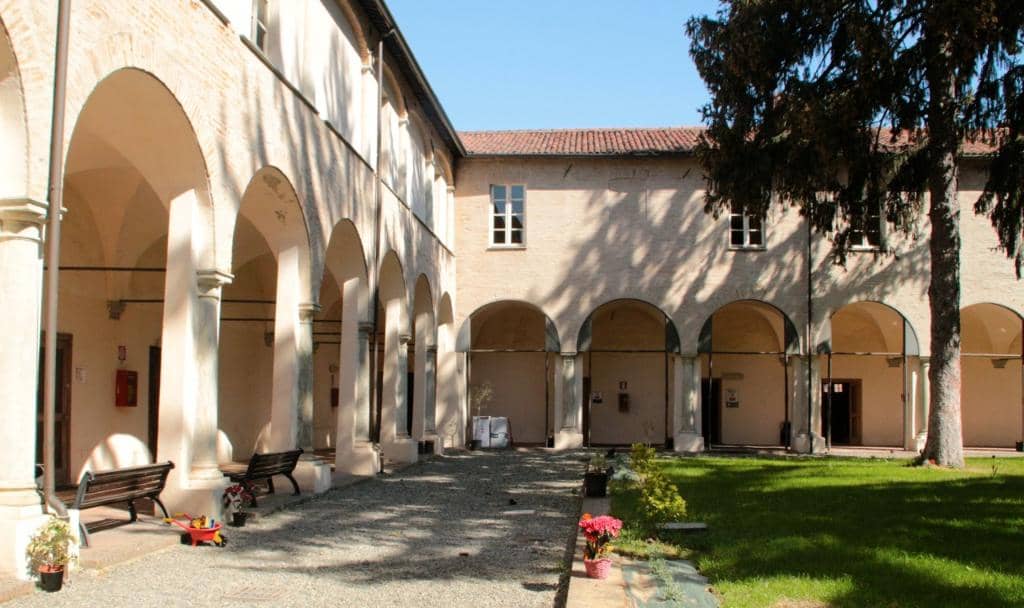
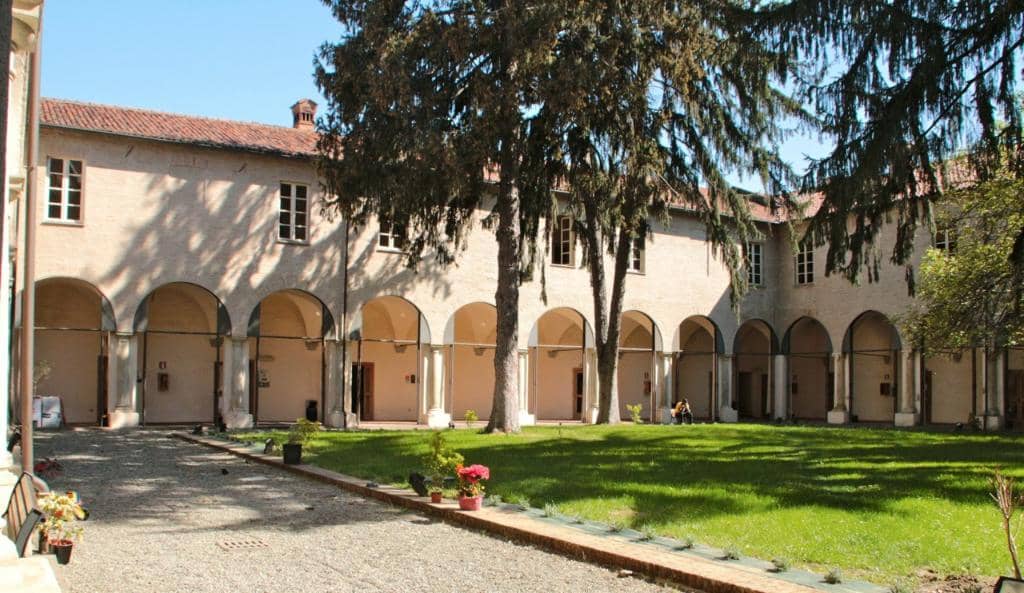
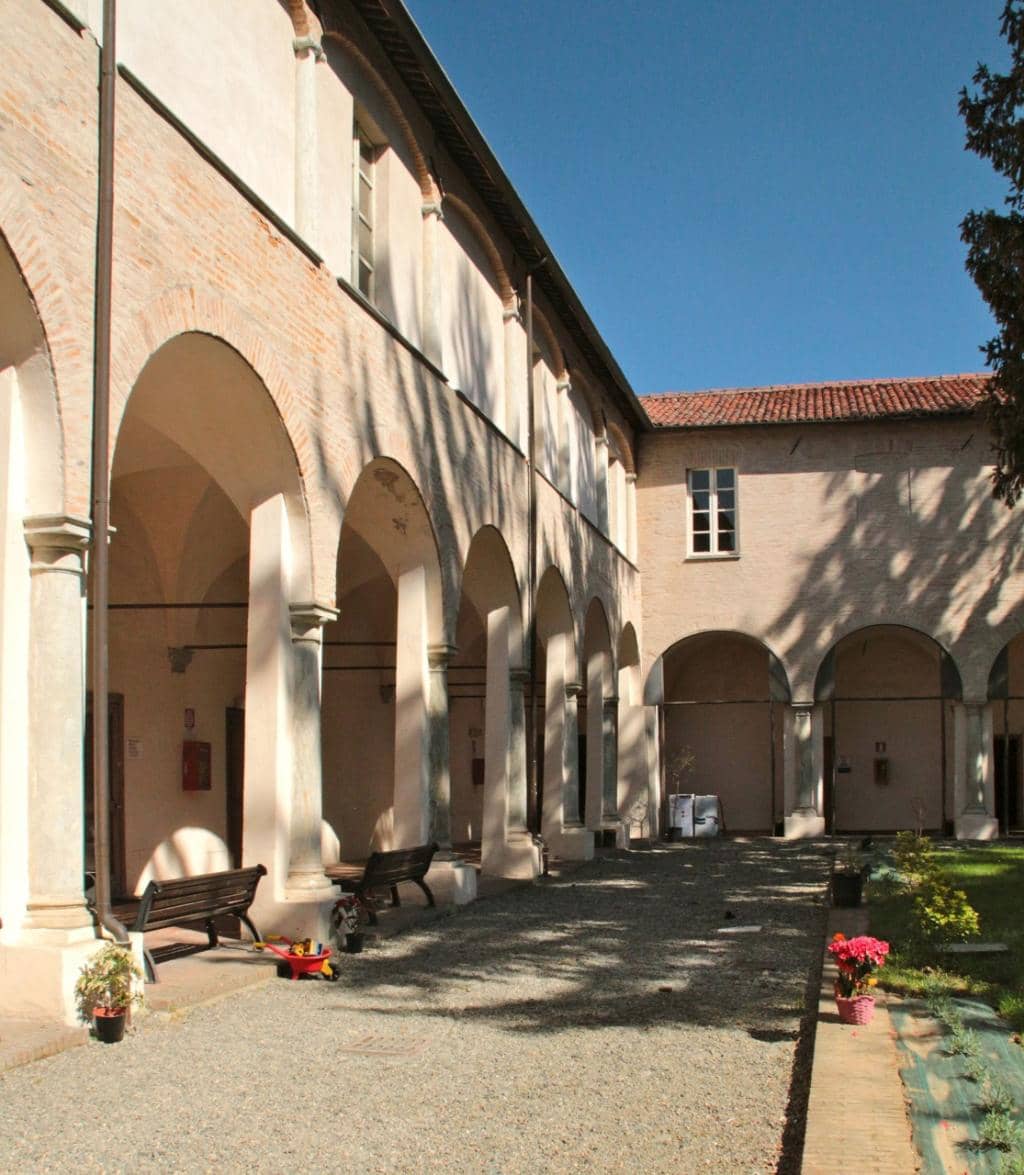
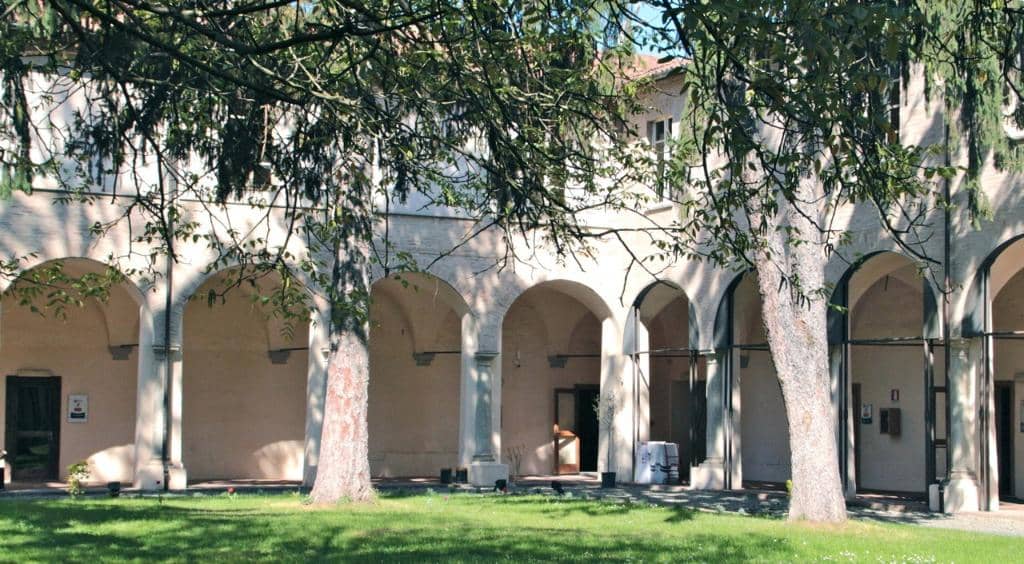
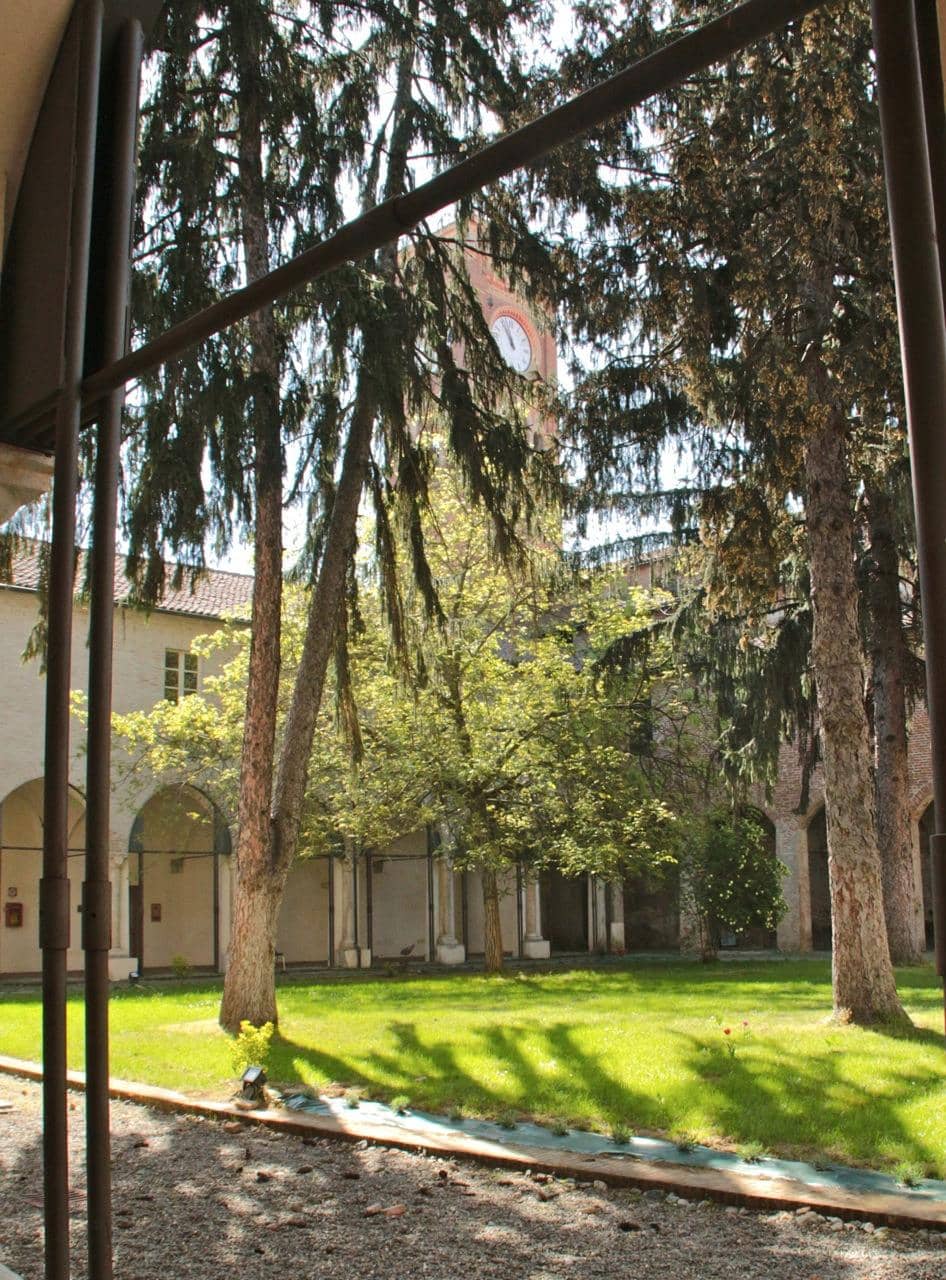
Explore the Cloister
The cloister and adjacent square offer a serene space for reflection and photography. 📷
Tips
from all over the internet
Book Guided Tours
Enhance your visit by booking guided tours to uncover hidden stories and access restricted areas like the crypts. 🎟️
Admire Stained Glass
Take time to appreciate the beautiful stained glass windows crafted by master Luigi Costa. 🎨
Explore the Cloister
The cloister and adjacent square offer a serene space for reflection and photography. 📷
What Travellers Say
Reviews Summary
Visitors consistently praise Santa Maria di Castello as a beautiful and historically significant site, often described as Alessandria's most important monument. The ancient foundations, Renaissance portal, and artistic treasures like the Deposition sculpture are frequently highlighted as must-see features. While generally well-received, some visitors note that specific access or tour information could be clearer.
"Is beautiful"
ROYAL PRESS ENTERTAINMENT #Presido
"The oldest church in the city of Alessandria is truly beautiful.
The stained glass windows were made by the Lombard Piedmontese glass art master Cav. Luigi Costa."
elisabetta giacobbe
"Alessandria's most important historical complex, with its cloister and beautiful square. The church offers access to the underground crypts, where visitors can admire the original foundations, dating back to the area's first settlement—what would later become Alessandria."
Fabio Scaltritti
What People Like
What People Dislike
Frequently Asked Questions
🚇 🗺️ Getting There
Santa Maria di Castello is located in Alessandria, Italy. It's accessible by car, with parking available nearby. Public transport options might include local buses; checking local transit schedules is recommended.
Yes, it's a prominent historical complex in Alessandria, often mentioned as the city's most important monument. Look for signs directing to historical sites.
🎫 🎫 Tickets & Entry
Opening hours can vary, especially for specific sections like the crypts. It's best to check the official website or contact them directly for the most current information.
Entry to the main church area is often free, but access to certain parts like the crypts or special exhibitions might require a ticket or a guided tour booking.
Yes, guided tours are available and highly recommended to fully appreciate the history and architecture. Booking in advance is often advised, especially during peak seasons.
🎫 🏛️ Onsite Experience
It's the oldest church in Alessandria and one of the few surviving medieval buildings. It stands on the site of an earlier settlement and houses remains of two previous churches.
The church showcases a blend of styles, including Romanesque-Gothic elements and a notable 16th-century Renaissance portal. It's considered a prime example of Padanian Gothic.
Inside, the 16th-century terracotta sculpture group depicting the Deposition is a must-see. The church also features beautiful stained glass windows.
The crypts allow visitors to admire the original foundations of the site, dating back to the area's first settlement, offering a deep dive into its ancient past.
Yes, the complex includes a cloister and a beautiful square, providing a peaceful area to explore and admire the architecture.

📸 📸 Photography
Photography is generally allowed for personal use, but flash photography might be restricted to protect the artworks. Always check for specific signage.
The Renaissance portal, the interior with the Deposition sculpture, and the cloister offer excellent photographic opportunities. The exterior brickwork is also very photogenic.
Social
from TikTok, Instagram & Reddit