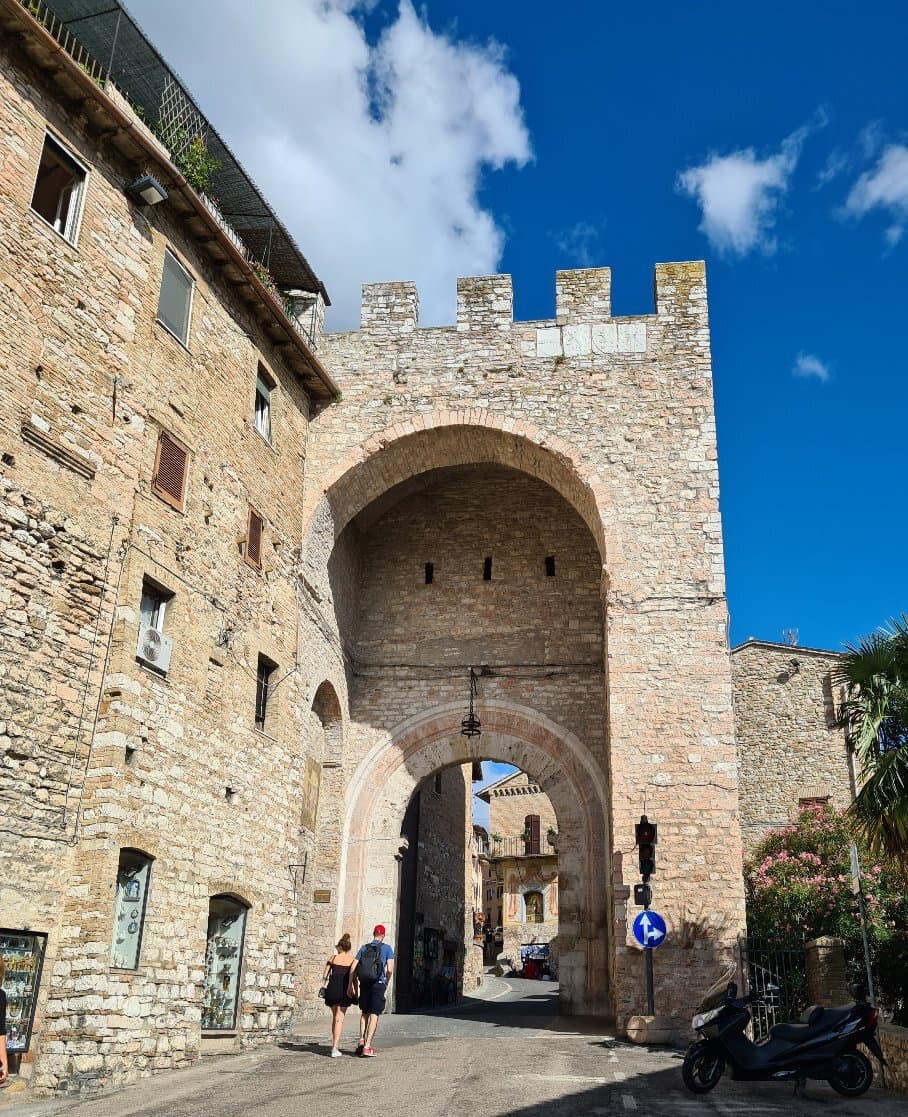
Porta San Francesco
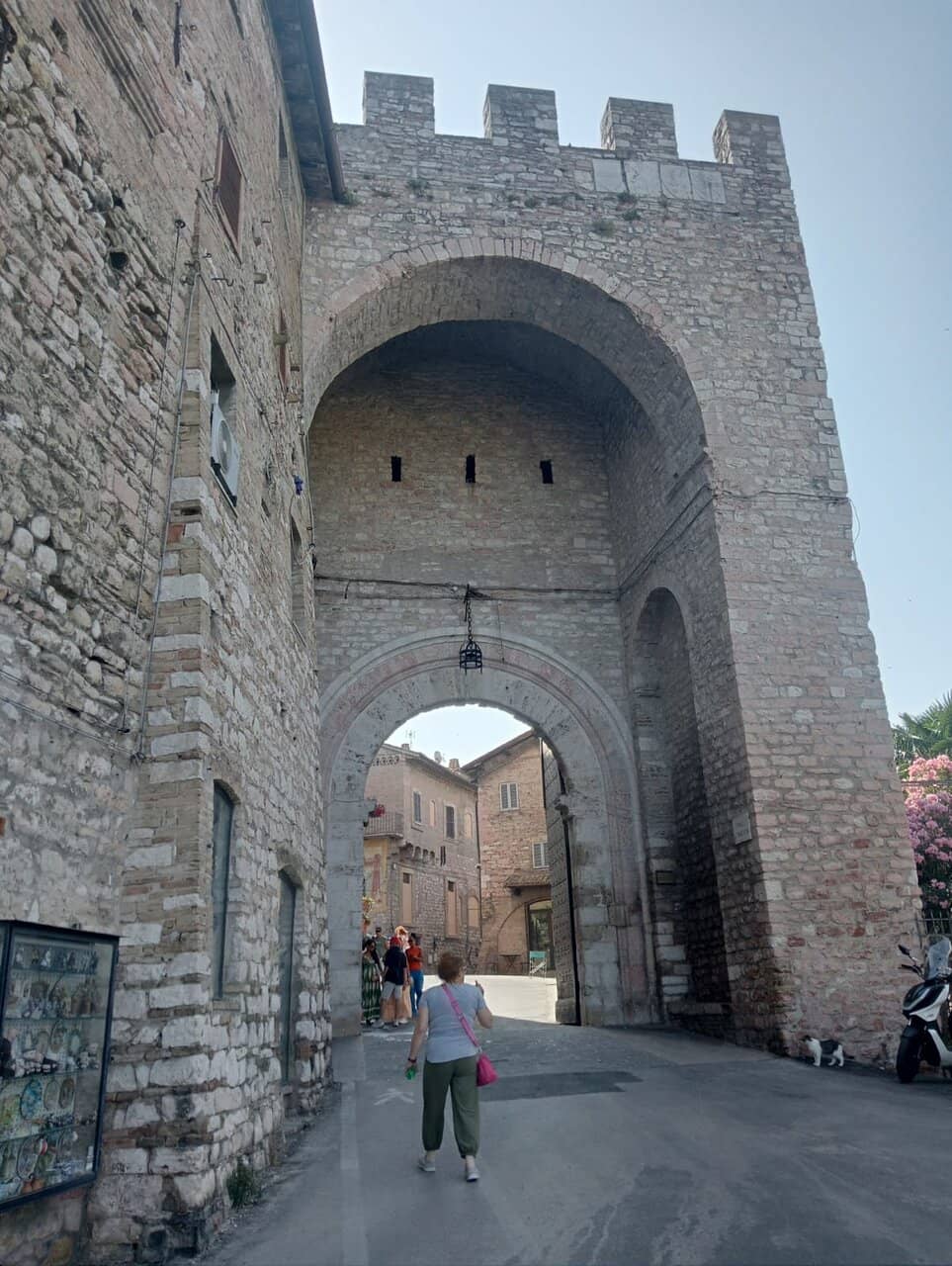
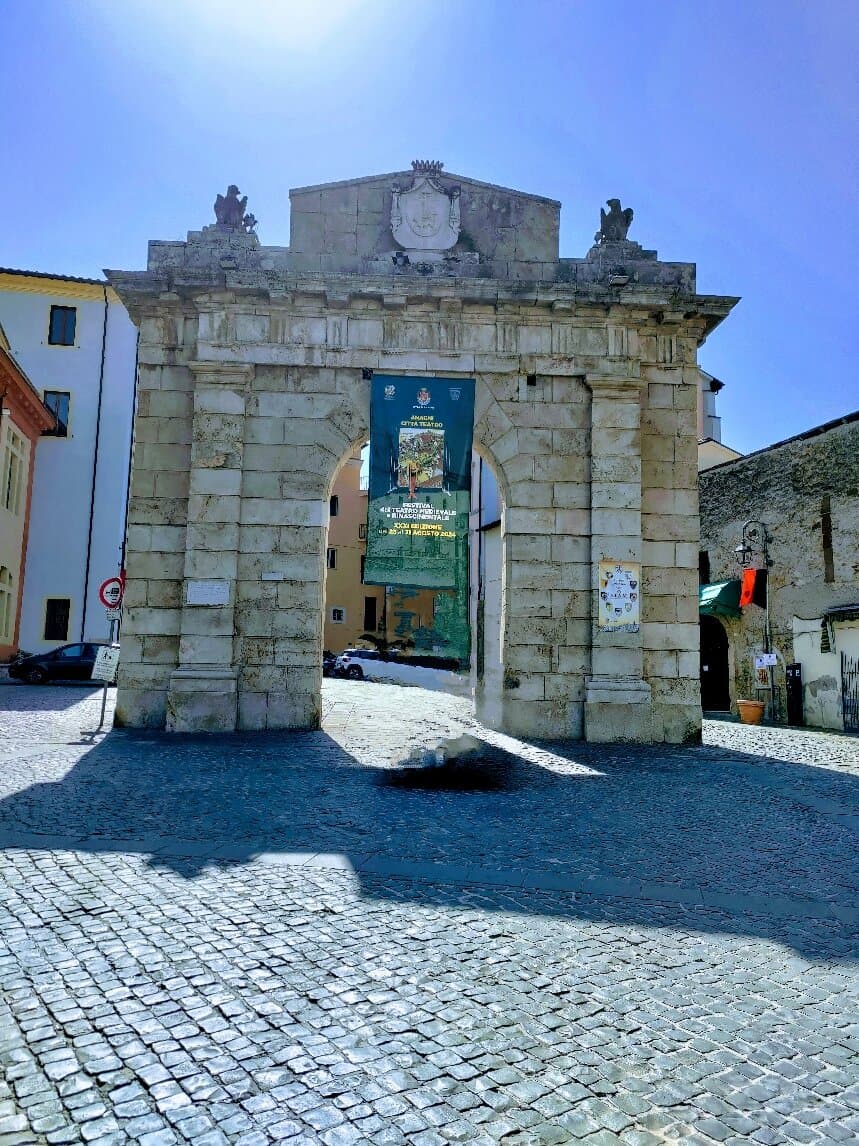
A historic 16th-century gate, rebuilt after wartime damage, featuring unique papal and Medici coats of arms and a bas-relief of St. Francis.
Highlights
Must-see attractions

Social
From TikTok & Reddit
Best Time
Fewer crowds, serene atmosphere
Porta San Francesco
Best Time
Fewer crowds, serene atmosphere
Highlights
Must-see attractions
A historic 16th-century gate, rebuilt after wartime damage, featuring unique papal and Medici coats of arms and a bas-relief of St. Francis.
"A dive into the past with perfectly preserved materials."
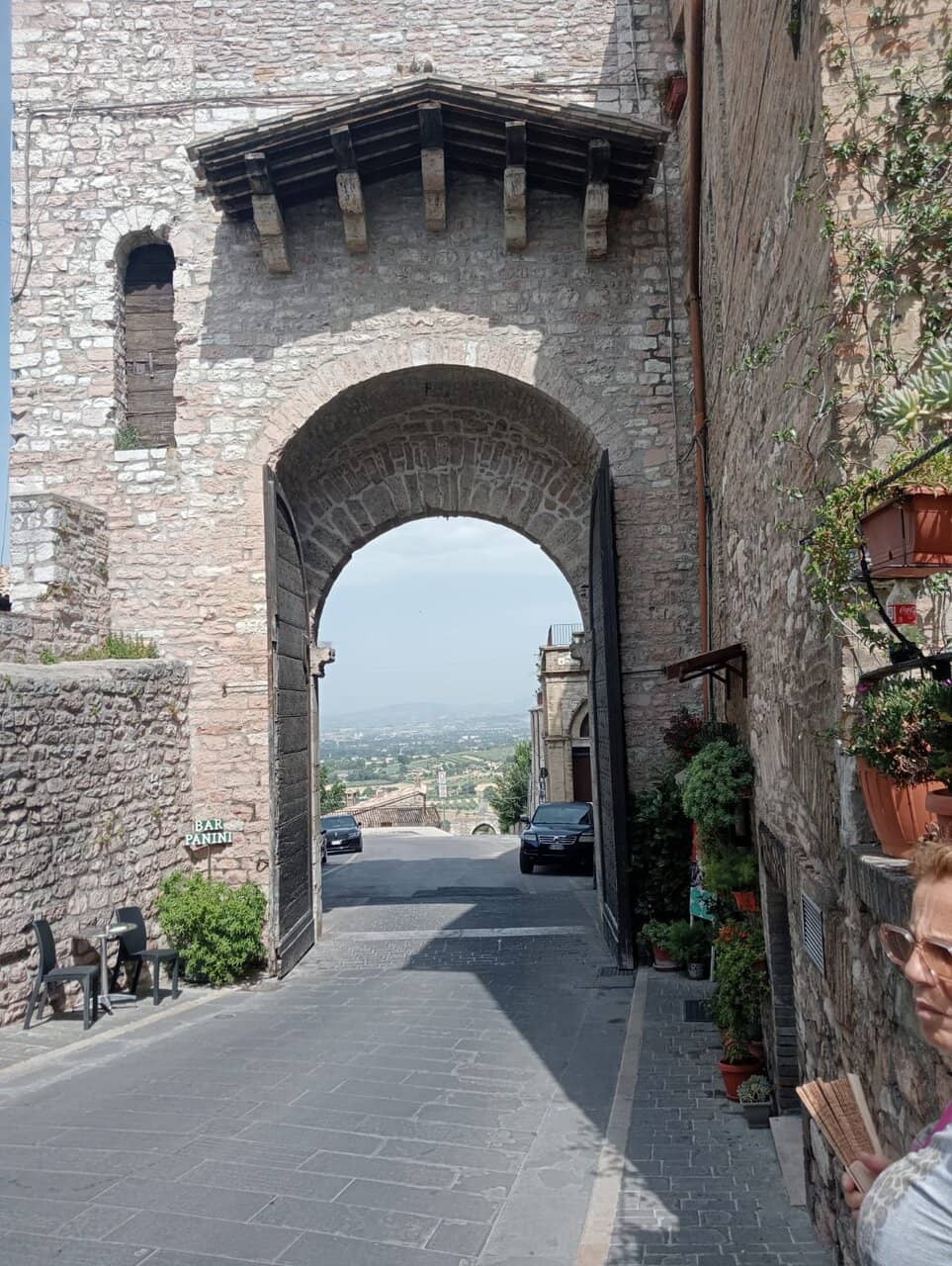
📸 Capture the Details
Focus on the intricate coats of arms and the St. Francis bas-relief for stunning photos. :camerawithflash:
🚶♀️ Explore the Surroundings
Don't just see the gate; wander through the historic area and discover nearby fortifications. :athletic_shoe:
Quick Facts
Rating
4.3 · 136 reviews
Type
Historical Landmark
Highlights
Discover the most iconic attractions and experiences
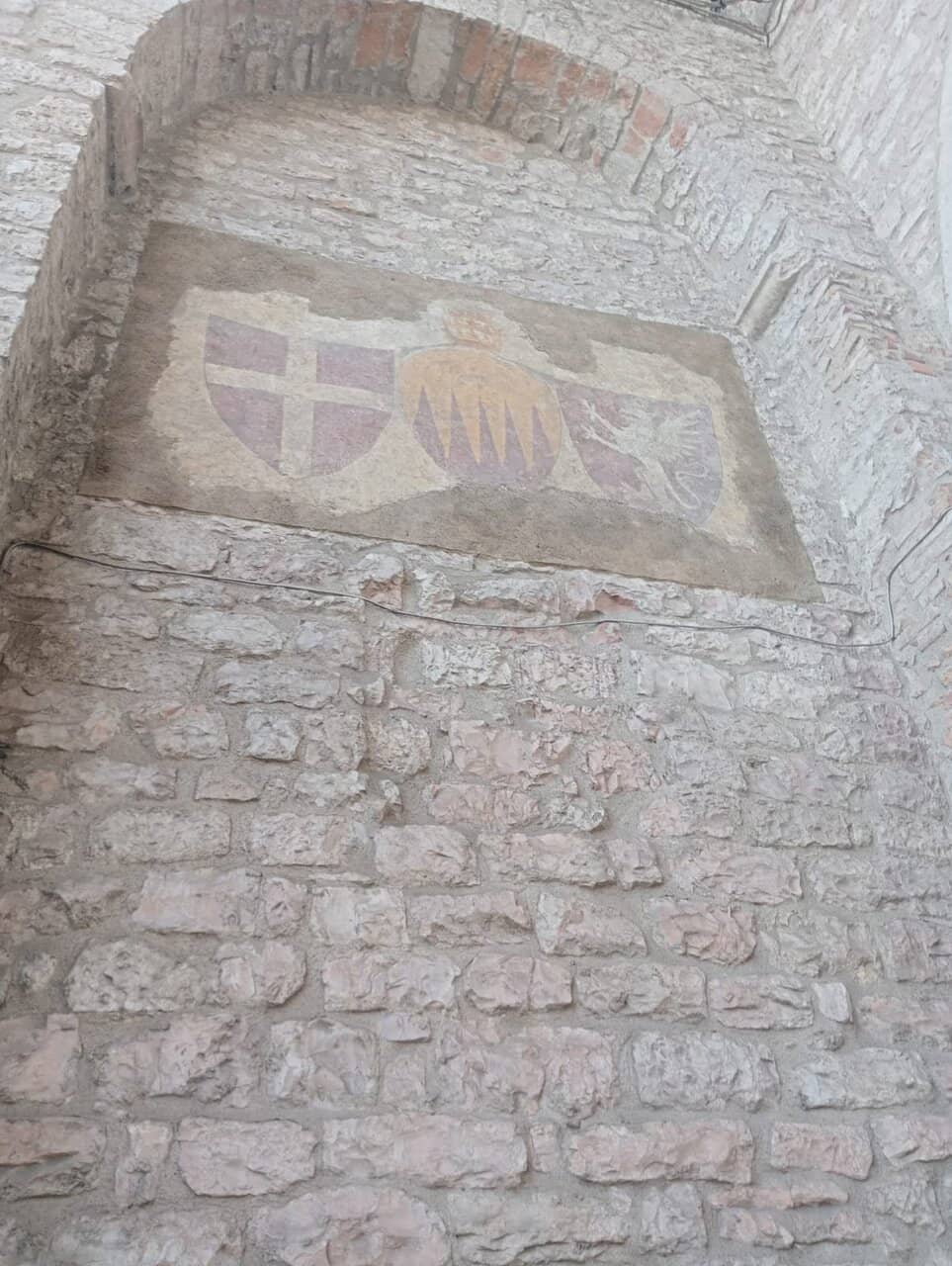
The Papal and Medici Coats of Arms
Exterior facade
Admire the intricate papal coat of arms of Pius IV, uniquely featuring Medici insignia, hinting at historical alliances.
Bas-Relief of St. Francis
Just outside the gate
Discover the serene bas-relief of St. Francis in prayer, a testament to the gate's namesake and its spiritual significance.
Sixteenth-Century Bastions
Surrounding area
Explore the remnants of the mighty 16th-century bastions commissioned by Torquato Conti, showcasing historical military architecture.
Plans like a pro.
Thinks like you
Planning Your Visit
Timing Your Visit to Porta San Francesco
Understanding Porta San Francesco's History
Best Times
Insider Tips
from TikTok, Instagram & Reddit
📸 Capture the Details
Focus on the intricate coats of arms and the St. Francis bas-relief for stunning photos. :camerawithflash:
🚶♀️ Explore the Surroundings
Don't just see the gate; wander through the historic area and discover nearby fortifications. :athletic_shoe:
📜 Learn the History
Research the gate's past, including its rebuilding and the Medici connection, for a richer visit. 📚
Tips
from all over the internet
📸 Capture the Details
Focus on the intricate coats of arms and the St. Francis bas-relief for stunning photos. :camerawithflash:
🚶♀️ Explore the Surroundings
Don't just see the gate; wander through the historic area and discover nearby fortifications. :athletic_shoe:
📜 Learn the History
Research the gate's past, including its rebuilding and the Medici connection, for a richer visit. 📚
What Travellers Say
Reviews Summary
Visitors find Porta San Francesco to be a beautiful and historically significant area, often appreciated for its well-preserved materials and connection to the past. While some note its importance as a southern city gate and its unique papal and Medici heraldry, others mention it as a point of interest on the way to larger attractions like the cathedral.
"Nice and beautiful area,the few people I met both in the post office were friendly is a nice and comfortable place to live"
VIVIAN TONY (Glowiek)
"Porta San Francesco: it is the gate that represents the southern entrance to the city. , rebuilt in 1564, during the pontificate of Pius IV, whose coat of arms is visible on the external front.
A particular feature of the papal coat of arms is the presence of the Medici coats of arms. In fact, Pope Pius IV, born Giovanni Angelo Medici was not directly related to the more famous Medici of Florence.
Although there was no direct and demonstrable family relationship between the Medici of Milan and the Medici of Florence, Pope Clement VII (Giulio di Giuliano de Medici, nephew of Lorenzo the Magnificent) and later Cosimo I de' Medici (Grand Duke of Tuscany) agreed to the use of the Medici coat of arms by Giovan Angelo Medici, probably to obtain favors or to recognize the services of Giovan Angelo's brother, Gian Giacomo, known as Medeghino."
Simone Molinelli Osteopata- Fisioterapista
"In 1565, massive fortification works were carried out along the city's perimeter, including the area where Porta San Francesco now stands. The gate, with a round arch made of travertine blocks, features the coat of arms of Pope Pius IV, pontiff from 1559 to 1565, on the keystone. Once outside the gate, on the left you can see a bas-relief with the image of St. Francis (canonized on July 16, 1228 by Pope Gregory IX, a native of Anagni), kneeling in prayer. Below are the insignia of Torquato Conti, who had been commissioned by the pontiff to build the mighty sixteenth-century bastions. However, in 1944 the gate was partially destroyed and subsequently rebuilt after the war."
Roberta Veronelli
What People Like
What People Dislike
Frequently Asked Questions
🚇 🗺️ Getting There
Porta San Francesco is often accessible by foot within historic city centers. If arriving by car, look for nearby parking lots. Public transport options may vary depending on the specific city. Check local transit maps for the most convenient routes.

As a historic gate, Porta San Francesco is usually a prominent landmark. It's often located along main routes or near significant historical sites like cathedrals.
Parking availability can be limited in historic areas. It's advisable to search for 'parking near Porta San Francesco' on your preferred map app. Some reviews mention parking lots near the cathedral.
🎫 🎫 Tickets & Entry
Porta San Francesco is typically an outdoor historical monument and does not require an entrance ticket. You can usually view it freely.
As an open-air monument, Porta San Francesco generally has no set opening hours and can be viewed at any time. However, surrounding areas or related attractions might have specific hours.
There is no admission fee to see Porta San Francesco itself, as it's a historical landmark integrated into the city.
📸 📸 Photography
Capture the gate's facade with its coats of arms from a slight distance to get the full structure. The bas-relief of St. Francis offers a more intimate photographic subject.
Yes, photography is generally allowed at Porta San Francesco. You can freely take pictures of the gate and its surroundings.
Early morning or late afternoon light can create beautiful shadows and highlight the textures of the stone. Golden hour is particularly recommended.
🎫 🏛️ Historical Significance
Originally rebuilt in 1564, it served as a southern entrance and was part of significant 16th-century fortifications. It was partially destroyed in 1944 and later rebuilt.
The gate features the coat of arms of Pope Pius IV and, notably, Medici insignia, reflecting historical political and familial connections.
Torquato Conti was commissioned by Pope Pius IV to build the 16th-century bastions, including those near Porta San Francesco.



Social
from TikTok, Instagram & Reddit