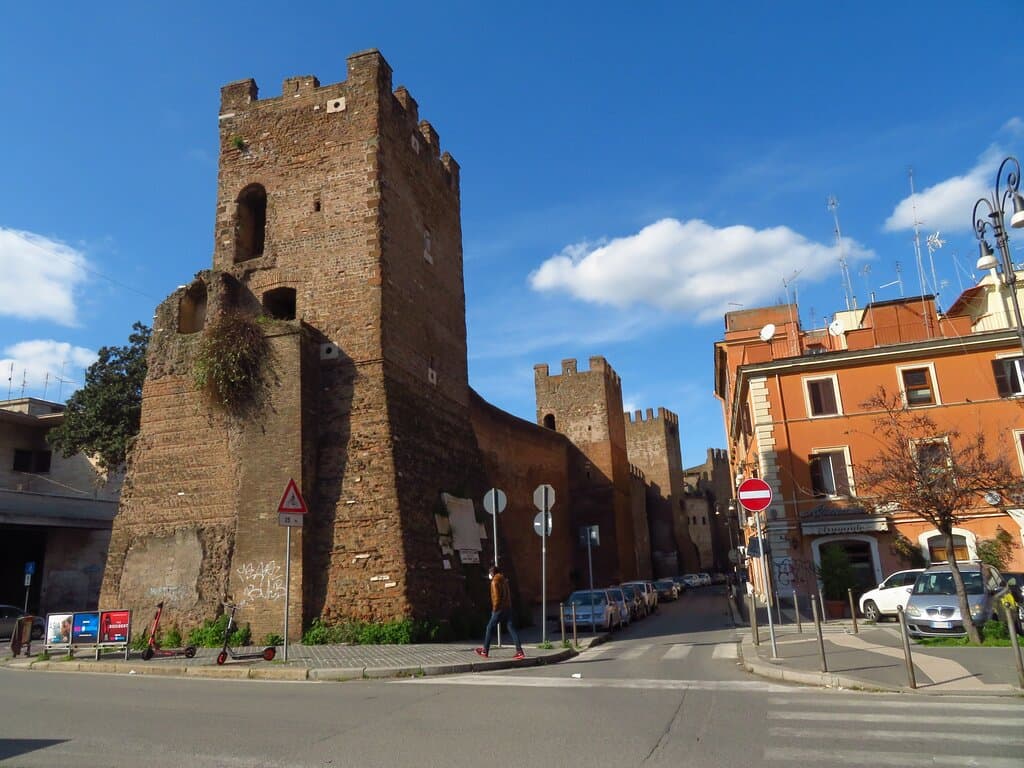
Aosta Roman City Walls and Towers
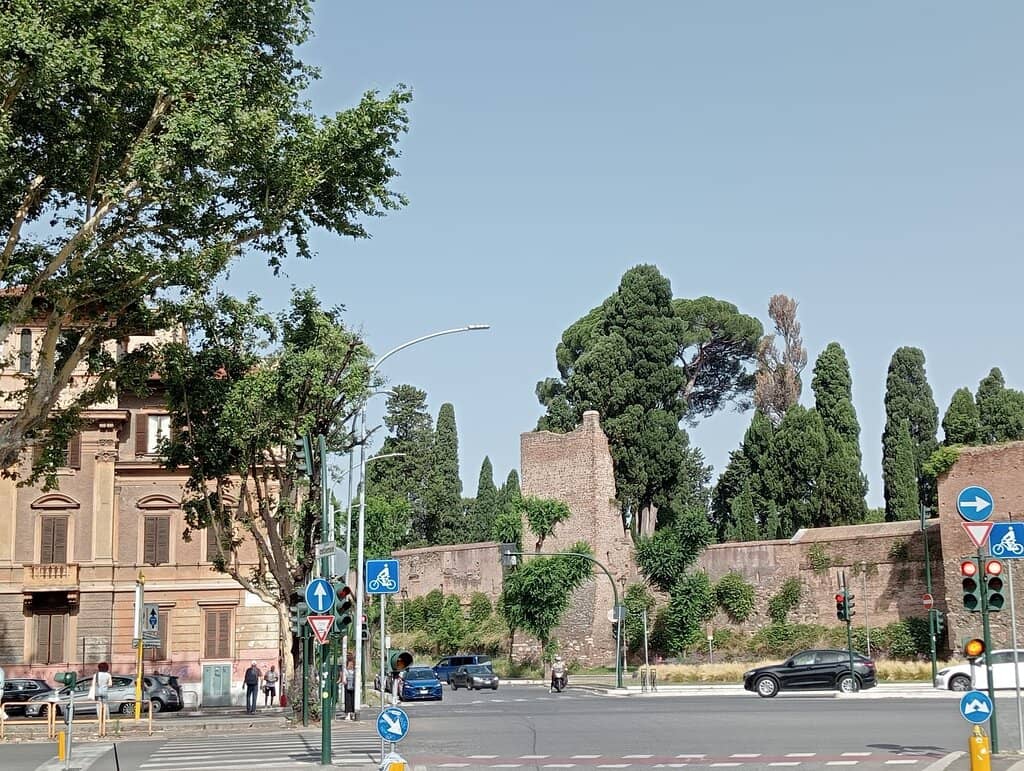
Majestic Roman walls and towers in Aosta, Italy, whispering tales of ancient engineering and architectural marvels that have survived for 2000 years.
Highlights
Must-see attractions

Social
From TikTok & Reddit
Best Time
Pleasant weather, fewer crowds
Aosta Roman City Walls and Towers
Best Time
Pleasant weather, fewer crowds
Highlights
Must-see attractions
Majestic Roman walls and towers in Aosta, Italy, whispering tales of ancient engineering and architectural marvels that have survived for 2000 years.
"Majestic reminders of ancient engineering prowess, each stone whispering tales of ancient civilizations."
👟 Comfortable Walking Shoes
Essential for exploring the ancient walls and surrounding Roman sites in Aosta. :athletic_shoe:
🧐 View from Outside
Some parts of the walls are intact, but you may only be able to view them from the exterior. :camerawithflash:

Quick Facts
Hours
Rating
4.5 · 564 reviews
Type
Historical Landmark
Highlights
Discover the most iconic attractions and experiences
The Roman City Walls
Circumference of Aosta
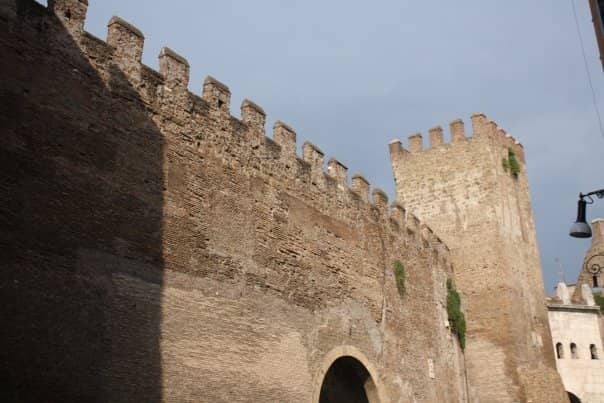
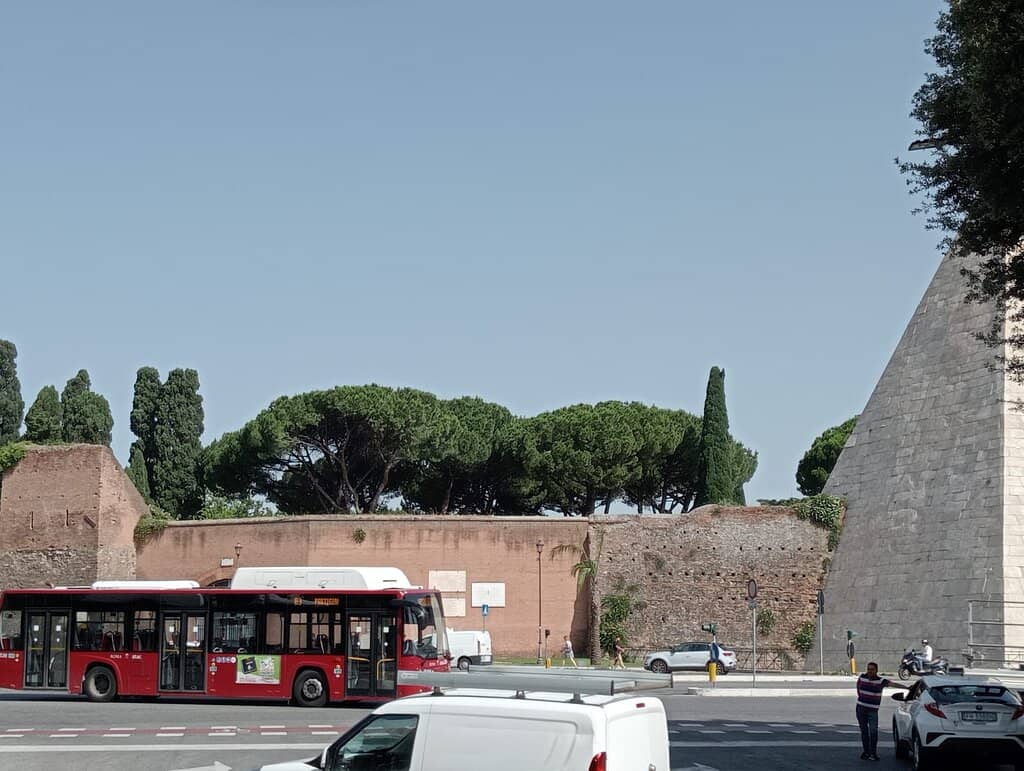
Majestic remnants of ancient engineering, these walls whisper tales of Roman prowess and architectural marvels.
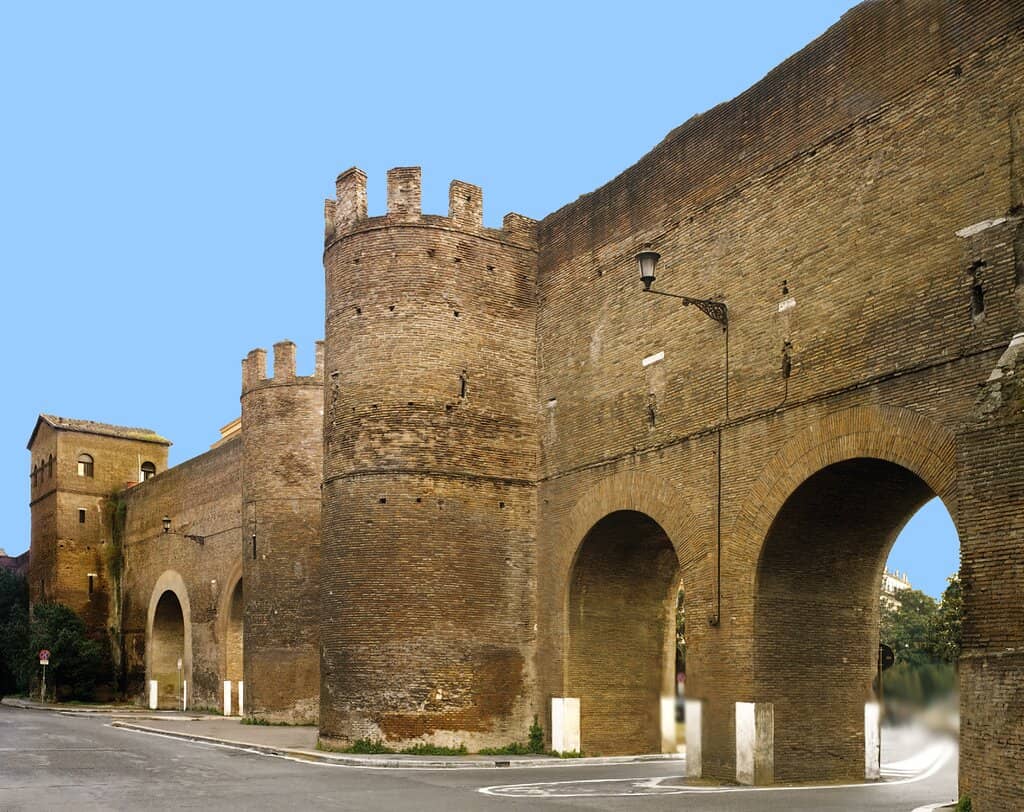
Lepers Tower
Part of the Roman walls
A well-preserved tower offering a glimpse into the defensive structures of the ancient city.
Porta Praetoria
Northern entrance to the Roman city
An imposing Roman gate, a grand testament to the city's historical significance and architectural grandeur.
Plans like a pro.
Thinks like you
Planning Your Visit
Timing Your Visit to Aosta's Roman Walls
Navigating Aosta's Ancient Sites
Best Times
Insider Tips
from TikTok, Instagram & Reddit
👟 Comfortable Walking Shoes
Essential for exploring the ancient walls and surrounding Roman sites in Aosta. :athletic_shoe:
🧐 View from Outside
Some parts of the walls are intact, but you may only be able to view them from the exterior. :camerawithflash:
🗺️ Explore Beyond the Walls
Don't miss other Roman ruins like the Theatre and Forum nearby. :world_map:
⏳ Appreciate the Survival
Marvel at how these structures have survived for 2000 years amidst modern buildings. :statueofliberty:
Tips
from all over the internet
👟 Comfortable Walking Shoes
Essential for exploring the ancient walls and surrounding Roman sites in Aosta. :athletic_shoe:
🧐 View from Outside
Some parts of the walls are intact, but you may only be able to view them from the exterior. :camerawithflash:
🗺️ Explore Beyond the Walls
Don't miss other Roman ruins like the Theatre and Forum nearby. :world_map:
⏳ Appreciate the Survival
Marvel at how these structures have survived for 2000 years amidst modern buildings. :statueofliberty:
What Travellers Say
Reviews Summary
Visitors are consistently impressed by the sheer survival of Aosta's Roman City Walls and Towers, marveling at the ancient engineering prowess that has stood for 2000 years. While some parts are intact, others are missing, yet the remaining structures, like the Lepers Tower and Porta Praetoria, offer majestic reminders of Roman architectural achievements, often nestled within the modern Italian cityscape.
"The Roman walls around Aosta were once logically rectangular with towers at various intervals.
Now some parts are intact while others are missing entirely.
It is incredible how the walls survive after 2000 years."
David Smith
"Enjoys this, lepers tower, theatre, porta Pretoria
Forum all great"
grogreen2001
"Majestic reminders of ancient engineering prowess, each stone whispering tales of ancient civilizations and architectural marvels"
Muhammad Tahir Javid
What People Like
What People Dislike
Frequently Asked Questions
🚇 🗺️ Getting There
The Roman City Walls are integrated into the modern city of Aosta, Italy. You can easily reach them by walking from the city center. If arriving by car, look for parking near the historical sites. Public transport options within Aosta are also available.
Yes, Aosta is accessible by regional buses and trains. Once in Aosta, most Roman attractions, including the walls, are within walking distance.
A combination of walking and using local transport is ideal. Many Roman sites, including parts of the walls, Porta Praetoria, and the Theatre, are clustered together and best explored on foot.
🎫 🎫 Tickets & Entry
Many sections of the Roman City Walls can be viewed externally for free. However, some specific Roman sites within Aosta, like the Theatre or the Archaeological Museum, may require an entrance fee. It's advisable to check local listings for current ticket information.
Opening hours vary for different Roman attractions. The external walls are generally accessible at all times. For specific sites like the Theatre or museums, it's best to check their individual opening hours, which can change seasonally.
While some sections of the Roman walls are intact and visible, direct entry inside the walls themselves might be limited or not possible for preservation reasons. You can walk alongside and admire their structure.
Information on combined tickets can be limited. It's recommended to inquire at the local tourist information office in Aosta for any available passes that might cover multiple Roman sites, offering potential savings.
🎫 🏛️ Onsite Experience
Beyond the walls, don't miss the impressive Porta Praetoria, the well-preserved Roman Theatre, and the remains of the Roman Forum. The Lepers Tower is also a notable part of the wall system.
To see the main sections of the walls and a few key towers, allocate at least 2-3 hours. If you plan to visit the Theatre, Forum, and other nearby Roman sites, plan for a full day.
Yes, many parts of the Roman walls are accessible by walking paths. However, some sections might be integrated into private properties or have limited pedestrian access. Comfortable footwear is highly recommended.
Guided tours are often available and can provide deeper historical context. Check with the Aosta tourist office or local tour operators for schedules and booking information. This can enhance your understanding of the Roman city.
Look for vantage points that capture the scale of the walls against the modern cityscape. Early morning or late afternoon light can create dramatic shadows and highlight the ancient stonework. The Porta Praetoria also makes for a striking photo subject.
🍽️ 🍽️ Food & Dining
Aosta's city center, where the walls are located, offers numerous restaurants, cafes, and trattorias. You can easily find places to eat offering local Aosta Valley cuisine after your exploration.
No, there are no restaurants located directly within the Roman walls or ruins themselves. However, many dining options are available in the immediate vicinity of these historical sites.
📸 📸 Photography
The Porta Praetoria offers a grand entrance for photos. Walking along the accessible sections of the walls, especially where they are integrated with modern buildings, provides interesting contrasts. Look for towers like the Lepers Tower for detailed shots.
Golden hours, shortly after sunrise and before sunset, offer the best light for photography, creating dramatic shadows and warm tones on the ancient stones. Midday can be harsh, but still offers good visibility.


Social
from TikTok, Instagram & Reddit