Decumanus Aratria Galla
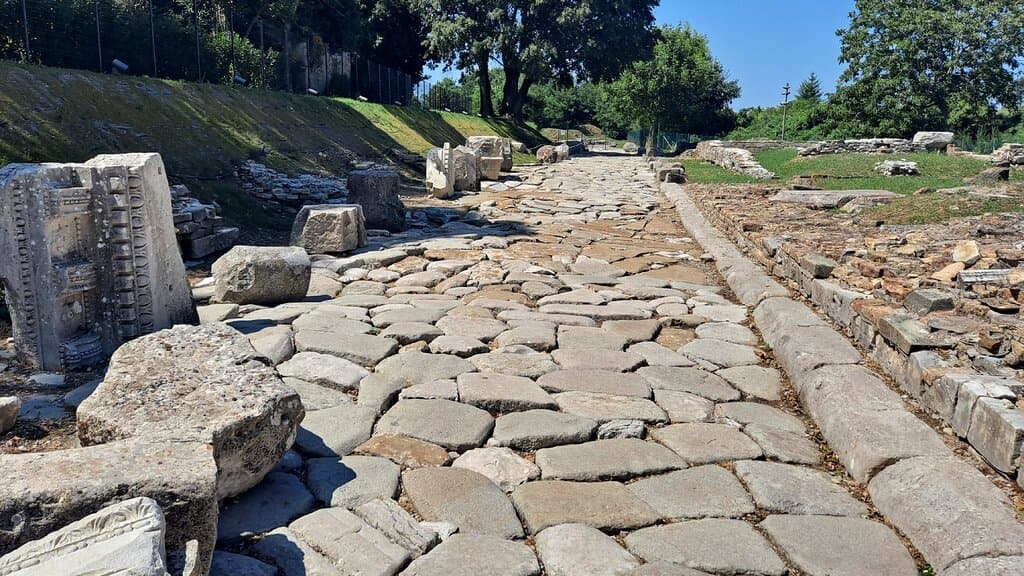
A remarkably preserved 2nd-century Roman road, offering a tangible link to Aquileia's bustling past.
Highlights
Must-see attractions

Social
From TikTok & Reddit
Best Time
Experience closer access
Decumanus Aratria Galla
Best Time
Experience closer access
Highlights
Must-see attractions
A remarkably preserved 2nd-century Roman road, offering a tangible link to Aquileia's bustling past.
"A beautiful example of a Roman road, very well preserved! Furthermore, it is not necessary to purchase tickets."
Free to View
No ticket needed to see the Roman road from outside the fence! 🎟️
Audio Guide Available
Enhance your visit with an online audio guide for historical context. :iphone:
Quick Facts
Hours
Rating
4.8 · 20 reviews
Type
Museum
Highlights
Discover the most iconic attractions and experiences
Preserved Roman Road
Via Giulia Augusta
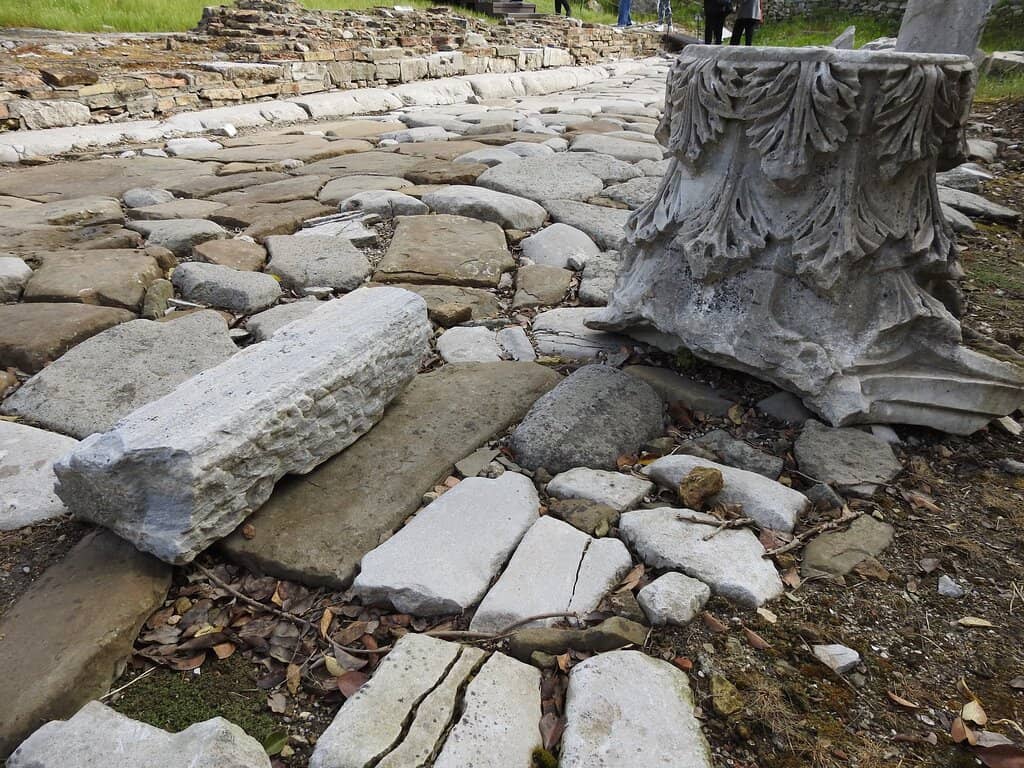
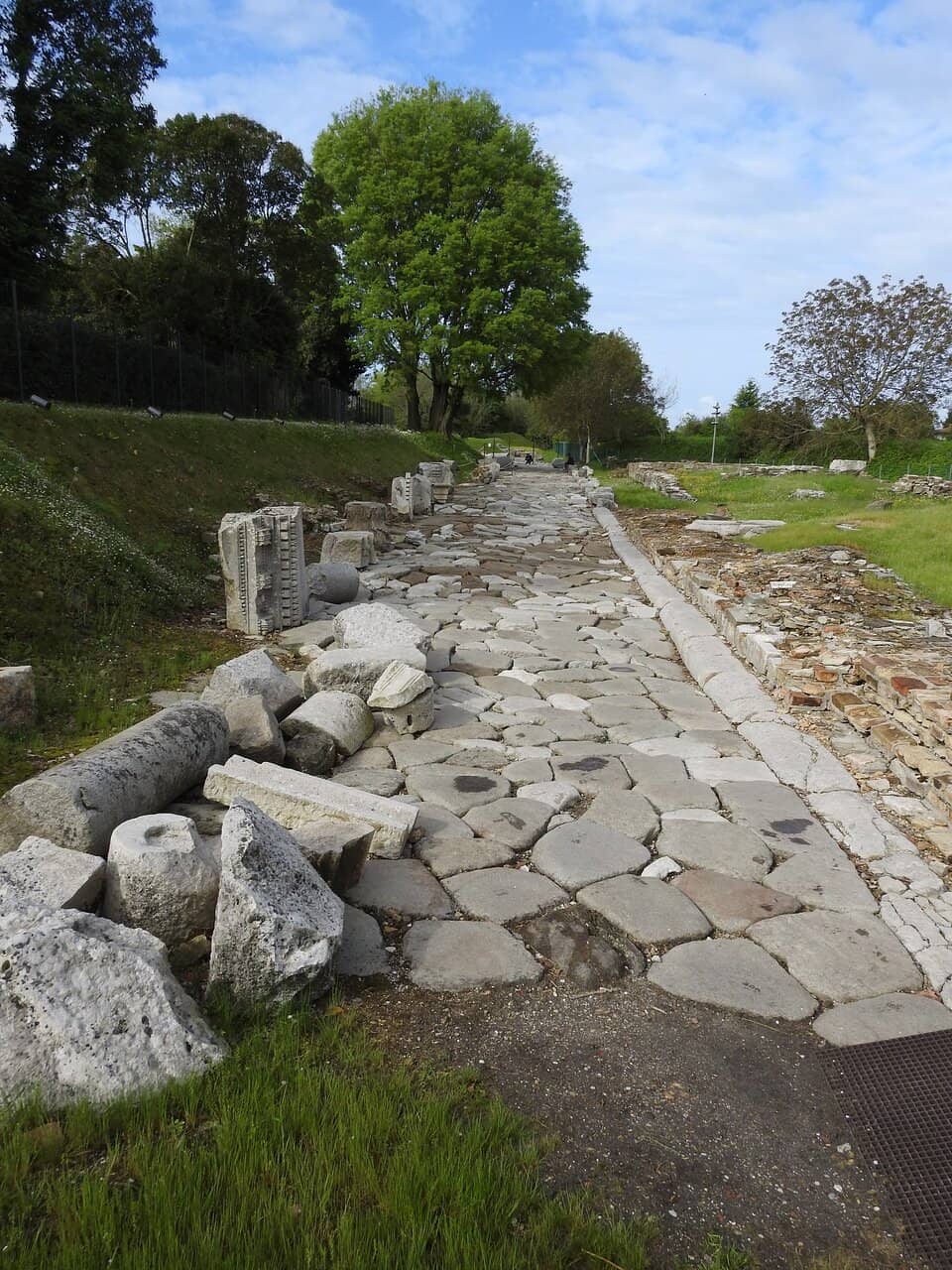
Walk along a 2nd-century Roman street, remarkably preserved with its original trachyte paving.
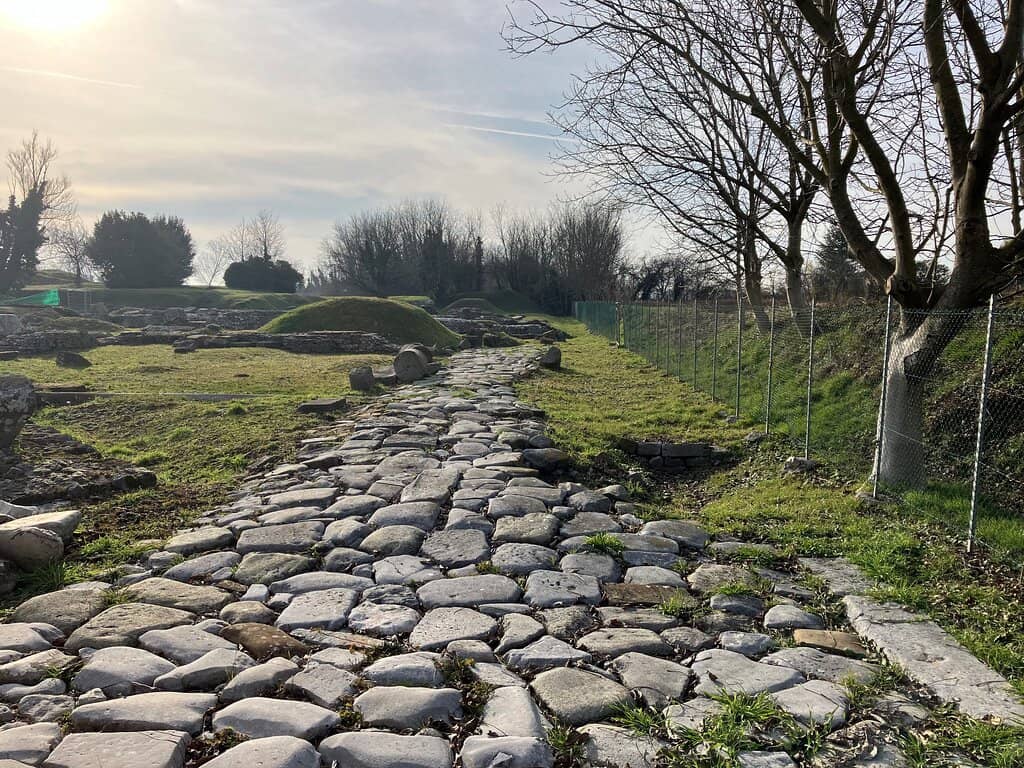
Visible Excavations
Surrounding Via Giulia Augusta
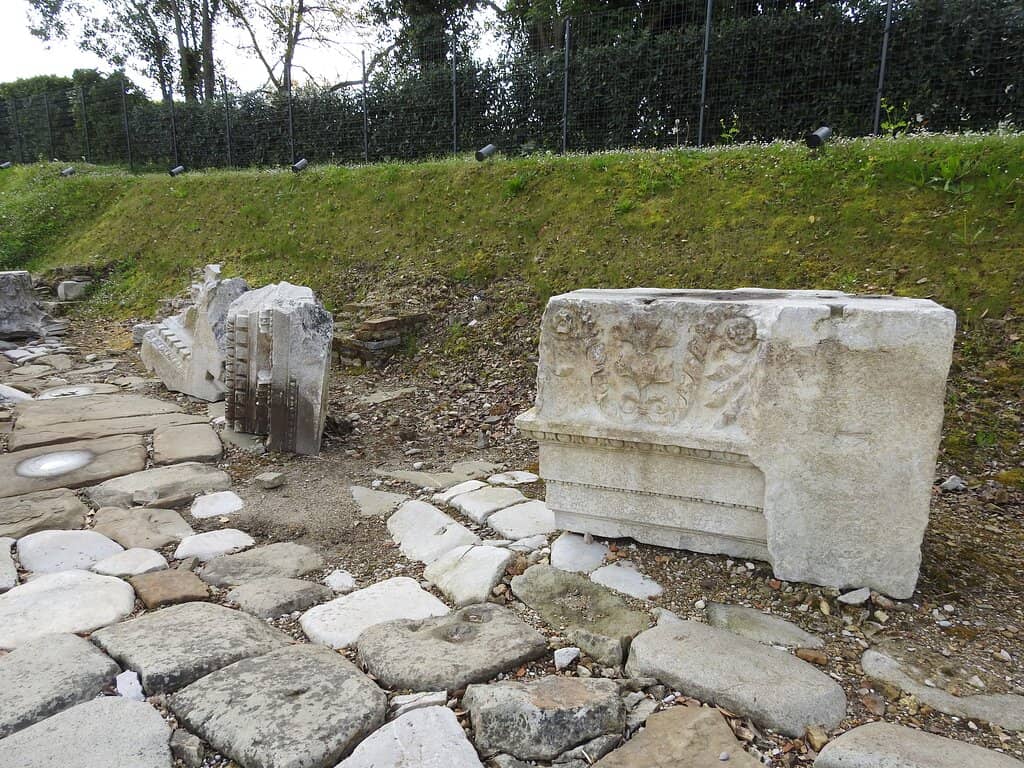
See the unearthed sections of this ancient thoroughfare, offering a glimpse into Roman urban design.
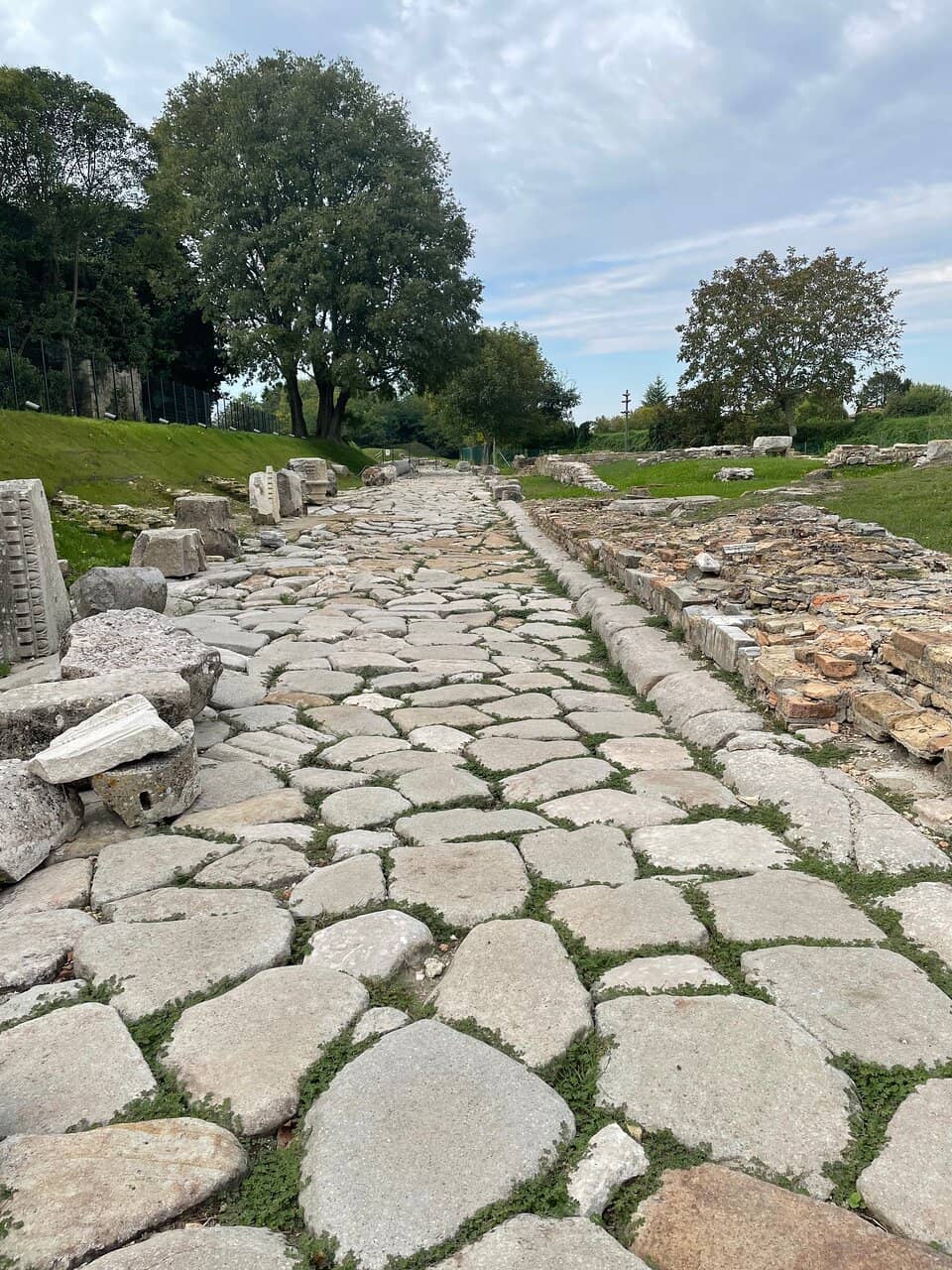
Connection to Forum & Port
Archaeological Area
Imagine this street as the link between the Roman port and the bustling forum and theater district.
Plans like a pro.
Thinks like you
Planning Your Visit
Access & Viewing
Historical Significance
Best Times
Insider Tips
from TikTok, Instagram & Reddit
Roman roads being excavated in Aquileia
Hey! I've been there! Aquileia was once a big Roman city. The currently exposed ruins are just the tip of the iceberg. You can walk around the "waterworks" area (Area Archeologica di Aquileia) and the Roman Necropolis. There's bits and bobs elsewhere. They are discovering new…
Free to View
No ticket needed to see the Roman road from outside the fence! 🎟️
Audio Guide Available
Enhance your visit with an online audio guide for historical context. :iphone:
Walk the Via Giulia Augusta
Enjoy the surrounding countryside and views of the excavations. :athletic_shoe:
Tips
from all over the internet
Free to View
No ticket needed to see the Roman road from outside the fence! 🎟️
Audio Guide Available
Enhance your visit with an online audio guide for historical context. :iphone:
Walk the Via Giulia Augusta
Enjoy the surrounding countryside and views of the excavations. :athletic_shoe:
What Travellers Say
Reviews Summary
Visitors praise Decumanus Aratria Galla for its remarkable preservation and historical significance, offering a clear glimpse into Roman urban life. Many appreciate that it's easily visible and often free to access, even when the main excavation site is closed. Some visitors express a desire for more frequent public access to the site itself.
"I visited Decumano Aratria Galla in Ravenna and found it rich in history. This ancient Roman street, dating back to the 2nd century, was once a bustling thoroughfare in the city. It offers a fascinating glimpse into the urban layout and daily life of the past. The preserved ruins and informative displays provide great insight into Aquilea’s Roman heritage. You can listen to the online audio guide while being here. Roman roads really are impressive"
Anthony Chan
"Ita: A bellissimo esempio di strada romana, molto ben conservata! Inoltre non è necessary comprare alcun biglietto.
Eng: A beautiful example of a Roman road, very well preserved! So you don't need to buy any ticket.
Deu: A beautiful example of a Roman road, very well preserved! Furthermore, it is not necessary to purchase tickets.
Fra: A great example of your Romaine, très bien preserved! Plus, it's not necessary to get the tickets."
Matteo
"Although currently closed to the public, the site is clearly visible from the Via Giulia Augusta and the surrounding countryside. A true Roman Decumanus, with the ancient road connecting the Roman Forum to the Baths area. A leap back in time almost two thousand years before our eyes. I hope to return on one of those rare occasions when the site is open to the public. It's still worth a walk around; everything is clearly visible even from outside the fence."
Ermes Tuon
What People Like
What People Dislike
Frequently Asked Questions
🚇 🗺️ Getting There
Decumanus Aratria Galla is located in Ravenna, Italy. It's easily accessible via the Via Giulia Augusta. While the main excavation site may have limited public access, the road is clearly visible from this main road and the surrounding countryside. Public transport options to Ravenna are available, and from there, local buses or a short taxi ride can take you near the site.
Parking availability can vary. It's advisable to look for parking along the Via Giulia Augusta or in designated areas in Ravenna before heading towards the archaeological site. Check local signage for specific parking regulations.
🎫 🎫 Tickets & Entry
Good news! You don't need to buy a ticket to see the beautiful example of the Roman road. It's very well preserved and visible from the outside, making it a free attraction.
The main excavation site may have limited or occasional opening hours. However, the Roman road is generally visible from the Via Giulia Augusta and surrounding areas at any time, allowing for viewing even when the site itself is closed.
While the site is sometimes closed to the public, when accessible, you can walk on the preserved sections. Even when closed, the road is clearly visible from outside the fence, allowing you to appreciate its scale and preservation.
🎫 🧭 Onsite Experience
You can see a significant stretch of a 2nd-century Roman road, the Decumanus Aratria Galla, paved with trachyte. It once connected the river port to the forum and theater area, offering a fascinating glimpse into Roman urban planning.
Yes, an online audio guide is available to enhance your understanding of the site's history and significance. This can be accessed on your mobile device while you are there.
Viewing the road from the Via Giulia Augusta can take as little as 15-30 minutes. If the site is open for closer inspection, you might spend an hour exploring the visible remains and listening to the audio guide.
📸 📸 Photography
The Via Giulia Augusta offers excellent vantage points for photographing the preserved Roman road. Look for angles that capture the scale of the paving and its integration with the landscape. Early morning or late afternoon light can create dramatic shadows.
Generally, photography for personal use is permitted. However, if the site is open and you plan to use professional equipment or for commercial purposes, it's always best to check with the local authorities or the Aquileia Foundation for any specific guidelines.


Social
from TikTok, Instagram & Reddit