Museo della Mandorla di Avola
Discover the rich history and traditional production of the famed Avola almond, a symbol of Sicilian culinary heritage.
Highlights
Must-see attractions

Social
From TikTok & Reddit
Best Time
Fewer crowds, more guide attention
Museo della Mandorla di Avola
Best Time
Fewer crowds, more guide attention
Highlights
Must-see attractions
Discover the rich history and traditional production of the famed Avola almond, a symbol of Sicilian culinary heritage.
"Cool place for an old time look at almond production in Sicily."
🎯 Quick & Informative Tour
Expect a 30-minute tour; guides are knowledgeable and answer questions well.
💰 Affordable Entry Fee
Entry is only 2€, contributing to the local consortium.
Highlights
Discover the most iconic attractions and experiences
Historic Almond Production Tools
Exhibition Hall
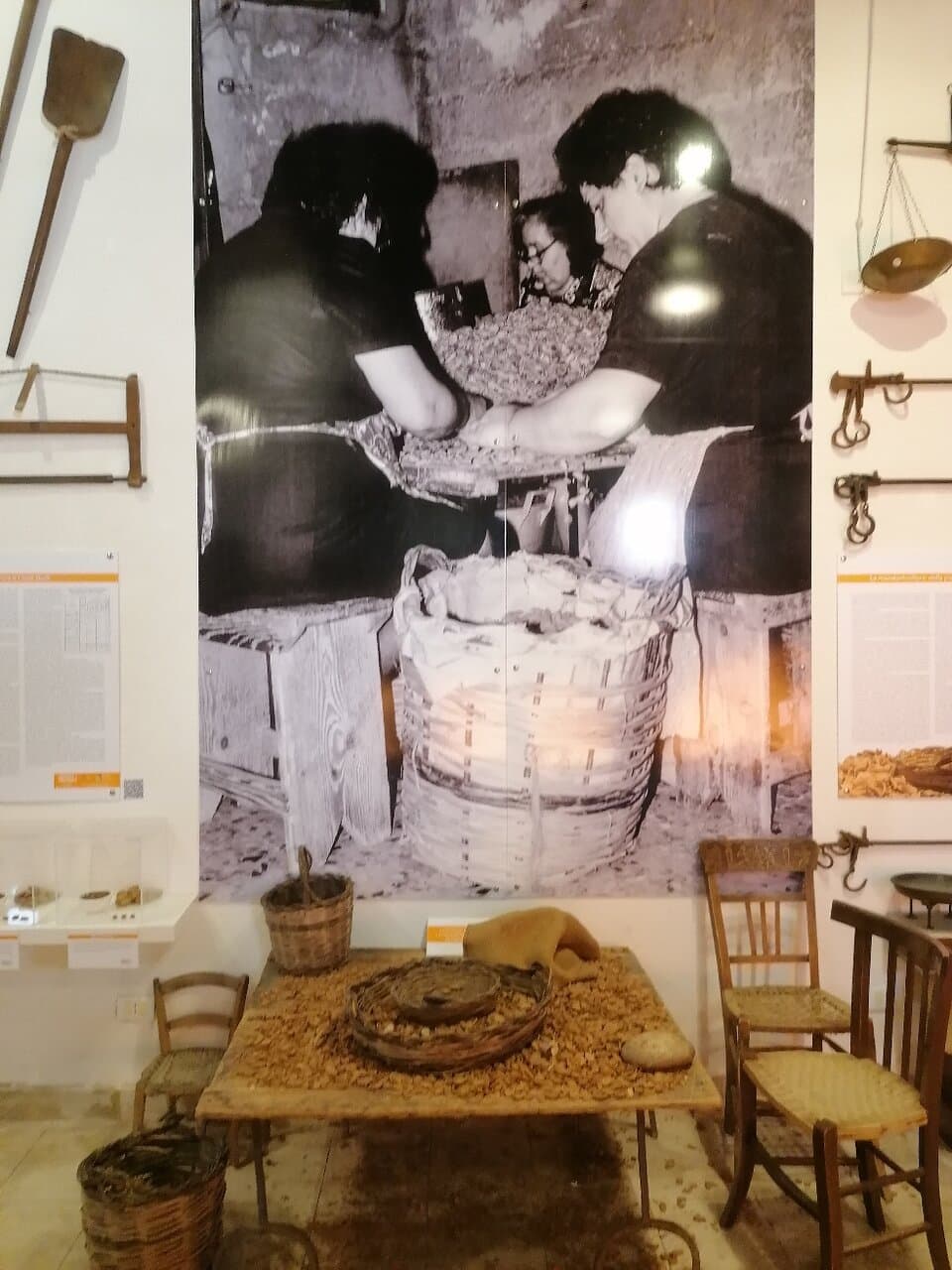
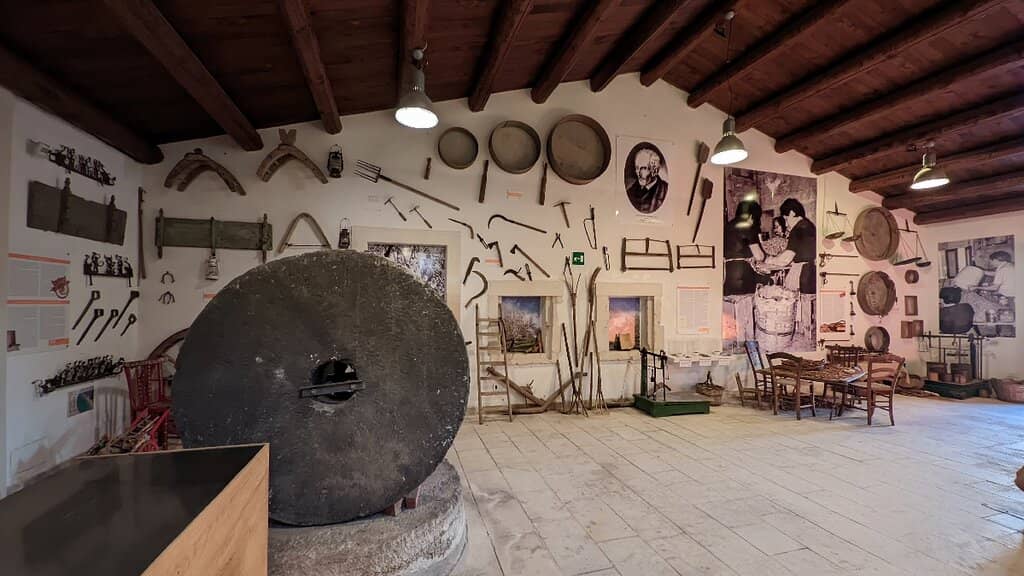
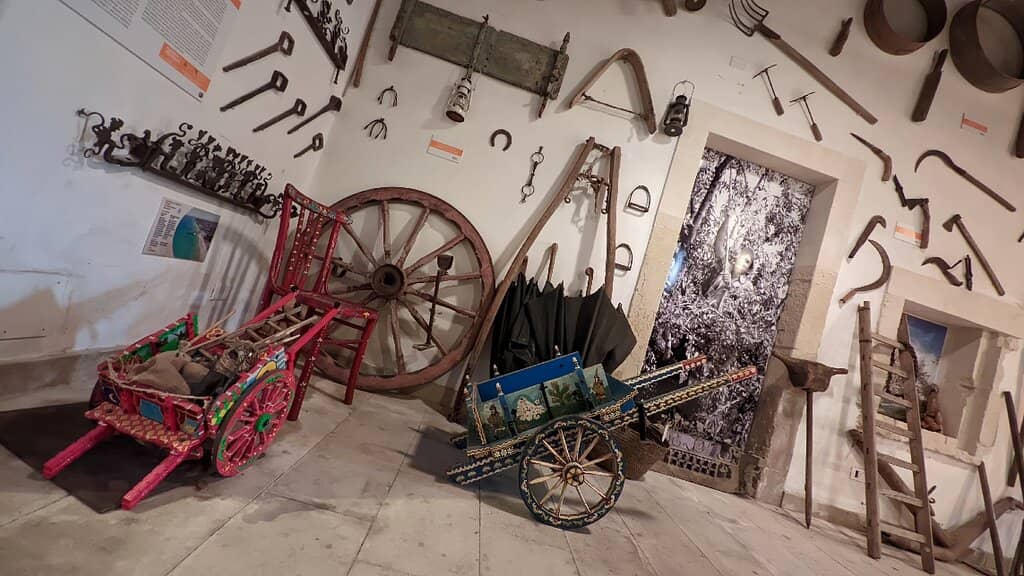
See the authentic equipment used for harvesting and processing Avola's famous almonds.
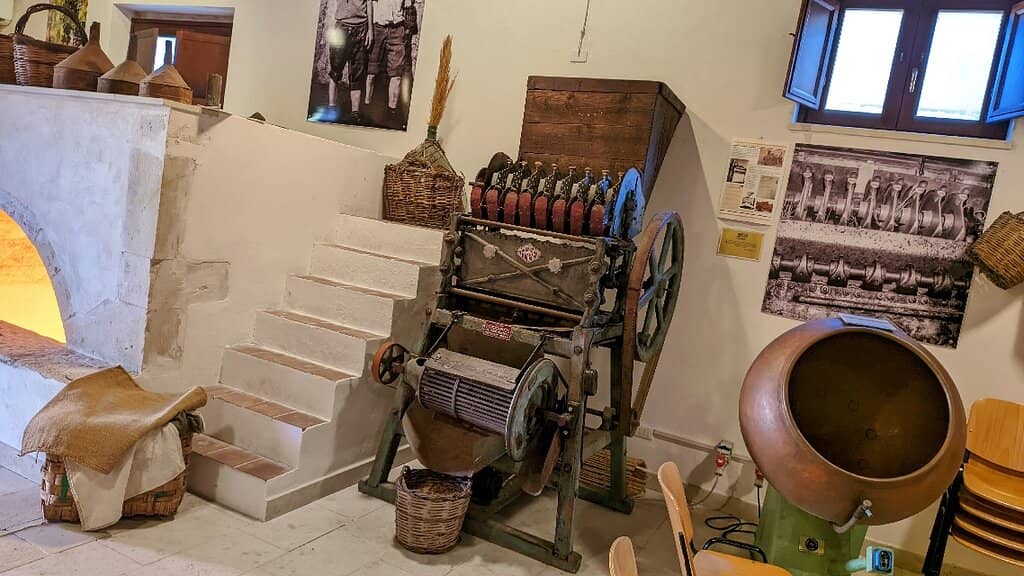
The Story of Avola Almonds
Exhibition Hall
Learn about the unique varieties and the rich history of almond cultivation in the Val di Noto.
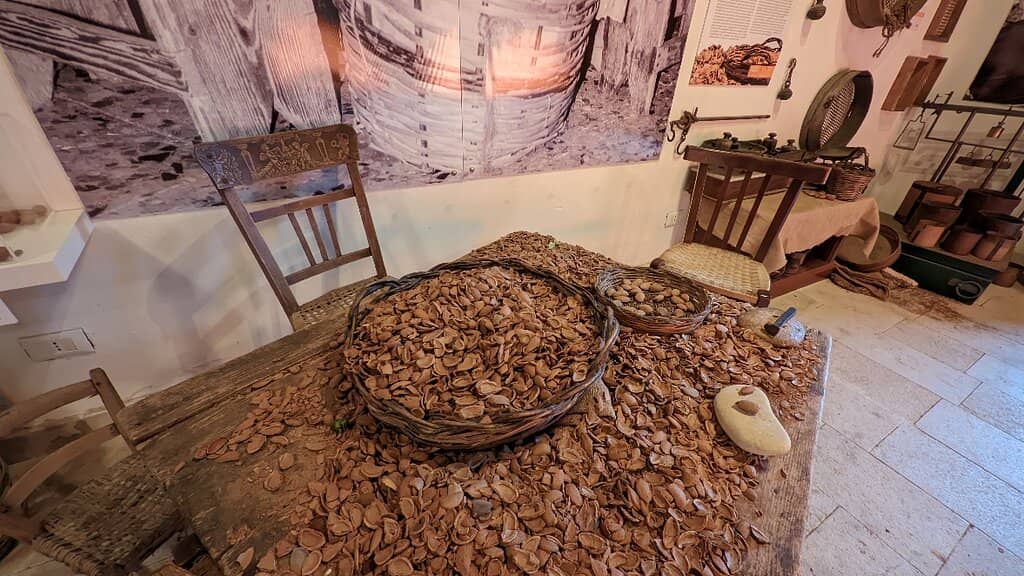
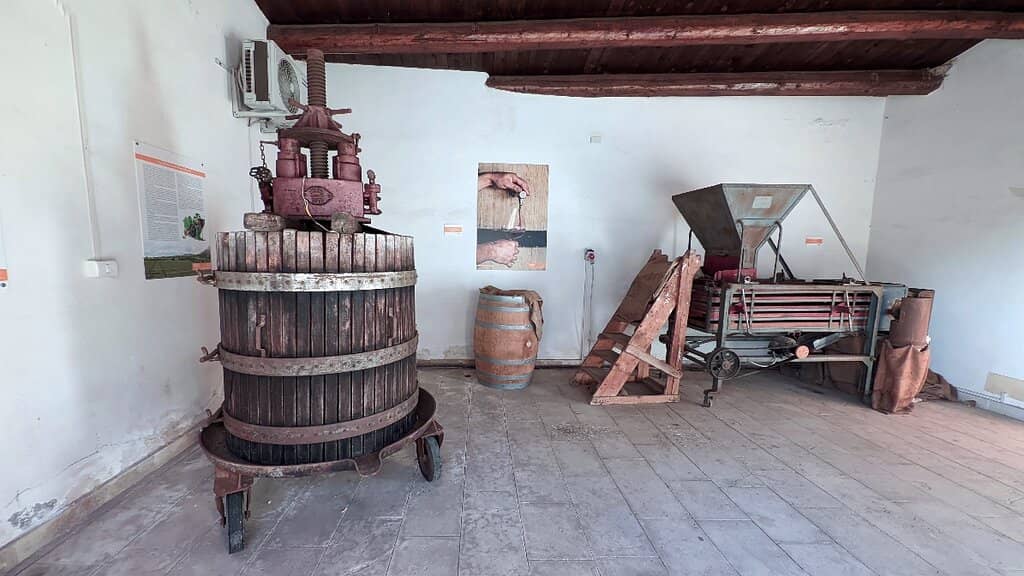
Connections to Local Wines
Exhibition Hall
Discover the fascinating link between Avola almonds and the renowned Nero d'Avola wine.
Plans like a pro.
Thinks like you
Planning Your Visit
Timing is Key for Almond Insights
Embrace the Local Flavors
Best Times
Insider Tips
from TikTok, Instagram & Reddit
🎯 Quick & Informative Tour
Expect a 30-minute tour; guides are knowledgeable and answer questions well.
💰 Affordable Entry Fee
Entry is only 2€, contributing to the local consortium.
🌳 Park & Playground Nearby
The museum is near a lovely park with a shaded playground.
🗣️ Multilingual Info Available
Video and audio information are provided in several European languages.
Tips
from all over the internet
🎯 Quick & Informative Tour
Expect a 30-minute tour; guides are knowledgeable and answer questions well.
💰 Affordable Entry Fee
Entry is only 2€, contributing to the local consortium.
🌳 Park & Playground Nearby
The museum is near a lovely park with a shaded playground.
🗣️ Multilingual Info Available
Video and audio information are provided in several European languages.
🥜 No Almonds to Buy
Unfortunately, you can't purchase almonds or souvenirs here. +1
What Travellers Say
Reviews Summary
Visitors find the Museo della Mandorla di Avola to be a small but informative gem, offering a concise look into the history and production of the famous Avola almond. While some note the lack of almond sales and a brief tour, the affordable entry fee and knowledgeable guides are frequently praised, making it a worthwhile stop for those interested in local agricultural heritage.
"All about almonds. Fast tour with taped English and a dubbed movie. Just don’t think it’s really worth the drive plus 3.5 euros. Should have had some almonds for us to buy!"
Anne Michelini
"It is a small museum but full of history. It covers the variety of almonds in Avola and the trade behind it, touches upon the Nero d Avola wine and also sugar cane. The guides are very knowledgeable and readily ayfor any questions. The tour will take around 30 mins but worth a visit. 2 euro per person goes towards the consorzio, for them to keep on going."
Rosalie DeGaetano
"Located close to the sea and in the middle of a big park with a really nice, shaded playground area. Entry fee is 2€, there's a guide. The museum is small (only two rooms) but full of interesting equipment and objects used for producing and harvesting almonds and other fruits in the area. We could try and open almonds with the local tool (not that easy!). Friendly staff, but they couldn't find the remote control for the tv so we couldn't watch the presentation about the museum and almond cultivation unfortunately.
It's a shame there's no possibility to buy almonds or related products, souvenirs here."
Lilla Toth-Tatai
What People Like
What People Dislike
Frequently Asked Questions
🚇 🗺️ Getting There
The museum is located in Avola, Sicily. It's often described as being close to the sea and within a large park. While specific public transport details aren't widely shared, it's generally accessible by car within Avola.
Information on dedicated parking is scarce, but given its location near a park, street parking or nearby public lots are likely options. It's best to check local signage upon arrival.
Avola is a walkable town, and the museum's proximity to the sea suggests it might be a pleasant walk from the town center, depending on your starting point.
🎫 🎫 Tickets & Entry
The entry fee is very affordable, typically around 2 euros per person. This fee often goes towards supporting the local consortium dedicated to almond production. +1
Advance booking is generally not required for this small museum. You can usually purchase tickets upon arrival.
Specific opening hours can vary, but it's often open during typical daytime hours. It's advisable to check locally or with tourist information for the most current schedule.
Yes, the ticket price typically includes a guided tour. The guides are noted for being knowledgeable and friendly. +1
While the museum educates about almonds, reviews indicate there isn't a tasting or product purchase available directly at the museum. +1
🎫 🧭 Onsite Experience
Most visitors find the museum to be small and the tour to be concise, typically lasting around 30 minutes. It's a quick yet informative stop.
You'll find interesting historical equipment and objects related to almond production and harvesting in the Avola region. It covers the history and trade of almonds. +1
The museum is small and educational. The nearby park with a playground is a definite plus for families.
Some visitors mention the opportunity to try opening almonds with local tools, offering a hands-on element to the experience.
The museum provides video and audio information in several European languages, making it accessible to a wider range of visitors.
📸 📸 Photography
Generally, photography for personal use is permitted in most small museums, but it's always best to check for any specific signage or ask the staff.
Focus on capturing the unique historical tools and displays that showcase the almond production process. The charming atmosphere of the museum itself can also make for good shots.
The collection of antique equipment used for harvesting and processing almonds is often highlighted as visually interesting.
For Different Travelers
Tailored advice for your travel style
👨👩👧 Families with Kids
💰 Budget Travelers
🧑🏫 Culture & History Enthusiasts
Deep Dives
In-depth insights and expert knowledge
The Significance of the Avola Almond

Beyond its culinary uses, the Avola almond has historical ties to other local products. The museum often touches upon its connection to the Nero d'Avola wine, Sicily's most famous red grape, and even mentions historical cultivation of sugar cane in the area. This broader context highlights the agricultural richness of the region and how different crops have coexisted and influenced each other. The exhibits aim to provide a comprehensive understanding of the almond's journey from tree to table, emphasizing the traditional methods and the dedication involved.
Visitors often express surprise at the depth of information presented in such a compact space. The knowledgeable guides are a key part of the experience, offering insights that go beyond the displays and answering questions with enthusiasm. While the museum itself might not offer tastings, understanding the significance of the Avola almond here enriches any subsequent culinary exploration of Sicily.
A Glimpse into Traditional Production
Visitors have the unique opportunity to see and sometimes even interact with these tools. Some accounts mention trying to open almonds with local implements, a hands-on experience that underscores the skill and effort required. This tactile engagement makes the history come alive, allowing visitors to appreciate the craftsmanship and ingenuity of past generations. The museum effectively uses these objects to tell the story of the Avola almond trade and its economic impact on the region.
While the museum is small, the curated selection of artifacts provides a powerful visual narrative. It's a place where the traditions of Sicilian agriculture are preserved and shared, offering a valuable educational experience for anyone interested in food history or rural life. The guides often share personal anecdotes and local lore, further enhancing the immersive quality of the visit.

Social
from TikTok, Instagram & Reddit