
Porta Dojona
A historic gateway in Belluno, blending medieval defense with Renaissance design, featuring an ancient wooden door.
Highlights
Must-see attractions

Social
From TikTok & Reddit
Best Time
Soft light, fewer crowds
Porta Dojona
Best Time
Soft light, fewer crowds
Highlights
Must-see attractions
A historic gateway in Belluno, blending medieval defense with Renaissance design, featuring an ancient wooden door.
"An imposing gate connecting historic squares, showcasing centuries of Belluno's architectural evolution."
📸 Capture the Details
Focus on the intricate carvings and historical plaques for stunning photos. :camerawithflash:
🚶♀️ Explore the Surroundings
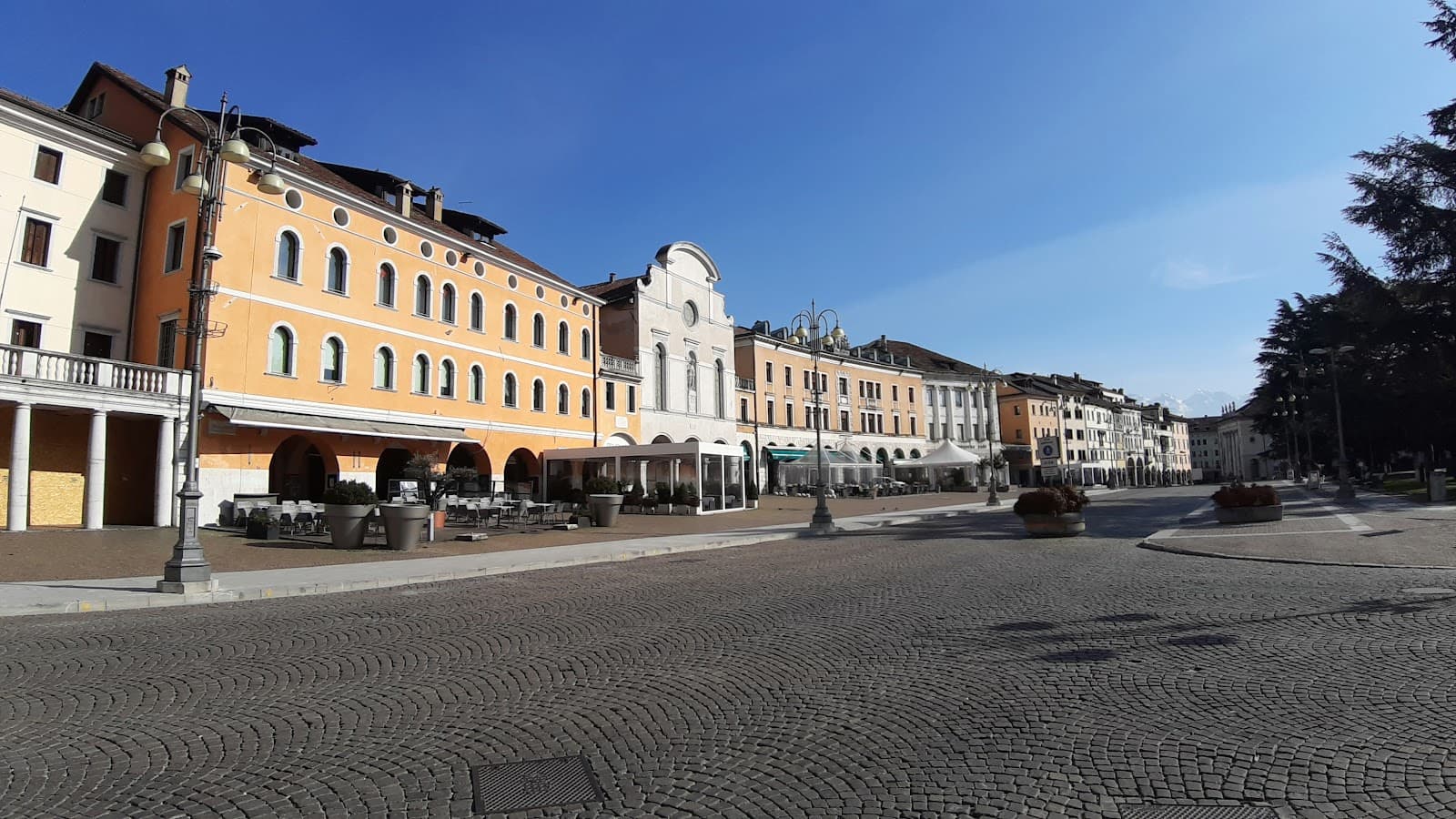
Don't miss the adjacent Piazza Vittorio Emanuele and Piazza delle Erbe. :world_map:
Highlights
Discover the most iconic attractions and experiences
The Inner Medieval Arch
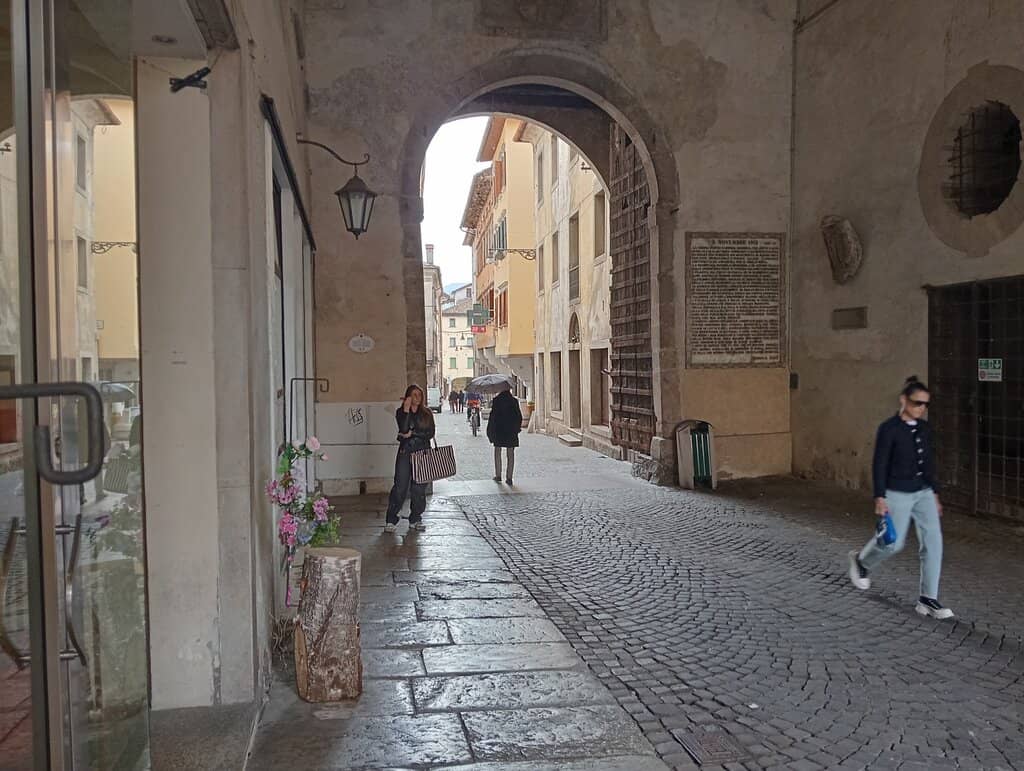
Facing Via Rialto
The original 1289 arch, a testament to medieval engineering and Belluno's early defenses.
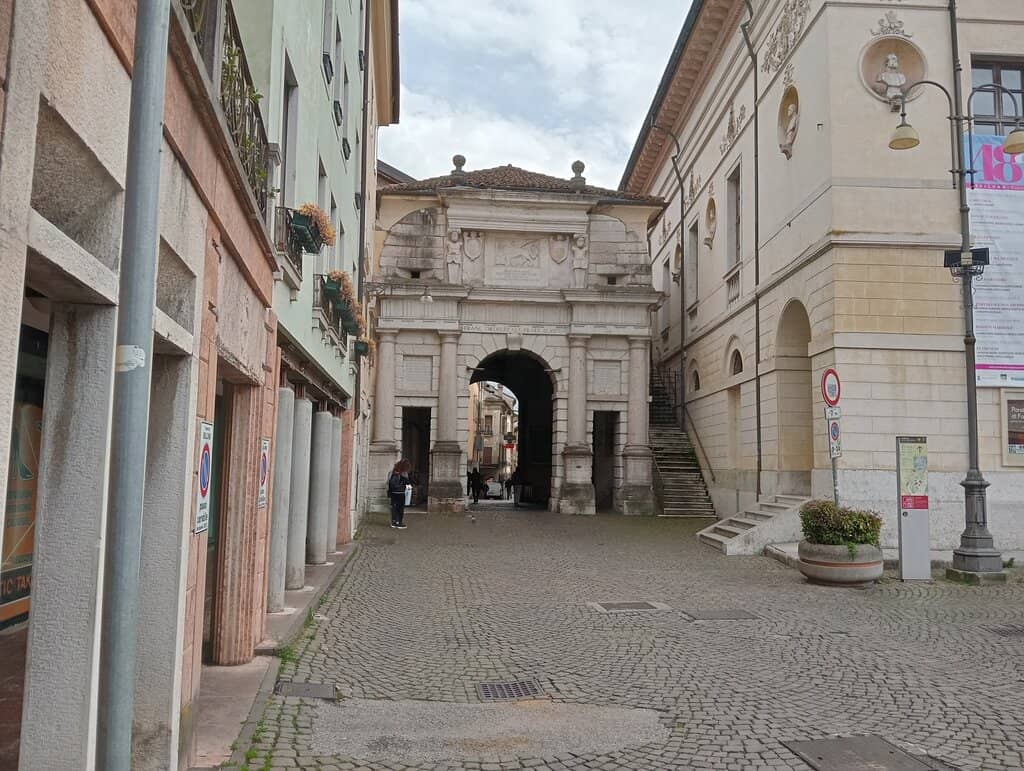
Renaissance Facade
Facing Piazza Vittorio Emanuele
The 1553 addition, showcasing Renaissance design with Niccolò Tagliapietra's architectural influence.
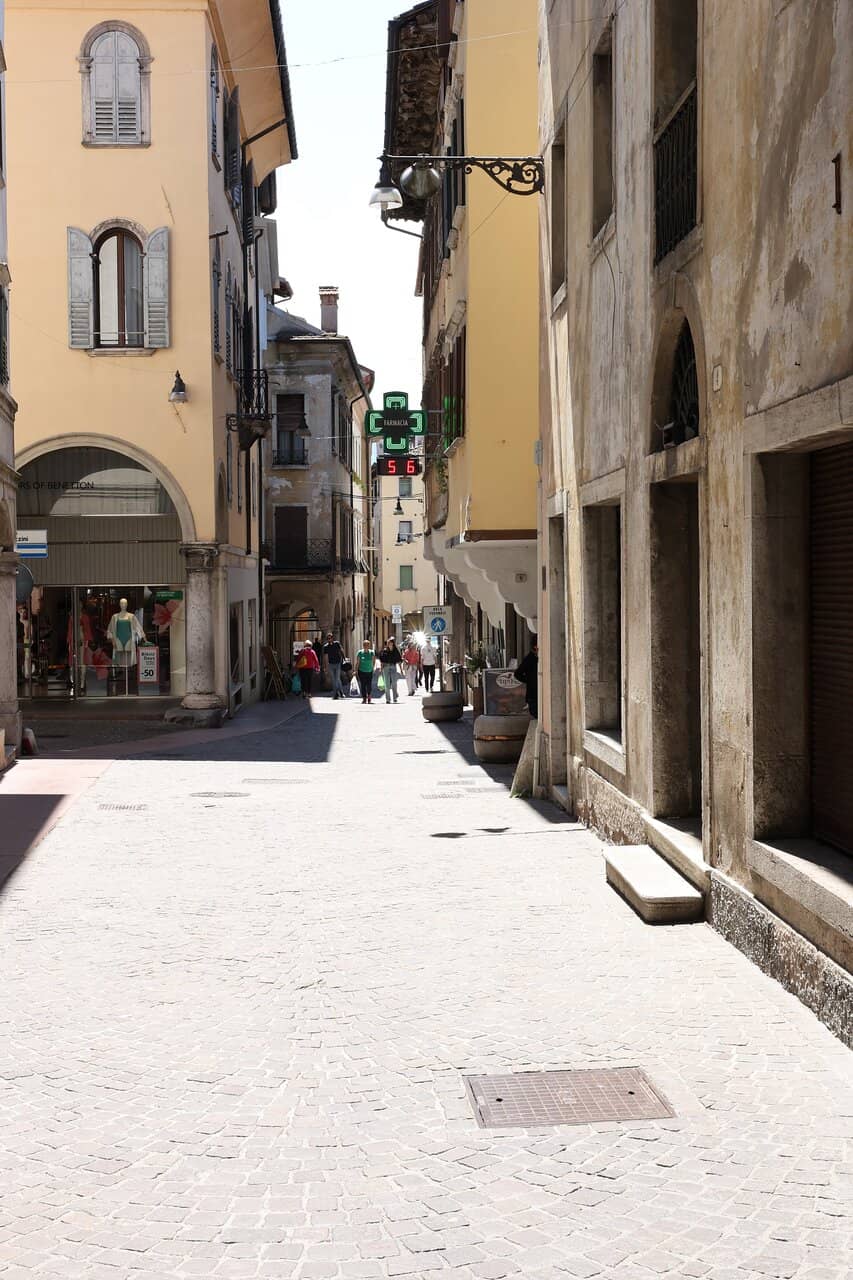
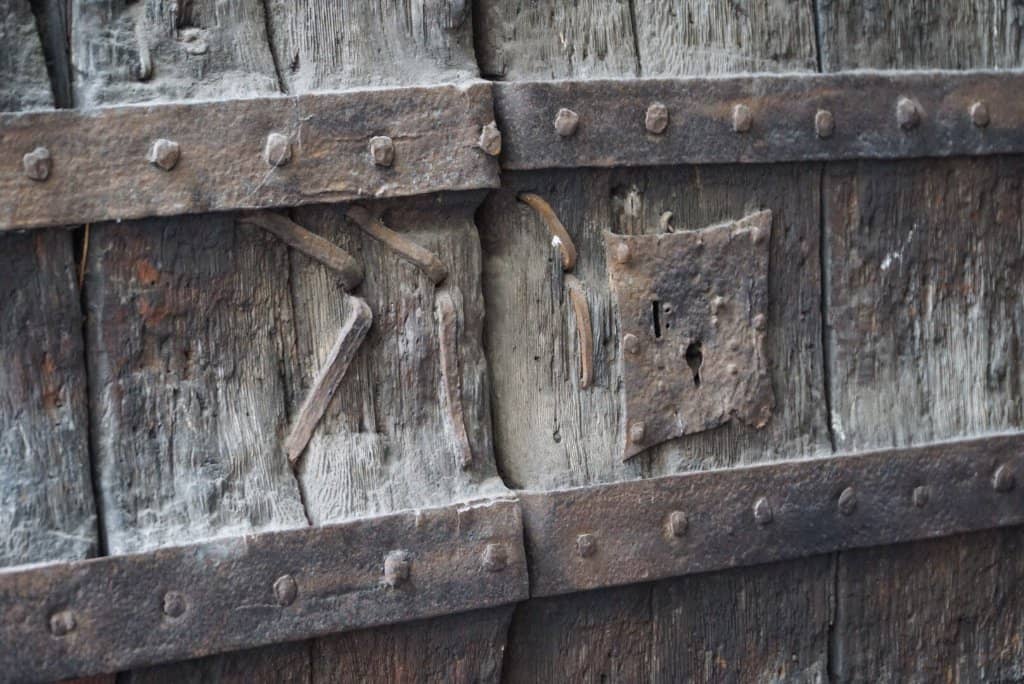
Massive Ancient Wooden Door
Inside the gate
An imposing and original wooden door, a rare survivor from the early 16th century.
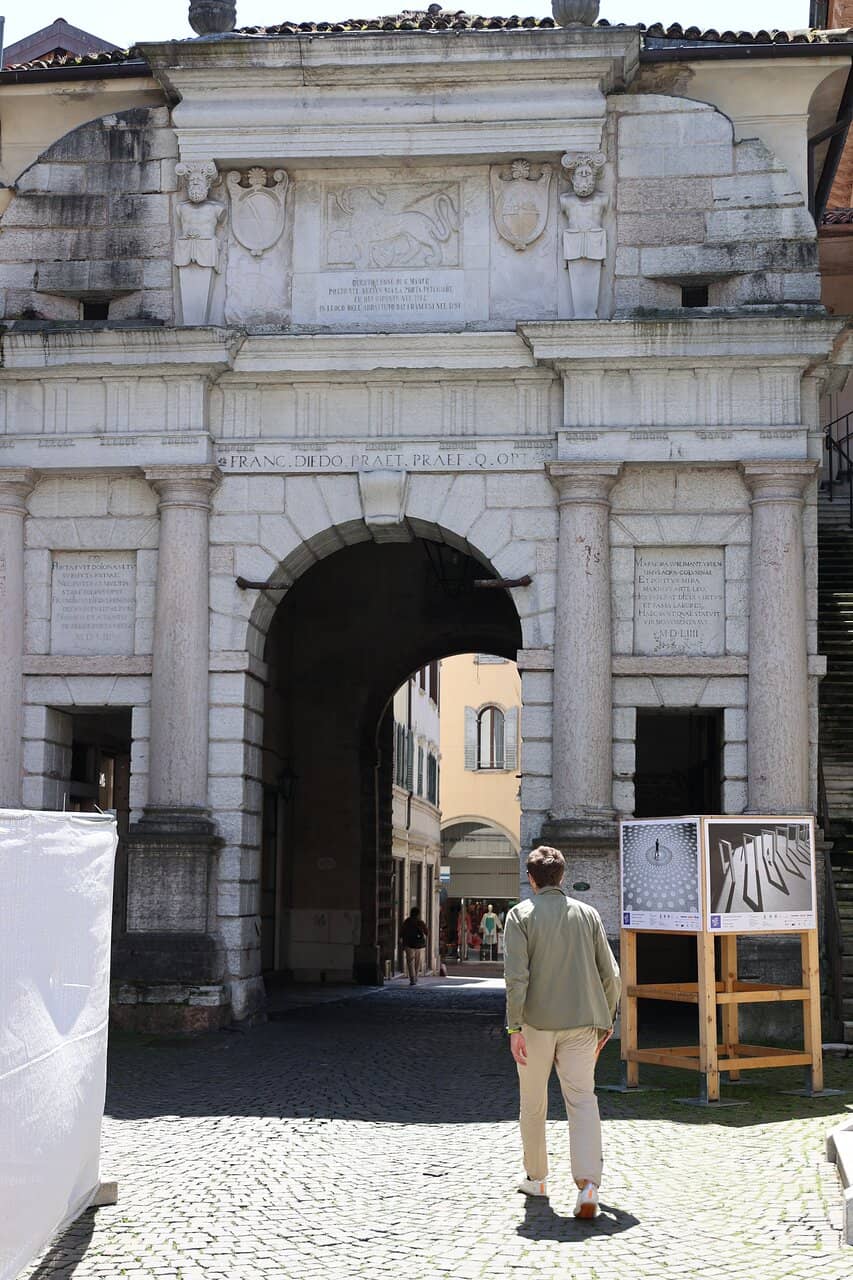
Commemorative Plaques
On the gate's walls
Discover historical inscriptions and coats of arms that tell tales of the city's past.
Plans like a pro.
Thinks like you
Planning Your Visit
Timing is Key for Photos
Understand Its Historical Layers
Best Times
Insider Tips
from TikTok, Instagram & Reddit
📸 Capture the Details
Focus on the intricate carvings and historical plaques for stunning photos. :camerawithflash:
🚶♀️ Explore the Surroundings
Don't miss the adjacent Piazza Vittorio Emanuele and Piazza delle Erbe. :world_map:
📚 Read Up on History
Understanding its past enhances the visit. Look for inscriptions. :books:
👟 Wear Comfortable Shoes
You'll be walking around historic squares. :athletic_shoe:
Tips
from all over the internet
📸 Capture the Details
Focus on the intricate carvings and historical plaques for stunning photos. :camerawithflash:
🚶♀️ Explore the Surroundings
Don't miss the adjacent Piazza Vittorio Emanuele and Piazza delle Erbe. :world_map:
📚 Read Up on History
Understanding its past enhances the visit. Look for inscriptions. :books:
👟 Wear Comfortable Shoes
You'll be walking around historic squares. :athletic_shoe:
What Travellers Say
Reviews Summary
Visitors find Porta Dojona a beautiful and historically significant gateway to Belluno's old town. Its blend of medieval and Renaissance architecture, along with the impressive ancient wooden door, are frequently highlighted. Some note that it can be somewhat obscured by modern buildings, slightly diminishing its grandeur.
"Beautiful"
George GIARIKANIS
"A first internal arch of the gate, which was called "di Foro" or "Mercato" at the time, was built in 1289, designed by Vecello da Cusighe, and was then restored several times over the centuries. This part, which faces via Rialto, was part of the city's defensive wall system, near the Motta castle.
The second part of the gate, that is, the one facing piazza Vittorio Emanuele, was built in 1553 and is clearly of Renaissance imposition, even if the overall result of the gate becomes rather heavy, especially due to the fact that it is suffocated by the adjacent Teatro Buzzati, of the neoclassical era, from which it is divided by a single staircase. This part was built on the project of Nicolò Tagliapietra, commissioned by the rector Francesco Diedo, whose name is written on the pediment above the arch. The gate was also called porta Diedo, again in honor of the rector.
The building was once open on top, as was the medieval custom, but in 1609 it was covered; from that date the name of the gate was changed, becoming Porta Dojona, in honor of Giorgio Doglioni, titular bishop of Belle and co-auditor of that of Bressanone. Only in 1730 was the moat that ran along the walls filled in, therefore even today the gate is called Porta de le kadene by the elders of the city, due to the presence of the drawbridge."
Massimiliano Savalli
"An imposing gate connecting Piazza Vittorio Emanuele to Piazza delle Erbe (or Piazza del Mercato), the ancient Forum (or Market) of Belluno. Originally part of the city's defense system, it was built in 1289 based on a design by Vecello da Cosighe. The Renaissance section overlooking the main square was added in 1553, and the roof in 1609. The impressive ancient, massive wooden door located inside is noteworthy, along with various commemorative plaques. The gate is now named after Bishop Giorgio Doglioni and is somewhat obscured by the adjacent buildings, including the municipal theater."
mike cleveland
What People Like
What People Dislike
Frequently Asked Questions
🚇 🗺️ Getting There
Porta Dojona is centrally located in Belluno, connecting Piazza Vittorio Emanuele to Piazza delle Erbe. It's easily accessible on foot from most parts of the historic center. If arriving by car, look for parking in the nearby piazzas.
Yes, Belluno's historic center is well-served by local buses. Porta Dojona is a short walk from several bus stops within the city center. Check local bus schedules for routes and times.
Driving directly to Porta Dojona might be restricted due to its pedestrian-friendly location in the historic center. It's best to park in designated areas in Piazza Vittorio Emanuele or nearby and walk.
Approaching from Piazza Vittorio Emanuele offers a grand view of the Renaissance facade. Alternatively, entering from Piazza delle Erbe gives you a sense of passing through a historical gateway into the main square.
Absolutely! Porta Dojona is a key landmark in Belluno's historic center, serving as a visual reference point for navigating between the main squares.
🎫 🎫 Tickets & Entry
No, Porta Dojona is an open historical monument and part of the city's public space. Entry is free, allowing you to explore its architecture at any time.
As an outdoor monument, Porta Dojona is accessible 24/7. However, the best experience for viewing and photography is during daylight hours.
There is no admission fee to see or pass through Porta Dojona. It's a free historical site integrated into the city's fabric.
Yes, you can pass through Porta Dojona at night, but the architectural details and historical inscriptions will be harder to see without good lighting.
While there aren't specific tours solely for Porta Dojona, it's often included in broader historical tours of Belluno's city center. Inquire with local tourist information offices.
🎫 🏛️ Onsite Experience
You can admire the distinct medieval and Renaissance architectural styles, the massive ancient wooden door, commemorative plaques, and the historical inscriptions detailing its construction and name changes.
The main passage through Porta Dojona is generally flat and accessible. However, some of the surrounding piazzas might have cobblestones or slight inclines.
Originally part of Belluno's defensive walls built in 1289, it evolved over centuries, with a Renaissance addition in 1553 and name changes honoring key figures. It represents the city's changing history and architecture.
Yes, photography is encouraged! The gate offers great opportunities to capture historical architecture, especially during the golden hours.
The name 'Dojona' comes from 'Dojon,' the local medieval term for a dungeon or tower, referencing a corner tower of the city walls that was once part of a fortification system near the gate.
📸 📸 Photography Tips
Early morning or late afternoon offer the best light, minimizing harsh shadows and creating a warm glow on the stone. Avoid midday sun for more dramatic shots.
Experiment with low angles to emphasize the gate's height and detail. Capture the contrast between the medieval and Renaissance sections. Also, frame it with the surrounding piazzas.
Definitely focus on the ancient wooden door inside, the inscriptions on the walls, the coats of arms, and the architectural details of both the medieval and Renaissance arches.
Drone usage in historic city centers is often restricted due to privacy and safety regulations. It's best to check local ordinances before attempting to fly a drone.
Use a tripod for low-light conditions. Consider a wider lens to capture the full gate and its surroundings, and a prime lens for detailed shots of inscriptions.
For Different Travelers
Tailored advice for your travel style
👨👩👧 Families with Kids
Keep the visit brief and tie it into a larger exploration of Belluno's historic center. The lack of an entrance fee makes it an easy, no-stress addition to your itinerary. Remember to bring snacks and water, as amenities directly at the gate are limited.
🏛️ History Buffs & Architecture Enthusiasts
Don't miss the original massive wooden door inside, a rare artifact that speaks volumes about historical construction. Consider researching the architects Vecello da Cusighe and Nicolò Tagliapietra beforehand to deepen your understanding of their contributions. The gate's integration with the adjacent Teatro Buzzati also offers an interesting urban planning perspective.
Deep Dives
In-depth insights and expert knowledge
A Tale of Two Gates: Medieval Meets Renaissance
The Renaissance facade, added in 1553, presents a stark contrast. Built on the project of Nicolò Tagliapietra, it faces Piazza Vittorio Emanuele and exhibits the more decorative and humanistic ideals of the Renaissance. Despite its grandeur, the gate's overall appearance is somewhat subdued due to its proximity to the Teatro Buzzati, a neoclassical structure. This juxtaposition highlights how the city's urban landscape has been shaped and reshaped over centuries.
Further layers of history are evident with the covering of the gate in 1609 and its renaming to Porta Dojona in honor of Bishop Giorgio Doglioni. The name 'Porta de le kadene' (Gate of the Chains) used by elders also points to its past with a drawbridge, underscoring its enduring connection to defensive structures.
The Enduring Legacy of Belluno's Defenses
The gate's name itself has evolved, reflecting shifts in power and influence. Initially part of a fortification system and even a bishop's castle, its name changed to honor figures like Bishop Doglioni. The mention of the 'Dojon' tower further emphasizes its military past. Even the name 'Porta de le kadene' hints at the presence of a drawbridge, a common feature in medieval fortifications.
While the gate's primary function as a defense has long since passed, its architectural presence remains a powerful reminder of Belluno's history. The original massive wooden door inside, dating from the early 16th century, is a remarkable survivor, offering a glimpse into the craftsmanship and materials used in historical fortifications.



Social
from TikTok, Instagram & Reddit