Roman Theatre
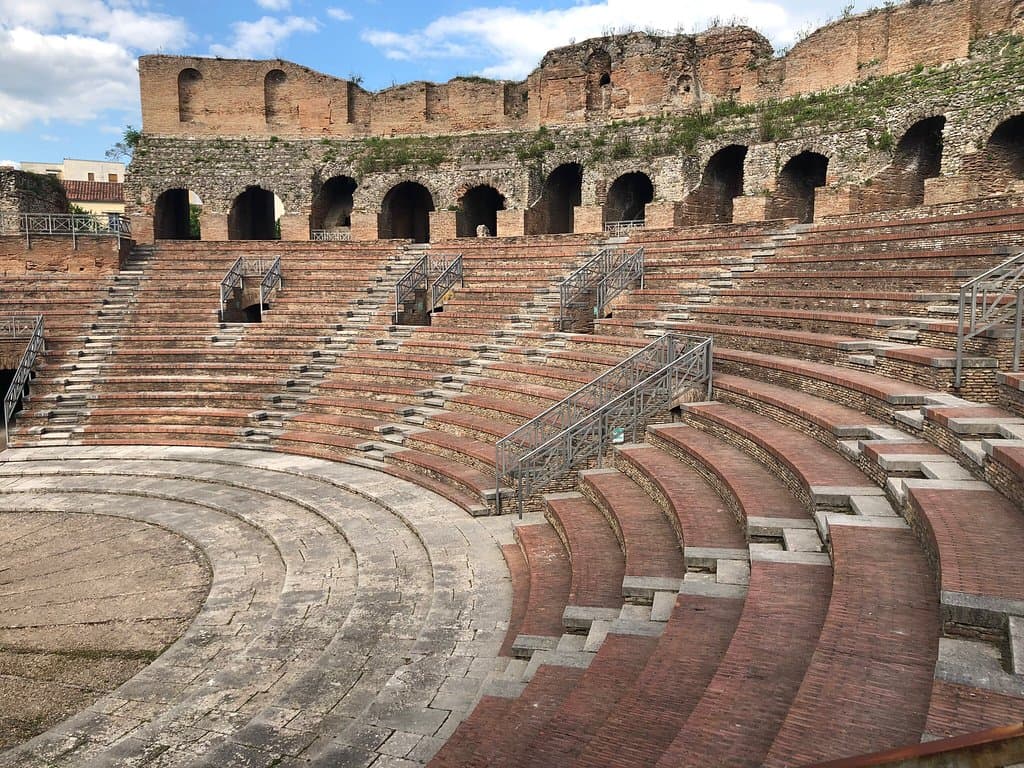
Step back in time at a remarkably preserved Roman Theatre, a testament to ancient engineering and a stage for timeless performances.
Highlights
Must-see attractions

Social
From TikTok & Reddit
Best Time
Fewer crowds, better photos
Roman Theatre
Best Time
Fewer crowds, better photos
Highlights
Must-see attractions
Step back in time at a remarkably preserved Roman Theatre, a testament to ancient engineering and a stage for timeless performances.
"Amazing experience, still in tact and worth visiting, not a huge site, just right."
Wear Comfortable Shoes
You'll be walking on uneven surfaces and potentially steep steps. :athletic_shoe:
Check for Events
Many Roman theatres host concerts and plays. A unique way to experience the venue! :musical_score:
Quick Facts
Hours
Rating
4.6 · 1,867 reviews
Type
Historical Landmark
Highlights
Discover the most iconic attractions and experiences
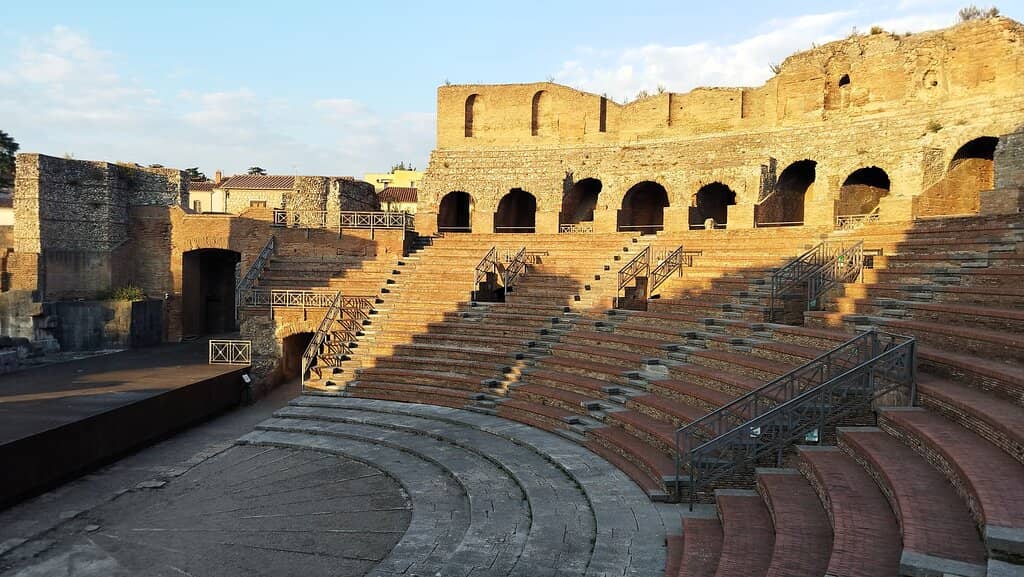
The Grand Amphitheater
Main Seating Area
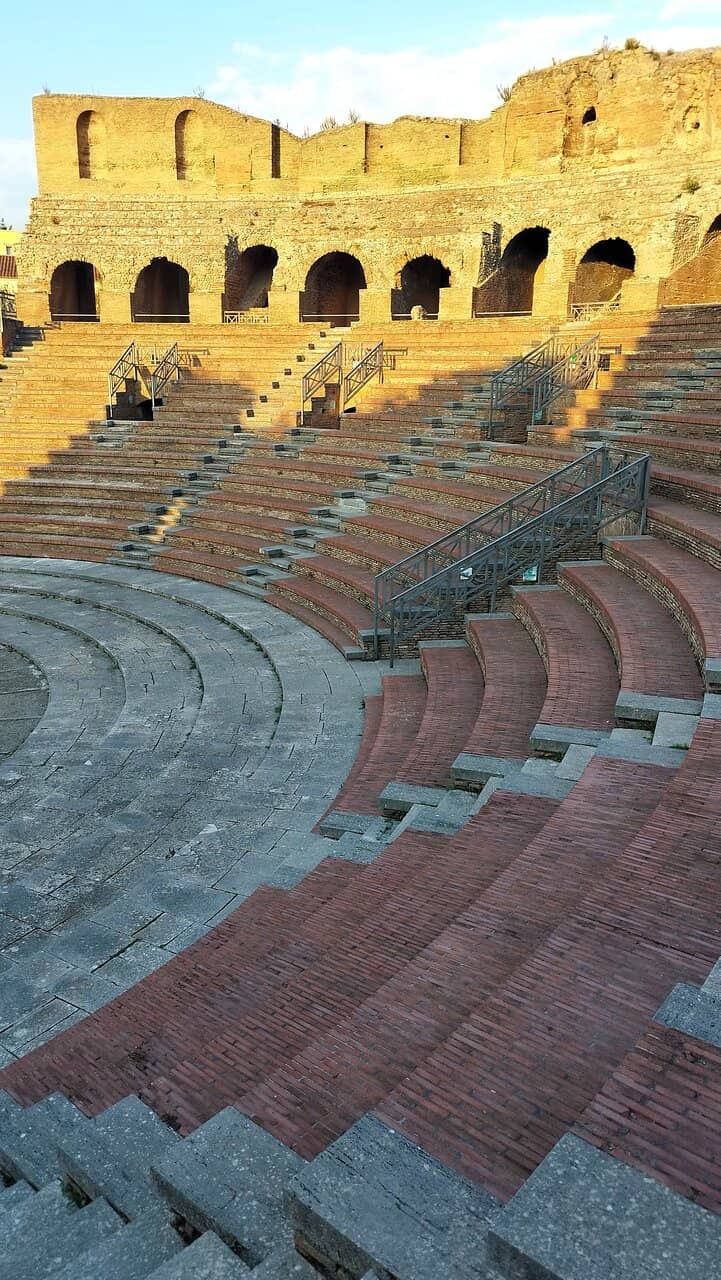
Imagine 6,000 spectators filling these seats for ancient performances. A truly awe-inspiring historical marvel.

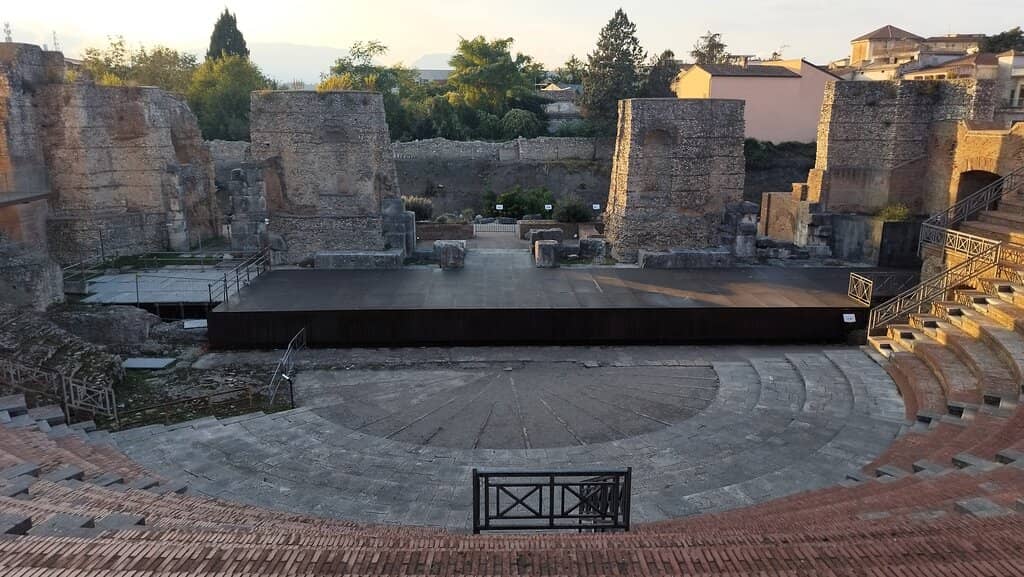
The Ancient Stage
Performance Area
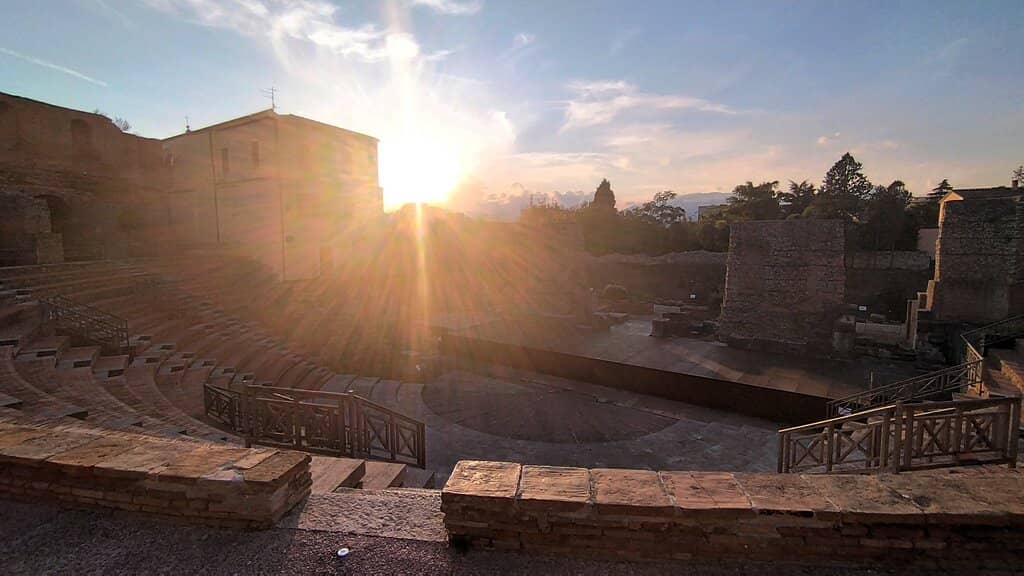
Stand where actors once performed. Feel the echoes of history and envision the spectacles that unfolded here.
Architectural Details
Throughout the structure
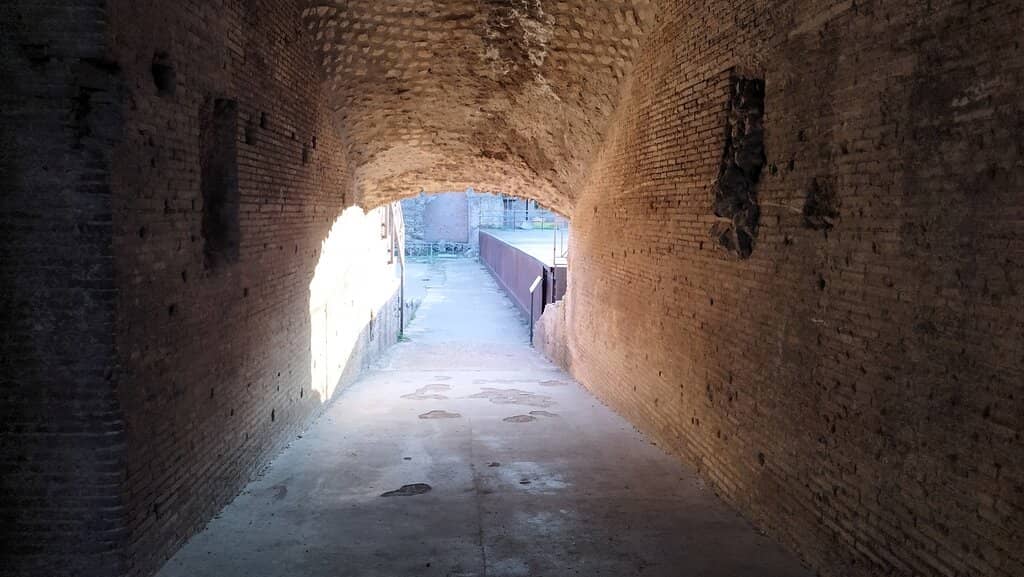
Admire the intricate stonework and engineering prowess of Roman builders. Every arch and column tells a story.
Plans like a pro.
Thinks like you
Planning Your Visit
Timing is Key for the Roman Theatre
Navigating Your Visit
Best Times
Insider Tips
from TikTok, Instagram & Reddit
Wear Comfortable Shoes
You'll be walking on uneven surfaces and potentially steep steps. :athletic_shoe:
Check for Events
Many Roman theatres host concerts and plays. A unique way to experience the venue! :musical_score:
Bring Water
Especially during warmer months, stay hydrated while exploring. :droplet:
Look for Guided Tours
Gain deeper insights into the history and significance of the theatre. 🔎
Tips
from all over the internet
Wear Comfortable Shoes
You'll be walking on uneven surfaces and potentially steep steps. :athletic_shoe:
Check for Events
Many Roman theatres host concerts and plays. A unique way to experience the venue! :musical_score:
Bring Water
Especially during warmer months, stay hydrated while exploring. :droplet:
Look for Guided Tours
Gain deeper insights into the history and significance of the theatre. 🔎
Respect the Site
This is a historical monument; treat it with care. 🙏
What Travellers Say
Reviews Summary
Visitors consistently praise Roman theatres for their impressive preservation and historical significance, offering a tangible connection to the ancient world. Many appreciate the opportunity to explore the structures freely and the competitive entry prices. Some reviews note minor issues with navigation apps leading to incorrect entrances and suggest checking for events to enhance the experience.
"Amazing experience. Thank you Ferdinando Creta for the private tour and for explaining how important the discovery and preservation of the theater is. I look forward to the completion of the walkway along the exterior wall on my next visit."
Carlo Segreti
"This Roman amphitheater is still in tact and worth visiting when in Benevento. It is not a huge site; just right. Entry price is very competitive. It tends to be fairly quiet so you can explore at your own pace. Toilet facilities on site."
Legends l
"A very good example of a Roman Theatre. You can walk around almost every part.
Warning, if you are using Google Map to walk there, you will be expected to walk through a solid wall. The theatre is well sign posted so follow the signs. Google, if you read this the entrance is the opposite side."
Darren Myall
What People Like
What People Dislike
Frequently Asked Questions
🚇 🗺️ Getting There
Access varies by location. Many Roman theatres are in city centers and accessible by public transport or a short walk. For example, the Roman Theatre in Amman is in downtown.
Parking availability differs greatly. Some locations have dedicated lots, while others rely on street parking or nearby public garages. It's best to research parking options for your specific Roman Theatre destination in advance.
Often, yes! Many Roman theatres are centrally located and well-served by buses or trams. Check local transit websites for routes and schedules.
While GPS can be helpful, sometimes local signage is more reliable. Some visitors have noted that online maps can be misleading, so keep an eye out for official signs directing you to the entrance.
The Roman Theatre in Benevento is well-signposted, but be aware that navigation apps might direct you to a solid wall. Follow the signs for the correct entrance.
🎫 🎫 Tickets & Entry
Ticket prices vary significantly by location. Some sites are free, while others have an admission fee. For instance, the Roman Theatre in Amman has a small entry fee if you don't have a Jordan Pass.
For most standard visits, advance booking isn't necessary. However, if you're attending a special event, concert, or play, booking tickets well in advance is highly recommended as they can sell out.
Opening hours are site-specific and can change seasonally. It's crucial to check the official operating hours before your visit to avoid disappointment.
Some Roman theatres offer discounted entry for students, seniors, or groups. Special promotions, like those for students in Amman, are sometimes available.
If you're visiting a city with multiple attractions, check if a city pass includes entry to the Roman Theatre. This can often be a cost-effective option. For Amman, the Jordan Pass covers entry.
🎫 🏛️ Onsite Experience
You can explore the seating tiers, the stage area, and often admire the surrounding architecture and historical context. Some theatres offer excellent preservation, allowing you to walk around most parts.
A typical visit can range from 30 minutes to a couple of hours, depending on the size of the theatre and your interest level. Some sites are quite compact, while others offer more to explore.
Access varies. In many well-preserved sites, you can walk around the seating tiers and the stage area. However, always follow designated paths and any instructions from staff to protect the ancient structure.
Most major Roman Theatre sites provide restroom facilities for visitors. It's always a good idea to confirm this when planning your visit.
Photography is generally allowed, but be mindful of any restrictions, especially during performances or events. Tripods might be prohibited.
📸 📸 Photography
Early mornings or late afternoons offer the best light for photography, avoiding harsh midday sun and crowds. The 'golden hour' before sunset can create dramatic shots.
The sweeping views from the upper seating tiers, the stage area, and close-ups of the ancient stonework are all popular. Capturing the scale against the sky or surrounding city is also effective.
Drone usage is typically prohibited at historical sites due to preservation concerns and potential disruption. Always check local regulations before flying a drone.
Try wide-angle shots to show the scale, and then zoom in on architectural details. Including people (respectfully) can add a sense of life and scale to your photos.
If attending an event, be aware of lighting conditions and potential restrictions on flash photography. Capturing the energy of the performance is key.
Social
from TikTok, Instagram & Reddit