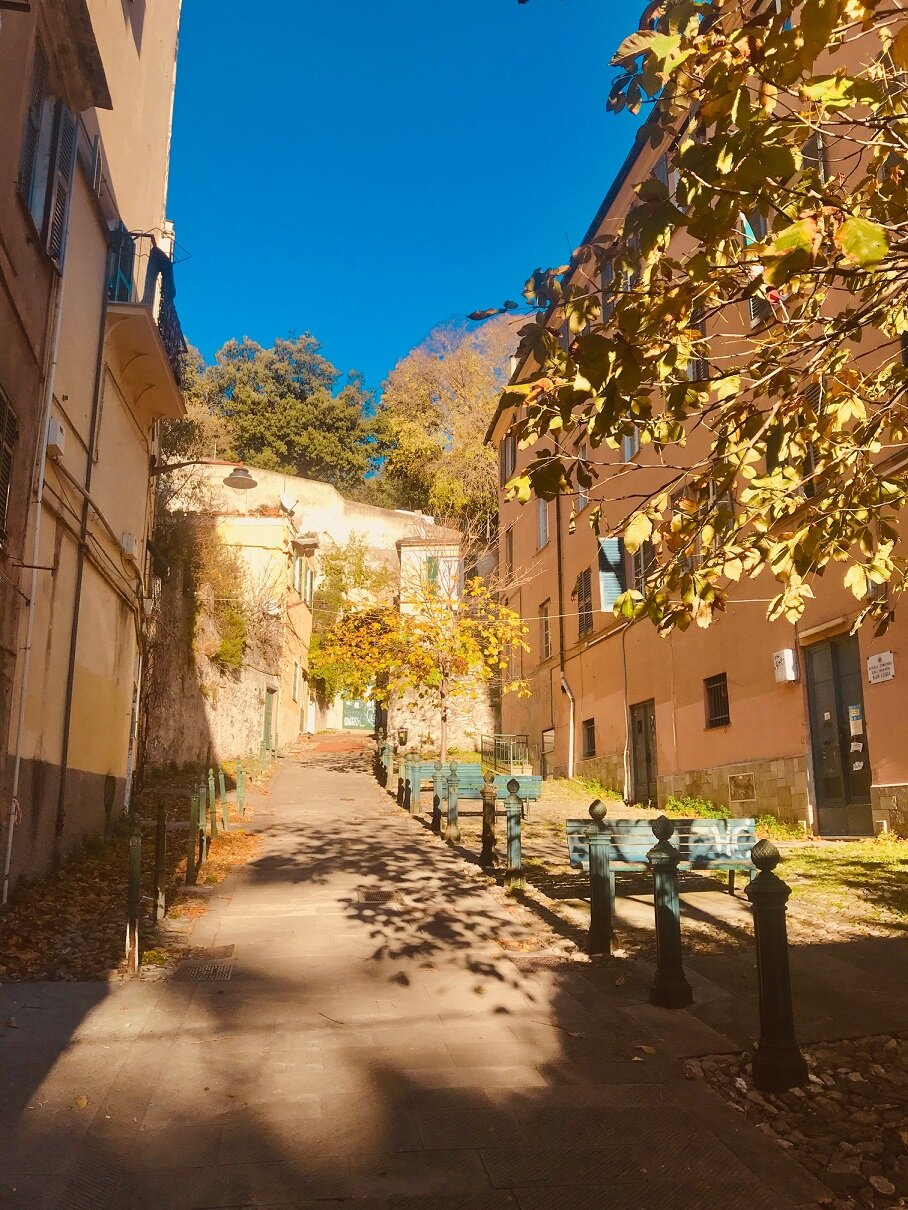
Quartiere del Carmine
Historic districts across Italy, evolving from industrial pasts to vibrant cultural hubs, rich in art, architecture, and local life.

Highlights
Must-see attractions

Social
From TikTok & Reddit
Best Time
Lively atmosphere
Quartiere del Carmine
Best Time
Lively atmosphere
Highlights
Must-see attractions
Historic districts across Italy, evolving from industrial pasts to vibrant cultural hubs, rich in art, architecture, and local life.
"A blend of historical charm and evolving urban life, offering a unique glimpse into Italian heritage."
🎨 Explore Hidden Art
Seek out street art and local galleries; many creators highlight the artistic revival.
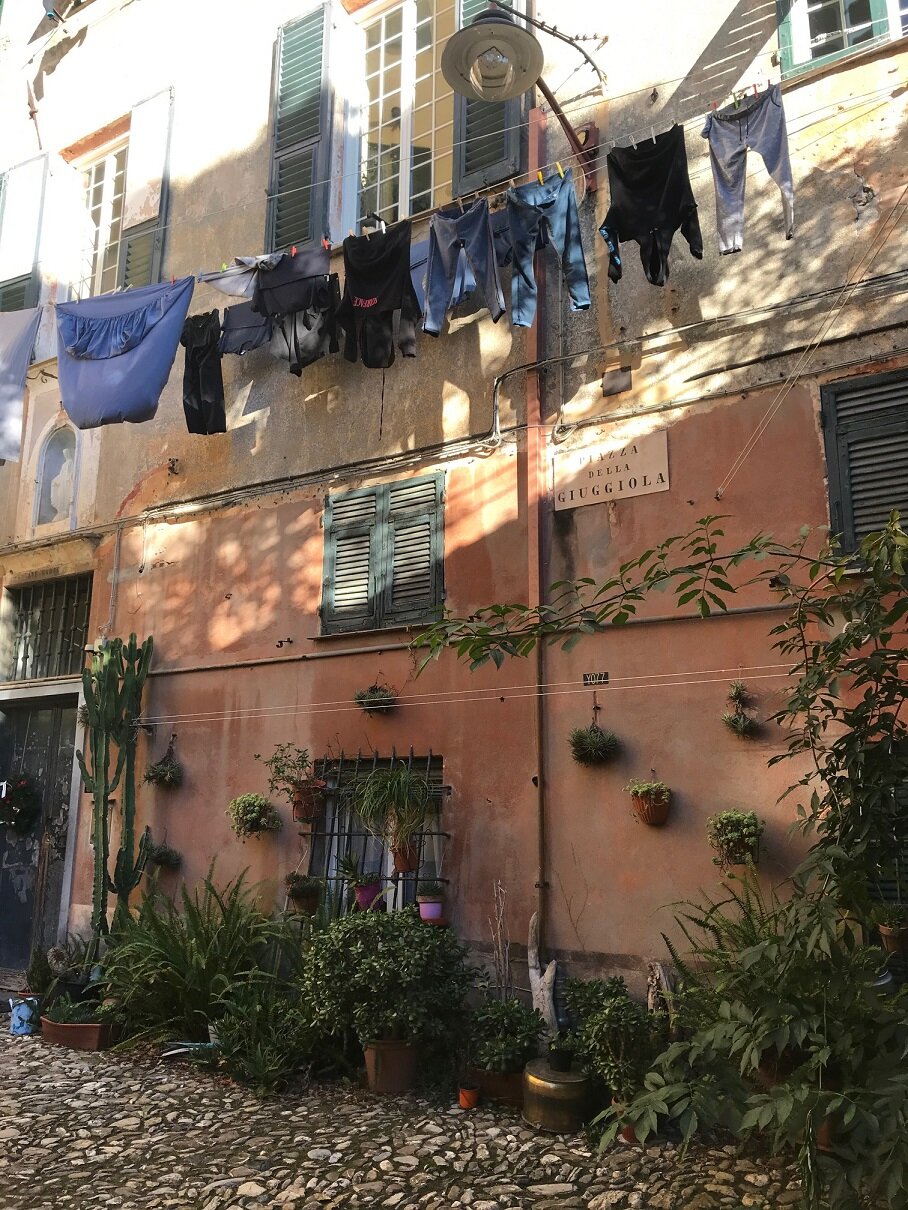
🚶♀️ Wander the Streets
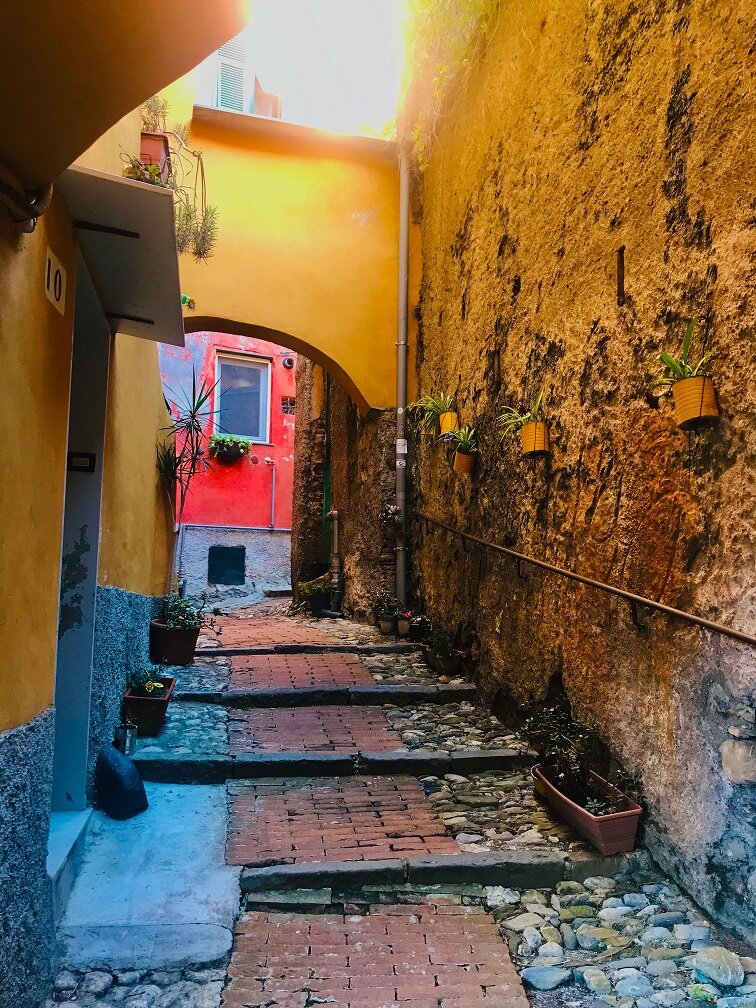
Get lost in the alleys to discover charming piazzas and historical details.
Quick Facts
Hours
Rating
4.7 · 197 reviews
Type
Church
Highlights
Discover the most iconic attractions and experiences
Chiesa di Santa Maria del Carmine
Brescia
An impressive 15th-century Lombard Gothic church, a testament to the area's rich history and artistic heritage.
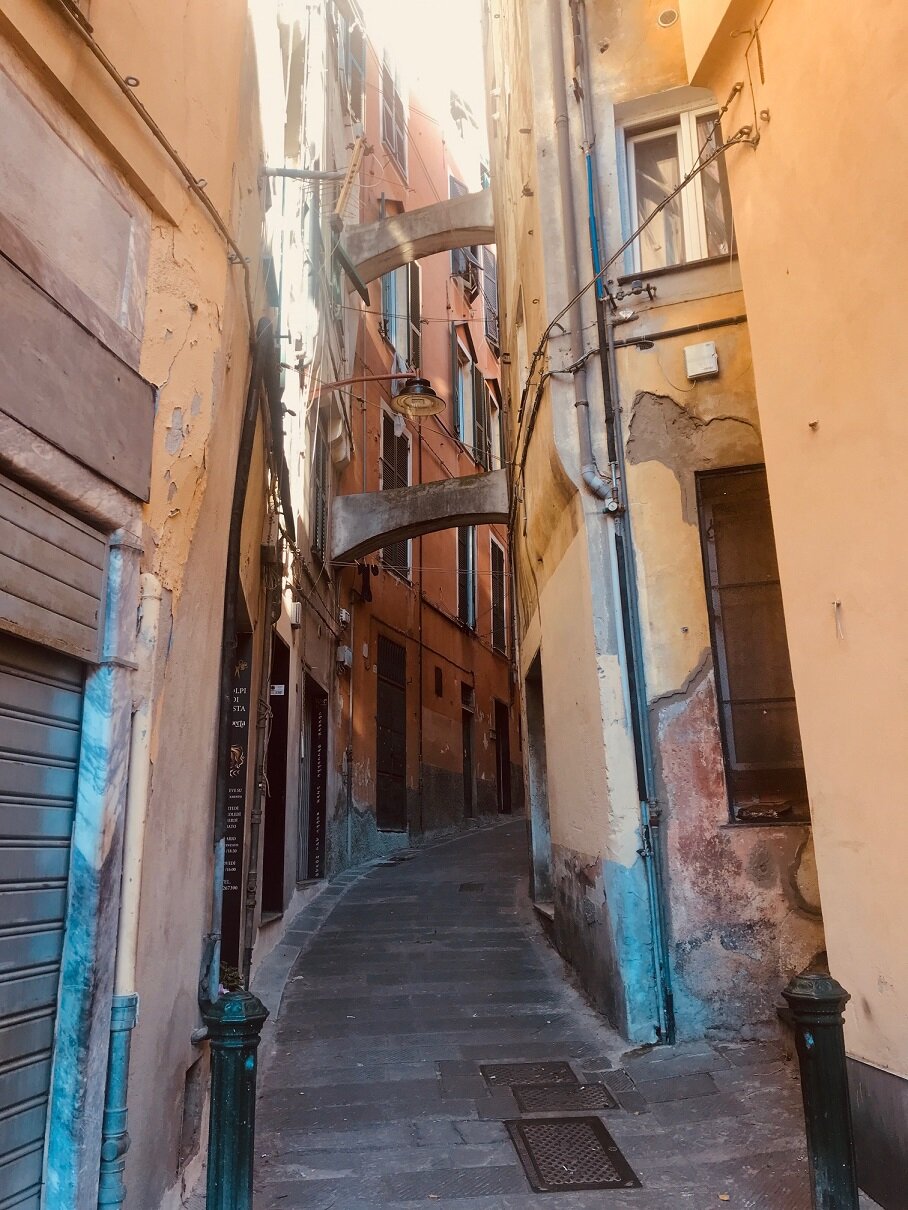
Don Andrea Gallo Tribute
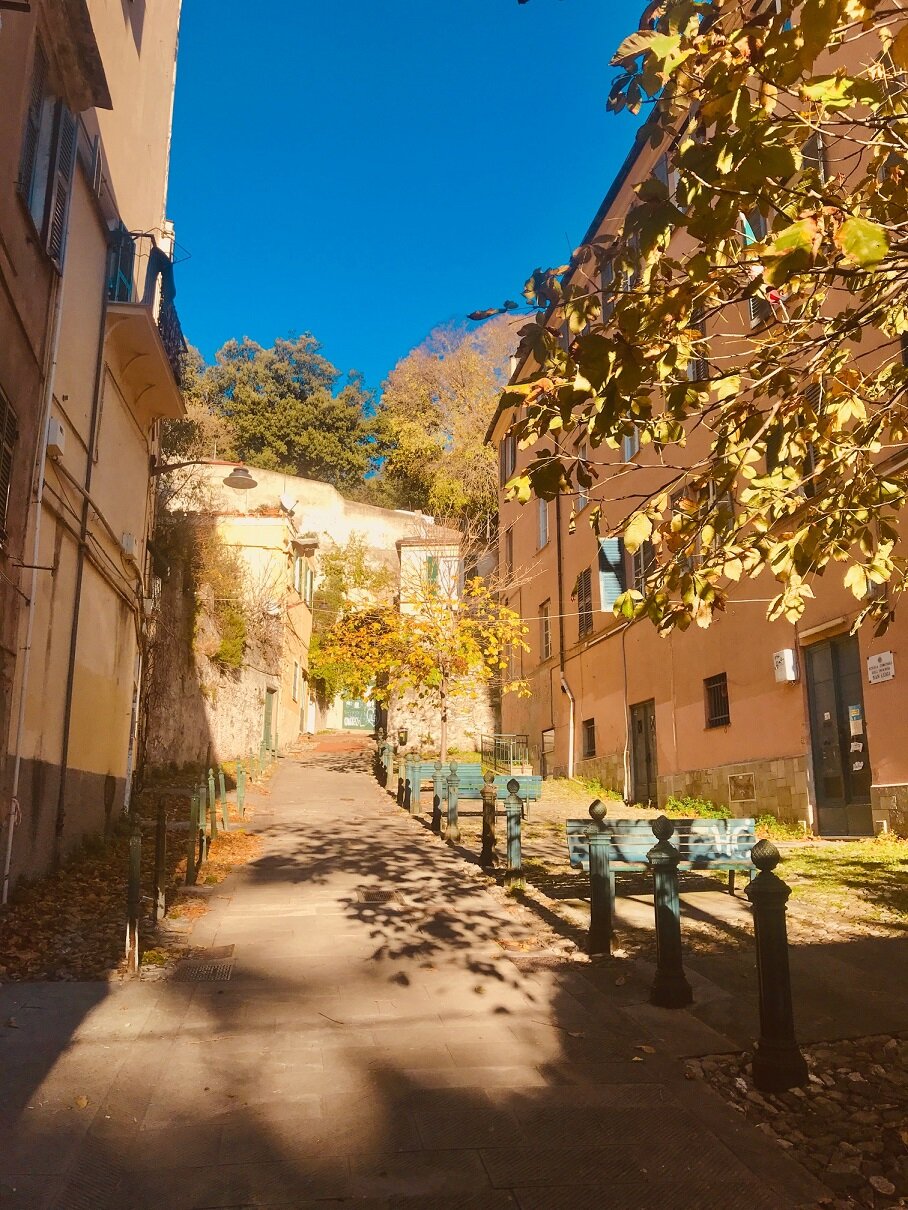
Piazza del Carmine, Genoa
A tribute to a beloved figure, marking the starting point of exploration in Genoa's historic Carmine district.
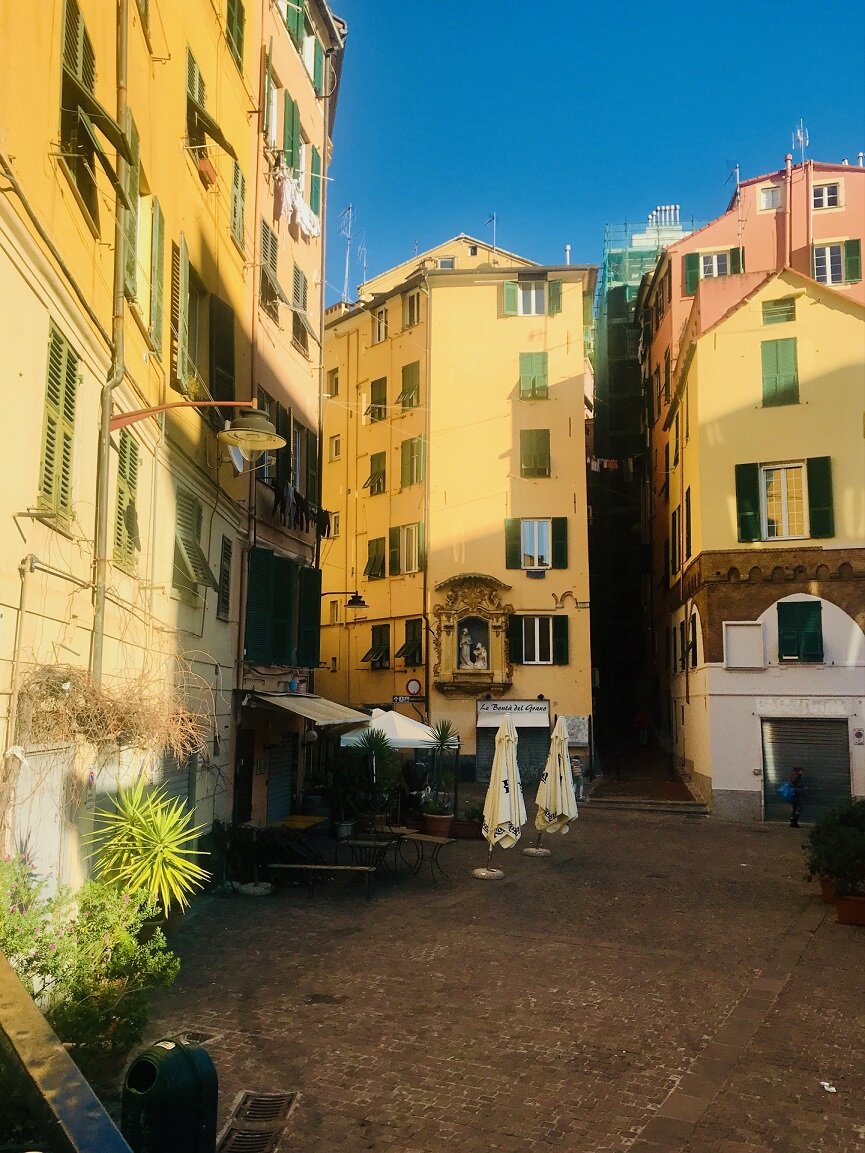
Cappella Brancacci Frescoes
Florence (Oltrarno)
Discover stunning frescoes within this historic chapel, with even underground restoration sites to explore.
Palermo's Carmine Maggiore
Albergheria, Palermo
Witness religious processions and the return of the Madonna statue to the Carmine Maggiore church.
Plans like a pro.
Thinks like you
Planning Your Visit
Embrace the Transformation
Navigating the Neighborhood
Best Times
Insider Tips
from TikTok, Instagram & Reddit
🎨 Explore Hidden Art
Seek out street art and local galleries; many creators highlight the artistic revival.
🚶♀️ Wander the Streets
Get lost in the alleys to discover charming piazzas and historical details.
☕️ Enjoy Local Cafes
Experience the vibrant, multicultural vibe by relaxing at a local cafe.
⛪️ Visit Historic Churches
Admire the architecture and history of churches like Santa Maria del Carmine.
Tips
from all over the internet
🎨 Explore Hidden Art
Seek out street art and local galleries; many creators highlight the artistic revival.
🚶♀️ Wander the Streets
Get lost in the alleys to discover charming piazzas and historical details.
☕️ Enjoy Local Cafes
Experience the vibrant, multicultural vibe by relaxing at a local cafe.
⛪️ Visit Historic Churches
Admire the architecture and history of churches like Santa Maria del Carmine.
What Travellers Say
Reviews Summary
Visitors often praise the historical significance and architectural beauty of the churches within Quartiere del Carmine, noting their artistic value. The evolving, multicultural atmosphere of the districts is also frequently highlighted as a positive aspect, showcasing urban regeneration. Some reviews mention past challenges associated with certain areas, but the overall sentiment leans towards appreciating the unique character and hidden gems found within these historic neighborhoods.
"Good experience"
IFEANYI JACOB
"Top"
laura baresi
"🙏Lounge Soul🙏
⭐️⭐️⭐️⭐️⭐️"
Giovanni L.
What People Like
What People Dislike
Frequently Asked Questions
🚇 🗺️ Getting There
Quartiere del Carmine in Brescia is accessible by public transport. Local buses frequently serve the area, and it's a walkable distance from the city center. Consider using a navigation app for real-time bus schedules.
Genoa's Quartiere del Carmine is best accessed from Piazza della Nunziata. You can walk from the city center or take local buses that stop nearby. 
The Carmine district in Palermo, part of the Albergheria area, is centrally located and accessible by foot from many city landmarks. Local buses also serve the vicinity.
The Carmine neighborhood in Florence, particularly the area around the Brancacci Chapel, is easily reachable by foot from the Arno River or by local bus routes.
Parking can be challenging in historic city centers. Look for public parking garages or street parking further from the core of the Quartiere del Carmine.
🎫 🎫 Tickets & Entry
Exploring the streets and piazzas of Quartiere del Carmine is generally free. However, specific attractions like churches or museums within the district may have admission fees.
Churches like Santa Maria del Carmine typically have visiting hours, often closing for a few hours in the early afternoon. It's best to check specific church websites or local listings for exact times.
Yes, guided tours focusing on history, art, or specific themes are often available, especially in larger cities like Genoa and Florence. Check local tourism offices or online platforms.
Access to the Cappella Brancacci in Florence usually requires a ticket, which may also grant access to other parts of the church complex. Booking in advance is recommended.
Some churches, like the one in Florence's Oltrarno, offer access to underground areas for restoration projects or historical tours. Inquire locally about availability and booking.
📸 📸 Photography
Look for charming alleyways, historic church facades, and vibrant street art. Piazzas often offer great vantage points.
Photography rules vary by church. Many allow non-flash photography, but it's always best to check for signage or ask church staff before taking pictures.
Early morning or late afternoon offers softer light, ideal for capturing the atmosphere and architectural details without harsh shadows.
Drone usage is typically restricted in urban areas and near historical sites due to privacy and safety regulations. Always check local drone laws before flying.
A versatile lens (like a 24-70mm) is great for street scenes and architecture. A wide-angle lens can be useful for capturing narrow alleys and grand facades.
🎫 🚶♀️ Onsite Experience
Quartiere del Carmine offers a mix of historical charm and evolving urban life. It can be lively and multicultural, with pockets of quiet beauty.
While generally safe, like any urban area, it's wise to be aware of your surroundings, especially in less crowded areas or at night.
Historically, it was an industrial area that has undergone significant social and urban transformation, retaining its ancient roots.
You'll find a mix of local businesses, artisan shops, and increasingly, trendy cafes and boutiques catering to a younger demographic.
Keep an eye out for local events, markets, and religious processions, especially around feast days or public holidays.

Social
from TikTok, Instagram & Reddit