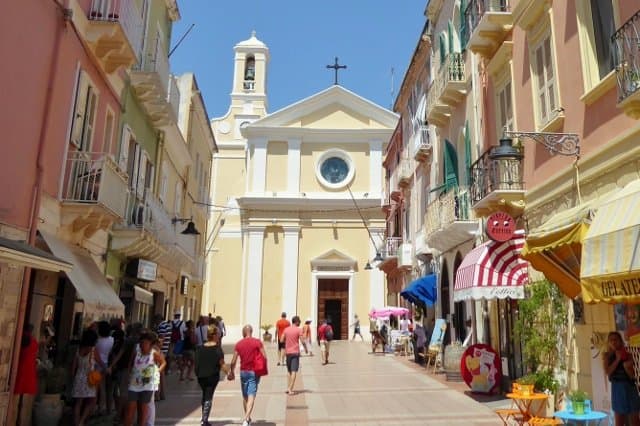
San Carlo Borromeo Church
A historically rich church in Carloforte, showcasing a unique blend of Neoclassical and Baroque architecture with notable artistic treasures.
Highlights
Must-see attractions

Social
From TikTok & Reddit
Best Time
Fewer crowds, peaceful atmosphere
San Carlo Borromeo Church
Best Time
Fewer crowds, peaceful atmosphere
Highlights
Must-see attractions
A historically rich church in Carloforte, showcasing a unique blend of Neoclassical and Baroque architecture with notable artistic treasures.
"A pleasant stop with beautiful statues and a fascinating history."
📸 Capture the Details
Take your time to admire the detailed statues and architectural nuances inside. :camerawithflash:
🚶♀️ Explore Via Agostino Tagliafico
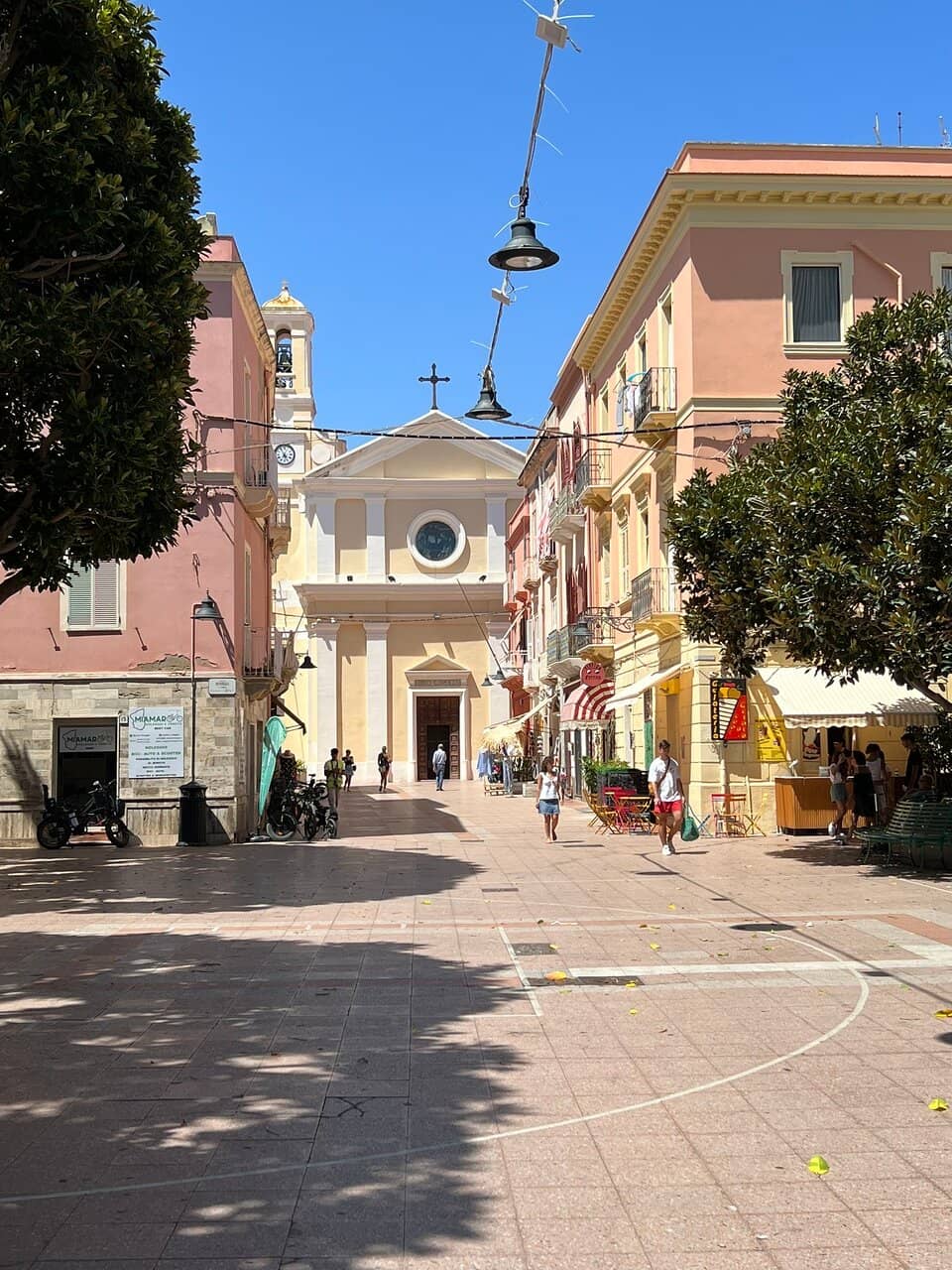
The church is at the end of this charming street, perfect for a leisurely stroll. 🚶
Quick Facts
Rating
4.6 · 94 reviews
Type
Church
Highlights
Discover the most iconic attractions and experiences
Replica of Michelangelo's Pietà
Interior
A stunning replica of Michelangelo's masterpiece, offering a moment of artistic contemplation within the church.
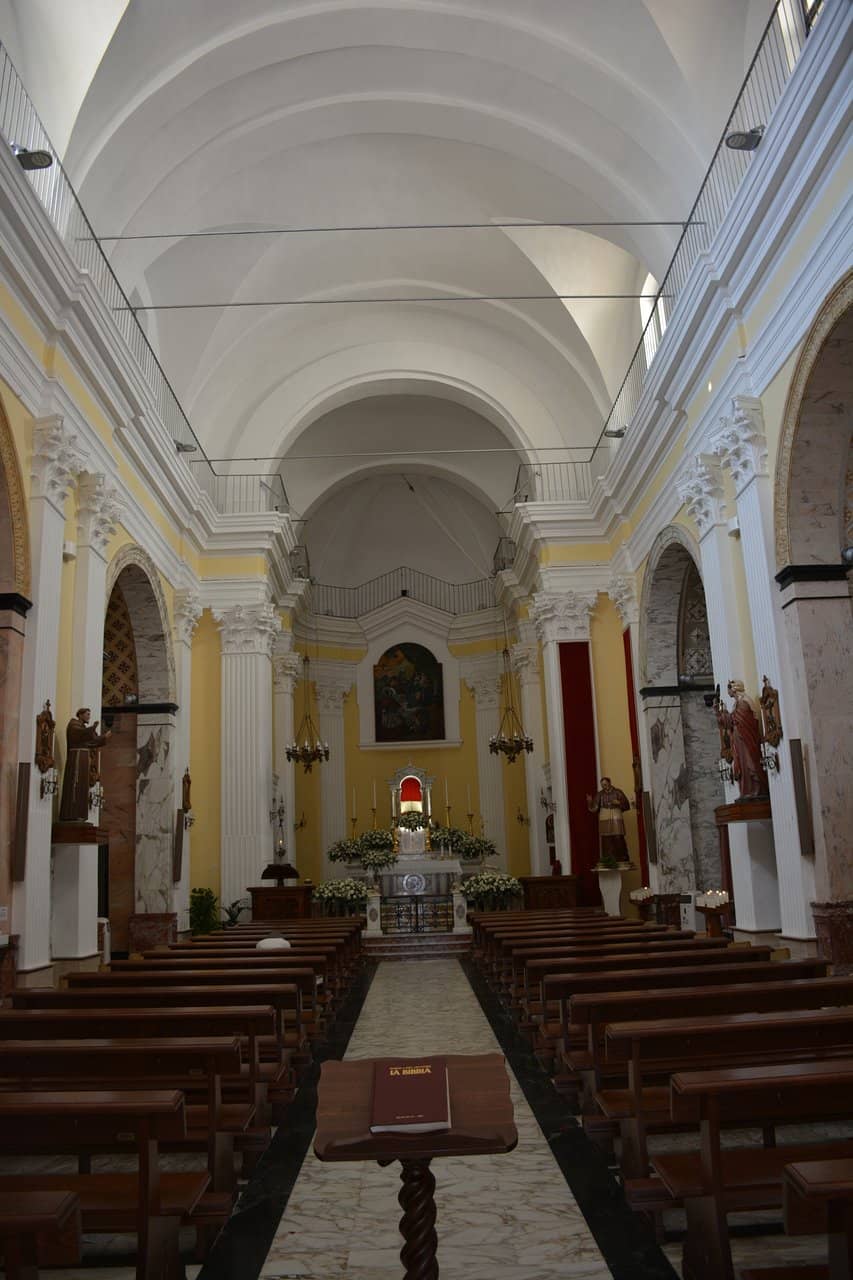
Intricate Interior Statues
Interior
Marvel at the detailed statues adorning the interior, each telling a story and adding to the sacred ambiance.

Historic Bell Tower
Exterior
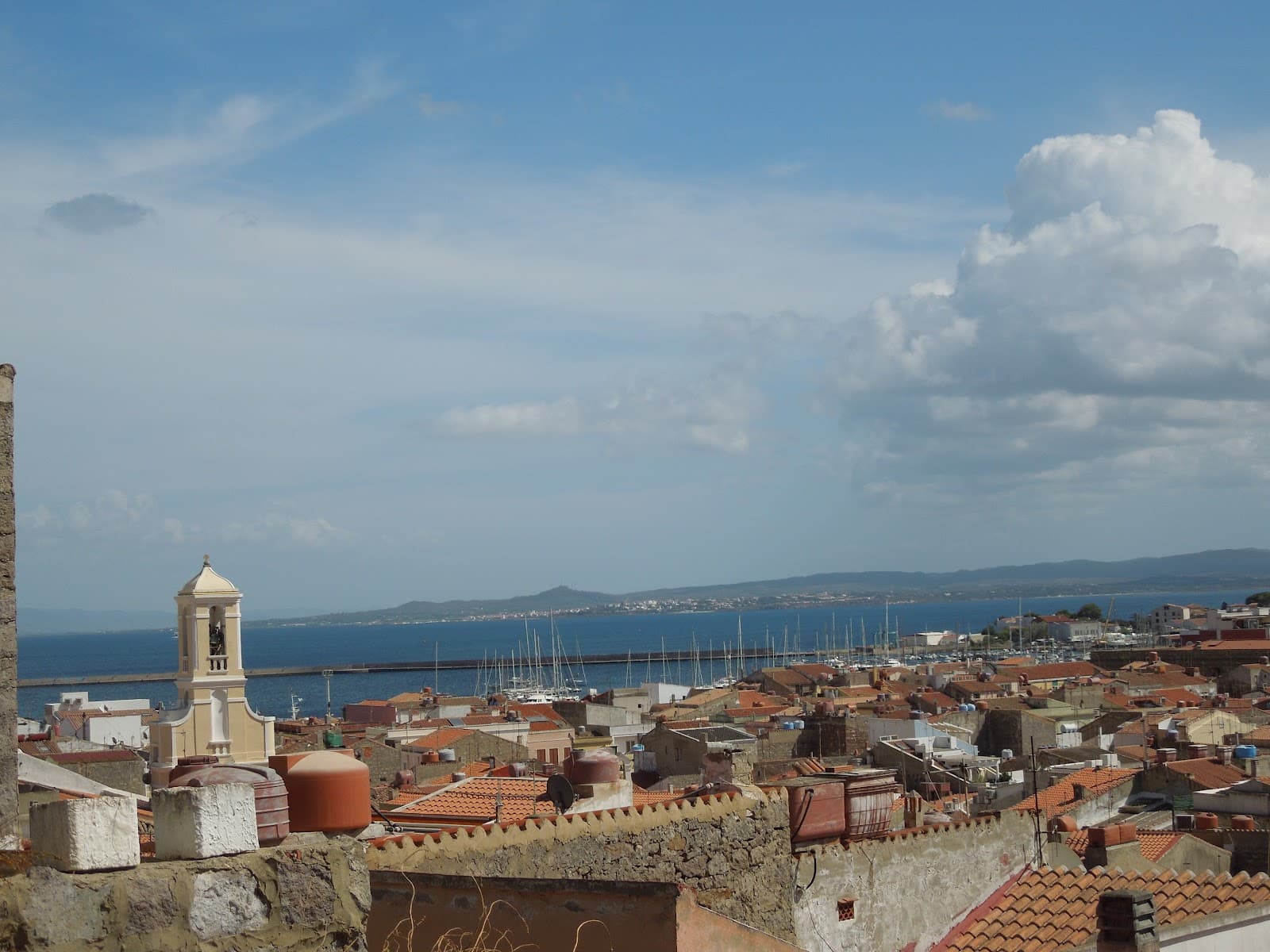
The original bell tower, offset from the facade, is a striking element with a distinct Baroque aesthetic.
Plans like a pro.
Thinks like you
Planning Your Visit
Timing Your Visit
Understanding the History
Best Times
Insider Tips
from TikTok, Instagram & Reddit
📸 Capture the Details
Take your time to admire the detailed statues and architectural nuances inside. :camerawithflash:
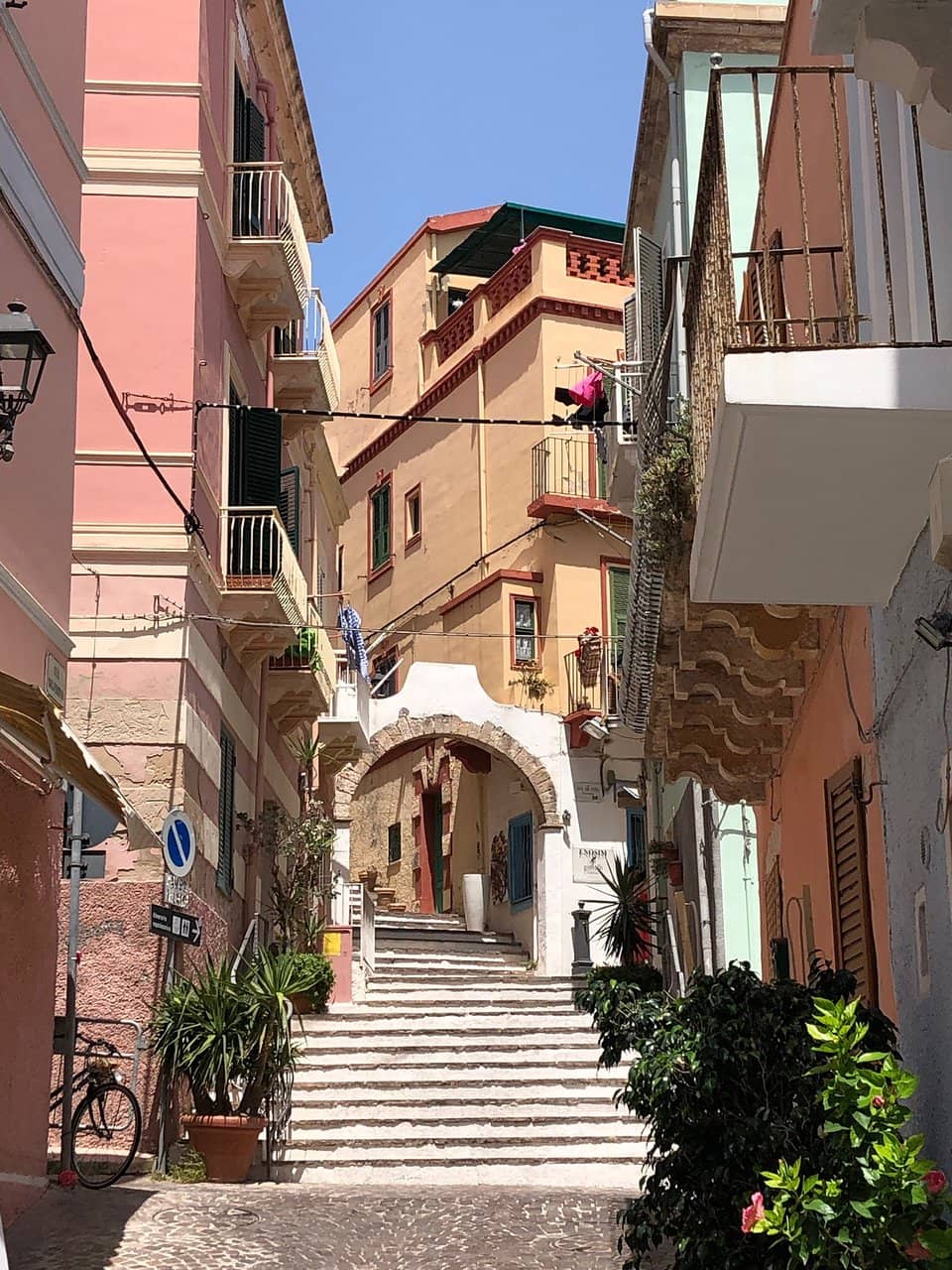
🚶♀️ Explore Via Agostino Tagliafico
The church is at the end of this charming street, perfect for a leisurely stroll. 🚶
📚 Learn the History
Read up on its construction history to fully appreciate its unique style. 📚
Tips
from all over the internet
📸 Capture the Details
Take your time to admire the detailed statues and architectural nuances inside. :camerawithflash:
🚶♀️ Explore Via Agostino Tagliafico
The church is at the end of this charming street, perfect for a leisurely stroll. 🚶
📚 Learn the History
Read up on its construction history to fully appreciate its unique style. 📚
What Travellers Say
Reviews Summary
Visitors describe the San Carlo Borromeo Church as a charming and historically significant site, often a pleasant stop in Carloforte. Its unique blend of architectural styles and the presence of artistic treasures like the Pietà replica are frequently praised, though some note the complexity of its construction history.
"A charming church dedicated to San Carlo Borromeo, at the end of Via Agostino Tagliafico."
carlo “Avatar” tronconi
"You can't miss a visit to this church. The history is also very beautiful."
Gianpaolo
"The building poses a significant attribution problem because the final result is decidedly composite and would suggest a rather early date for the arrival of Neoclassicism in Sardinia, brought about by the same people who imported Piedmontese Rococo.
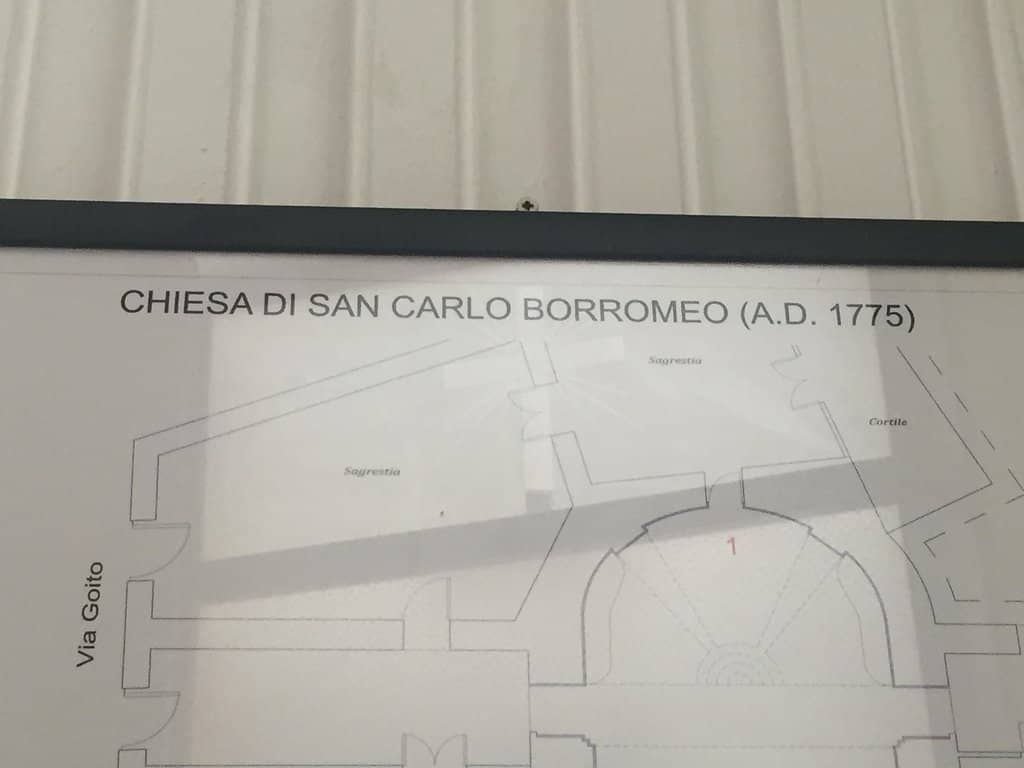
A document from the State Archives of Cagliari confirms that in 1738, the military engineer Augusto Della Vallea, who was working at the time on the new urban plan of Carloforte, also built the church. It certainly was not the current parish church, as a 1741 drawing, showing the general plan with an index of the main houses, states in the list of lots under point 11: "site where the church is to be built." Therefore, at this date, the church of San Carlo did not yet exist, and it is difficult to determine which building was referred to in the 1738 dispatch: whether a temporary chapel or, more likely, the church of the Novelli Innocenti.
The hypothesis of a later construction based on drawings left by Della Vallea should also be ruled out, as this would imply that a personality such as his, so steeped in late Baroque culture, adopted a design for the façade so closely aligned with the Neoclassical model as to represent an unthinkable stylistic precursor, difficult at that time.
Some stylistic details recall the University Palace of Cagliari, offering strong evidence for attributing the work to the same designer, engineer Saverio Belgrano di Famolasco, who, during his stay in Sardinia between 1761 and 1769, was present in Carloforte on several occasions for urban development and fortification works.
The church was reopened for worship in 1775, six years after Belgrano's return to Turin. Stylistic inconsistencies indicate a possible alteration to the project in the absence of the architect, and in fact, through archival documents regarding the work in Sardinia of another military engineer, Francesco Daristo, the parish church of San Carlo was included among his works dated 1773.
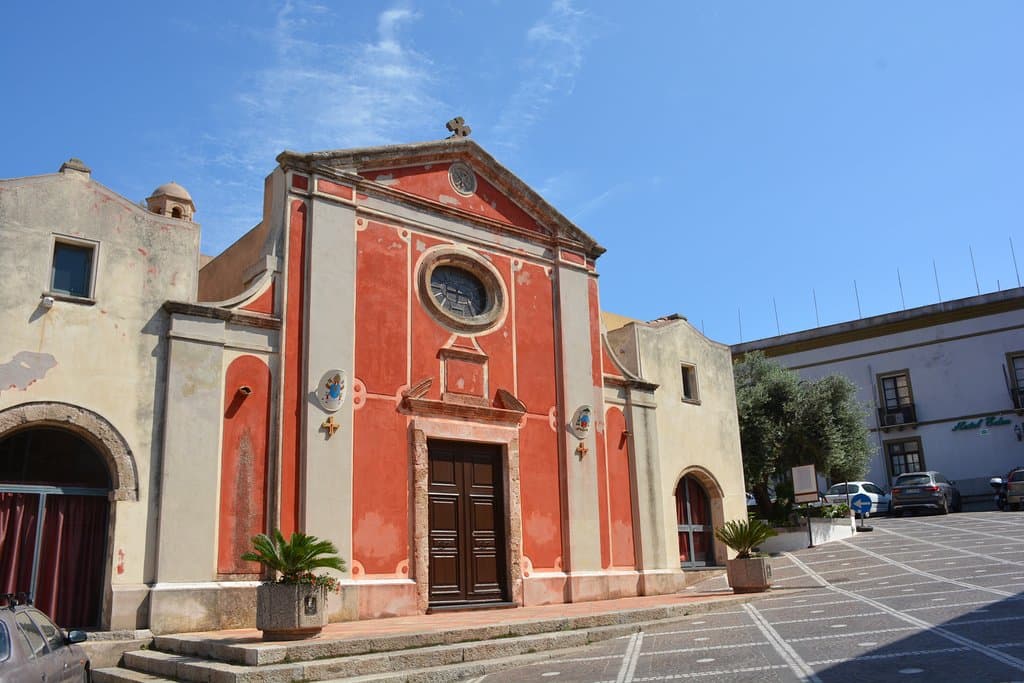
The façade is crowned by a tympanum and is divided into two orders by a projecting entablature, separated by simple pilasters framing the portal and the rose window. The interior, a single nave with three chapels on each side, is covered by a barrel vault and is traversed by a robust, projecting entablature crowning the Corinthian order. The element closest to the Baroque aesthetic is the original bell tower, offset from the façade.
Source: Sardegnaturismo"
Simone Usala
What People Like
What People Dislike
Frequently Asked Questions
🚇 🗺️ Getting There
The San Carlo Borromeo Church is located at the end of Via Agostino Tagliafico in the center of Carloforte. It's easily accessible on foot once you are in the town center. If arriving by ferry, it's a pleasant walk from the port.
Parking in the immediate vicinity of the church can be limited due to its central location. It's advisable to park in designated public parking areas in Carloforte and walk to the church.
🎫 🎫 Tickets & Entry
Entry to the San Carlo Borromeo Church is typically free, as it is an active place of worship. Donations are often appreciated.
Opening hours can vary, but churches are generally open during daylight hours, often with a midday closure. It's best to check locally or visit during typical visiting times for churches.
Yes, you can usually visit on Sundays, but be mindful of Mass times. Services may limit access to certain areas or require quiet observance.
🎫 🏛️ Onsite Experience
The church exhibits a composite architectural style, with elements suggesting an early arrival of Neoclassicism in Sardinia, blended with Baroque influences, particularly in its bell tower.
Visitors should look out for the beautiful replica of Michelangelo's Pietà and the other intricate statues adorning the interior. The crucifix near the baptismal font is also noteworthy.
The main areas of the church are generally accessible, but it's always a good idea to inquire about specific accessibility features if needed, as older buildings can have limitations.
📸 📸 Photography
Photography is usually permitted inside churches for personal use, but it's important to be respectful. Avoid flash photography, especially during services, and be mindful of other visitors.
The facade offers a good view, and the bell tower is a distinctive feature. Inside, focus on capturing the details of the statues and the altar area, respecting the sacred nature of the space.
Social
from TikTok, Instagram & Reddit