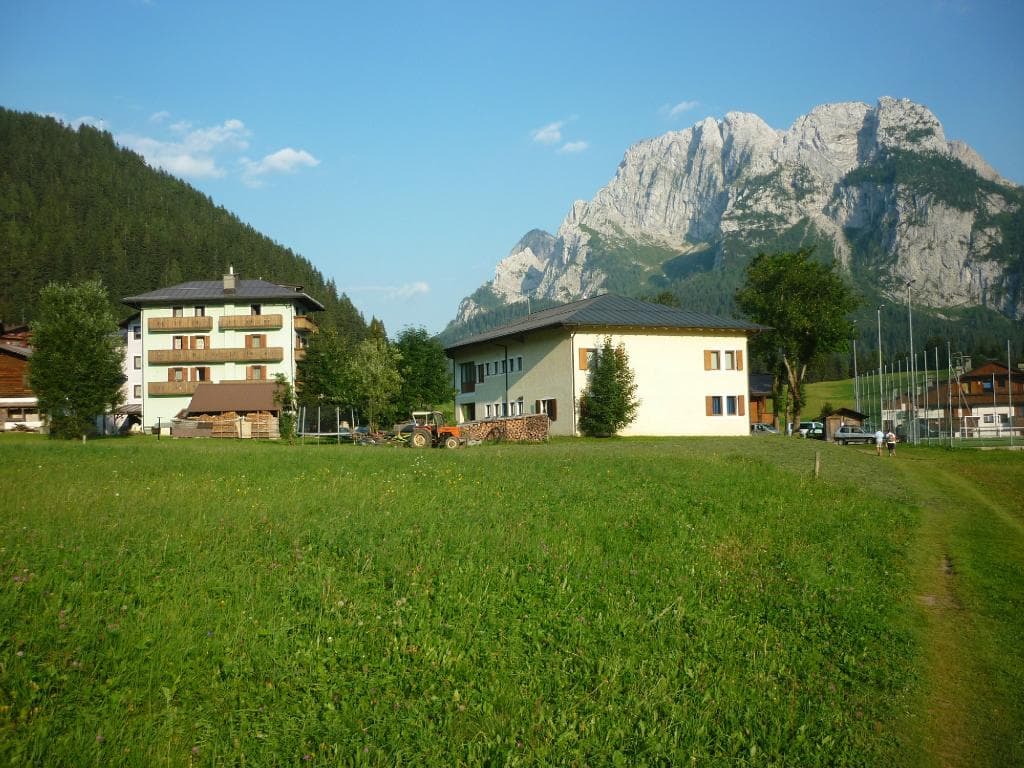
Museo Etnografico Giuseppe Fontana
Discover Sappada's unique heritage, from geology to wood culture and vibrant carnival traditions, guided by passionate locals.
Highlights
Must-see attractions

Social
From TikTok & Reddit
Best Time
Engaging stories await
Museo Etnografico Giuseppe Fontana
Best Time
Engaging stories await
Highlights
Must-see attractions
Discover Sappada's unique heritage, from geology to wood culture and vibrant carnival traditions, guided by passionate locals.
"The guides are incredibly knowledgeable and passionate, sharing stories with warmth and unusual curiosity."
Engage with the Staff
The guides are incredibly knowledgeable and passionate. Ask questions and listen to their stories! :speech_balloon:
Donations Welcome
Admission is free, but a voluntary donation is highly appreciated for this community-run treasure. :moneywithwings:
Quick Facts
Rating
5 · 3 reviews
Type
Museum
Highlights
Discover the most iconic attractions and experiences
Sappada's Wood Culture
Ethnographic Collections
Discover the ingenious 'wood culture' shaped by isolation and climate, evident in architecture and daily life.
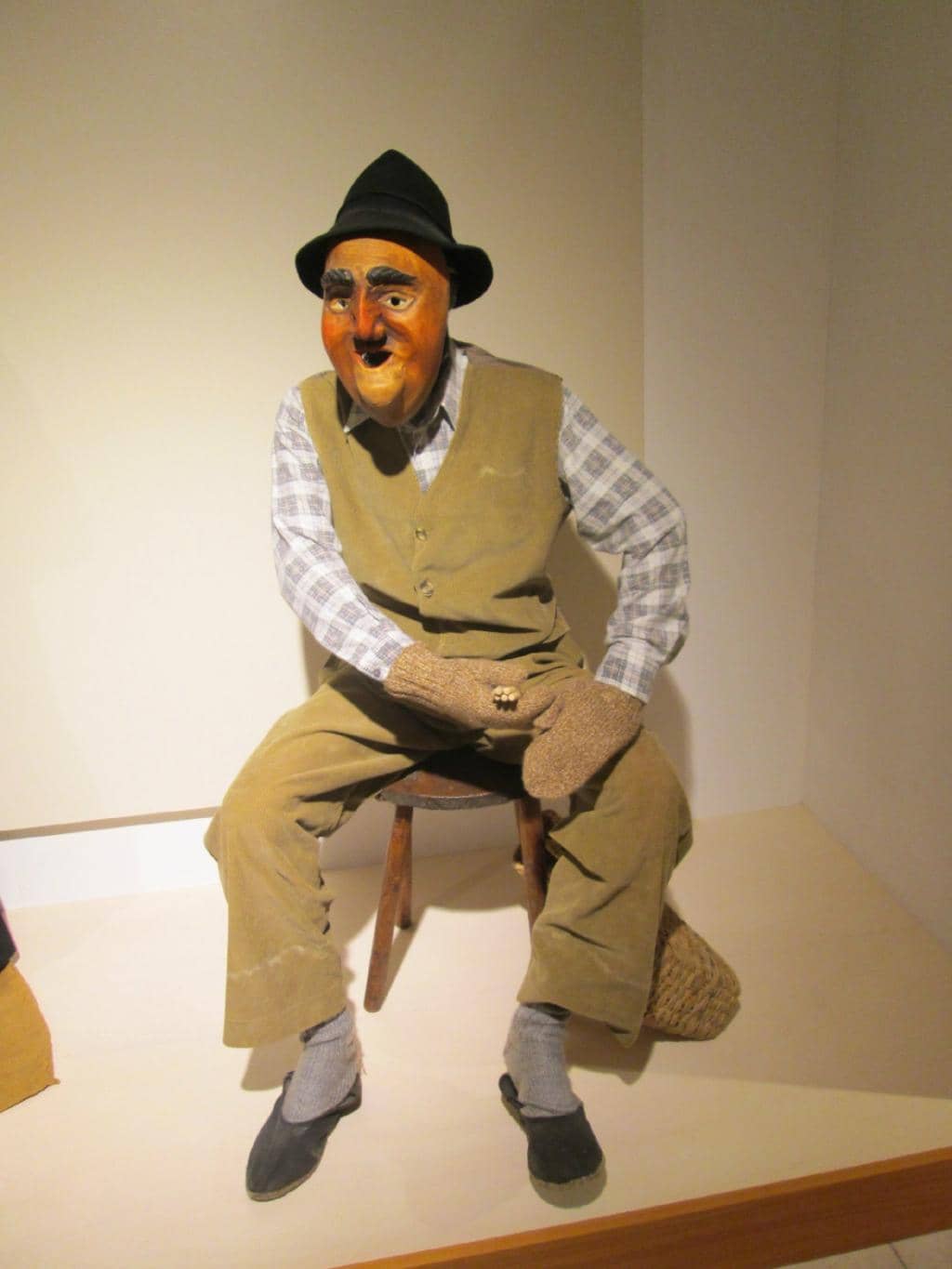
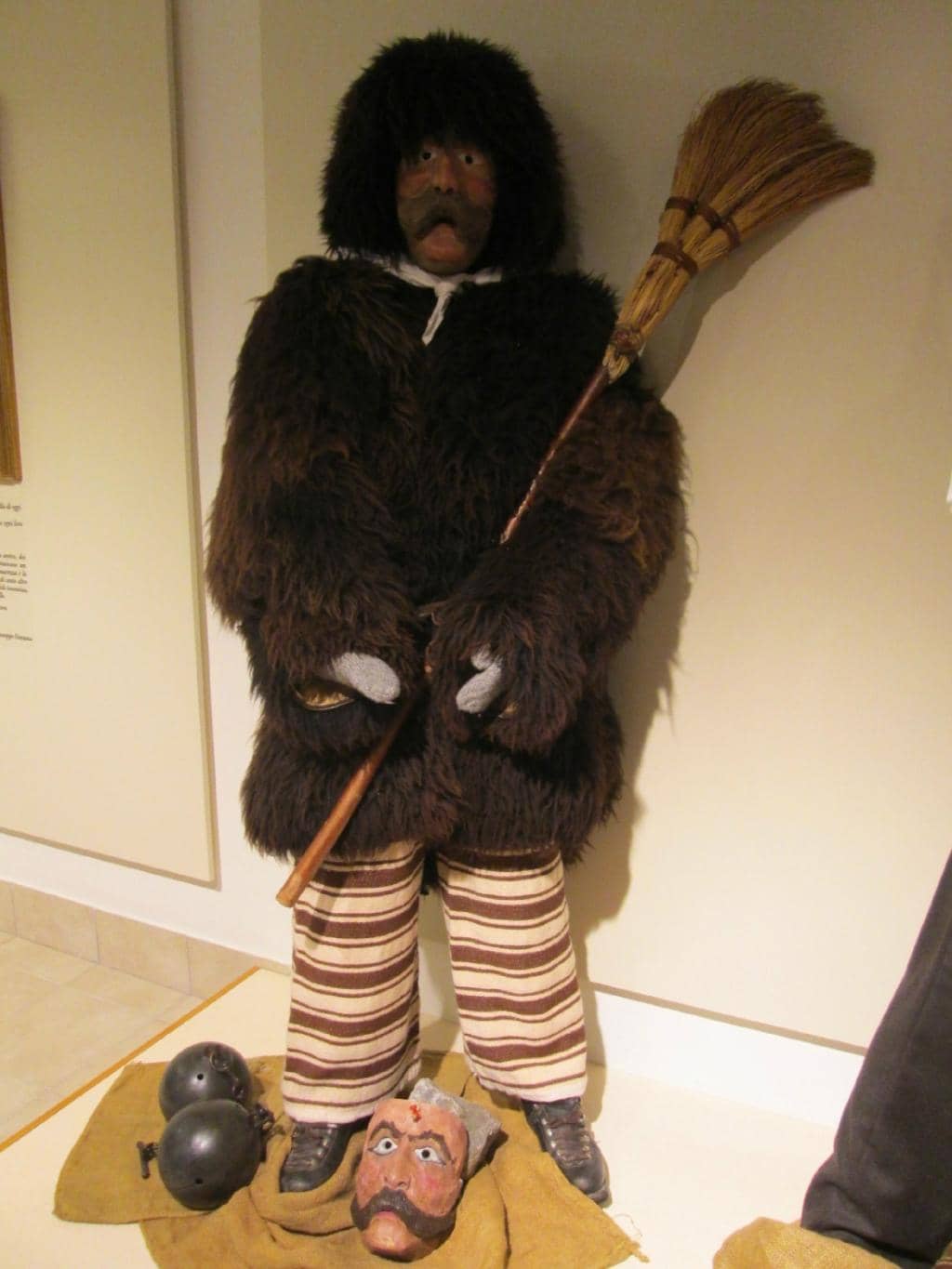
Carnival Masks (Vosenòcht)
Concluding Section
Marvel at the traditional masks of Sappada's vibrant carnival, including the striking Rollate figure.

Geology and Paleontology
Geological Section
Journey through the valley's geological past with rock samples, fossils, and dioramas of local habitats.
Plans like a pro.
Thinks like you
Planning Your Visit
Embrace the Local Charm
Plan for a Rich Experience
Best Times
Insider Tips
from TikTok, Instagram & Reddit
Engage with the Staff
The guides are incredibly knowledgeable and passionate. Ask questions and listen to their stories! :speech_balloon:
Donations Welcome
Admission is free, but a voluntary donation is highly appreciated for this community-run treasure. :moneywithwings:
Allow Ample Time
Don't rush! There's a lot to absorb, from geology to daily life and traditions. :clock1:
Understand Local Life
The museum beautifully illustrates how the environment shaped the unique lifestyle of Sappada. :earth_americas:
Tips
from all over the internet
Engage with the Staff
The guides are incredibly knowledgeable and passionate. Ask questions and listen to their stories! :speech_balloon:
Donations Welcome
Admission is free, but a voluntary donation is highly appreciated for this community-run treasure. :moneywithwings:
Allow Ample Time
Don't rush! There's a lot to absorb, from geology to daily life and traditions. :clock1:
Understand Local Life
The museum beautifully illustrates how the environment shaped the unique lifestyle of Sappada. :earth_americas:
What Travellers Say
Reviews Summary
Visitors consistently praise the Museo Etnografico Giuseppe Fontana for its rich collection and the exceptional warmth and knowledge of its guides. The free admission is a significant draw, with many visitors expressing a strong desire to donate due to the high quality of the experience. Some may find the historical depth extensive, but the engaging presentation makes it accessible.
"Confermo in toto quanto scritto dal sig. Giuseppe, parola per parola. La signora che ci ha ricevuto è stata da subito accomodante e coinvolgente, nonché estremamente disponibile. Da sappadina, ha saputo raccontare con autentico coinvolgimento personale ed estrema preparazione moltissime usanze e peculiarità del luogo, nozioni storiche, culturali, paesaggistiche e naturalistiche. La visita è gratuita, ma considerata la grande qualità insita nella stessa, viene davvero spontaneo fare un'offerta libera."
Marco
"Between the 1960s and 1970s, the founding maestro's concern to stem the ongoing dispersion of Sappada's cultural heritage led him to collect a significant number of objects, including agricultural tools, household items, and everyday objects. This led to the creation of an Ethnographic Museum, which was established in 1972 and expanded in subsequent years in a building in the Bach district. Upon his death in 1975, the Ethnographic Museum was named after him, and the collections have continued to grow ever since. In 1999, a geological and paleontological section was established, describing the valley's geological history. In 2009, the collections were expanded and moved to their new location in Cima Sappada.
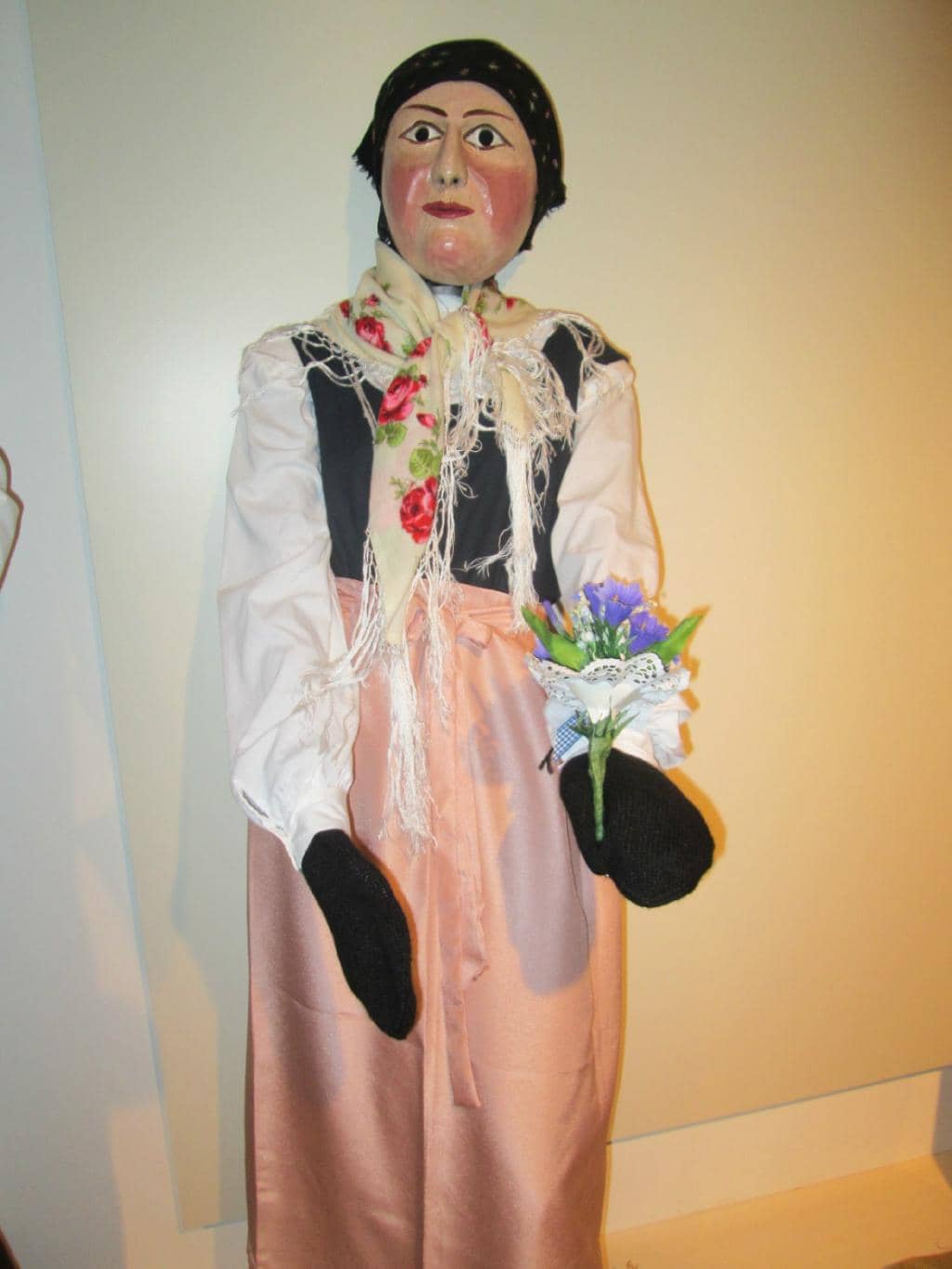
In its new concept, the Ethnographic Museum offers a comprehensive journey from the natural environment to the identity of the community that settled and integrated there. Visitors are introduced to the geology, flora, and fauna of the Sappada valley, allowing them to understand the organic unity of the environment that hosted the first inhabitants in the Middle Ages. The display cases include samples of local rocks, fossils, a diorama reconstructing a natural habitat, and a birdlife sample. The walls and columns depict the main botanical species, used in cuisine and folk medicine, and the trees found in the valley, with their corresponding names in Sappada dialect and Italian. A historical section delves into the origins and history of the Sappada people up to the present day. The interesting life stories in the ethnographic collections demonstrate how the environment has shaped their habits: the relative isolation of the past, the particular climatic conditions, together with the community's unique identity as a German-speaking linguistic island, favored a frugal and nearly self-sufficient lifestyle, fostering the development of the so-called "wood culture." The valley's architectural styles, to which a dedicated section is dedicated, bear eloquent witness. Period images portray the people of Sappada, and several display cases display work and festive clothing, both for men and women.
The central section of the museum delves into Sappada's domestic life: it features everyday objects from rooms such as the kitchen, hallway, dining room, and bedroom. These objects have not been reconstructed because they can be visited in the Casa Museo della Civiltà Contadina, Sappada's second museum.
The main room houses the tools of agricultural, forestry, pastoral, and artisanal activities, representing the simple yet harsh existence of the Sappada people: from the woodcutter, to the section dedicated to snow, from the shepherd to the stable, the barn, and agricultural work, from transportation to the artisanal activities of the wheelwright, blacksmith, carpenter, and finally the shoemaker, tailor, and weaver. At the heart of the museum, as it once was at the heart of Sappada life, is the section illustrating popular religiosity during the most significant moments of the liturgical year. The exhibition concludes with the masks of the Sappada Carnival (vosenòcht), a tradition still alive in Sappada, among which the austere figure of Rollate stands out."
Paolo Cozzarizza
"A very interesting museum on the local toponymy, fauna and flora, and customs of the past and present. The lady was extremely kind and knowledgeable, entertaining us with warmth and unusual curiosity. Recommended visit. Free admission. Donations recommended."
Giuseppe M.
What People Like
What People Dislike
Frequently Asked Questions
🚇 🗺️ Getting There
The museum is located in Cima Sappada. If you're driving, there is parking available nearby. Public transport options might be limited, so checking local bus schedules in advance is recommended. 🚌
While specific routes can vary, Sappada is served by regional buses. It's best to check the latest schedules for connections to Cima Sappada. 🚌
Driving is often the most convenient way to reach Cima Sappada, offering flexibility to explore the area. 🚗
🎫 🎫 Tickets & Entry
Admission to the museum is free! However, visitors are strongly encouraged to make a voluntary donation to support the museum's upkeep and collections. :moneywithwings:
No advance booking is typically required as admission is free. However, for group visits or specific inquiries, it's always a good idea to contact the museum directly. ✉️
Opening hours can vary seasonally. It's advisable to check the official museum website or contact them directly for the most up-to-date information before your visit. :clock1:
There isn't a set amount; donations are voluntary. Visitors often give based on their appreciation for the quality of the visit and the passion of the guides. ❤️
🎫 🧭 Onsite Experience
To fully appreciate the exhibits, including the geology, local history, and ethnographic collections, plan for at least 1.5 to 2 hours. :clock1:
Yes, the museum often features incredibly knowledgeable and engaging guides who share personal stories and historical context. Their insights greatly enhance the visit. 💡
You'll find a wide array of items, including agricultural tools, household objects, traditional clothing, geological samples, fossils, and carnival masks. :mag:
Yes, the museum offers a fascinating glimpse into history and culture that can be engaging for children, especially with the interactive stories from guides. :child:
Photography policies can vary. It's best to check for signage or ask a staff member upon arrival. :camerawithflash:
🍽️ 🍽️ Food & Dining
The museum itself does not have a restaurant. However, Cima Sappada and the surrounding areas offer various eateries, from traditional trattorias to cafes, where you can enjoy local cuisine. 🍴
Look for dishes featuring local ingredients, traditional mountain cuisine, and perhaps some German-influenced specialties given Sappada's history. :apple:
📸 📸 Photography
Focus on the unique ethnographic artifacts, the detailed displays of traditional life, and the striking carnival masks. The architectural elements of the building itself can also be photogenic. 📷
It's always wise to confirm photography rules with staff upon entry. Some exhibits might have restrictions to protect the artifacts. :noentrysign:

Social
from TikTok, Instagram & Reddit