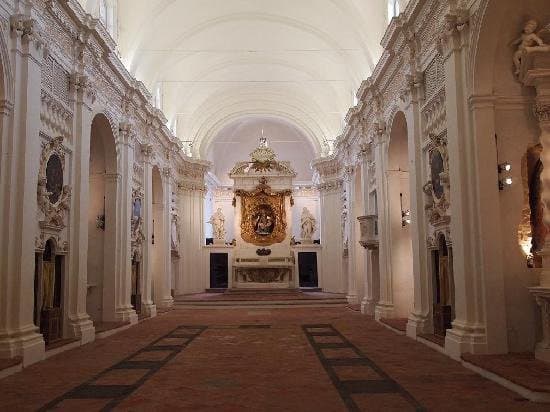
Santa Maria dei Servi and Civic-Diocesan Museum
Discover Perugino's masterpieces and ancient Etruscan history within a Gothic church transformed by Baroque art.
Highlights
Must-see attractions

Social
From TikTok & Reddit
Best Time
Fewer crowds, better viewing
Santa Maria dei Servi and Civic-Diocesan Museum
Best Time
Fewer crowds, better viewing
Highlights
Must-see attractions
Discover Perugino's masterpieces and ancient Etruscan history within a Gothic church transformed by Baroque art.
"A must-visit for Perugino fans, with a fascinating virtual reconstruction of a lost fresco."

⏳ Check Access to Underground
The underground section is beautiful but not always open. Inquire about its availability beforehand.
🖼️ Appreciate the Virtual Reconstruction
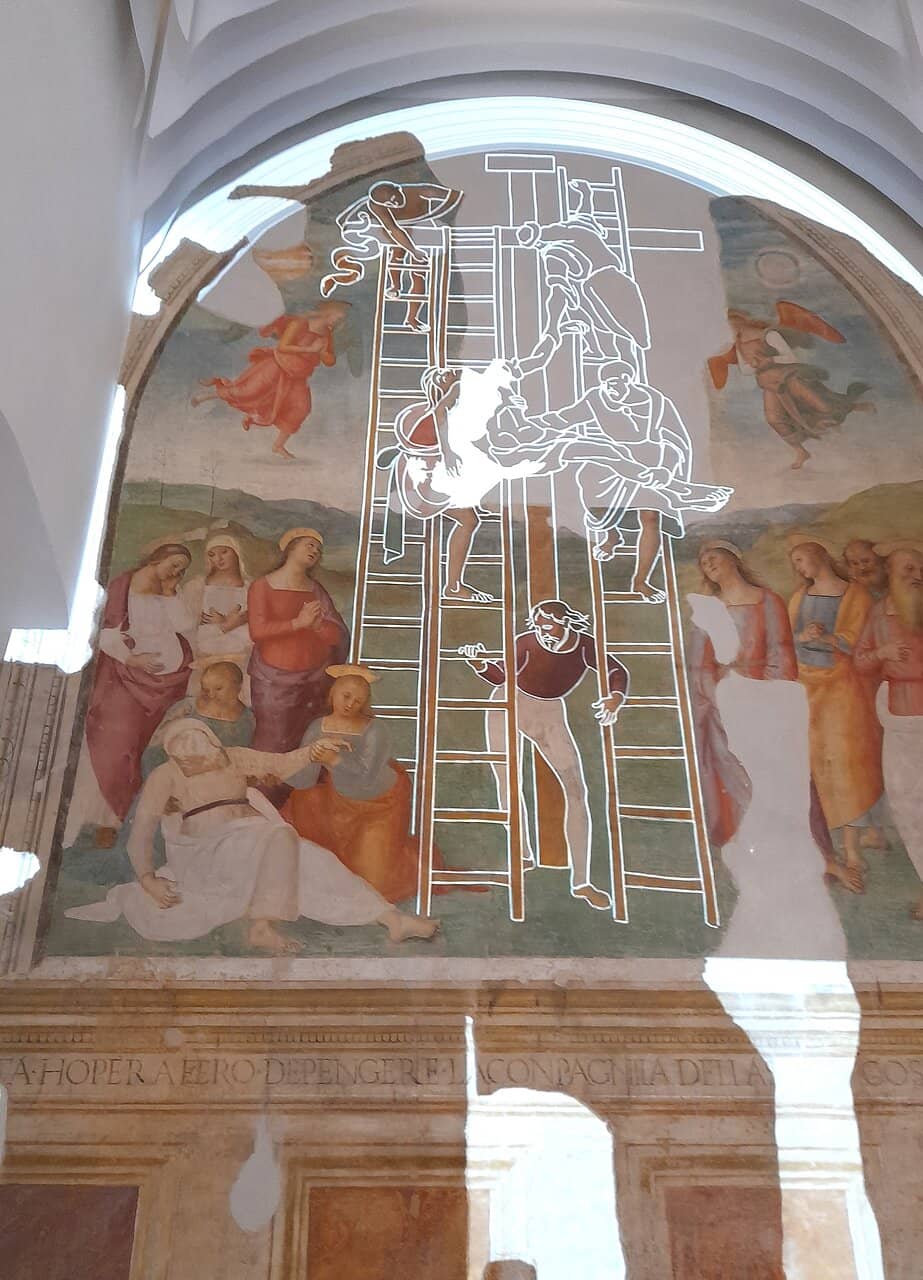
The virtual reconstruction of the lost fresco is a highlight, offering insight into its original glory.
Highlights
Discover the most iconic attractions and experiences
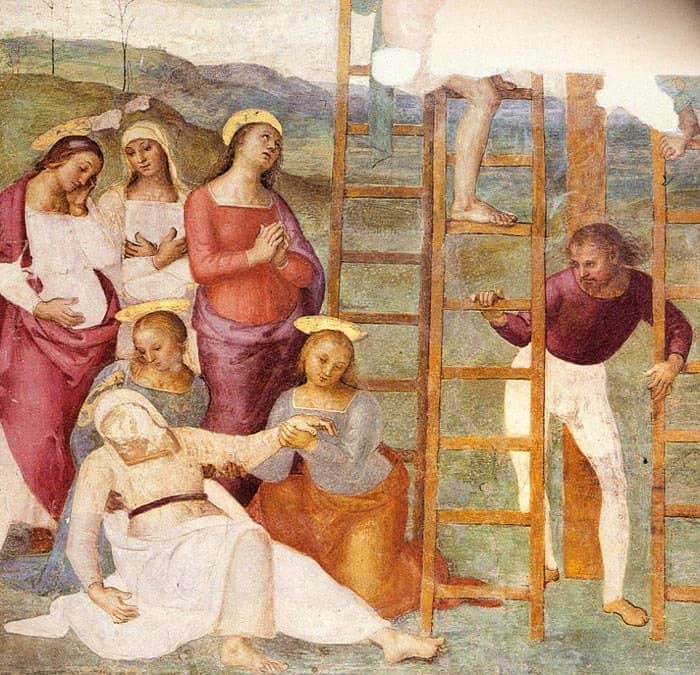
Perugino's 'Deposition from the Cross'
Main Chapel
A powerful late work by Perugino, rediscovered and virtually reconstructed for an immersive experience.
Terracotta 'Pietà'
Chapel of the Madonna della Stella
A poignant 15th-century terracotta sculpture inspired by Germanic 'Vesperbild' iconography.
Etruscan Remains
Civic-Diocesan Museum
Fascinating archaeological finds offering a glimpse into the region's ancient past.
Plans like a pro.
Thinks like you
Planning Your Visit
Plan Your Visit to Perugino's Masterpiece
Uncover Hidden Art and History
Best Times
Insider Tips
from TikTok, Instagram & Reddit
⏳ Check Access to Underground
The underground section is beautiful but not always open. Inquire about its availability beforehand.
🖼️ Appreciate the Virtual Reconstruction
The virtual reconstruction of the lost fresco is a highlight, offering insight into its original glory.
🎨 Focus on Perugino's Works
This museum is a must for Perugino enthusiasts, especially for his 'Deposition from the Cross.'
👟 Wear Comfortable Shoes
You'll be doing a fair bit of walking around the museum and church. :athletic_shoe:
Tips
from all over the internet
⏳ Check Access to Underground
The underground section is beautiful but not always open. Inquire about its availability beforehand.
🖼️ Appreciate the Virtual Reconstruction
The virtual reconstruction of the lost fresco is a highlight, offering insight into its original glory.
🎨 Focus on Perugino's Works
This museum is a must for Perugino enthusiasts, especially for his 'Deposition from the Cross.'
👟 Wear Comfortable Shoes
You'll be doing a fair bit of walking around the museum and church. :athletic_shoe:
What Travellers Say
Reviews Summary
Visitors praise the museum for its significant collection of Perugino's works, especially the 'Deposition from the Cross,' and the innovative virtual reconstruction. The Etruscan remains and the historical architecture are also highlighted as points of interest. Some reviewers note that certain artworks are not well-preserved and that the underground section may not always be accessible.
"Beautiful chapel with frescoes by Perugino along with other impressive works of art."
DAVID SNYDER
"Definitely a place worth visiting to admire the Perugino exhibition marking the 500th anniversary of his death.
The underground area is beautiful, the painting found behind a wall is beautiful, but the most beautiful part is undoubtedly the reconstruction of Christ's deposition from the cross.
The virtually reconstructed fresco allows us to understand what the work must have looked like before it was partially destroyed by the opening of a door connecting the church to the nearby convent.
The work is beautiful, and the reconstruction technique is fascinating.
Sit down in front of it and spend a few minutes observing."
Donatella Pistone
"For lovers of Perugini's works of art. The early 14th-century church contains highly valuable works. However, some are poorly preserved. It's a shame that the underground section can't be visited.
Entrance fee"
Enzo Ornaghi
What People Like
What People Dislike
Frequently Asked Questions
🚇 🗺️ Getting There
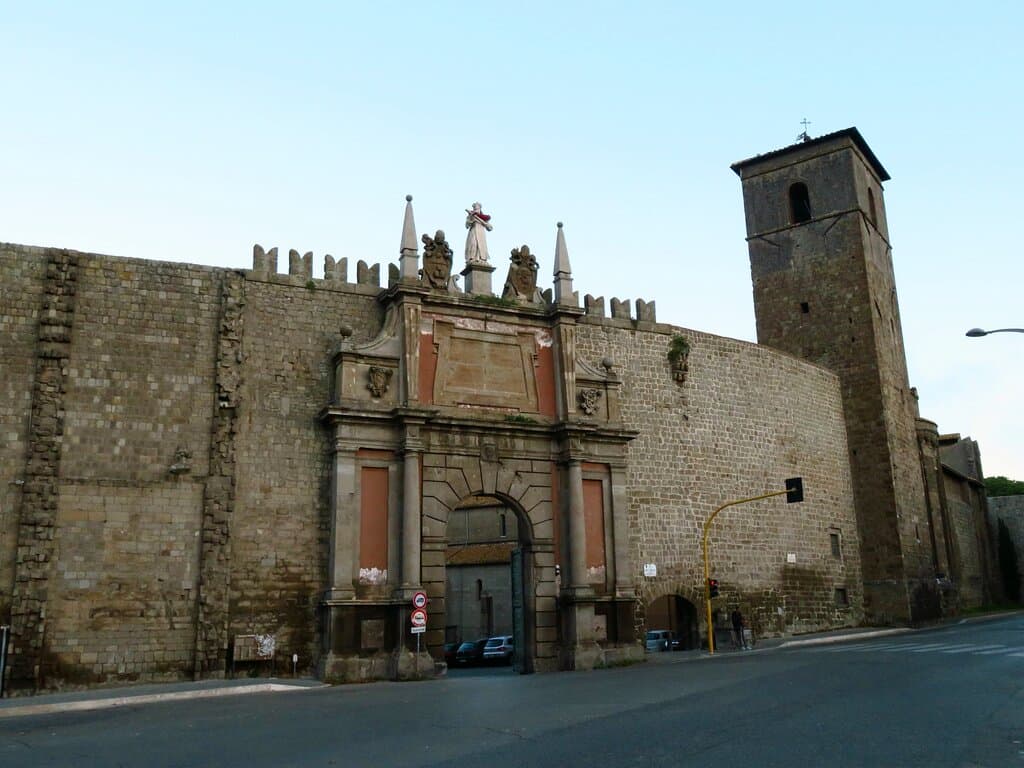
The museum is located just outside the medieval walls of Città della Pieve, near Porta Romana. It's accessible by car, with parking likely available nearby. Public transport options might be limited, so checking local bus schedules is recommended if you're not driving.
While specific parking details aren't widely shared, being located near the town walls suggests that parking areas are usually available in the vicinity. It's advisable to look for designated parking zones upon arrival. :car:
Yes, the church and museum are located just outside the medieval walls, making it a pleasant walk from the main town center of Città della Pieve. Enjoy the scenic route! :walking:
🎫 🎫 Tickets & Entry
Opening hours can vary, especially for the underground section. It's best to check the official website or contact the museum directly for the most up-to-date information before your visit. :clock:
There is an entrance fee to visit the museum. While specific prices aren't always listed, reviews mention an admission fee, so be prepared for that. :ticket:
Booking in advance is generally recommended, especially if you plan to visit during peak tourist seasons or for special exhibitions related to Perugino. This can help avoid disappointment. :calendar:
Unfortunately, the underground section is not always open for visits. It's a good idea to inquire about its accessibility when you plan your trip or upon arrival.
🎫 🏛️ Onsite Experience
The main attractions include Perugino's 'Deposition from the Cross,' a 15th-century terracotta 'Pietà,' and various other valuable artworks. The Civic-Diocesan Museum also houses Etruscan remains.
This is one of Perugino's late masterpieces, rediscovered and enhanced by a fascinating virtual reconstruction that shows what the fresco looked like before parts were lost.
Yes, the museum features a 15th-century terracotta 'Pietà' and other valuable works from the 16th and 17th centuries, showcasing a range of artistic periods.
The museum offers a look into the region's history with Etruscan remains and other archaeological finds, providing a broader context to the art within the church.
While it houses a museum, it originated as a church and retains its historical and architectural significance. It's primarily visited for its artistic and historical collections. :pray:
🍽️ 🍽️ Food & Dining
Città della Pieve is a charming town with several dining options. You'll likely find trattorias and cafes within walking distance after your visit to the museum. :forkandknife:
Typically, food and drinks are not allowed inside museum galleries to preserve the artworks. It's best to enjoy your meal at a nearby establishment. :nofoodemoji:
📸 📸 Photography
Photography policies can vary. It's common for flash photography to be prohibited to protect the artworks. Check for signage or ask staff for specific rules. :camerawithflash:
The 'Deposition from the Cross' fresco, especially with its virtual reconstruction, is a prime spot. The terracotta 'Pietà' and the Gothic architecture of the church also offer great photographic opportunities. :iphone:
For Different Travelers
Tailored advice for your travel style
👨👩👧 Families with Kids
Practical tip: Keep the visit focused on the most visually engaging pieces, like the 'Deposition from the Cross,' and consider a shorter visit to maintain engagement. Pack snacks and drinks for before or after your visit, as dining options might be a short walk away. :child:
🎨 Art History Enthusiasts
Beyond Perugino, the museum's collection, including the 15th-century terracotta 'Pietà' and the Etruscan artifacts, provides a rich tapestry of local history and art. The architectural evolution from Gothic to Baroque also offers ample material for study and appreciation.
🏛️ History Buffs
Explore the layers of history evident in the church's structure and the museum's artifacts. Understanding the context of the convent's role and the town's development adds significant depth to the visit.
Deep Dives
In-depth insights and expert knowledge
The Artistic Legacy of Perugino
Beyond this masterpiece, the museum's collection, though sometimes showing signs of age, provides context for Perugino's influence and the artistic landscape of the region. For lovers of Renaissance art, this site is a pilgrimage, offering a chance to connect with one of Italy's most significant painters.
Tip: Consider visiting during a Perugino-focused exhibition if available, as this often enhances the visitor experience and provides deeper insights into his life and work.
Architectural Evolution: From Gothic to Baroque
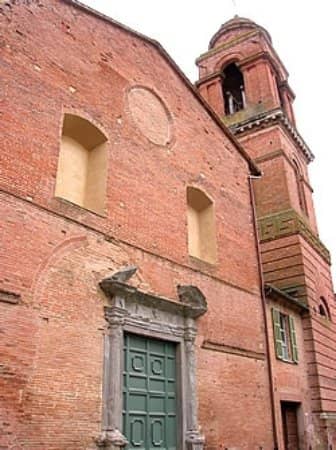
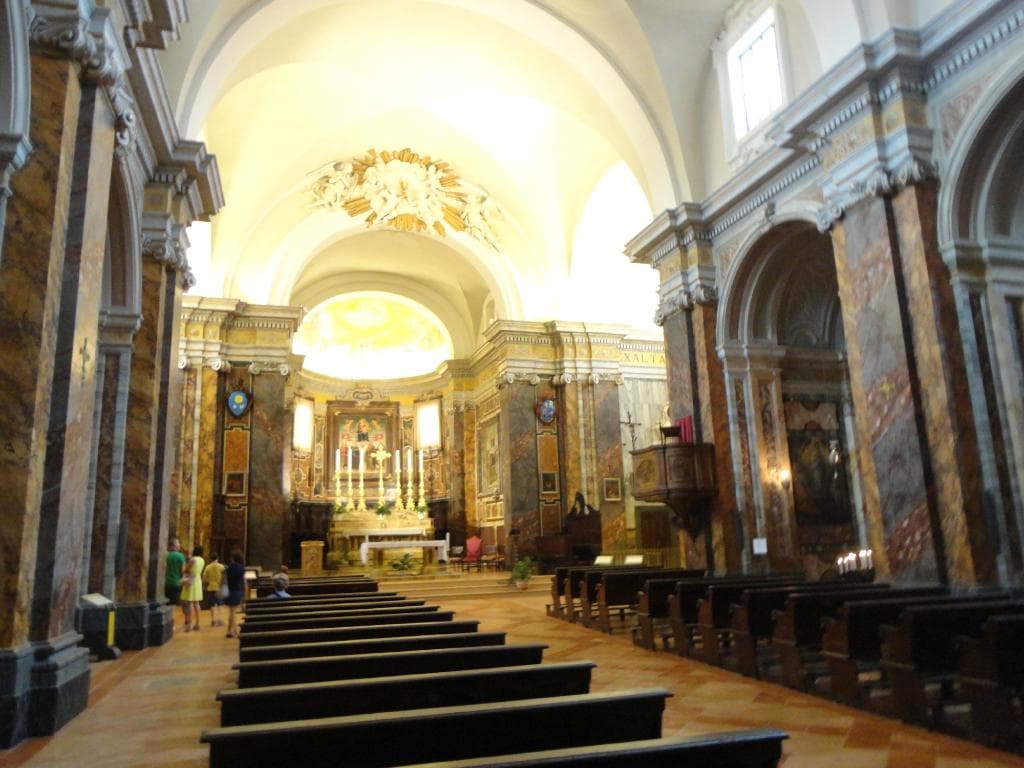
Significant transformations occurred over centuries. In the 18th century, Baroque elements were introduced by Giovanni Antonio Mazzuoli, including an altar machine and stucco statues, creating a more scenographic effect within the older Gothic shell. Later, in the 19th century, a neoclassical bell tower was added by Giovanni Santini. This layering of architectural styles—Gothic, Baroque, and Neoclassical—tells a story of continuous adaptation and artistic expression.
Key takeaway: The church is a fascinating blend of styles, reflecting different historical periods and artistic tastes. Pay attention to how these distinct elements coexist.
Exploring the Civic-Diocesan Museum
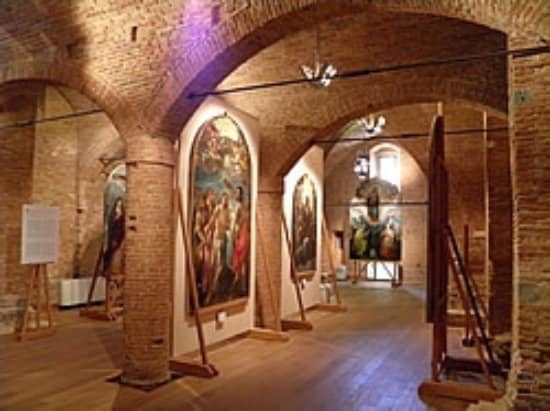
This museum provides a valuable counterpoint to the art within the church, allowing visitors to understand the area's cultural evolution from antiquity through the medieval period. The integration of these historical artifacts with the church's artistic treasures creates a more comprehensive visitor experience.
Recommendation: Allocate time to explore the museum's collections thoroughly to gain a richer understanding of the local heritage.
Social
from TikTok, Instagram & Reddit