Chiesa di Sant'Agostino
A Baroque masterpiece in Rome, famed for its mind-bending trompe-l'oeil ceiling and a fun 'mirror' illusion. Free entry!
Highlights
Must-see attractions

Social
From TikTok & Reddit
Best Time
Fewer crowds, magical atmosphere
Chiesa di Sant'Agostino
Best Time
Fewer crowds, magical atmosphere
Highlights
Must-see attractions
A Baroque masterpiece in Rome, famed for its mind-bending trompe-l'oeil ceiling and a fun 'mirror' illusion. Free entry!
"The most beautiful mirror in Europe, and a free church with incredible art!"
🎯 Free Selfie Mirror Fun
Don't miss the free 'mirror' illusion for amazing photos! It's a unique spot that many visitors rave about.
🤫 Visit at Night for Fewer Crowds
For a more peaceful experience and better photos, try visiting at night when tour groups have thinned out.
Quick Facts
Hours
Rating
4.5 · 96 reviews
Type
Church
Highlights
Discover the most iconic attractions and experiences
The Trompe-l'oeil Ceiling
Nave
A breathtaking illusion of a dome and extension, creating a stunning 3D effect that fools the eye.
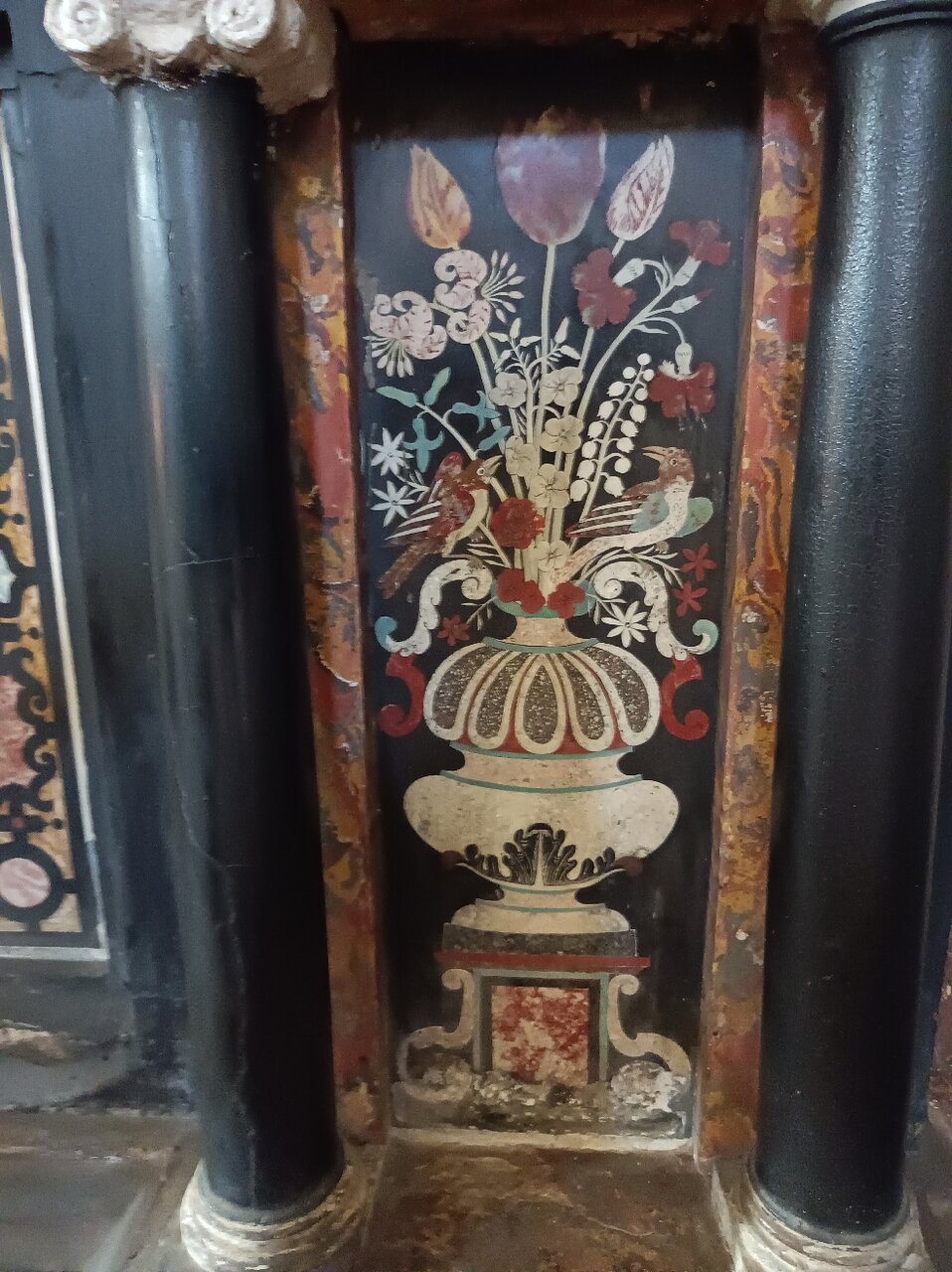
The 'Mirror' Illusion
Side Chapel
A clever use of mirrors creates an infinite reflection, perfect for unique selfies and optical illusions.
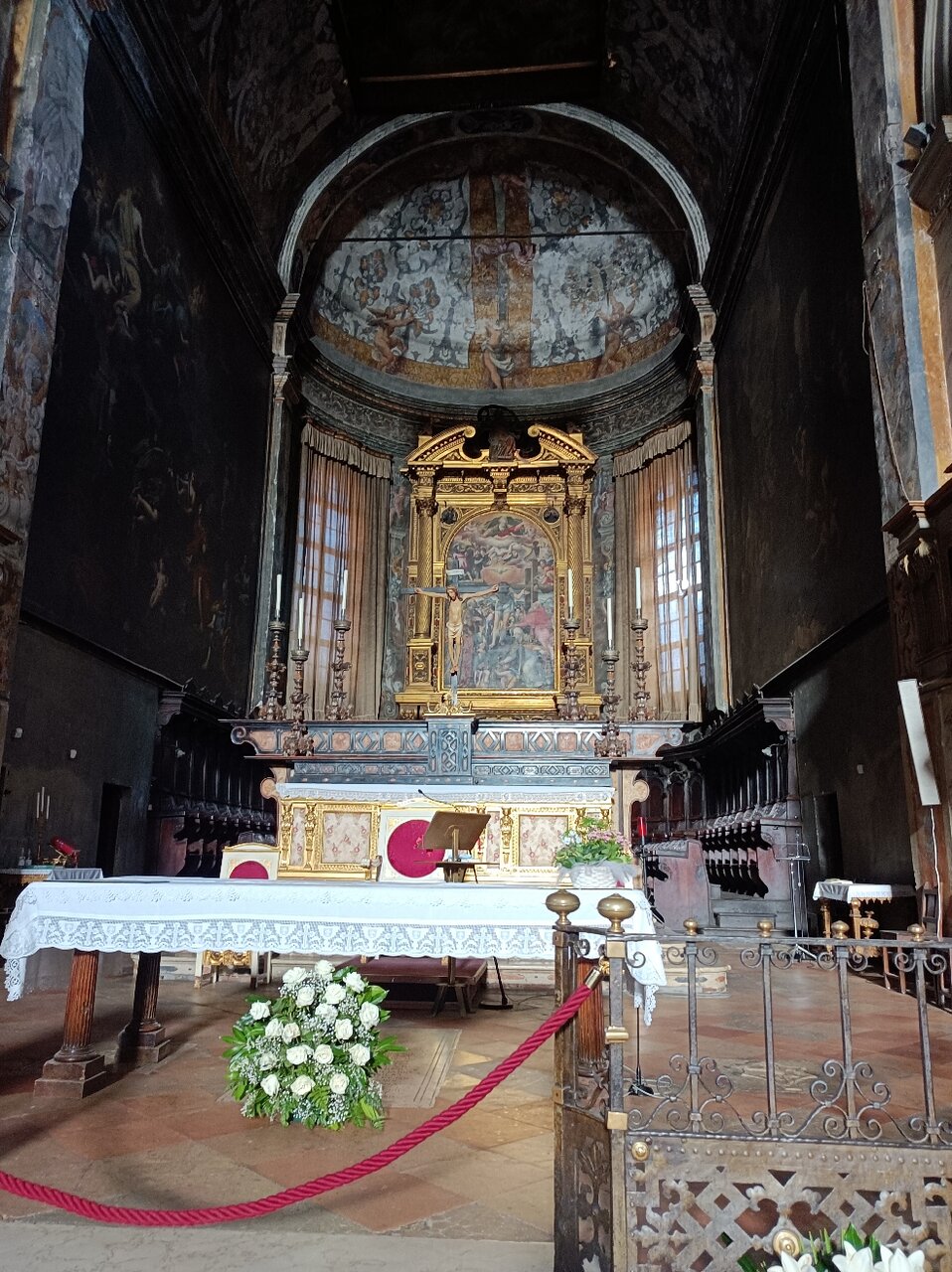
Baroque Artistry
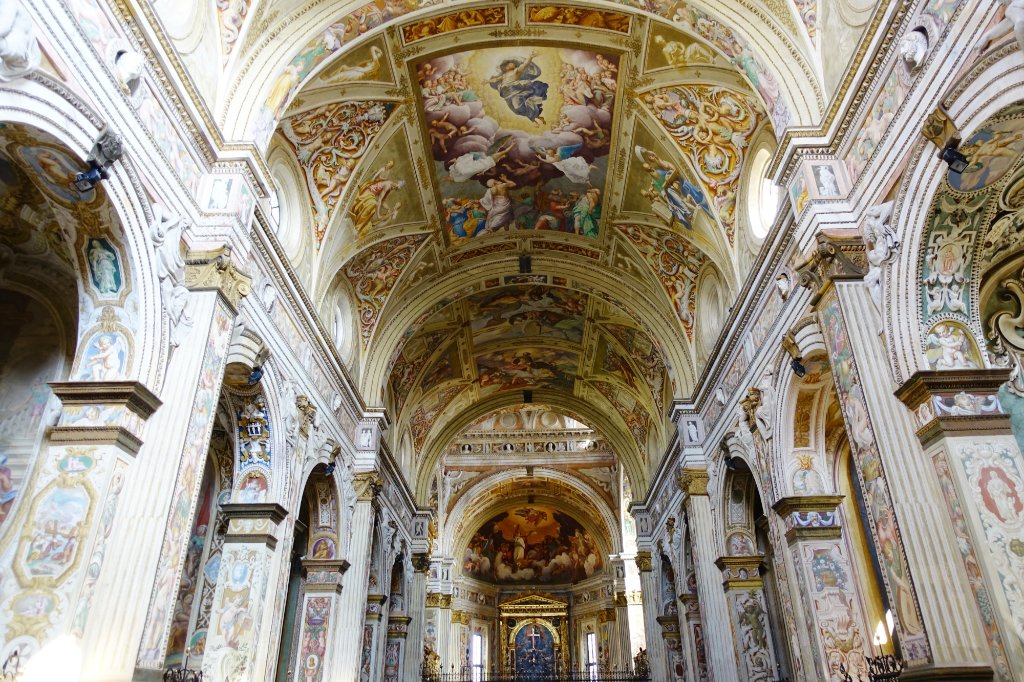
Explore rich frescoes and sculptures depicting scenes from the life of St. Ignatius, showcasing Baroque grandeur.
Plans like a pro.
Thinks like you
Planning Your Visit
Timing is Key for the Mirror Illusion
Free Entry, Priceless Art
Best Times
Insider Tips
from TikTok, Instagram & Reddit
🎯 Free Selfie Mirror Fun
Don't miss the free 'mirror' illusion for amazing photos! It's a unique spot that many visitors rave about.
🤫 Visit at Night for Fewer Crowds
For a more peaceful experience and better photos, try visiting at night when tour groups have thinned out.
📸 Capture the Ceiling Illusion
Stand in the right spot to fully appreciate the trompe-l'oeil ceiling's incredible depth and detail.
🚶♂️ Explore Beyond the Main Hall
Venture into the side chapels to discover hidden artistic gems and quieter corners.
Tips
from all over the internet
🎯 Free Selfie Mirror Fun
Don't miss the free 'mirror' illusion for amazing photos! It's a unique spot that many visitors rave about.
🤫 Visit at Night for Fewer Crowds
For a more peaceful experience and better photos, try visiting at night when tour groups have thinned out.
📸 Capture the Ceiling Illusion
Stand in the right spot to fully appreciate the trompe-l'oeil ceiling's incredible depth and detail.
🚶♂️ Explore Beyond the Main Hall
Venture into the side chapels to discover hidden artistic gems and quieter corners.
What Travellers Say
Reviews Summary
Visitors consistently praise the Chiesa di Sant'Ignazio di Loyola for its stunning artistic achievements, particularly the mind-bending trompe-l'oeil ceiling and the fun 'mirror' illusion. It's celebrated as a free, awe-inspiring experience that offers incredible photo opportunities and a glimpse into Baroque grandeur. Some note that it can get crowded, but the artistic payoff is well worth it.
"Great artistic pictures"
Roberto Monticelli
"A masterpiece of history and art in Cremona
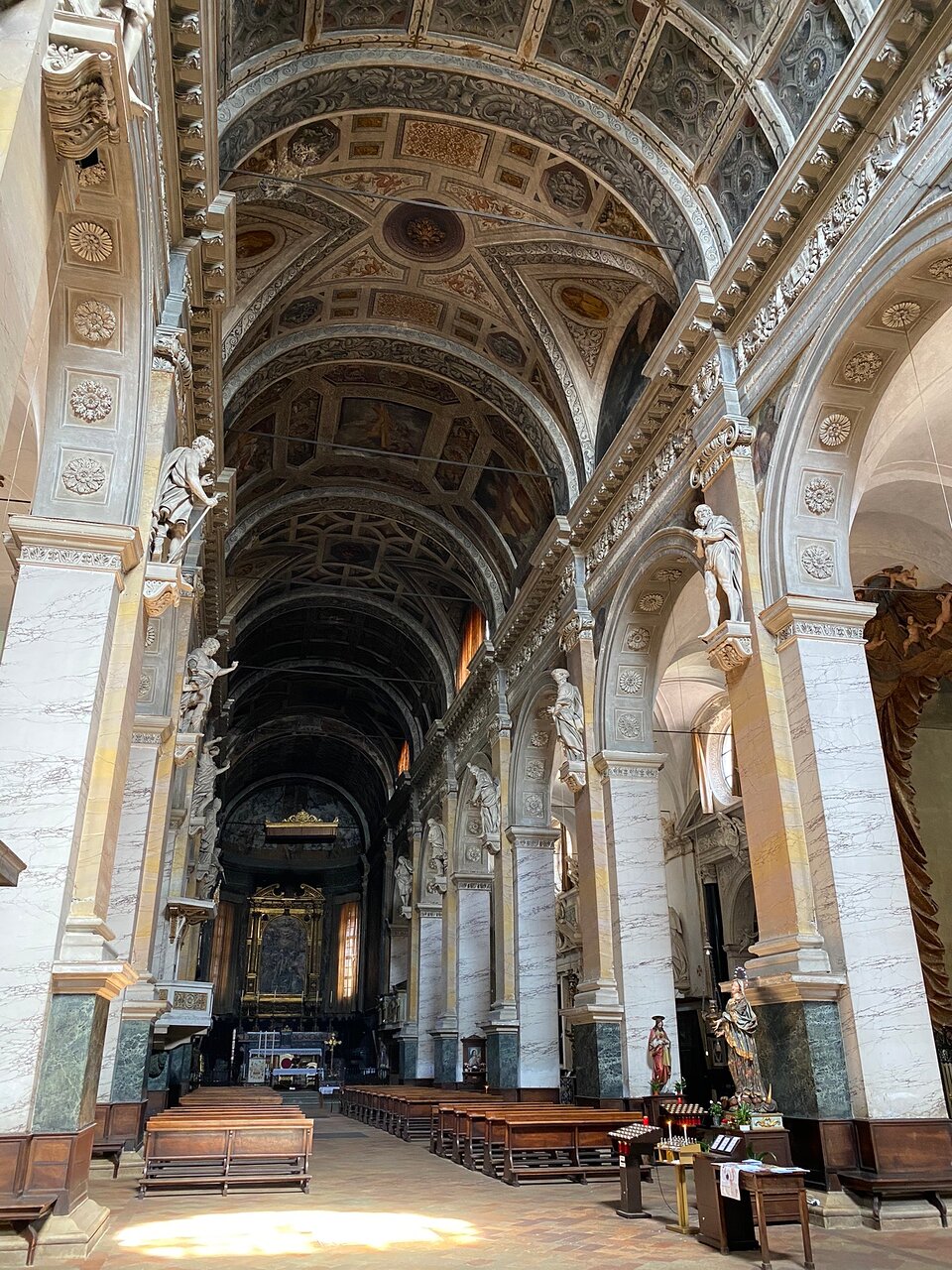
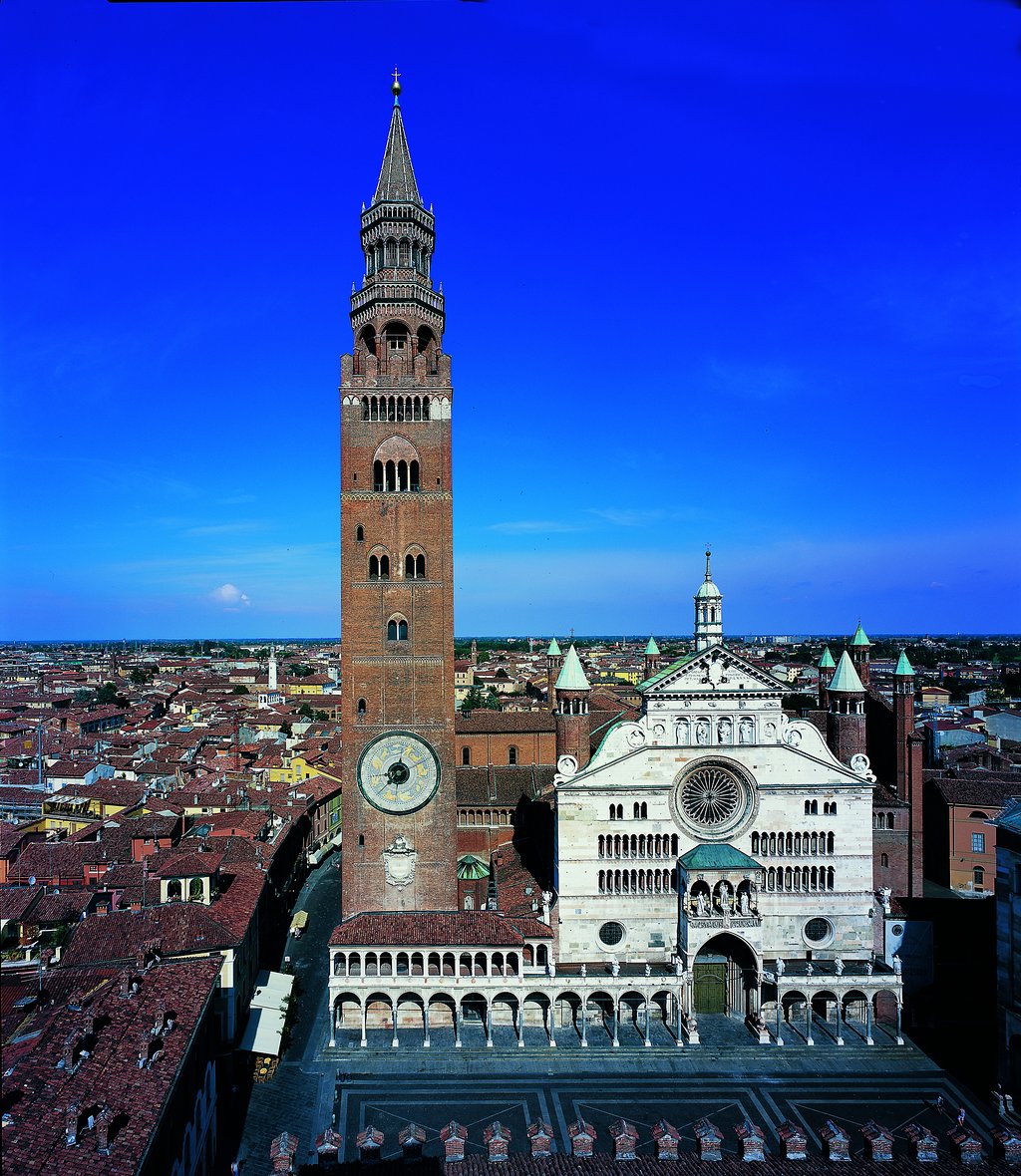
The Church of Sant'Agostino is a true hidden gem in the heart of Cremona, a place of profound spirituality and priceless artistic value. Its history, which dates back to the 13th century, is manifested in an architecture that evolves from Lombard Gothic to a Renaissance and Baroque interior, offering a fascinating journey through time.
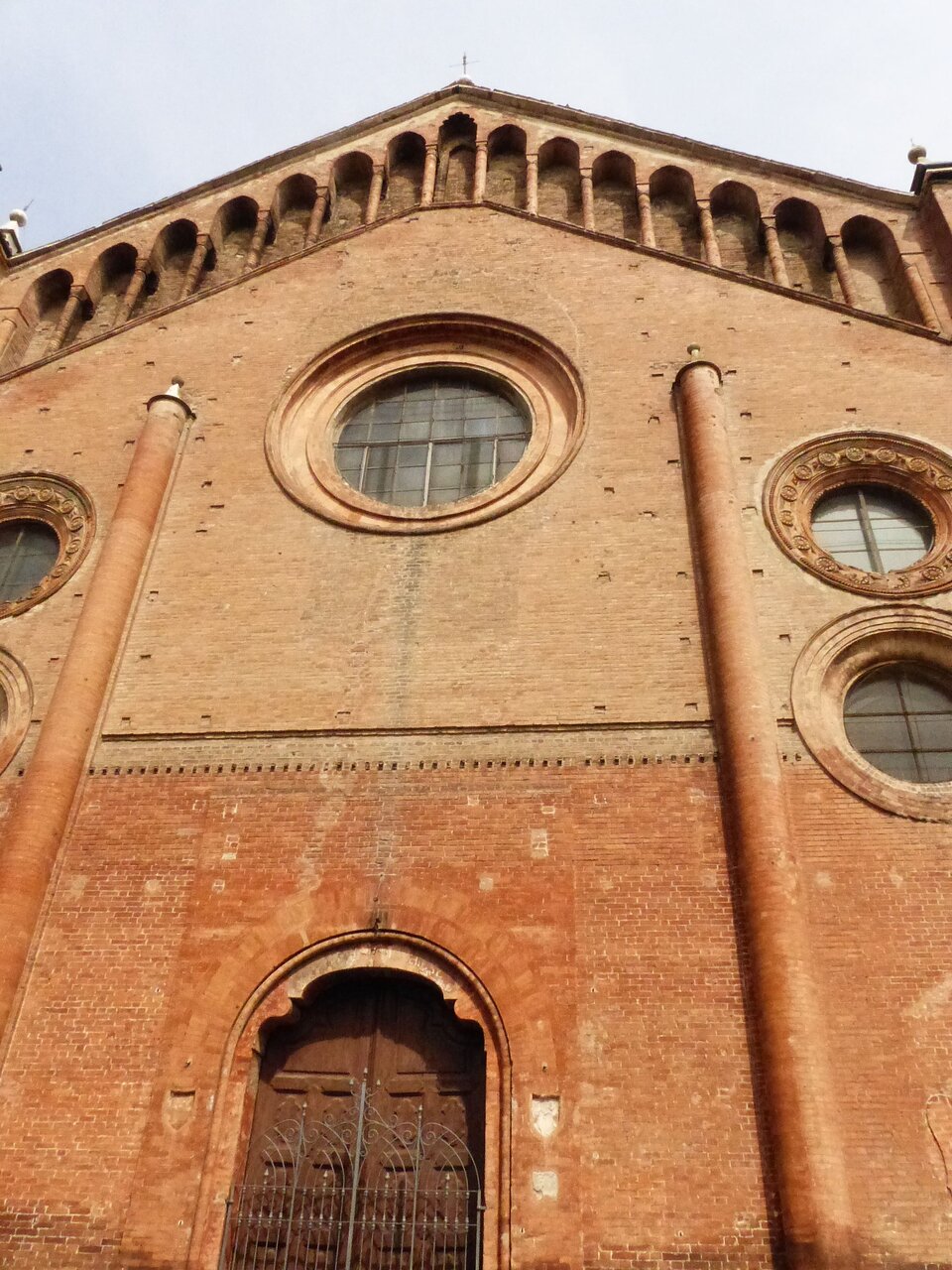
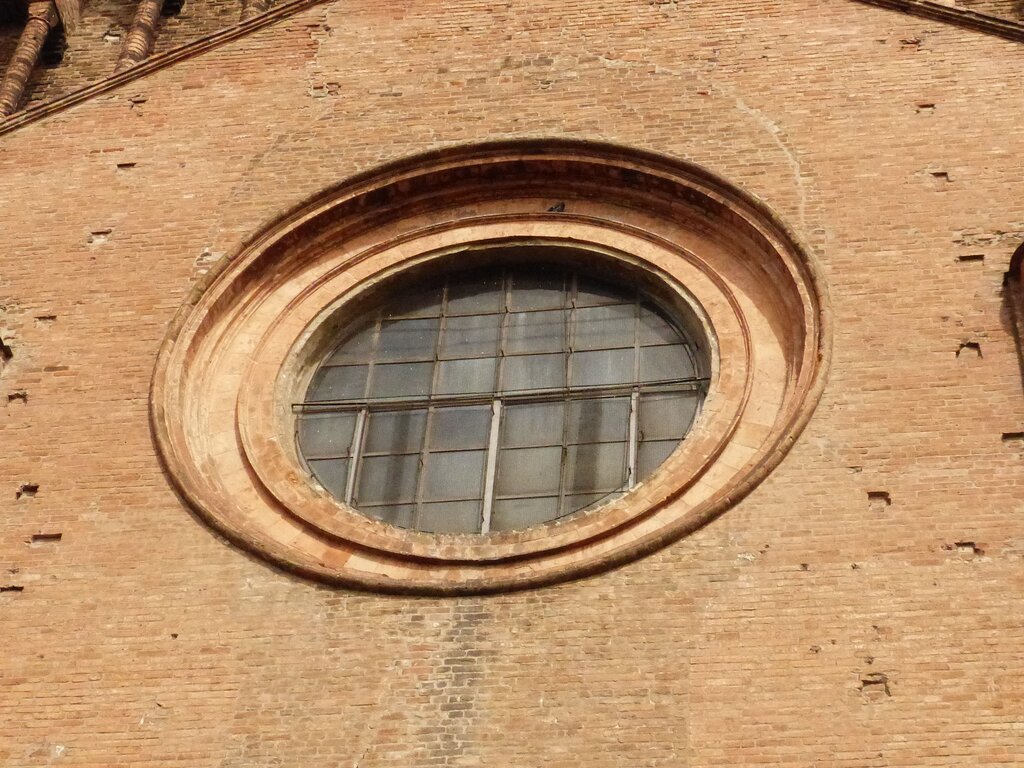
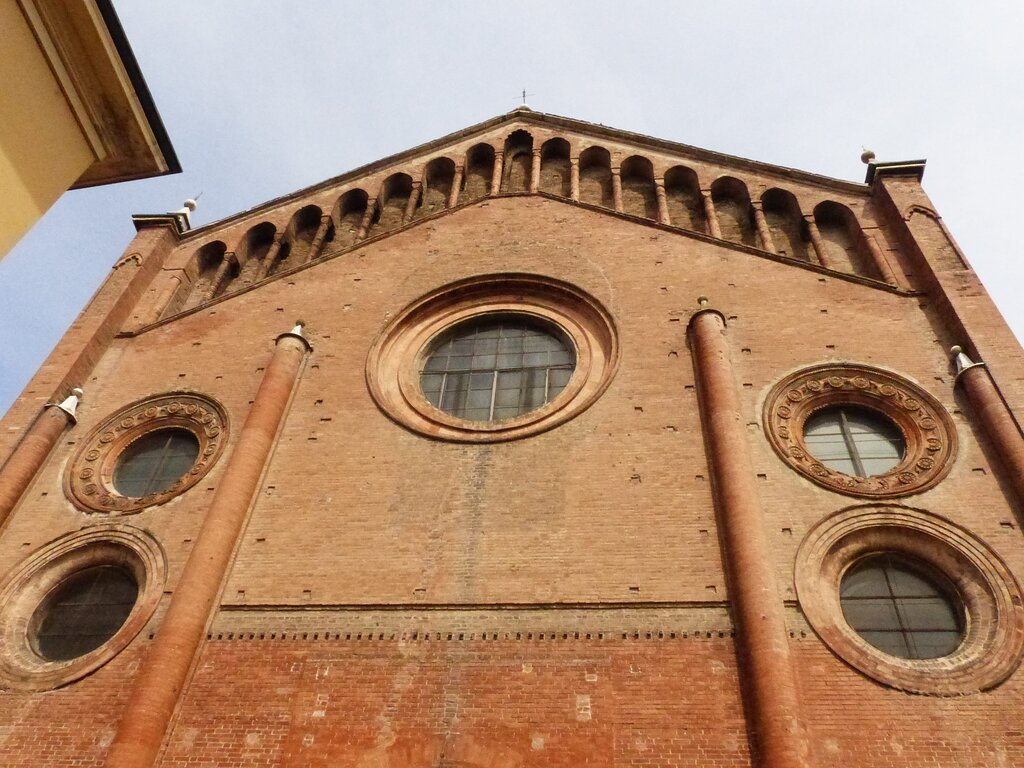
From the outside, the terracotta façade, with its rose windows and arched gallery, invites you to discover the treasures within. The interior, with its three naves, surprises with its rich artistic heritage, the result of centuries of donations and decorations.
The church's true strength is its presence of outstanding works of art. Among them, Perugino's magnificent altarpiece depicting the "Madonna and Child Enthroned with Saints John the Evangelist and Augustine" stands out, a masterpiece from 1493 that alone is worth a visit. Equally fascinating are the late-Gothic frescoes by Bonifacio Bembo in the Cavalcabò Chapel, which testify to the excellence of 15th-century Cremonese painting.
Another noteworthy work is the Chapel of the Passion of Christ, with its spectacular Baroque sculptural group, which makes the experience even more evocative.
The Church of Sant'Agostino is not just a place of worship, but a true museum, where every corner, every fresco, and every altarpiece tells a story. It is an oasis of peace and beauty that I highly recommend to anyone wishing to discover the cultural richness of Cremona, away from the beaten tourist track."
Saverio sor
"Very beautiful church built between 1339 and 1350 for the Hermits, it was remodeled in the sixteenth century with the creation of masonry vaults. The terracotta facade recalls the Gothic-Lombard style. The interior has a basilica plan with three naves divided by pillars and barrel vaults and preserves a rich and valuable iconographic apparatus and works of art of valuable value which have become embellished with the passage of time.
The bell tower was built in 1461."
Fabrizio D.R.
What People Like
What People Dislike
Frequently Asked Questions
🚇 🗺️ Getting There
Chiesa di Sant'Ignazio di Loyola is centrally located in Rome, near Piazza Navona. You can easily reach it by walking from many popular tourist areas or by taking a bus to nearby stops like Largo di Torre Argentina. The closest metro stations are Barberini and Spagna, but they require a moderate walk.
Yes, several bus lines stop within a short walking distance of the church, making it accessible via Rome's public transport network. Check local bus routes for the most convenient options from your location.
Absolutely! The walk from the Pantheon to Chiesa di Sant'Ignazio di Loyola is quite pleasant and takes about 10-15 minutes, allowing you to see more of Rome's charming streets along the way.
Parking in this central Rome area can be very challenging and expensive. It's highly recommended to use public transport or walk to reach the church rather than driving.
For a first-time visitor, walking is often the best approach to soak in the atmosphere of Rome. The church is situated in a vibrant area, perfect for exploring on foot.
🎫 🎫 Tickets & Entry
No, entry to Chiesa di Sant'Ignazio di Loyola is free! This makes it an incredibly accessible and valuable experience for all visitors.
The church is generally open daily, but hours can vary. It's advisable to check the most current opening times online before your visit, especially if you plan to go on a holiday.
Since entry is free, no advance booking is required. However, visiting during off-peak hours or weekdays can help you avoid larger crowds.
Photography is generally allowed, but flash photography is usually prohibited to protect the artwork. Always be respectful of worshippers and other visitors.
Yes, the 'mirror' illusion is located within the church and is accessible with free entry. It's a popular spot for photos.
📸 📸 Photography
For the best lighting and fewer crowds, aim for early mornings or weekday evenings. The 'mirror' illusion is particularly fun to photograph when there's less foot traffic.
To capture the trompe-l'oeil ceiling effectively, stand in the designated viewing areas and experiment with different angles. Some visitors find tilting their camera upwards helps emphasize the illusion.
Tripod usage might be restricted to maintain visitor flow and prevent damage to the church. It's best to check with church staff upon arrival or avoid using them if it seems disruptive.
The 'mirror' illusion is perfect for creative selfies, group photos, and playing with perspective. It's a fun spot to get unique shots that stand out.
Many visitors highlight the central nave for the ceiling and the specific chapel with the mirror illusion. Exploring the side chapels can also yield beautiful, less-common shots. +1
🎫 🏛️ Art & Architecture
The most talked-about feature is the incredible trompe-l'oeil ceiling by Andrea Pozzo, which creates a stunning illusion of a dome and extension.
It's a prime example of Baroque architecture, known for its dramatic flair, ornate decorations, and illusionistic effects.
Yes, the church is adorned with magnificent frescoes, particularly those depicting scenes from the life of St. Ignatius, showcasing the skill of Baroque artists.
The 'mirror' illusion is a clever artistic and architectural feature that plays with perception, creating a sense of infinite space and offering a unique photo opportunity.
While there aren't always guided tours readily available, many visitors find information online or through guidebooks. The art itself tells a story of religious devotion and artistic innovation.

Social
from TikTok, Instagram & Reddit