Chiesa di San Giuseppe
A hidden Baroque gem in Palermo, showcasing intricate stucco work, marble altars, and a rich history tied to the city's artisans.
Highlights
Must-see attractions

Social
From TikTok & Reddit
Best Time
Best chance to see it open
Chiesa di San Giuseppe
Best Time
Best chance to see it open
Highlights
Must-see attractions
A hidden Baroque gem in Palermo, showcasing intricate stucco work, marble altars, and a rich history tied to the city's artisans.
"A stunning example of Sicilian Baroque, though access can be tricky outside of services."
Check Opening Hours
Hours can be limited; inquire locally or check for service times. :clock1:
Admire the Baroque Details
Take time to appreciate the intricate stucco work and marble altars. ✨
Quick Facts
Rating
4.7 · 11 reviews
Type
Church
Highlights
Discover the most iconic attractions and experiences
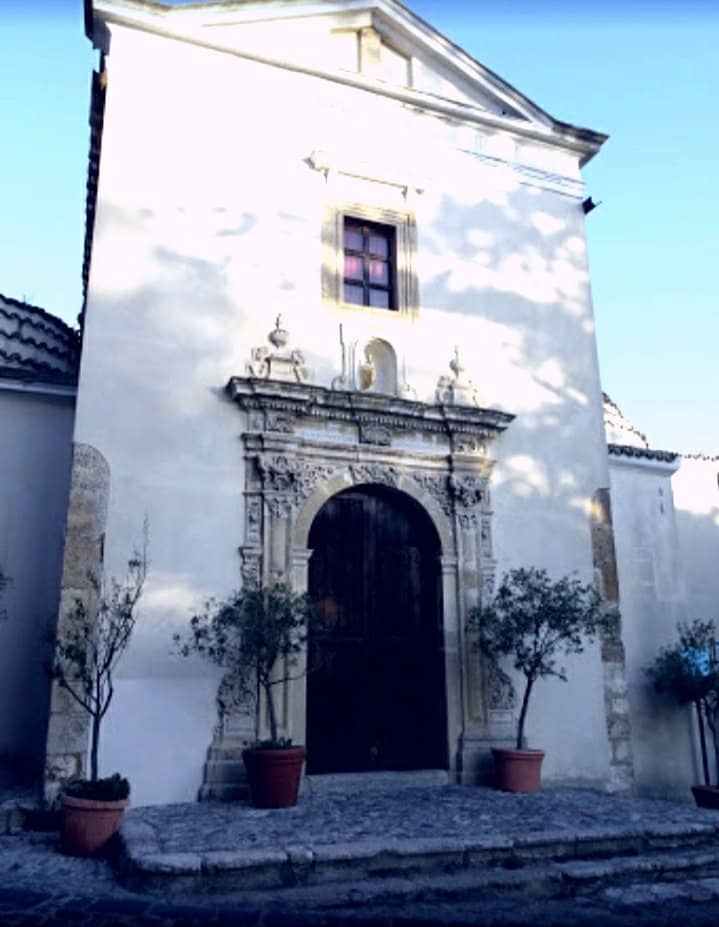
Baroque Facade
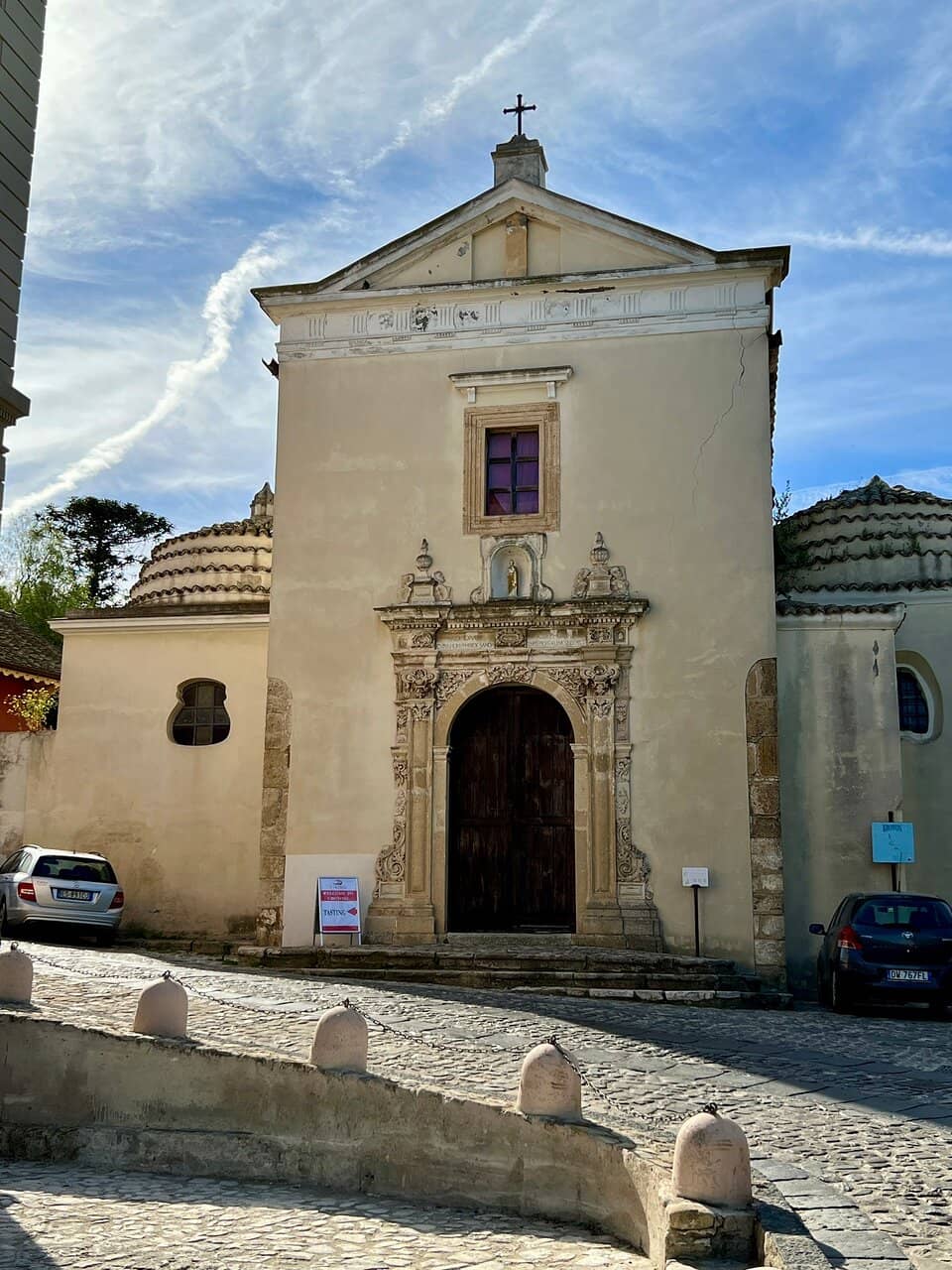
A stunning example of Sicilian Baroque, featuring intricate pilasters, capitals, and a projecting architrave.
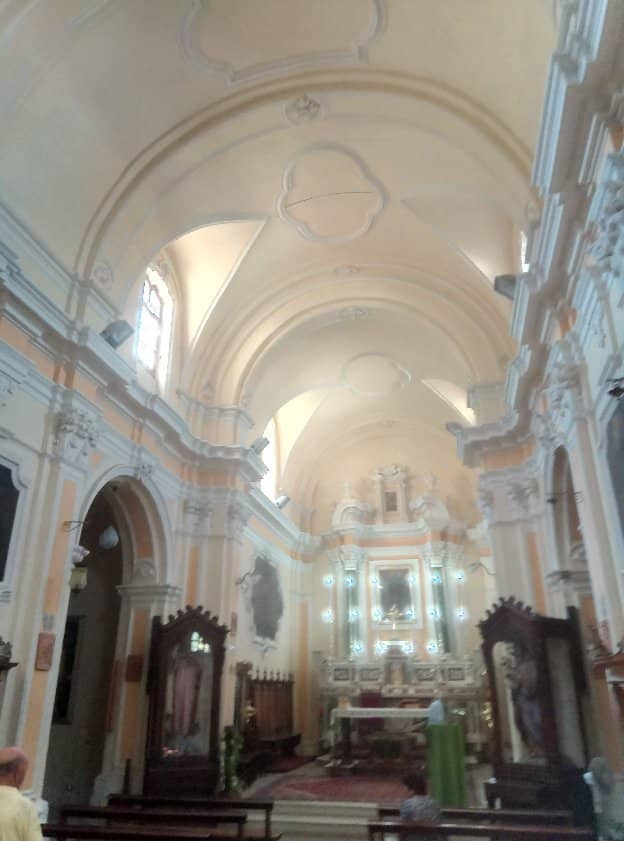
Ornate Interior
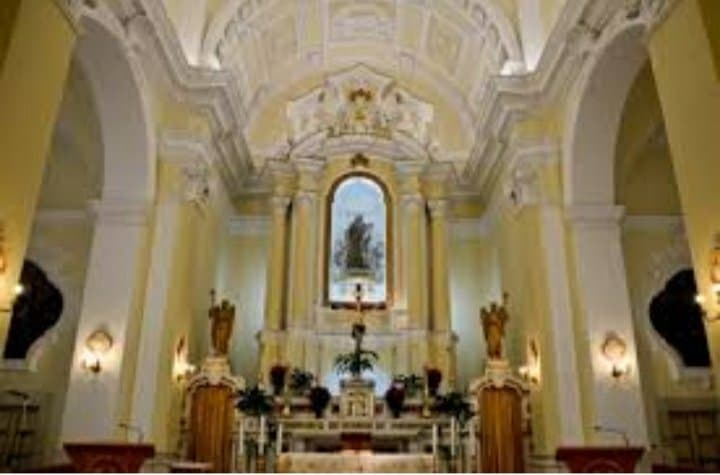
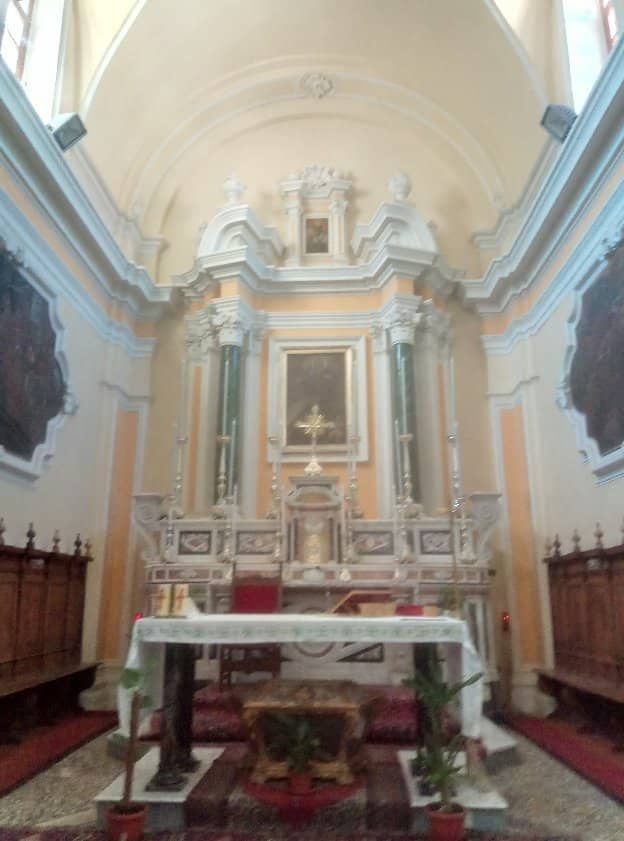
Discover fine marble altars, devotional statues, and stucco decorations that showcase the church's rich artistic heritage.
Side Chapels
Explore four chapels, each with its own unique altars and artistic treasures, including a notable 18th-century wooden crucifix.
Plans like a pro.
Thinks like you
Planning Your Visit
Timing is Key for Palermo's Gem
Embrace the Baroque Beauty
Best Times
Insider Tips
from TikTok, Instagram & Reddit
Check Opening Hours
Hours can be limited; inquire locally or check for service times. :clock1:
Admire the Baroque Details
Take time to appreciate the intricate stucco work and marble altars. ✨
Photography Friendly
Capture the beauty of this church; many visitors share stunning photos. :camerawithflash:
Near Quattro Canti
Conveniently located near Palermo's famous Quattro Canti intersection. :round_pushpin:
Tips
from all over the internet
Check Opening Hours
Hours can be limited; inquire locally or check for service times. :clock1:
Admire the Baroque Details
Take time to appreciate the intricate stucco work and marble altars. ✨
Photography Friendly
Capture the beauty of this church; many visitors share stunning photos. :camerawithflash:
Near Quattro Canti
Conveniently located near Palermo's famous Quattro Canti intersection. :round_pushpin:
What Travellers Say
Reviews Summary
Visitors praise the Chiesa di San Giuseppe dei Padri Teatini for its stunning Baroque architecture and ornate interior, highlighting the intricate stucco work and beautiful marble altars. However, many note that the church's opening hours can be inconsistent, often limiting access to religious services, which can be a point of frustration for those hoping to visit during standard tourist hours.
"The present building is the result of the reconstruction of an existing structure in 1719, carried out by Deacon Onofrio De Sanda. The church is dedicated to San Giuseppe, the patron saint of carpenters.
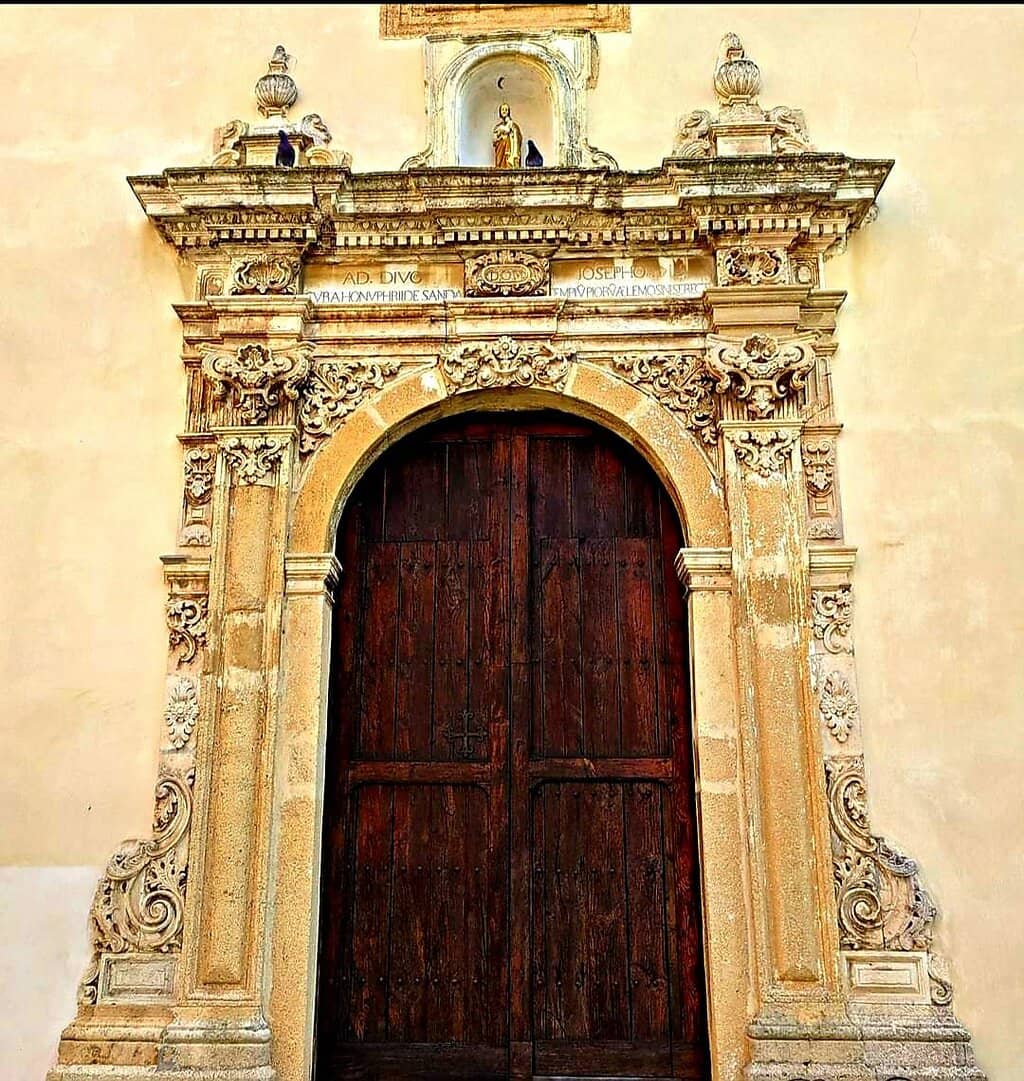
The facade features a slightly raised gable and decorative elements below. The sandstone portal is framed by finely ornamented pilasters and capitals, surmounted by a projecting architrave."
Gernot Berndt
"Going up via Risorgimento, the gaze meets the Church of San Giuseppe, built in the eighteenth century, and consecrated by the Bishop of Strongoli Domenico Morelli (in ancient times Strongoli was the episcopal seat).
The Church is well maintained, with a wooden door, and on the sides it is possible to see the domes, in Byzantine style, which are located on the side chapels. The facade is in late Baroque style, and the beauty of the Church is told by the reconstruction carried out in the early 1800s, by will of the deacon Onofrio De Sanda and, right on the architrave, the phrase "D.O.M./ AD DIVO JOSEPHO 1719/ CURA HONUPHRII DE SANDA/ TEMPLUM PIORUM AELEMOSINIS ERECTUM.
Dedicated to Saint Joseph, patron saint of the family and carpenters, by will of a group of "master carpenters" who, in the spring of the same year, asked the Bishop for permission to build a church dedicated to their protector Saint Joseph. the sacred building preserves its ancient charm, with a white marble altar that shines in the silence of the ancient church of San Giuseppe di Crotone. There are four side chapels, containing the statues of San Gregorio and San Nicolò di Bari above the marble altars, and the statue of San Giuseppe is located in the central nave. In one of the chapels there is a fresco of San Michele Arcangelo, next to which there is a modern painting depicting the patron saint of Crotone, San Dionigi. While in the Gallucci-Zurlo chapel, there is a particular wooden crucifix, which was carved in the 18th century.
This is what the Archivio Storico di Crotone writes: The four noble chapels belong to four patrician families of Crotone: Ayerbis Aragona della Grotteria, extinct, Lucifero, Galluccio, Sculco. In the Sculco chapel, two marbles with Latin inscriptions are embedded in the wall on the sides.
The history of the Church of San Giuseppe di Crotone: In 1807 the church of San Giuseppe became the seat of the congregation of nobles called Santa Maria dei Sette Dolori or dell’Addolorata. The brothers brought the painting depicting the Addolorata to the new location, placing it above the high altar. Also in these years, the Galluccio family built a new chapel with an altar dedicated to San Francesco di Paola.
Around the end of the nineteenth century, the Soda family built a small altar in the Gallucci chapel, where the beautiful wooden Crucifix was placed, now kept in the church of the Immaculate. Along the walls of the central nave, there are some eighteenth-century paintings, respectively on the right one there is "The Adoration of the Magi" and on the left one the "Circumcision". The walls of the presbytery are also adorned with eighteenth-century paintings depicting "The Adoration of the Shepherds" and "The Presentation of Mary at the Temple".
Leaving the church, the façade has a slightly raised pediment and decorations underneath, the sandstone portal is framed by finely decorated pilasters and capitals surmounted by a projecting architrave. A large window with a stucco frame completes the front. On the sides, two of the four "broken" chapels are visible, characterized by covered domes and decorated with four concentric circles of tiles. On the long left side, on the back, the cylindrical bell tower is barely visible.
(Taken from the CiaoCrotone website)"
Ing. Piero Petrisano Promotore Finanziario
"Small church in the historic center of Crotone not always open to the public, but only in conjunction with religious services.
The current building is the result of the reconstruction in 1719 of a pre-existing structure, carried out by the deacon Onofrio De Sanda, belonging to an old family of master carpenters, a group of carpenters of the city, and thanks to the alms of the faithful. The church is dedicated to San Giuseppe, protector of carpenters.
It then hosted the Confraternity of Maria Addolorata and was consecrated in 1756 by Domenico Morelli.
The entrance portal in sculpted tuff is valuable."
Giuseppe Celsi
What People Like
What People Dislike
Frequently Asked Questions
🚇 🗺️ Getting There
The Chiesa di San Giuseppe dei Padri Teatini is located in the heart of Palermo's historic center, very close to the famous Quattro Canti intersection, at Via Vittorio Emanuele. It's easily accessible on foot if you're exploring the city center. Public transport options like buses also stop nearby. 
Parking in Palermo's historic center can be challenging. It's best to use public transport or a taxi, or consider parking in a paid garage slightly outside the immediate vicinity and walking.
🎫 🎫 Tickets & Entry
Entry to the church is often free, especially during religious services. However, opening hours can be limited and it's not always open to the public outside of services. It's advisable to check locally or aim to visit during a service.
The opening hours for Chiesa di San Giuseppe dei Padri Teatini are not consistently published and can vary. It is often open only during religious services. It's recommended to inquire locally or check for service schedules.
Yes, visiting during a religious service is often the best way to ensure the church is open. Be respectful of worshippers during these times.
🎫 🏛️ Onsite Experience
The church is a prime example of Sicilian Baroque architecture, known for its ornate facades, intricate stucco work, and rich interior decorations. +1
Inside, you'll find fine marble altars, several devotional statues (including Saint Joseph, Saint Gregory, and Saint Nicholas of Bari), and stucco decorations. The four side chapels are also noteworthy, with one housing an 18th-century Neapolitan wooden crucifix.
Photography is generally permitted inside the church, allowing visitors to capture its beauty. However, always be mindful of ongoing services and other visitors.
Information on accessibility can be limited. The historic nature of the building might present challenges. It's best to contact the church directly or inquire locally if you have specific accessibility needs.
📸 📸 Photography
The ornate Baroque facade is a great starting point. Inside, focus on the detailed altars, the stucco work, and the statues in the side chapels. The play of light and shadow can create dramatic shots.
Definitely capture the sandstone portal with its decorated pilasters and capitals, the projecting architrave, and the domes of the side chapels. Inside, the marble altars and the 18th-century crucifix are highlights.



Social
from TikTok, Instagram & Reddit