Deruta
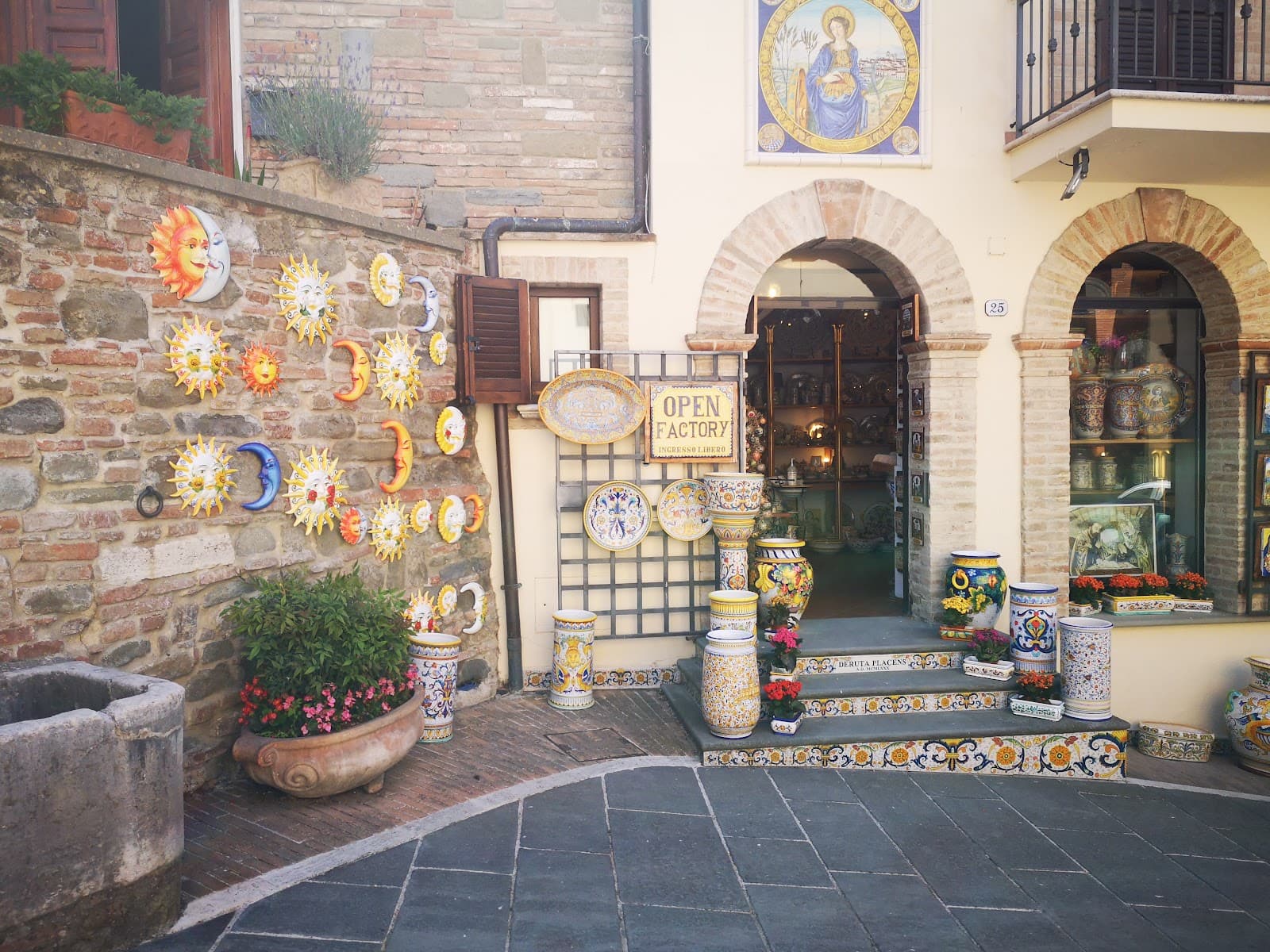
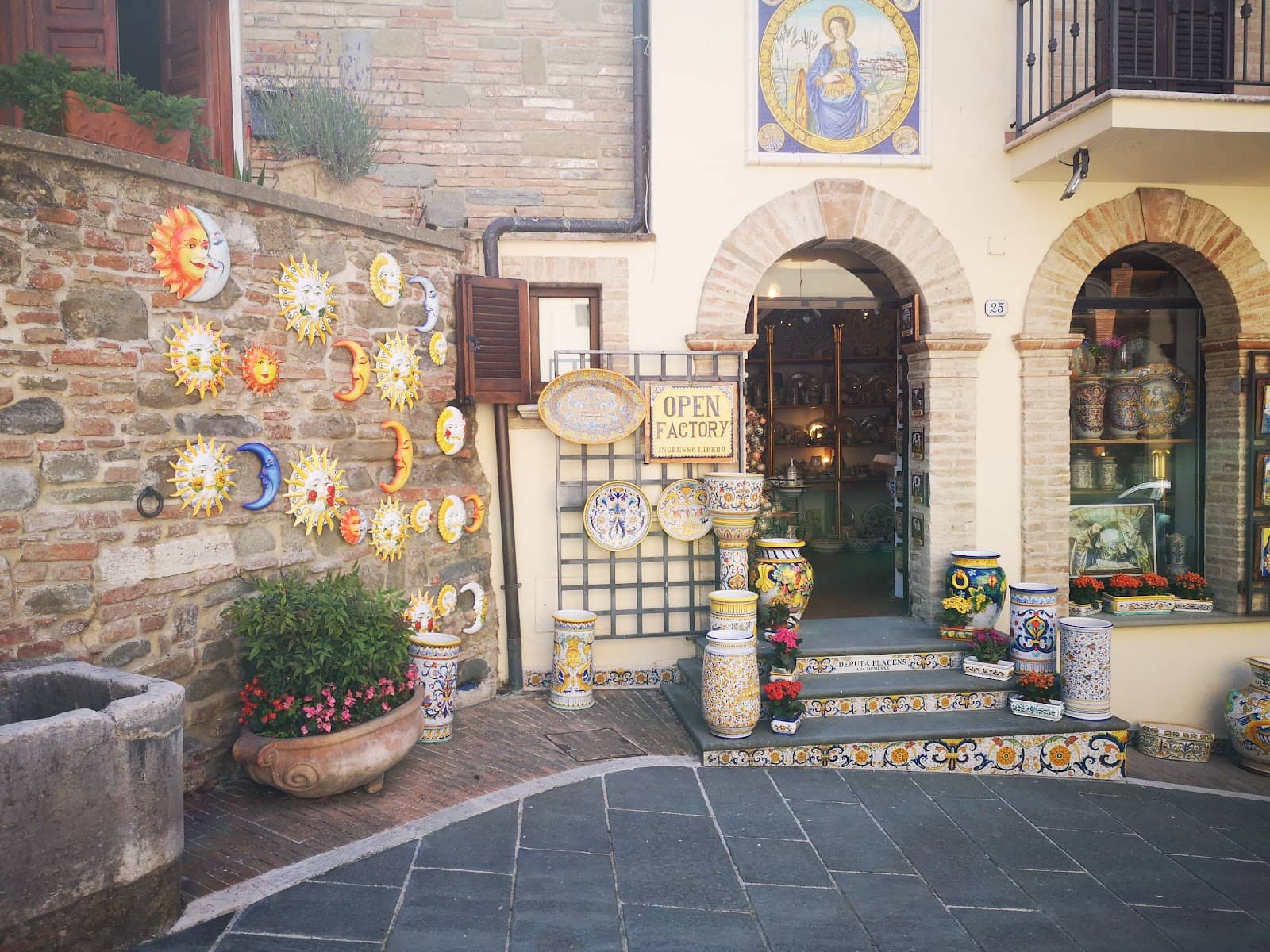
Deruta, Italy: A historic village renowned for its exquisite hand-painted maiolica ceramics, offering a glimpse into centuries of artisan tradition.
Highlights
Must-see attractions

Social
From TikTok & Reddit
Best Time
Pleasant weather, fewer crowds
Deruta
Best Time
Pleasant weather, fewer crowds
Highlights
Must-see attractions
Deruta, Italy: A historic village renowned for its exquisite hand-painted maiolica ceramics, offering a glimpse into centuries of artisan tradition.
🎨 Shop Smart for Ceramics
Look for 'Made in Deruta' labels to ensure authenticity. Many shops offer shipping worldwide.
👟 Wander the Cobblestone Streets
Wear comfortable shoes for exploring the charming, hilly streets and discovering hidden ceramic gems.
Quick Facts
Highlights
Discover the most iconic attractions and experiences
Artisan Ceramic Workshops
Various workshops throughout Deruta
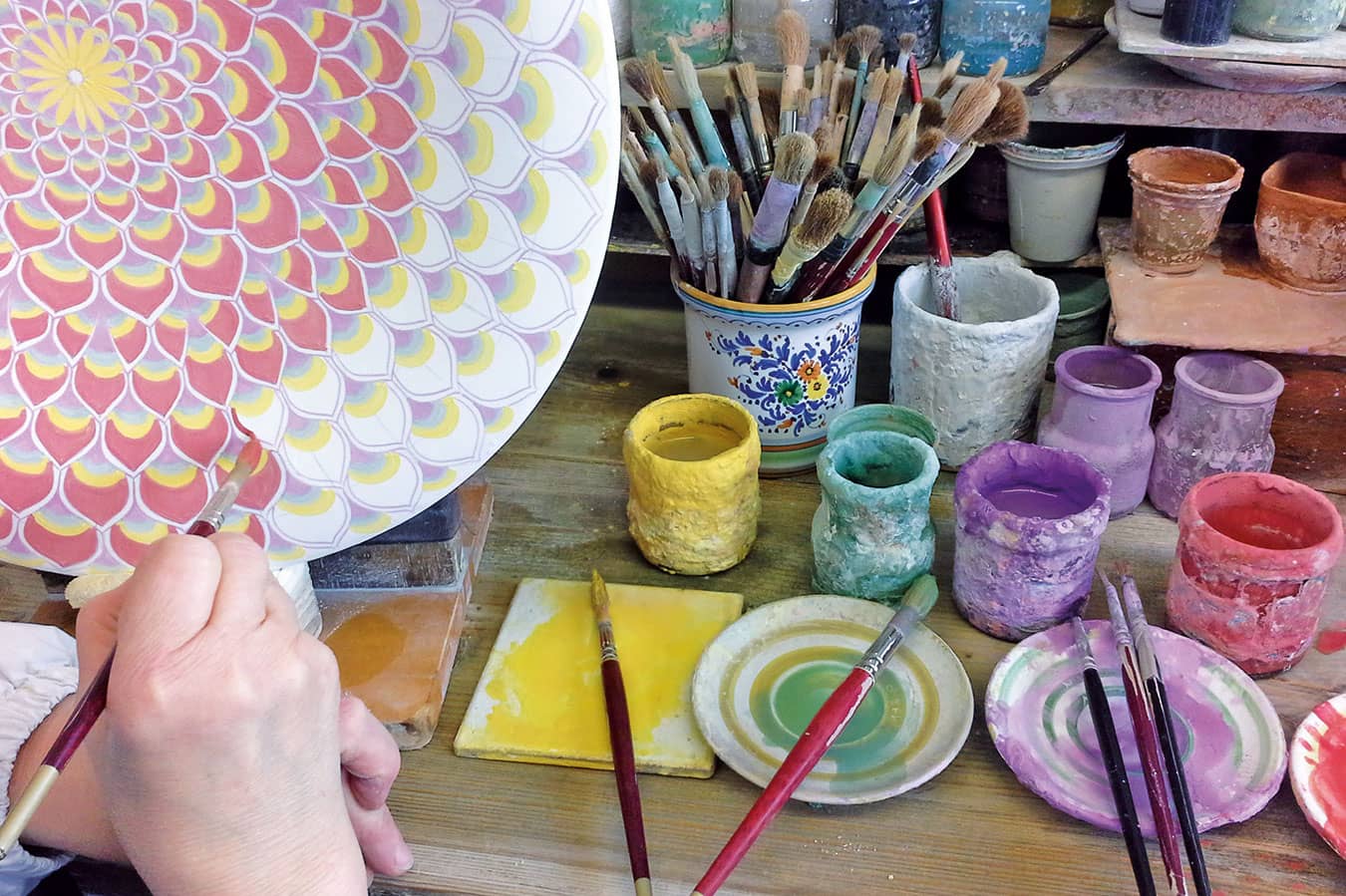
Witness master artisans hand-paint intricate patterns on beautiful maiolica ceramics. A true taste of Deruta's legacy.
Museo Regionale della Ceramica
Palazzo dei Consoli
Explore centuries of Deruta's ceramic artistry, from ancient maiolica to contemporary designs. A must-see for pottery enthusiasts.
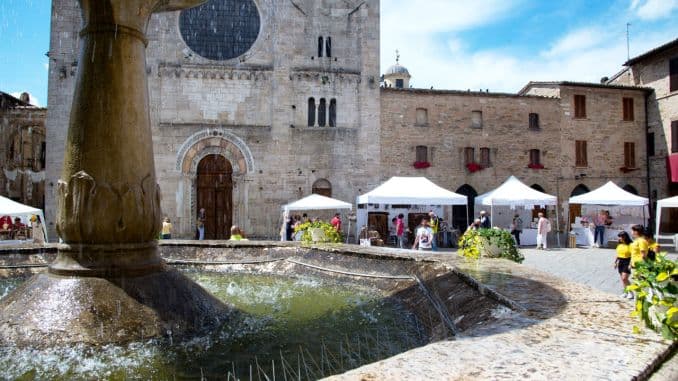
Piazza dei Consoli
Main square
The heart of Deruta, perfect for enjoying a coffee and people-watching amidst stunning architecture. Soak in the village charm.
Plans like a pro.
Thinks like you
Planning Your Visit
Discover Deruta's Ceramic Heart
Embrace the Umbrian Pace
Best Times
Insider Tips
from TikTok, Instagram & Reddit
🎨 Shop Smart for Ceramics
Look for 'Made in Deruta' labels to ensure authenticity. Many shops offer shipping worldwide.
👟 Wander the Cobblestone Streets
Wear comfortable shoes for exploring the charming, hilly streets and discovering hidden ceramic gems.
☕ Savor Local Flavors
Enjoy Umbrian specialties at local trattorias. Don't miss the chance to try regional wines.
📸 Capture the Details
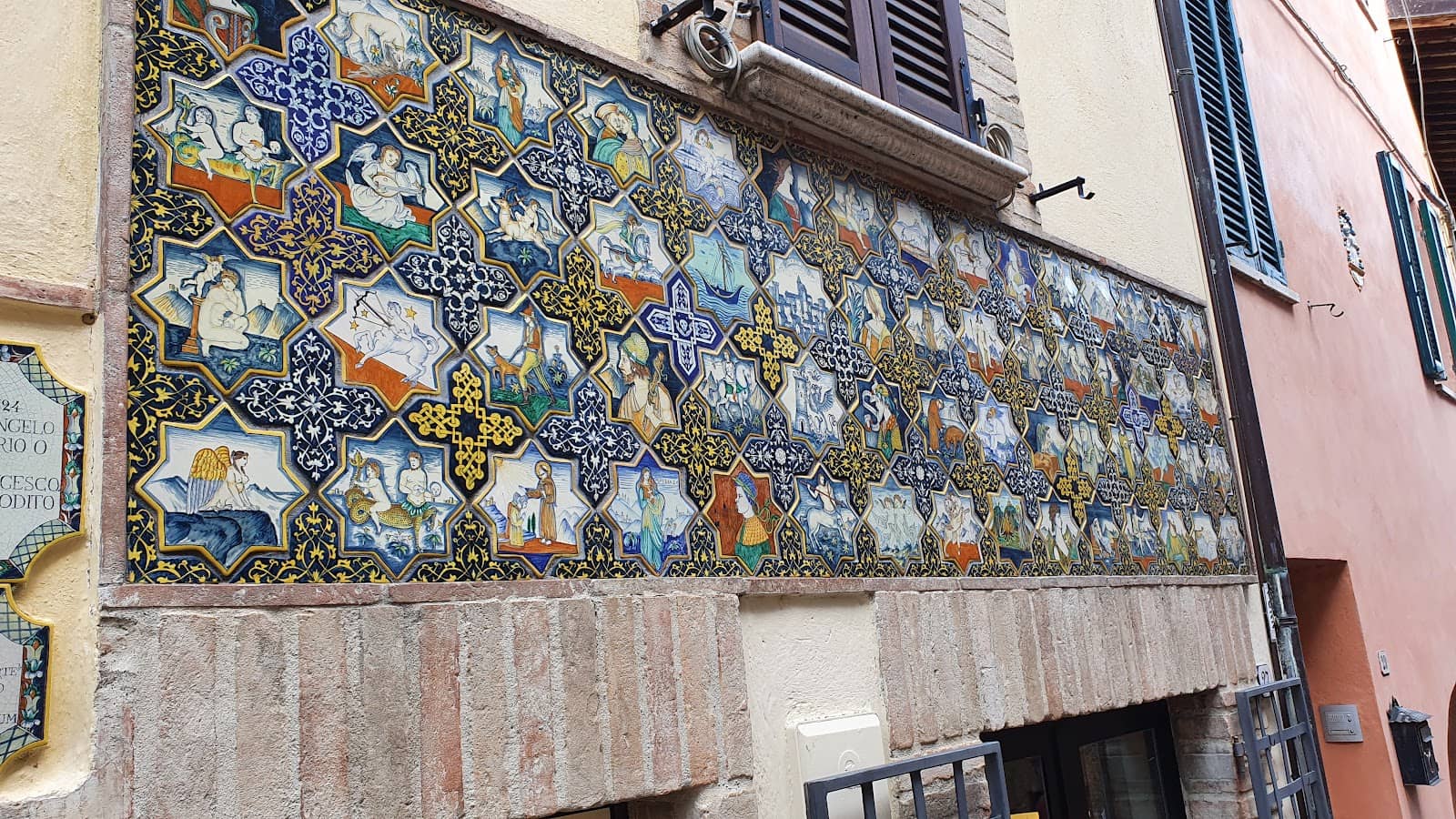
Deruta's intricate pottery patterns and village architecture make for stunning photos.
Tips
from all over the internet
🎨 Shop Smart for Ceramics
Look for 'Made in Deruta' labels to ensure authenticity. Many shops offer shipping worldwide.
👟 Wander the Cobblestone Streets
Wear comfortable shoes for exploring the charming, hilly streets and discovering hidden ceramic gems.
☕ Savor Local Flavors
Enjoy Umbrian specialties at local trattorias. Don't miss the chance to try regional wines.
📸 Capture the Details
Deruta's intricate pottery patterns and village architecture make for stunning photos.
What Travellers Say
Reviews Summary
Visitors rave about Deruta's authentic charm and its unparalleled ceramic artistry. The village is celebrated for its skilled artisans, beautiful pottery, and picturesque setting. While some find it a bit quiet, most appreciate the peaceful atmosphere and the opportunity to witness a living craft tradition firsthand.
What People Like
What People Dislike
Frequently Asked Questions
🚇 🗺️ Getting There
The easiest way to reach Deruta from Perugia is by car, taking approximately 30-40 minutes. Alternatively, you can take a regional bus service, which is a more budget-friendly option but may take longer. Check local bus schedules for exact timings.
While Deruta is accessible by bus from larger Umbrian cities like Perugia, having a car offers more flexibility to explore the surrounding region and visit various ceramic workshops scattered around.
Deruta is a small, walkable village. Most attractions, shops, and restaurants are within easy walking distance once you arrive. Comfortable shoes are a must for navigating the charming, sometimes steep, cobblestone streets.
Yes, there are several parking areas available in Deruta, particularly near the main entrances to the historic center. Some street parking may also be available, but it can be limited during busy periods.
Yes, Deruta can be visited as a day trip from Rome, though it will be a long day. It's best to rent a car for this, as public transport options would be very time-consuming. Alternatively, consider an overnight stay to fully appreciate the region.
🎫 🎫 Tickets & Entry
No, Deruta is a public village, and there is no general admission fee to enter. You can freely wander its streets and admire the architecture.
Most ceramic workshops in Deruta are free to enter and browse. Some may offer guided tours or demonstrations for a small fee, which is highly recommended to understand the craft.
The Museo Regionale della Ceramica typically opens in the morning and closes in the late afternoon. It's advisable to check the official museum website or contact them directly for the most up-to-date opening hours, as these can vary seasonally.
Yes, there is usually a modest admission fee to enter the Museo Regionale della Ceramica. This fee contributes to the preservation and exhibition of the valuable ceramic collections.
Absolutely! Purchasing directly from the artisan workshops is a fantastic way to support local craftspeople and acquire authentic Deruta pottery. Many workshops also offer international shipping.
🎫 🏺 Deruta Pottery & Shopping
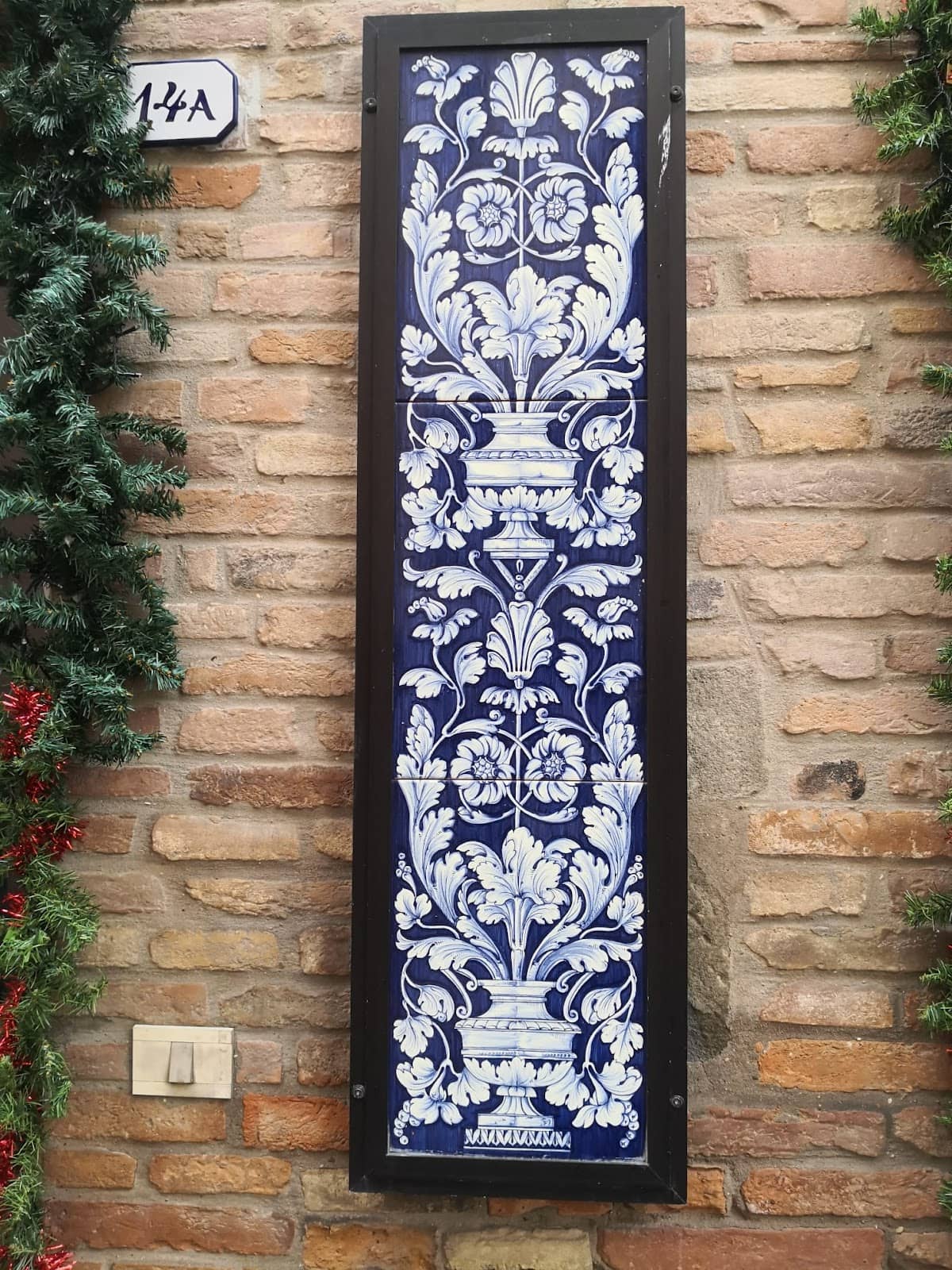
The most iconic Deruta pottery patterns include the 'Raffaellesco' (inspired by Raphael's grotesques), 'Ricco Deruta' (a vibrant, traditional floral design), and 'Arabesco' (an intricate, often blue and white, geometric pattern).
The best place to buy authentic Deruta Italian pottery is directly from the numerous artisan workshops and studios located throughout the village. Look for shops displaying the 'Ceramica Artistica Deruta' mark.
'Raffaellesco' is a highly recognizable Deruta pottery pattern featuring mythical creatures, dragons, and floral motifs, often in vibrant blues, yellows, and greens. It's inspired by Renaissance grotesques.
While Deruta is known for high-quality artisan work, some larger ceramic factories might have outlet sections or offer slightly more budget-friendly options. However, the true charm lies in purchasing directly from the studios.
When buying Deruta plates, check for hand-painted details, the quality of the glaze, and the authenticity mark. Consider the specific pattern you prefer, such as 'Ricco Deruta' or 'Raffaellesco', and the intended use (decorative vs. functional).
🍽️ 🍽️ Food & Dining
In Deruta, savor Umbrian specialties like 'strangozzi' or 'umbricelli' pasta, wild boar dishes ('cinghiale'), truffles, and local legumes. Don't forget to try the regional olive oil and wines.
Yes, Deruta offers several trattorias and restaurants serving authentic Umbrian cuisine. Look for places that emphasize fresh, local ingredients for the most traditional experience.
Meal prices in Deruta can vary. A casual meal at a trattoria might cost €15-€25 per person, while a more upscale dining experience could range from €30-€50 or more, excluding drinks.
While traditional Umbrian cuisine is meat-heavy, most restaurants can accommodate vegetarian requests, especially with pasta dishes and vegetable sides. Vegan options might require specific requests, but are increasingly available.
While Deruta is primarily known for ceramics, you can usually find a 'gelateria' in or near the main piazza offering delicious Italian gelato. Ask locals for their favorite spot!
📸 📸 Photography
Capture the vibrant ceramic details on buildings, the picturesque Piazza dei Consoli, and the panoramic views from higher points in the village. Don't miss the intricate patterns within the ceramic workshops.
Generally, it's acceptable to take photos inside ceramic workshops, especially of the artisans at work and their creations. However, it's always polite to ask for permission before taking close-ups of specific pieces or individuals.
The 'golden hours' – early morning and late afternoon – offer beautiful soft light for photographing Deruta's charming streets and ceramic details. Midday sun can be harsh.
The 'Raffaellesco' pattern, with its detailed mythical creatures, and the vibrant 'Ricco Deruta' floral designs are particularly photogenic. The rich blues and yellows of many Deruta ceramics also pop beautifully in photos.
A versatile lens (like a 24-70mm equivalent) is great for capturing both village scenes and close-ups of pottery. A wide-angle lens can be useful for the piazzas, and a prime lens can be good for low-light shots inside workshops.

Social
from TikTok, Instagram & Reddit