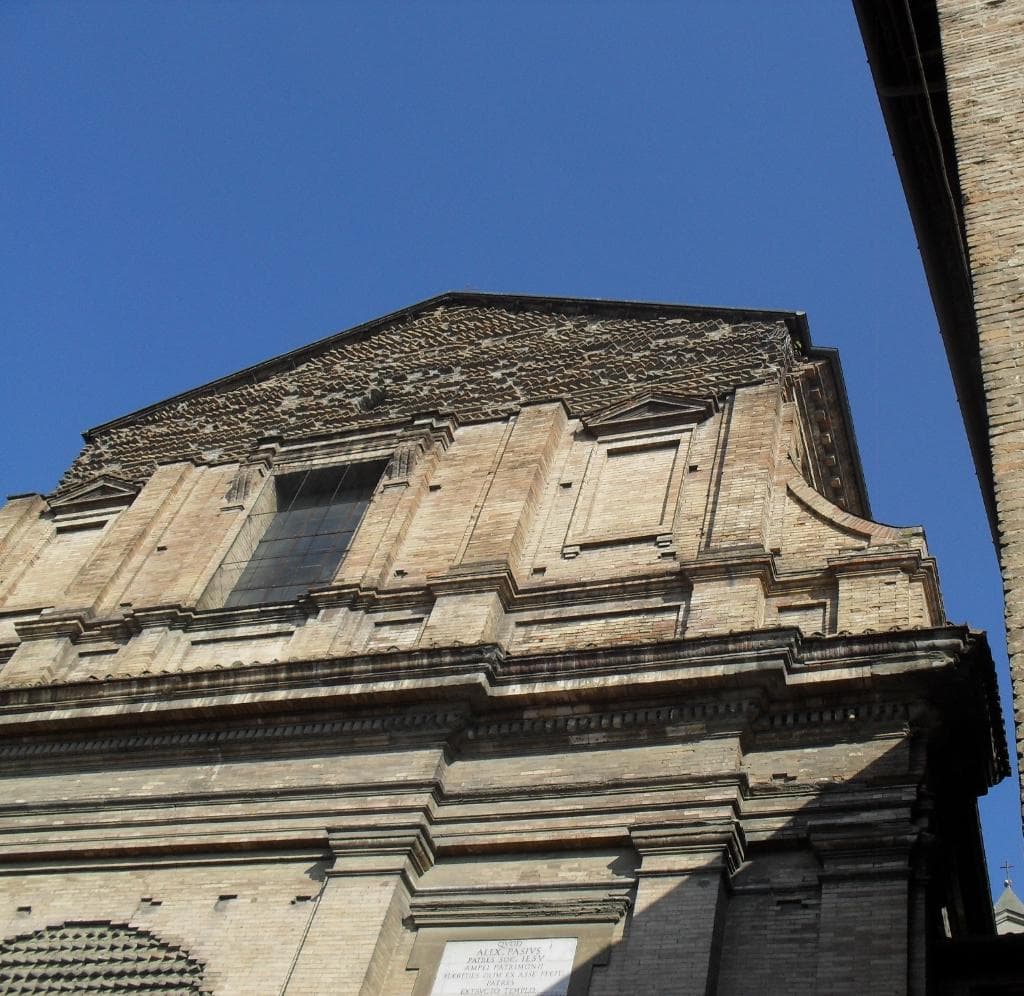
Chiesa di Santa Maria dell'Angelo exhibition space
A historic Baroque church transformed into a stunning exhibition space, showcasing art amidst architectural grandeur.
Highlights
Must-see attractions

Social
From TikTok & Reddit
Best Time
Fewer crowds, more serene viewing
Chiesa di Santa Maria dell'Angelo exhibition space
Best Time
Fewer crowds, more serene viewing
Highlights
Must-see attractions
A historic Baroque church transformed into a stunning exhibition space, showcasing art amidst architectural grandeur.
"An extraordinary architectural and exhibition space, where art and history beautifully intertwine."

Check Exhibition Schedule
Always verify current exhibitions and opening hours before your visit. :calendar:
Appreciate the Architecture
Take time to admire the historic Baroque design, even the unfinished elements add character. :building_gingerbread:

Highlights
Discover the most iconic attractions and experiences
Baroque Architecture
Entire Church
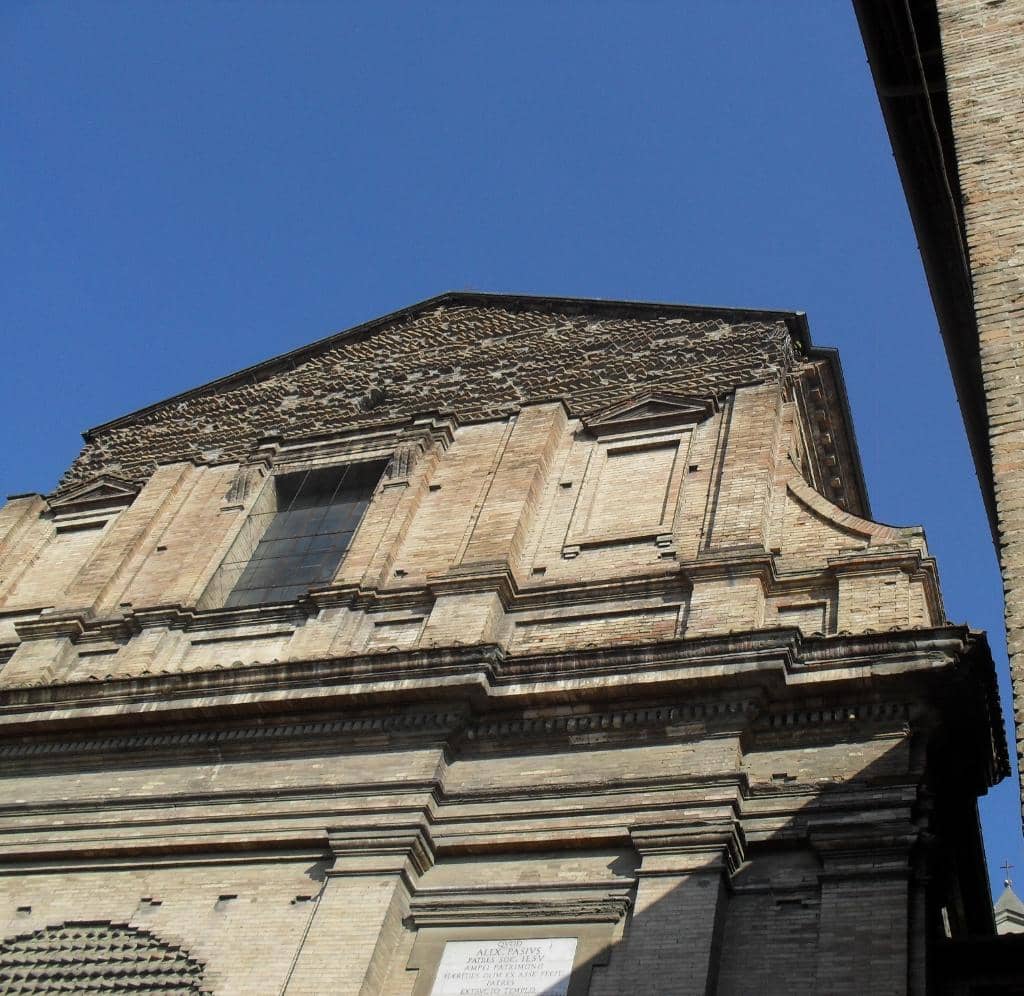
Marvel at the grandeur of Faenza's first Baroque church, a masterpiece of Jesuit design with a striking dome.
Borromini's Altar
High Altar
Admire the unique lateral obelisks, a prime example of Borromini's influence in Faenza.
Rotating Art Exhibitions
Main Exhibition Hall
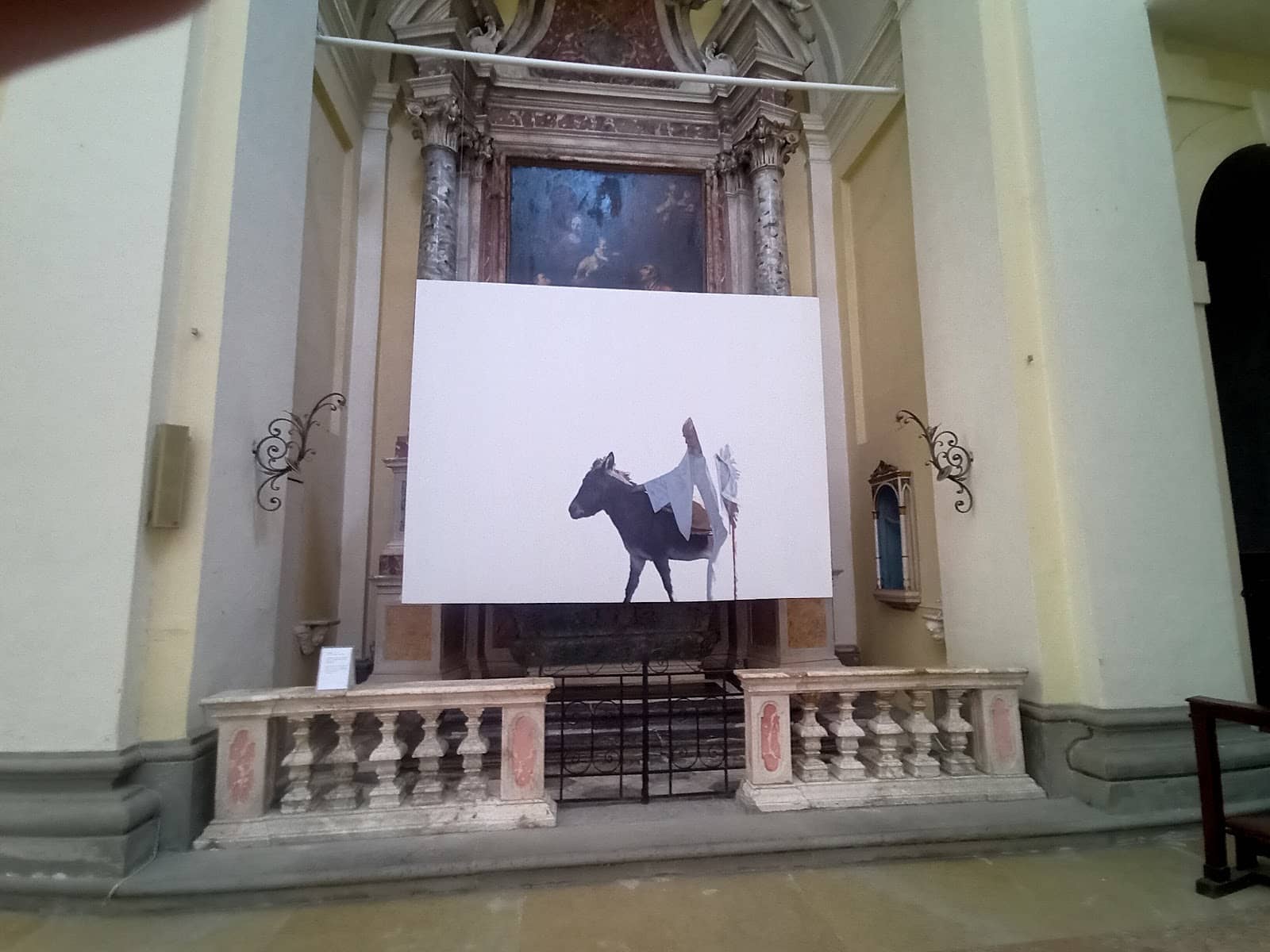
Experience diverse and elegant art showcases, featuring contemporary artists like Elvis Spadoni and Enrico Versari.
Plans like a pro.
Thinks like you
Planning Your Visit
Timing Your Visit
Understanding the Space
Best Times
Insider Tips
from TikTok, Instagram & Reddit
Check Exhibition Schedule
Always verify current exhibitions and opening hours before your visit. :calendar:
Appreciate the Architecture
Take time to admire the historic Baroque design, even the unfinished elements add character. :building_gingerbread:
Look for Special Events
The space sometimes hosts art evenings and cultural events. :microphone:
Tips
from all over the internet
Check Exhibition Schedule
Always verify current exhibitions and opening hours before your visit. :calendar:
Appreciate the Architecture
Take time to admire the historic Baroque design, even the unfinished elements add character. :building_gingerbread:
Look for Special Events
The space sometimes hosts art evenings and cultural events. :microphone:
What Travellers Say
Reviews Summary
Visitors praise the Chiesa di Santa Maria dell'Angelo as an extraordinary architectural and exhibition space, highlighting the elegance of current art showcases and the grandeur of its Baroque design. The Borromini-influenced altar and the unique, sometimes unfinished, masonry are frequently mentioned as impressive features. While primarily an exhibition venue, its historical significance and artistic programming make it a noteworthy destination.
"An extraordinary architectural and exhibition space, currently a great showcase for the works of Elvis Spadoni and Enrico Versari. Works of great elegance and refined thought, where the unsaid becomes more powerful than the visible."
Rosanna La Spesa
"It was built by the Jesuits in 1621, with construction work beginning in the extremely challenging, lengthy period, hampered by numerous unforeseen events, such as the raising of the dome, for which, in 1646, Bolognese architect Ercole Fichi was hired, replacing the Roman architect Girolamo Rainaldi. Furthermore, the façade, still constructed of rough, serrated brick, was left unfinished in two sections, intended to have a tympanum at the top and one over the doors, respectively. Despite this, the masonry, with its chiaroscuro effects and elaborate moldings, is striking. Santa Maria dell'Angelo is the first example of Baroque in Faenza. The interior is grandiose, following the classic model of Jesuit churches (a single nave with side chapels, and a transept surmounted by an enormous dome). There are numerous works of art: apart from the 16th-century altarpiece on the high altar that gives the church its name but which was placed here only in 1778 and which remains by an unknown artist (the traditional attribution to the Faenza artist Sigismondo Foschi has been contested by many), of notable importance are the two lateral obelisks on the high altar, the very first example in Faenza of Borrominian style (and in fact the definitive version of the altar project, originally designed by Father Virgilio Spada, is by Borromini himself)."
Francesco Zaccarini
"A Baroque masterpiece, with Borromini's altar. Extremely important to the history of Faenza."
Francesco Zucchini
What People Like
What People Dislike
Frequently Asked Questions
🚇 🗺️ Getting There
The church is located in Faenza, Italy. It's generally accessible by walking if you are already in the city center. For those arriving from further afield, consider local buses or taxis from Faenza's train station. Parking might be limited in the immediate vicinity, so public transport is often recommended.
Yes, it's centrally located in Faenza. Look for its distinctive Baroque facade. It's a well-known landmark within the city.
🎫 🎫 Tickets & Entry
Entry requirements depend on the current exhibition. It's best to check the official website or contact the venue directly for specific ticket information and pricing for the art shows.
Opening hours vary based on the exhibition schedule. Always confirm the current operating times before planning your visit, as they can differ from typical church hours.
While the church has historical significance, entry for viewing the architecture might be free or have a nominal fee, especially when not hosting a ticketed exhibition. Check for specific details.
🎫 🏛️ Onsite Experience
The space hosts a variety of art exhibitions, often featuring contemporary artists. Reviews mention elegant and refined works, with recent showcases including artists like Elvis Spadoni and Enrico Versari.
Yes, the architectural elements are a significant part of the experience. Visitors can admire the Baroque design, including the dome and the unique altar, alongside the displayed art.
As a historic building, accessibility can vary. It's advisable to inquire directly with the venue about specific accessibility features for those with mobility challenges.
Photography policies often depend on the specific exhibition. It's best to look for signage or ask staff upon arrival to confirm if photos are permitted.
🍽️ 🍽️ Food & Dining
While the church itself is an exhibition space, Faenza's city center offers numerous restaurants and cafes. You can find quality products and kind service in nearby establishments, sometimes even accompanied by 'angelic music' according to one review!
The venue is primarily an exhibition space and a historic church. Dedicated dining facilities within the church itself are unlikely, but the surrounding area is rich with culinary options.
For Different Travelers
Tailored advice for your travel style
Art Enthusiasts
Pay close attention to the Borromini-influenced altar and the overall grandeur of the interior. The way the art interacts with the historical space is often a highlight, creating a dialogue between past and present. Reviews often praise the elegance and refinement of the displayed works.
History Buffs
Consider the building's evolution and its current role as an exhibition space. The blend of its original purpose and its modern function offers a unique perspective on how historical sites can be preserved and repurposed. The Diocesan Museum also utilizes this space, further cementing its cultural importance.
Deep Dives
In-depth insights and expert knowledge
Architectural Significance
The interior follows the classic Jesuit church model: a grand single nave with side chapels and a transept crowned by an immense dome. A key highlight is the high altar, featuring two lateral obelisks that represent the earliest instance of Borrominian style in Faenza. This design is a definitive version of a project originally conceived by Father Virgilio Spada, with the definitive plan attributed to Borromini himself. Despite its historical importance, the church is now primarily utilized as an exhibition space, blending its sacred past with contemporary artistic expression.
Visitors often remark on the grandiose interior and the striking visual impact of the architecture, even with its unfinished elements. The juxtaposition of historical religious structure with modern art creates a compelling atmosphere for exploration and appreciation.
Artistic Showcases
These exhibitions transform the historic church into a contemporary gallery, offering a unique backdrop for artistic display. The unsaid becoming more powerful than the visible is a recurring theme in visitor feedback, highlighting the profound impact of the art within this sacred setting. The space is also known to host art evenings and other cultural events, further enriching its role in Faenza's cultural landscape.
When planning a visit, it's crucial to check the current exhibition schedule as the displays are temporary. This ensures you can experience the specific art that draws visitors to this unique venue. The combination of historical architecture and cutting-edge art makes each visit a distinct experience.



Social
from TikTok, Instagram & Reddit