Oratorio di San Filippo Neri Faenza
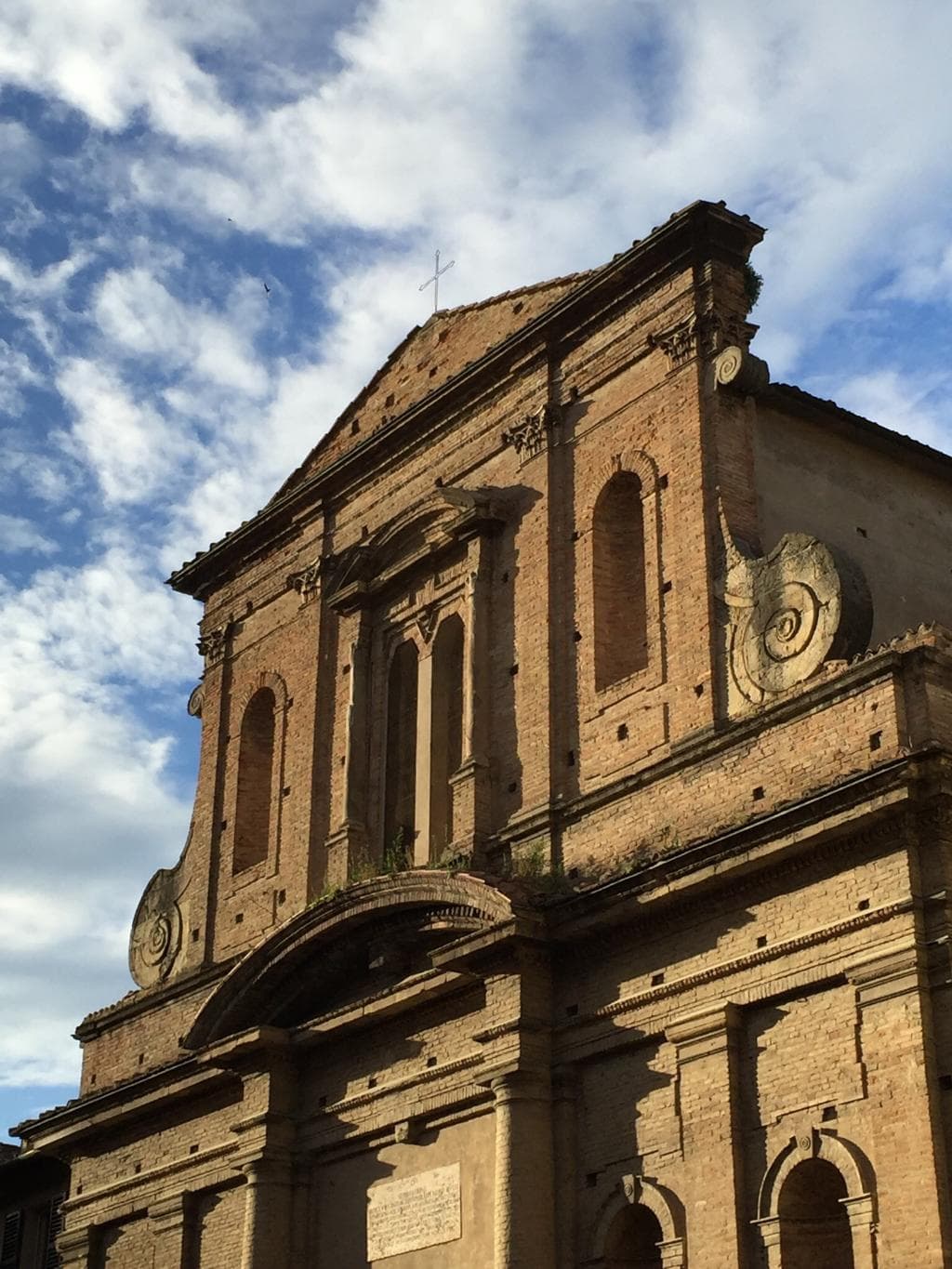
An extraordinary Baroque church in Faenza, known for its unique facade blending brick and stone, and housing significant art.

Highlights
Must-see attractions

Social
From TikTok & Reddit
Best Time
Main Mass time
Oratorio di San Filippo Neri Faenza
Best Time
Main Mass time
Highlights
Must-see attractions
An extraordinary Baroque church in Faenza, known for its unique facade blending brick and stone, and housing significant art.
"An extraordinary Baroque church, built between 1647 and 1667, with a facade unmatched in Faenza."
Check Mass Schedule
Mass is usually Saturday at 6 PM. Confirm times as they can change seasonally. 📅
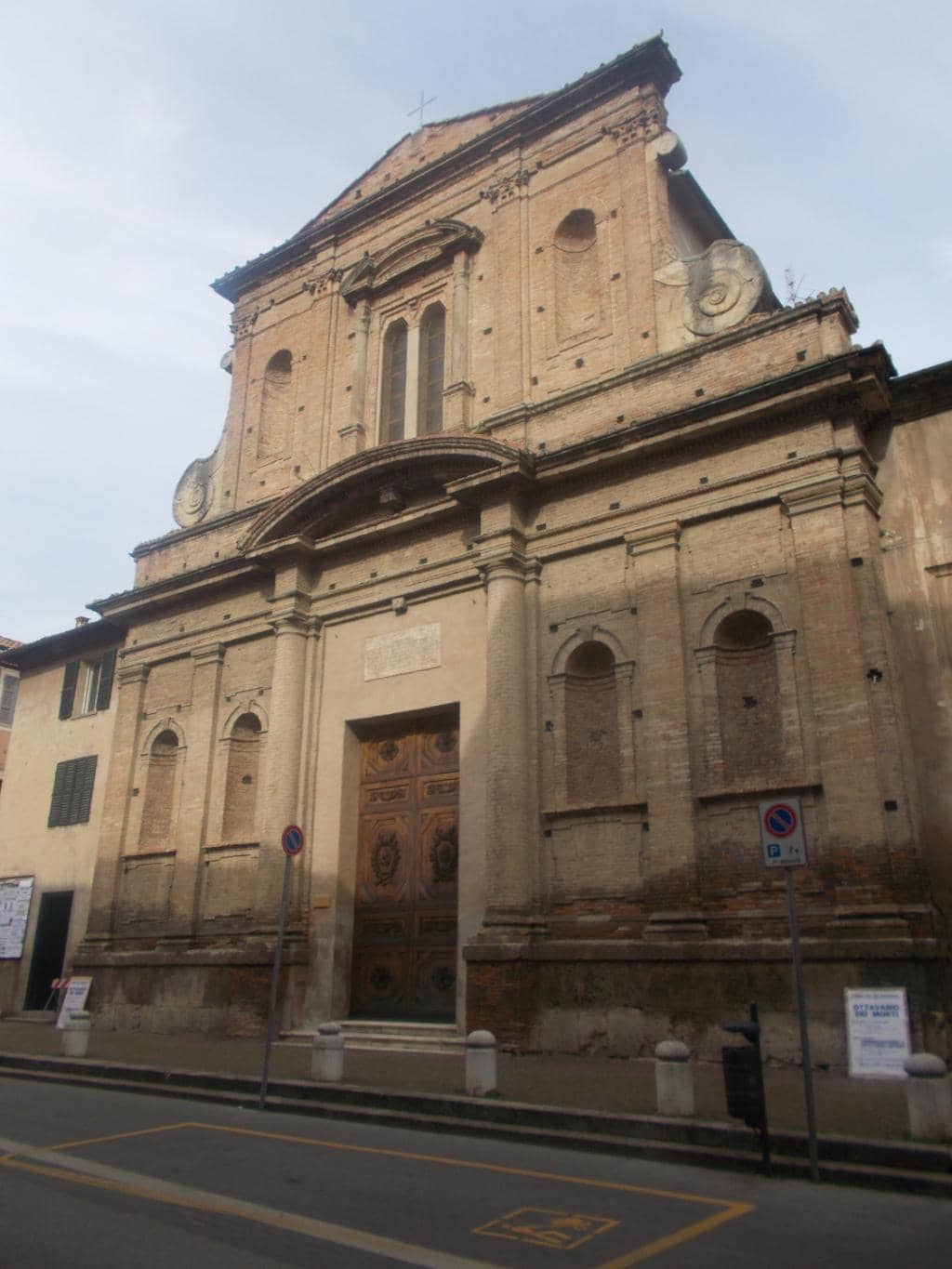
Appreciate the Facade
The exterior's brick and stone work is a highlight, especially the play of light and shadow. :camerawithflash:

Quick Facts
Rating
4.3 · 12 reviews
Type
Church
Highlights
Discover the most iconic attractions and experiences
Baroque Facade
A rich, textured surface with a dramatic chiaroscuro effect, blending brick and local limestone.
Intricate Oak Door
Carved with skulls and mortuary symbols, this oak door adds a unique, somber touch to the entrance.
Artistic Interior
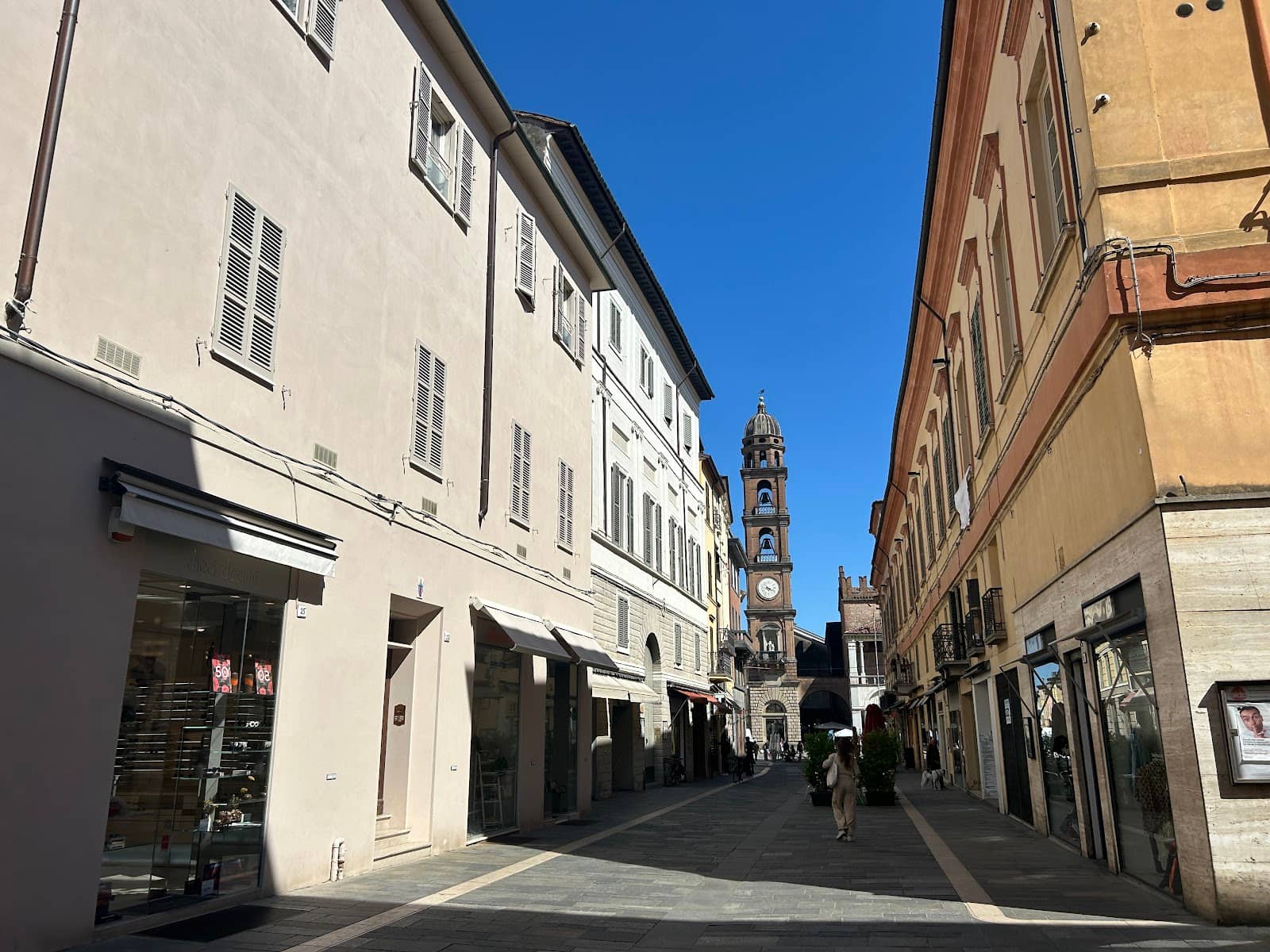
Features a 16th-century panel of 'The Incredulity of Saint Thomas' and a canvas by Giovanni Gottardi.
Plans like a pro.
Thinks like you
Planning Your Visit
Understanding Access
Architectural Gem
Best Times
Insider Tips
from TikTok, Instagram & Reddit
Check Mass Schedule
Mass is usually Saturday at 6 PM. Confirm times as they can change seasonally. 📅
Appreciate the Facade
The exterior's brick and stone work is a highlight, especially the play of light and shadow. :camerawithflash:
Respect Private Nature
Remember it's not a public parish; be mindful of its private status. 🙏
Tips
from all over the internet
Check Mass Schedule
Mass is usually Saturday at 6 PM. Confirm times as they can change seasonally. 📅
Appreciate the Facade
The exterior's brick and stone work is a highlight, especially the play of light and shadow. :camerawithflash:
Respect Private Nature
Remember it's not a public parish; be mindful of its private status. 🙏
What Travellers Say
Reviews Summary
Visitors praise the Oratorio's extraordinary Baroque architecture and unique facade, noting the striking interplay of brick and stone. While its private nature means limited access and infrequent opening hours, those who manage to visit find it a beautiful and historically significant site. The priest serving the church is also frequently mentioned as being special and available.
"It's not a parish, but the priest who serves it is truly special. He is always available to all the faithful who attend this church. Unfortunately, given the current situation, he can only celebrate one Holy Mass, on Saturday afternoon at 6:00 PM. It used to be celebrated on Sunday afternoons during the winter and at 9:00 PM on Sunday evenings during the summer.
Candlemas and San Biagio are also celebrated.
Masses can be celebrated for deceased loved ones."
Alessandra Pasini
"An extraordinary Baroque church, built between 1647 and 1667 for the Carmelite Order, designed by Fra Pellegrino Donato, on the site of the pre-existing church of San Tomaso. Just seven years after its inauguration, the Carmelites moved to the church of Carmine on Via Bondiolo, and their church was purchased by the Ferniani counts, who dedicated it to Saint Philip Neri. When the order was suppressed in 1777, the building was entrusted to the Congregation of the Souls in Purgatory, or Congregation of the Suffrage.
The façade features a rich yet highly textured surface, punctuated by solids and voids: niches alternate with cornices, moldings, and pilasters, creating a chiaroscuro effect unmatched in Faenza. Equally pleasing is the coexistence of brick and stone: the brick is predominant but does not detract from the beauty of the base, made of local arenaceous limestone (spungone), the lateral volutes in the upper part of the façade (the same material), and the sandstone columns framing the mullioned window at the top.
It is known that for the base, the Carmelite Fathers obtained permission to use blocks from the Roman Quadrone bridge (over the Lamone, roughly at the height of today's Via Santa Croce), which had been ruined and impassable for centuries. Also noteworthy is the oak door, with carvings and applications sculpted in the shape of skulls and other mortuary symbols.
The interior contains several important works of art, starting with the 16th-century panel depicting the Incredulity of Saint Thomas, originally from the old church and now attributed with some doubt to Sigismondo Foschi, a rare painter from Faenza who trained in Florence with Fra Bartolomeo and Andrea del Sarto.
Also worth seeing is the canvas of "Saint Anthony Rebuking Ezzelino da Romano" (first altar on the right), dated 1770 and signed by Giovanni Gottardi of Faenza. However, some critics denied the authorship of the work, attributing it instead to Cristoforo Unterberger of Atesina, who actually collaborated with Gottardi in Rome. This gave rise to a series of doubts and controversies, only recently clarified by Anna Tambini, who has re-evaluated Gottardi's work."
Francesco Zaccarini
"It's a shame it's always closed but on the other hand it's private so....."
Laura Mazzoni
What People Like
What People Dislike
Frequently Asked Questions
🚇 🗺️ Getting There
The Oratorio is located within Faenza. Public transport options within the city are limited, so walking or a short taxi ride from the city center is recommended. Parking may be challenging in the immediate vicinity due to its central location.
Parking near the Oratorio can be difficult as it's in a central area. It's best to look for public parking lots a short walk away or consider public transport to reach the general vicinity.
🎫 🎫 Tickets & Entry
As it's a private church, there are no formal tickets. Entry is typically for Mass or by special arrangement. It's often closed outside of services.
The Oratorio is not consistently open to the public. It primarily opens for its Saturday evening Mass at 6:00 PM. Special events may have different hours.
Generally, no. The church is private and often closed outside of scheduled services. Visitors are advised to check for any specific event schedules.
🎫 🏛️ Onsite Experience
The Oratorio is an extraordinary example of Baroque architecture, built between 1647 and 1667. Its facade is known for its rich texture and interplay of brick and local limestone, creating a striking chiaroscuro effect.
Inside, you can find a 16th-century panel depicting 'The Incredulity of Saint Thomas' and a canvas by Giovanni Gottardi titled 'Saint Anthony Rebuking Ezzelino da Romano'.
The facade offers excellent opportunities for architectural photography due to its unique design and material contrast. Interior photography may be restricted, especially during services.
The oak door is notable for its carvings and applications shaped like skulls and other mortuary symbols, adding a distinctive element to the entrance.
🍽️ 🍽️ Food & Dining
Yes, being in the heart of Faenza, there are numerous restaurants, cafes, and trattorias within walking distance offering local Emilia-Romagna cuisine.


Social
from TikTok, Instagram & Reddit