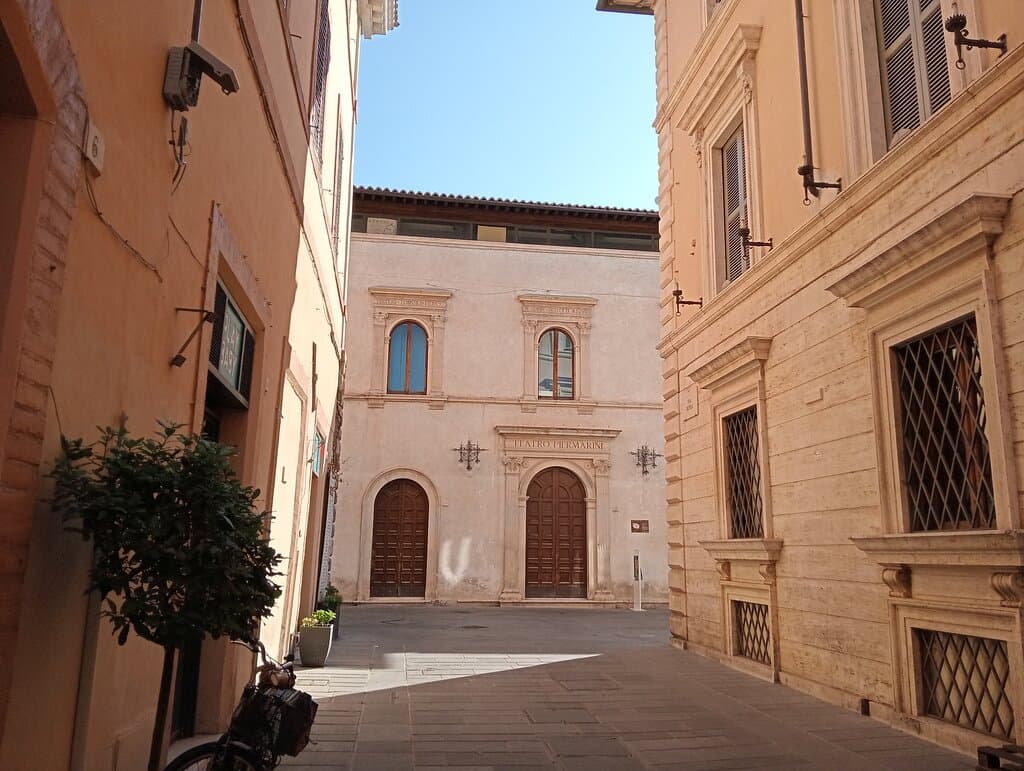
Teatro Comunale G. Piermarini
A historic 19th-century theater, now a cultural center, famed for its resilient facade and role in local festivals.
Highlights
Must-see attractions

Social
From TikTok & Reddit
Best Time
Vibrant atmosphere & info point
Teatro Comunale G. Piermarini
Best Time
Vibrant atmosphere & info point
Highlights
Must-see attractions
A historic 19th-century theater, now a cultural center, famed for its resilient facade and role in local festivals.
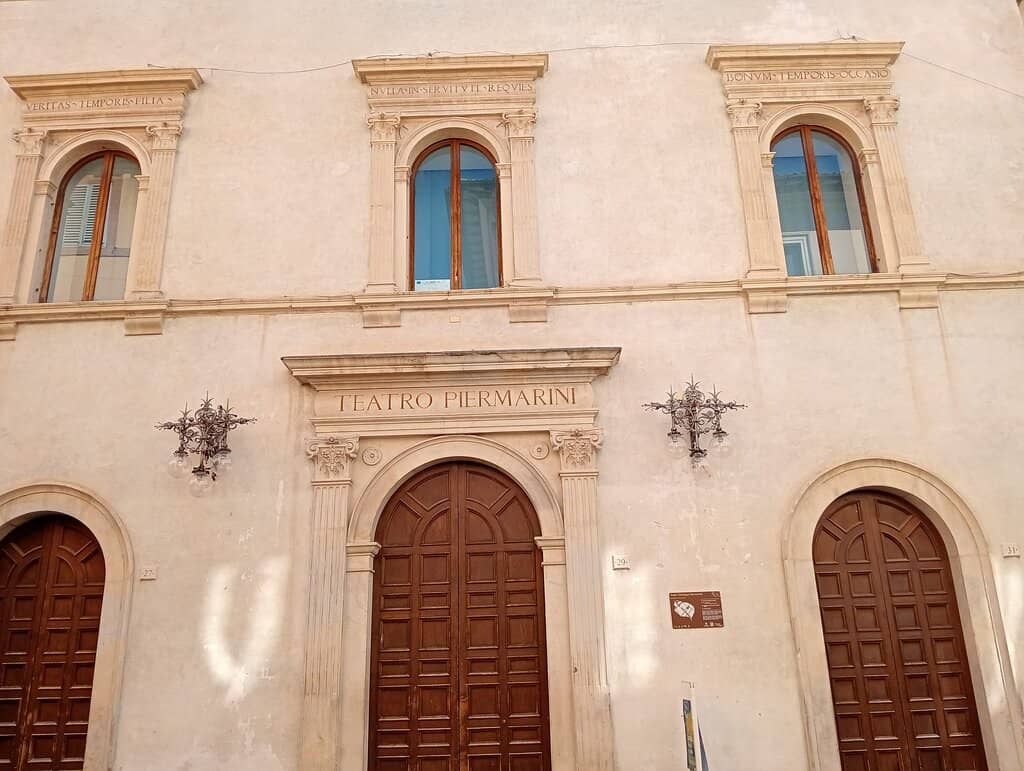
"The restored facade is a beautiful, well-maintained gem, a testament to its ancient splendor."
🎭 Check for Events
It's now a cultural center, so check for exhibitions or conferences before visiting.
🧣 Quintana Souvenirs
During Quintana, grab district scarves and event tickets at the foyer info point.
Quick Facts
Rating
4.3 · 39 reviews
Type
Performing Arts Theater
Highlights
Discover the most iconic attractions and experiences
Restored Facade
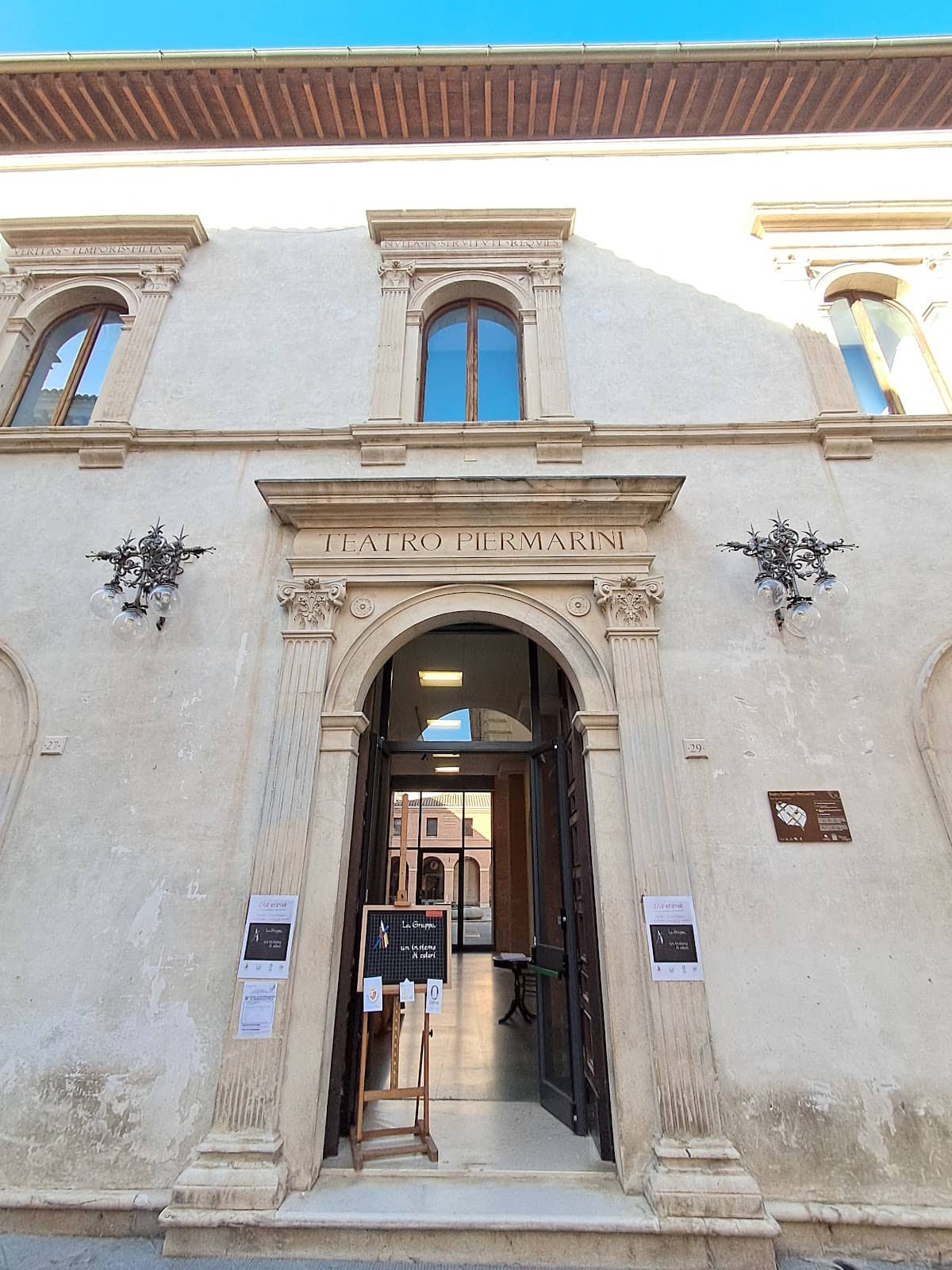
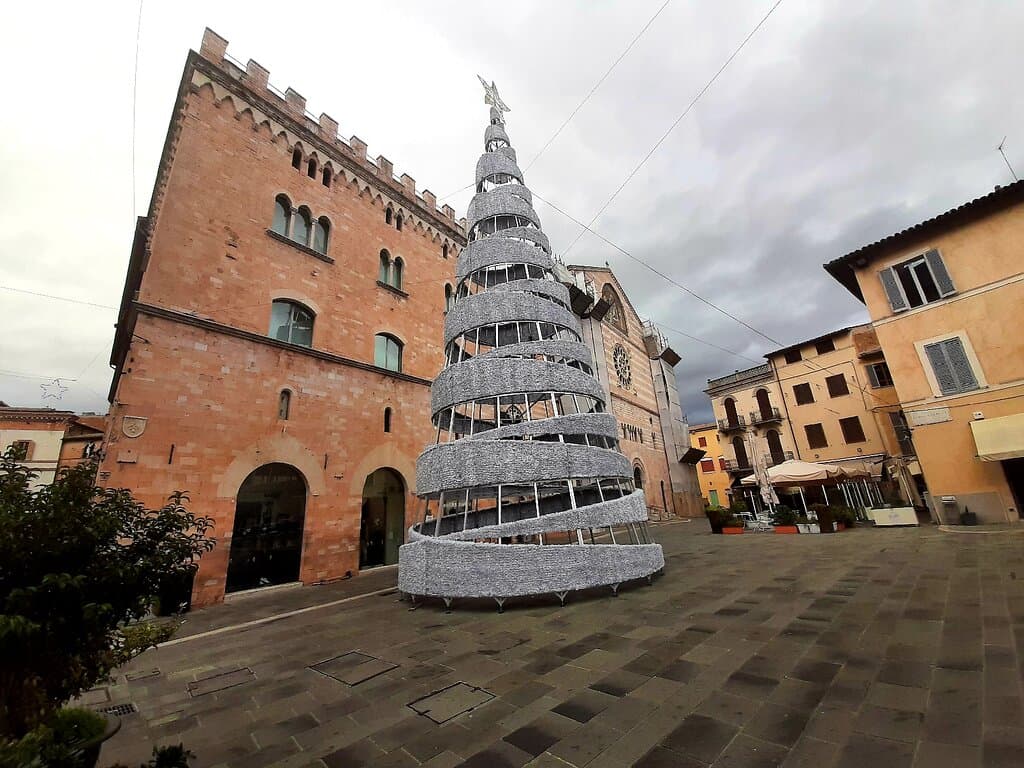
A beautifully maintained testament to its former splendor, this facade is a true gem on the main street.
Quintana Festival Hub
Foyer
During Quintana, the foyer becomes a lively info point with ticket sales and district scarves.
Plans like a pro.
Thinks like you
Planning Your Visit
A Glimpse into History
Beyond the Stage
Best Times
Insider Tips
from TikTok, Instagram & Reddit
🎭 Check for Events
It's now a cultural center, so check for exhibitions or conferences before visiting.
🧣 Quintana Souvenirs
During Quintana, grab district scarves and event tickets at the foyer info point.
📸 Admire the Facade
The restored facade is a highlight, especially from Corso Cavour.
Tips
from all over the internet
🎭 Check for Events
It's now a cultural center, so check for exhibitions or conferences before visiting.
🧣 Quintana Souvenirs
During Quintana, grab district scarves and event tickets at the foyer info point.
📸 Admire the Facade
The restored facade is a highlight, especially from Corso Cavour.
What Travellers Say
Reviews Summary
Visitors appreciate the beautifully restored facade of the Teatro Comunale G. Piermarini, a historical gem on the main street. Its role as a cultural center for exhibitions and its transformation into a vibrant information hub during the Quintana festival are also highlighted positively. Some find the interior exhibition space a bit small and bare.
"Ex.
The old Palazzo Gregori was converted into the Teatro Apollo, now called the Piermarini Theater. It was built in the early 19th century to a design by architect Pietro Ghinelli. It had 478 seats and was inaugurated in 1827, but in 1869 and 1891 it passed to the municipality, at the behest of King Umberto I, who was staying in the city. During the bombings of World War II, it suffered serious damage, with only the façade and foyer surviving. The building was renovated and is now used as an exhibition hall."
ROBERTO RIVIECCIO
"Very interesting...it was once called the "Apollo Theater."
The famous Giuseppe Piermarini Theater was inaugurated in 1827.
Destroyed and damaged by bombing, today it no longer serves as a theater but as a cultural center...open for conferences, exhibitions, and much more.
The façade along Corso Cavour is particularly beautiful; it has been restored and truly well-maintained, a little gem...it remains a testament to its ancient splendor."
Giampiero Bianchini
"During the Quintana period the foyer of this theater serves as an information point and ticket office.
The God Mars is exhibited and you can buy scarves of the 10 districts.
The staff is very friendly so much so that I got two tickets for the Quintana in September. A beautiful experience!"
Gabriele Cazzoli
What People Like
What People Dislike
Frequently Asked Questions
🚇 🗺️ Getting There
The theater is centrally located on Corso Cavour, making it easily accessible by foot if you're in the city center. Public transport options will depend on your starting point within the city.
Parking in the city center can be challenging. Look for public parking garages or street parking, but be prepared for limited availability, especially during peak times or events.
🎫 🎫 Tickets & Entry
Entry to the building itself for general viewing might be free, but specific exhibitions or events will likely require tickets. During the Quintana festival, the foyer serves as a ticket office for the event.
As it's now a cultural center, opening hours can vary depending on scheduled exhibitions or events. It's best to check the local tourism website or the venue's official channels for current information.
Yes, especially during the Quintana festival, the foyer acts as an information and ticket point. For other events, check local ticketing platforms or the venue's announcements.
🎫 🏛️ Onsite Experience
You can admire the restored facade, visit exhibitions held within the cultural center, and during the Quintana festival, experience the lively foyer which acts as an information and ticket hub.
No, the building no longer functions as a traditional theater. It has been converted into a cultural center for exhibitions, conferences, and other events.
During the Quintana festival, the theater's foyer becomes a central point for visitors, offering essential information, tickets, and merchandise related to the historical reenactment.
Reviews suggest the exhibition space is on the smaller side and can feel a bit bare, with a conference room that is not large and may lack extensive technical equipment.
📸 📸 Photography
The restored facade along Corso Cavour is a primary photo opportunity, showcasing its historical charm. The foyer can also be interesting, especially during events like Quintana.
Early morning or late afternoon light can be beautiful for capturing the facade. Check for any specific lighting during evening events if you're visiting during a festival.

Social
from TikTok, Instagram & Reddit