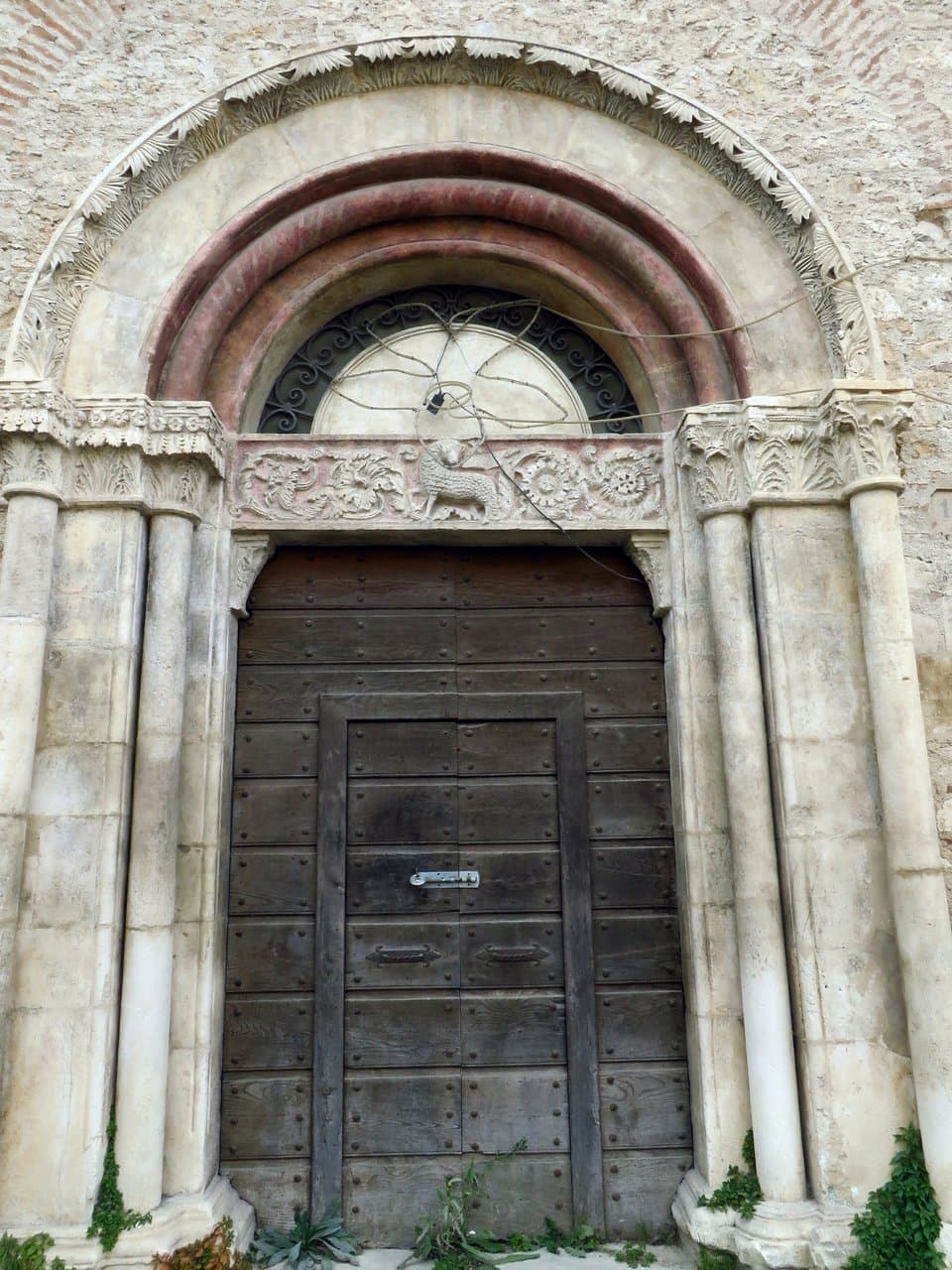
Santa Maria di Paganica
A historic church and district in L'Aquila, symbolizing resilience and medieval Abruzzo heritage, now part of a vibrant cultural hub.
Highlights
Must-see attractions

Social
From TikTok & Reddit
Best Time
Fewer crowds, peaceful atmosphere
Santa Maria di Paganica
Best Time
Fewer crowds, peaceful atmosphere
Highlights
Must-see attractions
A historic church and district in L'Aquila, symbolizing resilience and medieval Abruzzo heritage, now part of a vibrant cultural hub.
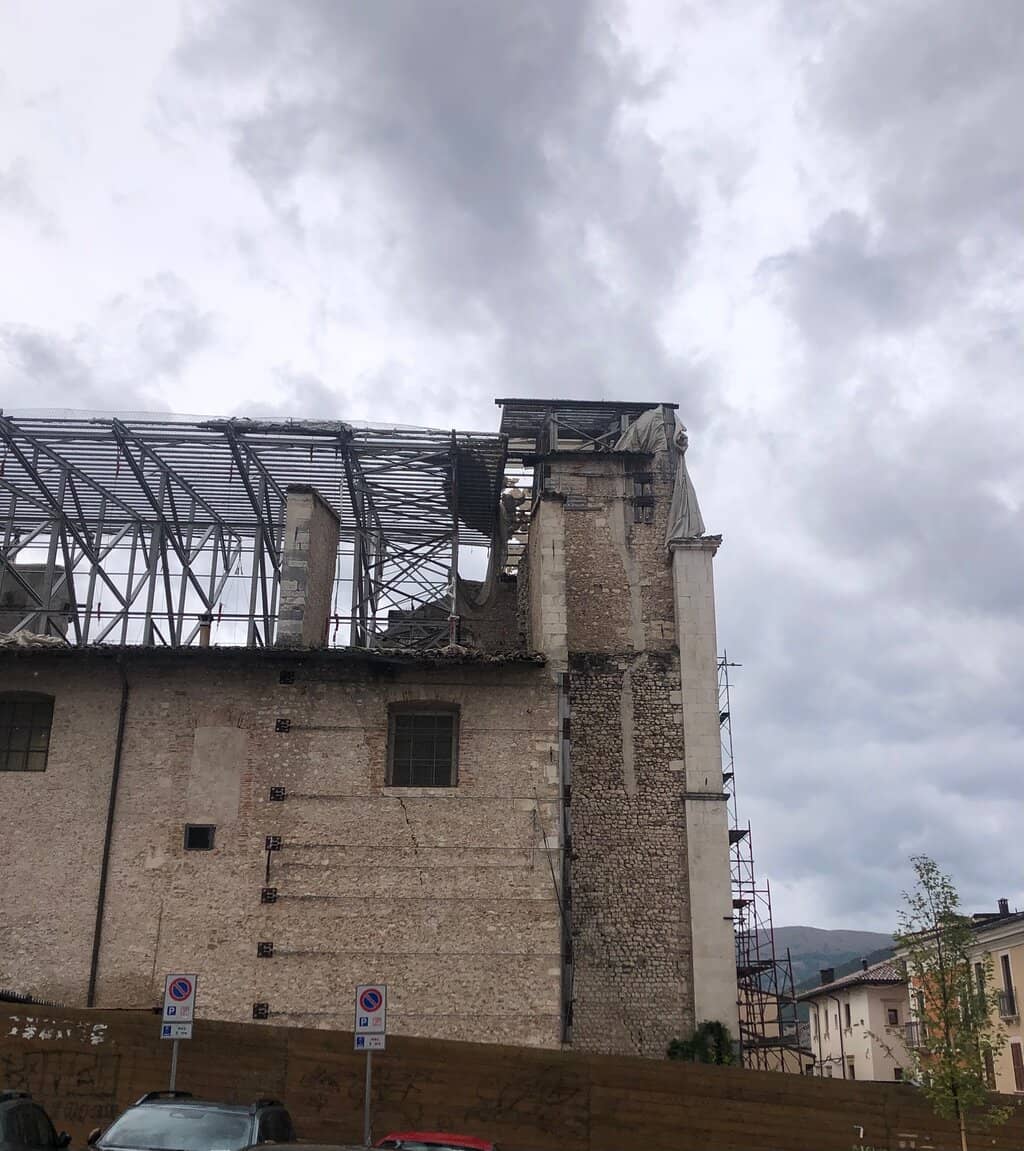
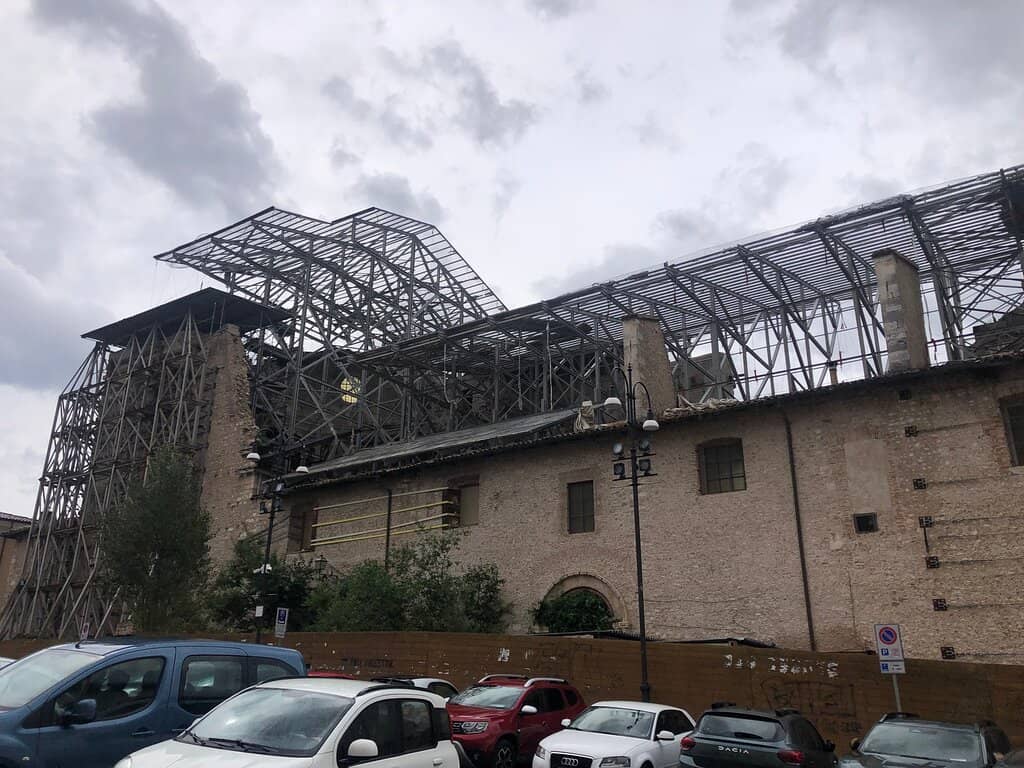
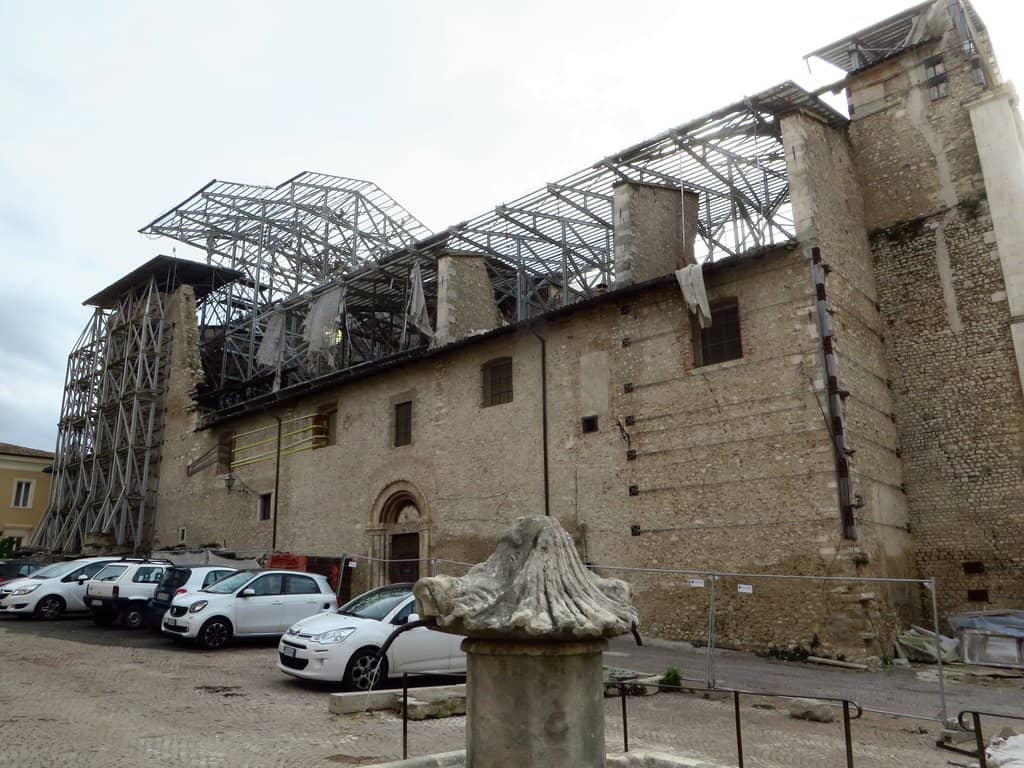
"A symbol of resilience, its Romanesque facade stands strong amidst ongoing restoration."
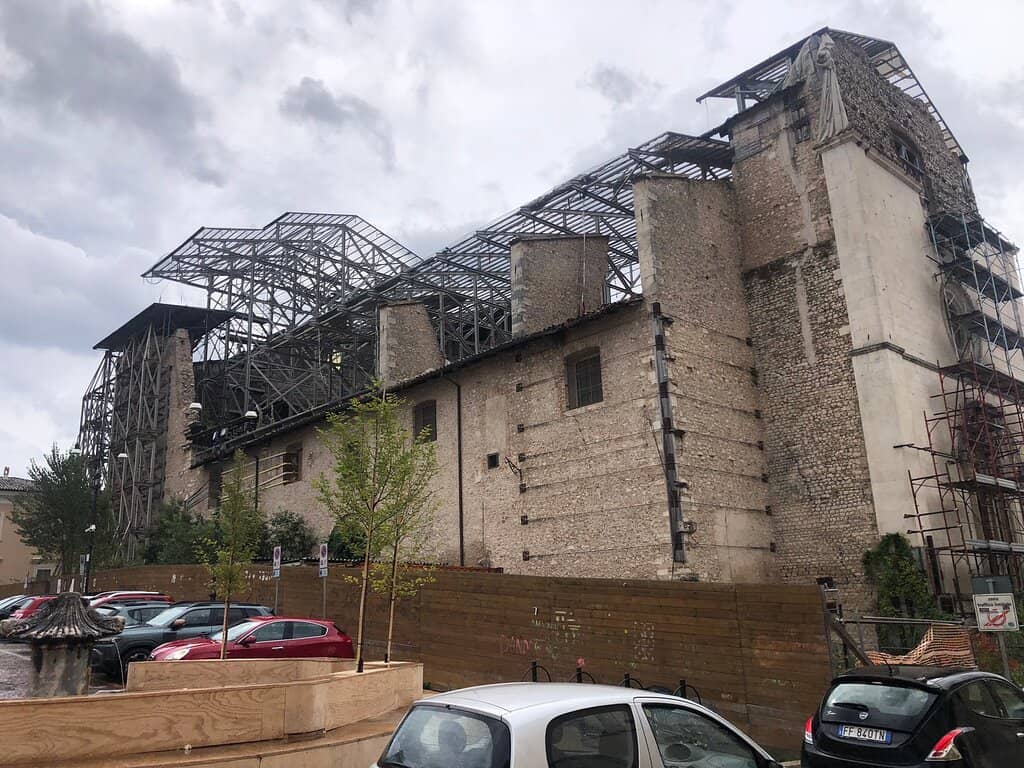
Check Restoration Status
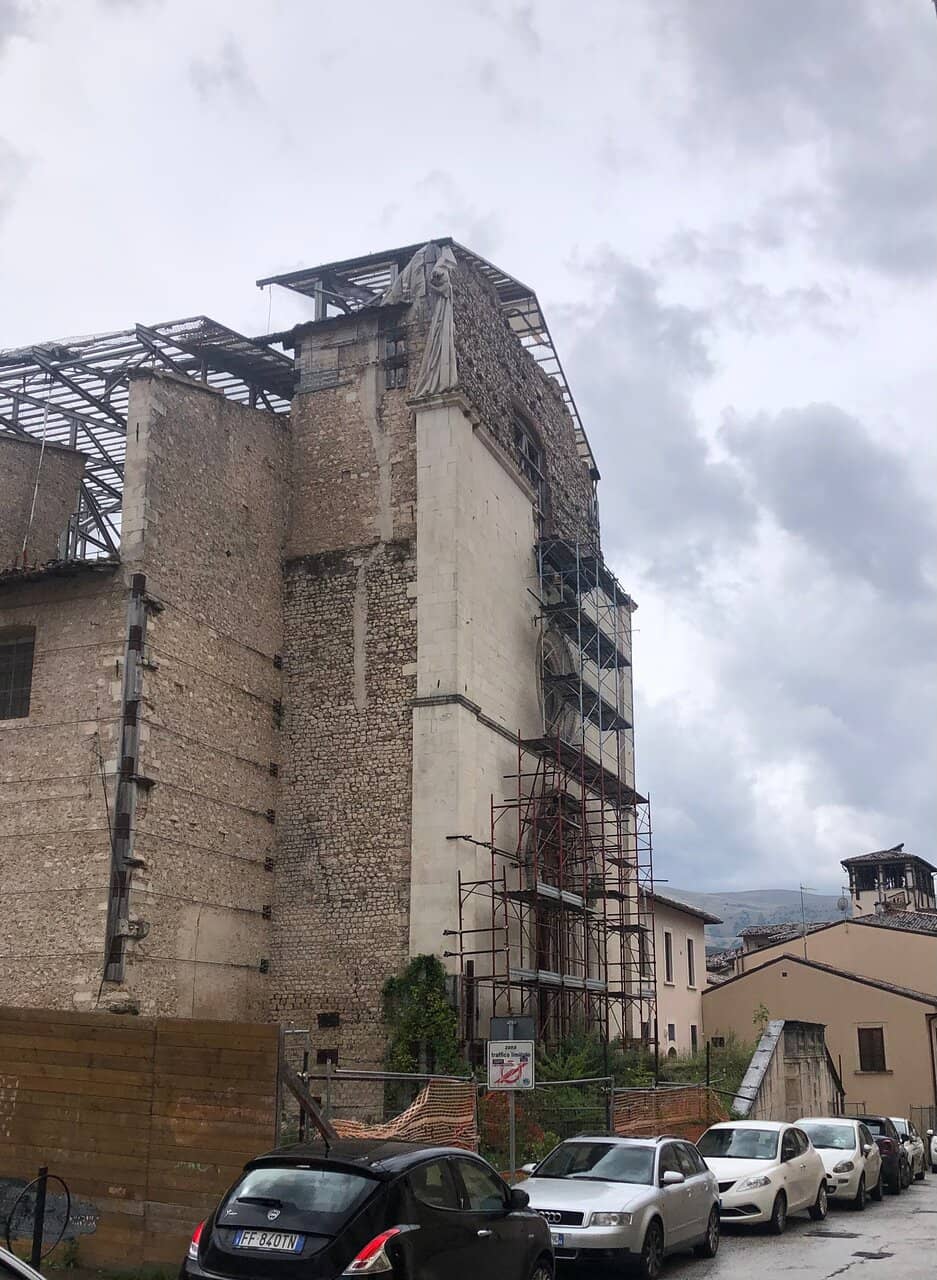
The church is still undergoing repairs post-earthquake. Verify access before your visit. :information_source:
Wear Comfortable Shoes
You'll be doing a lot of walking to explore the historic district and its many sights. :athletic_shoe:
Quick Facts
Rating
4.3 · 24 reviews
Type
Church
Website
diocesilaquila.itHighlights
Discover the most iconic attractions and experiences
Chiesa di Santa Maria di Paganica Facade
Piazza Santa Maria Paganica
Admire the Romanesque facade and intricately carved portals, a testament to medieval Abruzzo craftsmanship.
Palazzo Ardinghelli & MAXXI
Piazza Santa Maria Paganica
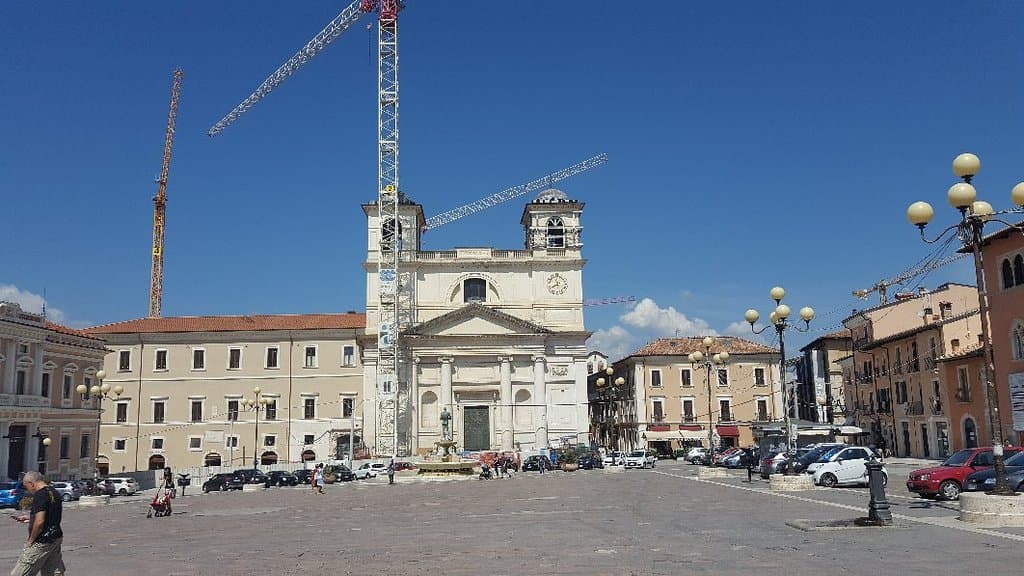
This stunning historic building now houses the MAXXI museum, showcasing contemporary art and culture.
Historic District Exploration
Quarto di Santa Maria Paganica
Wander through the district to discover the Basilica di San Bernardino and the Spanish Fort.
Plans like a pro.
Thinks like you
Planning Your Visit
Understand the Earthquake's Impact
Explore the Surrounding District
Best Times
Insider Tips
from TikTok, Instagram & Reddit
Check Restoration Status
The church is still undergoing repairs post-earthquake. Verify access before your visit. :information_source:
Wear Comfortable Shoes
You'll be doing a lot of walking to explore the historic district and its many sights. :athletic_shoe:
Visit the MAXXI Museum
Don't miss the MAXXI museum housed in Palazzo Ardinghelli for contemporary art. 🎨
Look for Local Events
Piazza Santa Maria Paganica hosts events like dance performances and festivals. :performing_arts:
Tips
from all over the internet
Check Restoration Status
The church is still undergoing repairs post-earthquake. Verify access before your visit. :information_source:
Wear Comfortable Shoes
You'll be doing a lot of walking to explore the historic district and its many sights. :athletic_shoe:
Visit the MAXXI Museum
Don't miss the MAXXI museum housed in Palazzo Ardinghelli for contemporary art. 🎨
Look for Local Events
Piazza Santa Maria Paganica hosts events like dance performances and festivals. :performing_arts:
What Travellers Say
Reviews Summary
Santa Maria di Paganica is appreciated for its historical significance and the resilience it represents, especially its Romanesque facade and the vibrant piazza. However, the extensive damage from the 2009 earthquake means the church interior is often inaccessible, which is a significant drawback for visitors expecting to explore it fully. The surrounding district and the MAXXI museum offer compelling reasons to visit.
"The Chiesa di Santa Maria di Paganica is a historic church located in the district of Paganica, near L’Aquila, Italy.
It was originally constructed in the 12th century and showcases Romanesque architectural style, with later Gothic and Baroque additions.
The church is notable for its elegant façade, decorated portals, and finely carved capitals that reflect the craftsmanship of medieval Abruzzo.
Inside, the church houses frescoes, religious artworks, and a beautifully preserved wooden choir that highlight its centuries-long spiritual and artistic heritage.
Santa Maria di Paganica has historically been a central place of worship for the local community, hosting religious ceremonies and festivals over the centuries.
The church suffered significant damage during the 2009 L’Aquila earthquake, but restoration efforts have been underway to preserve its architectural and cultural significance.
Today, it stands as a symbol of resilience and history, attracting visitors interested in Abruzzo’s medieval art, architecture, and religious traditions."
Kento Masuda
"Good place"
Marco Monti
"In 2009, Michelle Obama promised to rebuild it. In 2023, that promise has been a dead letter."
Nicola Dal Martello
What People Like
What People Dislike
Frequently Asked Questions
🚇 🗺️ Getting There
Santa Maria di Paganica is located in the historic center of L'Aquila. You can reach L'Aquila by car via the A24 highway or by bus from major Italian cities. Once in L'Aquila, the piazza is easily accessible on foot from the city center. 🚌 🚗
Parking in the historic center can be challenging. Look for paid parking lots or street parking a short walk away from Piazza Santa Maria Paganica. 🅿️
🎫 🎫 Tickets & Entry
The church itself may have limited access due to ongoing restoration. Entry to the piazza and surrounding buildings like Palazzo Ardinghelli (MAXXI) might require tickets or have specific opening hours. 🎟️
As the church is under restoration, its internal visiting hours are not fixed. The MAXXI museum within Palazzo Ardinghelli has its own operating hours, typically Tuesday to Sunday. 🕐
Piazza Santa Maria Paganica is a public space, so there is no entrance fee to visit the piazza itself. However, specific attractions within the district, like the MAXXI museum, will have admission fees. :moneywithwings:
🎫 🏛️ Onsite Experience
You can admire the church's facade, explore the historic Quarto di Santa Maria Paganica district, visit the MAXXI museum in Palazzo Ardinghelli, and see the Basilica di San Bernardino and the Spanish Fort. :camerawithflash:
Absolutely! The historic architecture, the piazza, and the MAXXI museum offer excellent photographic opportunities. Capture the resilience and beauty of L'Aquila. :camerawithflash:
It's a historically important church, a symbol of L'Aquila's medieval past and its resilience after the 2009 earthquake. The district itself is a key part of the city's heritage. :historic_building:
While the area is generally safe, there have been reports of occasional disturbances. It's always wise to be aware of your surroundings, especially at night. 🛡️
🍽️ 🍽️ Food & Dining
The historic center of L'Aquila, including areas around Piazza Santa Maria Paganica, offers various trattorias and restaurants serving local Abruzzese cuisine. 🍕 :wine_glass:
Don't miss 'maccheroni alla chitarra,' 'arrosticini' (lamb skewers), and local cheeses and wines. :cheesewedge: :meaton_bone:
📸 📸 Photography
The facade of the church, the details of the portals, Palazzo Ardinghelli, and the general streetscapes of the Quarto di Santa Maria Paganica are prime photo locations. :camerawithflash:
Golden hour (early morning or late afternoon) offers beautiful light for architectural photography. Midday can be harsh but good for capturing the vibrant atmosphere. 🌅 :city_sunset:
Social
from TikTok, Instagram & Reddit