Tempio Civico dell'Incoronata
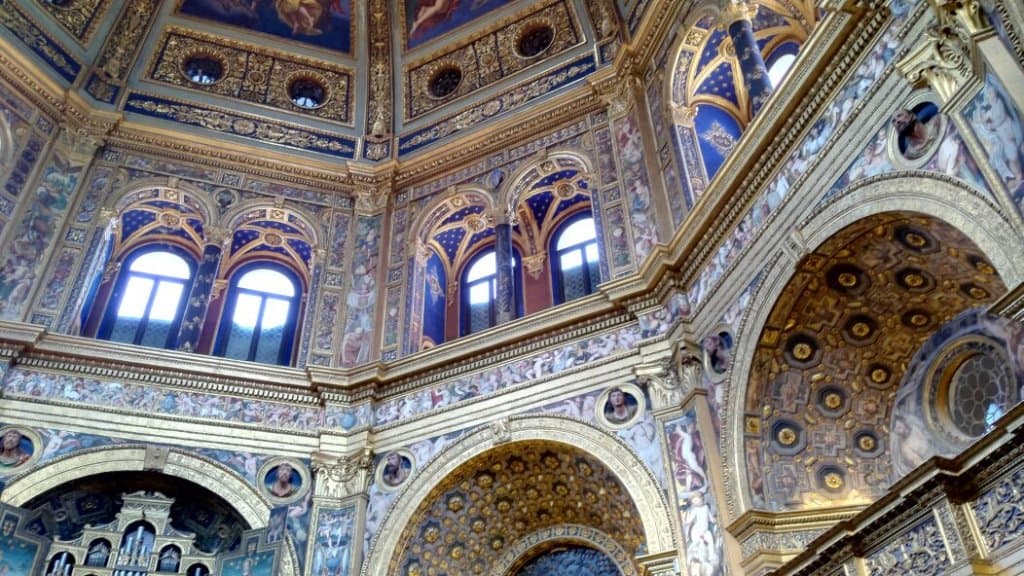
A Renaissance architectural gem in Lodi, Italy, renowned for its stunning octagonal interior, intricate frescoes, and civic significance.
Highlights
Must-see attractions

Social
From TikTok & Reddit
Best Time
Fewer crowds, better photos
Tempio Civico dell'Incoronata
Best Time
Fewer crowds, better photos
Highlights
Must-see attractions
A Renaissance architectural gem in Lodi, Italy, renowned for its stunning octagonal interior, intricate frescoes, and civic significance.
"An extraordinary and beautiful highlight of Lodi, a masterpiece of Lombard Renaissance art."

✨ Interior Beauty Surprise
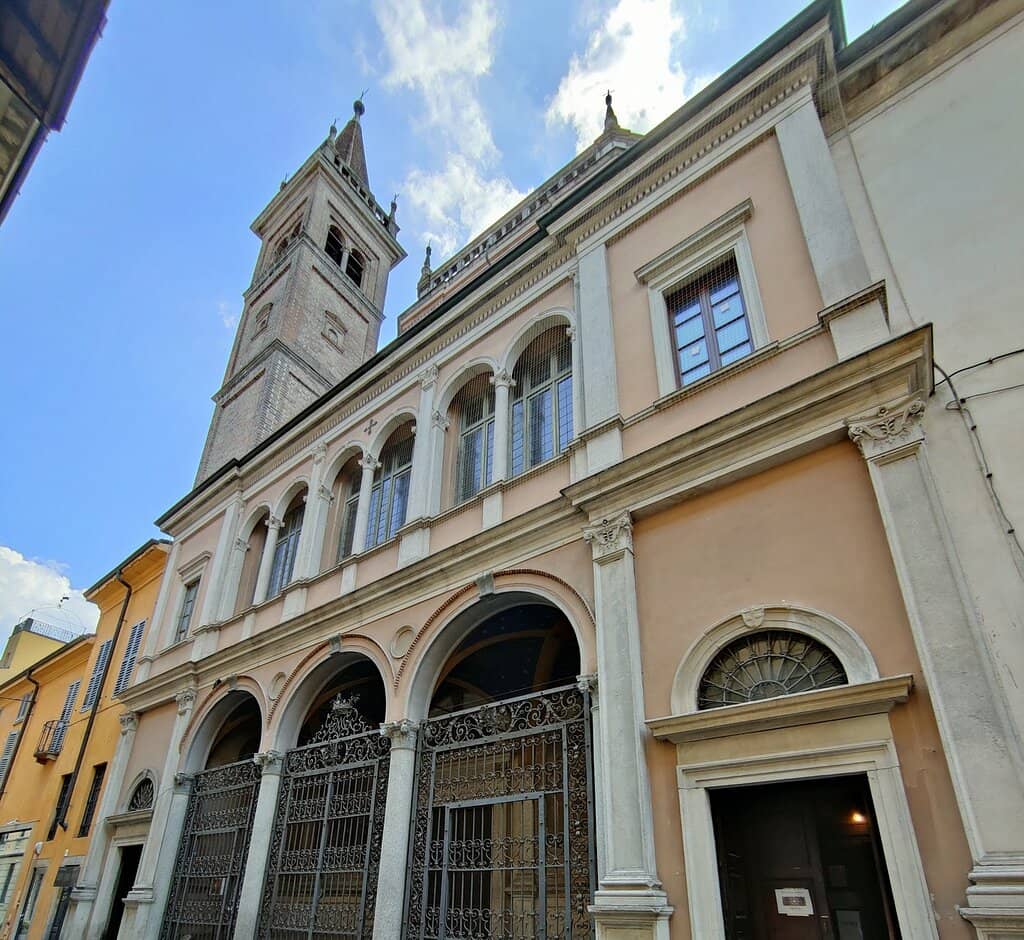
Don't judge by the exterior; the inside is a hidden treasure of Renaissance art!
🏛️ Civic Pride Symbol
Remember 'Civico' means it's owned by the town, a symbol of local devotion.
Quick Facts
Hours
Rating
4.8 · 604 reviews
Type
Cultural landmark
Highlights
Discover the most iconic attractions and experiences
Renaissance Architecture
Entire structure
A masterpiece of Lombard Renaissance design, featuring an octagonal plan and exquisite decorative elements.
Intricate Frescoes and Decor
Interior
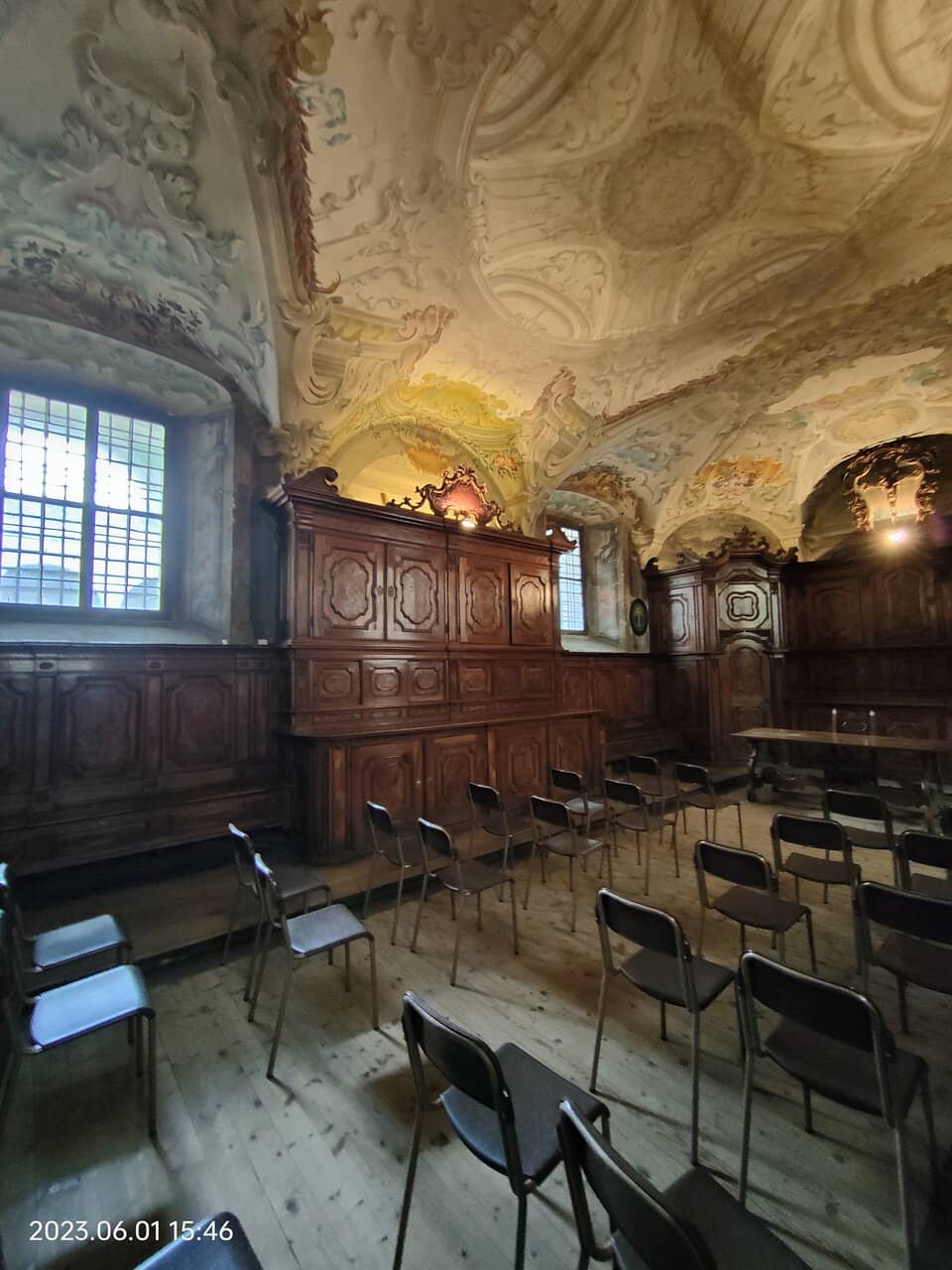
Marvel at the richly decorated interiors, adorned with detailed frescoes, gilded stucco, and harmonious artistic touches.
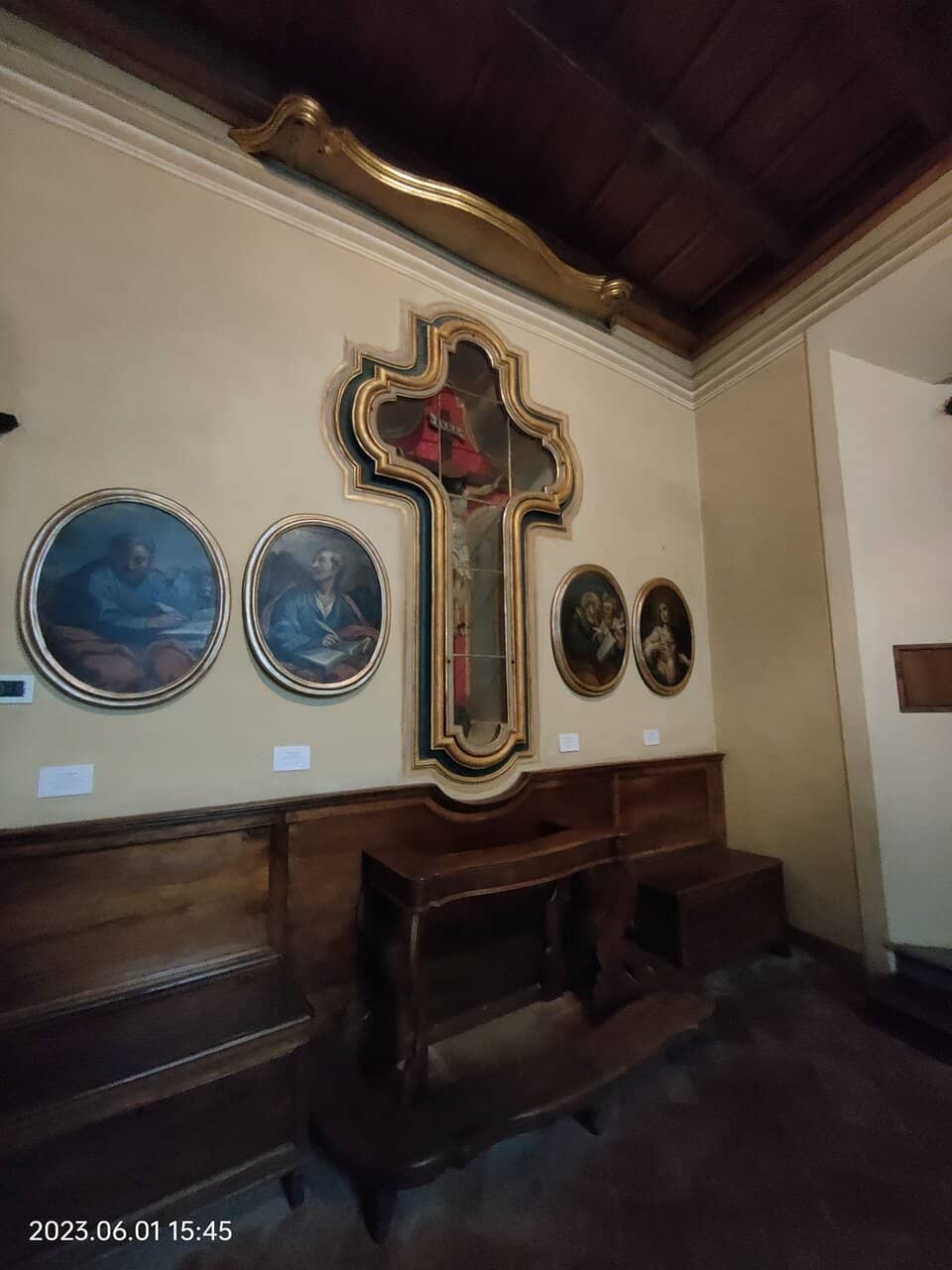
Octagonal Central Plan
Main hall
Admire the unique octagonal layout, a hallmark of Renaissance design, creating a sense of balance and grandeur.
Plans like a pro.
Thinks like you
Planning Your Visit
Timing Your Visit
Understanding Civic Significance
Best Times
Insider Tips
from TikTok, Instagram & Reddit
✨ Interior Beauty Surprise
Don't judge by the exterior; the inside is a hidden treasure of Renaissance art!
🏛️ Civic Pride Symbol
Remember 'Civico' means it's owned by the town, a symbol of local devotion.
🎨 Admire the Details
Take time to soak in the frescoes, stuccos, and harmonious Renaissance design.
📍 Part of Lodi's Charm
Often visited alongside the Cathedral, it's a key stop in Lodi.
Tips
from all over the internet
✨ Interior Beauty Surprise
Don't judge by the exterior; the inside is a hidden treasure of Renaissance art!
🏛️ Civic Pride Symbol
Remember 'Civico' means it's owned by the town, a symbol of local devotion.
🎨 Admire the Details
Take time to soak in the frescoes, stuccos, and harmonious Renaissance design.
📍 Part of Lodi's Charm
Often visited alongside the Cathedral, it's a key stop in Lodi.
What Travellers Say
Reviews Summary
Visitors consistently praise the Tempio Civico dell'Incoronata as a hidden gem and a highlight of Lodi, particularly for its stunning Renaissance interior which belies its more modest exterior. Many are captivated by the intricate frescoes and harmonious architecture, calling it extraordinary and beautiful. Some note that it's a significant example of Lombard Renaissance art.
"The Tempio Civico della Beata Vergine Incoronata, also known as the Sanctuary of the Incoronata, is a Catholic church in Lodi, Lombardy, Italy, and a masterpiece of Lombard Renaissance art.
Origins: The temple was built starting in 1488, following reported miracles in 1487, when a fresco of the Virgin Mary on a brothel’s facade in Via Incoronata (formerly Contrada Lomellini) allegedly wept during a fight. This prompted the citizens of Lodi to construct a civic temple dedicated to the Crowned Virgin.
Civic Significance: The term "Civico" (municipal) reflects its ownership by the Lodi commune, not the diocese, as it was funded and promoted by citizens and local authorities, symbolizing civic pride and devotion.
Construction: Designed by Giovanni Battagio, a pupil of Bramante, construction began on May 29, 1488. Gian Giacomo Dolcebuono took over in 1489, completing the dome by 1491, and Lorenzo Maggi finished the bell tower in 1503. The facade was completed in 1879 by Alfonsino Truzzi."
Ayaki Aron Hortz
"Built in 1488 by Dolcebuono who was a pupil of Bramante. Decorated by Amadeo. Well worth a visit."
Keith Fletcher
"Extraordinary and beautiful."
DAVID SNYDER
What People Like
What People Dislike
Frequently Asked Questions
🚇 🗺️ Getting There
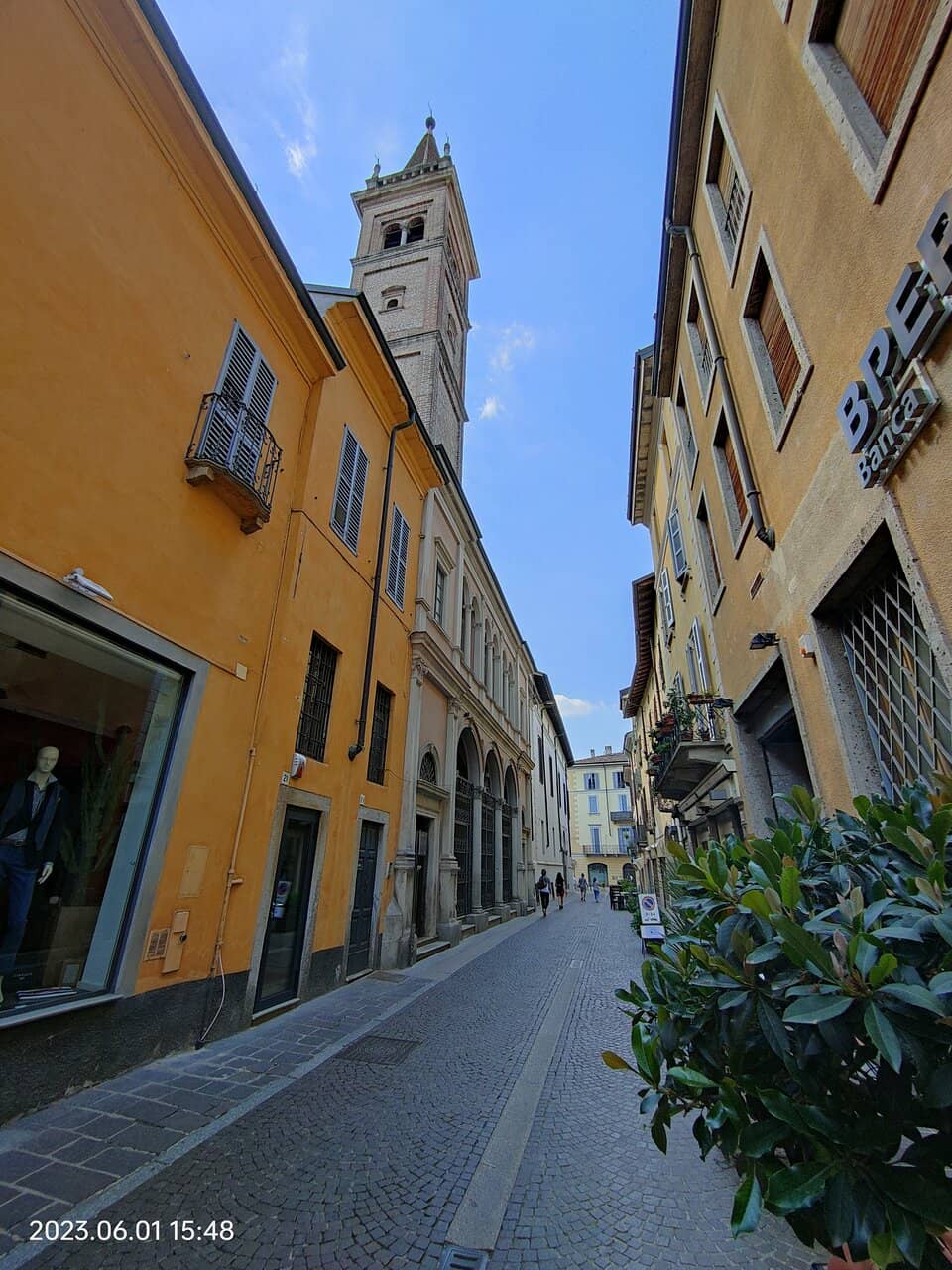
The Tempio Civico dell'Incoronata is located in the heart of Lodi, Lombardy. It's easily accessible on foot if you are already in the city center. If arriving by train, it's a pleasant walk from the Lodi train station, taking approximately 15-20 minutes. Local buses also serve the area, with stops near the city center.
Parking in the historic center of Lodi can be challenging. There are several paid parking lots available on the outskirts of the center, from which you can walk to the temple. Consider public transport or walking if possible to avoid parking hassles.
🎫 🎫 Tickets & Entry
Opening hours can vary, especially depending on any ongoing exhibitions or events. It's best to check the official Lodi tourism website or local listings for the most up-to-date information before your visit. 
Entry to the Tempio Civico dell'Incoronata is often free, as it is a civic temple. However, if there is a special exhibition being held inside, there might be an admission fee for that specific event.
Information on accessibility can be limited. While the main areas might be accessible, older buildings can sometimes have architectural barriers. It's advisable to contact the local tourism office in Lodi for specific details regarding accessibility for visitors with mobility issues.
📸 📸 Photography
Photography is generally permitted inside the Tempio Civico dell'Incoronata for personal use. However, flash photography might be restricted to protect the delicate frescoes and artworks. Always be respectful of other visitors and any posted signage.
The octagonal interior offers stunning symmetrical views. Capture the intricate details of the frescoes and gilded stucco work. The unique architecture itself makes for compelling photographic subjects.
🎫 🏛️ Onsite Experience
Built starting in 1488 after reported miracles, it's a masterpiece of Lombard Renaissance architecture designed by Giovanni Battagio. Its 'Civico' designation highlights its civic ownership and funding by the citizens of Lodi.
It is a prime example of Renaissance architecture, specifically the Lombard Renaissance style. Key features include its octagonal plan and the harmonious blend of decorative elements.
Guided tours are sometimes available, especially through local tourism initiatives or during special events. Checking with the Lodi tourism office or local cultural associations can provide information on available tours.
The term 'Civico' means it belongs to the municipality (commune) of Lodi, rather than the diocese. This reflects its origin as a project initiated and funded by the citizens and local authorities, symbolizing civic pride and devotion.

Social
from TikTok, Instagram & Reddit