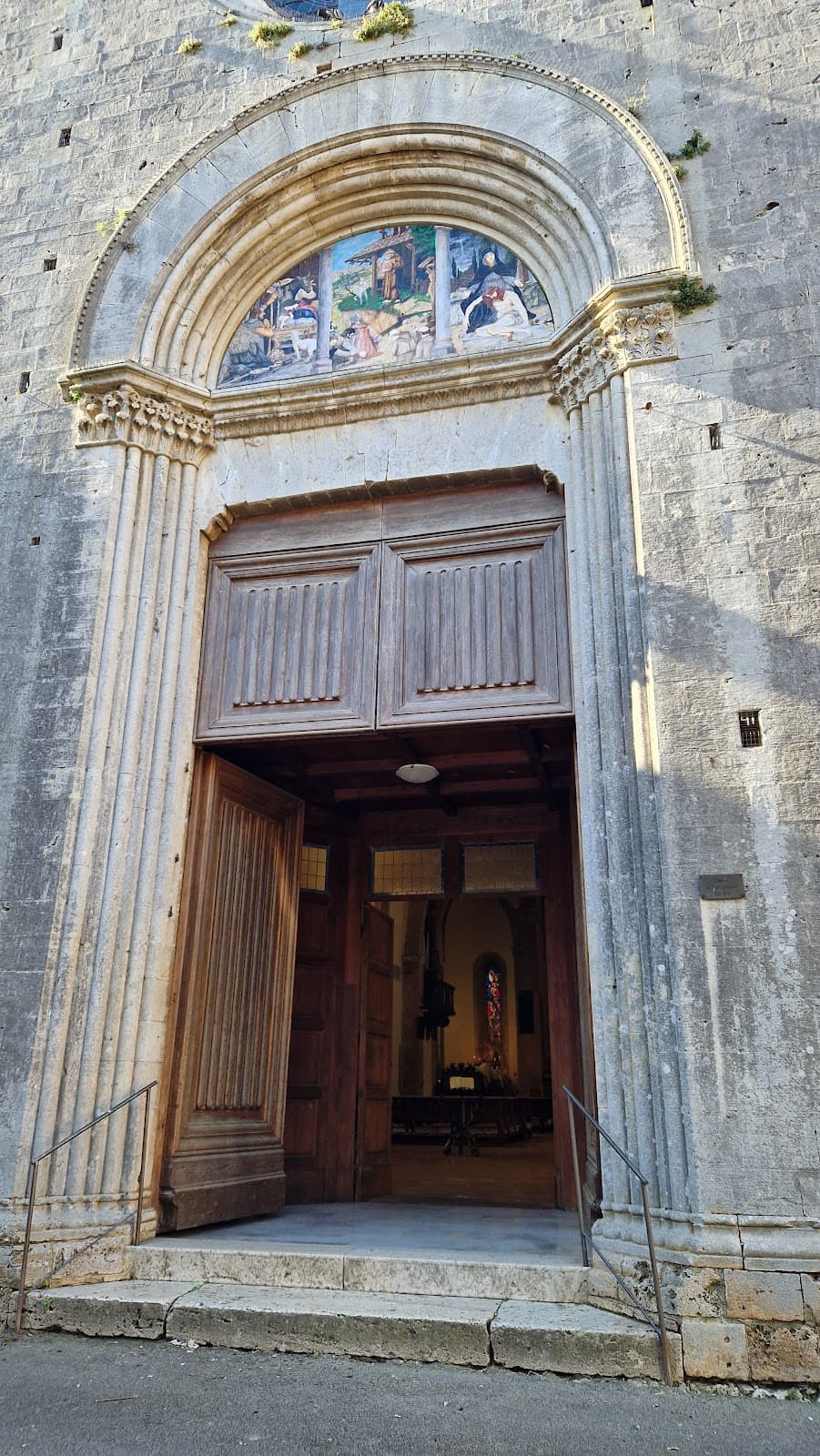
Sant'Agostino Church and Cloister
Discover the medieval charm of Sant'Agostino Church and its serene cloister, housing relics and Gothic art in Massa Marittima.
Highlights
Must-see attractions

Social
From TikTok & Reddit
Best Time
Fewer crowds, peaceful exploration
Sant'Agostino Church and Cloister
Best Time
Fewer crowds, peaceful exploration
Highlights
Must-see attractions
Discover the medieval charm of Sant'Agostino Church and its serene cloister, housing relics and Gothic art in Massa Marittima.
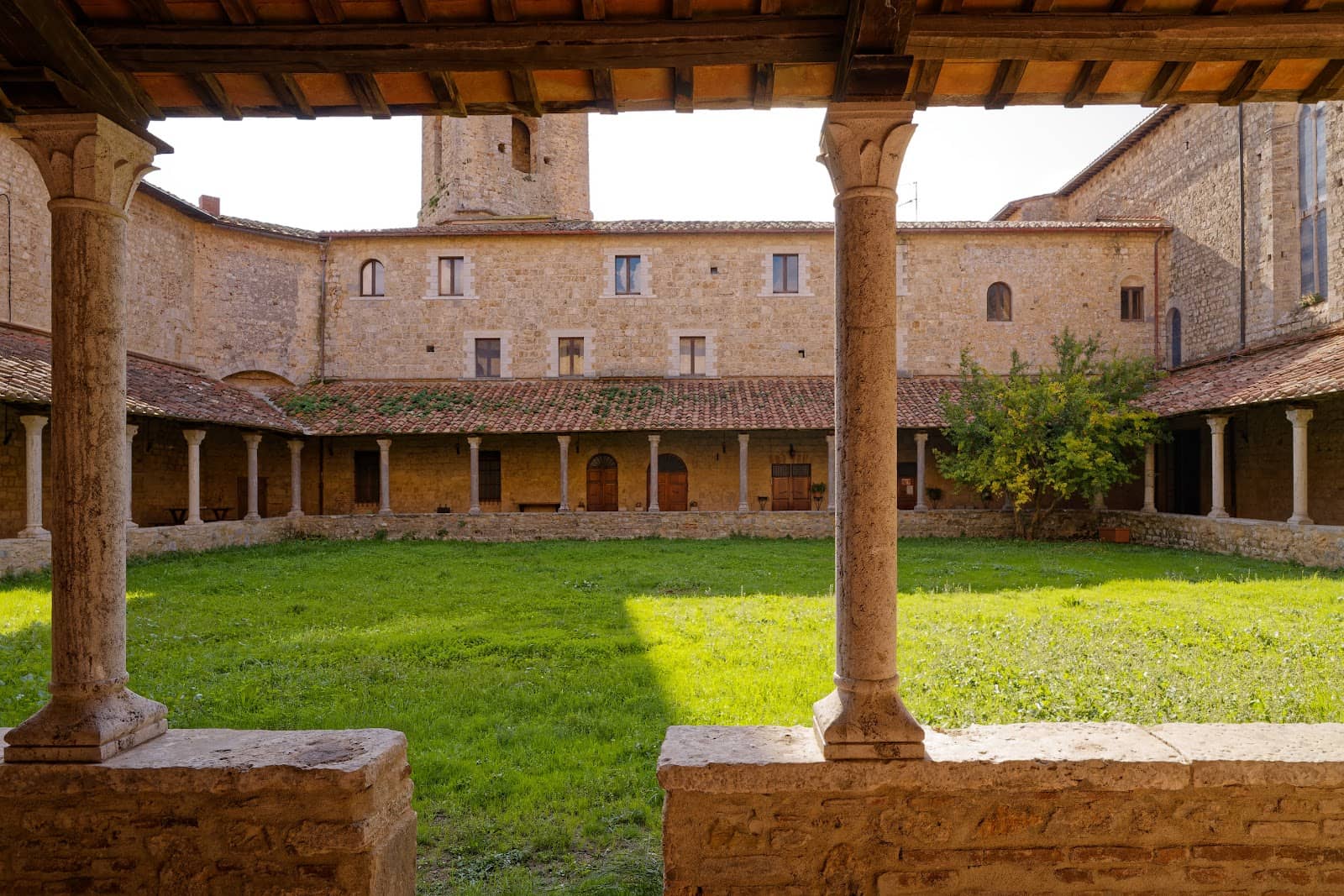
"The cloister is definitely not to be missed!"
Check for Events
Religious celebrations can limit access. Check local schedules before your visit! 📅
Don't Skip the Cloister
The cloister is a hidden gem with beautiful columns and capitals. A must-see! :camerawithflash:
Quick Facts
Rating
4.6 · 8 reviews
Type
Church
Highlights
Discover the most iconic attractions and experiences
Gothic Interior
Church Nave
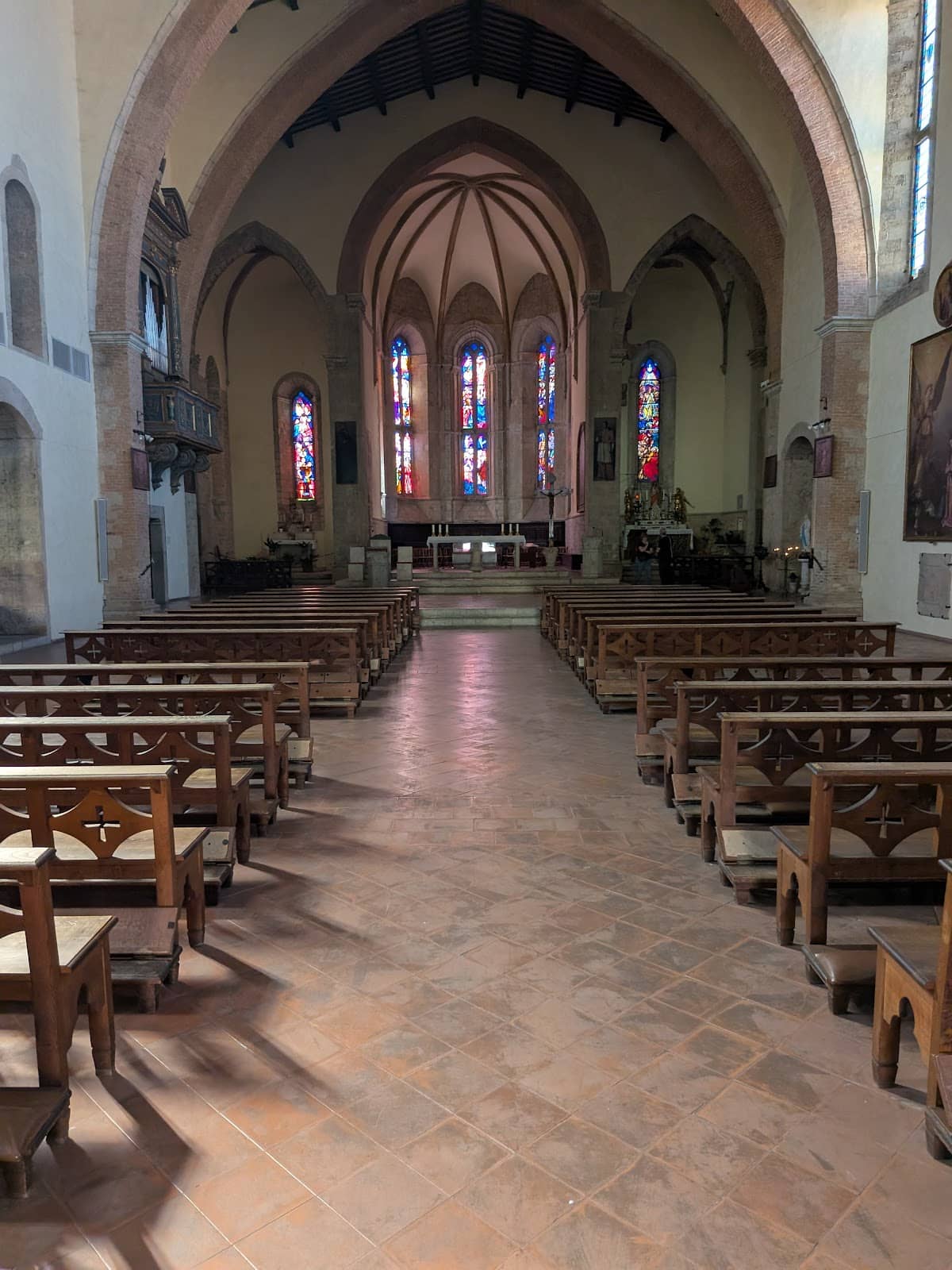
Admire the single nave with six grand pointed arches and remnants of old frescoes, showcasing medieval Gothic architecture.
Cloister Serenity
Attached Convent Cloister
Experience tranquility amidst beautiful columns and graceful capitals in this often-praised attached cloister.
Relics of San Bernardino
Church Interior
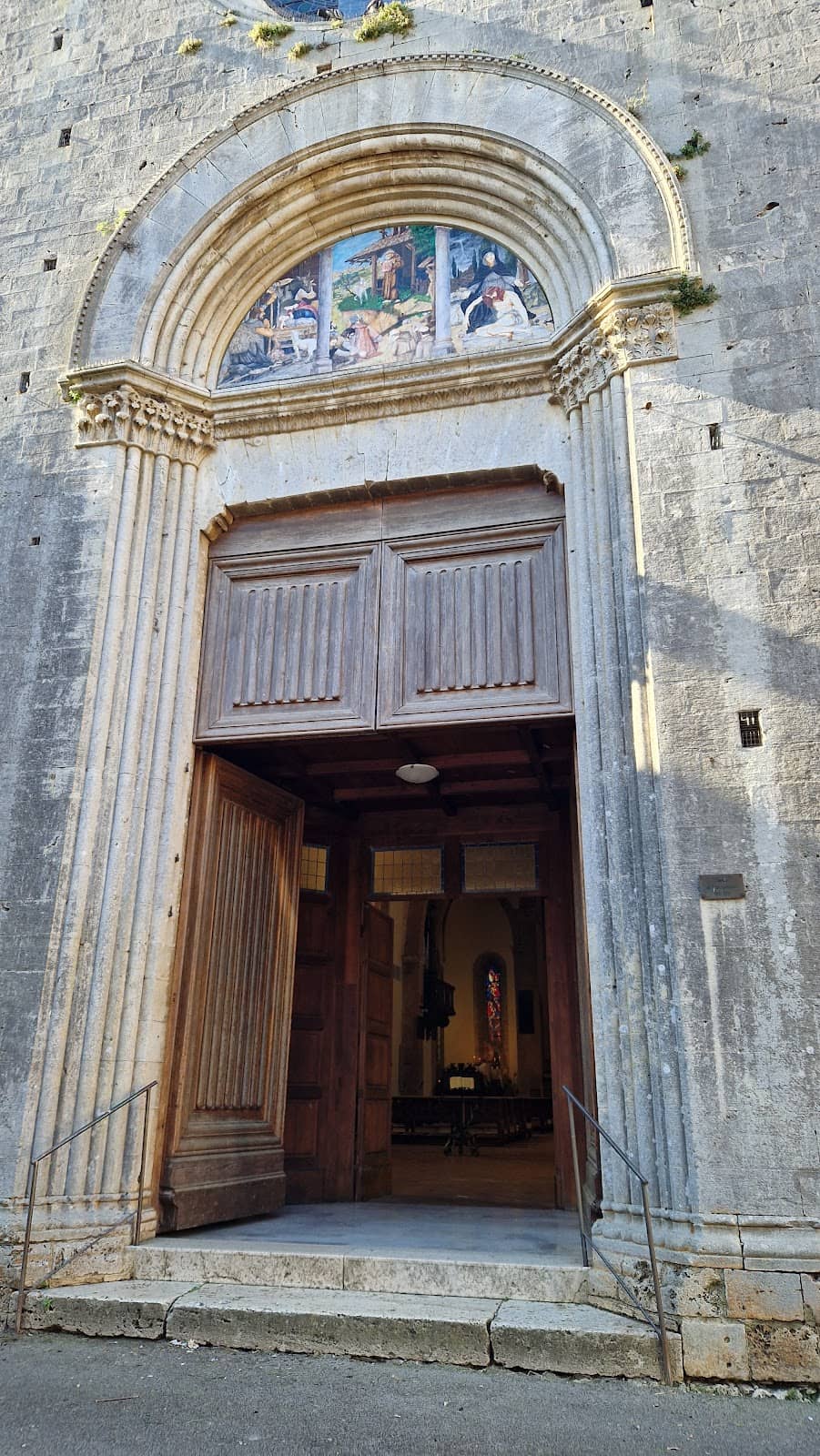
See the preserved relics of San Bernardino da Siena, who was reputedly born in Massa Marittima.
Plans like a pro.
Thinks like you
Planning Your Visit
Timing Your Visit
Cloister Charm
Best Times
Insider Tips
from TikTok, Instagram & Reddit
Check for Events
Religious celebrations can limit access. Check local schedules before your visit! 📅
Don't Skip the Cloister
The cloister is a hidden gem with beautiful columns and capitals. A must-see! :camerawithflash:
Wear Comfortable Shoes
Massa Marittima is hilly; comfortable shoes are essential for exploring. :athletic_shoe:
Look for Fresco Remnants
Keep an eye out for the subtle remnants of old frescoes within the church. :mag:
Tips
from all over the internet
Check for Events
Religious celebrations can limit access. Check local schedules before your visit! 📅
Don't Skip the Cloister
The cloister is a hidden gem with beautiful columns and capitals. A must-see! :camerawithflash:
Wear Comfortable Shoes
Massa Marittima is hilly; comfortable shoes are essential for exploring. :athletic_shoe:
Look for Fresco Remnants
Keep an eye out for the subtle remnants of old frescoes within the church. :mag:
What Travellers Say
Reviews Summary
Visitors praise Sant'Agostino Church and Cloister for their historical significance and serene beauty, particularly highlighting the cloister's charming columns and capitals. While some note potential access limitations due to religious services, the overall experience is considered a worthwhile exploration of Massa Marittima's medieval heritage.
"In the upper part of the historic center of Massa Marittima lies the Church of Sant'Agostino. Construction began in 1299 and was completed with the completion of the apse in 1351. The bell tower was built somewhat later in 1627 on the remains of an existing tower. The Gothic, single-nave interior features six large pointed arches. Several important works and remnants of old frescoes can be admired. A walk through the cloister completes the tour."
Gernot Berndt
"…it was built on the site of a pre-existing building!!…which was the Church of San Pietro all’Orto!!…it is the Church of Sant’Agostino!!…which is why I am in Massa Marittima!!…unfortunately, when I passed by, a religious celebration was in progress!!…for this reason!!…I didn’t take any photos inside!!…in any case, the Church has a single nave!!…with a particularly beautiful apse!!…with some beautiful windows!!…you can also see some beautiful chapels on the sides!!…and you can also admire many works of art along the walls!!…but here in this building, the relics of San Bernardino da Siena are also preserved!!…said to be from Siena!!…but who was actually born right here!!…in Massa Marittima!!…the bell tower is also beautiful!!…the cloister is definitely not to be missed!!…cloister attached to the convent!!…cloister of Sant’Agostino!!…which features some beautiful columns and embellished with graceful capitals!!…it is the Church of Sant'Agostino!!...in Massa Marittima!!...Tuscany to discover!!...💒✝️🔔🎉👌⬆️‼️"
Tiziana Botteri
"A wonderful church with a relic, a bit off the main route. The cloister is equally beautiful. We'll be back to this wonderful medieval town."
Patrick
What People Like
What People Dislike
Frequently Asked Questions
🚇 🗺️ Getting There
Sant'Agostino Church is located in the upper part of Massa Marittima's historic center. Parking can be challenging in the medieval town, so consider parking outside the walls and walking up. The walk offers scenic views of the town.
Limited parking is available in Massa Marittima's historic center. It's often recommended to use designated parking areas outside the old town and enjoy a pleasant walk to the church.
Public transport options to Massa Marittima are available, typically involving buses. From the town center, it's a walk uphill to the church. Check local bus schedules for routes and times.
Wander through the charming medieval streets, visit the Duomo di San Cerbone, and enjoy the panoramic views before heading to Sant'Agostino.
Yes, the historic center of Massa Marittima is largely pedestrianized, making it ideal for exploring on foot. Be prepared for some inclines.
🎫 🎫 Tickets & Entry
Entry to Sant'Agostino Church is generally free, though donations are appreciated. However, access may be restricted during religious services.
Opening hours can vary, especially due to religious services. It's advisable to check locally or visit during standard daytime hours when it's most likely to be open.
The cloister is typically accessible as part of the church complex and usually does not have a separate entrance fee.
During religious celebrations, access to the church interior might be limited or prohibited for tourists to ensure the solemnity of the event.
While official guided tours might not always be advertised, local tourist information centers may offer insights or suggest guides for exploring Massa Marittima's historical sites.
📸 📸 Photography
Photography is generally permitted inside the church, but it's always respectful to avoid flash photography, especially during services. Some visitors have noted restrictions during celebrations.
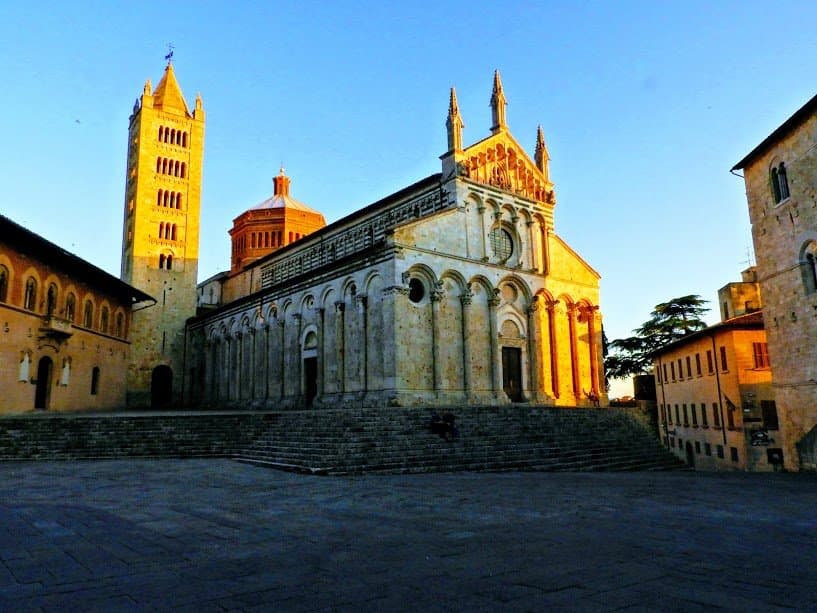
Capture the Gothic arches of the nave, the details of the apse windows, and the serene beauty of the cloister. The exterior architecture is also picturesque.
Yes, the cloister is a popular spot for photography, with its columns and capitals offering beautiful compositions.
Late morning or early afternoon often provides good natural light inside the church and cloister, minimizing harsh shadows.
Drone usage is typically restricted in historic town centers and around religious sites. It's best to assume it's not permitted unless explicitly stated otherwise.
🎫 🏛️ Onsite Experience
Inside, you'll find a single nave with six large pointed arches, remnants of old frescoes, and several chapels. The relics of San Bernardino da Siena are also preserved here.
The cloister is attached to the convent and features beautiful columns and graceful capitals, offering a peaceful and aesthetically pleasing experience.
A visit can take anywhere from 30 minutes to an hour, depending on your interest in the art, architecture, and the time spent enjoying the cloister.
The church has a single nave, which is generally flat. However, reaching the church involves navigating the hilly streets of Massa Marittima, and the cloister may have uneven surfaces.
Construction began in 1299 and was completed in 1351. It was built on the site of a pre-existing building, the Church of San Pietro all'Orto. The bell tower was added later in 1627.
Social
from TikTok, Instagram & Reddit