Chiesa di San Gregorio Armeno Naples
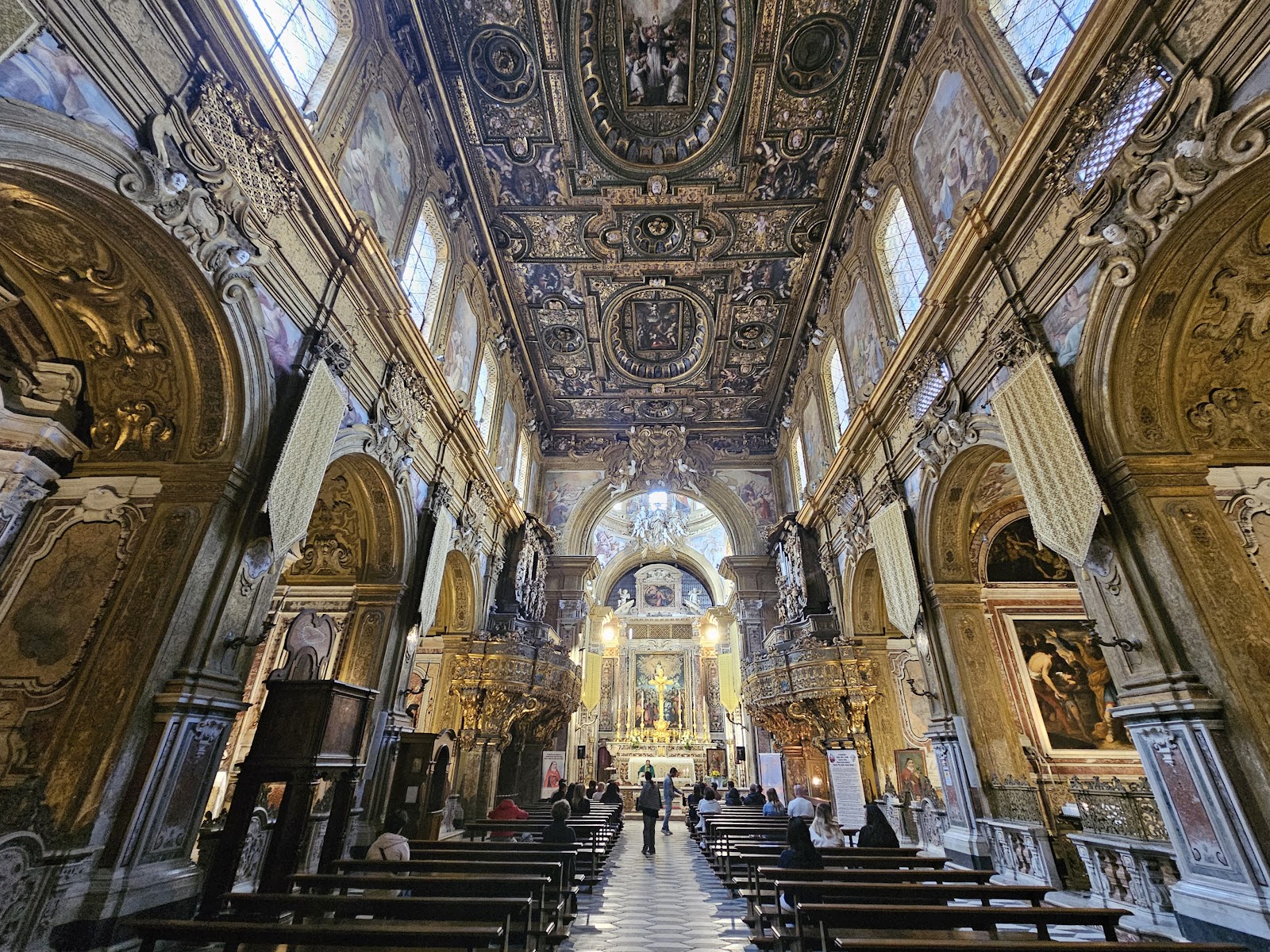
A hidden Baroque masterpiece in Naples, famed for its opulent interiors and the relics of Santa Patrizia, Naples' second patron saint.
Highlights
Must-see attractions

Social
From TikTok & Reddit
Best Time
Fewer crowds, more peaceful
Chiesa di San Gregorio Armeno Naples
Best Time
Fewer crowds, more peaceful
Highlights
Must-see attractions
A hidden Baroque masterpiece in Naples, famed for its opulent interiors and the relics of Santa Patrizia, Naples' second patron saint. +1
"The Baroque church of San Gregorio Armeno is one of the oldest, largest, and most important religious buildings in Naples. "
Look Up at the Ceiling
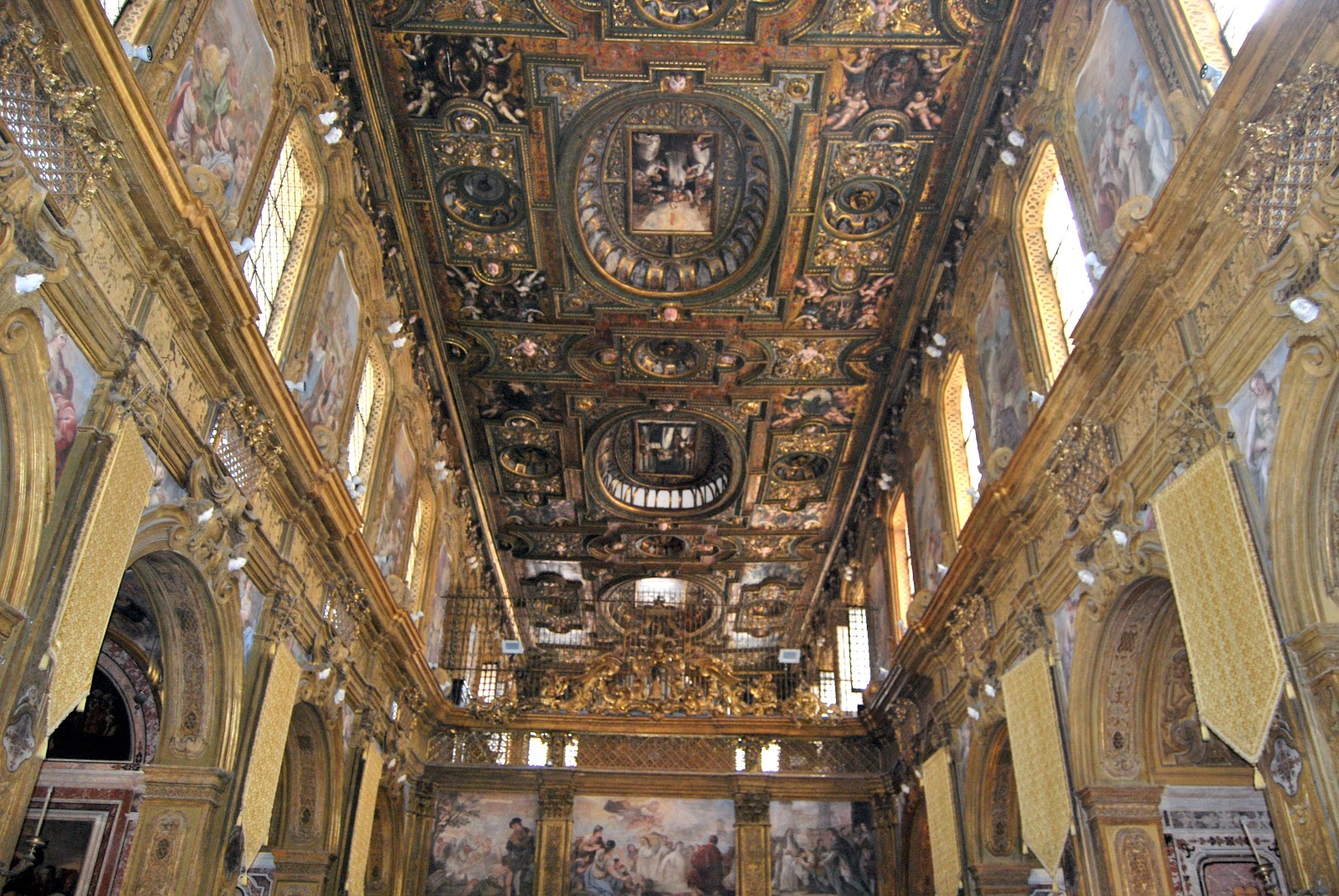
Don't miss the magnificent carved wooden ceiling with its gold inlays and saintly paintings.
Respectful Attire
Dress modestly when visiting this sacred site; shoulders and knees should be covered.
Quick Facts
Hours
Rating
4.9 · 32 reviews
Type
Church
Highlights
Discover the most iconic attractions and experiences
The Opulent Baroque Interior
Main Nave
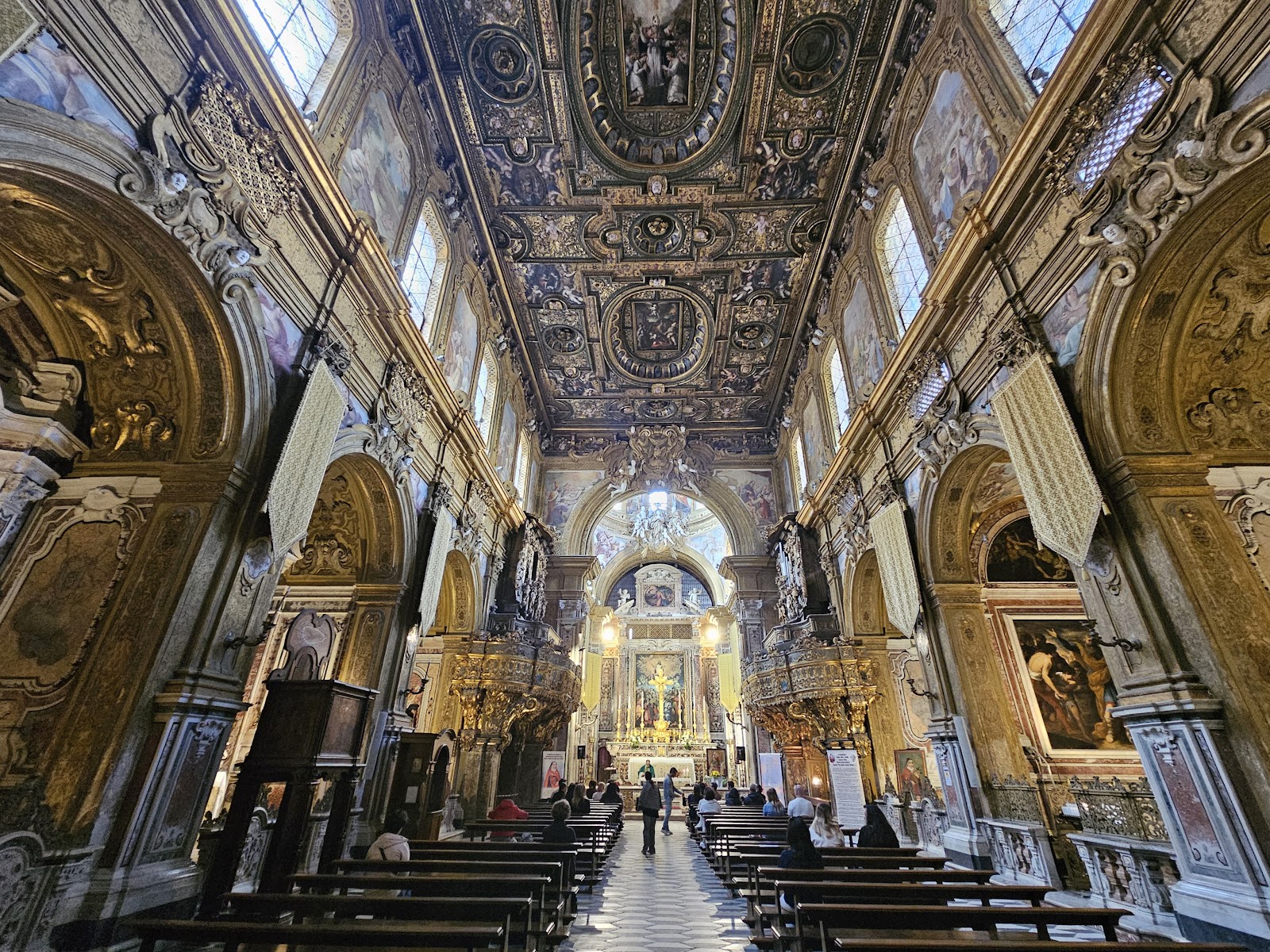
A breathtaking display of gilded wood, intricate frescoes, and semi-precious stone inlays that dazzle the senses.
Chapel of Santa Patrizia
Right side of the High Altar
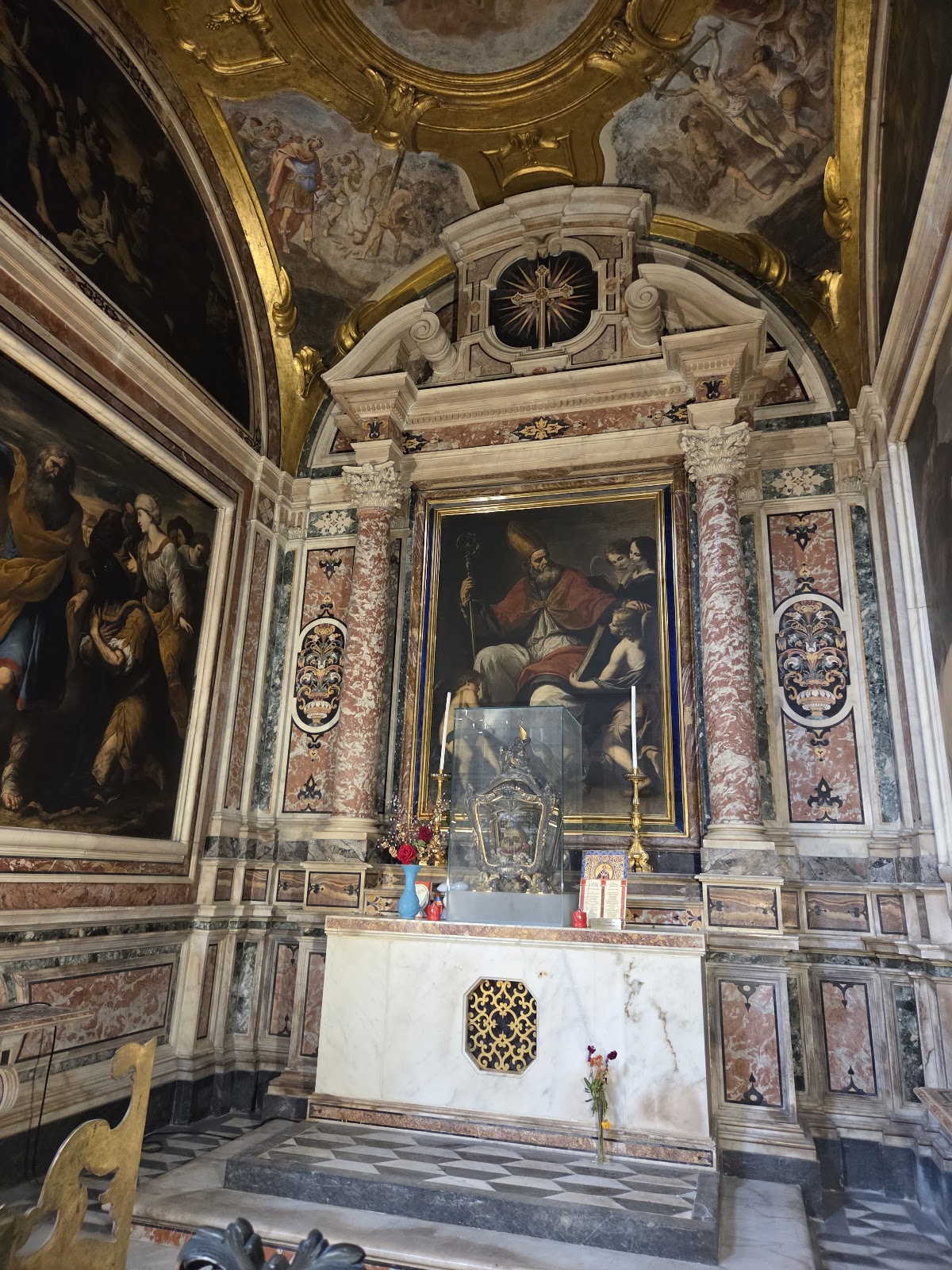
Home to the revered relics of Naples' second patron saint, a site of deep spiritual significance.
Luca Giordano's Frescoes
Above the entrance
Stunning 17th-century frescoes depicting the arrival of nuns with relics, a masterpiece by a renowned artist.
Nuns' Choir Stalls
Concealed by timber frame above atrium
Spectacular wooden and papier-mâché stalls offering a unique glimpse into monastic life.
Plans like a pro.
Thinks like you
Planning Your Visit
Embrace the Baroque Beauty
Discover Naples' Second Patron Saint
Best Times
Insider Tips
from TikTok, Instagram & Reddit
Look Up at the Ceiling
Don't miss the magnificent carved wooden ceiling with its gold inlays and saintly paintings.
Respectful Attire
Dress modestly when visiting this sacred site; shoulders and knees should be covered.
Explore the Street
Via San Gregorio Armeno is famous for its nativity scene workshops, explore before or after.
Quiet Contemplation
Take a moment to absorb the spiritual atmosphere and intricate details.
Tips
from all over the internet
Look Up at the Ceiling
Don't miss the magnificent carved wooden ceiling with its gold inlays and saintly paintings.
Respectful Attire
Dress modestly when visiting this sacred site; shoulders and knees should be covered.
Explore the Street
Via San Gregorio Armeno is famous for its nativity scene workshops, explore before or after.
Quiet Contemplation
Take a moment to absorb the spiritual atmosphere and intricate details.
What Travellers Say
Reviews Summary
Visitors are consistently impressed by the unexpected beauty and opulence of the Church of San Gregorio Armeno, often discovering it by chance. Its lavish Baroque interior, featuring gilded wood and intricate frescoes, is a major highlight, as is its significance as the resting place of Santa Patrizia. Some note that it's surprisingly overlooked in typical tourist itineraries.
"I ended up here by mistake, but I was very pleased with the garden and the rest of the monastery. I don't understand why it's not on the must see list in Naples."
simion oliviana
"Beautiful and unexpected"
Alexander Mulder
"The Baroque church of San Gregorio Armeno (also known as the Church of Santa Patrizia) is one of the oldest, largest, and most important religious buildings in Naples.
Its façade, built around 1573, is constructed of piperno stone and marble. Of particular note is the large inlaid walnut portal, framed by a marble arch and adorned with an 18th-century fresco depicting the Glory of Saint Benedict.
The single nave is lavishly decorated in green and gold, with a magnificent carved wooden ceiling painted in 1580; it comprises twenty bays, adorned with gold inlays and paintings illustrating the lives of the saints whose relics are kept in the convent.
At the entrance, to the left, is a large and important fresco depicting the Annunciation, a work by Paolo De Matteis, while to the right, scenes from the life of John the Baptist were painted in 1657.
Above the entrance, magnificent frescoes by Luca Giordano (1679) illustrate the arrival in Naples of the nuns with the relics of the Saint (the man showing them the refuge is probably a self-portrait).
The high altar, with its splendid inlays of semi-precious stones, is particularly noteworthy, as is the delicate brass grille to the right of the altar, which served as a communion bowl for the nuns.
This striking decor is complemented by two magnificent gilded organs, richly decorated in Baroque style, and by the balustrades of all the chapels.
In the last chapel on the right is the gold and silver reliquary containing the remains and other relics of Saint Patricia, so revered by Neapolitans that the church is commonly named after her.
And what about the spectacular wooden and papier-mâché stalls in the nuns' main choir, concealed by a magnificent 18th-century timber frame above the atrium, above which an additional choir (known as the "winter choir") was built? Absolutely not to be missed!"
Annateresa D.
What People Like
What People Dislike
Frequently Asked Questions
🚇 🗺️ Getting There
The church is located in the heart of Naples' historic center, easily accessible by walking from major landmarks like the Duomo or Piazza del Plebiscito. It's also a short walk from the Stazione Marittima if arriving by ferry.
Yes, Via San Gregorio Armeno is a well-known street in Naples, famous for its nativity scene artisans. The church is situated directly on this vibrant street.
From Napoli Centrale train station, you can take a short taxi ride or walk through the historic center, which takes about 20-30 minutes. Alternatively, take the Metro Line 1 to 'Università' and walk from there.
Driving in Naples' historic center can be challenging due to ZTL (limited traffic zones) and narrow streets. It's generally recommended to park outside the center and walk or use public transport.
The main church area is generally accessible, but some older structures might have uneven flooring. It's advisable to check in advance for specific accessibility needs.
🎫 🎫 Tickets & Entry
Entry to the church itself is typically free, allowing visitors to admire its Baroque splendor. Donations are always appreciated to help with its upkeep. +1
Opening hours can vary, but the church is generally open during daylight hours, often from morning until late afternoon. It's best to check locally or online for the most current times.
The chapel of Santa Patrizia is part of the church and usually included in the free entry. However, specific areas or guided tours might have separate charges.
While the church is the main attraction, parts of the associated monastery might be accessible, sometimes for specific tours or events. Inquire locally for details.
Photography is generally allowed for personal use, but flash photography might be prohibited to protect the artwork. Always be respectful of worshippers.
📸 📸 Photography
The entire interior is a photographer's dream, but focus on the gilded ceiling, the high altar, and the intricate details of the chapels. The facade also offers good photo opportunities. +1
Photography of the relics themselves might be restricted out of respect. Focus on the reliquary and the chapel's ornate decorations.
Late morning or early afternoon can offer good natural light filtering through the windows, illuminating the gold and frescoes.
Absolutely! The Baroque facade, the inlaid walnut portal, the carved wooden ceiling, and the semi-precious stone altar are all highly photogenic.
Yes, the street itself is a vibrant backdrop. Many artisans welcome photos of their incredible nativity scenes, but always ask permission first.
🎫 ⛪ Onsite Experience
Santa Patrizia is revered as the second patron saint of Naples, alongside San Gennaro. Her relics are kept here, and legend says her blood liquefies, similar to San Gennaro's miracle. +2
The church is a prime example of Neapolitan Baroque, featuring lavish gold leaf, intricate frescoes by artists like Luca Giordano, and a stunning carved wooden ceiling.
Guided tours may be available, especially for groups or during specific times. Inquiring at the church or with local tour operators is recommended for in-depth information.
The 'winter choir' is an additional choir area built above the main atrium, offering a different perspective and likely used during colder months.
Allow at least 30-60 minutes to fully appreciate the art and atmosphere. If you're interested in the history and details, you might spend longer.
Social
from TikTok, Instagram & Reddit