Chiostro di San Marcellino e Festo
A serene, monumental cloister in Naples, blending historical architecture with university life and Baroque art.
Highlights
Must-see attractions

Social
From TikTok & Reddit
Best Time
Quieter academic atmosphere
Chiostro di San Marcellino e Festo
Best Time
Quieter academic atmosphere
Highlights
Must-see attractions
A serene, monumental cloister in Naples, blending historical architecture with university life and Baroque art.
"What a gem! A peaceful oasis in the heart of Naples, blending history and academia."
🤫 Seek Tranquility
Find a quiet corner to soak in the peaceful ambiance of this hidden gem.
🏛️ Explore Shared Spaces
Respect the university's presence; enjoy the blend of history and academia.
Highlights
Discover the most iconic attractions and experiences
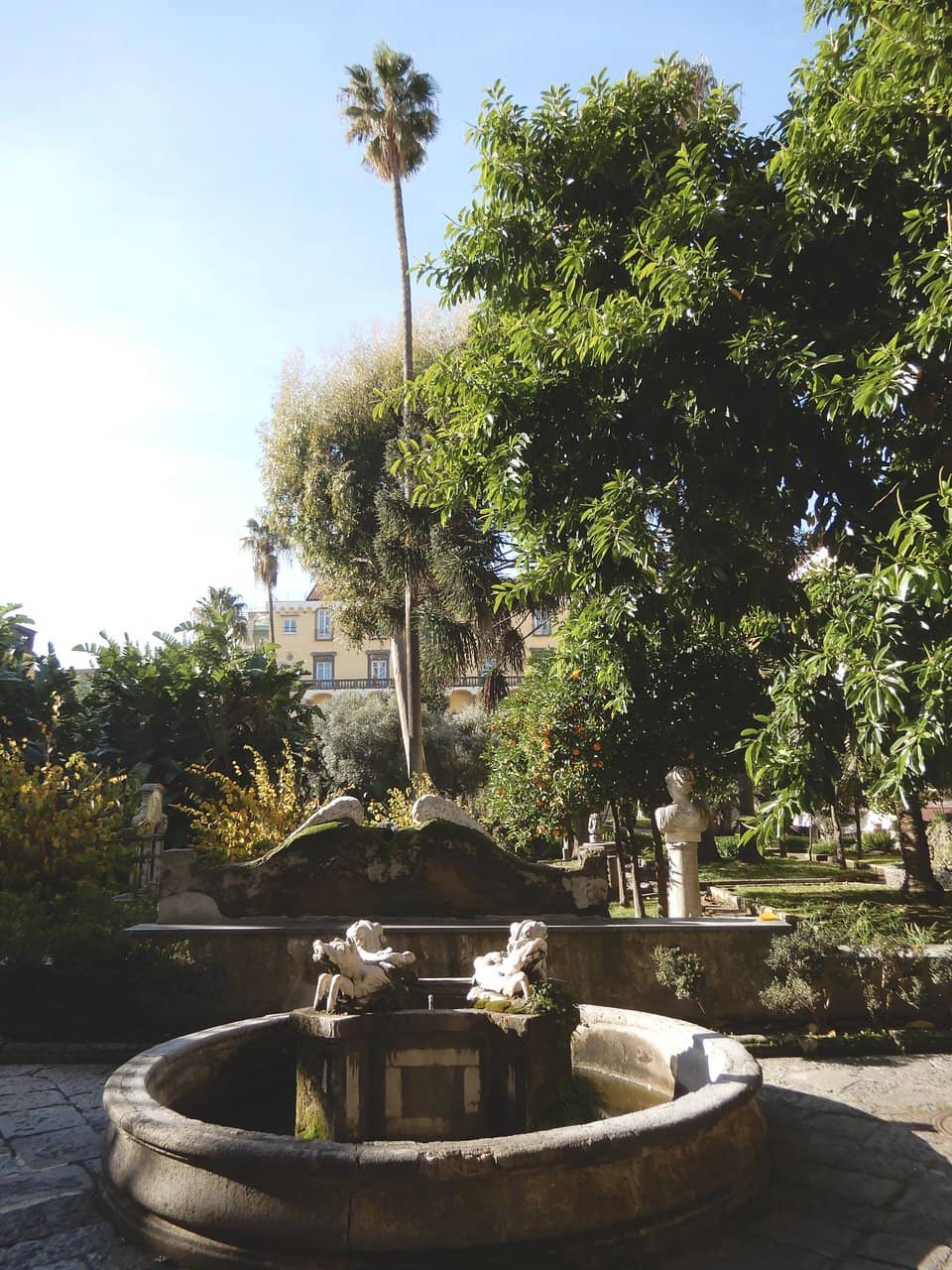
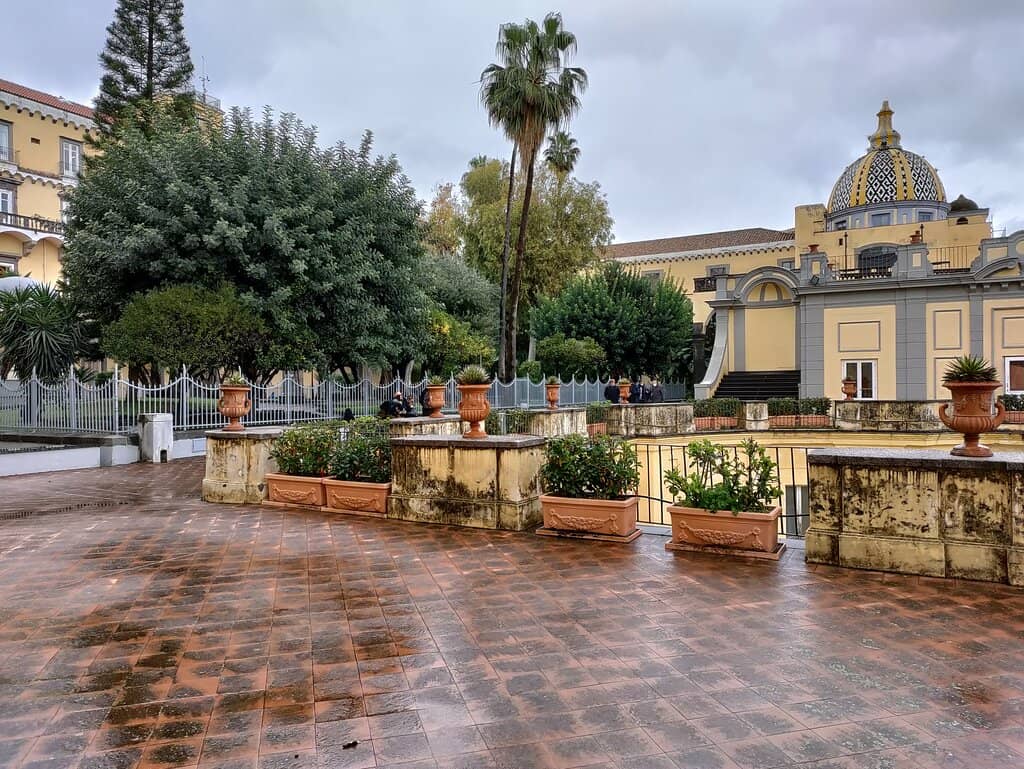
The Monumental Cloister
Main courtyard
A breathtaking architectural space, offering a moment of peace and reflection amidst the vibrant city.
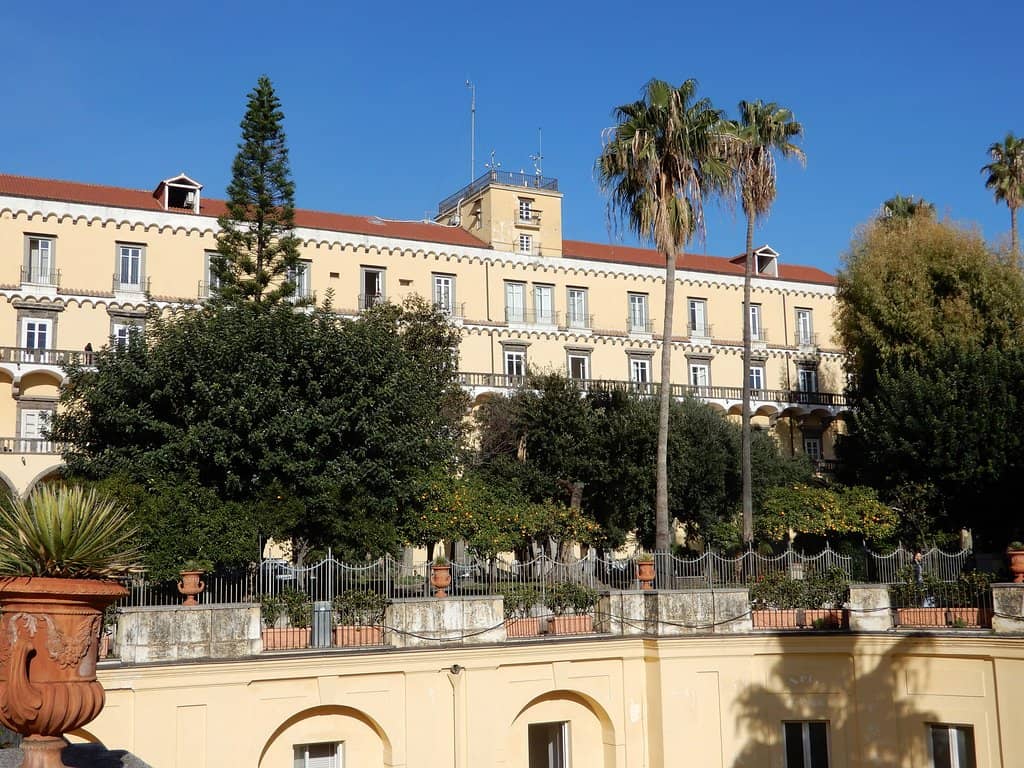
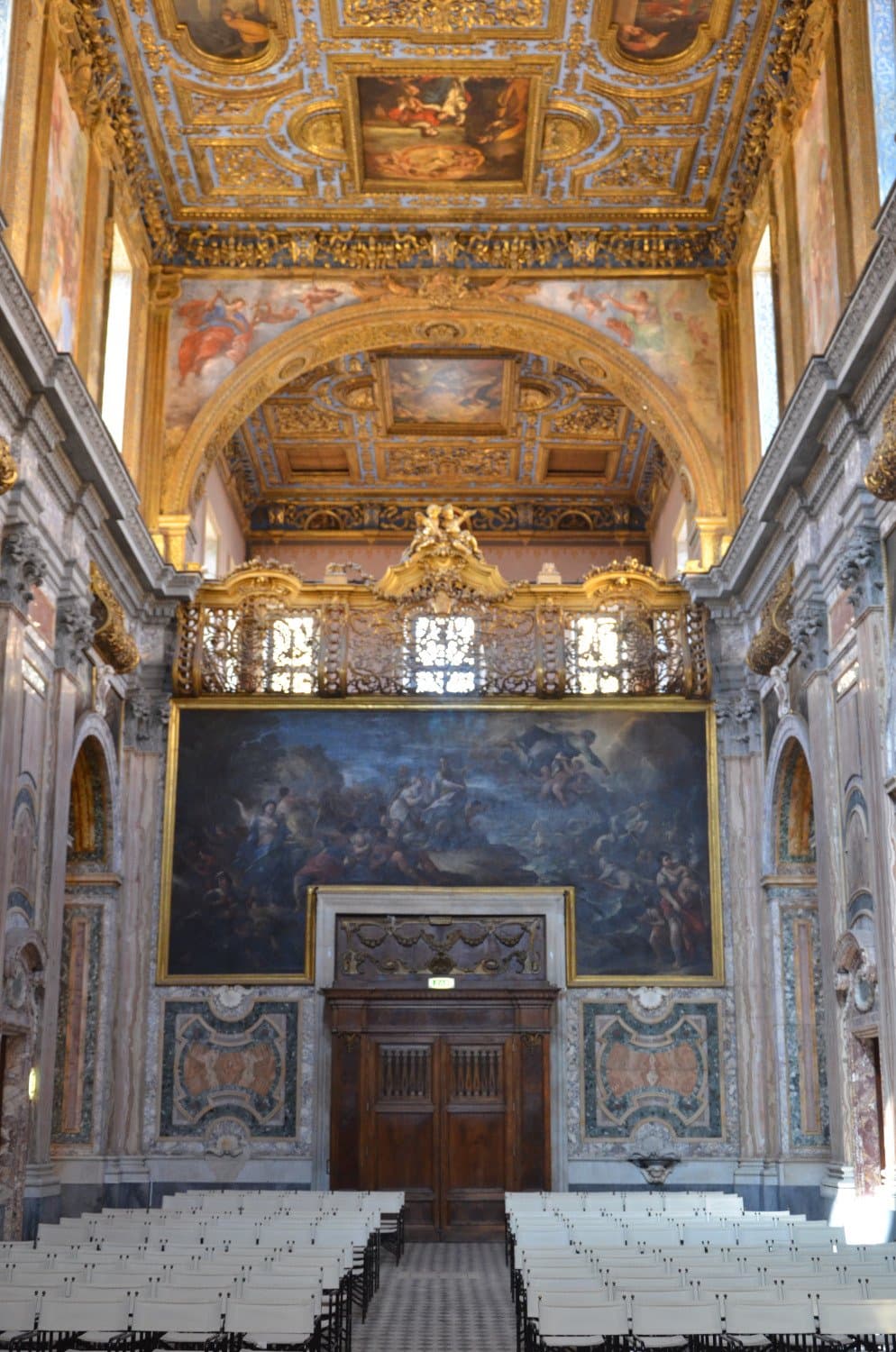
Baroque Artistry
Church interior
Admire stunning Baroque paintings and sculptures by influential Neapolitan artists.
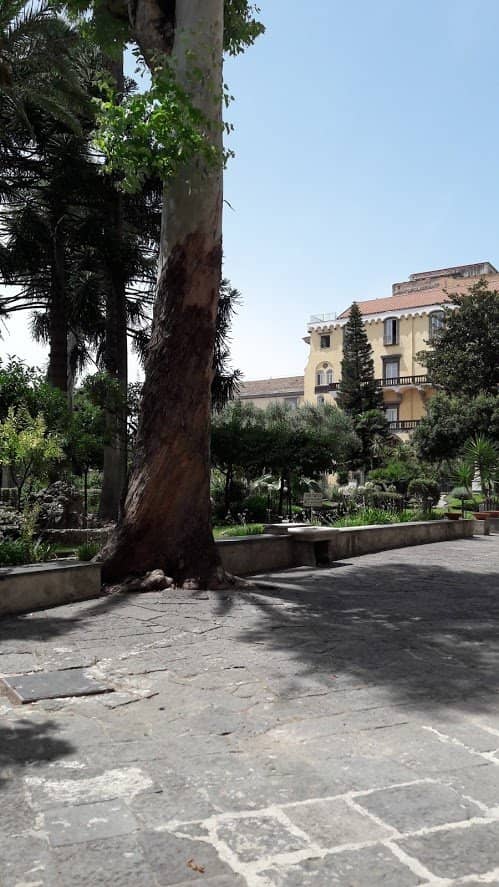
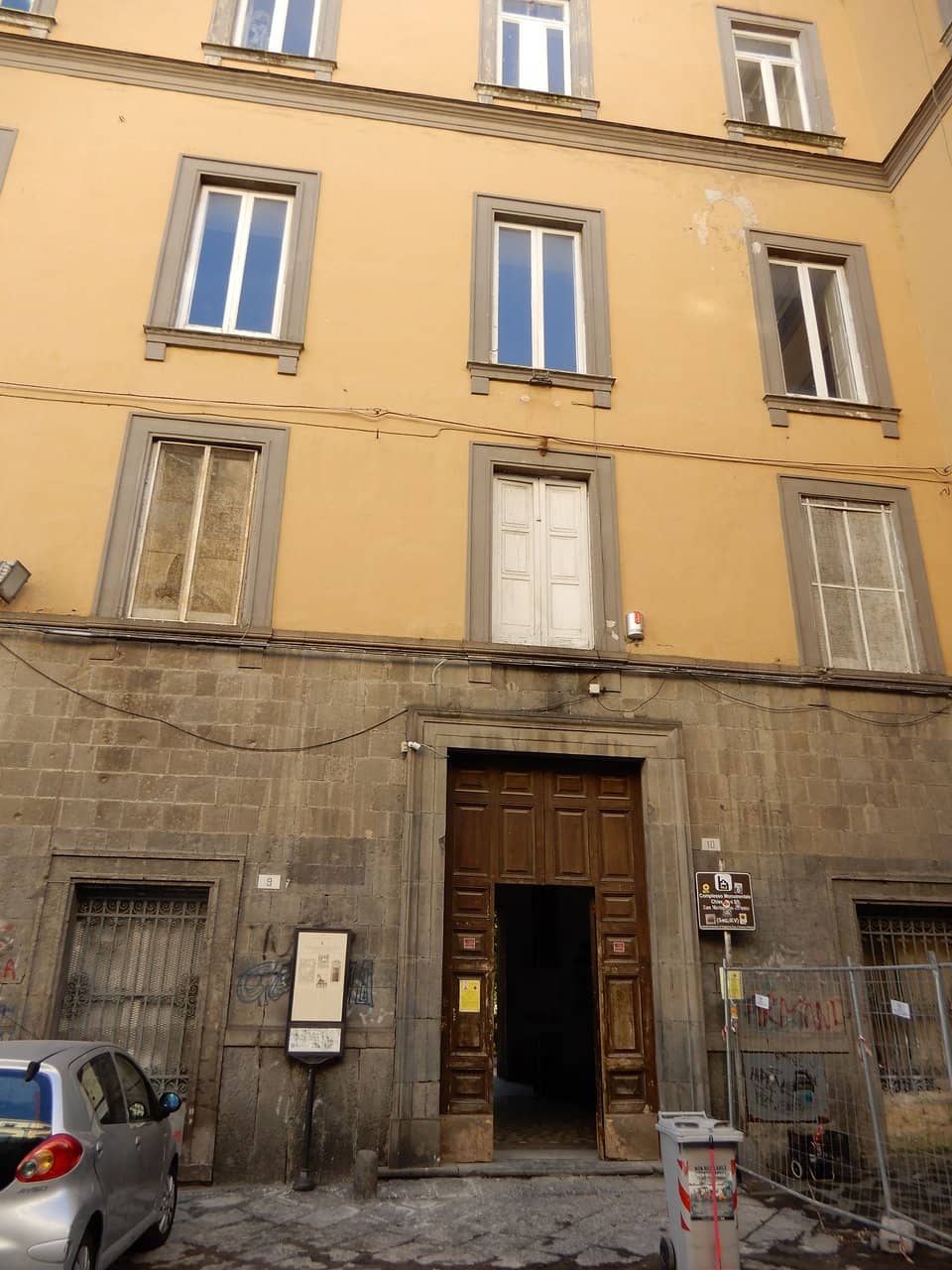
University Atmosphere
Shared spaces
Experience the unique blend of historical architecture and academic life within the university's domain.
Plans like a pro.
Thinks like you
Planning Your Visit
Discover a Hidden Gem
Access and Purpose
Best Times
Insider Tips
from TikTok, Instagram & Reddit
🤫 Seek Tranquility
Find a quiet corner to soak in the peaceful ambiance of this hidden gem.
🏛️ Explore Shared Spaces
Respect the university's presence; enjoy the blend of history and academia.
📸 Capture the Beauty
The architecture and light create stunning photo opportunities.
📍 Check Opening Hours
Confirm access as parts are within university grounds.
Tips
from all over the internet
🤫 Seek Tranquility
Find a quiet corner to soak in the peaceful ambiance of this hidden gem.
🏛️ Explore Shared Spaces
Respect the university's presence; enjoy the blend of history and academia.
📸 Capture the Beauty
The architecture and light create stunning photo opportunities.
📍 Check Opening Hours
Confirm access as parts are within university grounds.
What Travellers Say
Reviews Summary
Visitors describe the Chiostro di San Marcellino e Festo as a 'gem' and a 'hidden gem,' appreciating its peaceful atmosphere and beautiful architecture. Some note its integration with the university, offering a unique blend of history and academia. However, there are occasional mentions of access issues or confusion about its operational status.
"Must be visited"
Gianrico Spagnuolo
"Really nice location for a congress"
Alessandra Cuomo
"Permanently closed."
PA Tony
What People Like
What People Dislike
Frequently Asked Questions
🚇 🗺️ Getting There
The Chiostro di San Marcellino e Festo is located in the historic center of Naples. It's accessible by public transport, with several bus lines stopping nearby. Walking from major landmarks like Piazza del Plebiscito is also feasible. +1
Parking in the historic center of Naples can be challenging. It's recommended to use public transportation or a taxi. If driving, look for paid parking garages in the vicinity.
From Napoli Centrale train station, you can take a taxi or a short metro ride followed by a walk. The walk itself is about 20-30 minutes through the vibrant city streets.
🎫 🎫 Tickets & Entry
Entry to the cloister itself is generally free, as it's part of the university complex. However, specific areas or events might require tickets. It's always best to check for any special access requirements.
As the cloister is integrated with the University of Naples Federico II and its Museum of Paleontology, hours can vary. It's advisable to check the university's or museum's official website for the most current opening times.
While the cloister is a historical site, its accessibility can be influenced by university schedules and events. Some reviews mention it being permanently closed, so verifying access beforehand is crucial.
🎫 🏛️ Onsite Experience
You can admire the monumental architecture of the cloister, enjoy its peaceful atmosphere, and explore the shared spaces that house the Department of Political Sciences and the Museum of Paleontology. +1
Yes, the Museum of Paleontology is part of the complex that includes the Chiostro di San Marcellino e Festo, offering a dual experience of historical architecture and scientific exhibits.
Guided tours might be available, especially for the church or specific exhibitions. It's recommended to inquire with the university or local tourism offices for current tour options.
Absolutely! The cloister's architecture, light, and serene environment make it a fantastic spot for photography.
🎫 🎨 Art & History
The complex dates back to the 16th century, commissioned by Viceroy Pedro de Toledo. It's a significant religious and architectural site in Naples, featuring Baroque art and sculptures. +1
The church interior boasts impressive Baroque paintings and sculptures by renowned artists like Giovanni Lanfranco, Cosimo Fanzago, and Luca Giordano.
Despite being in the city center, the cloister is often described as a place of peace and tranquility, offering a serene escape. +1
For Different Travelers
Tailored advice for your travel style
👨👩👧 Families with Kids
While the cloister is primarily an architectural and historical site, the adjacent museum can be a significant draw for younger visitors. It's advisable to check the museum's specific opening hours and any age-related recommendations. The overall experience can be a peaceful interlude during a busy family itinerary.
🏛️ History & Art Enthusiasts
Beyond the art, the unique integration with the University of Naples Federico II offers a glimpse into the living history of the city. Exploring the cloister and its surrounding structures allows for an appreciation of how historical sites can be preserved and utilized in contemporary life.
Deep Dives
In-depth insights and expert knowledge
Architectural Marvel and Historical Context
The internal spaces of the complex are uniquely shared, housing both the Department of Political Sciences of the University of Naples Federico II and the Museum of Paleontology. This integration creates a fascinating dynamic, where academic life unfolds within historical walls. Visitors can experience this blend firsthand, appreciating the juxtaposition of ancient architecture and modern scholarly pursuits.
Within the church itself, a treasure trove of Baroque art awaits. Influential artists such as Giovanni Lanfranco, Cosimo Fanzago, and Luca Giordano contributed to its decorative scheme, making it a significant site for art enthusiasts. The sheer concentration of Baroque painting and sculpture is remarkable, reflecting a pivotal era in Neapolitan art history.
Experiencing the Tranquility
The visual appeal of the cloister, with its elegant architecture and often sun-dappled courtyards, enhances the sense of calm. It's a place where one can truly unwind and appreciate the beauty of historical surroundings.
While some reviews mention the site being 'permanently closed,' this likely refers to specific sections or perhaps a misunderstanding of its dual function as a public historical site and an active university department. For those who find it accessible, the experience is often described as discovering a 'gem' or a 'secret' cloister, highlighting its value as a hidden treasure.
Social
from TikTok, Instagram & Reddit