
Santa Maria della Pace Rome
A serene church and complex in Naples' historic center, featuring Renaissance cloisters and a unique Museum of Epidemics.
Highlights
Must-see attractions

Social
From TikTok & Reddit
Best Time
Fewer crowds, more peace
Santa Maria della Pace Rome
Best Time
Fewer crowds, more peace
Highlights
Must-see attractions
A serene church and complex in Naples' historic center, featuring Renaissance cloisters and a unique Museum of Epidemics.
"A true oasis of peace and tranquility in the historic center, worth a visit."

🚶♀️ Wander the Historic Center
Explore the surrounding streets of Via dei Tribunali for an authentic Neapolitan experience. :world_map:
🤫 Seek Tranquility
Visit early or late to best appreciate the peaceful atmosphere of the cloisters. 🕐
Quick Facts
Rating
4.7 · 46 reviews
Type
Church
Highlights
Discover the most iconic attractions and experiences
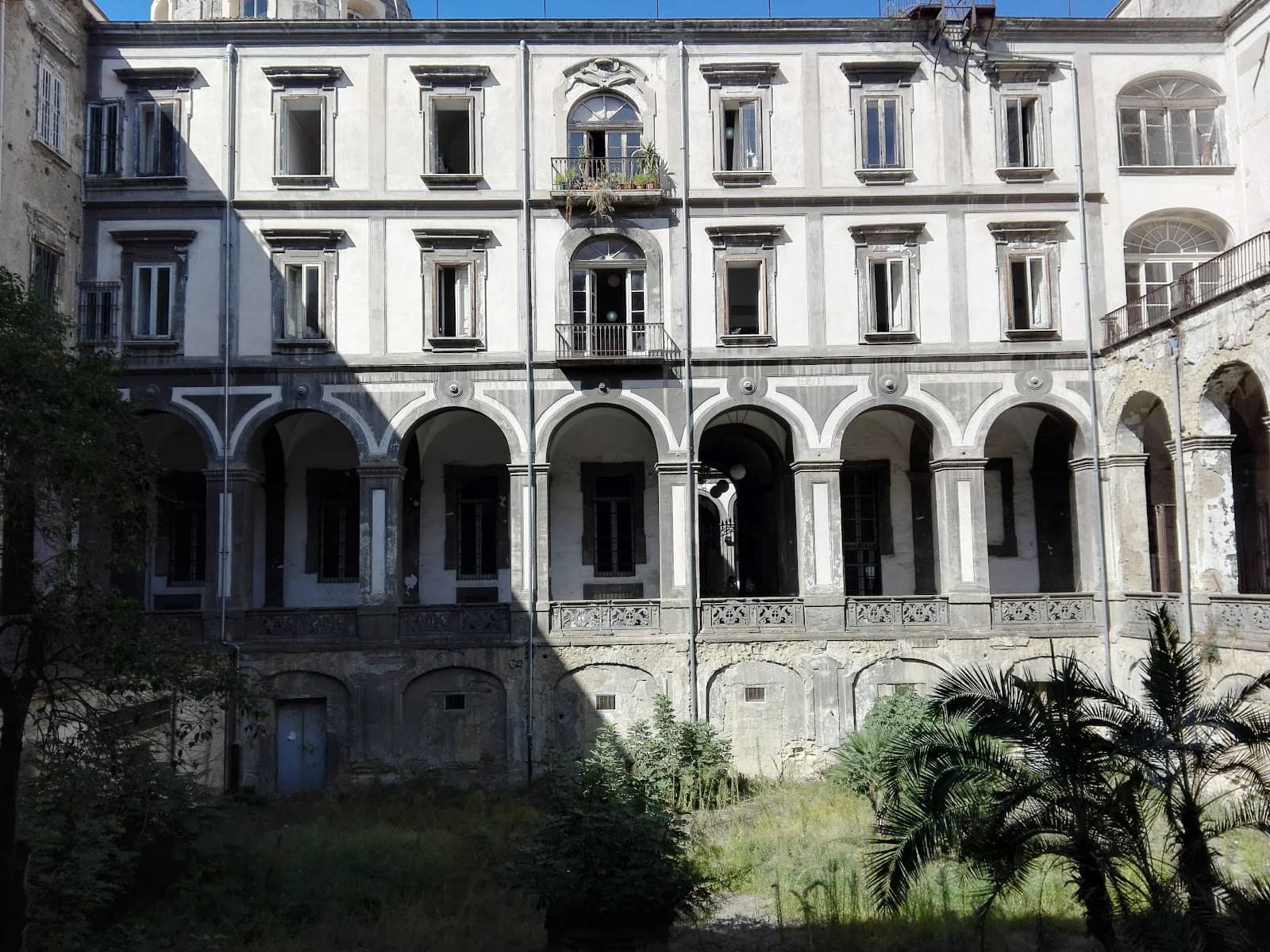
Renaissance Cloisters
Santa Maria della Pace Complex
Discover serene Renaissance cloisters, a tranquil escape amidst the city's buzz. A true architectural gem.
Gothic Entrance Portal
Santa Maria della Pace Complex
Admire the imposing Gothic portal, a testament to the Angevin-Durazzo era's architectural grandeur.
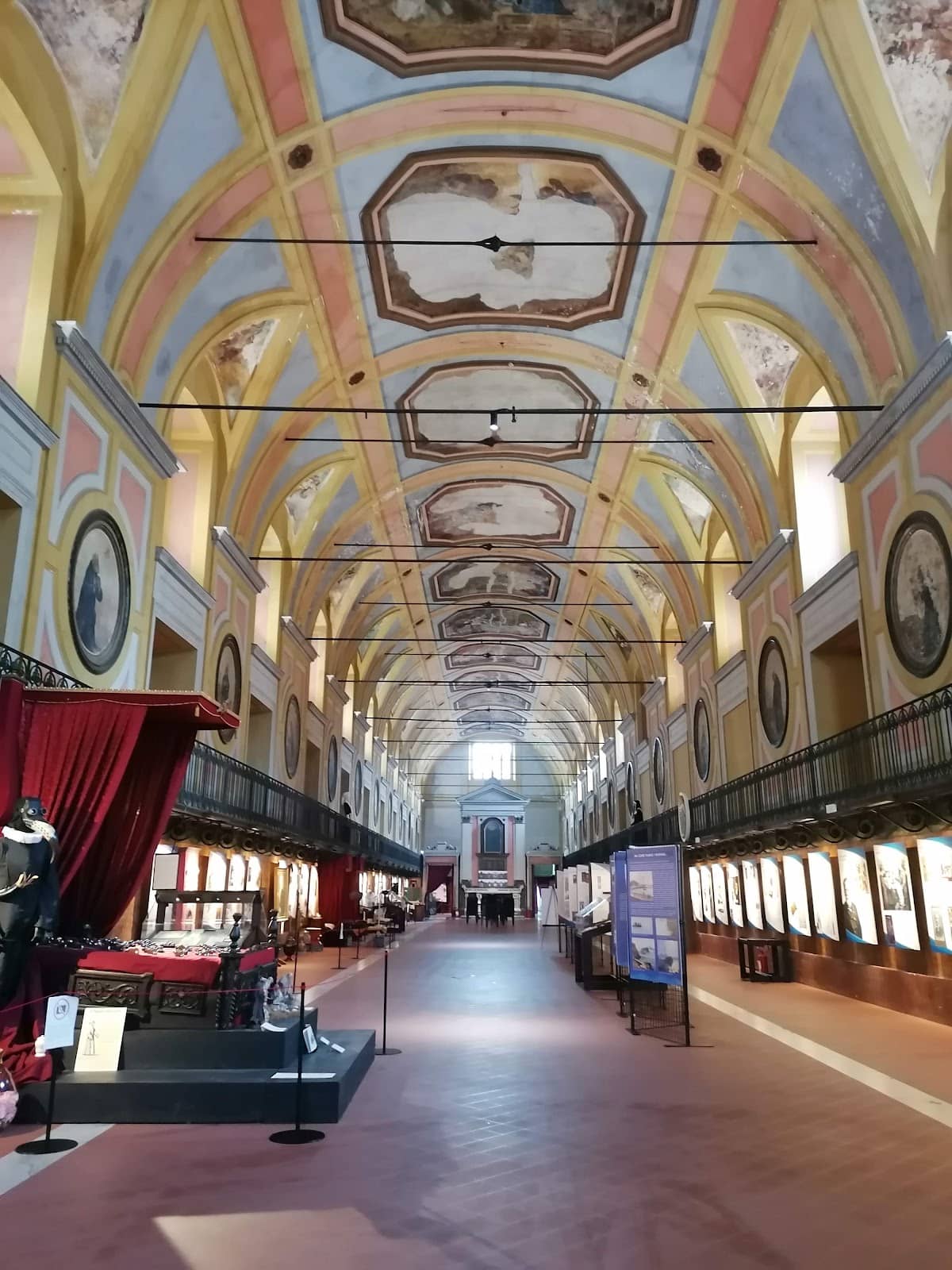
Museum of Epidemics
Lazzaretto Hall
Explore the fascinating 'Museum of Epidemics' housed in the historic Lazzaretto Hall, offering a unique perspective.
Plans like a pro.
Thinks like you
Planning Your Visit
Navigating the Historic Heart
Unveiling Hidden Gems
Best Times
Insider Tips
from TikTok, Instagram & Reddit
🚶♀️ Wander the Historic Center
Explore the surrounding streets of Via dei Tribunali for an authentic Neapolitan experience. :world_map:
🤫 Seek Tranquility
Visit early or late to best appreciate the peaceful atmosphere of the cloisters. 🕐
🏛️ Explore the Complex
Don't miss the Lazzaretto Hall and its unique museum. :museum:
👟 Comfortable Shoes
Cobblestone streets are common; wear comfy shoes for exploring. :athletic_shoe:
Tips
from all over the internet
🚶♀️ Wander the Historic Center
Explore the surrounding streets of Via dei Tribunali for an authentic Neapolitan experience. :world_map:
🤫 Seek Tranquility
Visit early or late to best appreciate the peaceful atmosphere of the cloisters. 🕐
🏛️ Explore the Complex
Don't miss the Lazzaretto Hall and its unique museum. :museum:
👟 Comfortable Shoes
Cobblestone streets are common; wear comfy shoes for exploring. :athletic_shoe:
What Travellers Say
Reviews Summary
Visitors often praise Santa Maria della Pace as a hidden gem offering a tranquil escape within Naples' historic center. The architectural beauty, particularly the Gothic portal and Renaissance cloisters, is frequently highlighted. However, some reviews mention that parts of the complex can appear neglected, and access to certain areas might be limited.
"Fantastic"
Carmine Russo
"The Church of Santa Maria della Pace in Naples is part of a complex that includes a 16th-century hospital and the "Lazzaretto Hall." The complex was built around a 15th-century noble palace; the church was built in the mid-17th century to celebrate the peace between France and Spain. It has a single nave with side chapels and an interior restored by Domenico Antonio Vaccaro. The grandiose frescoed Lazzaretto Hall, which housed infected patients, has been converted into an interesting "Museum of Epidemics.""
Francesco Gentile
"The church of Santa Maria della Pace is located in Naples and is part of the complex of the same name, which also includes a 16th-century hospital and the so-called "Lazzaretto Hall."
The monumental complex of Santa Maria della Pace includes the hospital of the Hospitaller Friars of San Giovanni di Dio (built in 1587), the church of the same name, and the Lazzaretto Hall; the complex stands on Via dei Tribunali, before it comes out in front of Castel Capuano, immediately after Piazzetta Sedil Capuano.
The complex arose around an ancient noble palace built by Giovanni Caracciolo in the early 15th century (designed by Andrea Ciccione). The architecture of the ancient building is still evident in the entrance portal, which, in Gothic style, is characterized by a large polylobed arch. Pietro De Marino designed the church, which was begun in 1629 and completed in 1659. The temple was consecrated to Santa Maria della Pace because it was completed in the year peace was signed between Louis XIV of France and Philip IV of Spain.
The church has a Latin cross plan with a single nave and three chapels on each side. The interior was restored after the 1732 earthquake by Domenico Antonio Vaccaro; the terracotta floor and splendid majolica tiles, created according to a design by Vaccaro himself, are by Donato Massa. The apse is by Nicola Tagliacozzi Canale."
Décio Mirândola
What People Like
What People Dislike
Frequently Asked Questions
🚇 🗺️ Getting There
Santa Maria della Pace is located on Via dei Tribunali, near Castel Capuano. You can easily reach it by walking from the historic center or by taking a bus to the Tribunali stop. 🚌 The area is pedestrian-friendly, but be prepared for bustling streets.
Parking in Naples' historic center can be challenging. It's recommended to use public transport or a taxi. If you must drive, look for paid parking garages in the vicinity, though they can be expensive. 🚗
Walking is the best way to explore the historic center. Wander through the narrow alleys, discover hidden piazzas, and soak in the vibrant atmosphere. 🚶
🎫 🎫 Tickets & Entry
Entry to the church itself is often free, but it's advisable to check for any specific opening hours or potential small entrance fees, especially if there are ongoing events. 🎟️
Opening hours can vary, especially for the Lazzaretto Hall and its museum. It's best to check the official website or local listings for the most up-to-date information before your visit. 🕐
While official guided tours might not always be readily available for the church itself, local guides often offer tours of the historic center that include this area. Inquire at local tourist information points. :guide_dog:
The Museum of Epidemics is typically a separate attraction within the complex and may have its own admission fee. Confirm this when you arrive or check online. :moneywithwings:
🎫 🏛️ Onsite Experience
Inside, you'll find a single nave with side chapels, a Latin cross plan, and beautiful terracotta floors and majolica tiles. The interior was restored by Domenico Antonio Vaccaro after a 1732 earthquake. 🎨
The Lazzaretto Hall historically housed infected patients and has been transformed into the 'Museum of Epidemics,' offering a unique and poignant historical perspective on public health. :microbe:
The historic nature of the complex, with its cobblestone streets and older structures, may present challenges. It's recommended to contact the site directly for specific accessibility information. ♿
Photography policies can vary. Generally, non-flash photography is permitted for personal use, but it's always best to check for any posted signs or ask permission from staff. :camerawithflash:
🍽️ 🍽️ Food & Dining
Yes, the historic center is brimming with trattorias, pizzerias, and cafes. You'll find plenty of options for authentic Neapolitan cuisine just steps away. 🍕
Don't miss trying authentic Neapolitan pizza, sfogliatelle (a shell-shaped pastry), and local seafood dishes. :pasta:
Social
from TikTok, Instagram & Reddit