Museo per la Storia dell'Università di Pavia
Explore Pavia University's scientific and medical history, featuring pioneers like Volta and Golgi. A journey through groundbreaking discoveries.
Highlights
Must-see attractions

Social
From TikTok & Reddit
Best Time
Fewer crowds, better focus
Museo per la Storia dell'Università di Pavia
Best Time
Fewer crowds, better focus
Highlights
Must-see attractions
Explore Pavia University's scientific and medical history, featuring pioneers like Volta and Golgi. A journey through groundbreaking discoveries.
"Fascinating artifacts, especially the medical section; guided tours are key for English speakers."
Book a Guided Tour
Highly recommended for English speakers to fully appreciate the exhibits.
Italian Descriptions
Most written descriptions are in Italian; consider a translation app.
Quick Facts
Hours
Rating
4.6 · 125 reviews
Type
Museum
Highlights
Discover the most iconic attractions and experiences
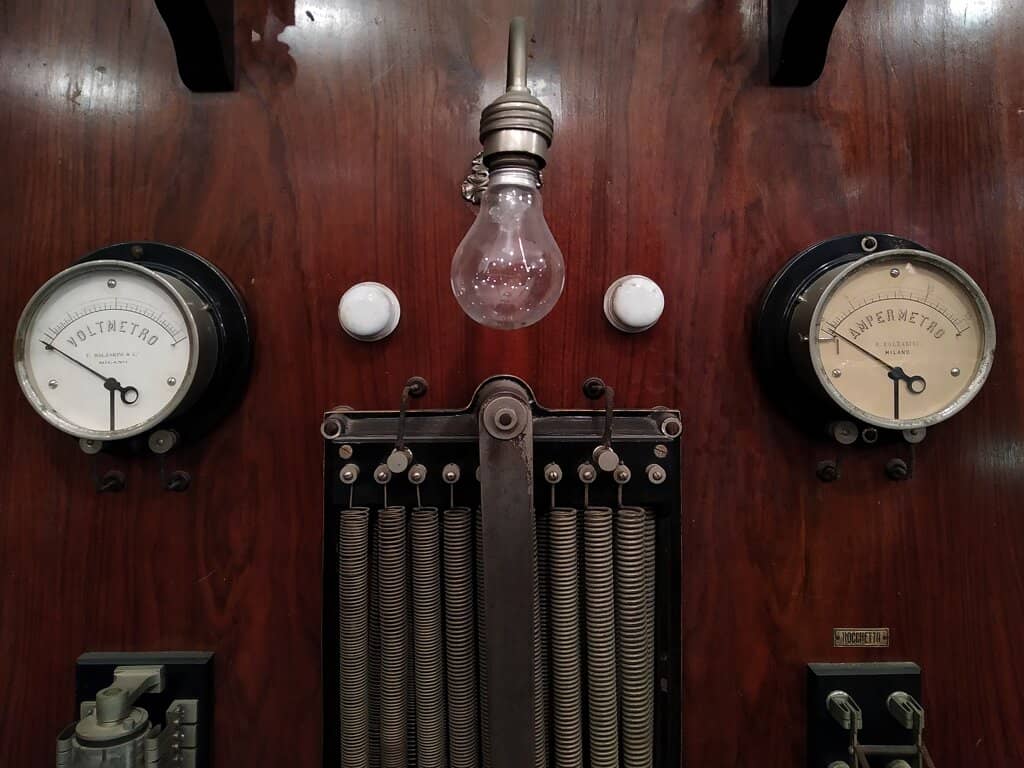
Alessandro Volta's Instruments
Physics Section
Explore the instruments used and invented by the renowned physicist Alessandro Volta, a pivotal figure in electricity.
Camillo Golgi's Legacy
Medicine Section
Discover exhibits dedicated to Nobel laureate Camillo Golgi, a pioneer in neuroscience and histology.
Anatomical and Pathological Displays
Medicine Section
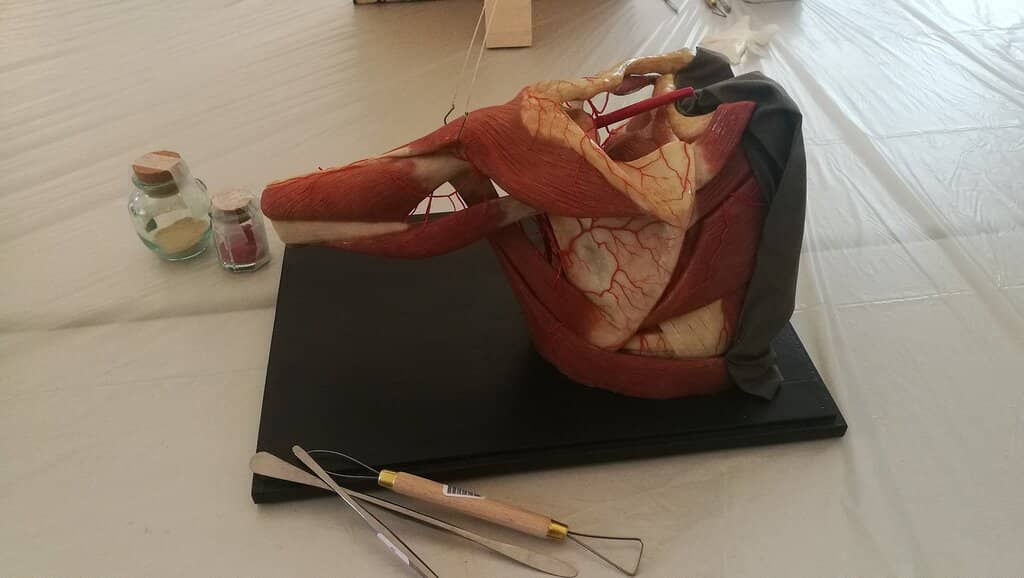
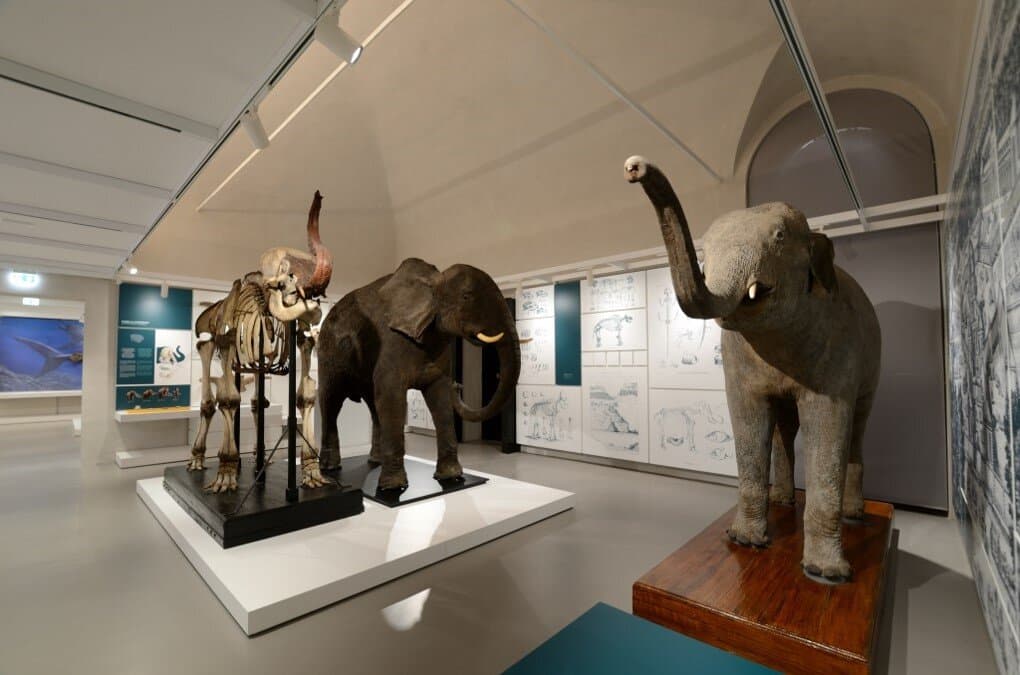
Marvel at unique medical exhibits, including those honoring anatomist Antonio Scarpa and surgeon Luigi Porta.
Plans like a pro.
Thinks like you
Planning Your Visit
Navigating the University's Past
Focus on Science and Medicine
Best Times
Insider Tips
from TikTok, Instagram & Reddit
Book a Guided Tour
Highly recommended for English speakers to fully appreciate the exhibits.
Italian Descriptions
Most written descriptions are in Italian; consider a translation app.
Focus on Medical Section
The medical exhibits are particularly fascinating and unique.
Macabre Fascination
Some find the historical medical artifacts quite striking.
Tips
from all over the internet
Book a Guided Tour
Highly recommended for English speakers to fully appreciate the exhibits.
Italian Descriptions
Most written descriptions are in Italian; consider a translation app.
Focus on Medical Section
The medical exhibits are particularly fascinating and unique.
Macabre Fascination
Some find the historical medical artifacts quite striking.
What Travellers Say
Reviews Summary
Visitors find the museum's artifacts fascinating, particularly the medical and physics sections dedicated to pioneers like Volta and Golgi. While the exhibits are highly interesting, the lack of English descriptions is a common drawback, making guided tours essential for non-Italian speakers. The staff are noted as friendly and helpful.
"The artifacts are fascinating and the guide persons can help with English descriptions. However, the written descriptions' language are all in Italian and is not appreciated for a museum in an international university. Overall, the museum is very nice to visit."
Kourosh Sajjadi
"A Small Museum, worth visiting. The medical portion is really great. It could have English description of the items"
Jit Mukherjee
"A very inyeresting Museum for the history of Sciences and Research wonderful guided tourby Ester."
Alexandra Angeletaki
What People Like
What People Dislike
Frequently Asked Questions
🚇 🗺️ Getting There
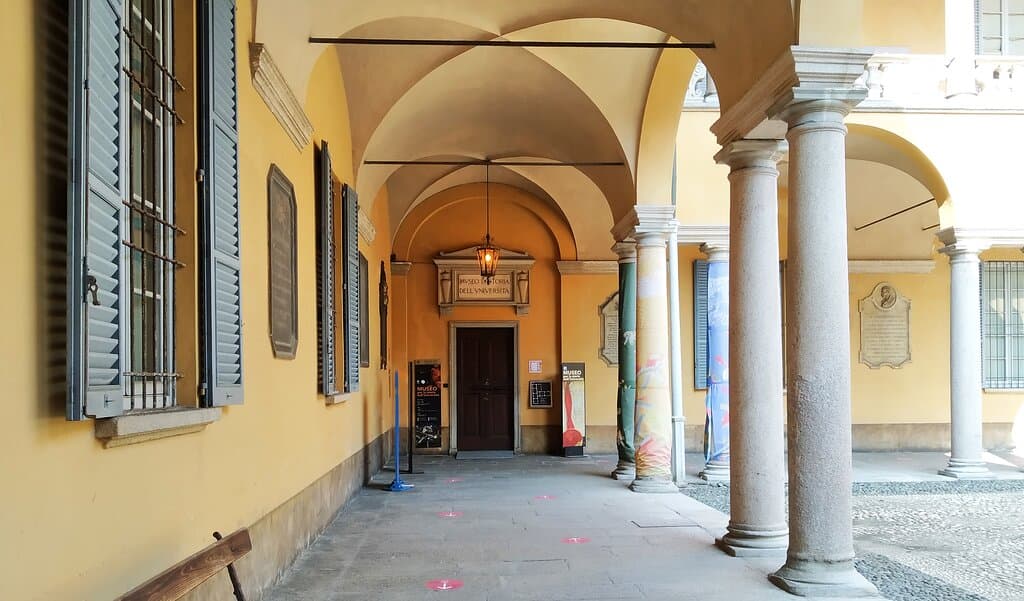
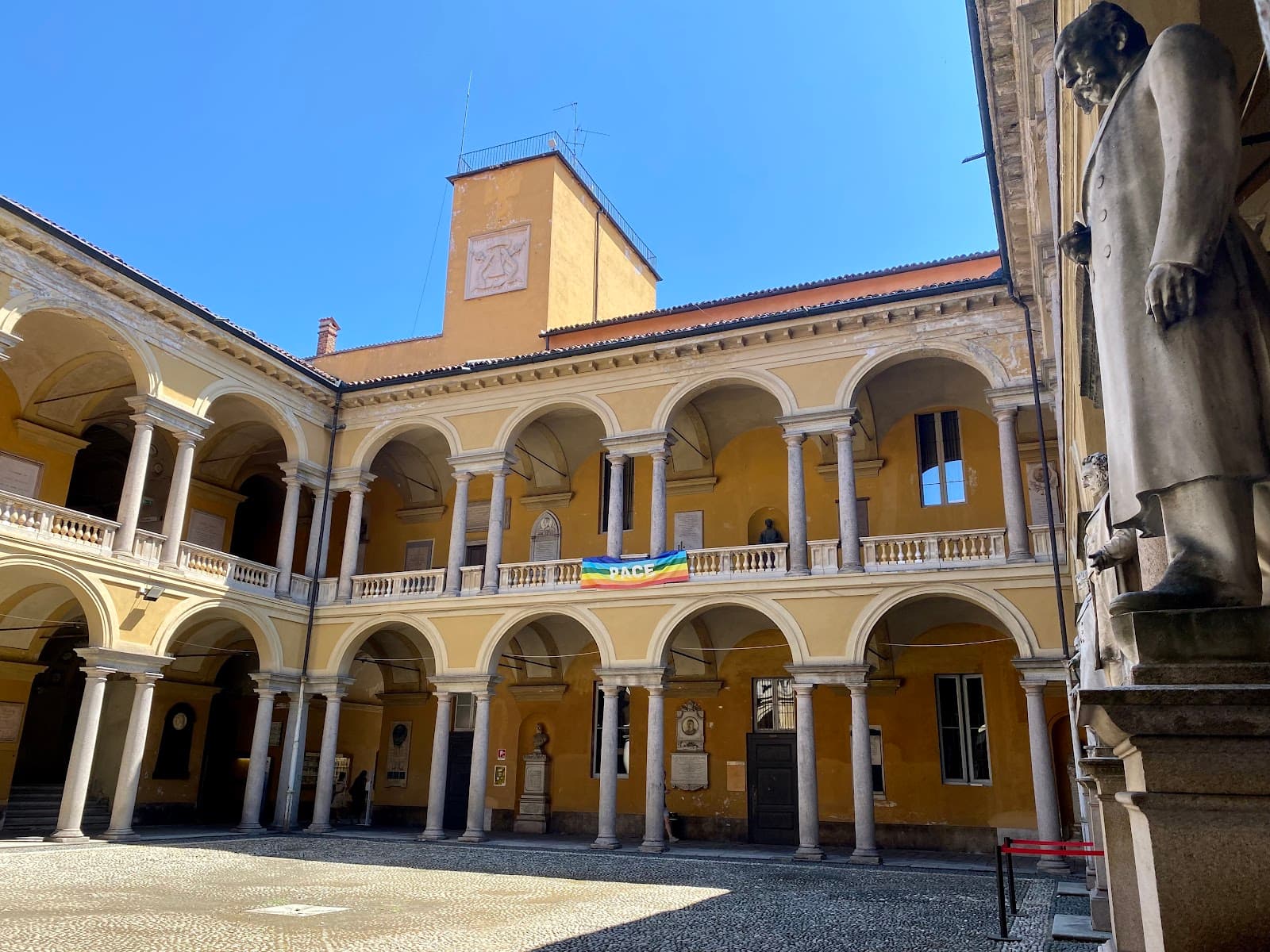
The museum is located within the central university building, with an entrance from the ancient courtyard of the medical faculty. It's easily accessible by walking from Pavia's city center.
Parking in the immediate vicinity of the university can be challenging. It's advisable to use public transport or park in a designated city parking lot and walk.
Yes, Pavia has a good bus network. Check local bus routes that stop near the University of Pavia's main campus.
🎫 🎫 Tickets & Entry
Opening hours can vary, and it's best to check the official University of Pavia website for the most up-to-date information before your visit.
Admission fees are generally reasonable. For the most current pricing, consult the university's museum section online.
For general entry, advance booking might not be necessary, but it's always a good idea to check, especially if you plan to join a guided tour.
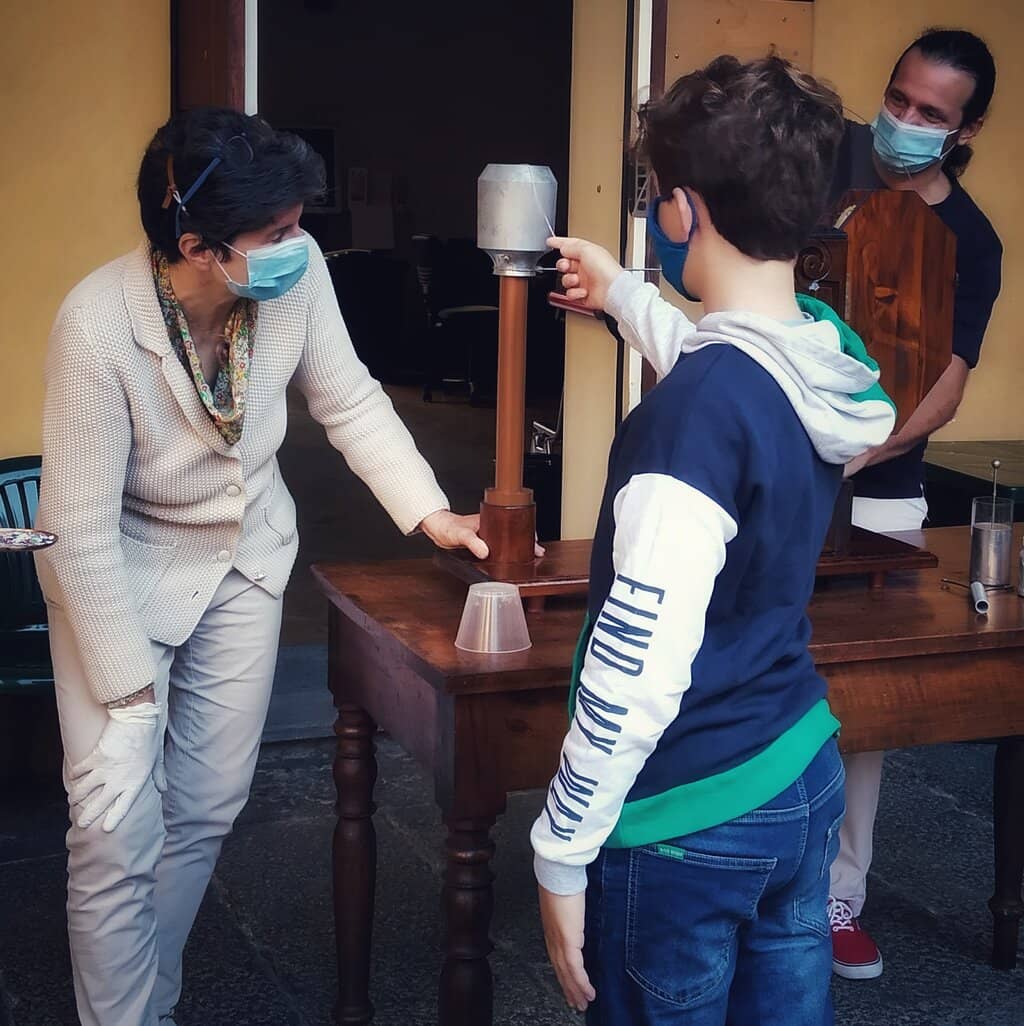
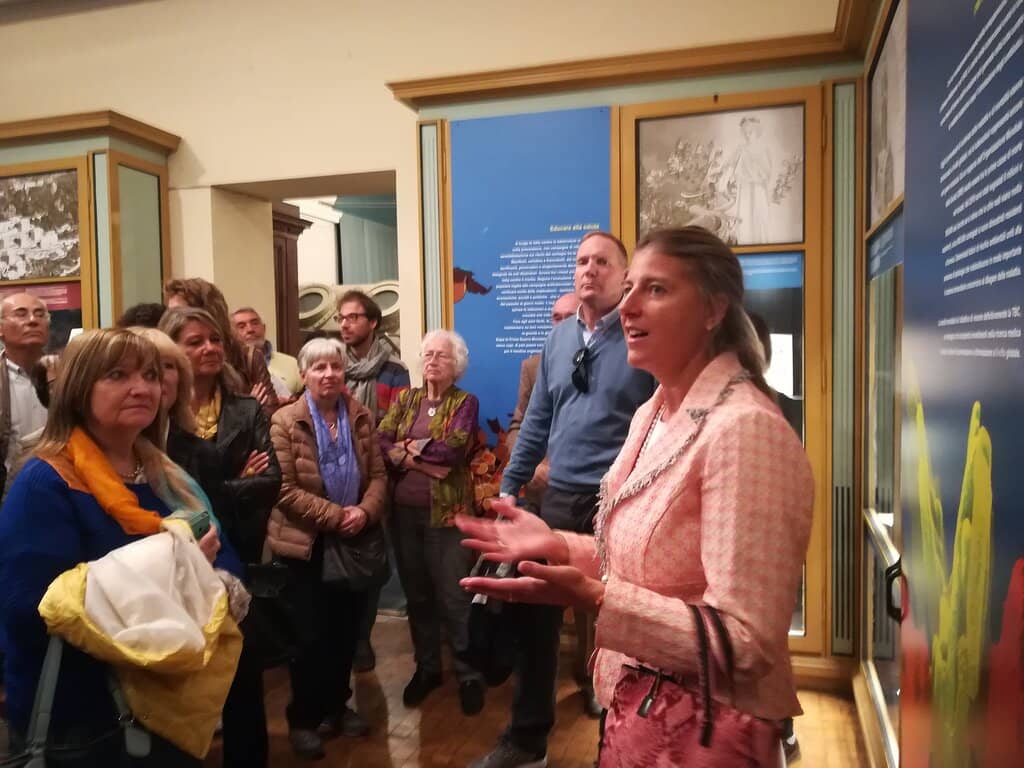
Yes, guided tours are organized periodically and are highly recommended, especially for visitors who don't speak Italian.
Information on accessibility can be found on the university's official website. It's advisable to contact them directly for specific needs.
🎫 🔬 Onsite Experience
The museum is primarily divided into two main sections: Physics, focusing on Alessandro Volta, and Medicine, honoring Scarpa, Porta, and Golgi.
Unfortunately, most written descriptions are in Italian. Guided tours are the best way to get English explanations.
The medical section is very interesting, featuring unique exhibits and artifacts related to anatomy, pathology, and histology, including items from Nobel laureate Camillo Golgi.
Even without extensive prior knowledge, the exhibits are visually engaging, and a guided tour can provide fascinating context.
Photography policies can vary. It's best to check for signage or ask museum staff if photography is permitted.
🍽️ 🍽️ Food & Dining
Typically, university museums do not have on-site dining facilities. There are many cafes and restaurants in the surrounding university district and city center.
The area around the University of Pavia is filled with trattorias, pizzerias, and cafes offering various dining options.
📸 📸 Photography
The historical scientific instruments, anatomical models, and portraits of esteemed professors offer unique photographic subjects.
Flash photography is often restricted in museums to protect delicate artifacts. Always check for specific rules.
Social
from TikTok, Instagram & Reddit