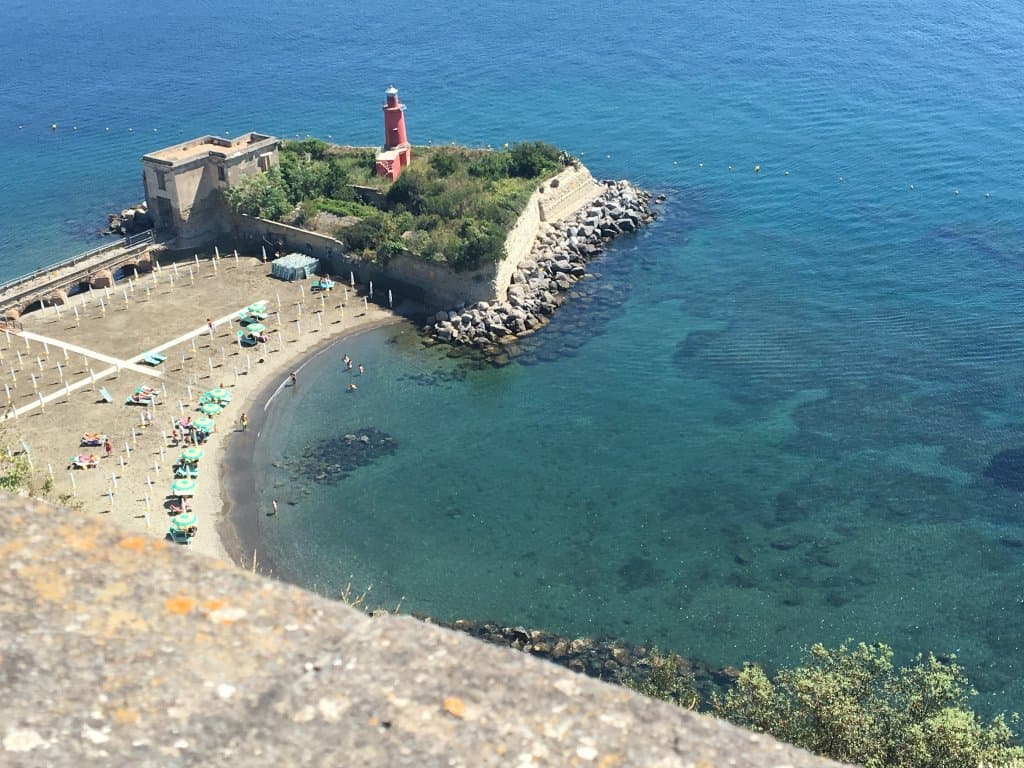
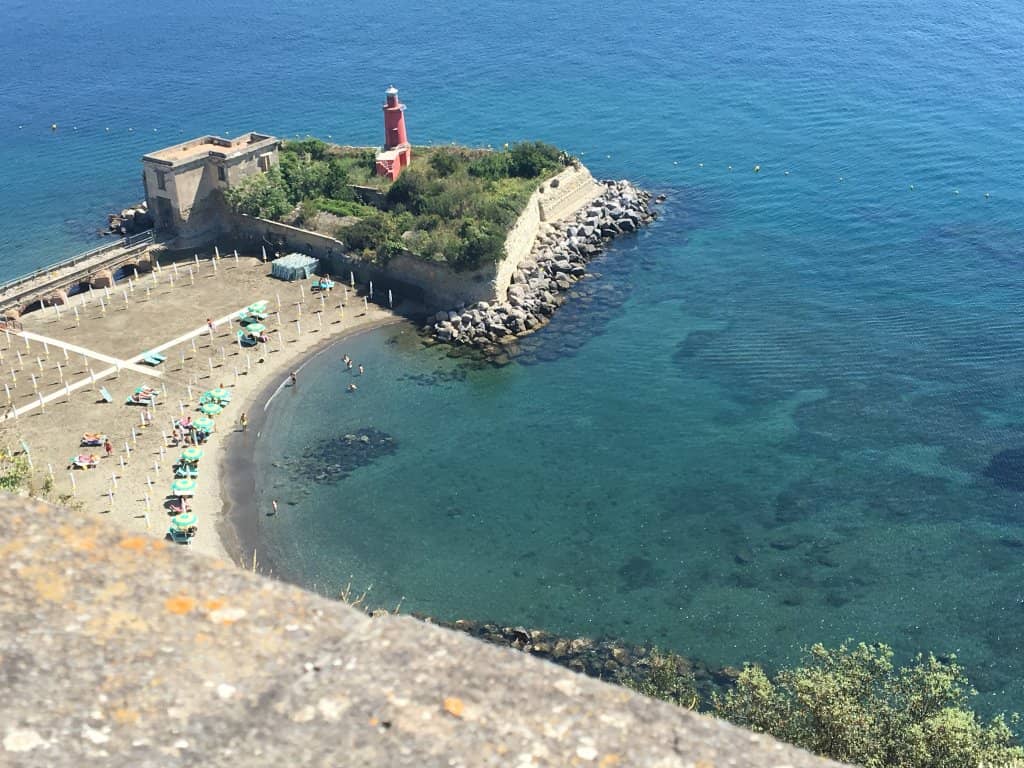
Phlegrean Fields Naples
Explore an active volcanic region west of Naples, featuring steaming craters, submerged Roman ruins, and unique wines.

Highlights
Must-see attractions

Social
From TikTok & Reddit
Best Time
Pleasant temperatures for exploring
Phlegrean Fields Naples
Best Time
Pleasant temperatures for exploring
Highlights
Must-see attractions
Explore an active volcanic region west of Naples, featuring steaming craters, submerged Roman ruins, and unique wines.
"A land of fire and water, where ancient history meets raw geological power."
Check Solfatara Status
Solfatara is currently closed. Check local updates before visiting to avoid disappointment.
Wear Comfortable Shoes
You'll be doing a lot of walking to explore the volcanic landscapes and ruins. :athletic_shoe:
Quick Facts
Rating
4.1 · 702 reviews
Type
Mountain Peak
Highlights
Discover the most iconic attractions and experiences
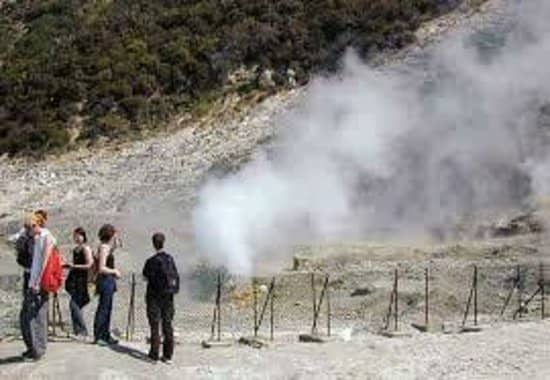
Solfatara Crater
Pozzuoli
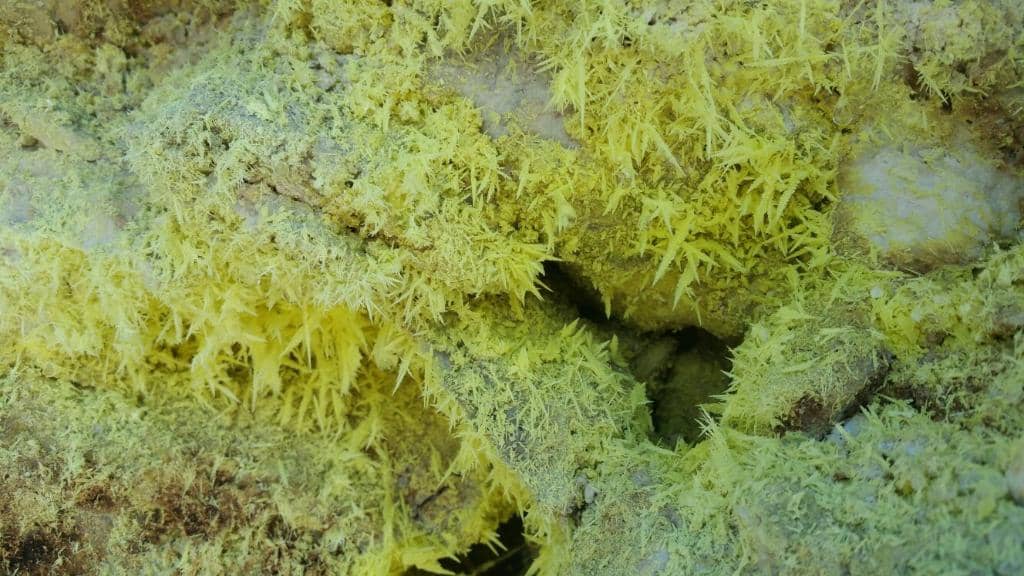
Witness steaming fumaroles and bubbling mud pools, a tangible sign of the earth's power. Smell the sulfurous air!
Baia Archaeological Park
Bacoli
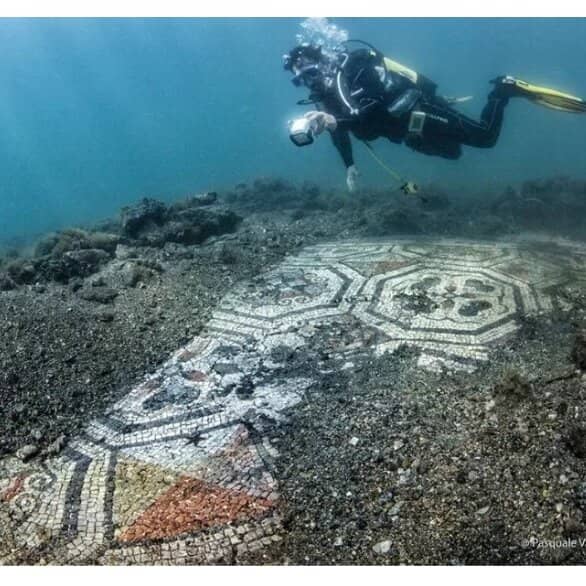
Explore submerged Roman ruins, a testament to ancient grandeur now claimed by the sea due to bradyseism.
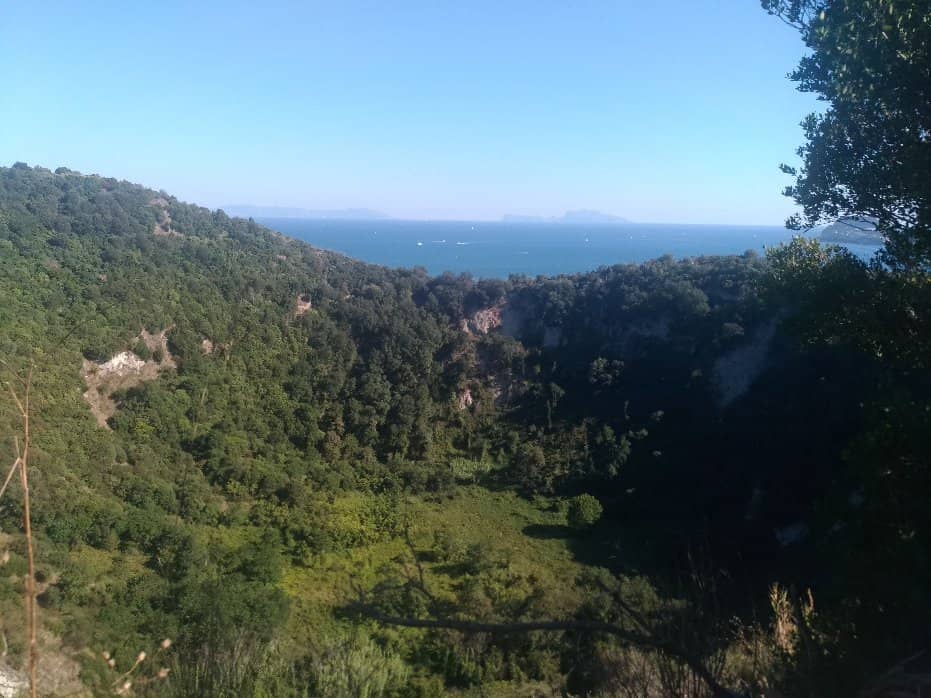
Cantine Astroni
Naples
Savor volcanic wines from this unique vineyard, a true taste of the Phlegrean Fields' terroir.
Plans like a pro.
Thinks like you
Planning Your Visit
Volcanic Activity & Safety
 +1
+1Accessibility & Timing
Best Times
Insider Tips
from TikTok, Instagram & Reddit
Check Solfatara Status
Solfatara is currently closed. Check local updates before visiting to avoid disappointment.
Wear Comfortable Shoes
You'll be doing a lot of walking to explore the volcanic landscapes and ruins. :athletic_shoe:
Taste Volcanic Wines
Discover unique wines from vineyards like Cantine Astroni, shaped by the volcanic soil. :wine_glass:
Consider Guided Tours
Enhance your understanding of the geology and history with local expert insights. :guide_dog:
Tips
from all over the internet
Check Solfatara Status
Solfatara is currently closed. Check local updates before visiting to avoid disappointment.
Wear Comfortable Shoes
You'll be doing a lot of walking to explore the volcanic landscapes and ruins. :athletic_shoe:
Taste Volcanic Wines
Discover unique wines from vineyards like Cantine Astroni, shaped by the volcanic soil. :wine_glass:
Consider Guided Tours
Enhance your understanding of the geology and history with local expert insights. :guide_dog:
What Travellers Say
Reviews Summary
Visitors express disappointment over the current closure of Solfatara, with many finding it inaccessible or offering limited views. However, the underlying volcanic nature and the historical significance of the Phlegrean Fields, particularly the submerged ruins of Baia, are still appreciated. The area's unique geological features and potential for wine tasting are noted positives.
"Solfatara was still closed even i dont know how you can close a volcano 🤔.
But if you keep walking the road up to the hill few hundred meters you can see the crater from there. And you can smell the volcanic activity too."
Timo Oinonen
"We arrived not knowing that this was permanently closed due to some kid that thought it was a good idea to run off on his own, resulting in the parents chasing after him and them dying.. ruining it for everyone else. We were able to drive by and see it which was still nice. If you're in the area and want to drive by otherwise don't go out of your way since it is closed."
Jaclyn Mazzella
"It is closed, but there is a viewpoint from where you can see the solfatara. So it is free. You can smell the solfatara as soon as you exit the metro. You will need 15 minutes walk from the metro."
Milica Bosnić
What People Like
What People Dislike
Frequently Asked Questions
🚇 🗺️ Getting There
You can reach the Phlegrean Fields from Naples by car, bus, or train. The Circumflegrea train line connects Naples to towns like Pozzuoli and Quarto. Taxis and ride-sharing services are also available, though they can be more expensive.
Getting around can be challenging as the area is spread out. Renting a car offers the most flexibility, but public transport and taxis are options. Some areas are best explored on foot.
Yes, it's definitely possible to visit key sites in the Phlegrean Fields as a day trip from Naples. Focus on one or two main attractions to make the most of your time.
To see the submerged ruins of Baia, you can take a glass-bottom boat tour or go snorkeling/diving. The Baia Archaeological Park offers guided tours that explain the history and geology.
While Solfatara itself is currently closed, the Circumflegrea train line stops at the 'Solfatara' station, which is a short walk from the entrance.
🎫 🎫 Tickets & Entry
Currently, Solfatara is closed to the public due to safety concerns. Visitors can sometimes view the crater from nearby vantage points.
Ticket prices vary for each attraction. The Baia Archaeological Park has an entrance fee, and tours or specific activities may incur additional costs. It's best to check the official websites for current pricing.
For some attractions, especially during peak season, booking tickets in advance is recommended to secure your spot and avoid queues.
While major attractions have fees, you can often drive or walk through parts of the Phlegrean Fields to see the volcanic landscape and enjoy views from afar, especially around Pozzuoli.
Opening hours can vary seasonally. It's advisable to check the official website of the Baia Archaeological Park or other specific sites for the most up-to-date information on operating times.
🎫 🌋 Onsite Experience
Bradyseism is the slow vertical movement of the Earth's crust caused by volcanic activity. In the Phlegrean Fields, this has caused parts of the coastline, like Baia, to sink below sea level.
Expect to see active volcanic craters, steaming fumaroles, volcanic lakes, vineyards producing unique wines, and ancient Roman ruins, some of which are submerged.
The Phlegrean Fields are an active volcanic area, and authorities monitor seismic activity closely. While generally safe for tourism, it's wise to stay informed about any local advisories.
You can witness fumaroles (steam vents), smell sulfurous gases, and see bubbling mud pools. The landscape itself is a constant reminder of the volcanic forces at play.
Yes, there are opportunities for hiking, particularly around the volcanic craters and along the coastline. Always stick to marked paths and be aware of your surroundings.
🍽️ 🍷 Food & Dining
Beyond Naples' famous pizza, try local seafood dishes, especially around the coastal towns. Don't miss the wines produced from the volcanic soil, like those from Cantine Astroni.
Yes, you'll find trattorias and restaurants in towns like Pozzuoli and Bacoli offering local Campanian cuisine. Many offer stunning views of the landscape.
Absolutely! Wineries like Cantine Astroni offer wine tastings where you can sample wines made from indigenous grapes grown in the volcanic terroir.
Dining prices can range from casual trattorias to more upscale restaurants. Expect reasonable prices for pizza and pasta, with seafood and fine dining being more expensive.
Many Italian restaurants offer vegetarian options, such as pasta with vegetable sauces or pizzas. Vegan options might require specific requests, but are increasingly available.
📸 📸 Photography
Capture the dramatic volcanic landscapes, the submerged ruins of Baia, and panoramic views from higher ground. The contrast between the volcanic terrain and the sea is stunning.
Yes, you can photograph the steam vents and the general volcanic landscape. Be mindful of safety regulations and avoid getting too close to active areas.
Golden hour (sunrise and sunset) offers beautiful light for landscape photography. Midday can be harsh, but good for capturing the starkness of the volcanic terrain.
Drone regulations can be strict in Italy, especially in protected archaeological areas or near sensitive geological sites. Always check local drone laws before flying.
A wide-angle lens is great for landscapes, while a telephoto lens can be useful for capturing details from a distance. A sturdy tripod can help with low-light conditions or capturing steam.
Social
from TikTok, Instagram & Reddit