Chiesa dello Spirito Santo
A Baroque masterpiece attributed to Bernini, featuring a unique unfinished facade and remarkable 17th-century organs.
Highlights
Must-see attractions

Social
From TikTok & Reddit
Best Time
Experience the spiritual atmosphere
Chiesa dello Spirito Santo
Best Time
Experience the spiritual atmosphere
Highlights
Must-see attractions
A Baroque masterpiece attributed to Bernini, featuring a unique unfinished facade and remarkable 17th-century organs.
"A large church that has retained its original appearance almost unchanged."
Check Service Times
Access to certain areas may be limited outside of services. Confirm mass schedules beforehand. :clock1:
Admire the Organs
Don't miss the two impressive 17th-century organs, a unique feature of the facade. :musical_score:
Quick Facts
Rating
4.5 · 168 reviews
Type
Church
Highlights
Discover the most iconic attractions and experiences
Bernini's Design
Interior
Admire the architectural genius of Gian Lorenzo Bernini, evident in the church's Baroque design and layout.
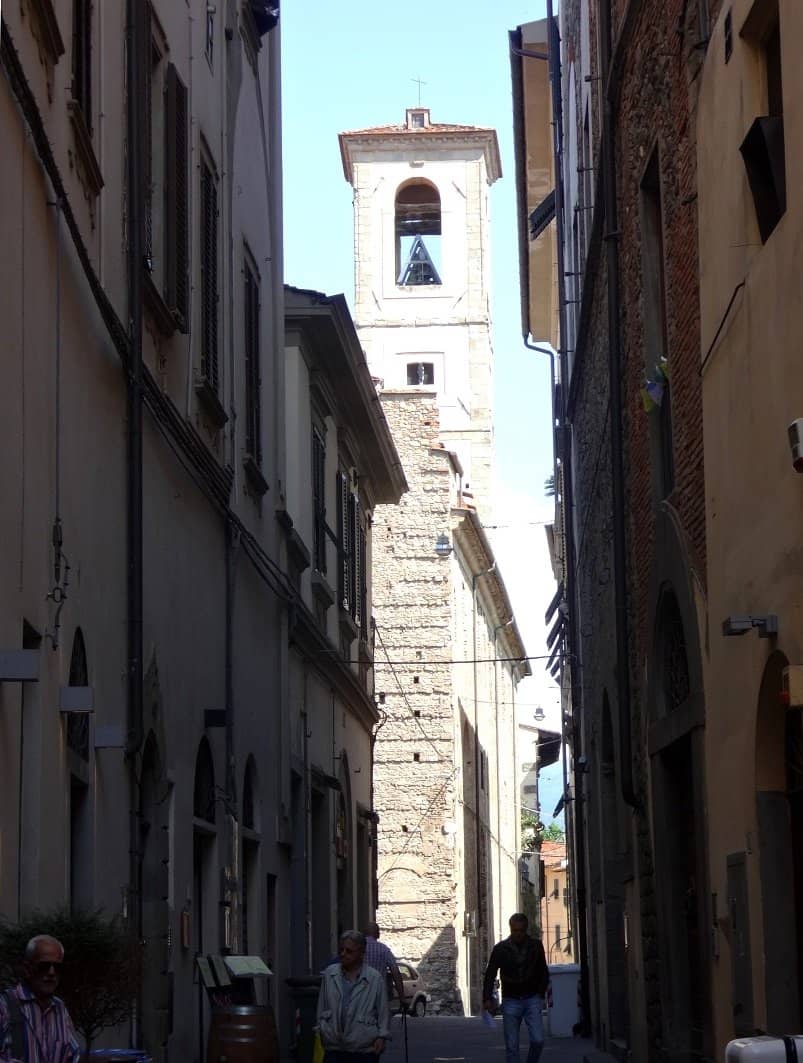
Seventeenth-Century Organs
Facade
Discover the two precious 17th-century organs, one rebuilt, still in use and facing each other on the facade.
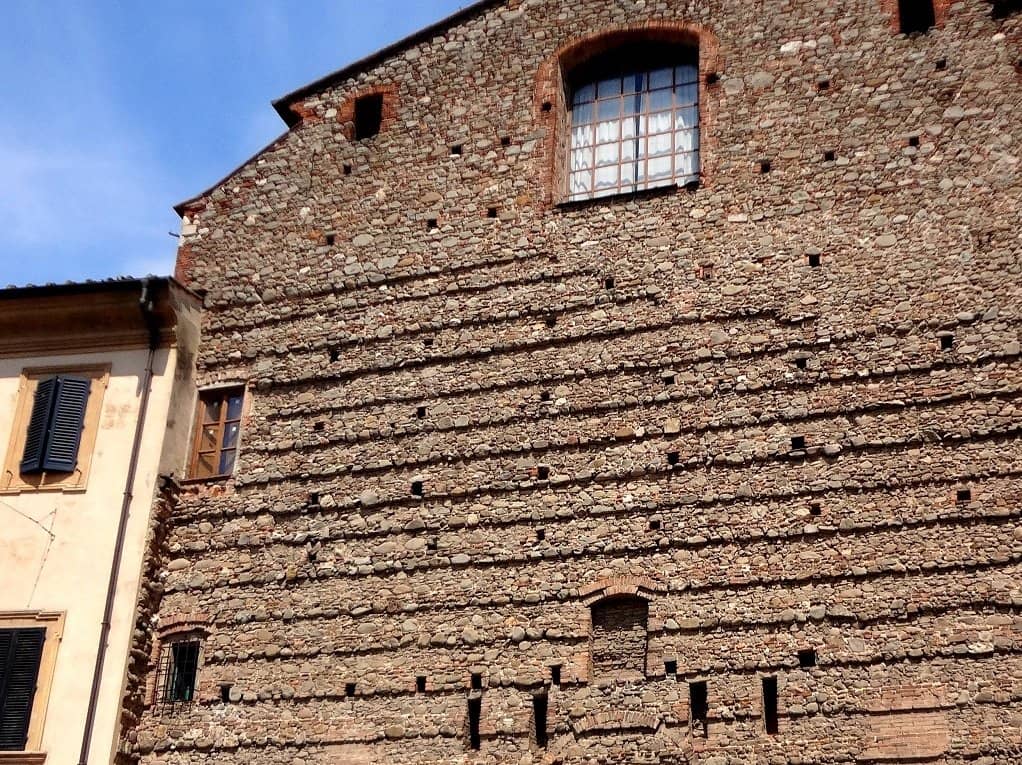
Unfinished Facade
Exterior
Appreciate the unique character of the church's bare cobblestone masonry facade, which remains largely unchanged.
Plans like a pro.
Thinks like you
Planning Your Visit
Timing Your Visit
Architectural Marvels
Best Times
Insider Tips
from TikTok, Instagram & Reddit
Check Service Times
Access to certain areas may be limited outside of services. Confirm mass schedules beforehand. :clock1:
Admire the Organs
Don't miss the two impressive 17th-century organs, a unique feature of the facade. :musical_score:
Appreciate the Facade
The church's exterior is notable for its unfinished, bare cobblestone masonry. :building_construction:
Tips
from all over the internet
Check Service Times
Access to certain areas may be limited outside of services. Confirm mass schedules beforehand. :clock1:
Admire the Organs
Don't miss the two impressive 17th-century organs, a unique feature of the facade. :musical_score:
Appreciate the Facade
The church's exterior is notable for its unfinished, bare cobblestone masonry. :building_construction:
What Travellers Say
Reviews Summary
Visitors praise the Chiesa dello Spirito Santo for its beautiful artworks and significant architectural design, particularly noting the contributions of Gian Lorenzo Bernini. The unique 17th-century organs and the distinctive unfinished facade are frequently highlighted. However, some find the restriction of access outside of services disconcerting, limiting opportunities for quiet contemplation.
"Beautiful artworks."
DAVID SNYDER
"The church, whose design is attributed to the architect Gian Lorenzo Bernini, was built between 1647 and 1685.
Externally it is characterized by bare cobblestone masonry with brick ribs and arches. The facade is interrupted by the entrance portal, surmounted, above, under the roof, by a large window.
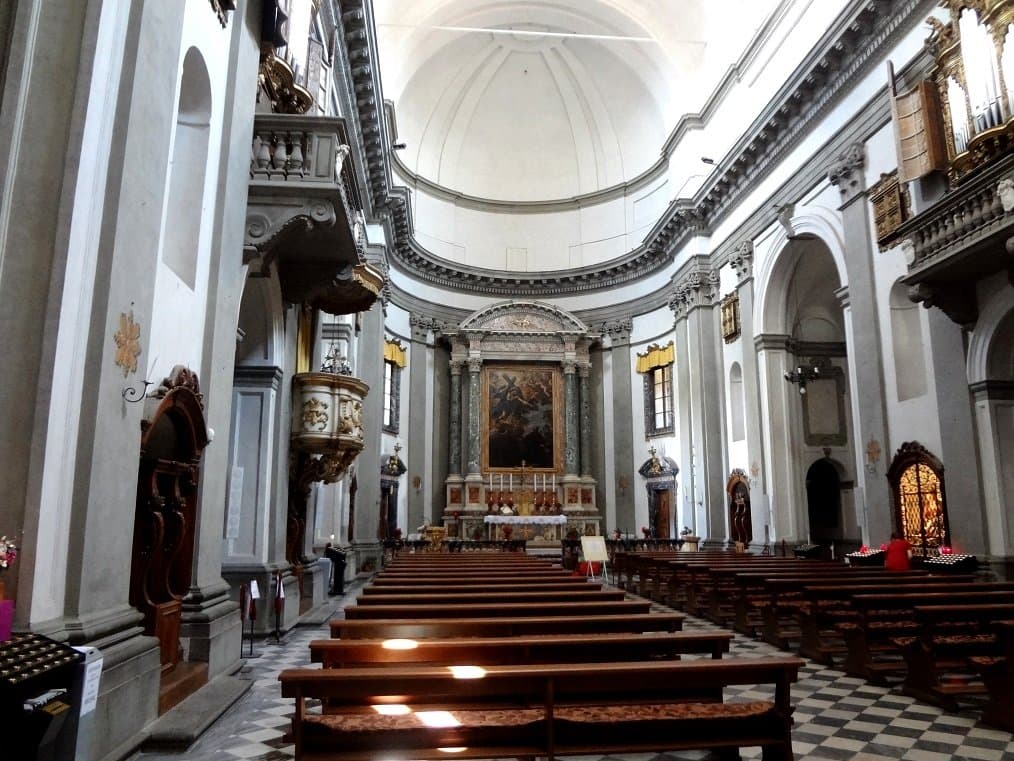
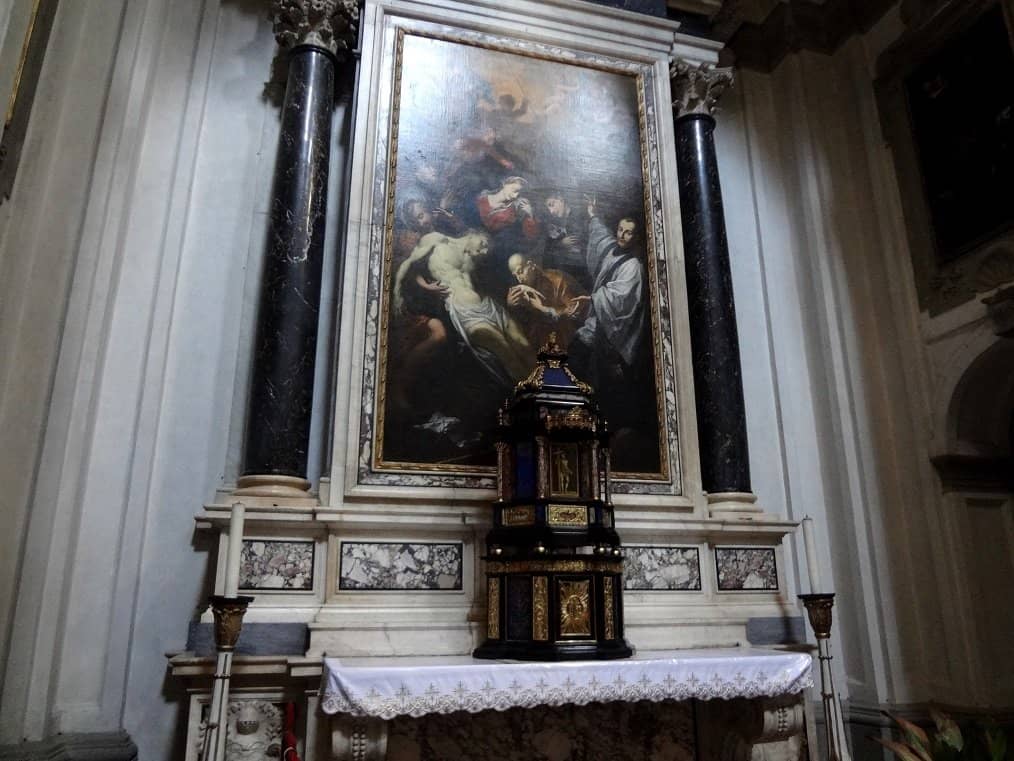
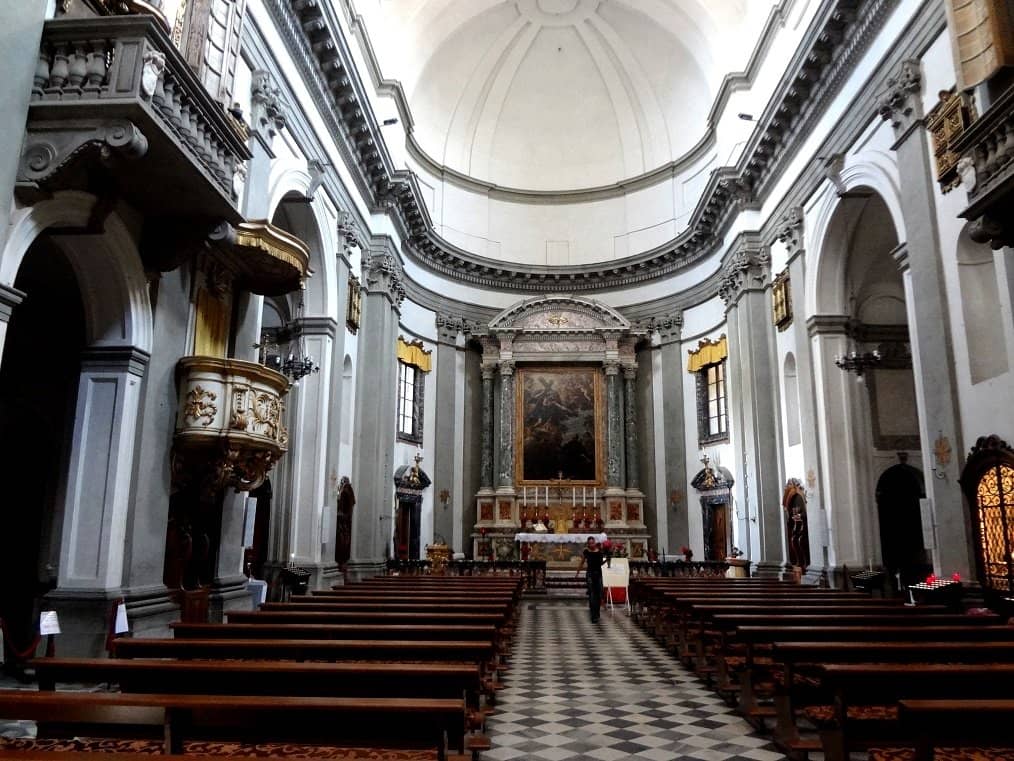
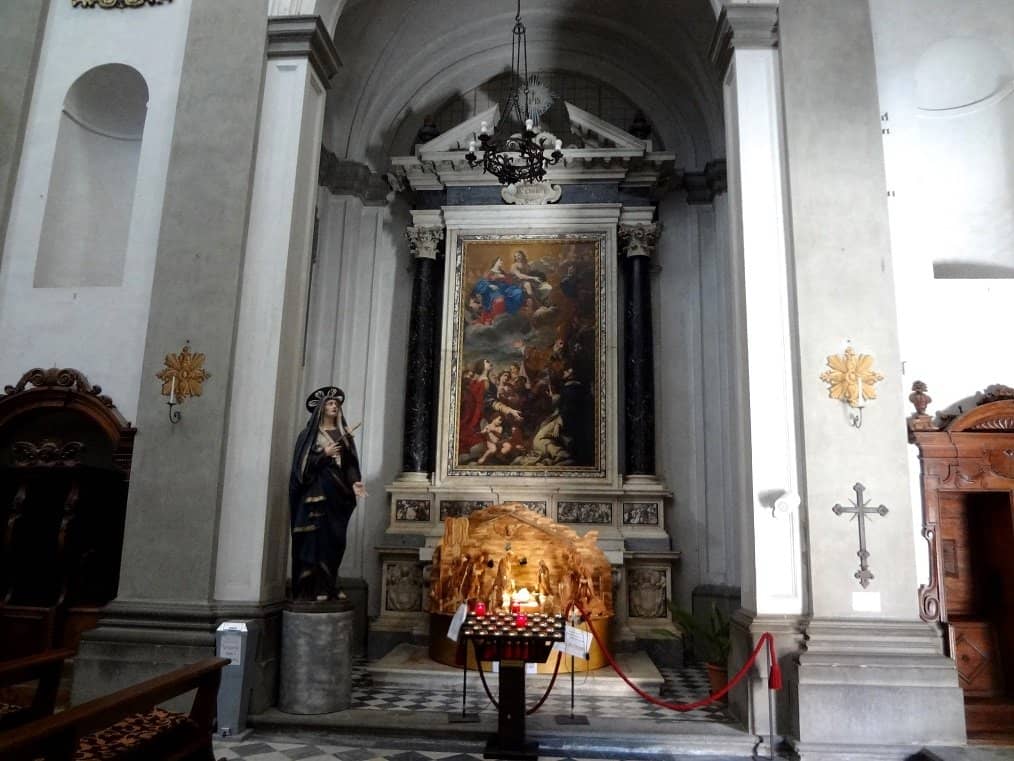
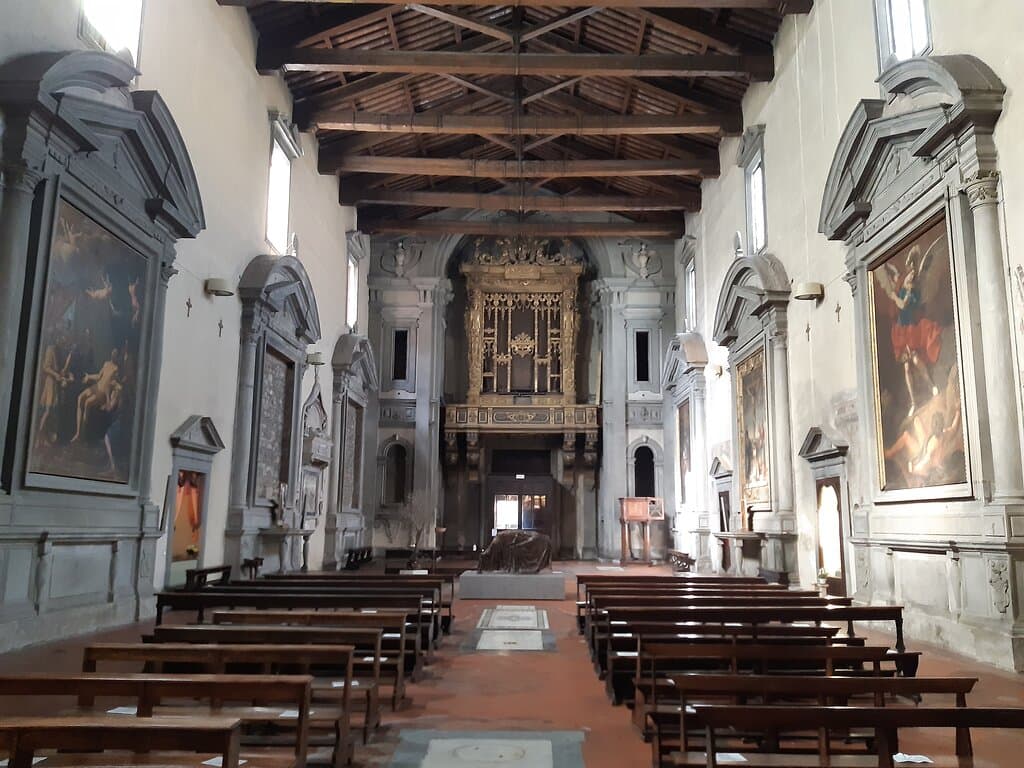
The church has a planimetric layout with a large central hall dominating the small articulated side chapels, which intercommunicate with each other. The walls are articulated on a system of Corinthian style pilasters with composite capitals, which frame the access arches to the side chapels, to then be combined in the apse basin. Above the pilasters there is a large entablature, accentuated by the brackets that support the cornice, which runs along the entire perimeter of the church to ideally support the large barrel vault, lightened by fluted panels. The presbyteral area is delimited by a balustrade in polychrome marble and encloses the large altar, also in polychrome marble. Inside the church there are two organs on choir lofts against the side walls."
Paolo Caggiano
"A large church that has retained its original appearance almost unchanged (including the unfinished façade).
The most interesting elements are the two organs (one of which was rebuilt) facing each other halfway up the façade, still in use.
The decision to close off access to the nave and chapels when there are no services is disconcerting!
Aside from the artistic aspect... you can't even sit for a moment in contemplation; shame on you."
Enrico Ricciardi
What People Like
What People Dislike
Frequently Asked Questions
🚇 🗺️ Getting There
The Chiesa dello Spirito Santo is located in Rome, Italy, on Via Giulia. It's accessible by public transport, with several bus lines stopping nearby. Walking from other central Rome attractions is also an option if you enjoy exploring the city on foot.
Yes, there is a notable Chiesa dello Spirito Santo located in Rome, Italy, specifically on the historic Via Giulia.
Yes, churches named Chiesa dello Spirito Santo can be found in various Italian cities, including Enna, Portotorres,
and Adrano,
each with its own unique history and community. It's important to specify the location when planning a visit.
🎫 🎫 Tickets & Entry
Generally, entry to churches like Chiesa dello Spirito Santo is free, especially for religious services. However, access to certain areas might be restricted outside of mass times.
Opening hours can vary, and access to the nave and chapels may be limited when services are not taking place. It's advisable to check local listings or inquire on-site for the most accurate hours.
Yes, attending a service is a common way to experience the church's spiritual atmosphere. Check the schedule for mass times if you wish to participate. +1
🎫 🏛️ Onsite Experience
The church's design is attributed to Gian Lorenzo Bernini and features a unique facade of bare cobblestone masonry. The interior boasts a layout with a large central hall and interconnected side chapels, articulated by Corinthian pilasters.
Visitors often highlight the precious 17th-century organs, one of which was rebuilt, facing each other on the facade. The interior's articulation with pilasters and the barrel vault are also noteworthy.
No, the facade of the Chiesa dello Spirito Santo has retained its original appearance, characterized by bare cobblestone masonry and brick ribs, and is considered unfinished.
Photography policies can vary by church. It's generally respectful to avoid flash photography and to be mindful of ongoing services or other visitors.
📸 📸 Photography
The unique facade with its bare cobblestone masonry offers a striking photographic subject. Inside, the interplay of light and shadow on the pilasters and chapels can also yield beautiful shots.
While not always explicitly stated, it's good practice to avoid flash photography inside churches and to be discreet, especially during services.
Social
from TikTok, Instagram & Reddit