Teatro Anatomico dello Spedale del Ceppo Pistoia
Step into a 16th-century dissection room and admire Renaissance ceramic art at Pistoia's historic Ospedale del Ceppo.
Highlights
Must-see attractions

Social
From TikTok & Reddit
Best Time
Fewer crowds, more intimate experience
Teatro Anatomico dello Spedale del Ceppo Pistoia
Best Time
Fewer crowds, more intimate experience
Highlights
Must-see attractions
Step into a 16th-century dissection room and admire Renaissance ceramic art at Pistoia's historic Ospedale del Ceppo.
"A journey back in time in regards to medicine in the province of Tuscany!"
Book Guided Tours
Highly recommended for in-depth historical context and fascinating stories.
Admire the Exterior
Don't miss the stunning ceramic frieze and rondos on the hospital's facade.
Quick Facts
Hours
Rating
4.4 · 2,020 reviews
Type
Museum
Highlights
Discover the most iconic attractions and experiences
Teatro Anatomico
Ospedale del Ceppo
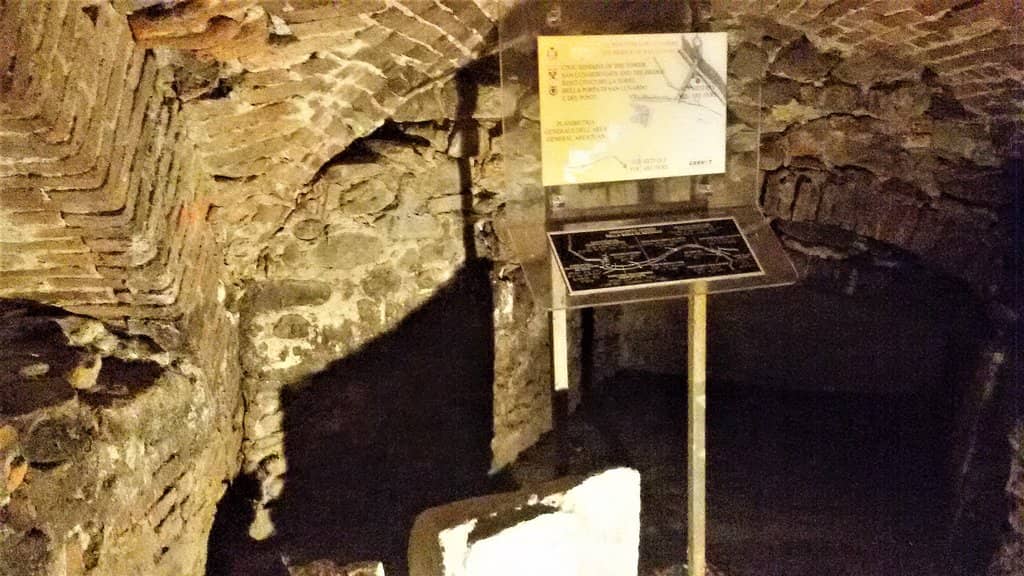
Step into a 16th-century dissection room, a preserved space for anatomical study and surgical training.
Ceramic Frieze
Exterior facade of Ospedale del Ceppo
Admire the monumental ceramic frieze by Santi Buglioni and rondos by Giovanni della Robbia adorning the hospital's exterior.
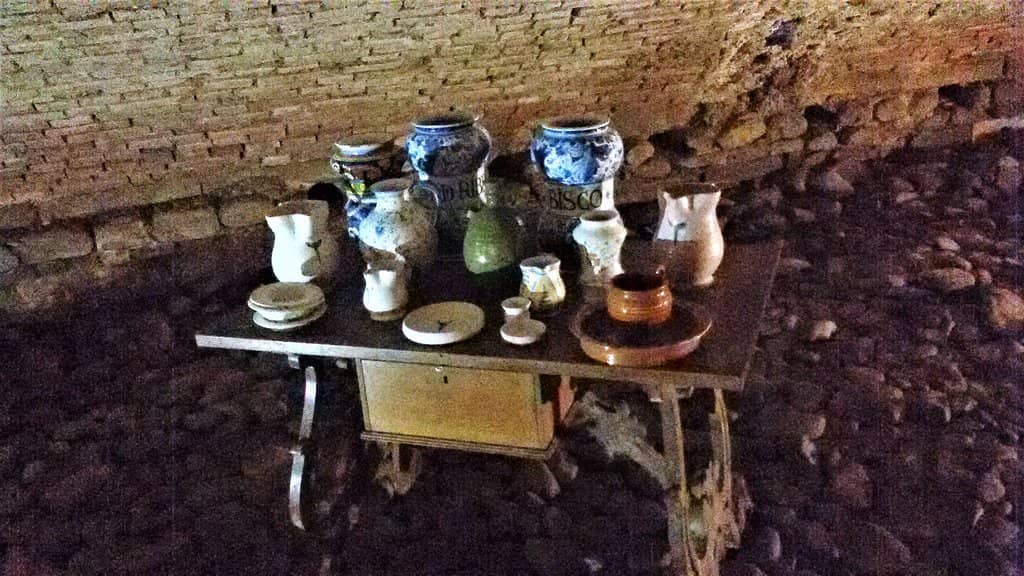
Medical Instruments Exhibit
Inside Ospedale del Ceppo
See a collection of historical medical instruments, offering a glimpse into past surgical practices.
Plans like a pro.
Thinks like you
Planning Your Visit
Step Back in Medical History
Discover Pistoia's Charm
Best Times
Insider Tips
from TikTok, Instagram & Reddit
Book Guided Tours
Highly recommended for in-depth historical context and fascinating stories.
Admire the Exterior
Don't miss the stunning ceramic frieze and rondos on the hospital's facade.
Explore Pistoia
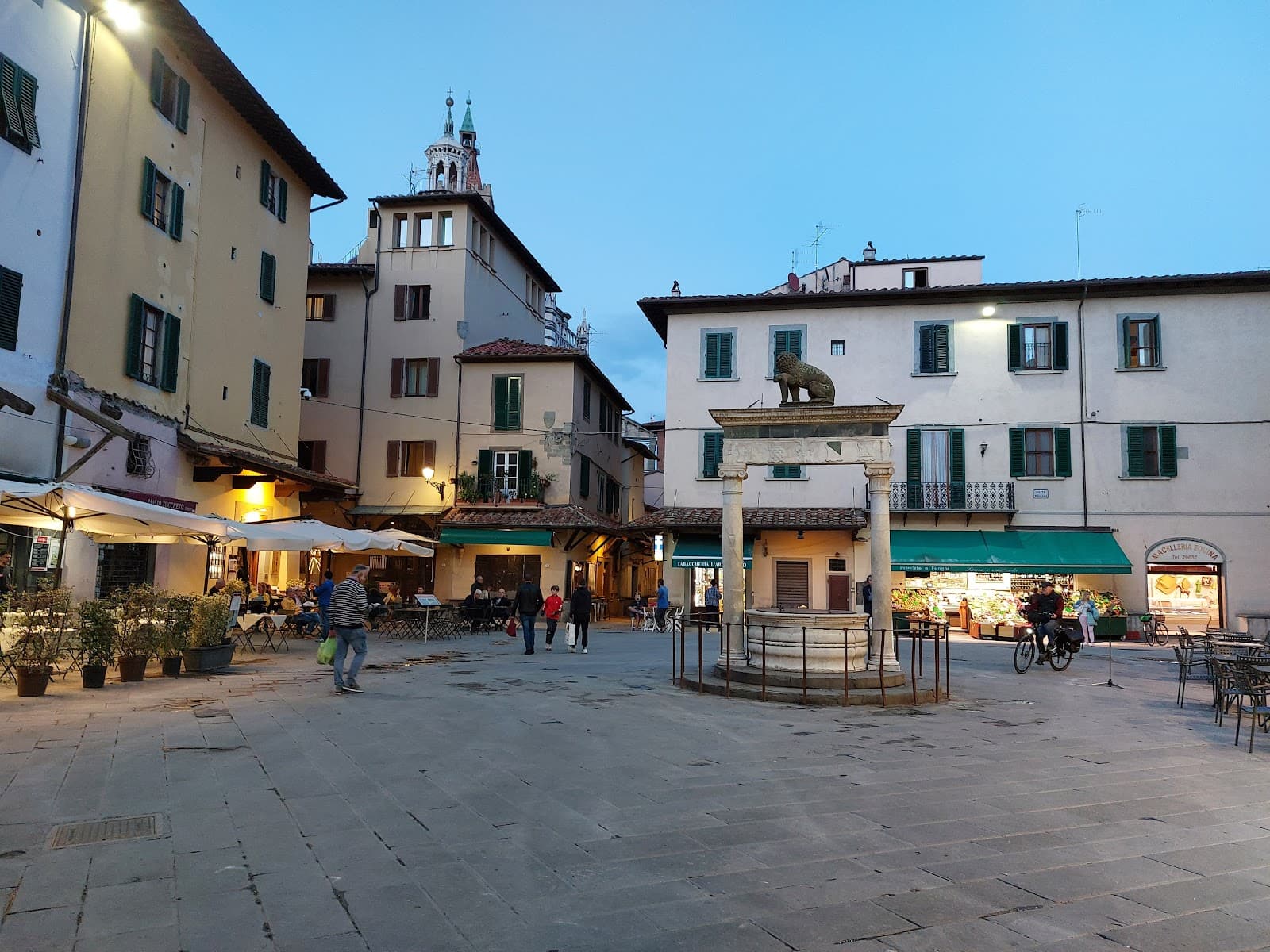
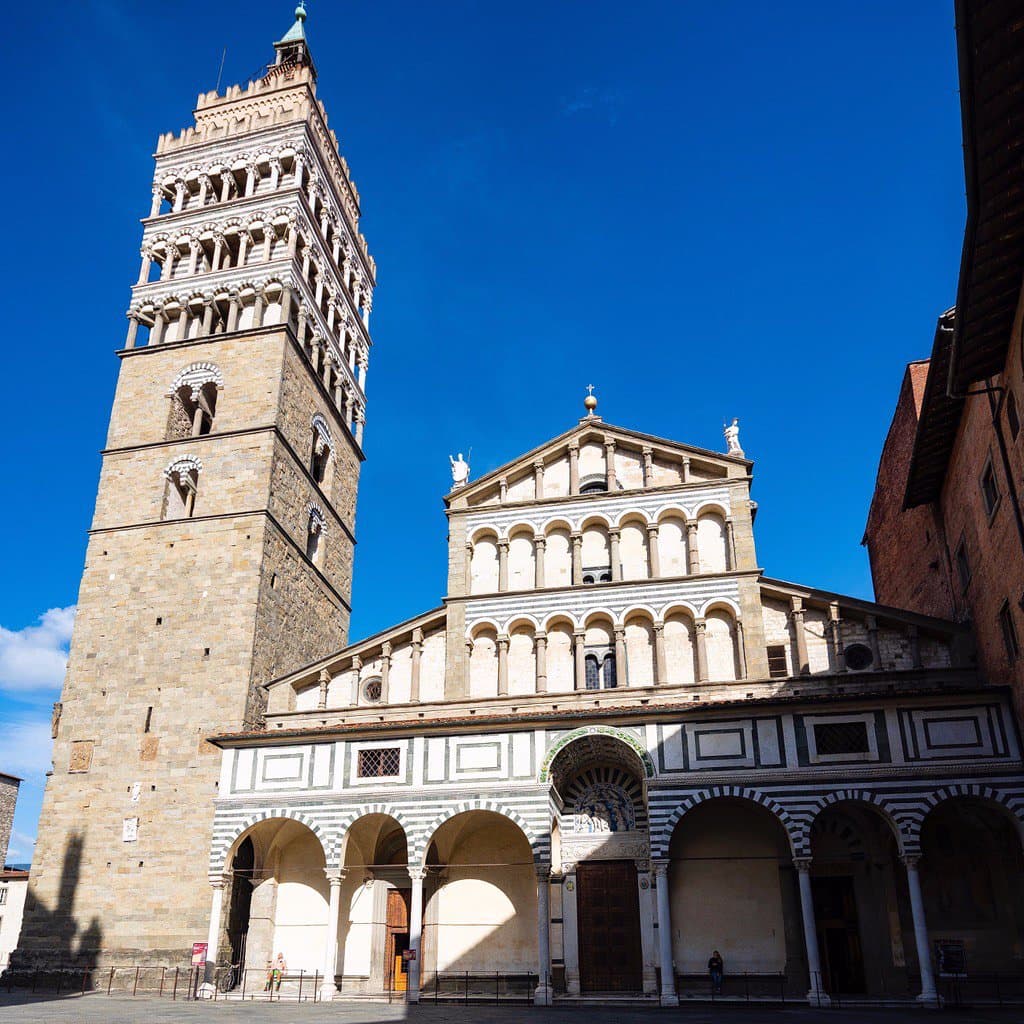
Combine your visit with exploring Piazza del Duomo and the charming streets.
Check Exhibit Details
See historical medical instruments, including an original ECT unit.
Tips
from all over the internet
Book Guided Tours
Highly recommended for in-depth historical context and fascinating stories.
Admire the Exterior
Don't miss the stunning ceramic frieze and rondos on the hospital's facade.
Explore Pistoia
Combine your visit with exploring Piazza del Duomo and the charming streets.
Check Exhibit Details
See historical medical instruments, including an original ECT unit.
What Travellers Say
Reviews Summary
Visitors praise the Ospedale del Ceppo for its fascinating glimpse into Tuscan medical history and its stunning Renaissance ceramic facade. The guided tours are highly recommended for their insightful narratives, bringing the old hospital and its surgical instruments to life. While the exhibits are historically rich, some may find them small in scope.
"A journey back in time in regards to medicine in the province of Tuscany! I loved the video on the screen!"
Andreas L
"The exterior main facade is an arcade embellished by a monumental ceramic frieze by Santi Buglioni and punctuated by series of rondos by Giovanni della Robbia from 1525."
DAVID SNYDER
"Inside is an excellent exhibit on the renovation of the exterior cramics. The hospital history is small but interesting, mainly on medical instruments. They have an original ECT unit from 1938, which resonated with me to see what they used for my grandmother in the early 1940's."
Anthony Ogle
What People Like
What People Dislike
Frequently Asked Questions
🚇 🗺️ Getting There
The Teatro Anatomico is located within the Ospedale del Ceppo in Pistoia, Italy. Pistoia is easily accessible by train from Florence and other major Tuscan cities. Once in Pistoia, the Ospedale del Ceppo is a short walk from the train station and is centrally located in the historic center.
Parking in the historic center of Pistoia can be challenging. It's recommended to use public parking garages located on the outskirts of the ZTL (Limited Traffic Zone) and walk to the Ospedale.
Yes, Pistoia has a train station with regular connections to Florence, Lucca, and Pisa, making it very accessible by public transport.
🎫 🎫 Tickets & Entry
Entry to the Ospedale del Ceppo and its exhibits, including the Teatro Anatomico, typically requires a ticket. It's advisable to check the official website or inquire locally for current ticket prices and opening hours. Guided tours may have separate booking requirements.
Opening hours can vary, especially for specific exhibits like the Teatro Anatomico. It's best to consult the official website of the Ospedale del Ceppo or the Pistoia tourism office for the most up-to-date information on opening times.
Yes, guided tours are highly recommended as they provide a deeper understanding of the history and significance of the Ospedale del Ceppo and the Teatro Anatomico. These tours are often led by knowledgeable guides.
While you can see the exterior and potentially some parts of the hospital without a specific tour, accessing the Teatro Anatomico itself is often part of a guided tour or a dedicated exhibit visit.
🎫 🏛️ Onsite Experience
The Teatro Anatomico is a historic 16th-century dissection room located within the Ospedale del Ceppo in Pistoia. It was used for anatomical studies and surgical training during that period.
Inside, you can explore the Teatro Anatomico, an exhibit on the renovation of exterior ceramics, and a small but interesting museum showcasing historical medical instruments, including an original ECT unit.
Accessibility can vary within historic buildings. While some areas might be accessible, the Teatro Anatomico and other older sections may have stairs or uneven flooring. It's best to inquire directly with the venue about specific accessibility options.
A visit to the Ospedale del Ceppo, including the Teatro Anatomico and exhibits, can take around 1-2 hours, especially if you opt for a guided tour.
Photography policies can vary. It's generally good practice to check for signage or ask staff before taking photos, especially in areas with historical artifacts.
📸 📸 Photography
The exterior of the Ospedale del Ceppo, with its intricate ceramic frieze and rondos, is a prime photography spot. Inside, the Teatro Anatomico itself offers a unique, atmospheric setting for photos, though check for any restrictions.
Drone usage is typically restricted in historic city centers and around cultural heritage sites. It's essential to check local regulations and obtain any necessary permits before flying a drone.
Architectural photography of the facade and atmospheric interior shots of the Teatro Anatomico are highly recommended. Capturing the details of the ceramic work is also rewarding.



Social
from TikTok, Instagram & Reddit