Medici Aqueduct Arches
A breathtaking Renaissance aqueduct, the Medici Aqueduct Arches are Pitigliano's iconic gateway, blending engineering marvel with stunning Tuscan land...
Highlights
Must-see attractions

Social
From TikTok & Reddit
Best Time
Magical light on tuff cliffs
Medici Aqueduct Arches
Best Time
Magical light on tuff cliffs
Highlights
Must-see attractions
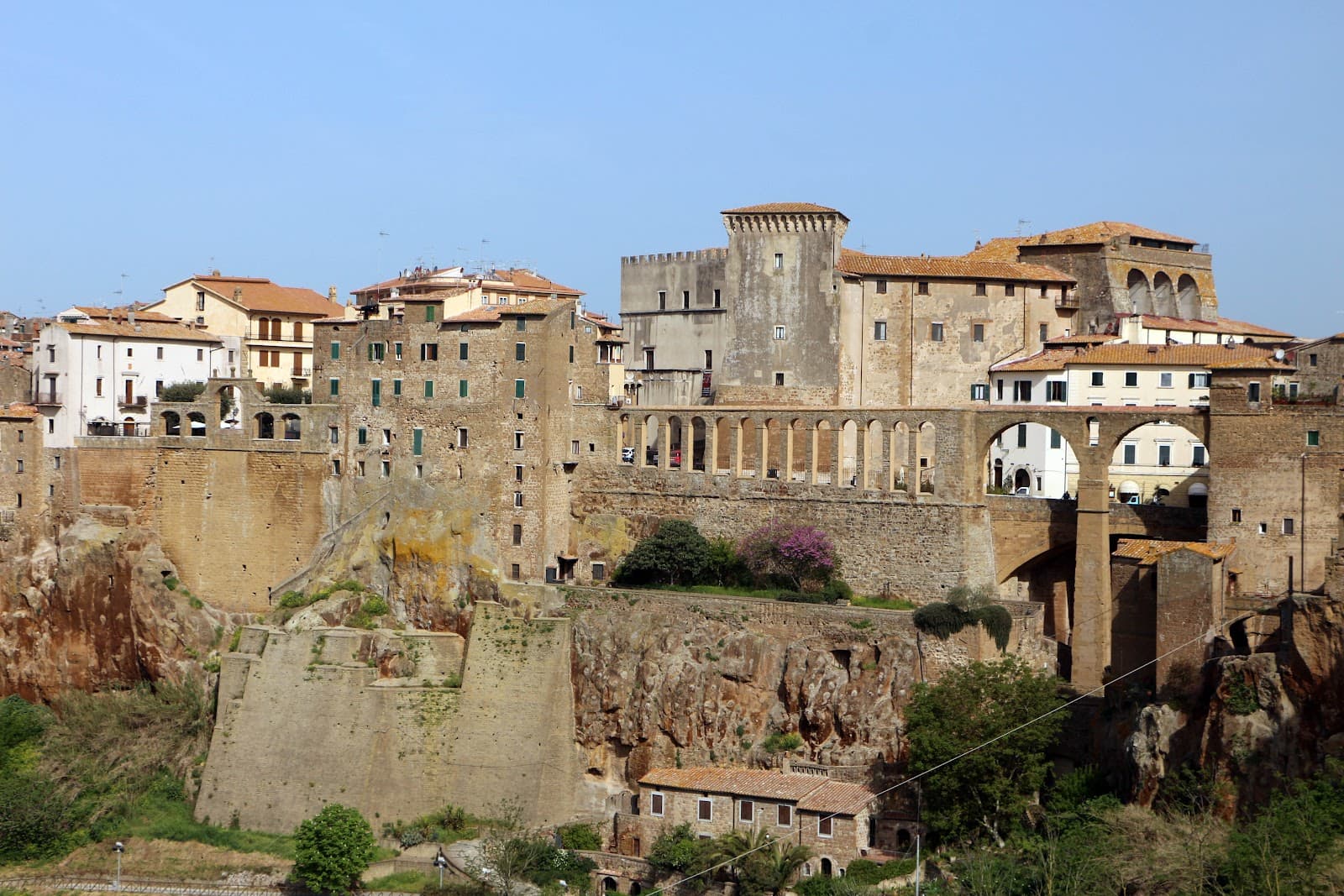
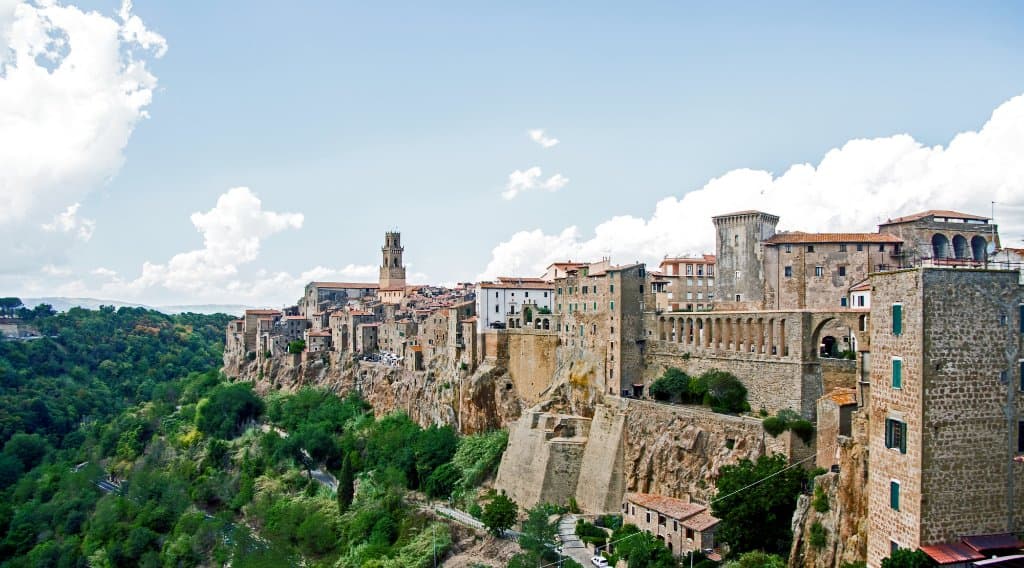
A breathtaking Renaissance aqueduct, the Medici Aqueduct Arches are Pitigliano's iconic gateway, blending engineering marvel with stunning Tuscan landscapes.
"Imposing and captivating, the Medici Aqueduct marks the entrance to Pitigliano with its majestic arches."

📸 Sunset Photo Ops
Arrive before sunset for the best light. The valley views are spectacular!
🚶♀️ Explore the Village
The aqueduct is just the start; wander Pitigliano's charming streets and cave dwellings.
Quick Facts
Hours
Rating
4.7 · 23 reviews
Type
Historical Landmark
Highlights
Discover the most iconic attractions and experiences
The Grand Arches
Entrance to Pitigliano
Two imposing, wide arches dominate the entrance, a testament to Renaissance engineering prowess.
The Succession of Smaller Arches
Following the main arches
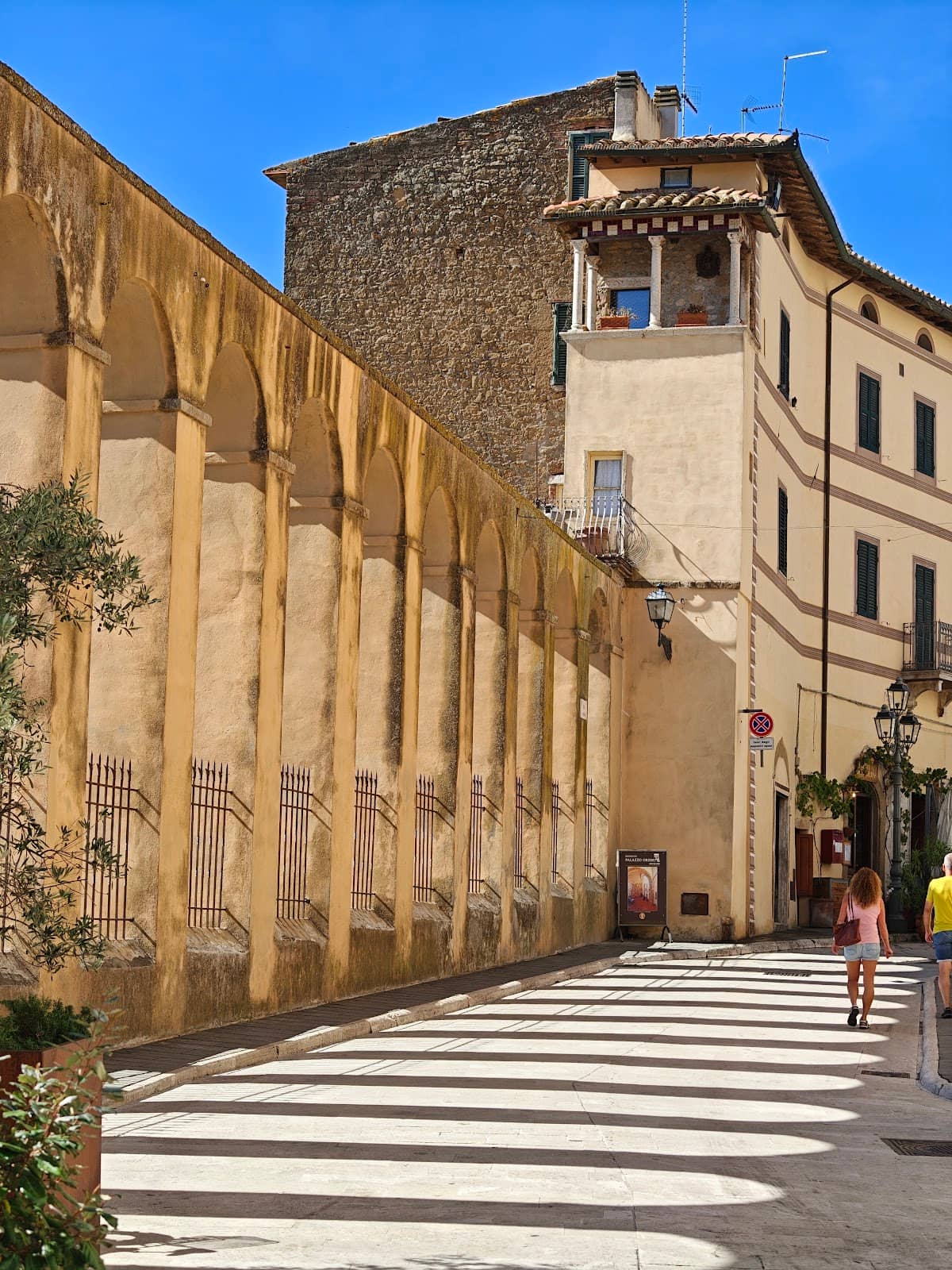
Thirteen smaller, elegant arches blend seamlessly with the natural tuff landscape.

Sunset Spectacle
Overlooking the valley
Witness the warm, golden light illuminate the tuff cliffs and aqueduct at dusk.
Plans like a pro.
Thinks like you
Planning Your Visit
Timing Your Visit for the Best Views
Understanding the Aqueduct's History
Best Times
Insider Tips
from TikTok, Instagram & Reddit
📸 Sunset Photo Ops
Arrive before sunset for the best light. The valley views are spectacular!
🚶♀️ Explore the Village
The aqueduct is just the start; wander Pitigliano's charming streets and cave dwellings.
👟 Comfortable Walking Shoes
You'll be doing a lot of walking on uneven terrain around the village and aqueduct.
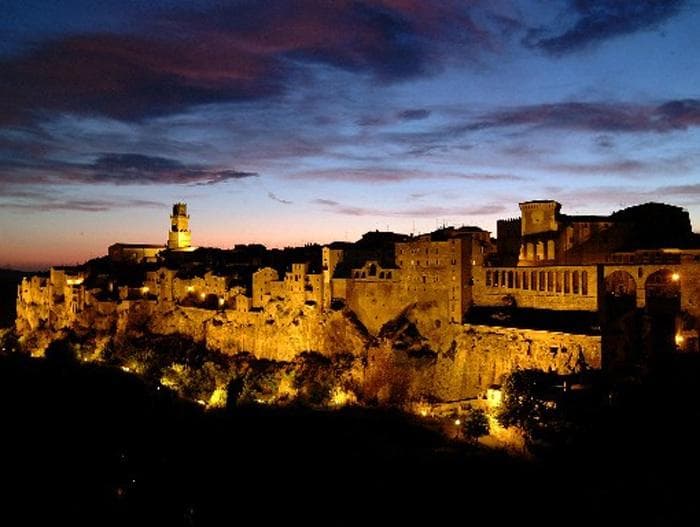
💡 Nighttime Ambiance
The aqueduct is beautifully illuminated at night, offering a different, astonishing perspective.
Tips
from all over the internet
📸 Sunset Photo Ops
Arrive before sunset for the best light. The valley views are spectacular!
🚶♀️ Explore the Village
The aqueduct is just the start; wander Pitigliano's charming streets and cave dwellings.
👟 Comfortable Walking Shoes
You'll be doing a lot of walking on uneven terrain around the village and aqueduct.
💡 Nighttime Ambiance
The aqueduct is beautifully illuminated at night, offering a different, astonishing perspective.
What Travellers Say
Reviews Summary
Visitors are consistently awestruck by the Medici Aqueduct's imposing beauty and its seamless integration with the natural tuff landscape of Pitigliano. Its historical significance as a Renaissance engineering feat is highly appreciated, with many recommending a visit at sunset for a truly magical experience. While it's a visual marvel, some note that it's primarily an external viewing attraction.
"Gorgeous piece in the middle of the village built under the Medicis' which covers 7 kilometers in the Tuscan landscape, with two large arches followed by thirteen smaller ones in local tuf.
Its construction began in the 16th century when the Medici family took control of Pitigliano.
It represents a major achievement of the Italian Renaissance engineering, demonstrating the advanced understanding of hydraulic systems and architecture."
Enjoy life
"Imposing and captivating, the Medici Aqueduct marks the entrance to Pitigliano with its majestic arches. Admiring it at sunset is a magical experience: the warm light highlights the tuff cliffs, and the view of the valley is truly spectacular.
An absolute must-see if you're visiting this splendid village."
Giulio Domenichini
"Arriving in Pitigliano, it is one of the first things you notice: a fascinating and perfectly preserved ancient structure, once very useful for city life."
P Don
What People Like
What People Dislike
Frequently Asked Questions
🚇 🗺️ Getting There
The aqueduct is located at the entrance to Pitigliano, a charming hilltop town. You can drive to Pitigliano and park nearby, then walk to the aqueduct. Public transport options might be limited, so check local bus schedules if not driving.
Yes, there are parking areas available in Pitigliano. From there, it's a short walk to the aqueduct, which serves as a gateway to the historic center.
The aqueduct is essentially at the edge of Pitigliano's historic center, so it's easily accessible on foot once you're in town.
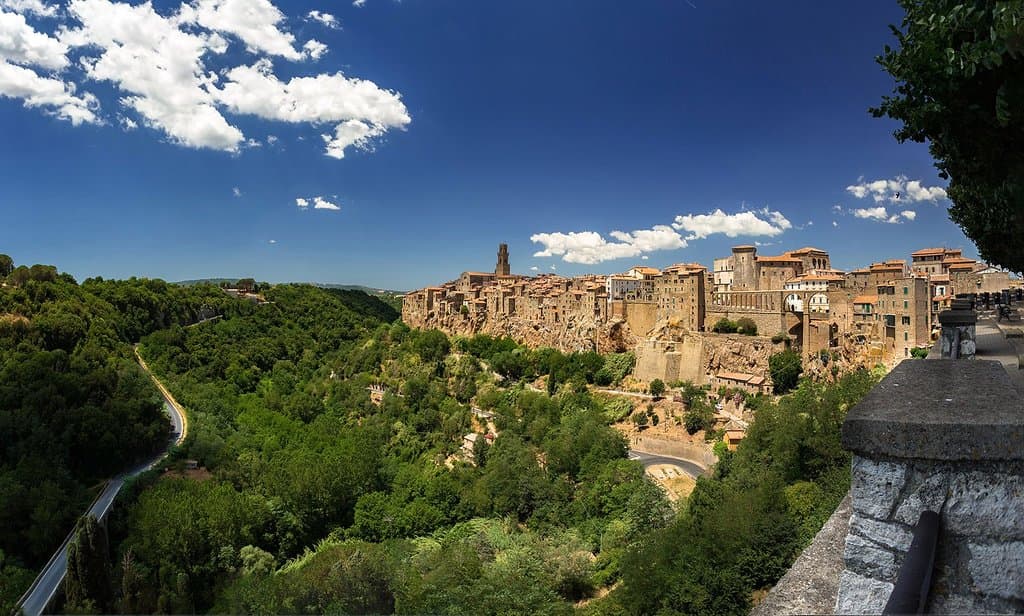
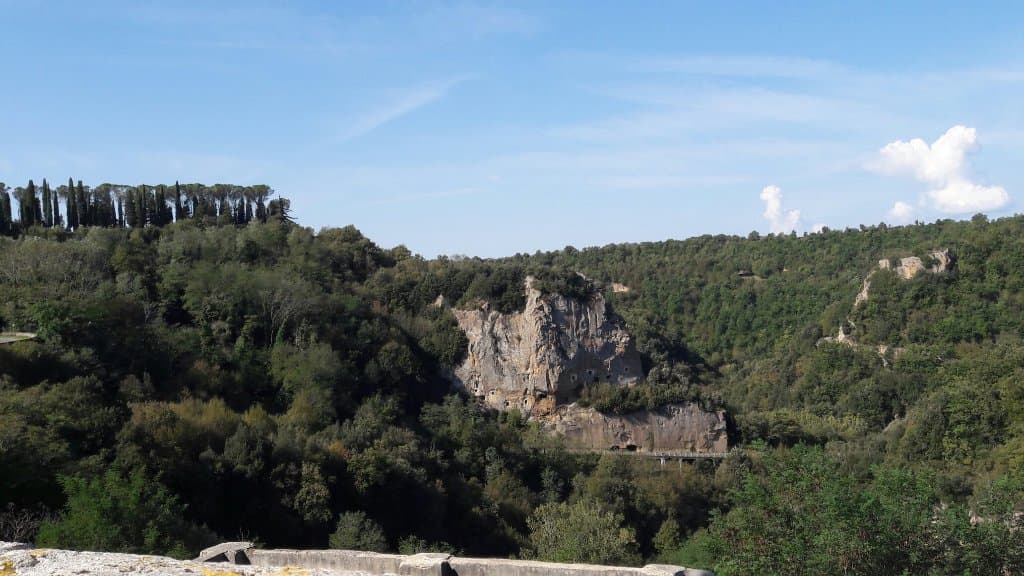
The most dramatic views are often from the winding access road leading into Pitigliano, offering a panoramic perspective of the arches against the tuff cliffs.
While specific tours for the aqueduct might be rare, local guides in Pitigliano often include it as part of a broader historical tour of the town and its surroundings.
🎫 🎫 Tickets & Entry
No, the Medici Aqueduct is an outdoor structure and is freely accessible to the public. You can admire it from the outside at any time.
As it's an external monument, there are no official opening hours. You can visit it day or night, though nighttime offers a different, illuminated perspective.
There is no entrance fee to view the Medici Aqueduct. It's a landmark integrated into the landscape of Pitigliano.
The aqueduct is a historical structure and not designed for public access to its upper levels. Viewing from the ground and surrounding areas is the intended experience.
Generally, there are no specific restrictions, but always be respectful of the historical monument and the surrounding environment.
📸 📸 Photography
Sunset is highly recommended for its warm, dramatic lighting that enhances the tuff stone and valley views. Early morning can also offer soft light and fewer people.
You can capture wide-angle shots of the entire structure against the landscape, close-ups of the arches and stonework, and scenic views of the valley from its vantage points.
Drone regulations can vary by location and are often restricted in historic town centers. It's best to check local rules before flying a drone.
A wide-angle lens is great for capturing the scale, while a telephoto can be useful for details. A tripod is helpful for low-light sunset shots.
The approach road into Pitigliano offers excellent panoramic views. Exploring the paths around the base also provides unique perspectives.
🎫 🏛️ History & Architecture
Construction began in the 16th century under the Orsini family and was completed in the 17th century by the Medici family, finishing in 1639.
Initially commissioned by the Orsini family to improve water supply, it was continued and completed by the Medici family after they took control of Pitigliano.
Its primary purpose was to transport water from nearby rivers (Lente, Meleta, Prochio) to supply the town of Pitigliano and the Orsini residence.
It's a significant example of Italian Renaissance hydraulic engineering and architecture, characterized by its robust arches and integration with the natural tuff landscape.
The steep and rough terrain between Pitigliano and the valley rivers presented significant engineering challenges, requiring innovative solutions for water transport.

Social
from TikTok, Instagram & Reddit