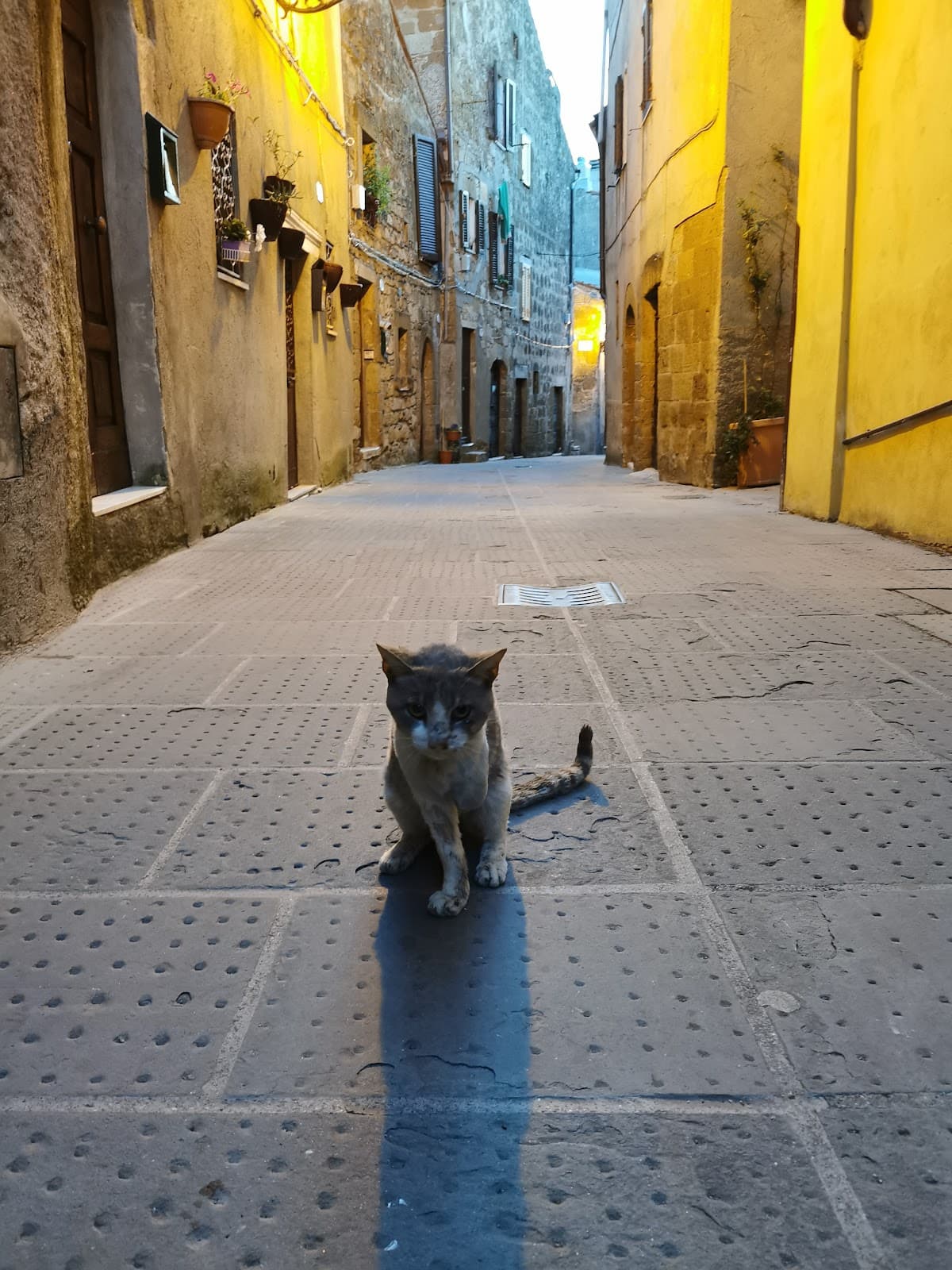
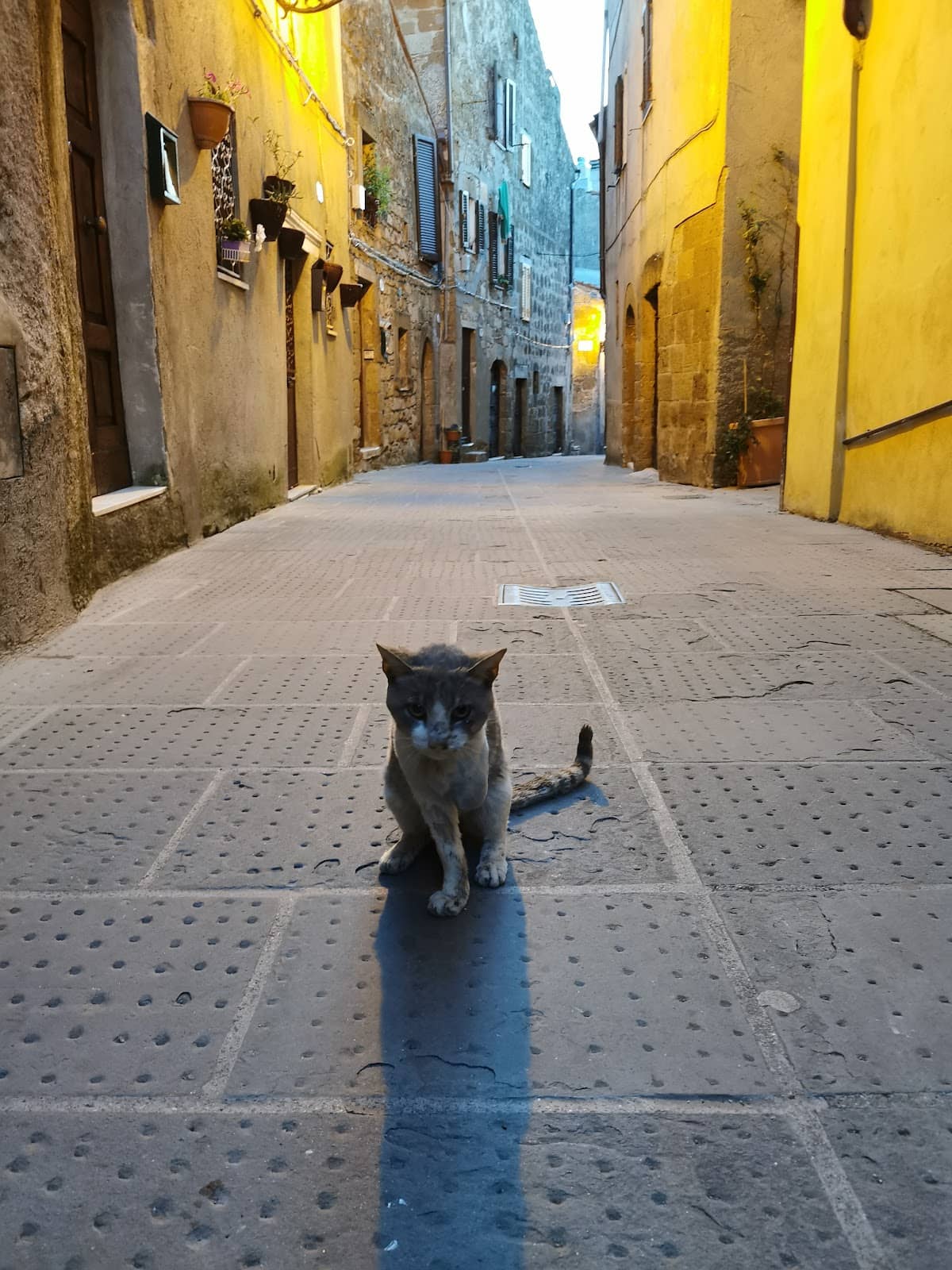
Via Zuccarelli
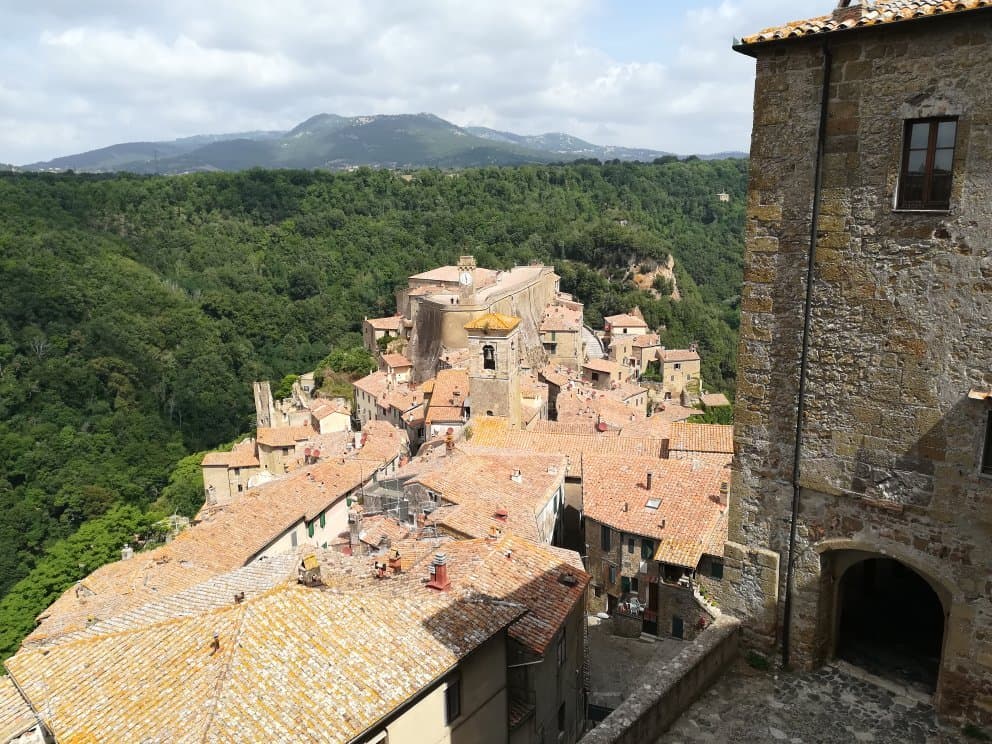
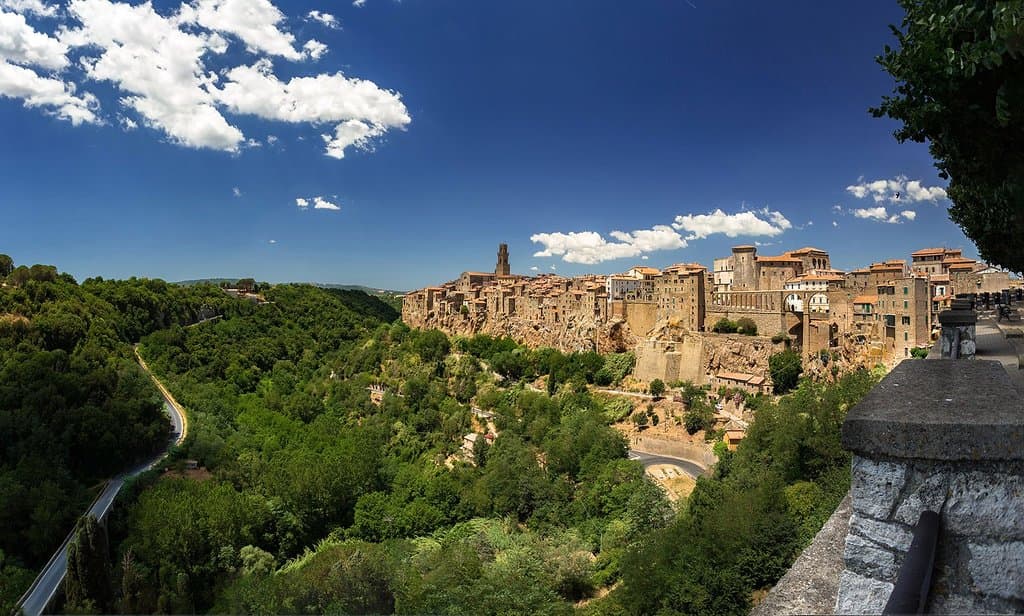
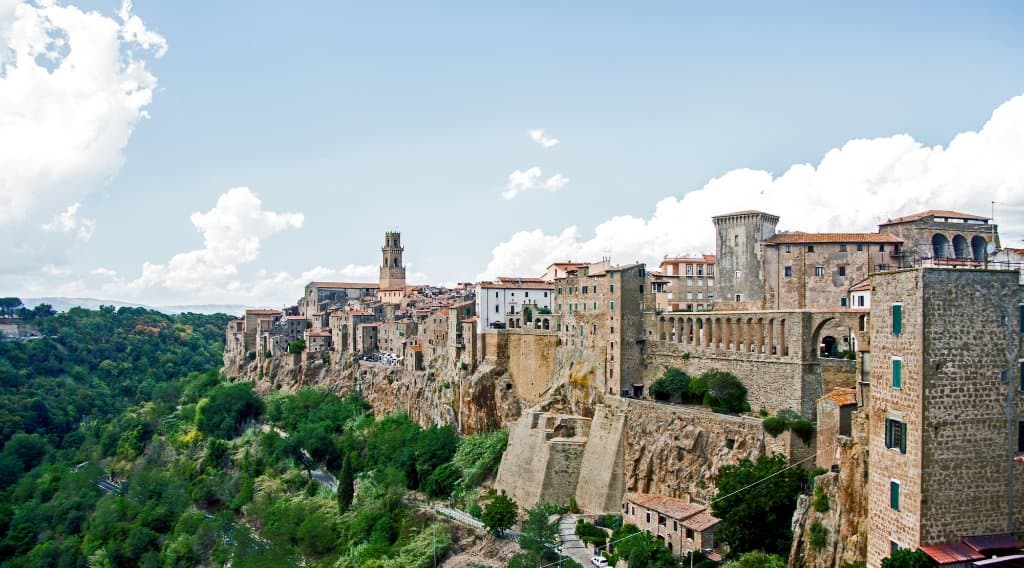
Pitigliano, a Tuscan marvel, is a town dramatically carved into tuff rock, known as 'Little Jerusalem' for its historic Jewish quarter.
Highlights
Must-see attractions

Social
From TikTok & Reddit
Best Time
Pleasant weather, fewer crowds
Via Zuccarelli
Best Time
Pleasant weather, fewer crowds
Highlights
Must-see attractions
Pitigliano, a Tuscan marvel, is a town dramatically carved into tuff rock, known as 'Little Jerusalem' for its historic Jewish quarter.
"A breathtaking town perched on a cliff, Pitigliano offers a unique blend of history, architecture, and stunning Tuscan landscapes."

👟 Wear Comfortable Shoes
Pitigliano is built on tuff rock with many stairs and uneven paths. You'll be doing a lot of walking!
🗺️ Get Lost in the Alleys
The most magical part of Pitigliano is wandering its narrow, winding streets. Embrace the exploration!

Highlights
Discover the most iconic attractions and experiences
The Jewish Quarter
Historic Ghetto
Explore the ancient synagogue, museum, and kosher butcher shop, a testament to Pitigliano's 'Little Jerusalem' heritage.
Orsini Palace
Piazza della Repubblica
A formidable fortress offering panoramic views and a deep dive into the town's noble history.
Tuff Rock Architecture
Throughout the town
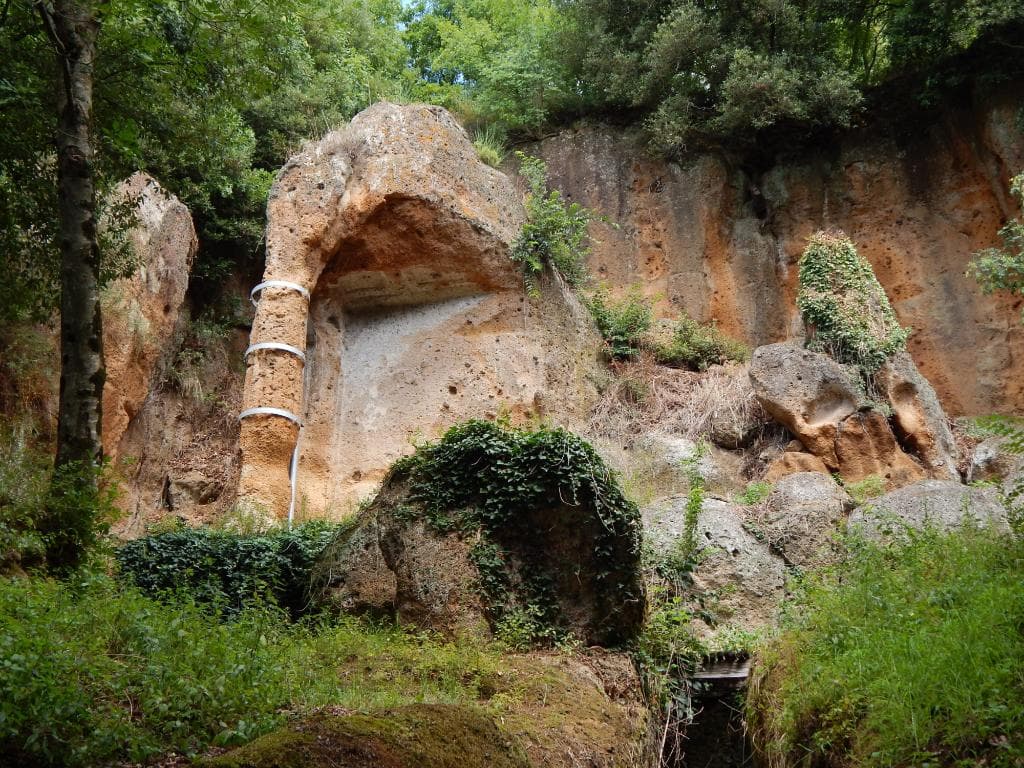
Marvel at buildings carved directly into the volcanic tuff rock, creating a truly unique and breathtaking landscape.
Plans like a pro.
Thinks like you
Planning Your Visit
Navigating Pitigliano's Unique Terrain
Embrace the 'Little Jerusalem' History
Best Times
Insider Tips
from TikTok, Instagram & Reddit
👟 Wear Comfortable Shoes
Pitigliano is built on tuff rock with many stairs and uneven paths. You'll be doing a lot of walking!
🗺️ Get Lost in the Alleys
The most magical part of Pitigliano is wandering its narrow, winding streets. Embrace the exploration!
⏳ Allow Ample Time
Don't rush your visit. Soak in the history and unique atmosphere of this 'Little Jerusalem'.
📸 Capture the Views
The town's dramatic cliffside setting offers incredible photo opportunities, especially at sunrise/sunset.
Tips
from all over the internet
👟 Wear Comfortable Shoes
Pitigliano is built on tuff rock with many stairs and uneven paths. You'll be doing a lot of walking!
🗺️ Get Lost in the Alleys
The most magical part of Pitigliano is wandering its narrow, winding streets. Embrace the exploration!
⏳ Allow Ample Time
Don't rush your visit. Soak in the history and unique atmosphere of this 'Little Jerusalem'.
📸 Capture the Views
The town's dramatic cliffside setting offers incredible photo opportunities, especially at sunrise/sunset.
What Travellers Say
Reviews Summary
Visitors consistently praise Pitigliano for its breathtaking beauty, unique architecture carved into tuff rock, and rich historical significance as 'Little Jerusalem.' The dramatic cliffside setting and atmospheric narrow streets are frequently highlighted as major draws. Some visitors note that the town can be challenging to navigate due to steep inclines and stairs, and that certain attractions might have limited hours.
What People Like
What People Dislike
Frequently Asked Questions
🚇 🗺️ Getting There
Pitigliano is best reached by car, offering flexibility to explore the surrounding tuff towns. The nearest train station is Albinia, from which you can take a bus. Parking is available outside the historic center, and you'll need to walk into town.
Yes, Pitigliano is very walkable, but be prepared for steep inclines and many stairs due to its location on a tuff cliff. Comfortable footwear is essential.
The historic center of Pitigliano is largely pedestrianized. There are parking areas outside the town walls, and you'll need to walk in.
Nearby towns like Sorano and Sovana are also built on tuff rock and are highly recommended for a full exploration of the 'Tuff Towns' region.
Buses connect Pitigliano to nearby towns and the Albinia train station. However, having a car offers more freedom to explore the region.
🎫 🎫 Tickets & Entry
Entry to the town itself is free. However, specific attractions like the Jewish Museum and Orsini Palace may have entrance fees. It's advisable to check their individual opening hours and ticket prices.
Opening hours can vary, especially for smaller museums and during the off-season. It's best to check the official websites or local tourist information for the most up-to-date times.
Information on combined tickets is not widely available. It's generally recommended to purchase tickets for individual attractions as needed.
Yes, guided tours are available and highly recommended to fully appreciate the history and significance of Pitigliano, especially its Jewish heritage.
For major attractions, booking online in advance might be possible, but for most sites, you can purchase tickets upon arrival.
📸 📸 Photography
The views from the town's edges overlooking the valleys are spectacular. Capture the unique architecture carved into the tuff rock and the narrow, atmospheric streets.
Golden hour, just after sunrise and before sunset, offers beautiful light for photography. Midday can be harsh, but the dramatic shadows can also be interesting.
Photography rules can vary inside religious and historical sites. It's best to check for signage or ask permission before taking photos inside the synagogue and museum.
A versatile lens (like a 24-70mm) is useful for capturing both wide landscapes and street details. A wide-angle lens is great for the dramatic cliffside views.
Drone regulations can be strict in historic Italian towns. It's essential to check local drone laws and obtain any necessary permits before flying.
🎫 🏛️ History & Culture
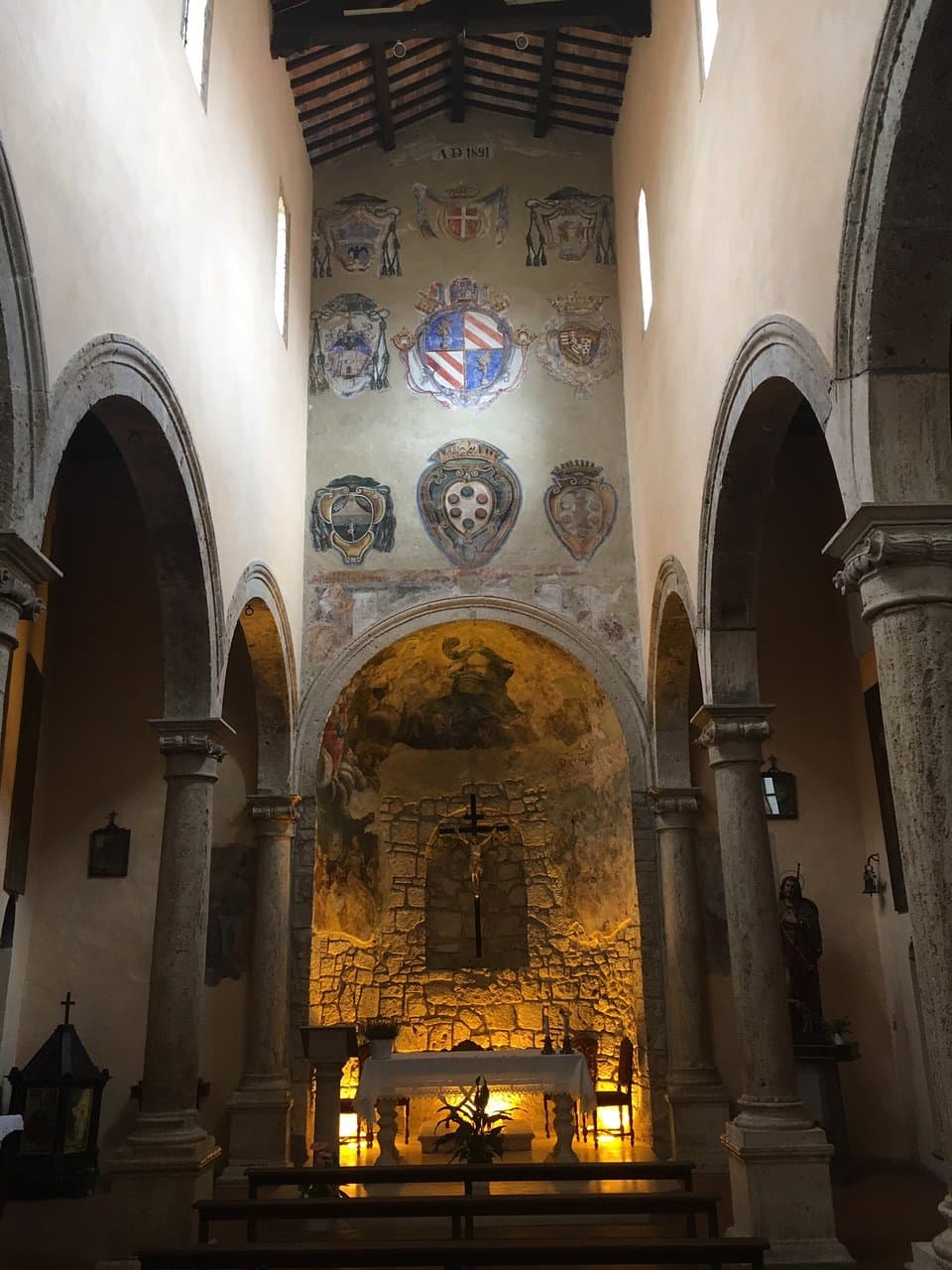
Pitigliano was historically a significant center for Jewish life in Italy, with a thriving community that earned it the nickname 'Little Jerusalem'.
For centuries, Pitigliano was a refuge for Jewish people. The community flourished until the 20th century, leaving behind a rich cultural legacy evident in its historic ghetto.
The Palazzo Orsini was the seat of the powerful Orsini family and served as a fortress and residence. It now houses museums and offers insights into the town's medieval past.
The 'Tuff Towns' (Borghi del Tufo) are a group of ancient villages in southern Tuscany, including Pitigliano, Sorano, and Sovana, all dramatically built atop volcanic tuff rock formations.
Beyond historical artifacts, Pitigliano has a vibrant artisan scene. Via Zuccarelli, in particular, has been noted for its artisans.
For Different Travelers
Tailored advice for your travel style
👨👩👧 Families with Kids
Bring plenty of snacks and water, and plan for breaks. The novelty of houses built into rock might fascinate kids. For a more relaxed experience, consider visiting during the shoulder seasons when crowds are thinner. While there aren't specific playgrounds, the entire town becomes a unique exploration ground.
🚶♀️ Solo Travelers
Engaging with local culture is easy here, whether through visiting artisan shops on Via Zuccarelli or joining a guided tour to gain deeper historical insights. The safety of Italian towns generally makes solo exploration comfortable. Don't hesitate to strike up conversations with locals or fellow travelers to enhance your experience.

🎨 Art & History Enthusiasts
Beyond the historical sites, the presence of artisans on Via Zuccarelli hints at a contemporary art scene that complements the ancient. Exploring the narrow streets, you'll discover architectural details and panoramic vistas that are artistic in their own right. Consider visiting during a time when local events or exhibitions might be taking place to further enrich your cultural immersion.
Deep Dives
In-depth insights and expert knowledge
Exploring the 'Tuff Towns' of Tuscany
Via Zuccarelli is a street within Pitigliano that has been highlighted for its artisan presence. This suggests that beyond the grand historical sites, the town retains a living, creative spirit. The presence of artisans indicates a community that continues to engage with traditional crafts and artistic expression, adding another layer to the visitor experience. It’s a reminder that these historic places are not just museums but evolving communities.
When visiting the Tuff Towns, it's crucial to wear sturdy footwear as the terrain is uneven and often involves steep climbs and descents. The visual impact of these towns is immense, with buildings seemingly growing out of the cliffs. Many visitors recommend dedicating at least a full day to Pitigliano and considering visits to Sorano and Sovana for a comprehensive understanding of this unique geological and historical region.
The Enduring Legacy of 'Little Jerusalem'
The Jewish community in Pitigliano was once one of the most important in Tuscany. The ghetto, with its narrow alleys and distinct architecture, tells the story of a community that lived, worked, and worshipped here for generations. The synagogue, dating back to the 16th century, stands as a powerful symbol of this enduring legacy. Exploring this area offers a profound historical and cultural experience, highlighting the resilience and contributions of the Jewish people to Italian history.
While the Jewish population has dwindled significantly over time, the town actively preserves and celebrates its unique heritage. Visitors are encouraged to engage with the history through guided tours and by visiting the dedicated museum. This aspect of Pitigliano's identity is a key draw for many, offering a deeper understanding of Italy's diverse cultural tapestry beyond the typical Renaissance art and Roman ruins.
Social
from TikTok, Instagram & Reddit