Museo della Deportazione e Resistenza Prato
A profound museum preserving the memory of deportation and resistance through moving testimonies and artifacts.
Highlights
Must-see attractions

Social
From TikTok & Reddit
Best Time
Fewer crowds, more reflection
Museo della Deportazione e Resistenza Prato
Best Time
Fewer crowds, more reflection
Highlights
Must-see attractions
A profound museum preserving the memory of deportation and resistance through moving testimonies and artifacts.
"An interesting and moving experience that personally helped me better understand the events that occurred."
📧 Email Ahead
Confirm your visit by emailing ahead; it ensures a smooth experience and helps them prepare for your arrival.
🚶♀️ Challenging Walk
Be prepared for a 15-minute walk with limited sidewalks from the bus stop. Wear comfortable shoes.
Quick Facts
Hours
Rating
4.6 · 70 reviews
Type
Museum
Highlights
Discover the most iconic attractions and experiences
Survivor Testimonies
Hear directly from survivors through powerful video recordings, offering a deeply personal connection to history.
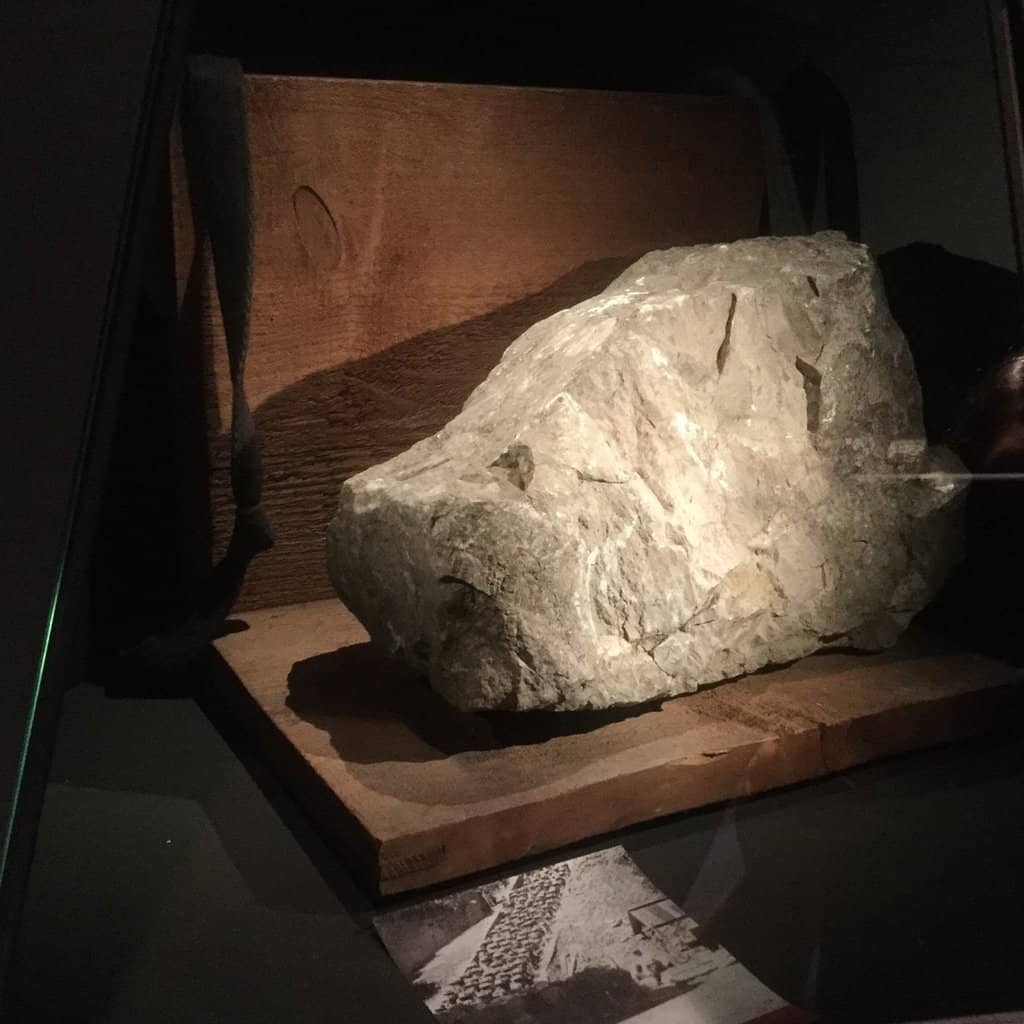
Original Artifacts
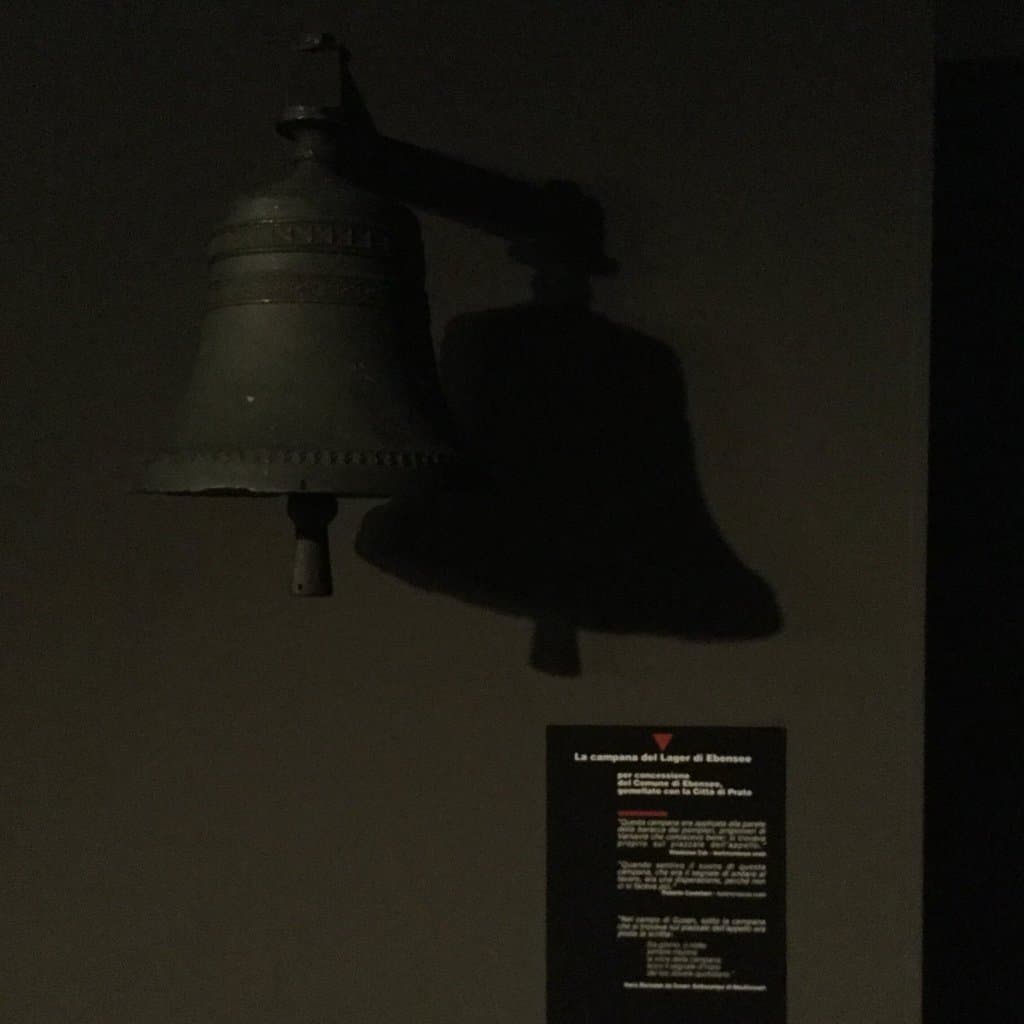
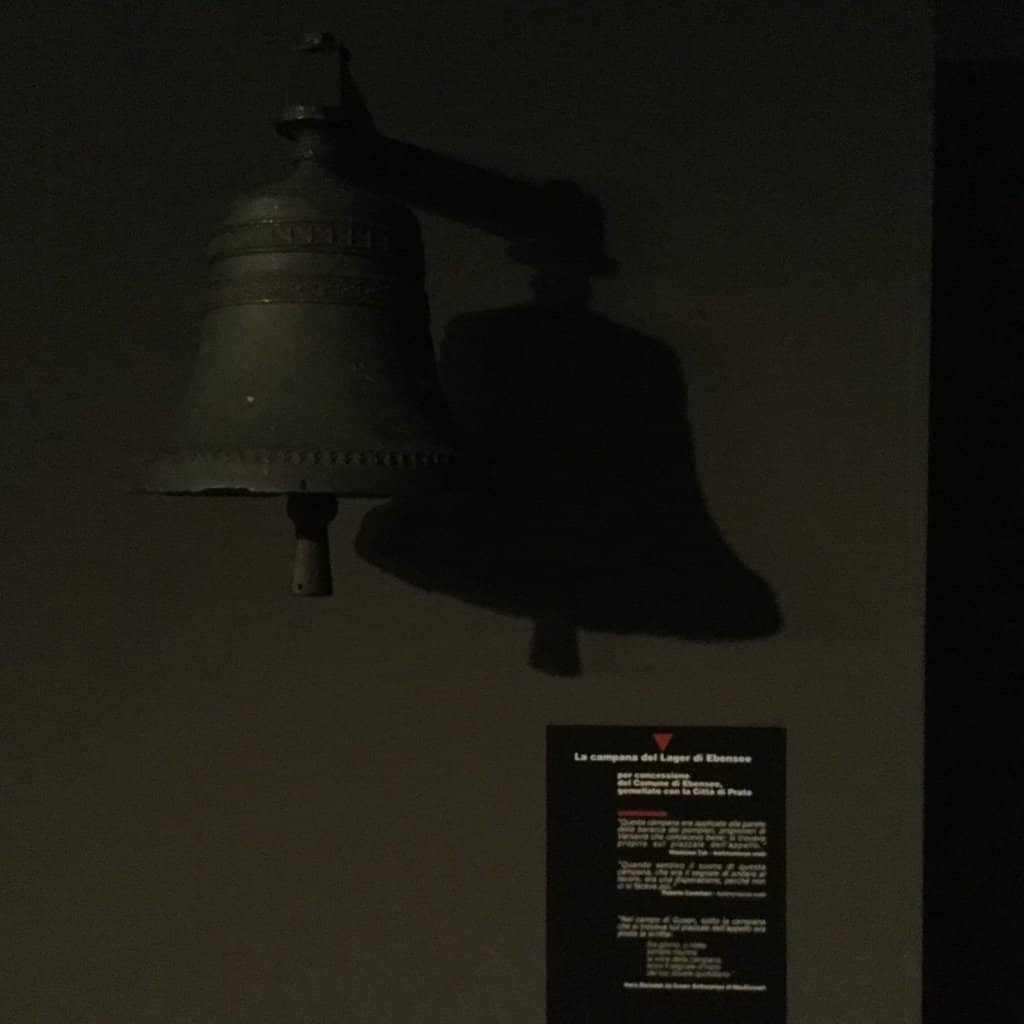
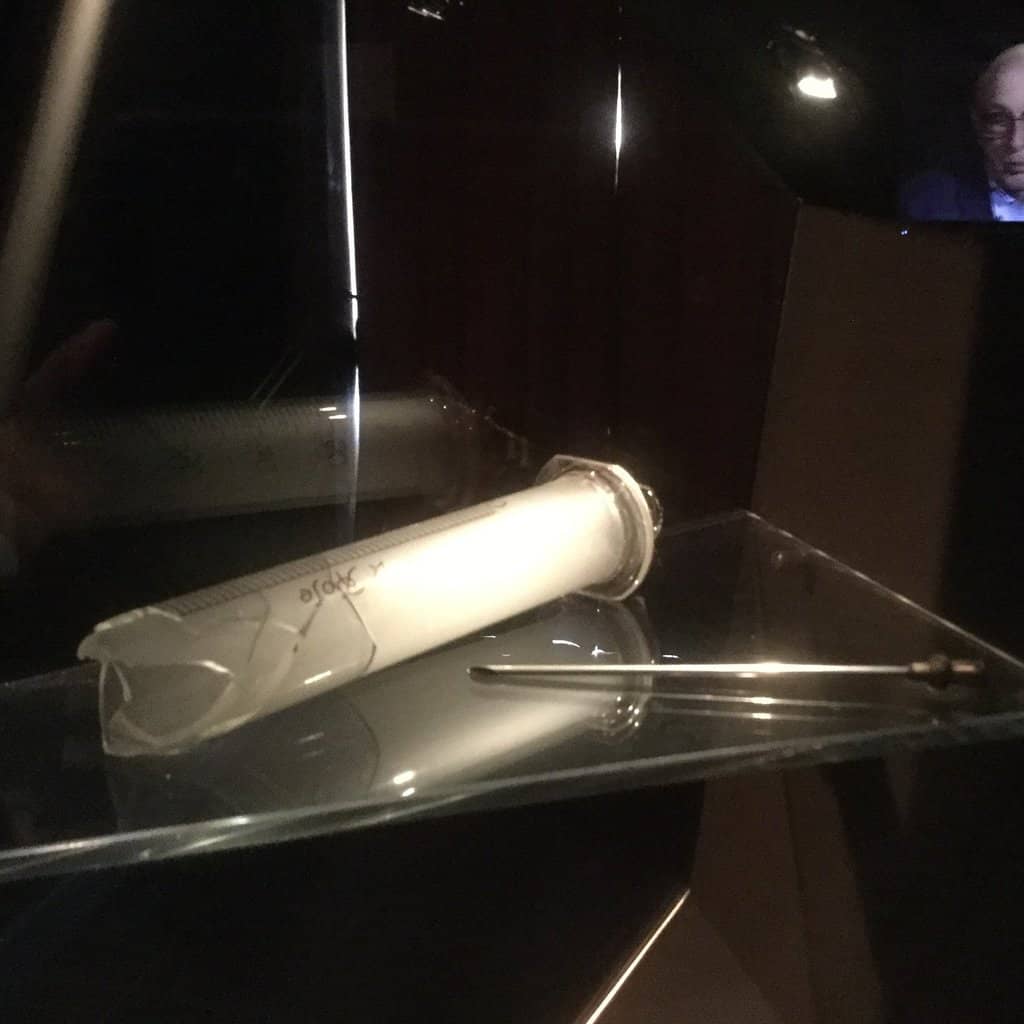
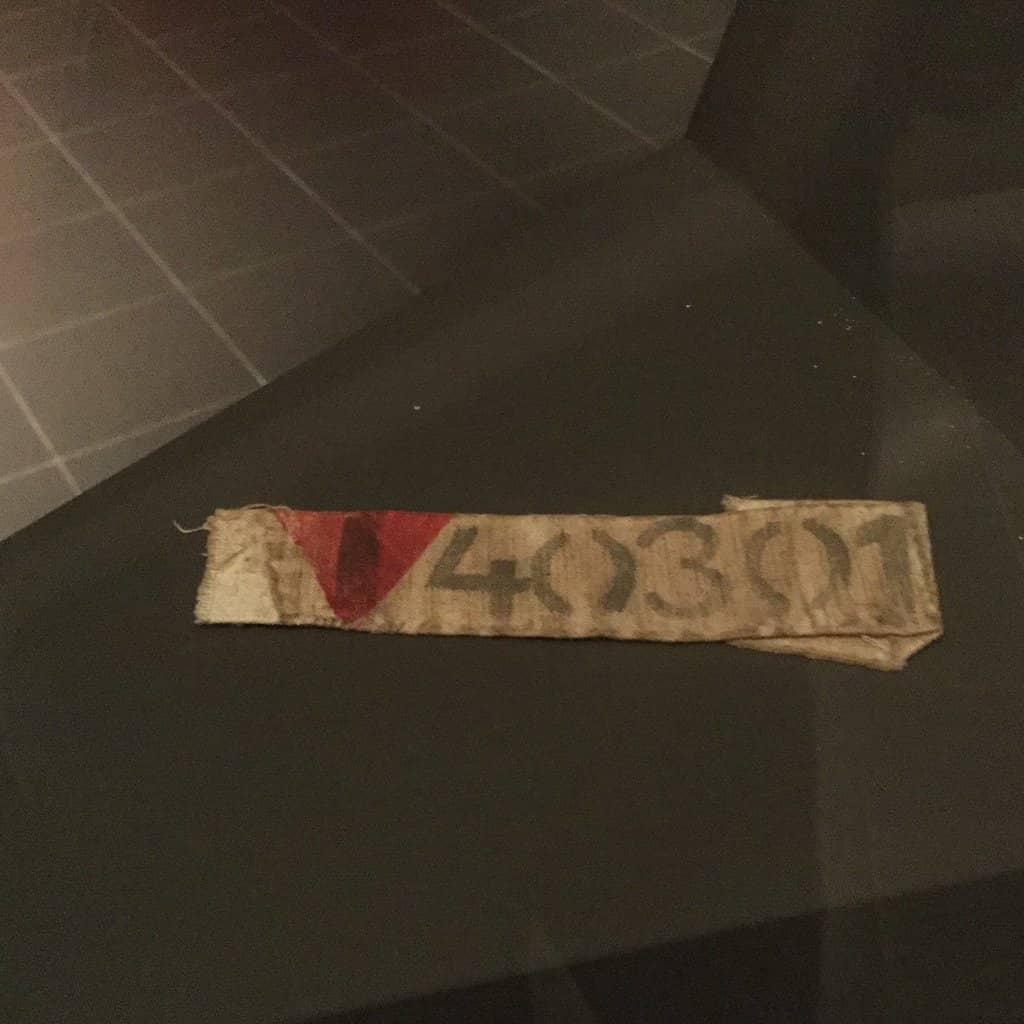
See precious testimonies and original objects that vividly bring to life the horrors of deportations and concentration camps.
Local Resistance Stories
Gain a unique local perspective on the partisan resistance and the impact of historical events on the region.
Plans like a pro.
Thinks like you
Planning Your Visit
Plan Your Visit
Getting There
Best Times
Insider Tips
from TikTok, Instagram & Reddit
📧 Email Ahead
Confirm your visit by emailing ahead; it ensures a smooth experience and helps them prepare for your arrival.
🚶♀️ Challenging Walk
Be prepared for a 15-minute walk with limited sidewalks from the bus stop. Wear comfortable shoes.
🗣️ No English Audioguide
The museum primarily offers content in Italian. Consider a local guide if language is a barrier.
📚 Deepen Your Understanding
The 'Memoriedi famiglia' podcast offers further context on family memories related to the museum's themes.

Tips
from all over the internet
📧 Email Ahead
Confirm your visit by emailing ahead; it ensures a smooth experience and helps them prepare for your arrival.
🚶♀️ Challenging Walk
Be prepared for a 15-minute walk with limited sidewalks from the bus stop. Wear comfortable shoes.
🗣️ No English Audioguide
The museum primarily offers content in Italian. Consider a local guide if language is a barrier.
📚 Deepen Your Understanding
The 'Memoriedi famiglia' podcast offers further context on family memories related to the museum's themes.
📅 Special Events
Look out for special excursions like the 'Tramonto di un'alba' event on April 25th for unique historical experiences.
What Travellers Say
Reviews Summary
Visitors consistently praise the museum for its moving and well-organized presentation of history, particularly highlighting the impactful survivor testimonies and precious artifacts. The passionate staff also receive commendations for their knowledge and dedication. However, some note the lack of English explanations and the challenging accessibility of the location.
"This is a well-organized museum, staffed by people who are passionate about preserving and sharing history. Especially moving were the numerous videos where survivors spoke about their experiences. I emailed ahead to confirm a visit was possible, and the visit was super smooth."
Sabu Quinn
"From the train station, we caught a bus. Then walked 15 minutes without many sidewalks, so hard to get to.
No English audioguide or explanations. Very small but good to have a local perspective."
Holly Jackson
"A must see when in Prato. Very well presented and excellent, well prepared staff."
Alexandra Said
What People Like
What People Dislike
Frequently Asked Questions
🚇 🗺️ Getting There
From the Prato train station, you can take a bus towards the museum. However, be aware that the final 15-minute walk to the museum may involve areas without sidewalks, so comfortable footwear is recommended.
Information on dedicated parking is limited. It's advisable to check local parking options or consider public transport and the walk.
Given the potential for uneven terrain on the walk from the bus stop, it's best to contact the museum directly to inquire about accessibility upon arrival.
Yes, a taxi is an option, though it might be more costly. It can provide a more direct route and bypass the walking challenges.
The museum is located in a specific area of Prato. Using a reliable GPS or mapping app on your phone is the most effective way to navigate.
🎫 🎫 Tickets & Entry
Opening hours can vary, and it's recommended to check the museum's official website or contact them directly for the most up-to-date information.
While not always mandatory, booking in advance, especially for guided tours or during peak times, is a good idea to ensure entry and a better experience.
Admission fees can apply. It's best to verify current pricing on their official channels before your visit.
Yes, guided tours are often available and highly recommended for a deeper understanding of the exhibits. Inquire about booking these in advance.
Information on discounts is usually available on the museum's website or by contacting them directly.
🎫 🗣️ Onsite Experience
Currently, there is no English audioguide or extensive English explanation available. The museum primarily focuses on Italian content.
The museum features numerous videos where survivors share their experiences. Watching these is a deeply moving and essential part of the visit.
To fully absorb the moving exhibits and testimonies, plan for at least 1.5 to 2 hours.
The museum deals with sensitive historical topics. While educational, it's best suited for older children and teenagers who can grasp the historical context.
Photography policies can vary. It's advisable to check for signage or ask staff if photography is permitted, especially for personal use.
🎫 📚 Learning & History
The museum focuses on the period of deportation and resistance, particularly during World War II, covering the Holocaust and concentration camp experiences.
This podcast, supported by the museum, delves into family memories related to the historical period, offering a personal and narrative approach to history.
The museum is considered an important educational resource, and it's recommended to contact them directly to inquire about school programs and visits.
The museum houses precious testimonies and original objects that bring to life the experiences of deportations and the horrors of concentration camps.
By collecting and displaying personal testimonies and artifacts, the museum plays a crucial role in preserving the memory of these difficult historical events for future generations.


Social
from TikTok, Instagram & Reddit