
Chiesa di Sant'Agata Quartu
An ancient church in Quartu Sant'Elena, showcasing Romanesque and Gothic architecture with a rich history dating back to the 11th century.

Highlights
Must-see attractions

Social
From TikTok & Reddit
Best Time
Fewer crowds, peaceful atmosphere
Chiesa di Sant'Agata Quartu
Best Time
Fewer crowds, peaceful atmosphere
Highlights
Must-see attractions
An ancient church in Quartu Sant'Elena, showcasing Romanesque and Gothic architecture with a rich history dating back to the 11th century.
"A beautiful 'simple and ancient' Church. Absolutely worth a visit."

Guided Tours Available
Opt for a guided tour to fully appreciate the historical and architectural details. :informationdeskperson:
Explore the Park
Don't miss the small park behind the church to see the later apse. :park:

Highlights
Discover the most iconic attractions and experiences
Wooden Altar
Chancel
A stunning early 17th-century wooden altar, a focal point of the church's interior beauty.

Romanesque Apse Remains
Old Convent area
Discover remnants of the original Romanesque apse, offering a glimpse into the church's ancient past.

Gothic Architectural Features
Exterior and Interior
Admire the elegant Gothic elements, showcasing the church's transformation and architectural evolution.
Plans like a pro.
Thinks like you
Planning Your Visit
Timing Your Visit
Understanding the History
Best Times
Insider Tips
from TikTok, Instagram & Reddit
Guided Tours Available
Opt for a guided tour to fully appreciate the historical and architectural details. :informationdeskperson:
Explore the Park
Don't miss the small park behind the church to see the later apse. :park:
Respectful Attire
Dress modestly when visiting this consecrated place of worship. :dress_code:
Check Event Schedules
Look for local events or choir performances; acoustics are noted as beautiful. :musical_score:
Tips
from all over the internet
Guided Tours Available
Opt for a guided tour to fully appreciate the historical and architectural details. :informationdeskperson:
Explore the Park
Don't miss the small park behind the church to see the later apse. :park:
Respectful Attire
Dress modestly when visiting this consecrated place of worship. :dress_code:
Check Event Schedules
Look for local events or choir performances; acoustics are noted as beautiful. :musical_score:
What Travellers Say
Reviews Summary
Visitors praise Chiesa di Sant'Agata for its 'simple and ancient' beauty and its significant historical and architectural value, particularly its Romanesque and Gothic features. The wooden altar and the remnants of the original apse are highlighted as noteworthy. The church is described as a place that 'takes you back in time,' offering a peaceful and enriching experience, especially when visited during guided tours or special events.
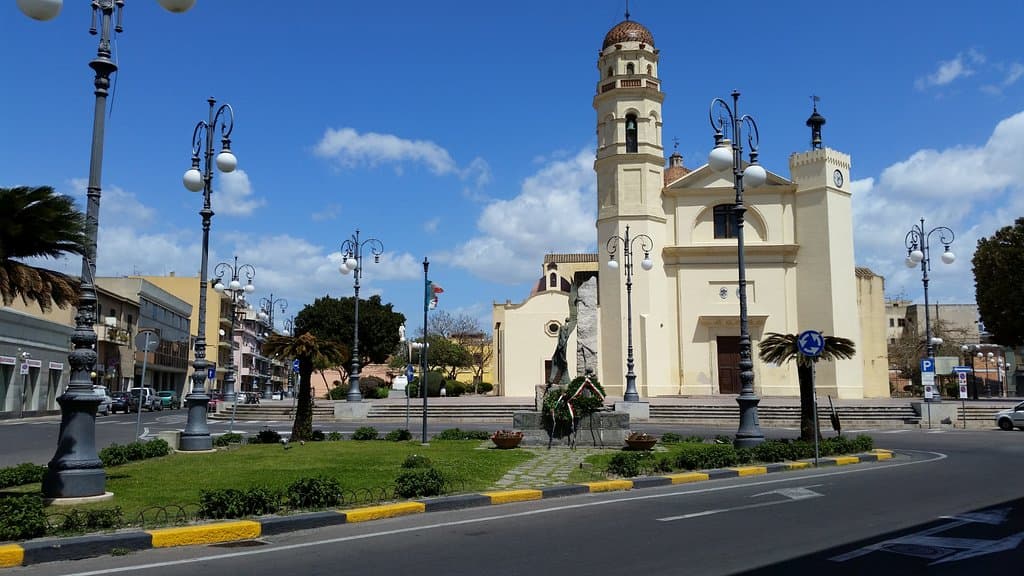
"It is located in Piazza Azuni, proceeding along Via Marconi towards Piazza Sant'Elena. Its construction dates back to the 11th century and was originally in Romanesque style but was later rebuilt in the late 13th century. It features a simple gabled façade and a bell gable at the rear. The interior has a single nave with a barrel vault and a chancel with a cross vault. There are only three chapels to the right of the entrance, which are also interconnected. Particularly noteworthy is the wooden altar in the chancel, dating back to the early 17th century. Also to the right of the nave is the entrance to the sacristy, from which, going towards the old convent, you can see the remains of the original Romanesque apse. Entering the small park behind the church, you can see the new rectangular apse from the late 13th century.
The building is consecrated."
Lorena Lai
"The church of Sant'Agata is located in the village of Quartu Sant'Elena, a short distance from the parish church. The Romanesque churches of Santa Maria di Cepola and San Pietro di Ponte (attested among the possessions of San Vittore di Marsiglia) and the country church of San Forzorio, near the eponymous pond, remain within the municipality. The site would correspond to the ancient Quarto Josso; the local name of the area (su Idanu) suggests its identification with the "domestic" of "Suvaydanu," included among the possessions of the Victorine monks in 1338. The current building is the result of numerous renovations, without documentary evidence; during the latest restoration, data was recovered that will allow a critical reinterpretation of the construction phases. Large sections of the walls of the arched sides date back to the Romanesque single-nave layout, dating back to the second half of the 12th century; Gothic interventions in the first quarter of the 14th century led to the demolition of the semicircular apse, which was rebuilt as a
quadrangular chapel (northeast). The facings are made of medium-sized limestone blocks, carefully cut and installed. The northern side features a single-lancet window with a double splay and a sloping sill. Along the terminal are semicircular arches with double architraves, perhaps recomposed during the
14th-century work, which on the other side and in the apse resulted in both the reuse of the original elements and the insertion of small pointed or trefoil arches. The quadrangular apse has a cross vault divided by four ribs and, like the sides, a single external section between wide corner pilasters. It features a light
(much altered) with a pointed arch and a brow on very eroded corbels."
Michele Marras
"Beautiful structure with excellent Gothic features...an excellent guided tour for the open monuments"
Daniele Cabras
What People Like
What People Dislike
Frequently Asked Questions
🚇 🗺️ Getting There
The church is located in Piazza Azuni, along Via Marconi towards Piazza Sant'Elena in Quartu Sant'Elena. Public transport options might be available, but checking local bus routes is recommended. Driving is also an option, with parking potentially available nearby.
Accessibility details can vary. It's advisable to check for any specific information regarding ramps or step-free access if needed, especially considering its historical nature.
Quartu Sant'Elena is typically reached via Cagliari. You can fly into Cagliari-Elmas Airport (CAG) and then take a bus or taxi to Quartu Sant'Elena. :airplane: :bus:
🎫 🎫 Tickets & Entry
Entry to churches is often free, but it's always a good idea to confirm. Special events or guided tours might have associated costs. :ticket:
Opening hours for churches can vary. It's best to check local listings or contact the church directly for the most up-to-date information, especially on holidays. :clock:
Generally, churches are free to enter for prayer and quiet contemplation. However, donations are often appreciated to help with upkeep. :pray:
Churches are typically open on Sundays, often with services. Visiting outside of service times is usually recommended for a more peaceful experience.
🎫 🧭 Onsite Experience
The church dates back to the 11th century, with significant Romanesque and Gothic architectural phases. It's a testament to centuries of history and religious practice in the region.
Key features include the Romanesque apse remains, Gothic interventions, a wooden altar from the early 17th century, and the overall blend of Romanesque and Gothic styles. :building_construction:
Yes, the small park behind the church offers views of the new rectangular apse from the late 13th century. :park:
Yes, guided tours are often available, especially during events like 'open monuments' evenings, providing in-depth historical and architectural insights. :guide_dog:
Visitors describe it as a beautiful, simple, and ancient church that evokes a sense of stepping back in time. The acoustics are also noted as beautiful. :sparkles:
📸 📸 Photography
Photography rules can vary. It's generally permitted for personal use, but always be respectful and check for any signs or ask church officials if unsure. Avoid flash photography. :camera:
The wooden altar, the Romanesque apse remnants, and the Gothic architectural details both inside and out offer great photographic opportunities. The park behind the church also provides a different perspective. :iphone:
Yes, the exterior of the church, including its facade and bell gable, can be photographed. The surrounding piazza also offers good vantage points. :camerawithflash:
For Different Travelers
Tailored advice for your travel style
👨👩👧 Families with Kids
Consider visiting during less crowded times to maintain a peaceful atmosphere. Explaining the concept of an 'ancient church' and pointing out interesting features like the altar can make the visit more engaging for younger visitors. Remember to dress modestly and ensure children are respectful of the sacred space. :familyampersandparents:
🏛️ History Buffs & Architecture Enthusiasts
Seek out information about the 'open monuments' evenings, as these often feature excellent guided tours that delve deep into the church's construction phases and historical context. The remnants of the Romanesque apse and the later Gothic chapel offer a compelling comparison. Don't miss the chance to examine the wooden altar, a beautiful piece of early 17th-century craftsmanship. :scroll:
Deep Dives
In-depth insights and expert knowledge
Architectural Evolution: From Romanesque to Gothic
The Gothic period brought significant changes, including the rebuilding of the apse into a quadrangular chapel. This phase is evident in the insertion of small pointed or trefoil arches and the construction of the new rectangular apse in the park behind the church, featuring a cross vault. The facings are made of carefully cut limestone blocks, and you can observe details like single-lancet windows and semicircular arches, some of which may have been recomposed during the 14th-century work. The overall impression is a beautiful structure with excellent Gothic features, built upon its Romanesque foundations.
Visitors often remark on the church's 'simple and ancient' beauty, appreciating how these historical layers are visible. The blend of styles offers a unique visual narrative of the church's long history. For those interested in architecture, exploring these different phases provides a deep appreciation for the craftsmanship and evolution of religious buildings in the region.
A Glimpse into Local History and Spirituality
Visiting this church offers a tangible connection to the past, allowing visitors to 'take you back in time,' as one reviewer noted. The presence of the wooden altar in the chancel, dating back to the early 17th century, adds another layer of historical and artistic value. The church has undergone numerous renovations, and ongoing research aims to reinterpret its construction phases, highlighting its continuous relevance and adaptation through history.
For those seeking a deeper understanding of local heritage and spirituality, Chiesa di Sant'Agata provides a serene and historically rich environment. The experience of visiting ancient churches is often described as a 'thrill,' and this site is no exception, offering a quiet space for reflection and appreciation of its enduring legacy.
Social
from TikTok, Instagram & Reddit