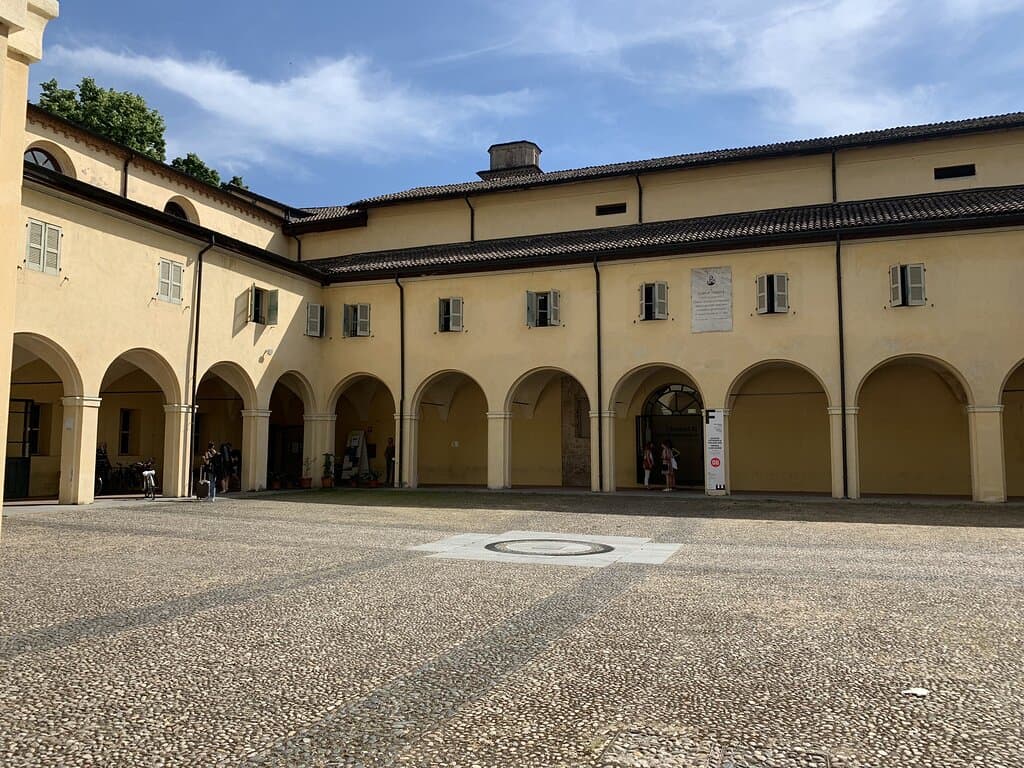
Chiostri di San Domenico
Historic cloisters across Italy, often serving as venues for art, music, and theater, blending medieval charm with vibrant cultural events.

Highlights
Must-see attractions

Social
From TikTok & Reddit
Best Time
Experience lively performances
Chiostri di San Domenico
Best Time
Experience lively performances
Highlights
Must-see attractions
Historic cloisters across Italy, often serving as venues for art, music, and theater, blending medieval charm with vibrant cultural events.
"A very suggestive and well-restored location, perfect for exhibitions and events."
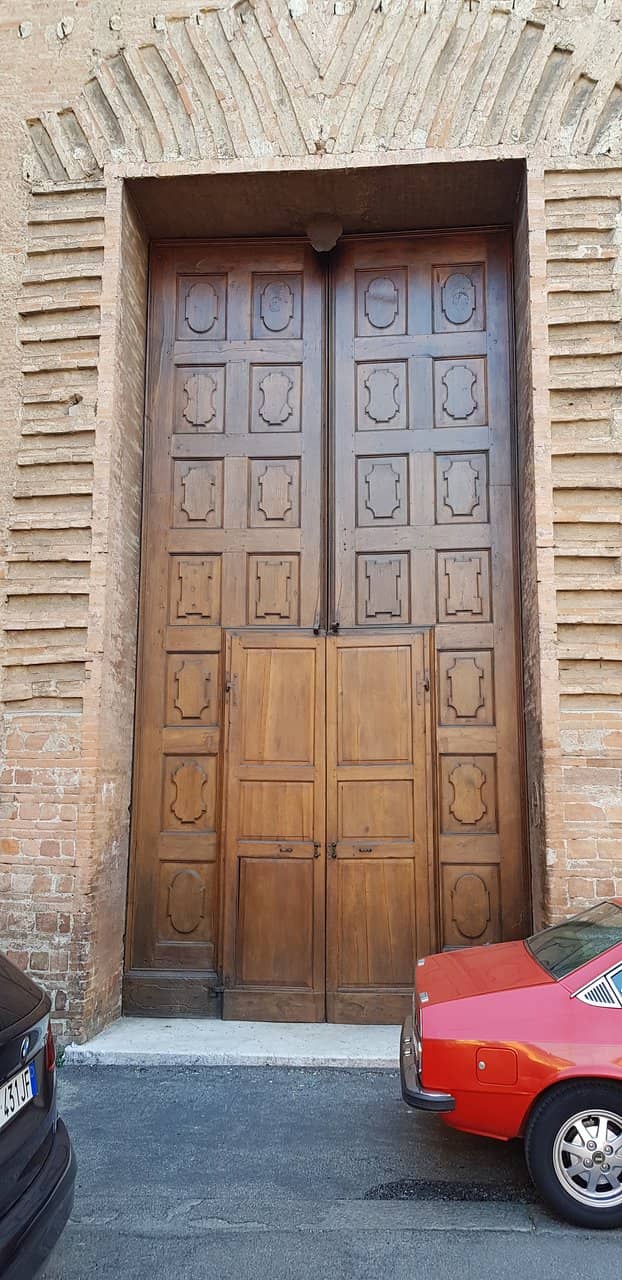
Check Event Listings
Always check the schedule for exhibitions, concerts, or theater performances before you go! 🎟️
Book in Advance
For popular events, securing tickets ahead of time is highly recommended to guarantee entry. 💻
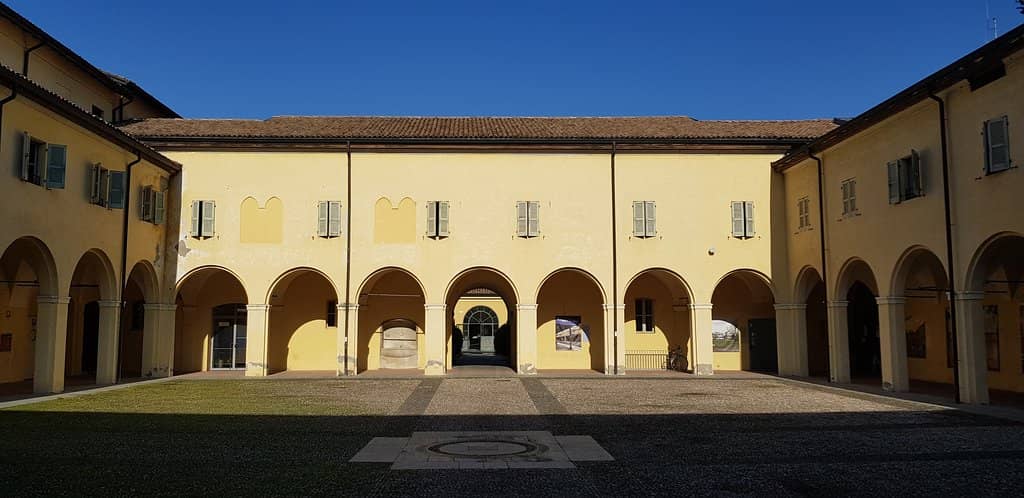
Quick Facts
Rating
4.3 · 27 reviews
Type
Place of Worship
Highlights
Discover the most iconic attractions and experiences
The Main Cloister
Central Courtyard
The best-preserved cloister, showcasing stunning Gothic-Catalan vaulted ceilings and a serene atmosphere.

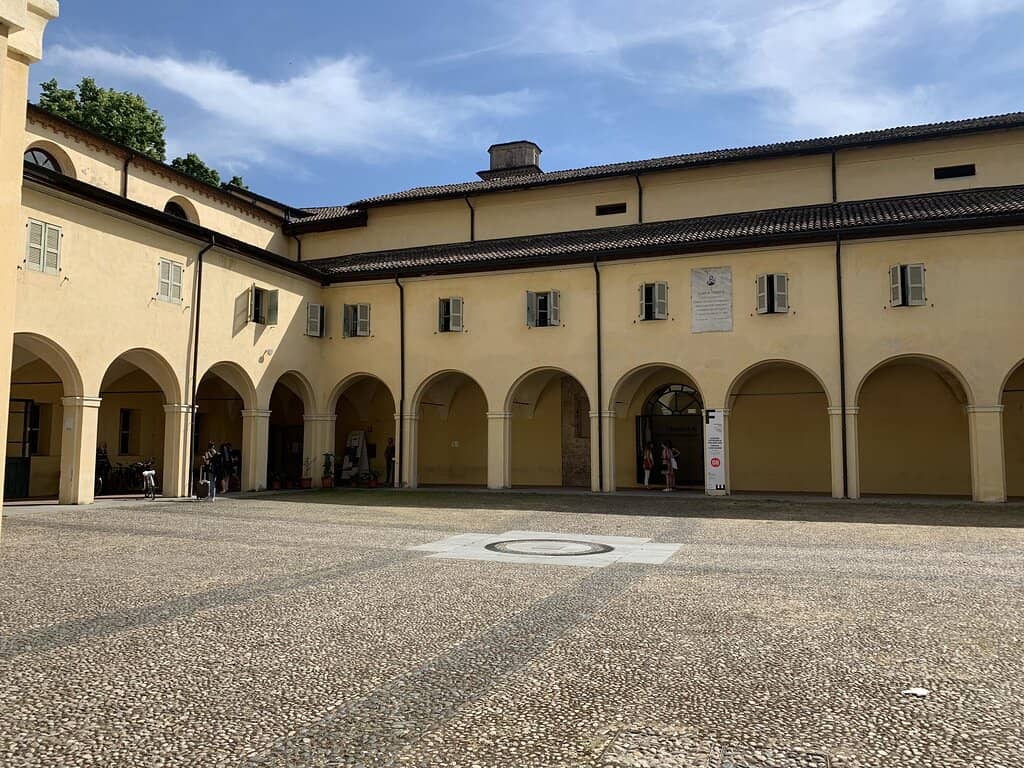
Renaissance Charm
Small Cloister
A smaller, charming cloister retaining its Renaissance character, offering a more intimate experience.
Art Exhibitions
Various Halls
Often hosts contemporary art and photography exhibitions, bringing dynamic energy to the historic space.
Plans like a pro.
Thinks like you
Planning Your Visit
Timing is Everything
+6Explore Beyond the Cloisters
+7Best Times
Insider Tips
from TikTok, Instagram & Reddit
Check Event Listings
Always check the schedule for exhibitions, concerts, or theater performances before you go!
Book in Advance
For popular events, securing tickets ahead of time is highly recommended to guarantee entry.
Explore the History
Learn about the convent's rich past, from its 13th-century origins to its various uses over centuries.
Tranquil Atmosphere
Enjoy the peaceful ambiance, especially in the smaller cloister, perfect for a quiet moment.
Tips
from all over the internet
Check Event Listings
Always check the schedule for exhibitions, concerts, or theater performances before you go!
Book in Advance
For popular events, securing tickets ahead of time is highly recommended to guarantee entry.
Explore the History
Learn about the convent's rich past, from its 13th-century origins to its various uses over centuries.
Tranquil Atmosphere
Enjoy the peaceful ambiance, especially in the smaller cloister, perfect for a quiet moment.
What Travellers Say
Reviews Summary
Visitors find the Chiostri di San Domenico to be a very suggestive and well-restored location, often hosting captivating exhibitions and events. The blend of historical architecture, particularly the vaulted ceilings, with contemporary cultural programming creates a unique and charming experience.
"Former convent of San Domenico also known as "of the stallions", a very suggestive place in the city of Reggio Emilia with its cloisters, the main cloister (the best preserved one) and the small cloister which has a certain charm! Open for exhibitions or events!"
Giuliano Cavazzoni
"The Cloisters of San Domenico were built in just three years starting from July 25, 1233 thanks to the enthusiasm of the citizens of Reggio, encouraged by the preaching of Fra Giacomino da Reggio. In the 15th century, based on a design by Casotti, the church and convent were expanded and a library was added. In 1509, the Tribunal of the Inquisition was established, which occupied part of the convent's premises as prisons. In the 16th century, the convent was further expanded with the construction of the Great Cloister. During the military occupation of the Gallo-Hispanic army in 1702, the church and convent were converted into a military hospital for a large number of patients. After being damaged, they were restored in 1723, adding a vault to the church, a deep choir and two side chapels. During this restoration, the "cloister of the dead", previously used as a cemetery, was sacrificed. During the Napoleonic era, the convent was used as barracks. In 1860, the complex was used as a "Stallion Horse Depot" and underwent further interventions, including the addition of the "Castelnuovo" wing in 1872. During the 20th century, a restoration and recovery project preserved the architecture and highlighted the different historical phases. Today, inside the cloisters, the ancient structures are still visible, while in the lunettes between the courtyards you can admire traces of 17th-century paintings depicting religious scenes."
Roberta Veronelli
"Very nice and well restored location. For me it hosts the best part of
European Photography 2023."
Claudio Giacomini
What People Like
What People Dislike
Frequently Asked Questions
🚇 🗺️ Getting There
The Chiostri di San Domenico are located in various cities, including Reggio Emilia, Trapani, and Penne. For Reggio Emilia, it's often accessible by public transport within the city. In Trapani, it's a central location. Always check local transport options for the specific city you are visiting. +4
Parking availability varies greatly depending on the city. In historic centers like Reggio Emilia or Trapani, street parking might be limited, and public parking garages are often the best option. Research local parking facilities for the specific location.
Restoration efforts have improved accessibility in many areas, but some historic structures may have uneven surfaces or stairs. It's advisable to contact the specific venue or check their website for detailed accessibility information.
Yes, the Chiostri di San Domenico can be a wonderful part of a day trip, especially if there's an exhibition or event scheduled. They are often located within historic city centers, making them easy to combine with other sightseeing. +1
Since 'Chiostri di San Domenico' refers to multiple locations across Italy, there isn't one single navigation method. For each specific city (e.g., Reggio Emilia, Trapani), use local maps and public transport apps. +4
🎫 🎫 Tickets & Entry
Entry requirements depend on whether there's a specific exhibition or event. For general access to the cloisters themselves, it might be free, but exhibitions or performances will require tickets. Always check the official website or event listings. +7
Opening hours vary significantly based on the city and whether there are ongoing events or exhibitions. Some may have standard daytime hours, while others are only accessible during specific event times. It's crucial to check the schedule for the particular location.
Entry fees are typically associated with specific exhibitions or events held within the cloisters. General access to the architectural space might be free, but exhibitions can range from €5 to €20 or more.
For many events, tickets can be purchased on the day, but it's highly recommended to book in advance, especially for popular performances or exhibitions, to avoid disappointment.
Discounts may be available for students, seniors, or groups, particularly for ticketed exhibitions or events. Check the ticketing information for the specific event you plan to attend.
🎫 🏛️ Onsite Experience
You can admire the beautiful architecture, including Gothic-Catalan vaults and Renaissance elements. Many locations host art exhibitions, concerts, and theatrical performances, offering a rich cultural experience. +7
Guided tours are sometimes offered, especially for specific exhibitions or historical aspects of the cloisters. It's best to inquire locally or check the event organizer's website for availability.
Events range widely, including art and photography exhibitions, musical concerts, theatrical performances, fashion shows, and cultural festivals.
Absolutely! The historic architecture, especially the vaulted ceilings and courtyards, provides stunning backdrops for photography.
These cloisters have a long history, dating back to the 13th century. They've served as convents, prisons, military hospitals, barracks, and even horse depots, reflecting centuries of urban development.
📸 📸 Photography
Focus on the main cloister's impressive vaulted ceilings and the charming details of the smaller Renaissance cloister. The interplay of light and shadow within the archways is also very photogenic. +1
Photography policies vary. For exhibitions, non-flash photography is often permitted, but check specific rules. During concerts or performances, it's usually restricted to avoid disturbing the audience.
Late afternoon often provides beautiful, soft light that enhances the architectural details. However, if an event is on, the lighting will be dictated by the performance.
Drone usage is generally prohibited in historic sites and urban areas due to privacy and safety regulations. Always check local ordinances before flying a drone.
Architectural photography, event photography, and portrait photography against the historic backdrop are popular. The cloisters also serve as a venue for fashion shows, making it a great spot for fashion photography.
Social
from TikTok, Instagram & Reddit