Basilica di San Nicola in Carcere
Discover ancient Roman ruins beneath a historic basilica, a hidden gem offering a unique glimpse into Rome's layered past.
Highlights
Must-see attractions

Social
From TikTok & Reddit
Best Time
Fewer crowds, easier access
Basilica di San Nicola in Carcere
Best Time
Fewer crowds, easier access
Highlights
Must-see attractions
Discover ancient Roman ruins beneath a historic basilica, a hidden gem offering a unique glimpse into Rome's layered past.
"Exploring the underground of San Nicola in Carcere adds a fascinating layer to the visit, revealing ancient Roman structures."
🎟️ Underground Tour Tickets
Tickets for the underground are usually available at the church, often with no queue and contactless payment.
🏛️ Explore Forum Holitorium
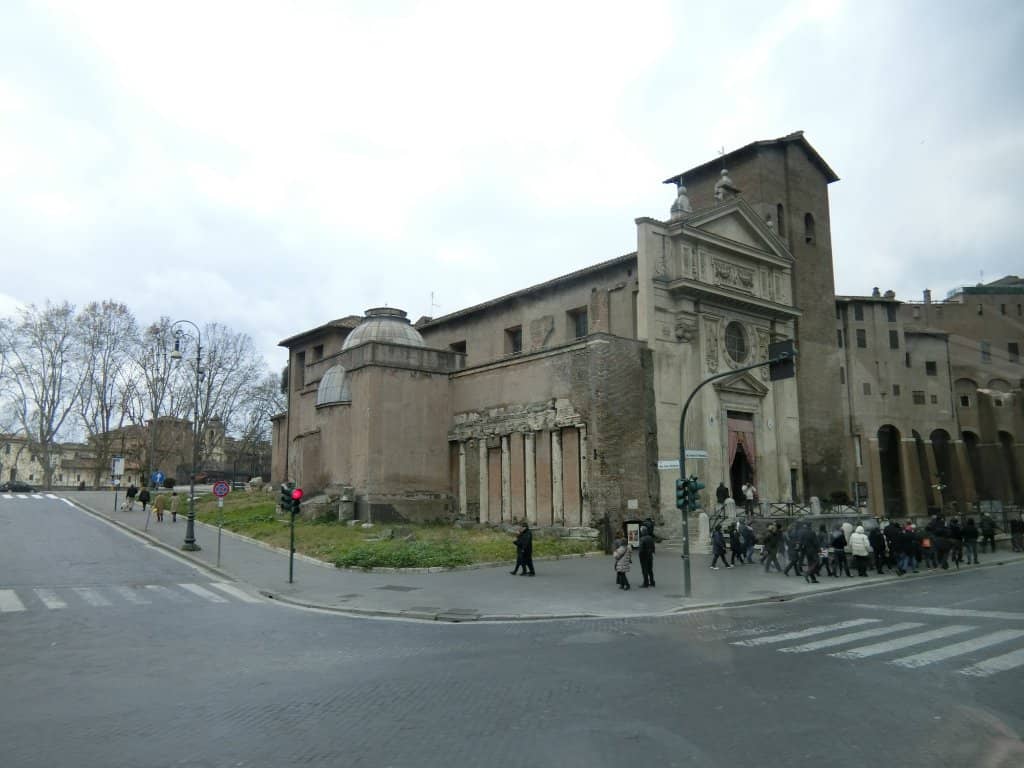
Look for ancient sculptures around the corner outside, remnants of the Forum Holitorium.
Quick Facts
Hours
Rating
4.6 · 450 reviews
Type
Church
Highlights
Discover the most iconic attractions and experiences
Subterranean Roman Structures
Underneath the Basilica
Descend into the crypt to discover ancient Roman ruins and artifacts, a truly unique historical experience.
Baroque Facade
Exterior
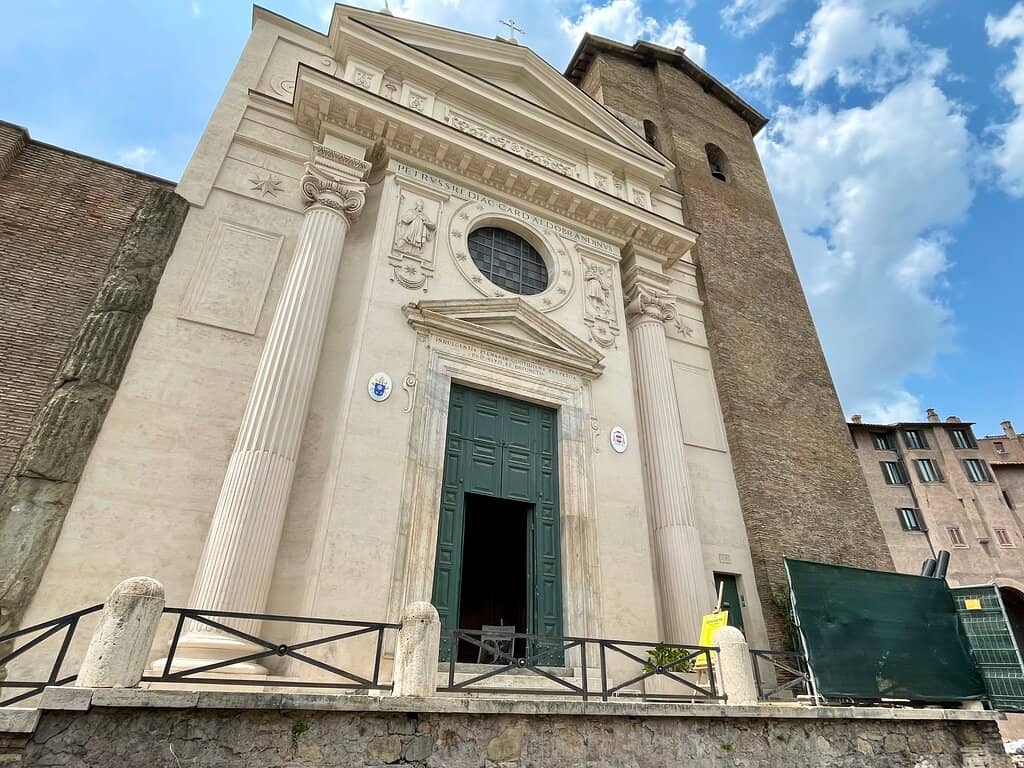
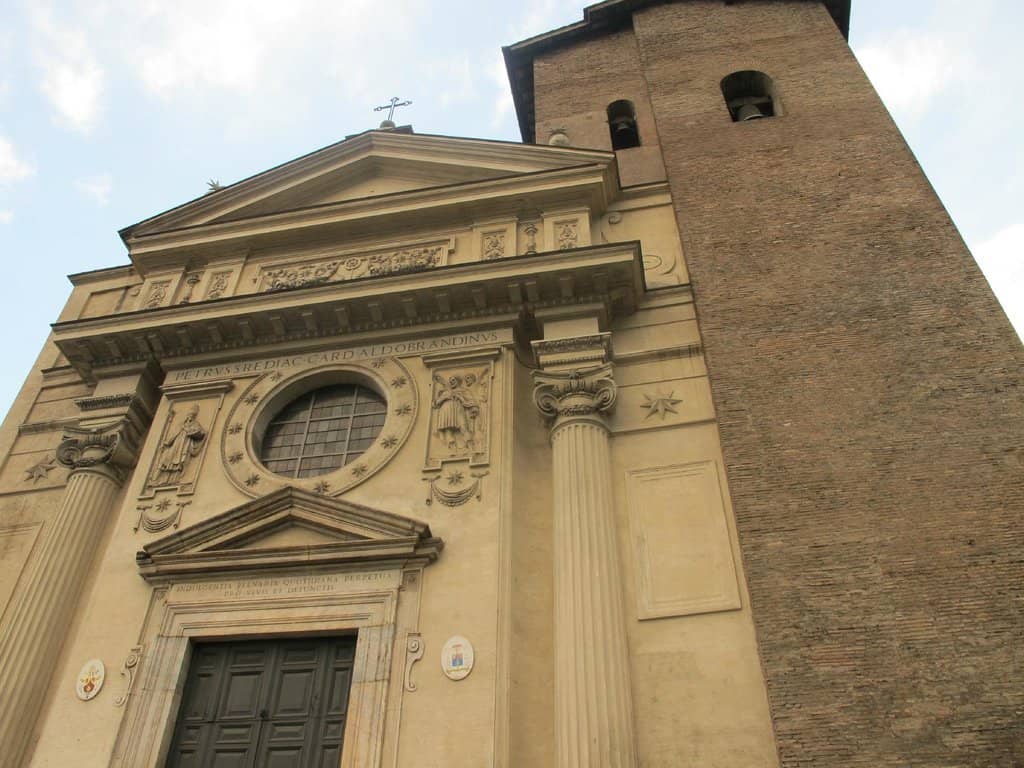
Admire the 16th-century Baroque facade, featuring repurposed ancient columns from the Forum Holitorium.
Repurposed Ancient Columns
Interior
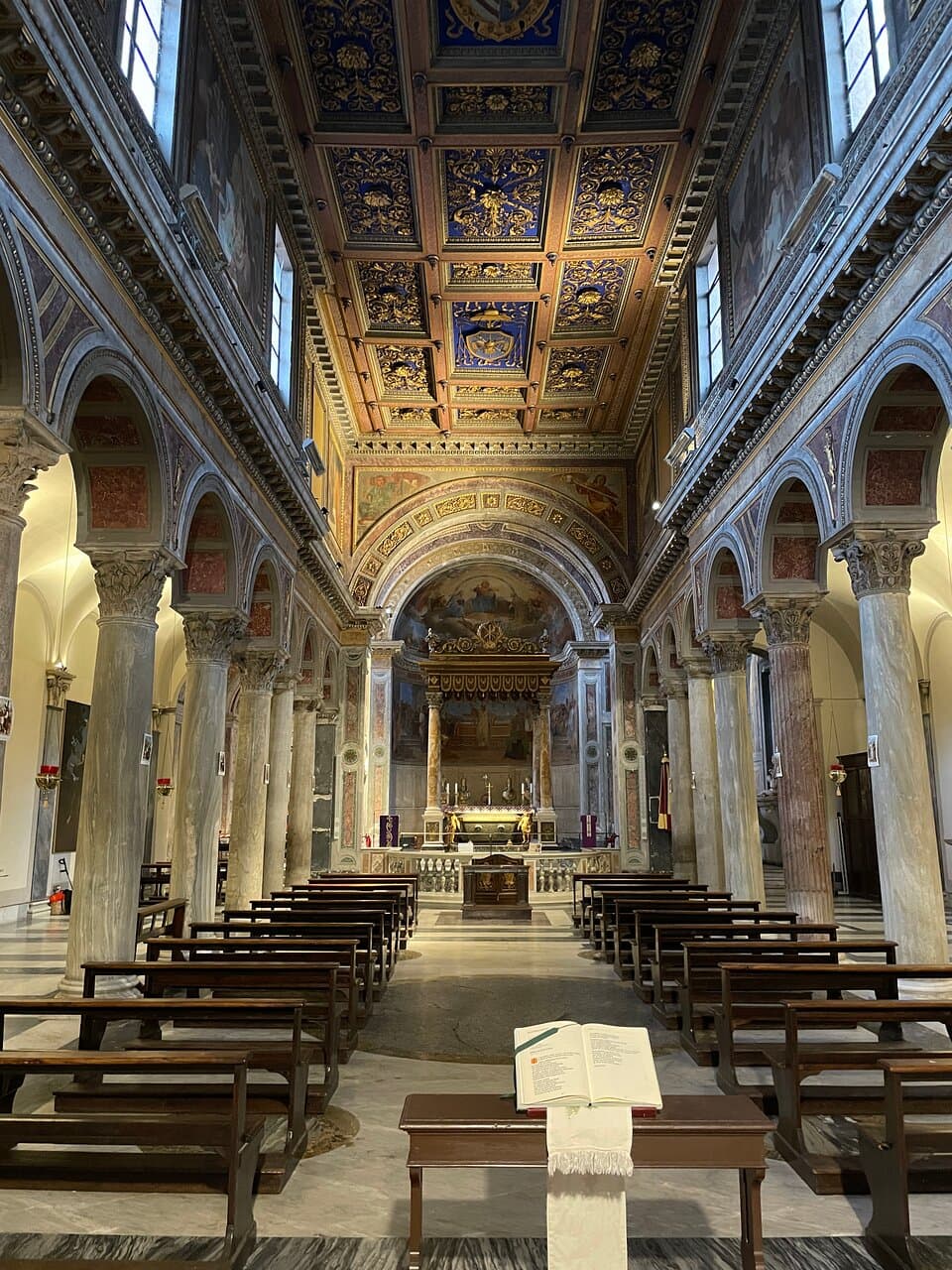
Observe the fascinating mix of ancient columns integrated into the church's nave, a testament to its long history.
Plans like a pro.
Thinks like you
Planning Your Visit
Underground Roman Ruins
Timing Your Visit
Best Times
Insider Tips
from TikTok, Instagram & Reddit
🎟️ Underground Tour Tickets
Tickets for the underground are usually available at the church, often with no queue and contactless payment.
🏛️ Explore Forum Holitorium
Look for ancient sculptures around the corner outside, remnants of the Forum Holitorium.
🤫 Quiet Sanctuary
Seek a serene, off-the-beaten-path experience away from the main tourist crowds.
🚶♀️ Near Marcellus Theater
Perfect quick visit before or after seeing the nearby Theater of Marcellus.
Tips
from all over the internet
🎟️ Underground Tour Tickets
Tickets for the underground are usually available at the church, often with no queue and contactless payment.
🏛️ Explore Forum Holitorium
Look for ancient sculptures around the corner outside, remnants of the Forum Holitorium.
🤫 Quiet Sanctuary
Seek a serene, off-the-beaten-path experience away from the main tourist crowds.
🚶♀️ Near Marcellus Theater
Perfect quick visit before or after seeing the nearby Theater of Marcellus.
What Travellers Say
Reviews Summary
Basilica di San Nicola in Carcere is praised as a hidden gem offering a unique blend of history, from ancient Roman ruins beneath to its medieval and Baroque architecture above. Visitors appreciate the affordable underground tour for its fascinating glimpse into the past, though some have encountered issues with tour availability or staff interactions.
"We had no idea there was construction going on 😞
We did see most of the church but missed the downstairs tour. I asked someone if the tour was available and was literally yelled at. Oh well. The church itself is amazing and I recommend visiting."
Joanne Esposito
"San Nicola in Carcere in Rome is a hidden gem, tucked amid the city’s historic streets. This church, with its unassuming exterior, unveils a treasure trove of art and history inside. The blend of architectural styles and the ancient columns within tell a captivating story. For those seeking a quieter, off-the-beaten-path experience in Rome, San Nicola in Carcere is a serene sanctuary worth discovering.
Exploring the underground of San Nicola in Carcere adds a fascinating layer to the visit (4 € entry) The crypt beneath reveals ancient Roman structures and artifacts, providing a unique perspective on the city's history. Navigating through the subterranean chambers enhances the overall experience, making a visit to San Nicola in Carcere even more intriguing for those intrigued by archaeological discoveries."
T M
"This is an interesting church upon the grounds of the ancient Forum Oliorium. Historically, it seems there may have been church structures here as early as the 6th century. However, what is known for certain is that a medieval church was built here In 1128. The campanile you will see is from the Middle Ages however, the Baroque facade was added later in 1599. Notice the old columns embedded into the facade and both sides of the church. These were columns that formed small sections of the three ancient temples of Forum Oliorium long before the basilica was built here.
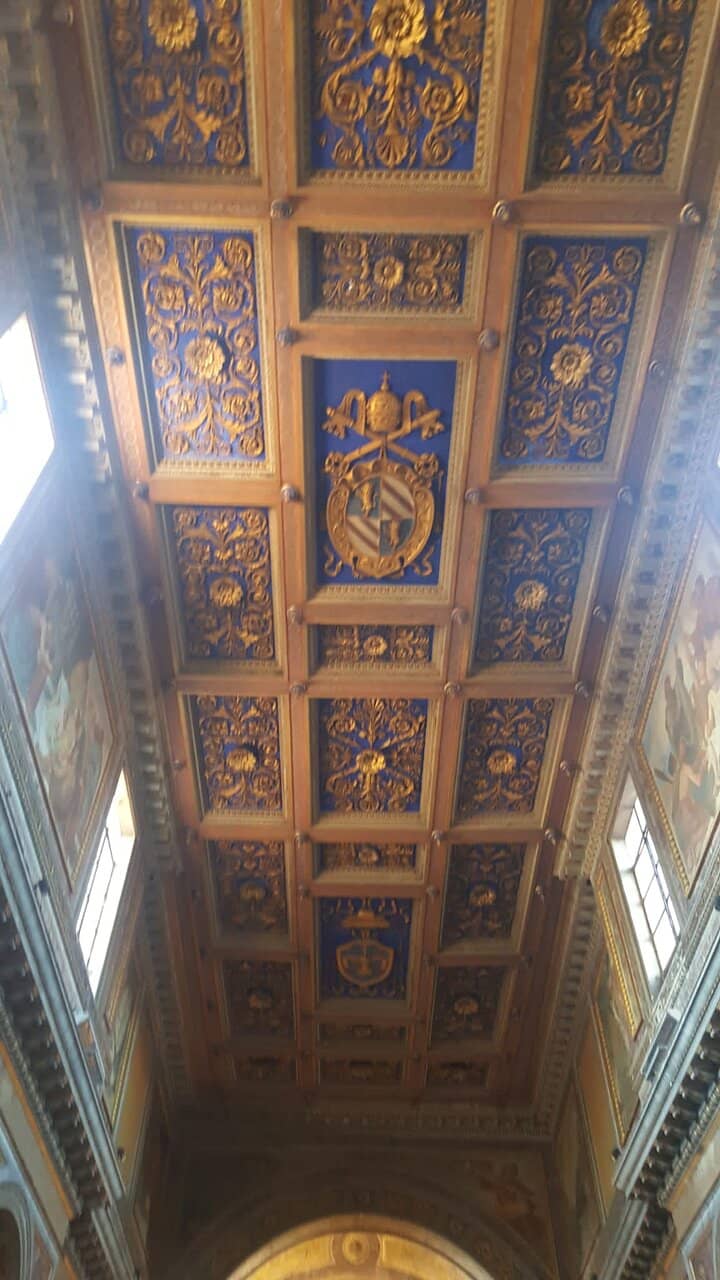
The interior includes a central nave lined with a medley of columns repurposed from various different temples. The panelled ceiling and wall frescos leading to an attractive altar are nice. Side aisles include small chapels and artworks. You can arrange visit to the underground of the basilica according to information notice seen at the church. There you may be able to see more evidence of the ancient temples.
It is a neat combination of Ancient Rome, medieval and Baroque bundled up in a quick church visit that you can make before or after passing by Marcellus Theater."
Brad
What People Like
What People Dislike
Frequently Asked Questions
🚇 🗺️ Getting There
The basilica is conveniently located near the Theater of Marcellus in Rome. You can easily reach it by public transport, with several bus lines stopping nearby. Walking from the Roman Forum or Capitoline Hill is also a pleasant option.
Yes, several bus routes serve the area around the Basilica di San Nicola in Carcere, making it easily accessible via public transportation in Rome.
Absolutely! It's a short and scenic walk from popular sites like the Roman Forum and Capitoline Hill, allowing you to combine your visit with other historical explorations.
🎫 🎫 Tickets & Entry
The entry fee for the underground exploration is typically around 4 Euros, offering great value for the historical insights provided.
Generally, you can purchase tickets for the underground at the church itself, and there's often no queue. Contactless payment is usually accepted.
While the church itself may have varying hours, the underground tours are often available during specific times. It's advisable to check locally or inquire upon arrival, as construction can sometimes affect access.
Many visitors report that there is no queue for tickets to the underground, making it a spontaneous and easy addition to your itinerary.
Yes, contactless payment is often accepted for tickets to the underground, making the purchase process quick and convenient.
🎫 🏛️ Onsite Experience
This basilica is built on the site of the ancient Forum Holitorium and incorporates elements from three ancient temples. Its history spans from the 6th century to a medieval church built in 1128, with a Baroque facade added later.
The interior features a nave lined with repurposed ancient columns, a panelled ceiling, wall frescos, and side aisles with small chapels and artworks.
The underground crypt reveals ancient Roman structures, artifacts, and layers of history, including human bones and dark soil, offering an eerie and fascinating glimpse into a forgotten world.
Yes, the church is situated near the Theater of Marcellus, and you can also find ancient sculptures around the corner outside, remnants of the Forum Holitorium.
Yes, it's described as a neat combination of Ancient Rome, medieval, and Baroque elements that can be experienced in a quick visit.
📸 📸 Photography
Photography is generally allowed inside the church, but it's always a good idea to be respectful of worshippers and any posted signs. The underground may have specific restrictions.
The interior with its unique columns and frescoes, the Baroque facade, and the intriguing underground ruins offer excellent photographic opportunities.
While not explicitly stated, it's possible that photography in the underground might be restricted or discouraged due to the delicate nature of the artifacts. Inquire locally if unsure.
Social
from TikTok, Instagram & Reddit