Basilica di San Silvestro
A serene Roman sanctuary with a hidden cloister museum, showcasing Baroque art and ancient Roman fragments. A peaceful escape near the Quirinal.
Highlights
Must-see attractions

Social
From TikTok & Reddit
Best Time
Fewer crowds, peaceful atmosphere
Basilica di San Silvestro
Best Time
Fewer crowds, peaceful atmosphere
Highlights
Must-see attractions
A serene Roman sanctuary with a hidden cloister museum, showcasing Baroque art and ancient Roman fragments. A peaceful escape near the Quirinal.
"A hidden gem in Rome, the Basilica di San Silvestro in Capite and its charming cloister offer a peaceful escape."
🤫 Respectful Visits
It's an active religious site. Maintain quiet and respect during your visit.
📸 Photography Paradise
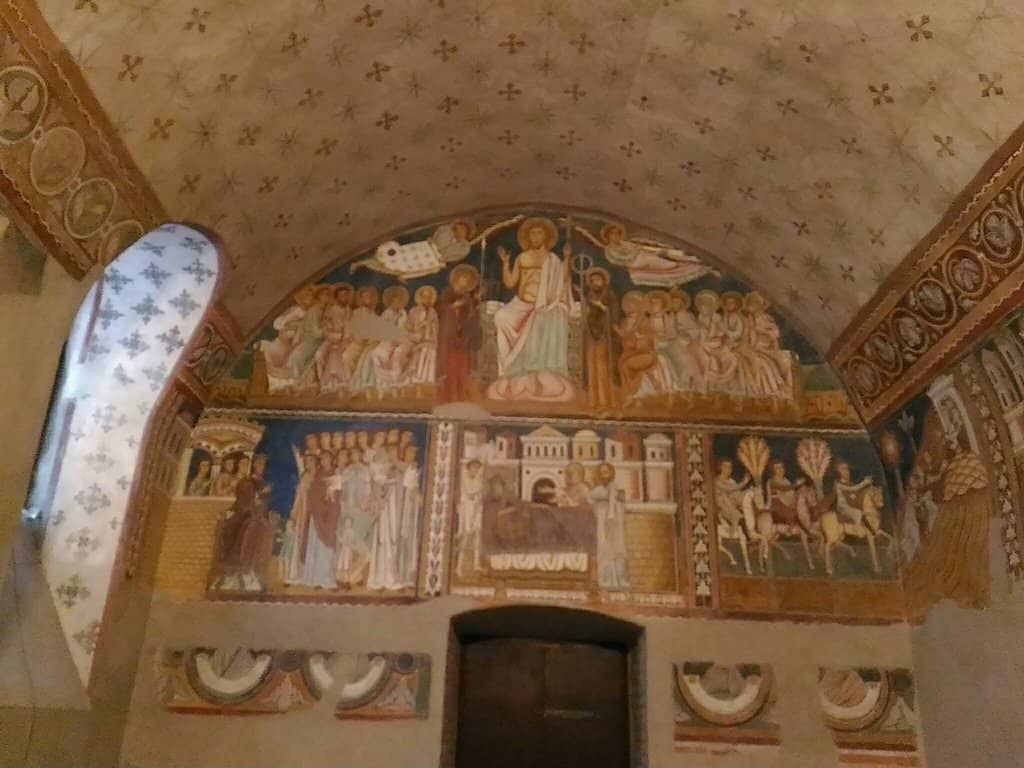
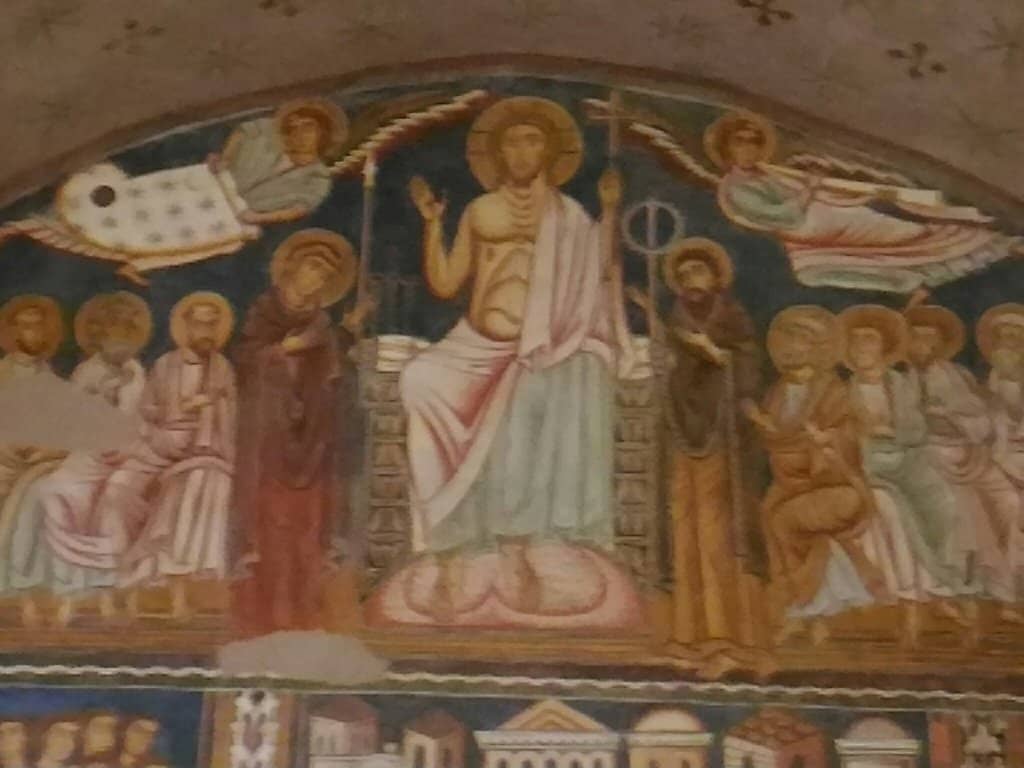
The cloister's ancient fragments and church frescoes are incredibly photogenic.
Highlights
Discover the most iconic attractions and experiences
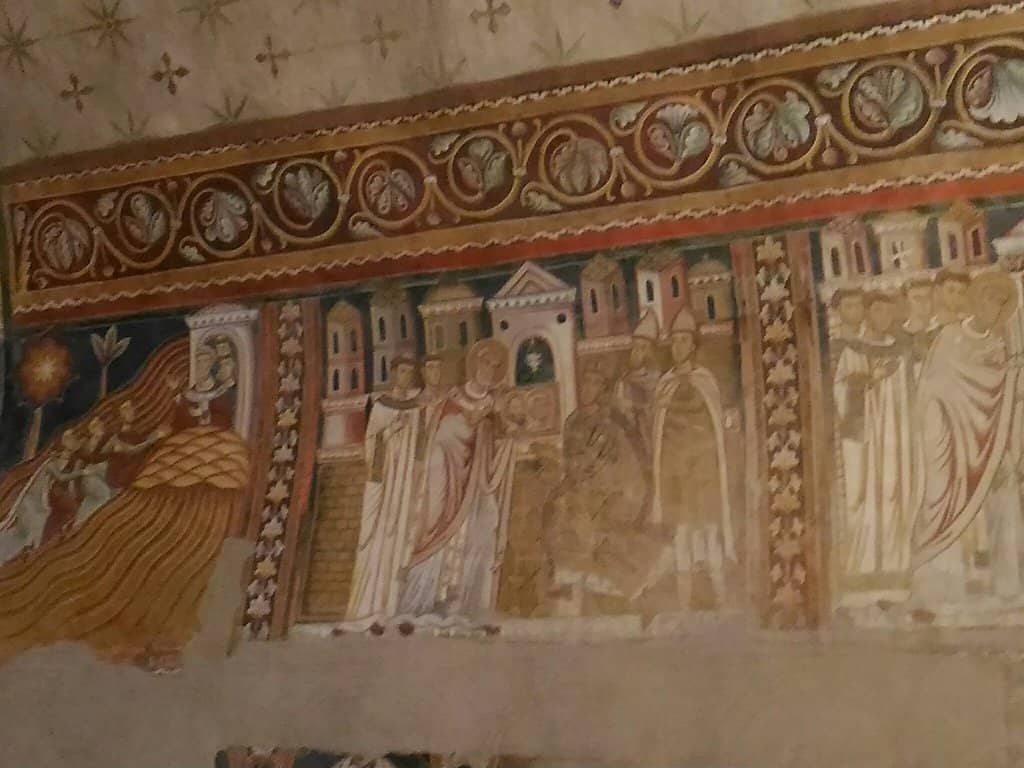
The Serene Cloister
San Silvestro Centre Courtyard
An open-air museum of ancient Roman fragments, sarcophagi, and inscriptions set against warm yellow walls.
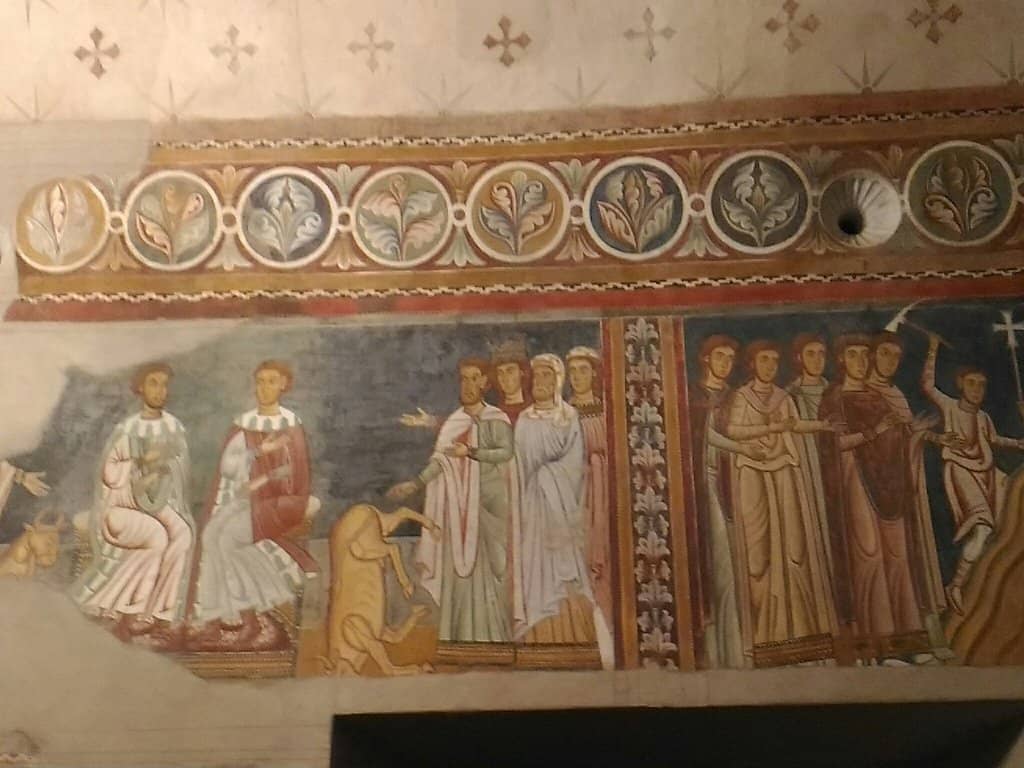
Baroque Masterpieces
Church Interior
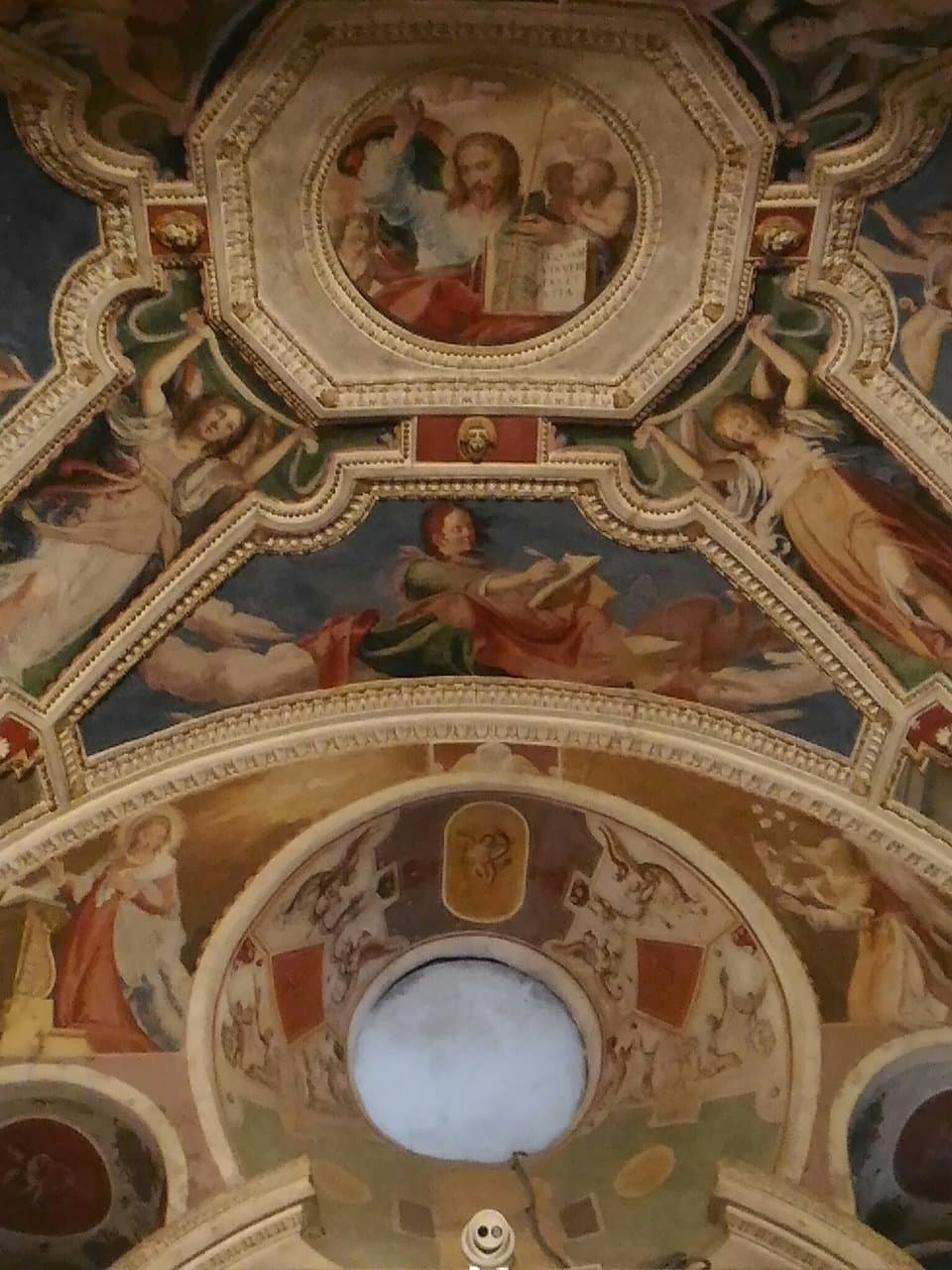
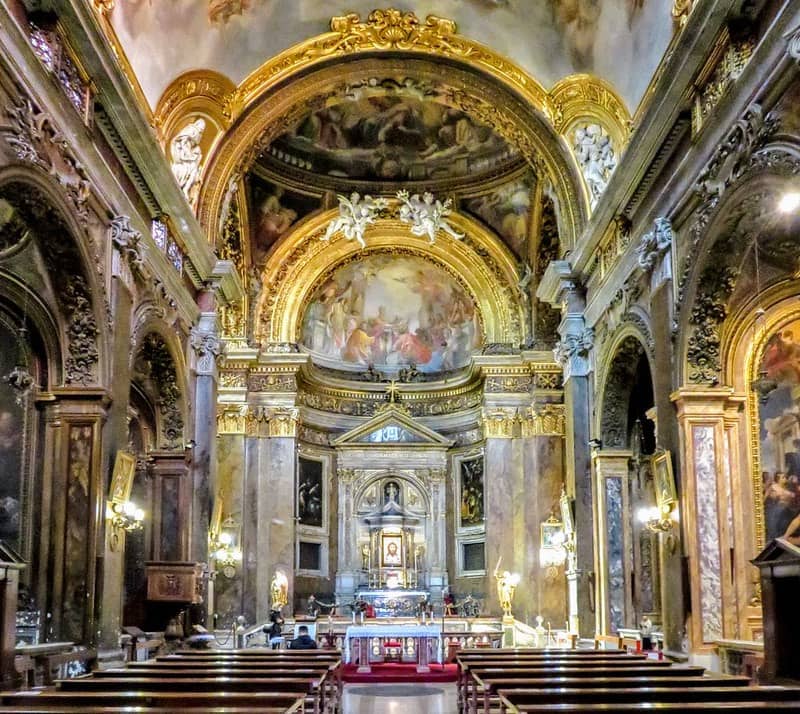
Stunning frescoes by Giacinto Brandi, Orazio Borgianni, and Ludovico Gimignani adorn the nave and chapels.
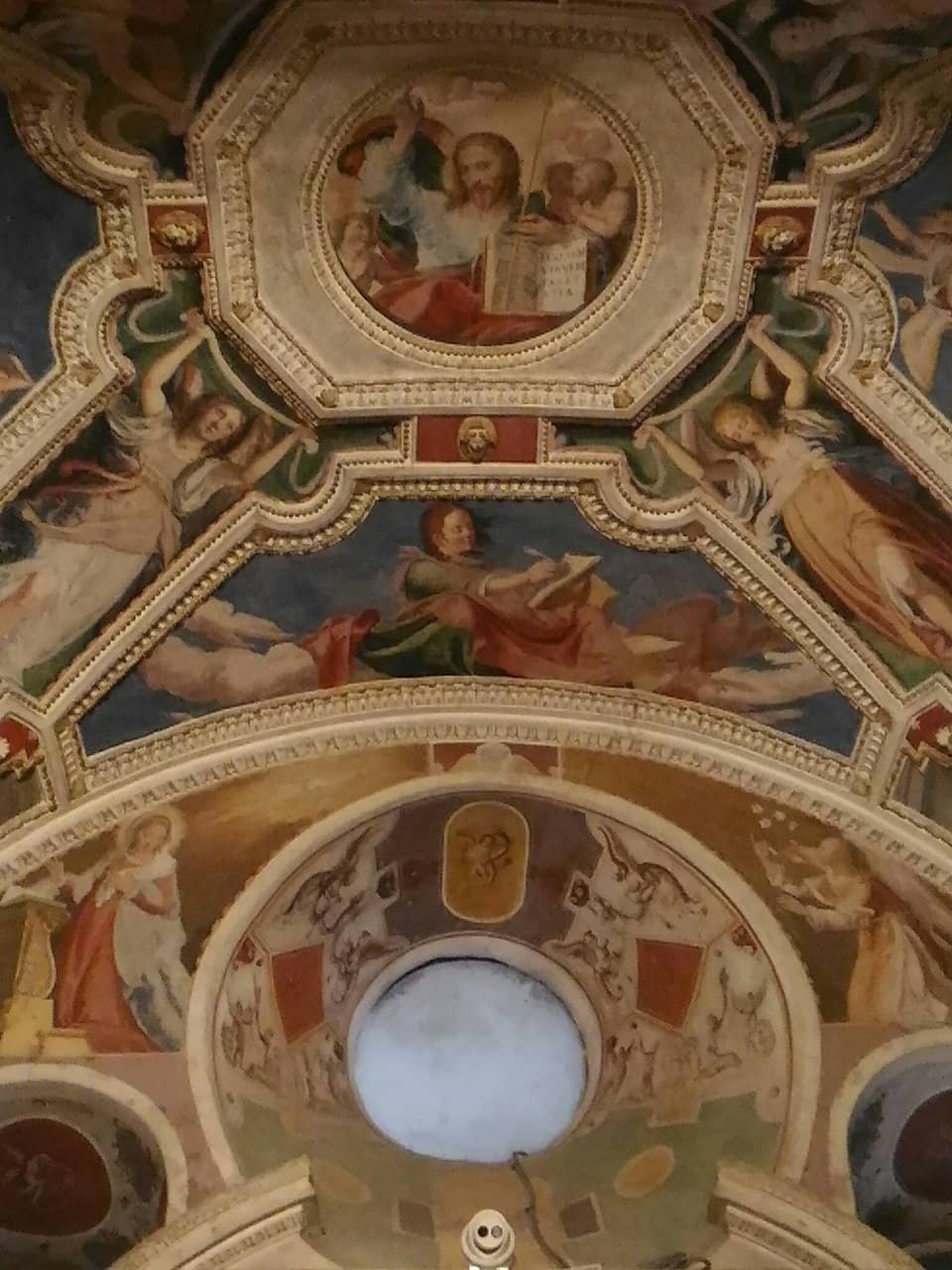
Relics of Saints
Side Chapels
Home to relics of St. John the Baptist, Pope Sylvester I, and other early Christian saints.
Plans like a pro.
Thinks like you
Planning Your Visit
Discover Rome's Secret Sanctuary
Plan Your Visit to San Silvestro
Best Times
Insider Tips
from TikTok, Instagram & Reddit
🤫 Respectful Visits
It's an active religious site. Maintain quiet and respect during your visit.
📸 Photography Paradise
The cloister's ancient fragments and church frescoes are incredibly photogenic.
🇬🇧 English Mass Available
Perfect for English speakers seeking worship, with masses often held in English.
🏛️ Open-Air Museum
Explore the courtyard's Roman artifacts, a unique historical treasure trove.
Tips
from all over the internet
🤫 Respectful Visits
It's an active religious site. Maintain quiet and respect during your visit.
📸 Photography Paradise
The cloister's ancient fragments and church frescoes are incredibly photogenic.
🇬🇧 English Mass Available
Perfect for English speakers seeking worship, with masses often held in English.
🏛️ Open-Air Museum
Explore the courtyard's Roman artifacts, a unique historical treasure trove.
What Travellers Say
Reviews Summary
Visitors praise Basilica di San Silvestro as a 'hidden gem' and a 'secret sanctuary' offering a peaceful escape with its serene cloister and richly decorated Baroque interior. It's appreciated for its historical artifacts and as a place for quiet reflection, with many highlighting the convenience of English-language masses.
"The original church was built with an adjoining Basilian monastery, in the 8th century by the Popes Paul I and Stephen III, atop ruins of a pagan temple dedicated to Sol Invictus, to house venerated relics of early Christian saints who were buried in the catacombs.The church was rebuilt and the campanile with Romanesque arcades added in 1198 during the papacy of Innocent III, who transferred the relic of the head of St. John the Baptist to it and the name was changed to St. John in Capitol.
In the 13th century the church was donated to the Poor Clares. It was rebuilt by the architects Francesco Capriani da Volterra and Carlo Maderno during 1591–1601, and subsequently restored in 1681.The relics of Pope Sylvester I, Pope Stephen I and Pope Dionysius were exhumed and re-enshrined beneath the high altar when the new church was consecrated in 1601. The church also contains the relics of Tarcisius.The church of San Silvestro was granted to the English Catholics by Pope Leo XIII in 1890, and is now served by Irish Pallottine Fathers. Mass is thus regularly celebrated in the English language. The church is the National Church in Rome of Great Britain, although the structures of the Catholic Church continue to be organized separately for England and Wales, Scotland and Ireland. The Scottish national church in Rome, Sant'Andrea degli Scozzesi, was deconsecrated in 1962.
The church has an atrium and narthex, which isolates the church from the busy square outside. There are fragments of early Christian sculpture, many with inscriptions, embedded in the walls of the atrium.The facade was completed in 1703. It has an unusual giant order topped with four baroque statues: San Silvestro by Lorenzo Ouone, Saint Stephen by Michelangelo Borgognone, Saint Clare by Giuseppe Mazzoni and Saint Francis by Vincenzo Felice.High Altar, commissioned in 1518 by Pier Soderini of Florence It is believed that the high altar, which predates the present church, was influenced by the style of Michelangelo. The interior is rich in marble, gilding, and artistic decoration. The nave has an Assumption with Saints frescoed (1680) by Giacinto Brandi. The main altar carved ciborium or canopy (1667) by Carlo Rainaldi. The cupola was frescoed (1605) by Cristoforo Roncalli. A Martyrdom of San Stephan I and a Messengers of Constantine call on San Silvestro (1610) were frescoed in the apse by Orazio Borgianni. In the baptistry apse, there is a Baptism of Constantine by Ludovico Gimignani. The transept has a History of San Silvestro (1690) also by Gimignani, and a Madonna with Child by Baccio Ciarpi.In the first chapel to the right is a Madonna with Child & Saint Anthony of Padua & Stephen I and other saints (1695) by Giuseppe Bartolomeo Chiari. In the second chapel is a Saint Francis receives stigmata (1610) by Orazio Gentileschi accompanied by paintings of the life of the saint by Luigi Garzi. In the third, a Pentecost by Giuseppe Ghezzi. The left transept has a Madonna & Child by Terenzio Terenzi. In the third chapel on the left is a fresco of the Immaculate Conception by Gimignani. On the walls are an Adoration by the Magi and Visitation by the Milanese il Morrazzone. In the second chapel is a Pope San Marcello has a vision of the Sacred Family and a Transit and Glory of San Giuseppe by Gimignani. In the first chapel are canvases of the Passion (1695) by Francesco Trevisani."
Misiu martino
"A hidden gem in Rome, the Basilica di San Silvestro in Capite and its charming cloister offer a peaceful escape. The richly decorated Baroque church features stunning frescoes and marble details, ideal for quiet reflection. The adjacent courtyard, known as the San Silvestro Centre, is an open-air museum of ancient Roman fragments, sarcophagi, and inscriptions set into its warm yellow walls. It’s a serene, lesser-known spot perfect for history lovers and photographers. Please note, it’s still an active religious site managed by the Pallottini Fathers, so quiet respect is appreciated during visits."
EK
"We were married at San Silvestro 45 years ago. Celebrant was father Tom Ryan. Such a special man who blessed our marriage and made our day so special. The church itself has its own special guest … St John the Baptist. Highly recommend a visit when in Rome. Luke and Janet carroll."
Luke Carroll
What People Like
What People Dislike
Frequently Asked Questions
🚇 🗺️ Getting There
The basilica is centrally located near the Quirinal Palace. You can reach it by walking from major landmarks like the Trevi Fountain or Pantheon, or by taking public transport to nearby bus stops.
While sometimes described as a 'secret' or 'hidden' gem, it's situated on a main street. Look for signs indicating its presence, especially if you're coming from the Quirinal area.
Many visitors find it a pleasant walk from the city center. Consider it part of a larger exploration of Rome's historic core.
🎫 🎫 Tickets & Entry
Entry to the basilica is generally free, though donations are appreciated. The cloister and its museum elements may have separate access or hours.
Hours can vary, and it's sometimes perceived as closed. It's best to check locally or look for information regarding English Mass times, as this often indicates accessibility.
Yes, the cloister, known as the San Silvestro Centre, is accessible and functions as an open-air museum. It's a key highlight for many visitors.
While the basilica is free, the San Silvestro Centre might have a small fee or operate on a donation basis. It's advisable to confirm upon arrival.
📸 📸 Photography
Photography is generally permitted inside the basilica, but it's always good practice to be discreet and respectful, especially during services.
The cloister with its ancient Roman fragments is a prime photography location. The richly decorated interior, especially the frescoes, also offers stunning visual opportunities.
Avoid using flash photography, particularly in areas with delicate frescoes or religious artifacts. Be mindful of other visitors and any posted signs.
🎫 🏛️ Onsite Experience
You can admire Baroque frescoes, marble decorations, and relics of saints. The adjacent cloister is an open-air museum of Roman artifacts.
Yes, it's known for its peaceful atmosphere, offering a serene escape from the bustling city. It's ideal for quiet reflection.
It's the cloister area adjacent to the basilica, functioning as a multi-ethnic center and an open-air museum displaying ancient Roman fragments.
Absolutely. Its history dates back to the 8th century, and the cloister showcases significant Roman artifacts, making it a fascinating site for history enthusiasts.
🎫 🗣️ Language & Community
Yes, the basilica is known for celebrating Mass in English, serving as the National Church in Rome for Great Britain.
Indeed, it functions as a multi-ethnic center, notably serving the Filipino migrant community in Rome since 1976.
For Different Travelers
Tailored advice for your travel style
👨👩👧 Families with Kids
While the church itself is a place for quiet reflection, the visual richness of the frescoes and the historical artifacts in the cloister can hold a child's attention. It's an opportunity to introduce them to art and history in a less overwhelming setting. Remember to encourage respectful behavior within the basilica itself.
🇬🇧 English-Speaking Visitors
Beyond religious services, the basilica's historical significance and artistic treasures are accessible to all. The cloister's Roman artifacts and the church's Baroque art offer a rich cultural experience. It's a chance to discover a less crowded, yet historically and artistically significant, site in the heart of Rome.
Deep Dives
In-depth insights and expert knowledge
A Glimpse into History
Throughout its existence, the basilica has been a site of religious importance, at one point housing the relic of the head of St. John the Baptist. It was later entrusted to the Poor Clares before its major Baroque reconstruction. Today, it serves as the National Church in Rome for Great Britain and is managed by Irish Pallottine Fathers, offering regular English-language masses.
The adjacent San Silvestro Centre is a unique open-air museum. It showcases a collection of ancient Roman fragments, sarcophagi, and inscriptions embedded in its walls, offering a tangible connection to the city's layered past. This blend of religious history and ancient Roman heritage makes San Silvestro a compelling destination.
Artistic Treasures Within
The church is also rich in marble, gilding, and intricate artistic decorations. The high altar, believed to have been influenced by Michelangelo's style, adds to the grandeur. Even the cupola, frescoed by Cristoforo Roncalli, contributes to the overall opulent aesthetic. The chapels house significant works, including Orazio Gentileschi's Saint Francis Receives Stigmata.
Beyond the grand frescoes, the basilica contains important relics, including those of Pope Sylvester I, Pope Stephen I, and Pope Dionysius, enshrined beneath the high altar. The presence of the relic of the head of St. John the Baptist in a side chapel is also a significant draw for many visitors.
Social
from TikTok, Instagram & Reddit