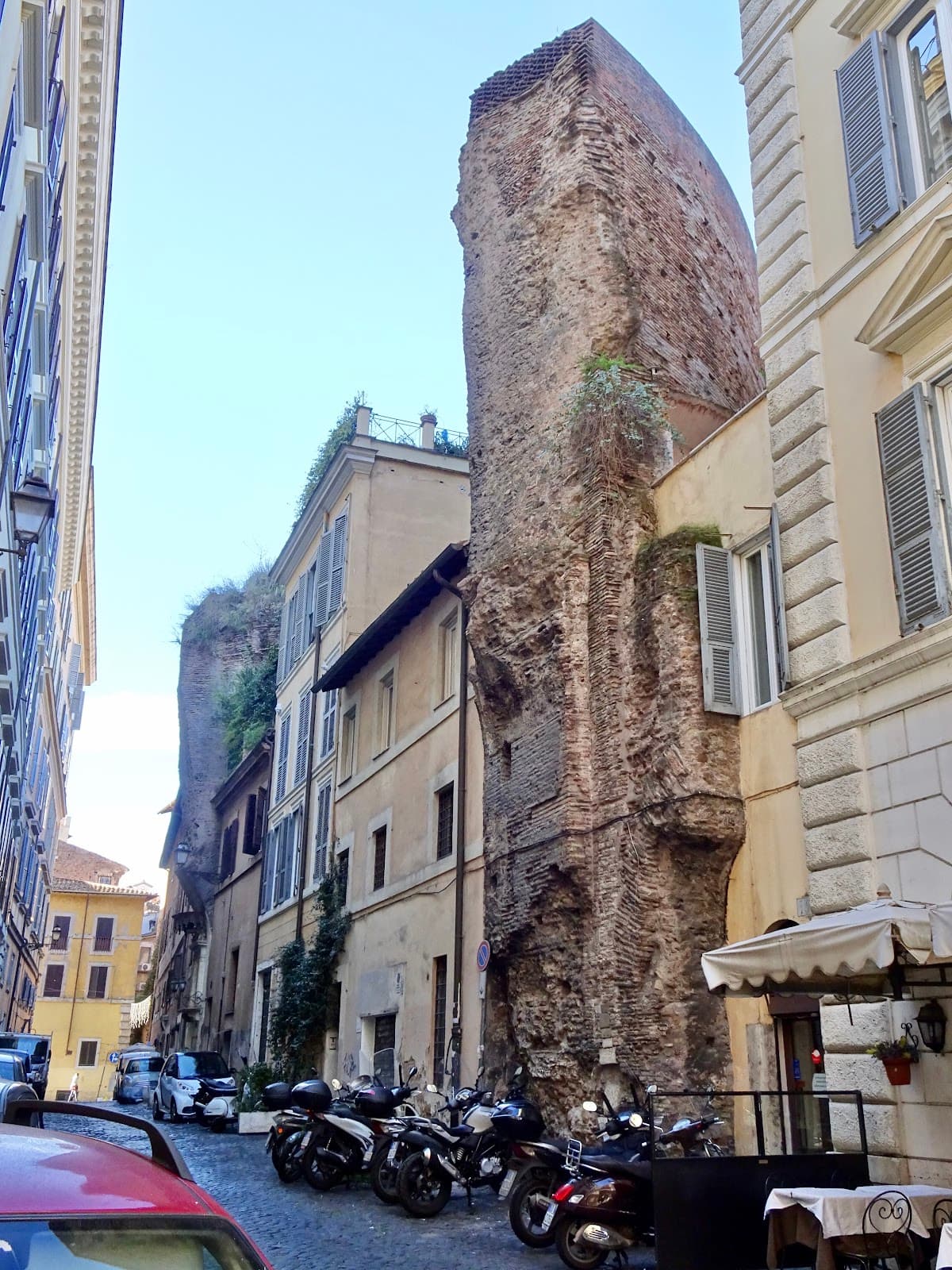
Baths of Agrippa
Rome's first public baths, where ancient engineering meets modern streets. Discover the legacy of the Thermae Agrippae and the still-functioning Aqua ...
Highlights
Must-see attractions

Social
From TikTok & Reddit
Best Time
Best light for ruins
Baths of Agrippa
Best Time
Best light for ruins
Highlights
Must-see attractions
Rome's first public baths, where ancient engineering meets modern streets. Discover the legacy of the Thermae Agrippae and the still-functioning Aqua Virgo aqueduct. +2
"Old walls are all that remain to visit this location, but it's an authentic monument of Roman architecture. "
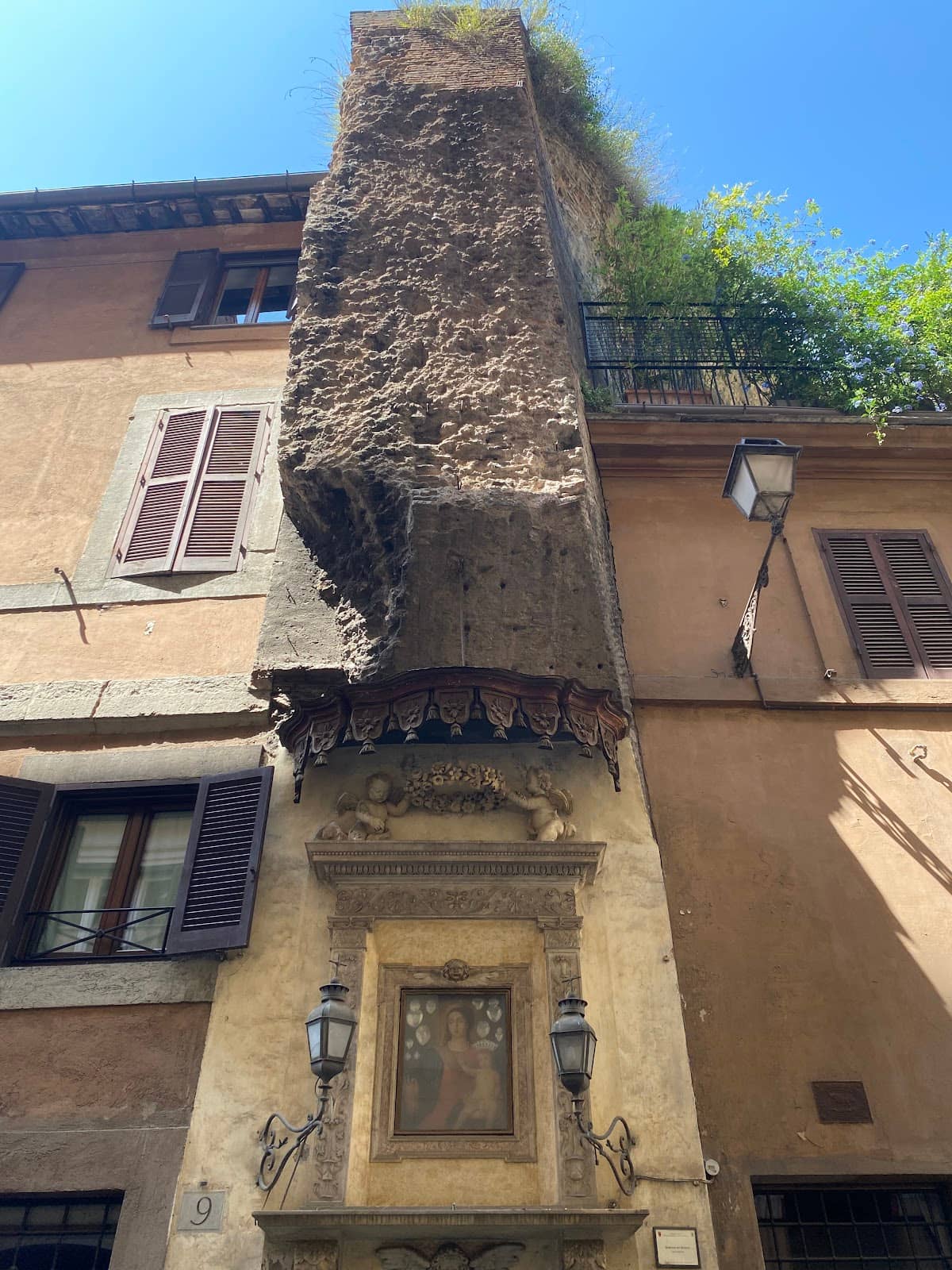
Look Up & Around! 👀
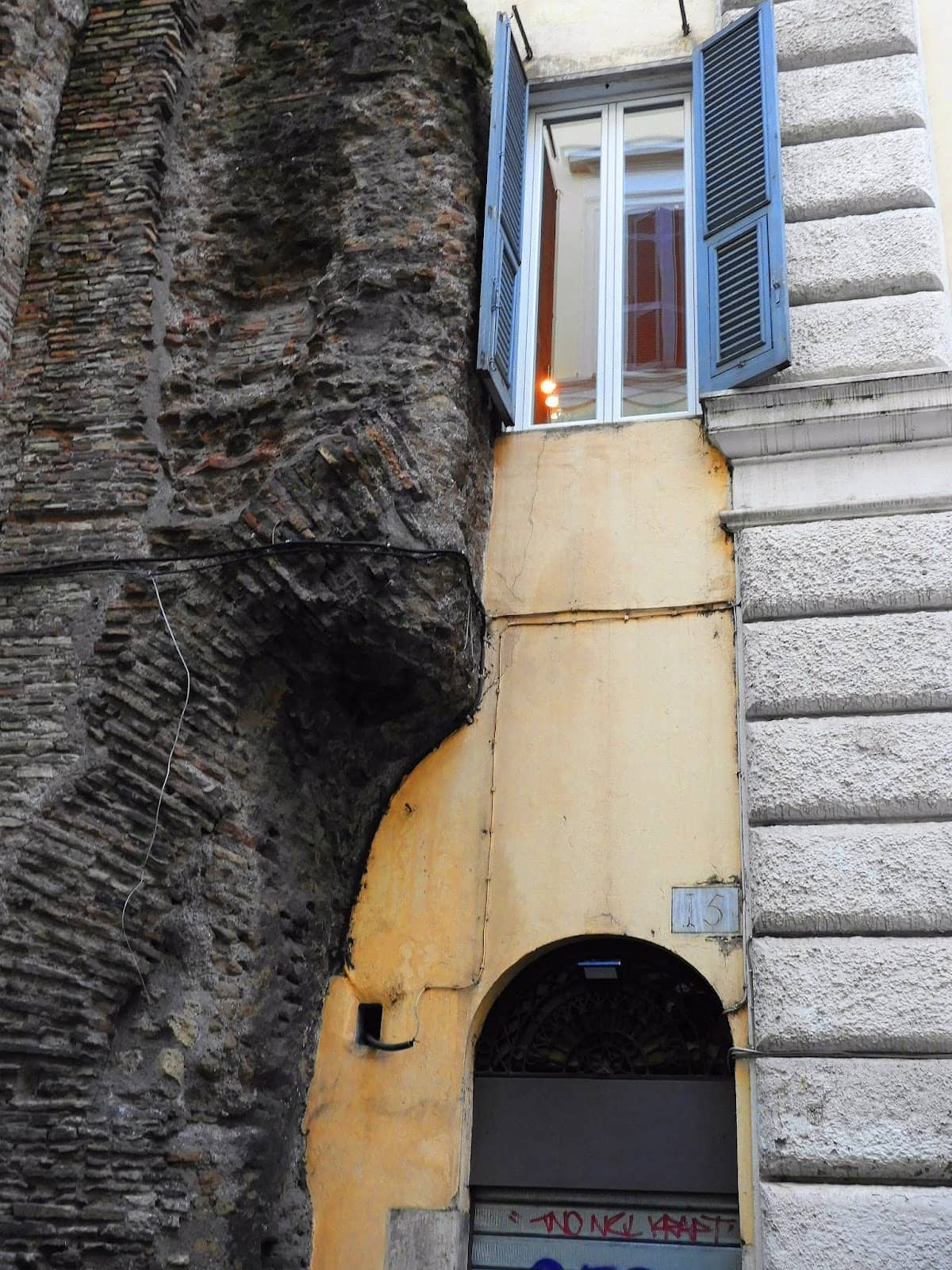
The ruins are integrated into modern buildings; keep an eye out for them as you explore the area.
Combine with Pantheon Visit
Easily accessible from the Pantheon, making it a perfect addition to your sightseeing route.
Quick Facts
Rating
4.1 · 39 reviews
Type
Historical Landmark
Highlights
Discover the most iconic attractions and experiences
Aqua Virgo Aqueduct Remnants
Visible near the Baths
Marvel at the ancient Aqua Virgo aqueduct, still functional after 2000 years, which supplied water to these historic baths.
Integrated Roman Architecture
Via di Torre Argentina area
See ancient Roman ruins seamlessly woven into modern buildings, showcasing the city's continuous evolution.
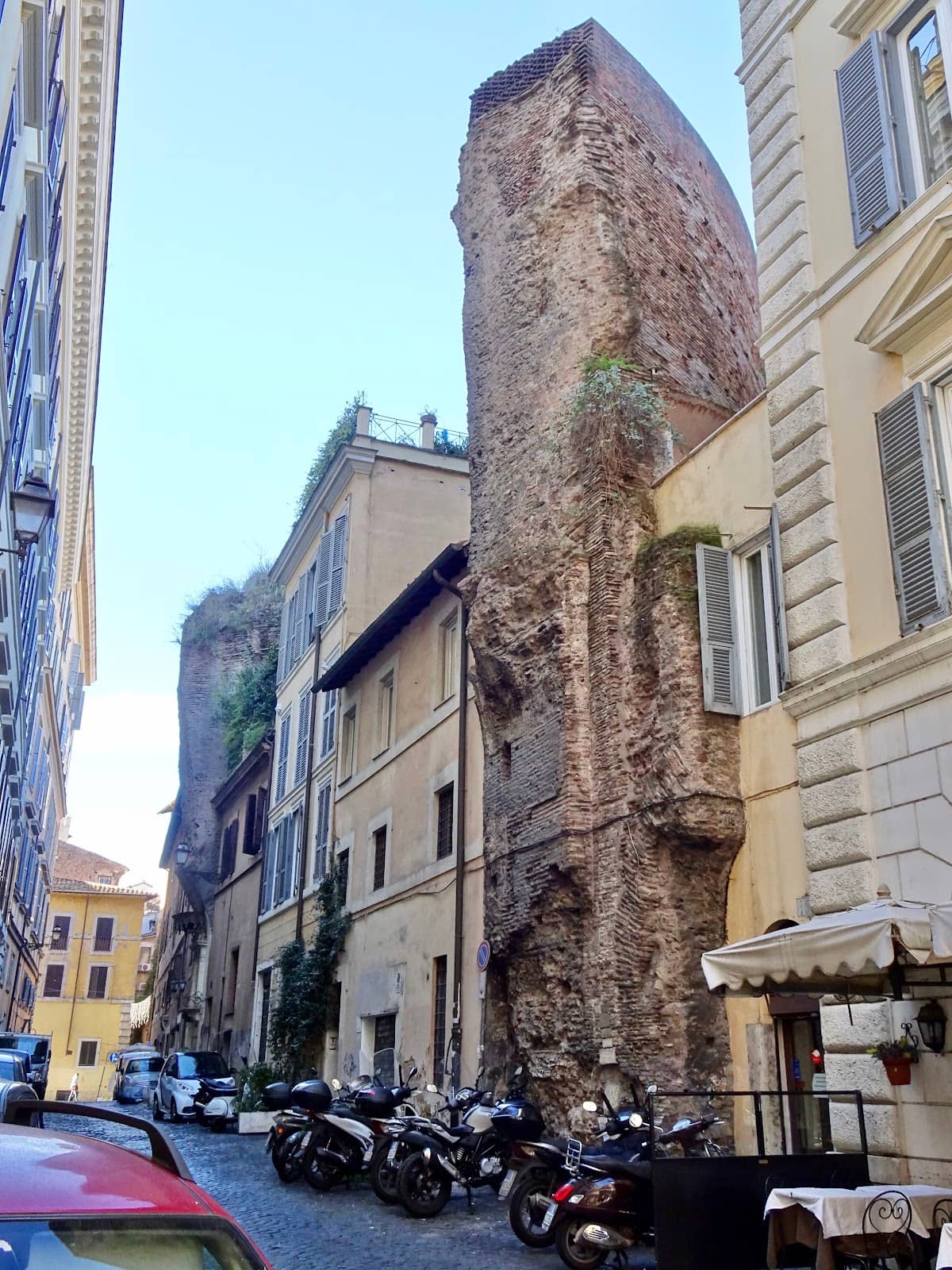
Fragments of the Thermae
Scattered streets near Pantheon
Explore the remaining walls and structures of the Thermae Agrippae, Rome's first public thermal baths.
Plans like a pro.
Thinks like you
Planning Your Visit
Hidden Roman Gem
Location & Access
Best Times
Insider Tips
from TikTok, Instagram & Reddit
Look Up & Around! 👀
The ruins are integrated into modern buildings; keep an eye out for them as you explore the area.
Combine with Pantheon Visit
Easily accessible from the Pantheon, making it a perfect addition to your sightseeing route.
Imagine the Grandeur
With only fragments left, use your imagination to picture the scale of these ancient public baths.
Appreciate the Engineering
Note the Aqua Virgo aqueduct, a testament to Roman ingenuity that still functions today. +1
Tips
from all over the internet
Look Up & Around! 👀
The ruins are integrated into modern buildings; keep an eye out for them as you explore the area.
Combine with Pantheon Visit
Easily accessible from the Pantheon, making it a perfect addition to your sightseeing route.
Imagine the Grandeur
With only fragments left, use your imagination to picture the scale of these ancient public baths.
Appreciate the Engineering
Note the Aqua Virgo aqueduct, a testament to Roman ingenuity that still functions today. +1
What Travellers Say
Reviews Summary
Visitors appreciate the Baths of Agrippa as a fascinating glimpse into Rome's ancient past, particularly noting the impressive Aqua Virgo aqueduct and the unique integration of ruins into modern buildings. While some find the remaining structures limited, others value the historical context and the authentic feel of Roman architecture.
"Not much to see but worth a look to get a sense of how this area was once part of an ancient city. This small ancient vestige is all that remains of the Baths of Agrippa, and I recommend taking a look when in the area."
Renee Boyce
"Old walls are all that remain to visit this location"
Stephen M
"Authentic monument of roman architecture."
Oleg Bidnyi
What People Like
What People Dislike
Frequently Asked Questions
🚇 🗺️ Getting There
The Baths of Agrippa are located in the historic center of Rome, between the Pantheon and Largo di Torre Argentina. You can easily reach them by walking from nearby attractions like the Pantheon or Piazza Navona. Public transport options include buses that stop in the vicinity.
There isn't a single, designated entrance as the remains are integrated into the surrounding buildings. You'll discover fragments of the baths as you wander through the streets in the area.
The best way to explore is on foot. Take your time to wander through the charming streets, looking up and around to spot the ancient ruins embedded in modern structures.
Yes, they are very centrally located. You'll find them close to the Pantheon, Largo di Torre Argentina, and within walking distance of other key Roman landmarks.
Several bus lines stop near Largo di Torre Argentina and the Pantheon, making public transport a convenient option to get close to the Baths of Agrippa. Check local transport schedules for the most up-to-date routes.
🎫 🎫 Tickets & Entry
No, viewing the visible remnants of the Baths of Agrippa is free as they are integrated into the urban landscape.
Since the ruins are part of the city streets, there are no specific opening hours. You can view them at any time.
There is no admission fee. The remnants are visible from the public streets, making it a free historical discovery.
Yes, you can view the exterior remnants at night. The area is generally safe, and seeing the ruins illuminated can offer a different perspective.
Many walking tours of ancient Rome include the Baths of Agrippa as part of their itinerary, often highlighting their connection to the Aqua Virgo aqueduct. +1
🎫 🏛️ Onsite Experience
You can see fragments of ancient walls and structures that were once part of Rome's first public thermal baths. The most notable feature is the connection to the Aqua Virgo aqueduct. +1
Since it's a scattered site, you can spend anywhere from 15 minutes to an hour, depending on how much you want to explore the surrounding streets and imagine the original complex.
Many visitors find it worthwhile for the historical context and the unique experience of seeing ancient ruins integrated into modern life. It offers a sense of Rome's deep history.
There are no interactive exhibits directly at the visible ruins. The experience is more about historical discovery and imagination.
They were Rome's first public thermal baths, inaugurated in 19 BC, and a testament to Roman engineering, particularly the Aqua Virgo aqueduct that supplied them. +2
📸 📸 Photography
Look for sections where the ancient brickwork contrasts with modern buildings. The integration itself is a unique photographic subject.
Yes, as the ruins are visible from public streets, you can easily take photos. Be mindful of your surroundings and any pedestrian traffic.
Late afternoon or early morning can offer softer light and fewer crowds, enhancing the atmosphere of the ancient ruins against the modern city.
Yes, any visible remnants of the Aqua Virgo aqueduct are also great subjects for photography, highlighting Roman engineering. +1
Generally, there are no restrictions on photographing the exterior ruins from public spaces.
Social
from TikTok, Instagram & Reddit