Forum of Nerva
Discover the Forum of Nerva, Rome's smallest Imperial Forum, featuring the Temple of Minerva's surviving columns and frieze.
Highlights
Must-see attractions

Social
From TikTok & Reddit
Best Time
Fewer crowds, better photos
Forum of Nerva
Best Time
Fewer crowds, better photos
Highlights
Must-see attractions
Discover the Forum of Nerva, Rome's smallest Imperial Forum, featuring the Temple of Minerva's surviving columns and frieze.
"A beautiful forum just across Caesar's Forum, offering a glimpse into ancient Rome."
🚶♀️ Stroll the Via dei Fori Imperiali
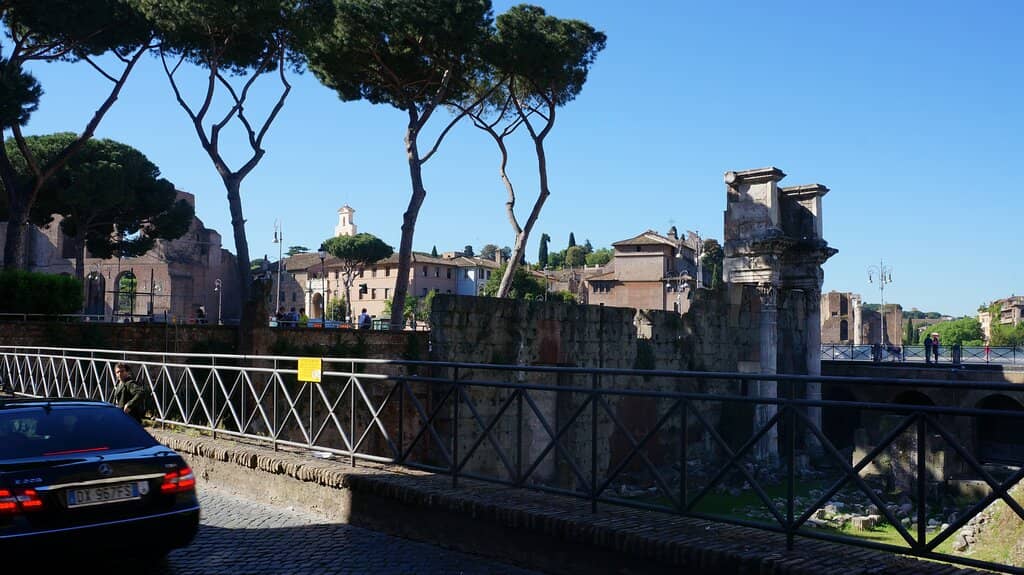
Walk along this iconic street to connect with other Imperial Fora and soak in the ancient atmosphere.
🏛️ Admire the Columns
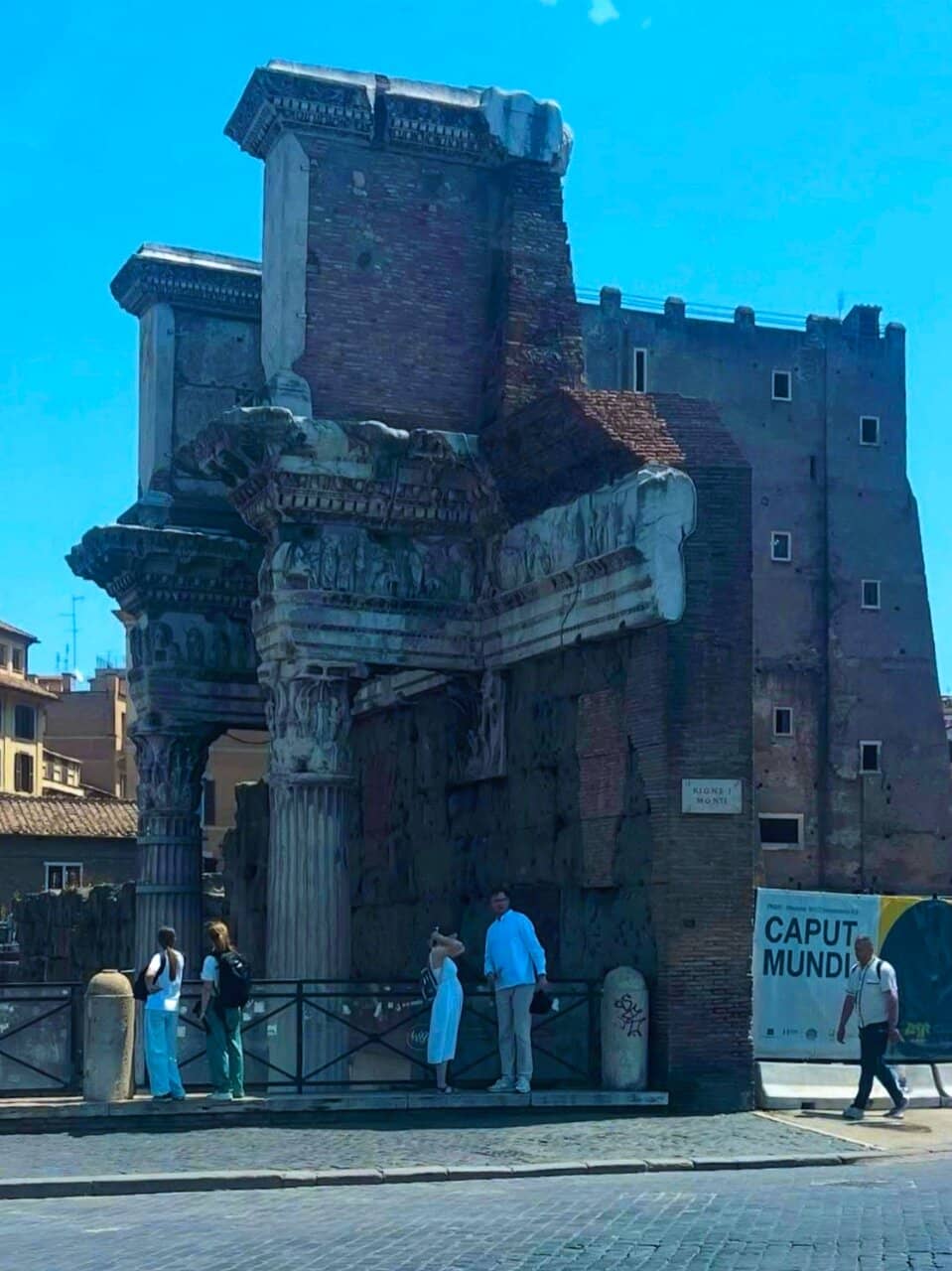
Don't miss the impressive surviving columns, a powerful reminder of the Forum's past grandeur.
Quick Facts
Hours
Rating
4.6 · 257 reviews
Type
Historical Landmark
Highlights
Discover the most iconic attractions and experiences
Temple of Minerva Frieze
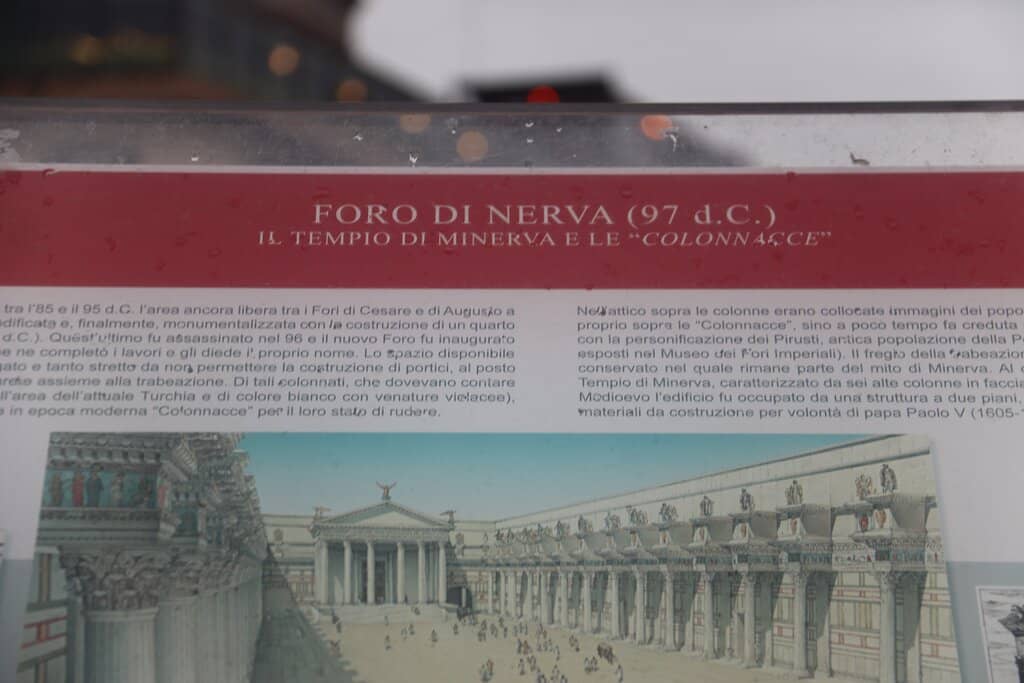
Remains of the Temple of Minerva
Marvel at the surviving frieze depicting the myth of Arachne, the origin of the word 'arachnid'.
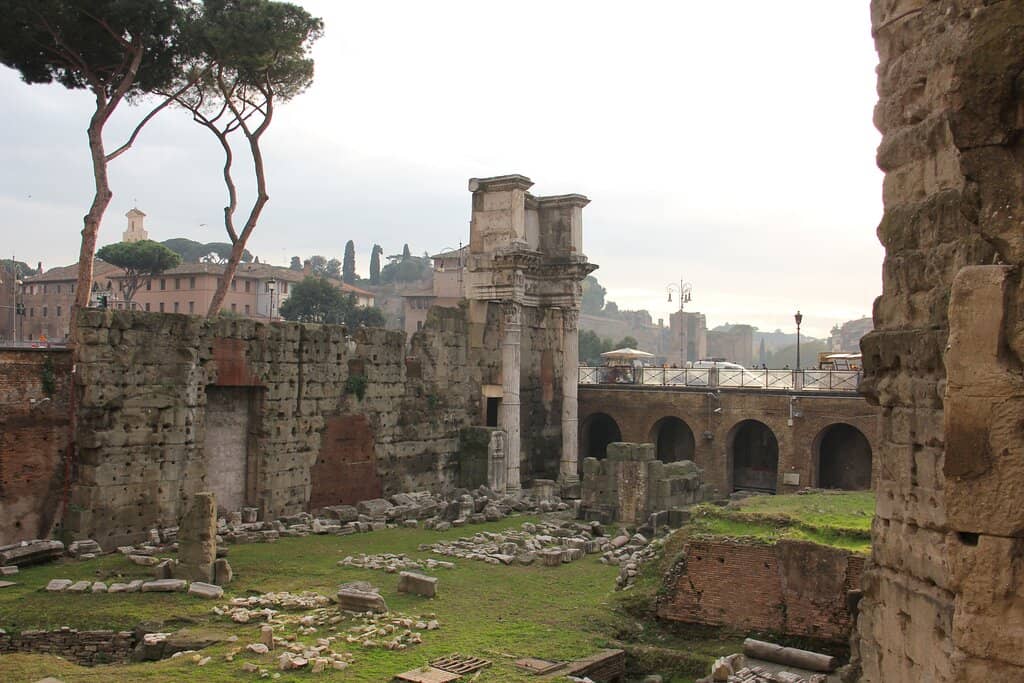
Sole Surviving Columns
Main Forum Area
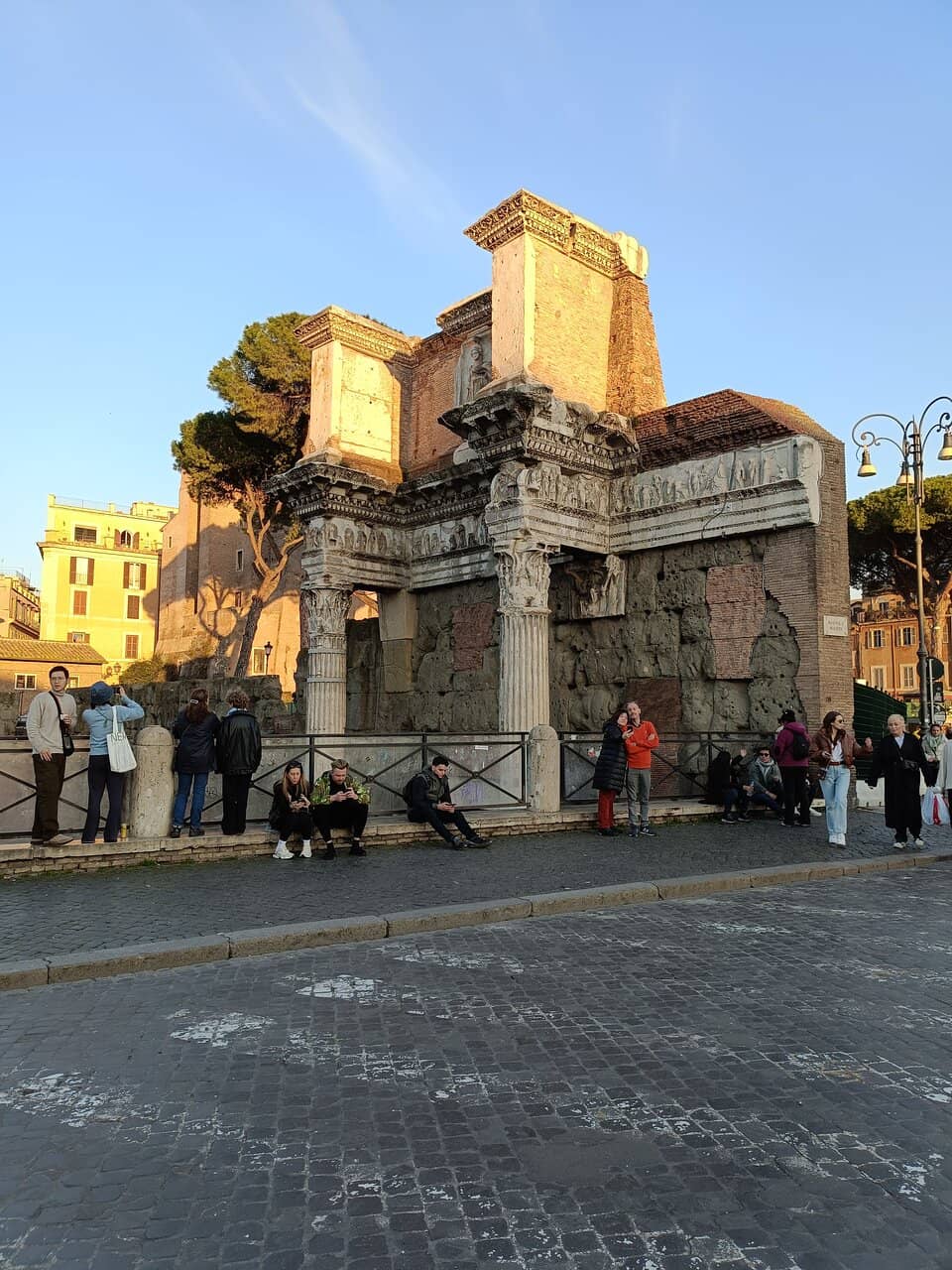
Stand in awe of the few majestic columns that still stand, remnants of this once grand Roman complex.
Via dei Fori Imperiali Walkway
Adjacent to the Forum
Stroll along the historic Via dei Fori Imperiali, connecting you to other significant Roman ruins.
Plans like a pro.
Thinks like you
Planning Your Visit
Timing is Key for the Forum of Nerva
Understanding the Forum's History
Best Times
Insider Tips
from TikTok, Instagram & Reddit
🚶♀️ Stroll the Via dei Fori Imperiali
Walk along this iconic street to connect with other Imperial Fora and soak in the ancient atmosphere.
🏛️ Admire the Columns
Don't miss the impressive surviving columns, a powerful reminder of the Forum's past grandeur.
🎶 Enjoy Street Performers
Sometimes, street musicians add a beautiful soundtrack to your historical exploration.
🧐 Look for the Frieze
Seek out the detailed frieze depicting Arachne's myth, a fascinating piece of Roman art.
Tips
from all over the internet
🚶♀️ Stroll the Via dei Fori Imperiali
Walk along this iconic street to connect with other Imperial Fora and soak in the ancient atmosphere.
🏛️ Admire the Columns
Don't miss the impressive surviving columns, a powerful reminder of the Forum's past grandeur.
🎶 Enjoy Street Performers
Sometimes, street musicians add a beautiful soundtrack to your historical exploration.
🧐 Look for the Frieze
Seek out the detailed frieze depicting Arachne's myth, a fascinating piece of Roman art.
What Travellers Say
Reviews Summary
Visitors find the Forum of Nerva an interesting historical remnant along the Via dei Fori Imperiali, appreciating its surviving columns and the story behind the Temple of Minerva's frieze. While some note that access can be limited and it's smaller than other Imperial Fora, it's still considered a worthwhile glimpse into ancient Roman urban planning and history.
"Walking on the Via of Fiori Imperiali you will find some forums built by the Roman emperors. One of this forums is Forum of Nerva. The Forum of Nerva was the fourth and smallest of the imperial fora. Its construction was started by Emperor Domitian before the year 85 AD, but officially completed and opened by his successor, Nerva, in 97 AD, hence its official name. The street, which the forum replaced, the Argiletum, had long served as a market area, especially for booksellers and cobblers; the new forum continued to serve as both a thoroughfare and as a monumental entrance to the larger Roman Fora. It was really nice to see this part of history and imagine how thing where back in those times."
Alexandru Stefan (Crazy Travel Story)
"The Forum of Nerva was the fourth and smallest of the imperial fora. Its construction was started by Emperor Domitian before the year 85 AD, but officially completed and opened by his successor, Nerva, in 97 AD, hence its official name. The street, which the forum replaced, the Argiletum, had long served as a market area, especially for booksellers and cobblers; the new forum continued to serve as both a thoroughfare and as a monumental entrance to the larger Roman Fora."
Sir
"Entrance cannot be found, all blocked off by barricades
No one is inside, the forum is closed"
Bing
What People Like
What People Dislike
Frequently Asked Questions
🚇 🗺️ Getting There
The Forum of Nerva is conveniently located along the Via dei Fori Imperiali, easily accessible by public transport. Several bus lines stop nearby, and it's a pleasant walk from the Colosseo metro station (Line B). Many visitors combine a visit with other nearby attractions like the Roman Forum and Palatine Hill. +1
Yes, the Forum of Nerva is situated on the Via dei Fori Imperiali, a main thoroughfare in Rome. Its distinctive surviving columns make it easily recognizable as you walk along the street. +1
Absolutely! It's a central part of the Imperial Fora complex. You can easily walk from the Roman Forum, Palatine Hill, Trajan's Market, and the Colosseum, making it ideal for a day of historical exploration. +1
Walking is by far the best way to experience the Imperial Fora, including the Forum of Nerva. This allows you to appreciate the scale and interconnectedness of these ancient sites. +1
Parking in central Rome can be challenging and expensive. It's highly recommended to use public transportation or walk to the Forum of Nerva. If you must drive, look for paid parking garages in the vicinity, but be prepared for traffic.
🎫 🎫 Tickets & Entry
The Forum of Nerva is largely an open-air site visible from the Via dei Fori Imperiali. While you can see much of it from the street, specific areas might have restricted access. Entry to the broader Roman Forum and Palatine Hill complex requires a ticket, which may or may not include access to specific parts of the Forum of Nerva depending on current archaeological management.
As an open-air site along a public street, the Forum of Nerva doesn't have traditional opening and closing hours. However, access to any enclosed archaeological areas may be subject to specific times. It's best to check for any official notices regarding access.
Viewing the Forum of Nerva from the Via dei Fori Imperiali is generally free. If there are specific excavated sections that are open for guided tours or limited access, there might be a fee associated with those.
Access to the Forum of Nerva can be limited. Some visitors have noted that certain areas might be blocked off or inaccessible, especially outside of official tour times.
Tickets for the Roman Forum, Palatine Hill, and often other Imperial Fora can be purchased online in advance from official ticketing websites or at the ticket offices near the main entrances of the Roman Forum. Booking ahead is highly recommended to avoid queues.
🎫 🏛️ Onsite Experience
You can see the remains of the temple dedicated to Minerva, including a notable frieze depicting the myth of Arachne. The most striking features are the few tall, surviving columns that once supported the temple's portico. +1
Yes, it's a significant part of the Imperial Fora and offers a glimpse into Roman urban planning and history. It's particularly interesting for its unique integration into a busy street. +1
Since much of it is viewed from the street, a quick visit might take 15-30 minutes to appreciate the main features. If you're exploring the surrounding Imperial Fora, you'll naturally pass by it.
While there might not be specific tours solely for the Forum of Nerva, it is often included in broader tours of the Imperial Fora or Ancient Rome. Check with local tour operators for options.
The surviving columns against the Roman sky are a classic shot. The frieze of Minerva's Temple also offers unique photographic opportunities. Early morning or late afternoon light can enhance the atmosphere. +1
📸 📸 Photography
Early morning or late afternoon offer the best light for photography, creating dramatic shadows and a warm glow on the ancient stones. +1
Generally, photography from public areas like the Via dei Fori Imperiali is permitted. If you gain access to specific excavated sections, check for any on-site signage regarding photography rules.
Focus on the imposing columns, the intricate details of the surviving frieze, and the overall context of the Forum within the bustling Via dei Fori Imperiali. Wide-angle lenses are great for capturing the scale. +1
Drone usage is typically restricted in central Rome, especially around historical sites, due to airspace regulations and preservation concerns. It's best to assume drones are not permitted.
The most iconic shot is often of the remaining columns standing tall, perhaps with the Roman sky as a backdrop, or capturing the detailed frieze of Minerva's Temple. +1
Social
from TikTok, Instagram & Reddit