Museo dell'Acqua Vergine Rome
Discover the Aqua Virgo, an ancient Roman aqueduct still supplying the Trevi Fountain, hidden beneath a modern department store.
Highlights
Must-see attractions

Social
From TikTok & Reddit
Best Time
Fewer crowds, more serene
Museo dell'Acqua Vergine Rome
Best Time
Fewer crowds, more serene
Highlights
Must-see attractions
Discover the Aqua Virgo, an ancient Roman aqueduct still supplying the Trevi Fountain, hidden beneath a modern department store.
"An ancient Roman aqueduct, still functioning and supplying the Trevi Fountain, hidden beneath a modern department store!"
🛍️ Shop and See History
Combine your visit with shopping at La Rinascente for a unique historical and retail experience.
💧 Trevi Fountain Link
Learn how this aqueduct still feeds the famous Trevi Fountain, a marvel of ancient engineering.
Quick Facts
Rating
4.5 · 2 reviews
Highlights
Discover the most iconic attractions and experiences
The Ancient Aqua Virgo Aqueduct
Beneath La Rinascente, Via del Tritone
Step back in time to witness an ancient Roman aqueduct, still functional and supplying the Trevi Fountain.
Connection to Trevi Fountain
Visible from the exhibition area
Understand the vital link between this ancient water source and Rome's most iconic fountain.
Modern Setting, Ancient Marvel
La Rinascente Department Store
Experience the striking contrast of a 2000-year-old aqueduct preserved within a contemporary shopping space.
Plans like a pro.
Thinks like you
Planning Your Visit
Discover Rome's Hidden Aqueduct
Timing Your Visit to the Aqua Virgo
Best Times
Insider Tips
from TikTok, Instagram & Reddit
🛍️ Shop and See History
Combine your visit with shopping at La Rinascente for a unique historical and retail experience. +1
💧 Trevi Fountain Link
Learn how this aqueduct still feeds the famous Trevi Fountain, a marvel of ancient engineering.
📸 Capture the Contrast
The juxtaposition of ancient ruins and modern retail is a photographer's dream.
🚶♂️ Easy to Access
Conveniently located in the city center, making it an easy stop during your Rome exploration.
Tips
from all over the internet
🛍️ Shop and See History
Combine your visit with shopping at La Rinascente for a unique historical and retail experience. +1
💧 Trevi Fountain Link
Learn how this aqueduct still feeds the famous Trevi Fountain, a marvel of ancient engineering.
📸 Capture the Contrast
The juxtaposition of ancient ruins and modern retail is a photographer's dream.
🚶♂️ Easy to Access
Conveniently located in the city center, making it an easy stop during your Rome exploration.
What Travellers Say
Reviews Summary
Visitors are consistently amazed by the discovery of an ancient Roman aqueduct, the Aqua Virgo, preserved beneath a modern department store. The continuous flow of water to the Trevi Fountain is a highlight, showcasing incredible ancient engineering. While some find the exhibition area basic, the historical significance and unique setting are widely appreciated.
"500 years old and it looks it.... Originally intended as an exhibition, it's now little more than a fountain for the convenience of the few tourists who pass by on foot, resting on and incorporated into the wall of Palazzo Borromeo, home to the Italian Embassy to the Holy See. Not particularly beautiful or significant today, it was originally designed to accommodate pilgrims heading towards the ancient Via Giulia. Opposite it was a drinking trough. From this corner, you can quickly reach the Villa Giulia museum (a must-see). Check out the photos and videos I've posted and the other reviews I've written about Rome and its wonders, and if I've been helpful, click "helpful.""
Roberto Cecchini
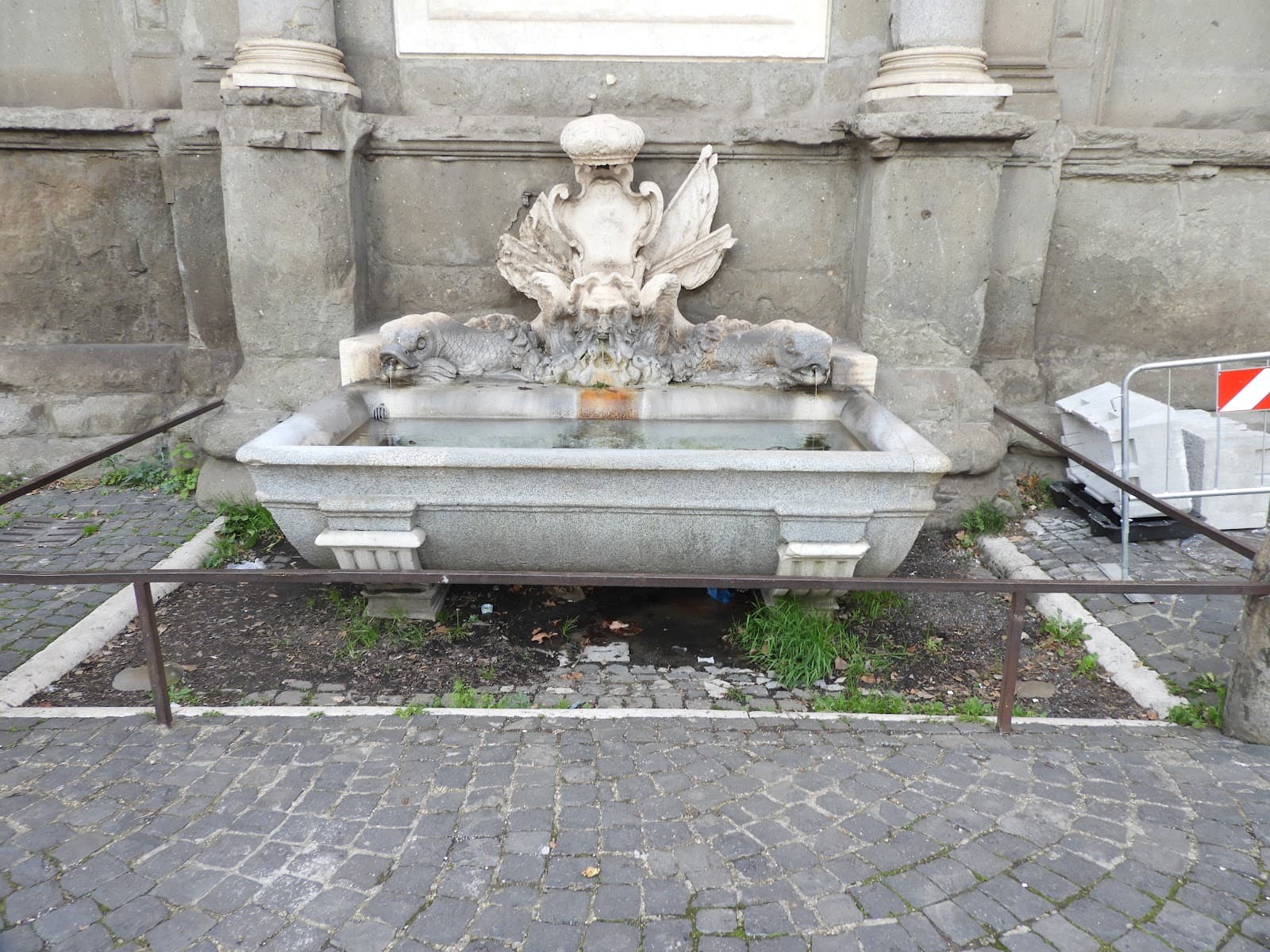
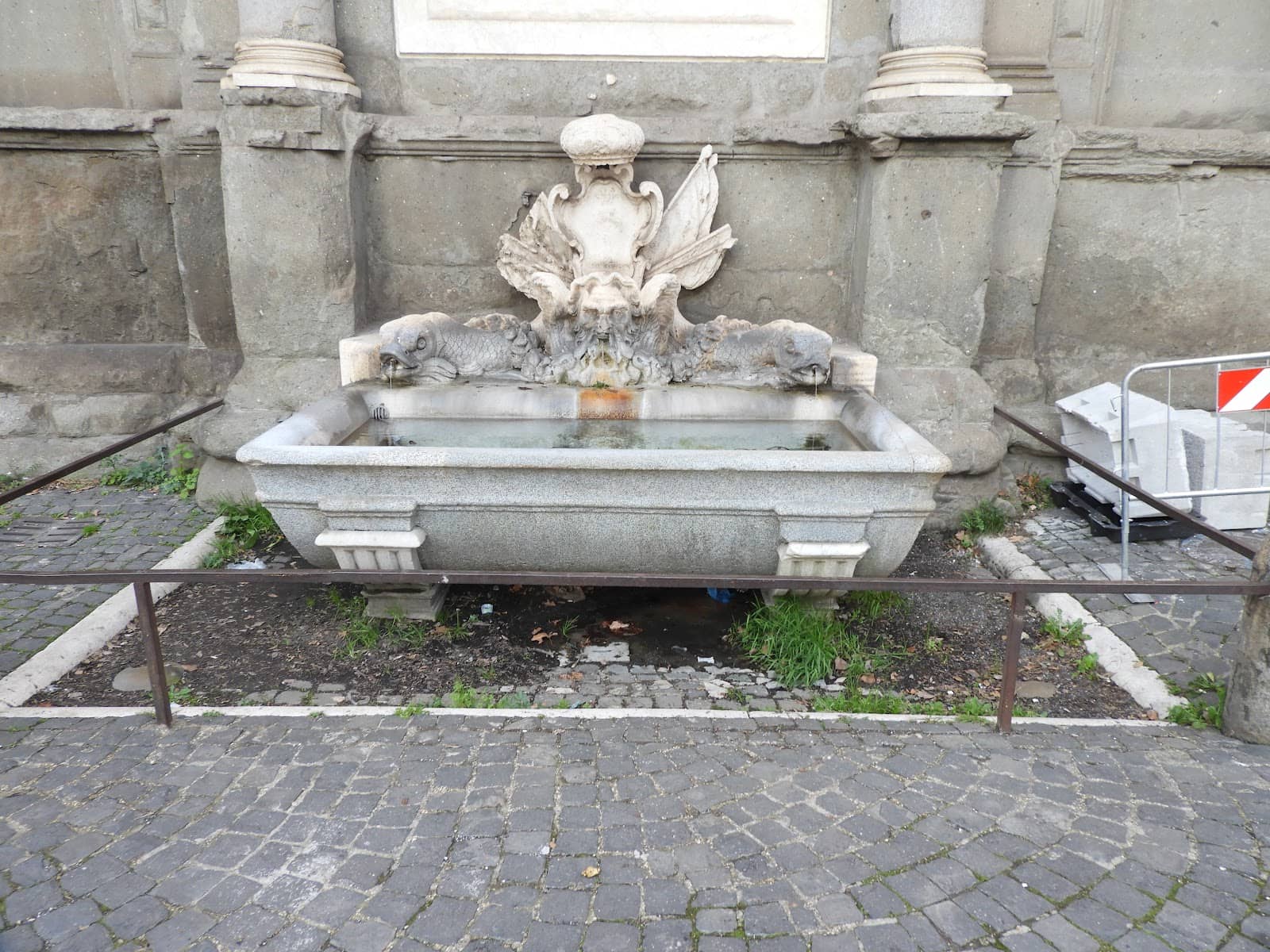
"The monumental Fountain of Pope Julius III is located in Rome's Quartiere III (Pinciano), on Via Flaminia at the corner of Via di Villa Giulia, on the broad, chamfered corner of the 16th-century "Palazzetto di Pio IV."
The Renaissance fountain was commissioned by Pope Julius III (Rome 1487–1555) to embellish his palace. Together with the fountain opposite (which was not the current Fontana delle Conche from 1932), it was intended to serve as a sort of entrance to his splendid Villa Giulia.
The work was created in 1552 by the architect and sculptor Bartolomeo Ammannati (1511–1592).
The fountain features two orders:
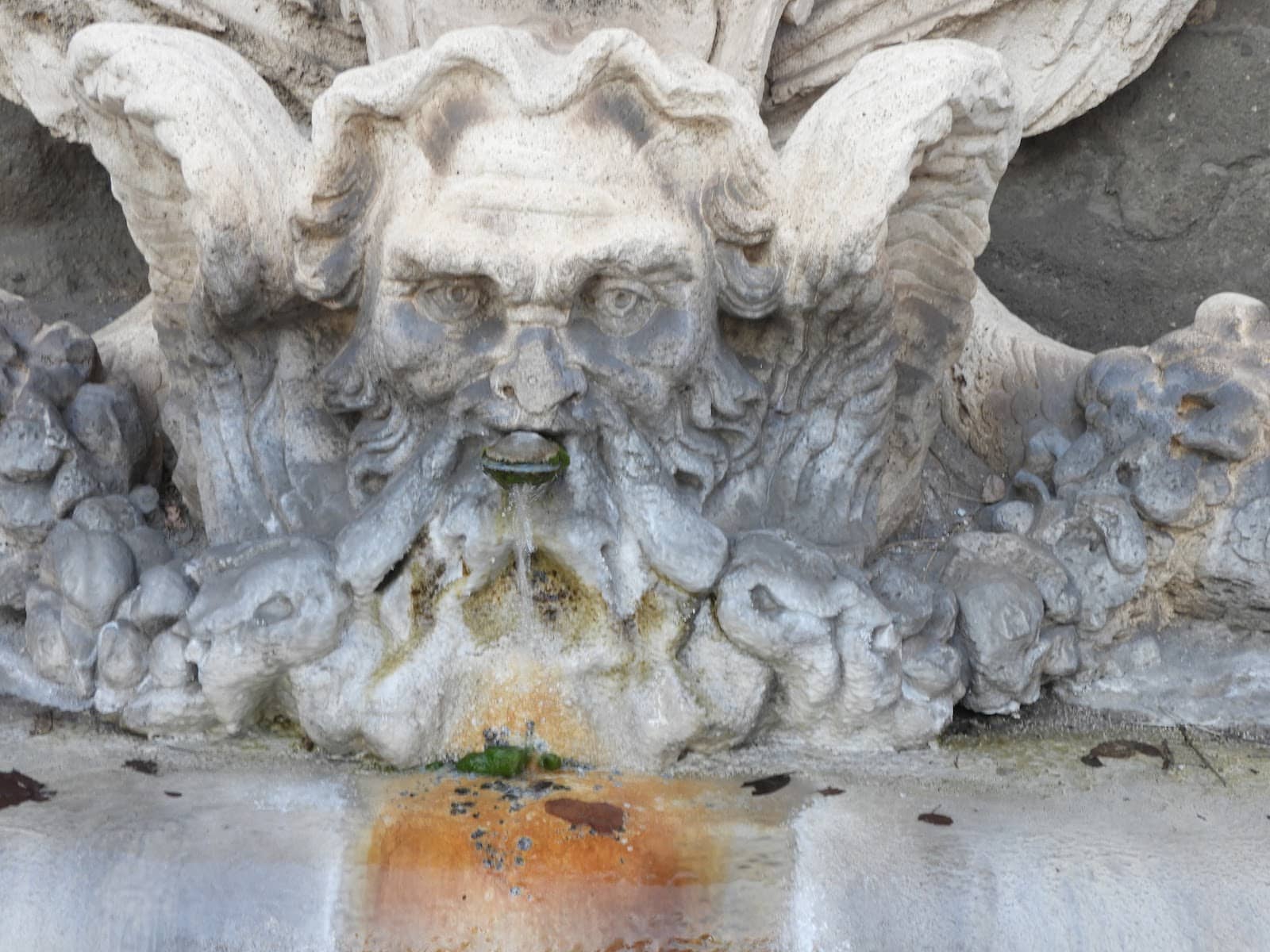
The first order consists of a travertine group featuring a grotesque winged mask flanked by two dolphins and a coat of arms above. Water flows from these figures into a rectangular granite basin, with a rounded edge and a flared body, resting on two ornamental feet.
At ground level is a collection basin bordered by travertine strips and paved with porphyry.
Two small columns connected by iron bars mark the clearing, which is very useful for protecting it from damage and for optimal viewing.
The second order is framed by columns with composite capitals, which support a triangular pediment with a coat of arms in the tympanum.
The façade features two plaques, a large rectangular one with the following inscription commemorating the birth of the son Filippo of the nobleman Fabrizio Colonna.
A mixtilinear plaque from 1750 is placed above it, thanking Pope Benedict XIV for the work that had restored the use of the Acqua Vergine spring.
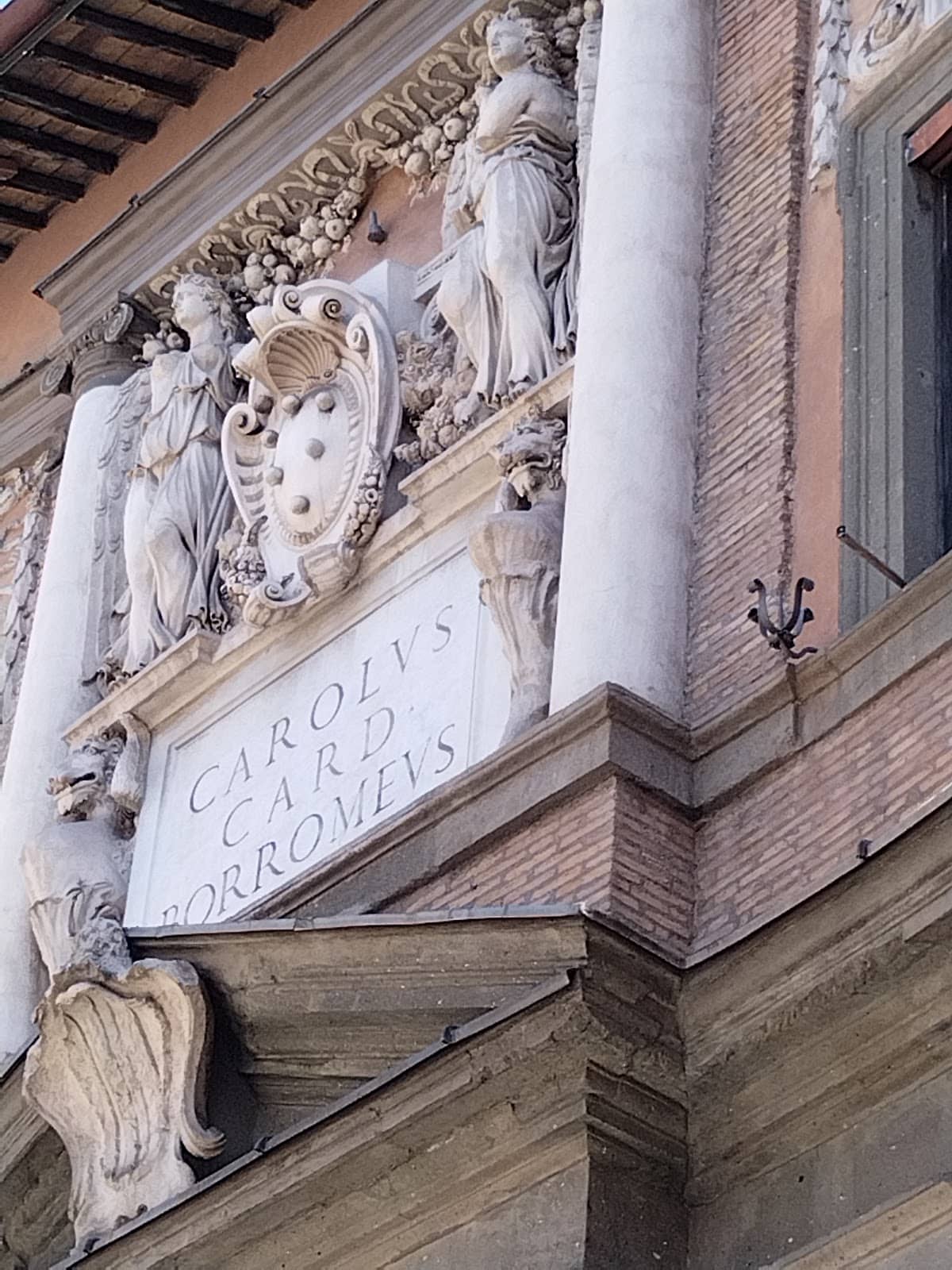
The third tier consists of two Ionic columns supporting an entablature. In the lower center is a plaque commemorating Cardinal Borromeo with the inscription:
CAROLUS CARD BORROMEUS
On the upper tier, between two angels, is the coat of arms of Pope Pius IV."
Stefano Manzo
What People Like
What People Dislike
Frequently Asked Questions
🚇 🗺️ Getting There
The Museo dell'Acqua Vergine is located beneath the La Rinascente department store on Via del Tritone. You can easily reach it by public transport, with several bus lines stopping nearby. The nearest metro station is Barberini, which is a short walk away.
Yes, the entrance is within the La Rinascente store. Look for signage directing you to the historical exhibition area. It's a unique experience to find ancient history within a modern shopping mall.
The exhibition generally follows the opening hours of La Rinascente department store. It's best to check their official website or inquire in-store for the most up-to-date hours, as they can vary.
Absolutely! While it's located within a department store, the primary draw is the historical exhibition of the Aqua Virgo aqueduct. You can visit the exhibition without needing to make any purchases.
There are several paid parking garages in the vicinity of Via del Tritone. However, given its central location, using public transport or walking is often more convenient and recommended.
🎫 🎫 Tickets & Entry
Entry to the exhibition area showcasing the Aqua Virgo aqueduct is typically free, as it's integrated into the La Rinascente department store. However, it's always a good idea to confirm this upon arrival or check their official information.
The exhibition is accessible during La Rinascente's operating hours. Visiting during less busy times, like weekday mornings, can enhance the experience by allowing for more focused exploration.
While not always advertised, sometimes guided tours or special events might be organized. It's worth checking with La Rinascente's customer service or looking for local tour operators who might include this site in their Rome itineraries.
Photography is generally permitted for personal use, allowing you to capture the unique blend of ancient and modern. Be mindful of other visitors and store policies.
Most sources indicate that access to the Aqua Virgo exhibition within La Rinascente is free of charge. This makes it an accessible historical site for all visitors.
🎫 🏛️ Onsite Experience
You'll see well-preserved sections of the ancient Aqua Virgo aqueduct, dating back to 19 B.C. It's a fascinating glimpse into Roman engineering and how water was supplied to the city, famously still feeding the Trevi Fountain today. +1
A visit typically takes about 30-60 minutes, depending on your interest level and how much time you spend observing the details and reading the informational displays.
Yes, it can be educational and interesting for children, especially if they are learning about ancient Rome. The visual aspect of seeing an ancient structure within a modern store can be captivating.
While the primary focus is on the preserved aqueduct itself, there are usually informational panels and displays that explain its history and significance. Some exhibits might include visual aids or models.
The Aqua Virgo is one of the oldest Roman aqueducts, built by Marcus Agrippa. Its remarkable longevity means it still supplies water to the Trevi Fountain, making it a continuous link to ancient Rome. +1
🎫 💧 Water & Fountains
Yes, the Aqua Virgo is still an active aqueduct and continuously supplies water to the Trevi Fountain. This is a testament to the incredible engineering of the ancient Romans. +1
The Aqua Virgo is the sole source of water for the Trevi Fountain. The water you see flowing in the fountain has traveled through this ancient aqueduct, a journey that began over 2,000 years ago. +1
No, the water in the exhibition is part of the historical display and not intended for drinking. For drinking water in Rome, look for public 'nasoni' fountains.
While the Aqua Virgo is unique in its continuous function to a famous fountain, Rome has many other historical fountains, some of which are fed by ancient aqueduct systems, though not always continuously.
The tradition of tossing a coin into the Trevi Fountain is said to ensure a return to Rome. Some believe it has roots in ancient pagan rituals of offering to deities. +1
Social
from TikTok, Instagram & Reddit