
San Giovanni dei Genovesi Rome
A hidden Renaissance church and cloister in Rome, offering a glimpse into Genoese history and art, often overlooked by tourists.
Highlights
Must-see attractions

Social
From TikTok & Reddit
Best Time
Fewer crowds, better access
San Giovanni dei Genovesi Rome
Best Time
Fewer crowds, better access
Highlights
Must-see attractions
A hidden Renaissance church and cloister in Rome, offering a glimpse into Genoese history and art, often overlooked by tourists.
"A wonderful discovery that isn't always available for visits."
Check Opening Hours First
This hidden gem isn't always open. Confirm visiting times before you go to avoid disappointment.
Photography Restrictions
Be prepared for potential photo bans inside, even when services aren't ongoing.
Quick Facts
Rating
3.7 · 3 reviews
Type
Church
Highlights
Discover the most iconic attractions and experiences
Renaissance Cloister
Attached to the former hospital
A charming courtyard designed by Baccio Pontelli, featuring a 15th-century well and the first palm tree in Rome.
Tomb of Meliaduce Cicala
Interior nave
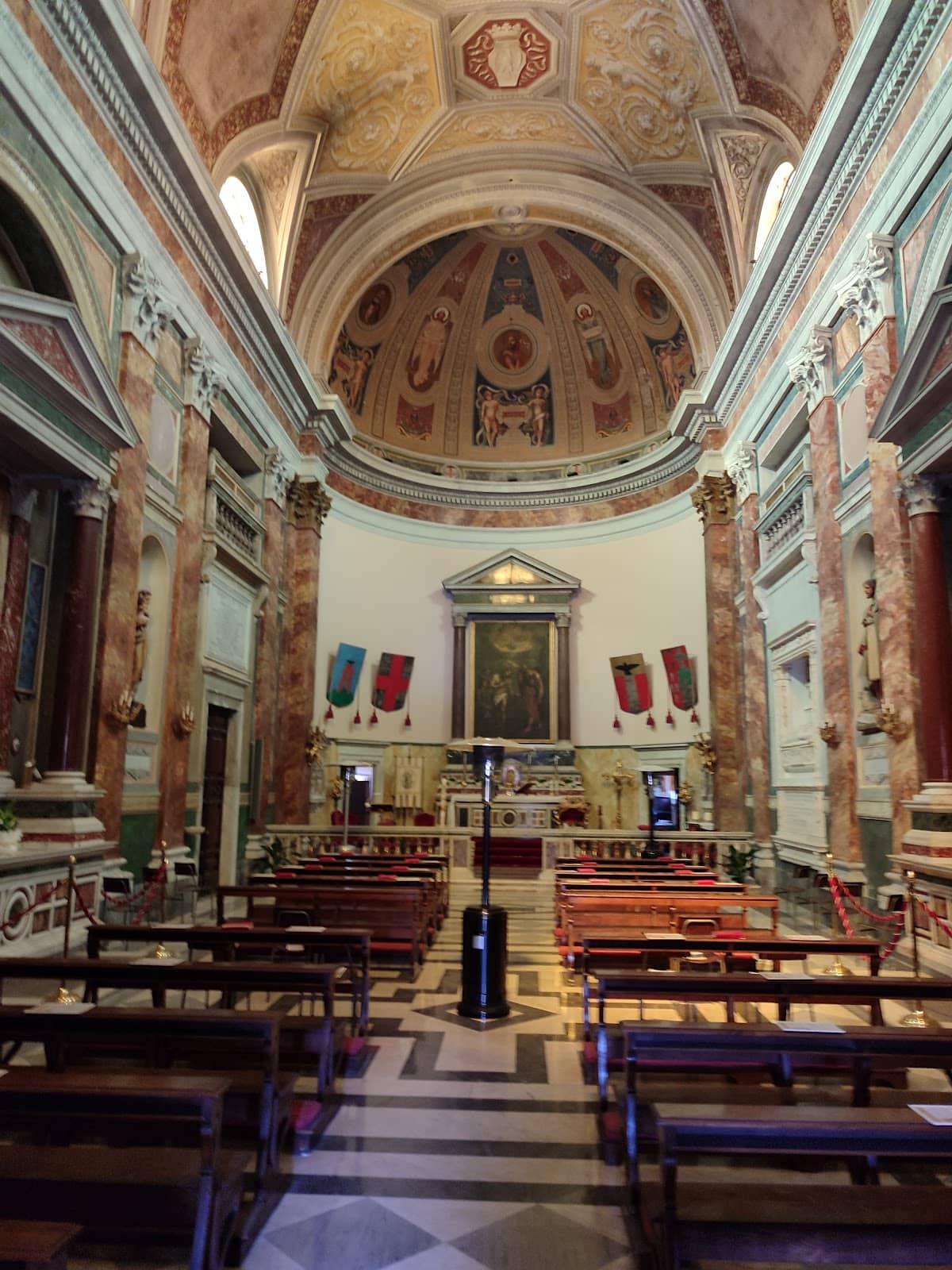
A masterpiece of 15th-century sculpture, showcasing the artistic prowess of Andrea Bregno's school.
Chapel of Santa Caterina Fieschi
Interior
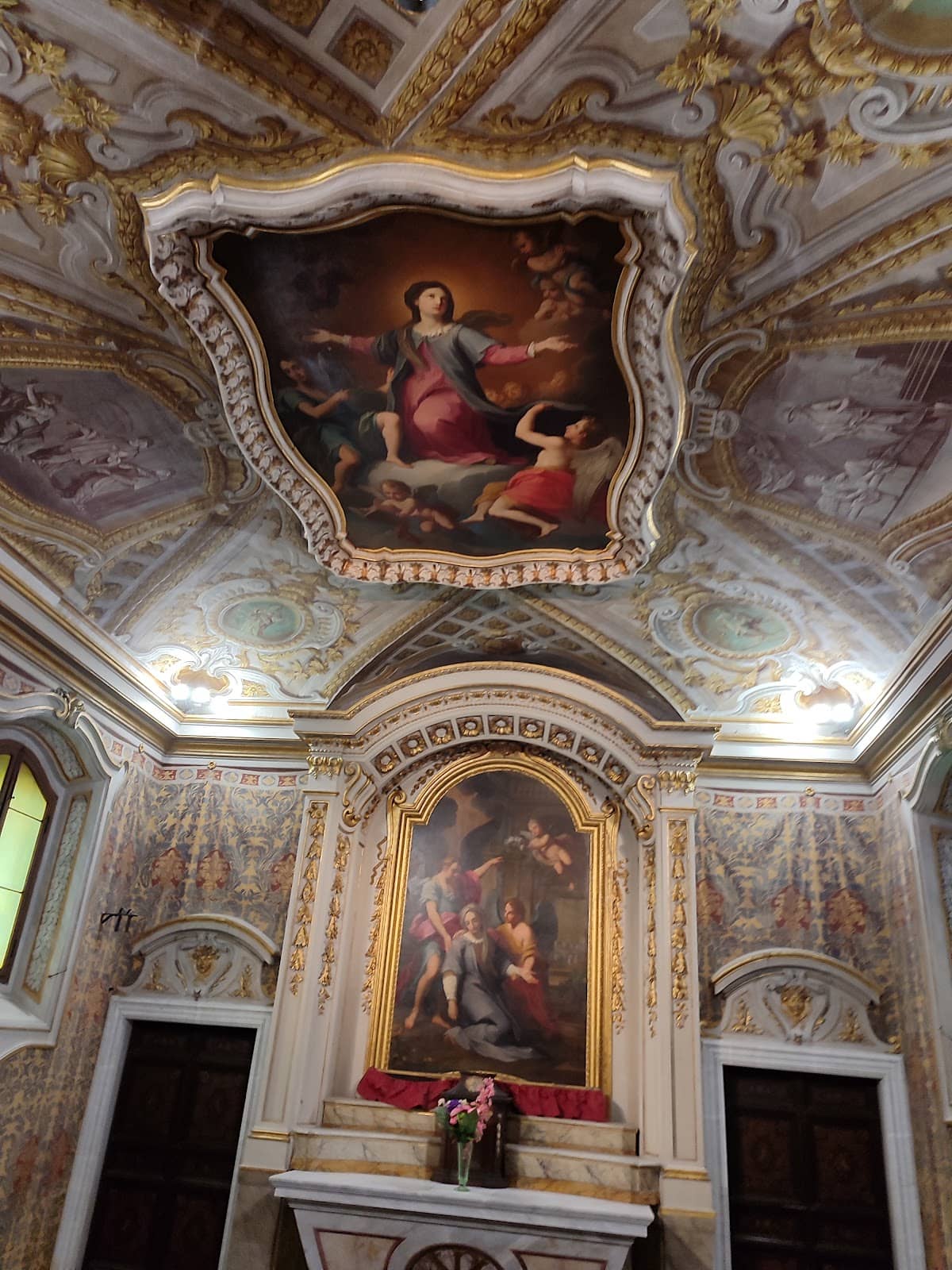
Adorned with 18th-century frescoes by Odoardo Vicinelli and a Florentine tabernacle of holy oils.
Plans like a pro.
Thinks like you
Planning Your Visit
Discover a Hidden Renaissance Gem
Access and Photography Notes
Best Times
Insider Tips
from TikTok, Instagram & Reddit
Check Opening Hours First
This hidden gem isn't always open. Confirm visiting times before you go to avoid disappointment.
Photography Restrictions
Be prepared for potential photo bans inside, even when services aren't ongoing.
Explore the Cloister Garden
Don't miss the peaceful Renaissance cloister and its historic well and palm tree.
Look for the Faked Fabric Frescoes
Admire the chapel's unique frescoes that mimic the look of real fabric folds.
Tips
from all over the internet
Check Opening Hours First
This hidden gem isn't always open. Confirm visiting times before you go to avoid disappointment.
Photography Restrictions
Be prepared for potential photo bans inside, even when services aren't ongoing.
Explore the Cloister Garden
Don't miss the peaceful Renaissance cloister and its historic well and palm tree.
Look for the Faked Fabric Frescoes
Admire the chapel's unique frescoes that mimic the look of real fabric folds.
What Travellers Say
Reviews Summary
Visitors describe San Giovanni dei Genovesi as a beautiful and often overlooked gem, offering a peaceful escape with significant Renaissance and Baroque art, particularly its cloister and tomb. However, many note the difficulty in visiting due to inconsistent opening hours and express disappointment over photography restrictions inside the church.
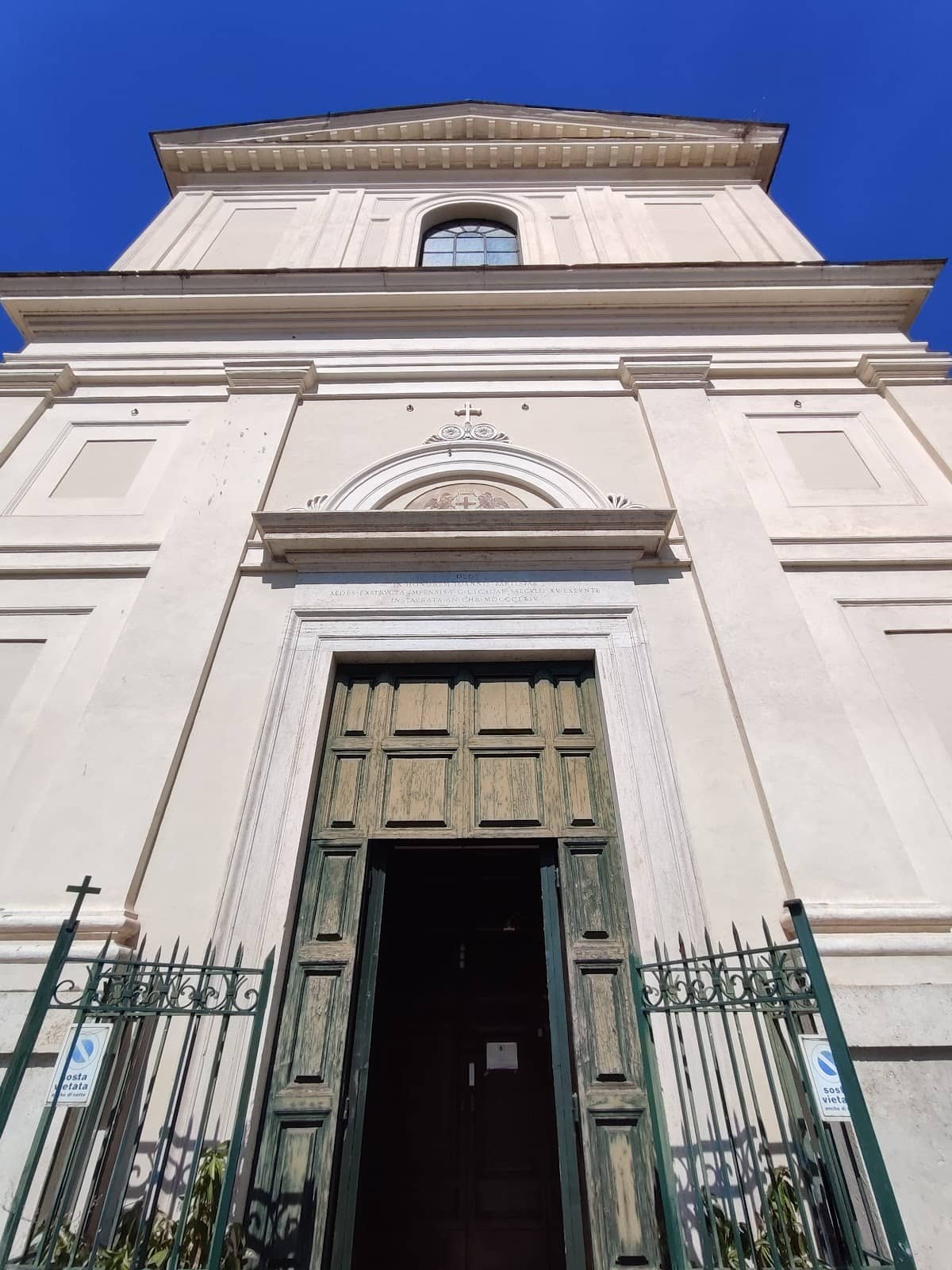
"The name comes from its commission from a Genoese man and its role as a landmark for the Genoese community in Rome. It was built between 1481 and 1492, commissioned by Meliaduce Cicala, treasurer of the Apostolic Chamber, who also ordered the construction of a hospital to accommodate sick or needy Genoese sailors who disembarked at the nearby port of Ripa Grande. The hospital operated until the mid-eighteenth century. The Confraternity of San Giovanni dei Genovesi administered it and then completely renovated it in 1737, completing the façade and apse. The interior has a single nave, where the tomb of the patron—Meliaduce Cicala—is a masterpiece of fifteenth-century sculpture (not coincidentally, it is from the school of Andrea Bregno). The chapel of Santa Caterina Fieschi, adorned with 18th-century frescoes by Odoardo Vicinelli and a tabernacle of holy oils of Florentine origin, is also worth a visit. Passing through the former hospital, you can access the Renaissance cloister designed by Baccio Pontelli, a charming space with a courtyard garden featuring a 15th-century well in the center, where the first palm tree in Rome was planted in the late 1500s. Attached to the cloister is a beautiful oratory decorated with frescoes narrating the events of the Virgin and John the Baptist. A wonderful discovery that isn't always available for visits. Need some useful info? Then leave a like and check out other reviews about Rome and beyond."
Roberto Cecchini
"Not that it's not beautiful, far from it. There's a chapel decorated with walls covered in fake fabric, complete with folds that look real. However, I'm disappointed that you can't take photos inside, even when there's no mass... It's a real shame."
riccardo massaro
"It is not easy to visit but it is a real gem."
Massimo Ciolfi
What People Like
What People Dislike
Frequently Asked Questions
🚇 🗺️ Getting There
San Giovanni dei Genovesi is located in Rome, and while specific public transport details are scarce, it's best accessed by walking from nearby landmarks or taking a taxi. Given its less central tourist path, research its exact location on a map before heading out.
Information on direct public transport routes is limited. It's advisable to check local bus or tram routes that pass near the Trastevere area, as it was historically linked to the port of Ripa Grande.
From the Colosseum, you can take a bus or tram towards Trastevere, followed by a walk. Alternatively, a taxi or ride-sharing service would be the most direct route.
Street parking in this area of Rome can be challenging. It's recommended to use public transport or a taxi, or to find a paid parking garage if you are arriving by car.
Yes, if you are exploring the historic center or Trastevere, San Giovanni dei Genovesi can be reached on foot. It's a good addition to a walking tour of lesser-known Roman churches.
🎫 🎫 Tickets & Entry
Entry to San Giovanni dei Genovesi is generally free, as it functions as a church. However, access to specific areas like the cloister might have different policies or require a small donation.
The opening hours can be inconsistent and are not always publicly advertised. It's highly recommended to check for current visiting times before your visit, as it may only be open during specific hours or for events. +1
Yes, the Renaissance cloister is a highlight and is often accessible. It's part of the historical complex and offers a peaceful escape.
Churches in Rome often have restricted visiting hours on Sundays due to religious services. It's best to confirm if it's open for visitors on a Sunday before planning your trip.
A visit to San Giovanni dei Genovesi can take anywhere from 30 minutes to an hour, depending on how much time you spend admiring the art, the cloister, and the oratory.
📸 📸 Photography
Photography inside San Giovanni dei Genovesi is often restricted, even when there is no mass. Visitors have expressed disappointment about this limitation.
While interior photography might be prohibited, you may be able to take photos in the cloister area, provided it doesn't disturb any ongoing activities. Always check for signage or ask permission.
The Renaissance cloister with its courtyard garden and well is a picturesque spot. The exterior facade and any accessible parts of the hospital complex might also offer photographic opportunities.
Due to photography restrictions, capturing detailed photos of the frescoes inside might not be possible. It's best to appreciate them visually and perhaps look for professional images online.
Given potential lighting conditions and restrictions, a compact camera or a smartphone with good low-light capabilities would be suitable. However, prioritize respecting the rules regarding photography.
🎫 🏛️ History & Art
Built between 1481-1492, it served as a landmark and hospital for the Genoese community in Rome, commissioned by Meliaduce Cicala. It was later renovated by the Confraternity of San Giovanni dei Genovesi.
The church and its associated hospital were commissioned by Meliaduce Cicala, the treasurer of the Apostolic Chamber, who was of Genoese origin.
Highlights include the tomb of Meliaduce Cicala, a 15th-century sculpture masterpiece, and the Chapel of Santa Caterina Fieschi with 18th-century frescoes by Odoardo Vicinelli.
Designed by Baccio Pontelli, the cloister features a courtyard garden with a 15th-century well and is noted for having Rome's first palm tree, planted in the late 1500s.
The tomb of Meliaduce Cicala is from the school of Andrea Bregno. The frescoes in the Chapel of Santa Caterina Fieschi are by Odoardo Vicinelli.
Social
from TikTok, Instagram & Reddit