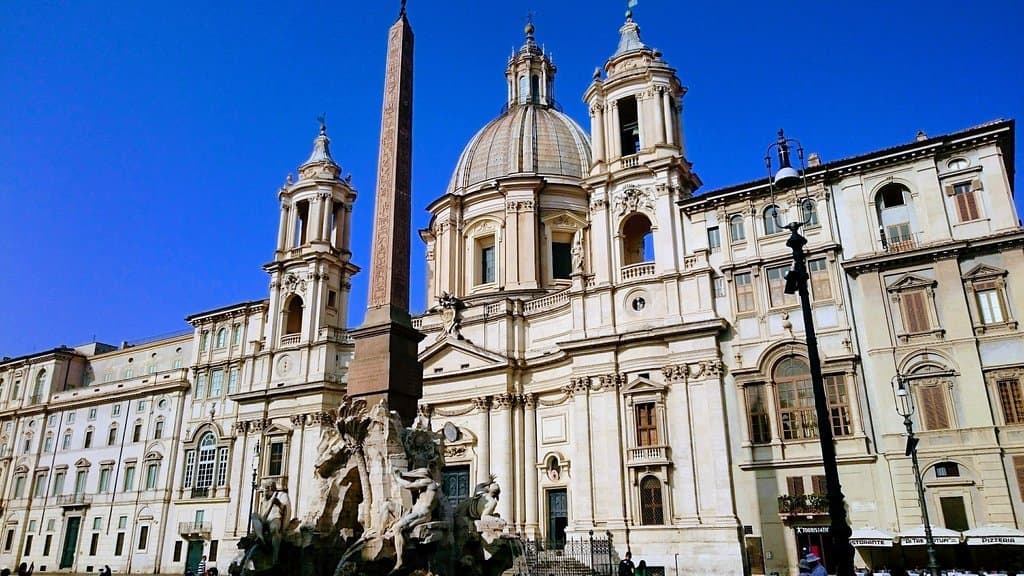
Sant'Agnese in Agone Piazza Navona Rome
A Baroque masterpiece on Piazza Navona, Sant'Agnese in Agone offers stunning art, history, and a peaceful escape.

Highlights
Must-see attractions

Social
From TikTok & Reddit
Best Time
Fewer crowds, peaceful atmosphere
Sant'Agnese in Agone Piazza Navona Rome
Best Time
Fewer crowds, peaceful atmosphere
Highlights
Must-see attractions
A Baroque masterpiece on Piazza Navona, Sant'Agnese in Agone offers stunning art, history, and a peaceful escape.
"A breathtaking Baroque church that's a true hidden gem, offering peace and beauty amidst Rome's bustle."
✨ Free Entry Gem
Enjoy this Baroque masterpiece without an entrance fee! A true highlight in busy Piazza Navona.
🤫 Find Inner Peace
Escape the piazza's buzz. Inside, find a tranquil space for reflection amidst stunning art.
Quick Facts
Hours
Rating
4.8 · 2,446 reviews
Type
Church
Highlights
Discover the most iconic attractions and experiences
Baroque Façade
Piazza Navona
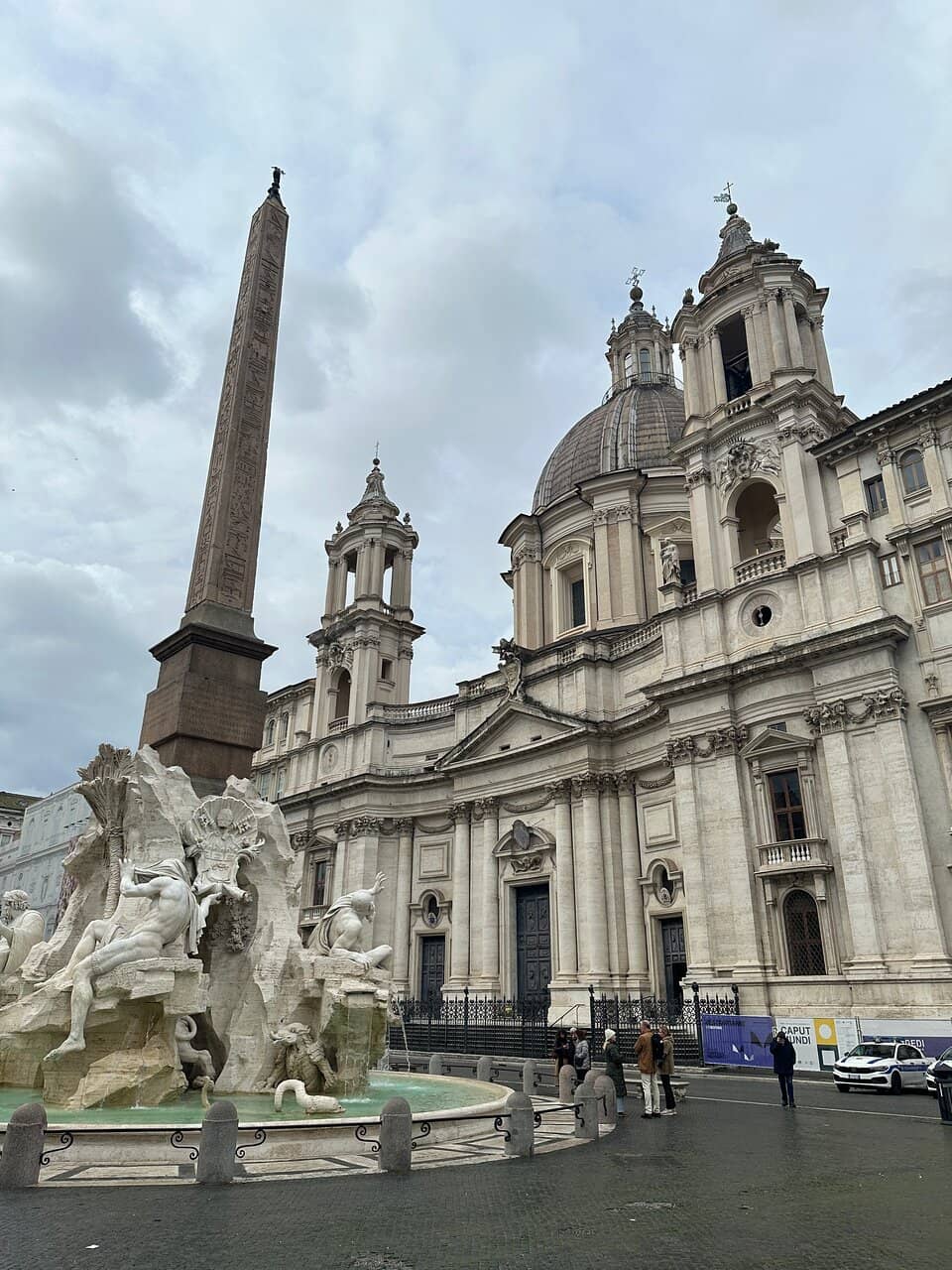
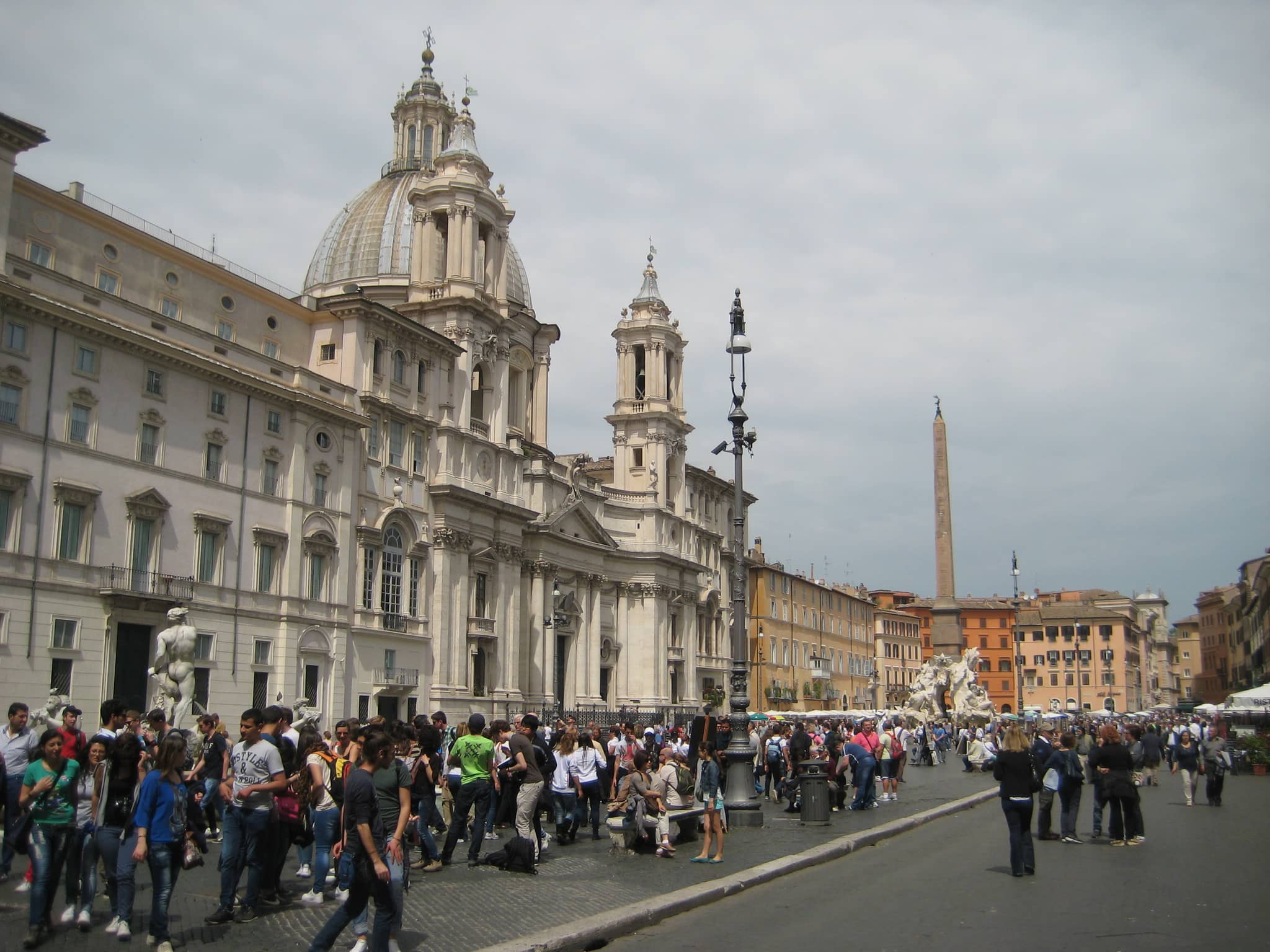
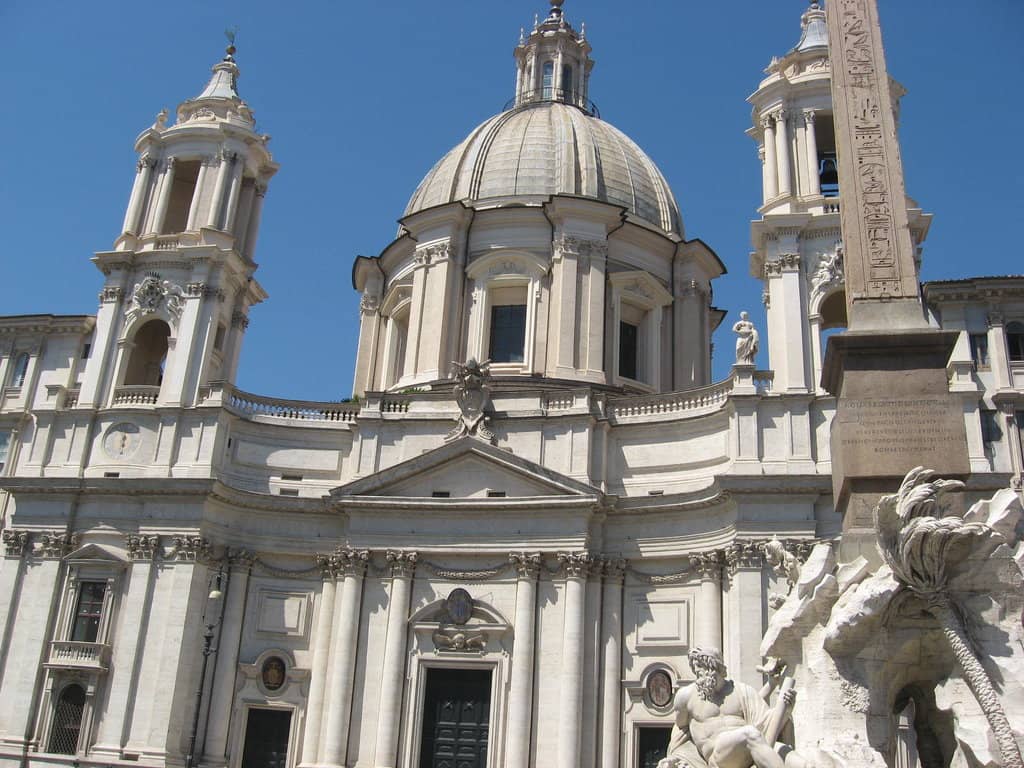
Francesco Borromini's curved masterpiece that perfectly complements Piazza Navona's grandeur.
The Dome's Celestial Vision
Interior
Ciro Ferri's 'Triumph of Heaven' fresco inside the magnificent dome is a breathtaking sight.
Crypt and Ancient Ruins
Underneath the church
Explore the ancient Roman ruins beneath the church, offering a glimpse into Rome's layered history.
Artistic Sculptures and Frescoes
Interior
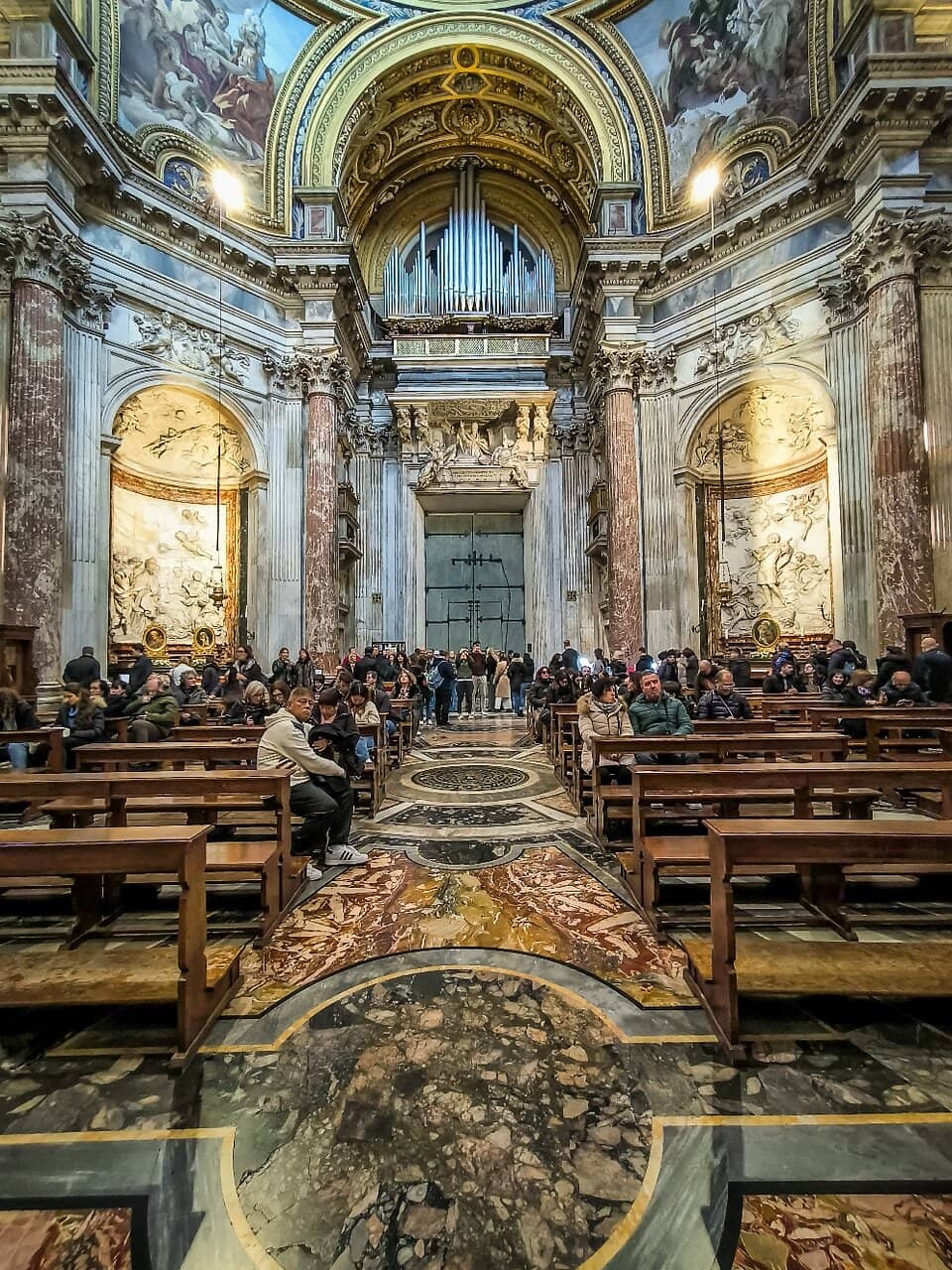
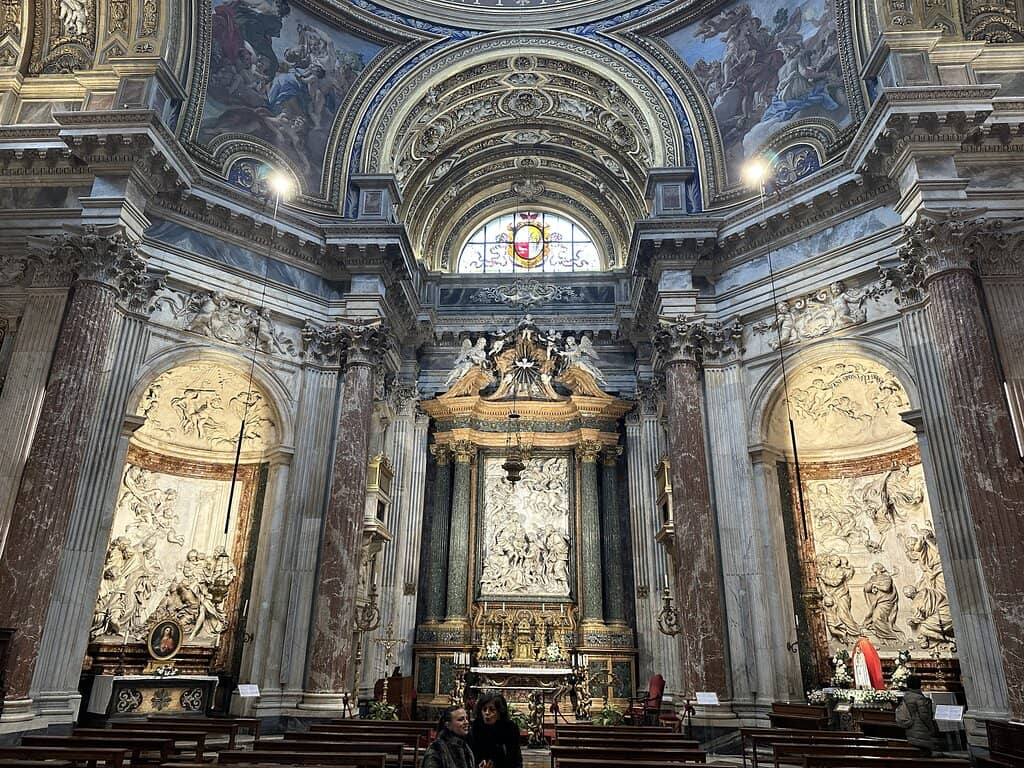
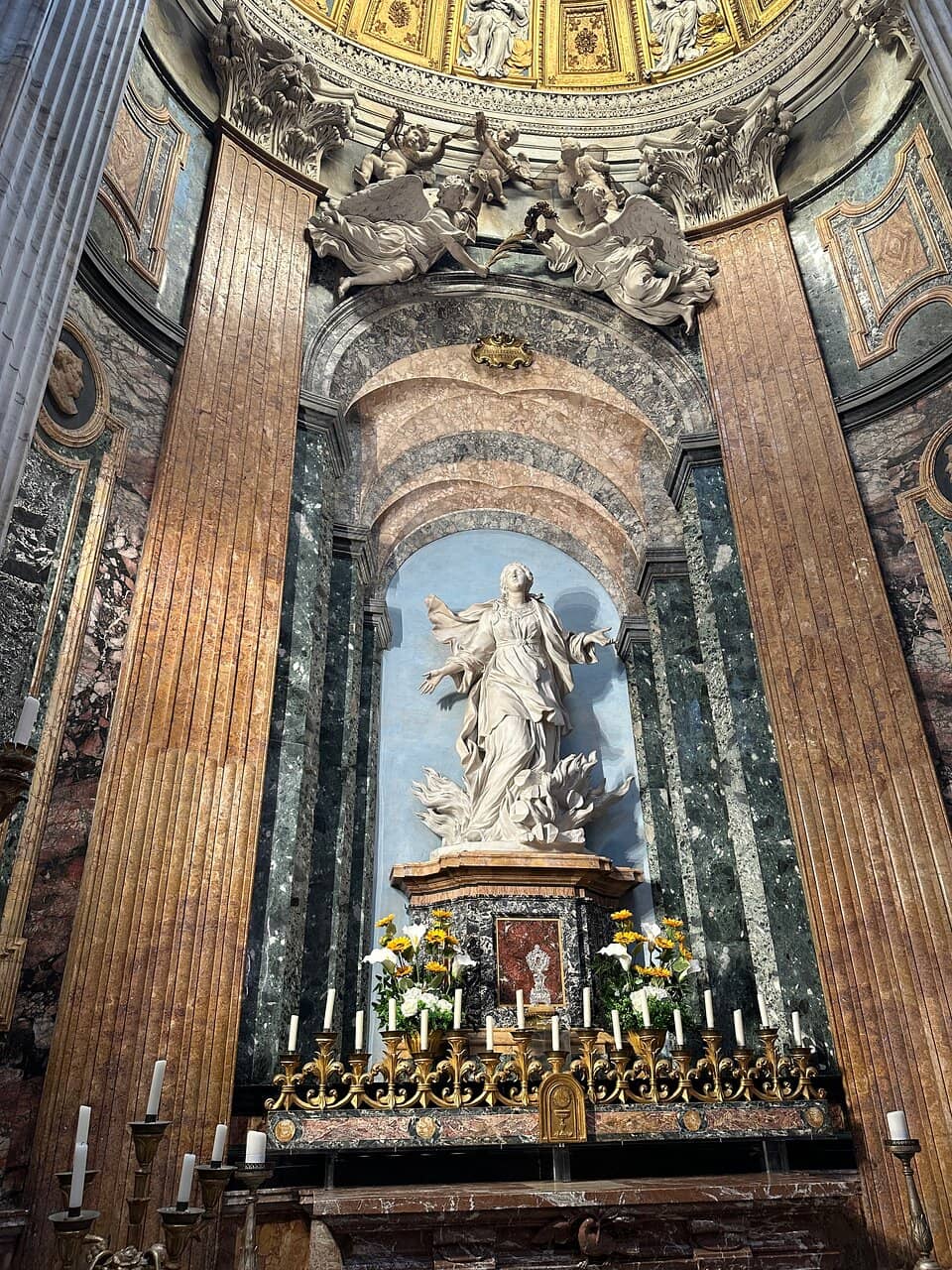
Marvel at the rich marble, gold details, and captivating sculptures telling Saint Agnes' story.
Plans like a pro.
Thinks like you
Planning Your Visit
Beat the Crowds for a Peaceful Visit
Embrace the Baroque Masterpiece
Best Times
Insider Tips
from TikTok, Instagram & Reddit
✨ Free Entry Gem
Enjoy this Baroque masterpiece without an entrance fee! A true highlight in busy Piazza Navona.
🤫 Find Inner Peace
Escape the piazza's buzz. Inside, find a tranquil space for reflection amidst stunning art.
🏛️ Explore Ancient Roots
Check if the crypt is open to see ancient Roman ruins beneath the church.
🖼️ Read the Stories
English descriptions under reliefs explain Saint Agnes' story and martyrdom.
Tips
from all over the internet
✨ Free Entry Gem
Enjoy this Baroque masterpiece without an entrance fee! A true highlight in busy Piazza Navona.
🤫 Find Inner Peace
Escape the piazza's buzz. Inside, find a tranquil space for reflection amidst stunning art.
🏛️ Explore Ancient Roots
Check if the crypt is open to see ancient Roman ruins beneath the church.
🖼️ Read the Stories
English descriptions under reliefs explain Saint Agnes' story and martyrdom.
💡 New Lighting in Crypt
The crypt's new artistic lighting enhances the beauty of its frescoes and art.
What Travellers Say
Reviews Summary
Visitors consistently praise Sant'Agnese in Agone for its breathtaking Baroque beauty, free entry, and serene atmosphere, offering a peaceful escape from the lively Piazza Navona. The intricate details, stunning frescoes, and historical significance, including the crypt, are frequently highlighted as major draws. While generally well-received, some note it can be busy due to its prime location.
"The Church of Sant'Agnese in Agone (Chiesa di Sant'Agnese in Agone) is one of the key jewels of Roman Baroque architecture and the dominant architectural feature of the famous Piazza Navona. Its history and appearance are inextricably linked with the history of the square itself.
The name "in Agone" comes from the Latin Circus Agonalis—the ancient stadium of Domitian (1st century AD), on the ruins of which Piazza Navona stands.
The church stands on the site where, according to legend, the young Christian Saint Agnes of Rome was martyred in 304 AD. It is believed that it was in the cellars, now a crypt, that her miracle of hair covering her nakedness occurred.
The church is a striking example of the competition and genius of Roman Baroque architecture; two great rivals collaborated in its creation. Construction began in 1652 at the behest of Pope Innocent X, from the Pamphili family, whose palace (Palazzo Pamphili) adjoins the church. The original design was by Girolamo and his son Carlo Rainaldi. In 1653, Francesco Borromini took over the project, radically altering the facade, giving it its famous concave shape. This shape, seemingly "embracing" the square, was designed to emphasize the church's central position and make its dome more prominent. Borromini also added two lateral bell towers. Due to conflicts, Borromini was removed, and Carlo Rainaldi completed the work. He modified the dome and completed the interior, but retained Borromini's innovative concave facade.
And now for a very interesting legend: the church stands directly opposite the famous Fountain of the Four Rivers by Gian Lorenzo Bernini, a rival of Borromini. There's a popular myth that Bernini's statue of the Nile in the fountain covers its face with its hand to avoid seeing Borromini's "imperfect" facade at Sant'Agnese, or that the statue of the Rio de la Plata raised its hand to protect itself from its possible collapse. But in fact, the fountain was completed before Borromini began work on the church's facade (Bernini finished the fountain in 1651, and Borromini arrived at the church in 1653), so the statues couldn't have been a mockery of him. The statue of the Nile covers its face because the river's source was unknown at the time.
Sant'Agnese in Agone is a must-see destination for admiring the high art of Roman Baroque and experiencing centuries of Roman history."
Witold Drutel
"Beautiful outside, stunning inside. And here’s the best part — no entrance fee, no crowds, just a short line. That’s more like it. The interior is full of gold details, marble, and frescoes… and most importantly, peace and quiet. It’s right on Piazza Navona, so while the square outside buzzes with noise, inside time stands still. When you’re done with fountains and tourists, this is the perfect free breather. :)"
Michael Nae
"Sant’Agnese in Agone has an amazing atmosphere, full of beauty and history. It’s not very large, but filled with fascinating details that make it truly special. A must visit spot in Rome for anyone who appreciates art, architecture, and peaceful spaces."
Murat Kucukkazdal
What People Like
What People Dislike
Frequently Asked Questions
🚇 🗺️ Getting There
Sant'Agnese in Agone is located directly on Piazza Navona, a central and easily accessible square in Rome. You can reach it by walking from many major attractions like the Pantheon or Trevi Fountain. Several bus lines stop near Piazza Navona, making it convenient via public transport. Taxis are also readily available.
Yes, Sant'Agnese in Agone is very easy to find. It's a prominent church with a distinctive Baroque façade that faces directly onto Piazza Navona, often visible from many points within the square.

Many visitors enjoy walking through Rome's charming streets to reach Piazza Navona. You can approach from the Pantheon or Campo de' Fiori, enjoying the city's atmosphere along the way.
Parking directly in Piazza Navona is not possible as it's a pedestrian area. The nearest public parking garages are a short walk away, such as the Garage San Lorenzo or Garage Europa. It's generally recommended to use public transport or walk.
Absolutely! Sant'Agnese in Agone is an integral part of Piazza Navona. You'll likely pass it while admiring Bernini's Fountain of Four Rivers and the other fountains in the square.
🎫 🎫 Tickets & Entry
No, entry to the main church of Sant'Agnese in Agone is free! This makes it a wonderful and accessible attraction for all visitors.
The church is generally open daily from around 9 AM to 7 PM, but hours can vary. Some sources mention it's open until 19:00. It's always a good idea to check for any specific closures or event schedules.
While the main church is free, access to the crypt might have a small fee or specific visiting hours. It was closed during one visitor's trip, so it's best to inquire on-site or check for recent updates.
Yes, the church is typically open on Sundays, but hours might be slightly different, especially during religious services. It's advisable to confirm Sunday hours if you plan to visit on that day.
Occasionally, Sant'Agnese in Agone hosts free exhibitions. For example, one exhibition was available until February 2025. Keep an eye out for announcements regarding special events.
🎫 🏛️ Onsite Experience
Sant'Agnese in Agone is a prime example of Baroque architecture, famously designed by Francesco Borromini. Its dramatic façade and interior design are hallmarks of this opulent style.
Inside, you'll find stunning frescoes, particularly Ciro Ferri's 'Triumph of Heaven' in the dome. The church also features rich marble work, intricate gold details, and impressive sculptures depicting the life and martyrdom of Saint Agnes.
Due to its prime location on Piazza Navona, it can get busy, especially during peak tourist seasons. Visiting during off-peak hours (early morning or late afternoon) can offer a more peaceful experience.
The church is built on the site where Saint Agnes was martyred. Legends tell of her hair miraculously growing to cover her when she was exposed naked, and marble reliefs inside depict her story, including her martyrdom.
The main floor of the church is generally accessible. However, access to the crypt might involve stairs. It's recommended to check on-site for specific accessibility information regarding the crypt and any potential ramps or elevators.
📸 📸 Photography
Photography is generally allowed inside Sant'Agnese in Agone, but it's always respectful to check for any posted signs. Flash photography is usually prohibited to protect the artworks.
The dome with its frescoes is a spectacular subject. Also, focus on the intricate details of the altar, sculptures, and marble work. The façade viewed from Piazza Navona, especially with the fountains, is also iconic.
If the crypt is open and accessible, photography rules may apply. It's best to confirm on-site, as lighting conditions might also be challenging for photography.
The late afternoon, during the golden hour, offers beautiful light on the church's façade. Morning light can also be lovely, especially if you want to capture it with fewer people in Piazza Navona.
Drone usage is strictly regulated in Rome, especially around historical sites and public squares like Piazza Navona. It is highly unlikely that drone photography is permitted here and could lead to significant fines.
Social
from TikTok, Instagram & Reddit