
Temple of Apollo Sosianus Rome
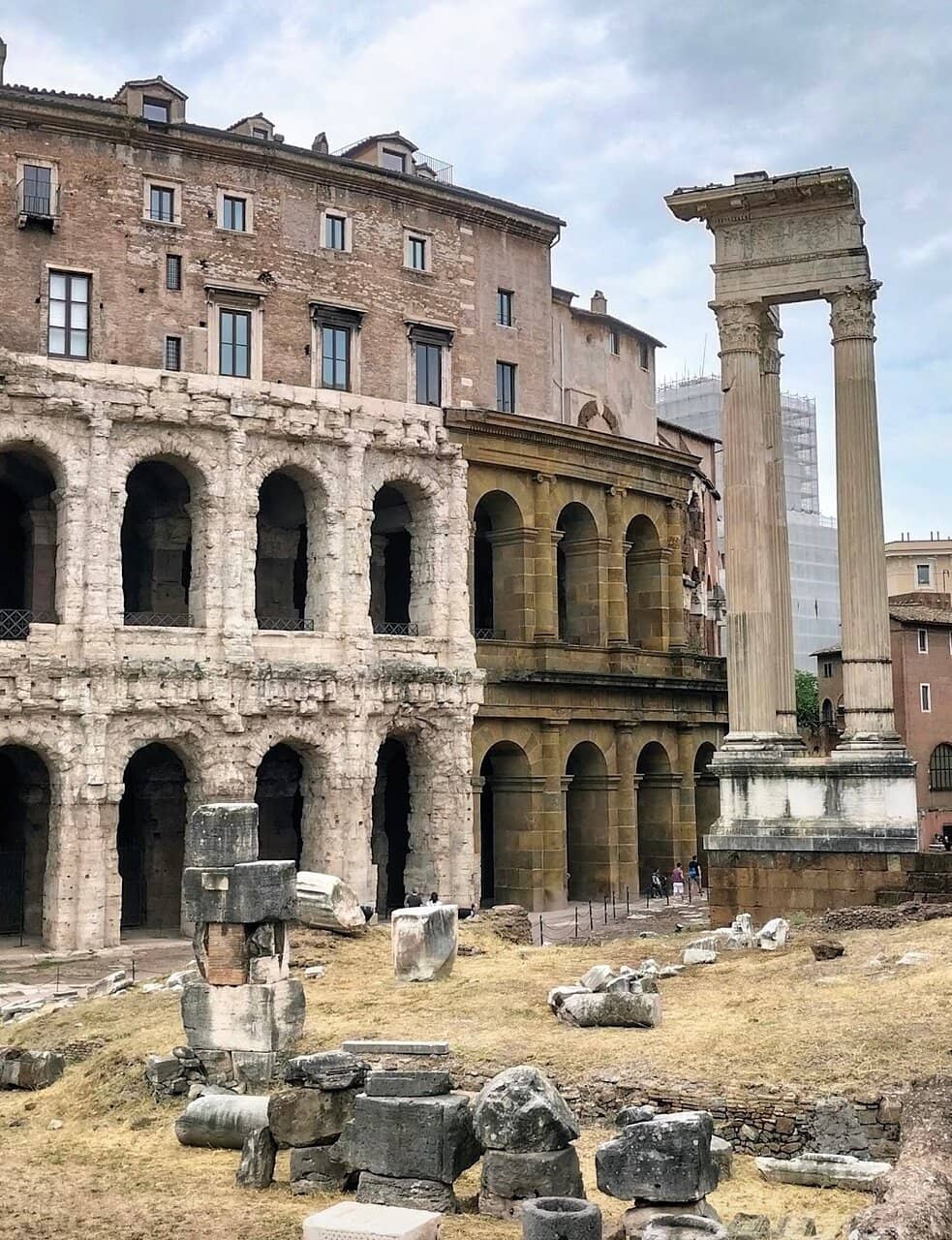
Discover the majestic remnants of the Temple of Apollo Sosianus and Bellona, offering a tranquil glimpse into ancient Roman religious life.
Highlights
Must-see attractions

Social
From TikTok & Reddit
Best Time
Columns glow beautifully
Temple of Apollo Sosianus Rome
Best Time
Columns glow beautifully
Highlights
Must-see attractions
Discover the majestic remnants of the Temple of Apollo Sosianus and Bellona, offering a tranquil glimpse into ancient Roman religious life.
"A hidden gem offering a peaceful, reflective experience away from Rome's tourist crowds."
Free to Explore
Wander through the site and marvel at the history without any admission fee. :moneywithwings:
Combine with Jewish Ghetto
Extend your historical journey by visiting the nearby Portico of Octavia and the Jewish Ghetto. :world_map:
Quick Facts
Hours
Rating
4.7 · 215 reviews
Type
Tourist Attraction
Highlights
Discover the most iconic attractions and experiences
Surviving Corinthian Columns
Temple of Apollo Sosianus
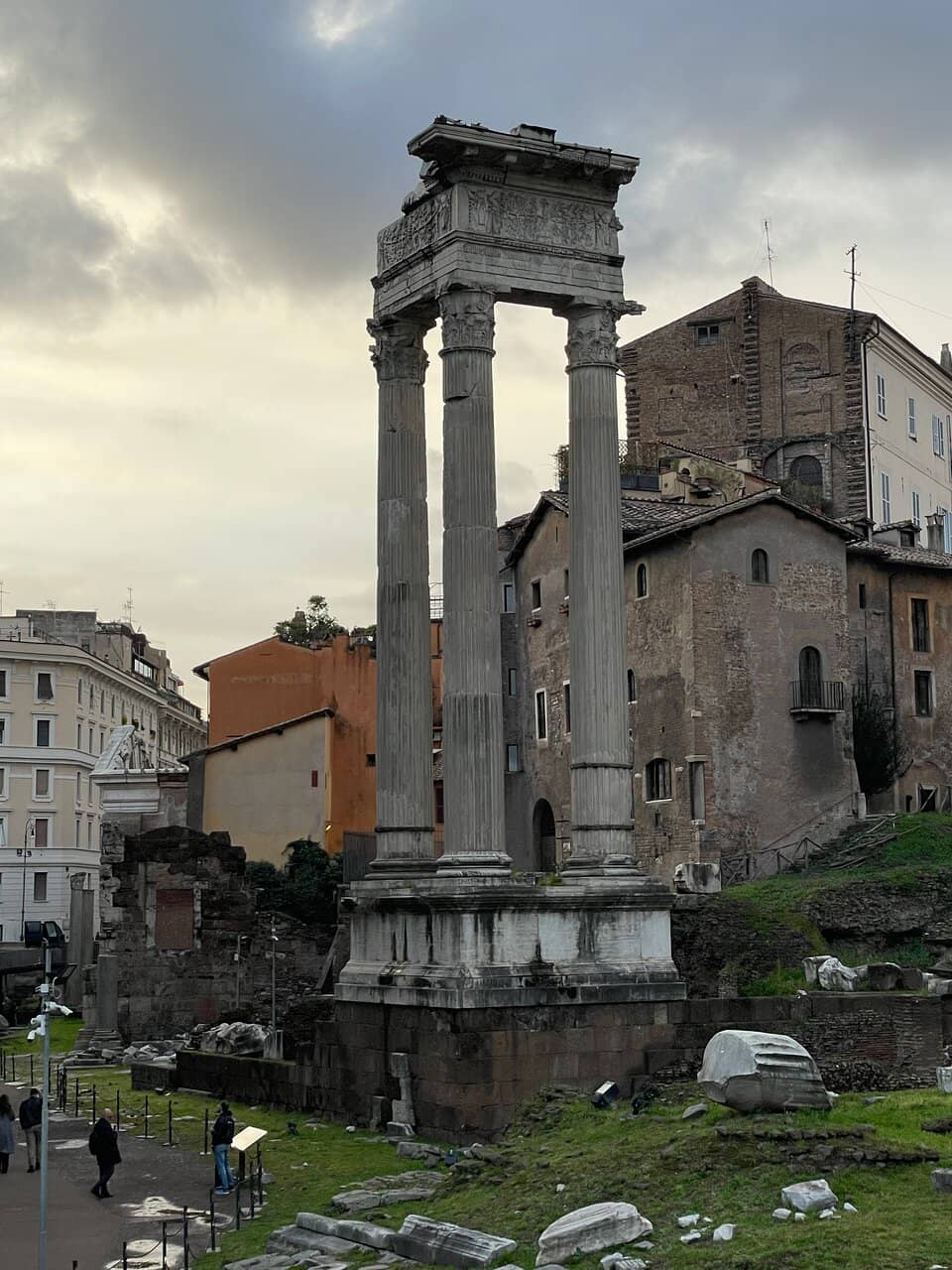
Three towering columns, remnants of the Augustan rebuild, stand testament to the temple's former grandeur.

Temple of Bellona Ruins
Adjacent to Temple of Apollo Sosianus
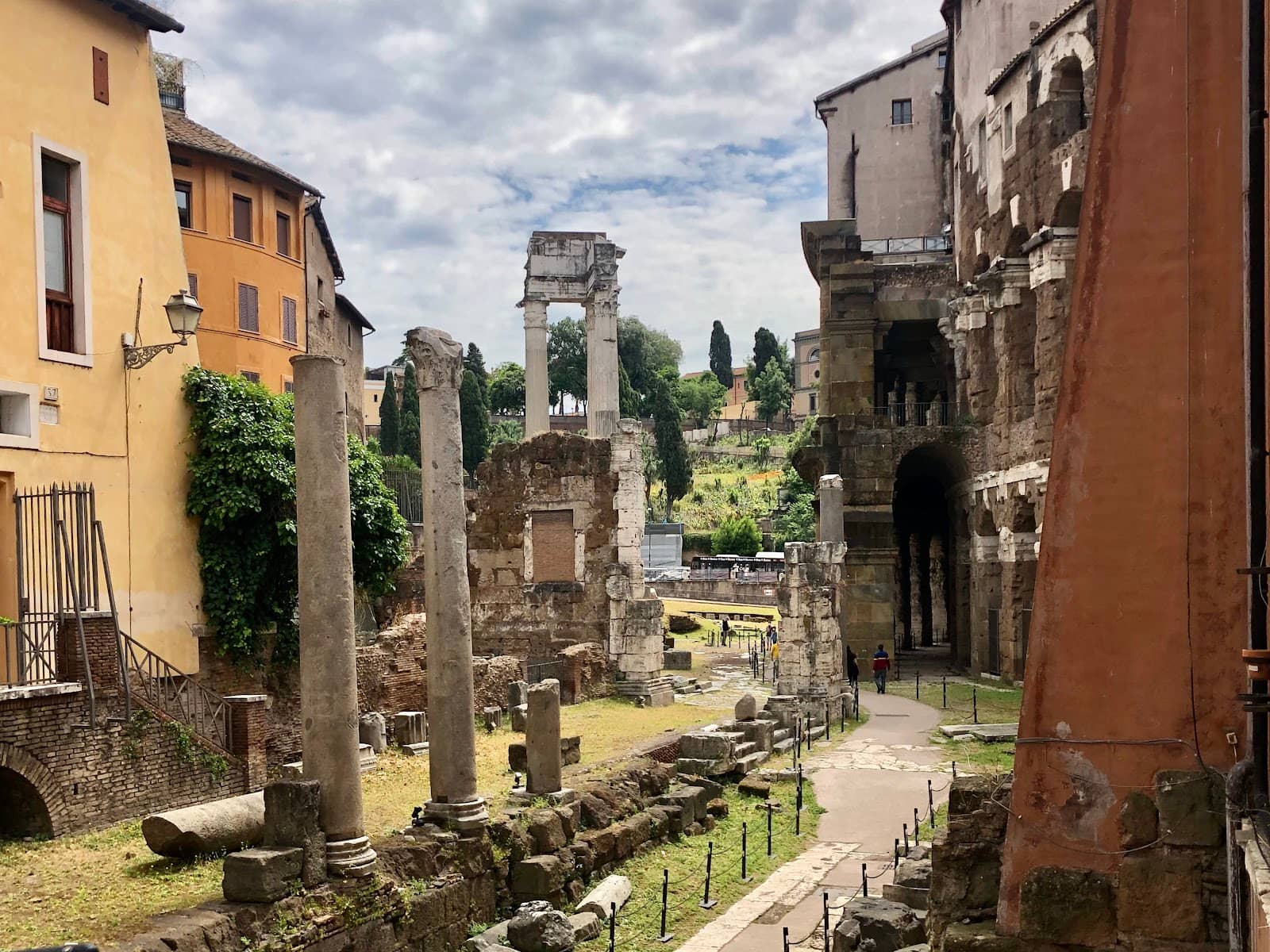
Discover the foundational outlines of the ancient temple dedicated to the goddess of war, a site of Senate meetings.
View of Theatre of Marcellus
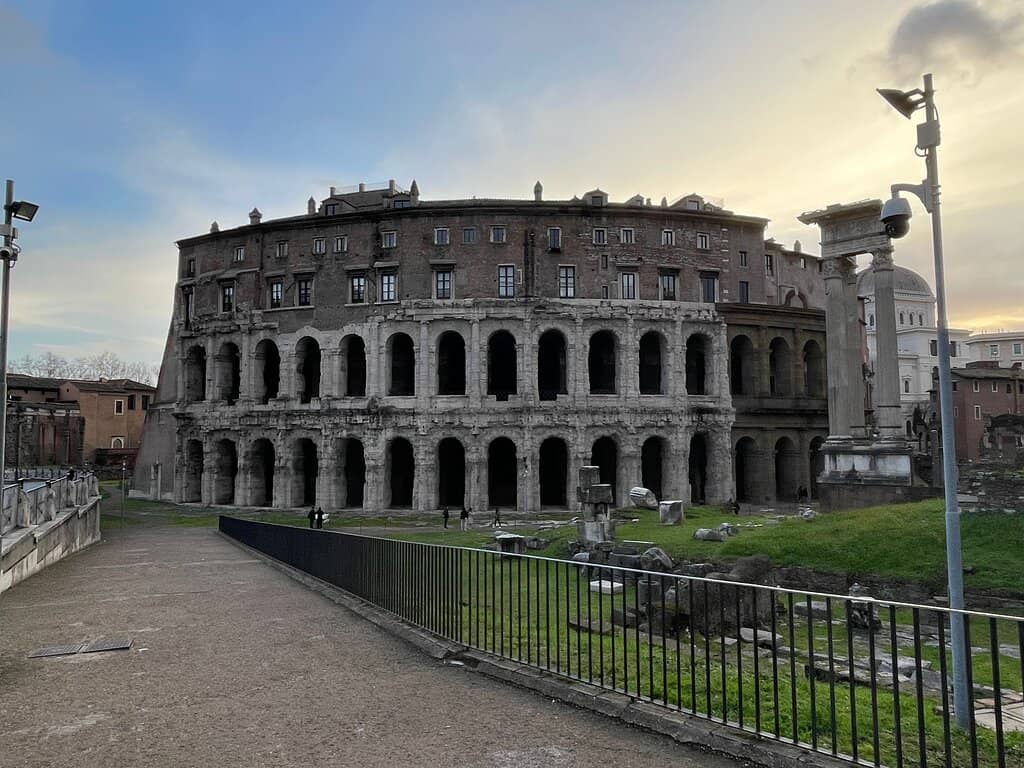
Overlooking the Theatre of Marcellus
Enjoy a unique perspective of the ancient amphitheater from the temple courtyard, a stunning juxtaposition of history.
Plans like a pro.
Thinks like you
Planning Your Visit
Embrace the Quiet Antiquity
Combine with Nearby Gems
Best Times
Insider Tips
from TikTok, Instagram & Reddit
Free to Explore
Wander through the site and marvel at the history without any admission fee. :moneywithwings:
Combine with Jewish Ghetto
Extend your historical journey by visiting the nearby Portico of Octavia and the Jewish Ghetto. :world_map:
Photography Gold
The contrast of ancient ruins with Renaissance architecture is perfect for stunning photos. :camerawithflash:
Quiet Reflection
Enjoy a peaceful experience away from the usual tourist crowds. :person_walking:
Tips
from all over the internet
Free to Explore
Wander through the site and marvel at the history without any admission fee. :moneywithwings:
Combine with Jewish Ghetto
Extend your historical journey by visiting the nearby Portico of Octavia and the Jewish Ghetto. :world_map:
Photography Gold
The contrast of ancient ruins with Renaissance architecture is perfect for stunning photos. :camerawithflash:
Quiet Reflection
Enjoy a peaceful experience away from the usual tourist crowds. :person_walking:
Access Point
Enter via Piazza di Campitelli 7, through the Department of Cultural Activities courtyard. 🚪
What Travellers Say
Reviews Summary
Visitors praise the Temple of Apollo Sosianus as a peaceful, free, and historically rich archaeological site, offering a welcome respite from Rome's busier attractions. Its integration with the Theatre of Marcellus and proximity to the Jewish Ghetto enhance its appeal for those seeking a deeper understanding of the city's layered past.
"Need to see, free to walk through. Amazing to know the history behind these sites. Interesting to know people live at the top of the Marcellus theater and that it was once completely covered by buildings and a landfill. Pictures cannot do it justice when you get to stand beside it."
Jeff
"Tucked just behind the grand Theatre of Marcellus, the Temples of Apollo Sosiano and Bellona are lesser-known gems that whisper of Rome’s layered history. Though only fragments remain a few standing columns and foundational outlines these temples still evoke the majesty and spirituality of ancient Roman religious life.
The Temple of Apollo Sosiano, with its Corinthian columns and partial reconstruction, is especially striking when lit by the afternoon sun. It dates back to the Republican era but was rebuilt in the time of Augustus, reflecting the Emperor’s deep connection to Apollo as his divine protector. Just beside it, the Temple of Bellona, goddess of war, stood as a symbol of Rome’s military might — where Senate meetings were held before campaigns.
What makes this site special is the atmosphere. It’s not crowded like the Forum or Colosseum. You can pause, reflect and imagine the rituals, declarations and decisions that once shaped the empire.
Tip:
Combine your visit with a walk through the nearby Portico of Octavia and the Jewish Ghetto for a deeper sense of Rome’s historical layers.
A short visit but a meaningful one for those who appreciate quiet corners of antiquity."
Boxa Net
"This archaeological site is a hidden gem nestled in the heart of Rome.
The contrast between ancient ruins and the surrounding Renaissance architecture is breathtaking.
Even though it’s not as famous as the Colosseum or Roman Forum, it offers a more peaceful and reflective experience.
You can enjoy the history without the overwhelming crowds.
Perfect for photography and a short historical stroll.
Definitely worth a visit, especially if you love Roman history and want to explore beyond the tourist-packed areas."
Misha Smiley
What People Like
What People Dislike
Frequently Asked Questions
🚇 🗺️ Getting There
The Temple of Apollo Sosiano is located near the Theatre of Marcellus. You can access the site and its courtyard from Piazza di Campitelli 7, through the courtyard of the Department of Cultural Activities of Rome Capital. It's also visible from Via Montana and Via del Teatro di Marcello. 🚌 🚇
Yes, several bus lines stop near the Theatre of Marcellus, making it easily accessible by public transport. The nearest metro stations are a bit of a walk, but buses are a convenient option. 🚌
Absolutely! It's a pleasant walk from many central Rome attractions like the Roman Forum or Capitoline Hill, allowing you to see more of the city's ancient heart. 🚶
🎫 🎫 Tickets & Entry
No, the Temple of Apollo Sosiano and the adjacent Temple of Bellona ruins are free to visit and explore. You can walk through the site and admire the remains without purchasing a ticket. :moneywithwings:
The grounds of the Portico di Octavio and the Theatre of Marcellus, where the temples are located, are generally open daily from 9 am to 7 pm. It's always a good idea to check for any seasonal changes. :clock1:
The main viewing areas are generally accessible, though as an ancient archaeological site, some parts might have uneven terrain. The courtyard access is typically straightforward. ♿
🎫 🏛️ Onsite Experience
You'll see the impressive remains of two ancient temples: the Temple of Apollo Sosiano, with its three surviving full-height Corinthian columns, and the ruins of the Temple of Bellona. The site offers a unique glimpse into Roman religious and political life. :statueofliberty:
A visit is typically short, often around 30 minutes to an hour, especially if you're combining it with nearby sites. It's a place for a meaningful, reflective stop rather than an all-day affair. :stopwatch:
One of the biggest draws is that it's significantly less crowded than major Roman attractions like the Colosseum or Roman Forum. This allows for a more peaceful and personal experience. :peopleholdinghands:
Dedicated to Apollo, this temple dates back to the Republican era and was rebuilt by Augustus. It reflects Apollo's importance in Roman culture and Augustus's personal devotion. The Temple of Bellona was a site for important Senate meetings. 📜
Yes, photography is highly encouraged! The juxtaposition of ancient ruins against the backdrop of modern Rome and the nearby Theatre of Marcellus makes for stunning photo opportunities. :camerawithflash:
🍽️ 🍽️ Food & Dining
Yes, the area around the Theatre of Marcellus and the adjacent Jewish Ghetto is brimming with excellent trattorias, pizzerias, and cafes offering delicious Roman cuisine. 🍕 :wine_glass:
You'll find authentic Roman dishes, including pasta classics like Cacio e Pepe and Carbonara, as well as Roman-Jewish specialties in the Ghetto. :spaghetti: :artichoke:
📸 📸 Photography
Capture the three standing columns against the sky, frame the ruins with the Theatre of Marcellus in the background, and look for interesting angles that highlight the contrast between ancient and modern architecture. :iphone:
The late afternoon sun can cast a beautiful golden light on the ancient columns, creating dramatic shadows and highlighting the textures of the stone. Early morning also offers softer light and fewer people. 🌅 :city_sunset:
Experiment with wide-angle lenses to capture the scale of the ruins and their surroundings. Look for details in the stonework and the Corinthian capitals. Don't forget to include the Theatre of Marcellus in your shots for context. 📷
Social
from TikTok, Instagram & Reddit