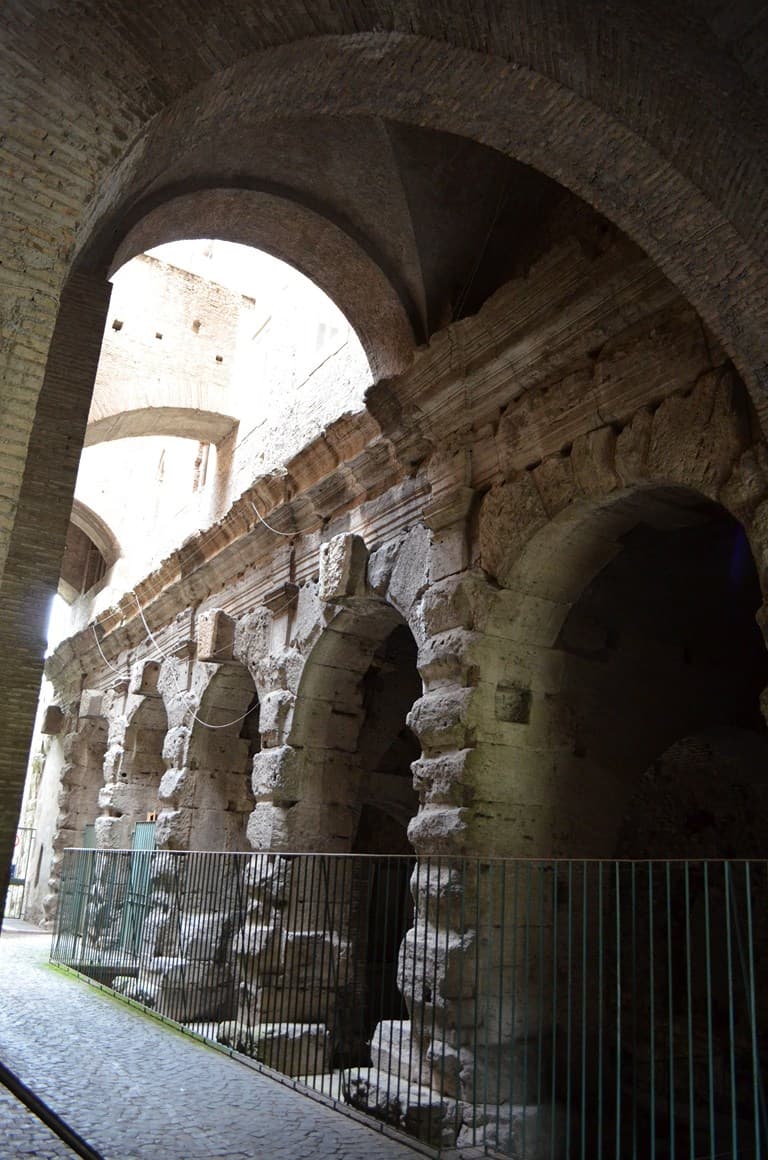
Temple of Claudius
Discover Rome's hidden depths: explore ancient quarries and serene subterranean lakes beneath the Temple of Claudius.
Highlights
Must-see attractions

Social
From TikTok & Reddit
Best Time
Fewer crowds, more peaceful
Temple of Claudius
Best Time
Fewer crowds, more peaceful
Highlights
Must-see attractions
Discover Rome's hidden depths: explore ancient quarries and serene subterranean lakes beneath the Temple of Claudius.
"An adventure speleological in the heart of Rome? YES!"
👟 Wear Sturdy Shoes
Comfortable trekking shoes are a must for navigating the uneven terrain underground. :athletic_shoe:
🔦 Bring a Flashlight
While guides have lights, an extra flashlight can be handy for personal exploration. 🔦
Quick Facts
Hours
Rating
4.6 · 95 reviews
Type
Historical Landmark
Highlights
Discover the most iconic attractions and experiences
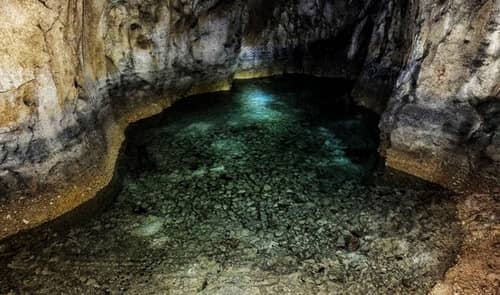
Subterranean Lakes
Underground quarries
Discover crystal-clear, serene lakes hidden deep within ancient Roman quarries. A truly unique and unexpected sight.
Ancient Quarry Tunnels
Underground quarries
Explore vast, silent tunnels carved out for tufo and pozzolana extraction centuries ago. Feel the history around you.
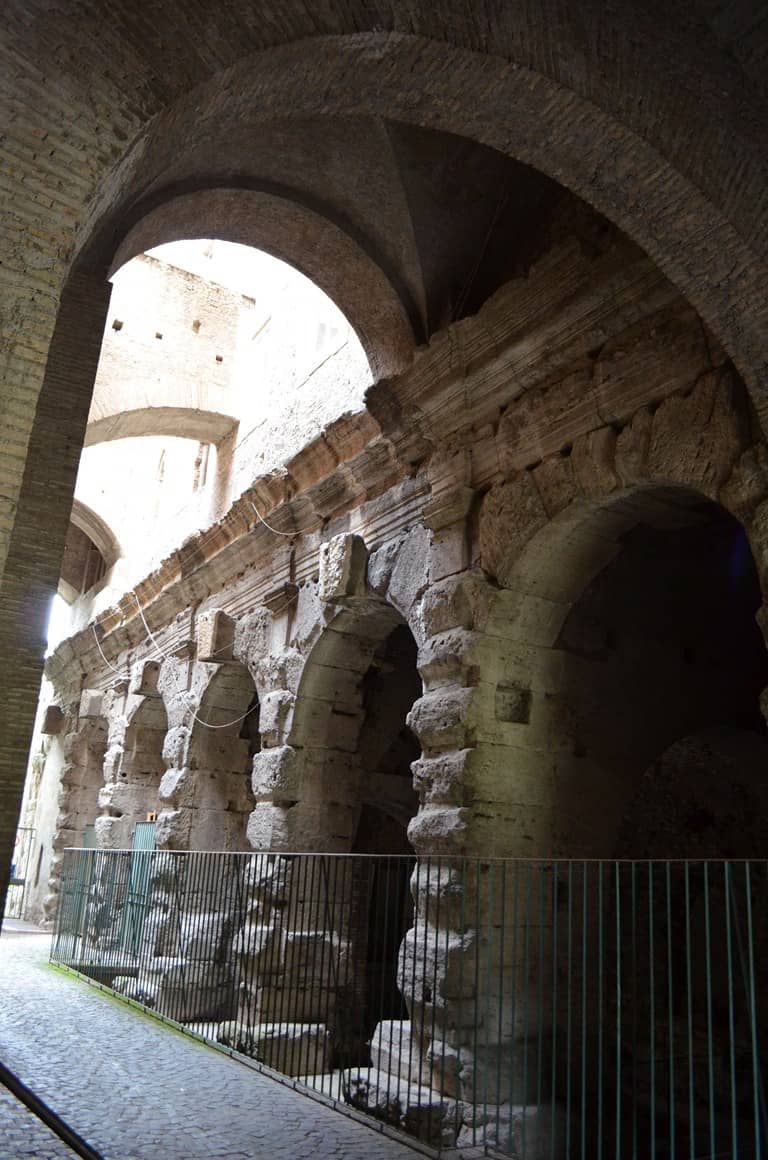
Temple of Claudius Foundations
Above the underground sections
Glimpse the impressive foundations of the once-grand Temple of Claudius, a testament to Roman engineering.
Plans like a pro.
Thinks like you
Planning Your Visit
Explore Rome's Hidden Depths
Book Your Underground Adventure
Best Times
Insider Tips
from TikTok, Instagram & Reddit
👟 Wear Sturdy Shoes
Comfortable trekking shoes are a must for navigating the uneven terrain underground. :athletic_shoe:
🔦 Bring a Flashlight
While guides have lights, an extra flashlight can be handy for personal exploration. 🔦
💧 Stay Hydrated
Carry water, especially during warmer months, as it can get warm underground. :droplet:
📸 Capture the Mystery
The unique atmosphere makes for incredible photos, but be mindful of lighting conditions. :camerawithflash:
Tips
from all over the internet
👟 Wear Sturdy Shoes
Comfortable trekking shoes are a must for navigating the uneven terrain underground. :athletic_shoe:
🔦 Bring a Flashlight
While guides have lights, an extra flashlight can be handy for personal exploration. 🔦
💧 Stay Hydrated
Carry water, especially during warmer months, as it can get warm underground. :droplet:
📸 Capture the Mystery
The unique atmosphere makes for incredible photos, but be mindful of lighting conditions. :camerawithflash:
🗣️ Join a Guided Tour
Essential for accessing the underground areas and learning about the history. :informationdeskperson:
What Travellers Say
Reviews Summary
Visitors are captivated by the unique subterranean experience of the Temple of Claudius, praising the serene underground lakes and ancient quarry tunnels. While the historical significance is appreciated, some note that access is limited to guided tours and the above-ground remnants are less substantial. Overall, it's a highly recommended off-the-beaten-path adventure for those seeking a deeper connection with Rome's past.
"The temple of Divine Claudius was a temple in Rome , built on the Caelian in honor of the deified Roman emperor Claudius . It was located on the northern part of the hill, overlooking the valley where the Colosseum would later be built.The northern side consisted of a row of vaulted rooms, in which water pipes flowed, which formed a flat front; at the time of Nero there were fountains, so much so that the remains of one of these, consisting of a prow of a ship with a boar's head , were found in the past (today they are in the Capitoline Museum ). Even under the Flavian dynasty , however, this arrangement remained, although Vespasian reduced the consumption of water by returning it to civilian use.At the moment, the basement is accessed from the western side of the podium. Rodolfo Lanciani was the only one who made an (approximate) plan of the basements. From 2004 to 2006 , the Rome Underground association , on behalf of the Special Superintendency for the Archaeological Heritage of Rome, carried out the new mapping of the undergrounds. The temple stood in a grandiose rectangular platform (180x200 meters), partially artificial and supported by powerful retaining walls, still partially visible: on the southern side they reached 15 m, but the highest side was the northern one.The structure was one of the highest in Rome , 50 m above sea level."
Alfred Joe Jr
"Not open to the public. Just a closed gate and the lady at the desk for the castle Claudio told us it's never open anymore."
Natasha Tuskovich
"Like most of Rome... thought provoking, inspiring and extremely emotional"
Gary Holmyard
What People Like
What People Dislike
Frequently Asked Questions
🚇 🗺️ Getting There
The Temple of Claudius is located on the Caelian Hill in Rome. You can reach the area by public transport, with several bus lines stopping nearby. The closest metro station is Colosseo (Line B), but it's a walk from there. Many visitors combine a visit with nearby attractions like the Colosseum and Roman Forum.
The above-ground remnants are accessible, but the main attraction, the underground quarries and lakes, requires a guided tour and involves descending into subterranean spaces. This might not be suitable for those with mobility issues.
Walking is often the best way to explore the Caelian Hill and its various historical sites. Comfortable shoes are essential as there are inclines and uneven surfaces.
🎫 🎫 Tickets & Entry
Yes, access to the underground sections, which feature the subterranean lakes and ancient quarries, is strictly by guided tour. It's highly recommended to book these tours in advance online, as they often sell out. +1
Tour prices can vary depending on the operator and any special events. It's best to check the official booking websites for the most up-to-date pricing information.
Tour availability and times can vary, often depending on the season and day of the week. Check the booking platform for specific tour schedules. Some tours are only available on specific days.
The main draw, the underground chambers with the lakes, is only accessible via a guided tour. The above-ground remnants might be visible from certain points, but full access requires booking a tour.
Generally, the tours are suitable for most ages, but it's always wise to check with the tour operator. The environment is subterranean and requires some walking.
🎫 🧭 Onsite Experience
The underground features vast ancient quarries used for extracting tufo and pozzolana, serene subterranean lakes, and impressive Roman construction. It's a unique glimpse into Rome's hidden history. +2
The underground is dark and quiet, which some might find atmospheric. However, it's generally not considered scary, and guides ensure a safe and informative experience.
Wear comfortable, closed-toe shoes suitable for walking on uneven surfaces. Light, layered clothing is recommended as the temperature underground can be cooler than outside.
Photography is usually permitted, but it's always best to confirm with your guide. The lighting can be challenging, so a good camera or smartphone with low-light capabilities is helpful.
Tours usually last around 1 to 1.5 hours, depending on the group size and the specific route taken by the guide.
🍽️ 🍽️ Food & Dining
The Temple of Claudius is located in a historical area of Rome. You'll find numerous trattorias, cafes, and restaurants in the surrounding neighborhoods, particularly towards the Monti district or near the Colosseum.
It's generally advisable not to bring food or drinks into the delicate underground environment. Water is usually permitted, but check with your tour operator.
📸 📸 Photography
The most striking photographic opportunities are within the underground chambers, capturing the serene lakes and the ancient quarry walls. The contrast between the dark tunnels and the water is particularly photogenic. +1
The lighting can be dim, so using a camera with good low-light performance or a smartphone with night mode is recommended. Tripods might be restricted on tours, so be prepared to shoot handheld.
While the main focus is underground, the Caelian Hill offers panoramic views of Rome. The remnants of the temple itself, though partially obscured, can also be interesting subjects.
Social
from TikTok, Instagram & Reddit