Temple of Cybele
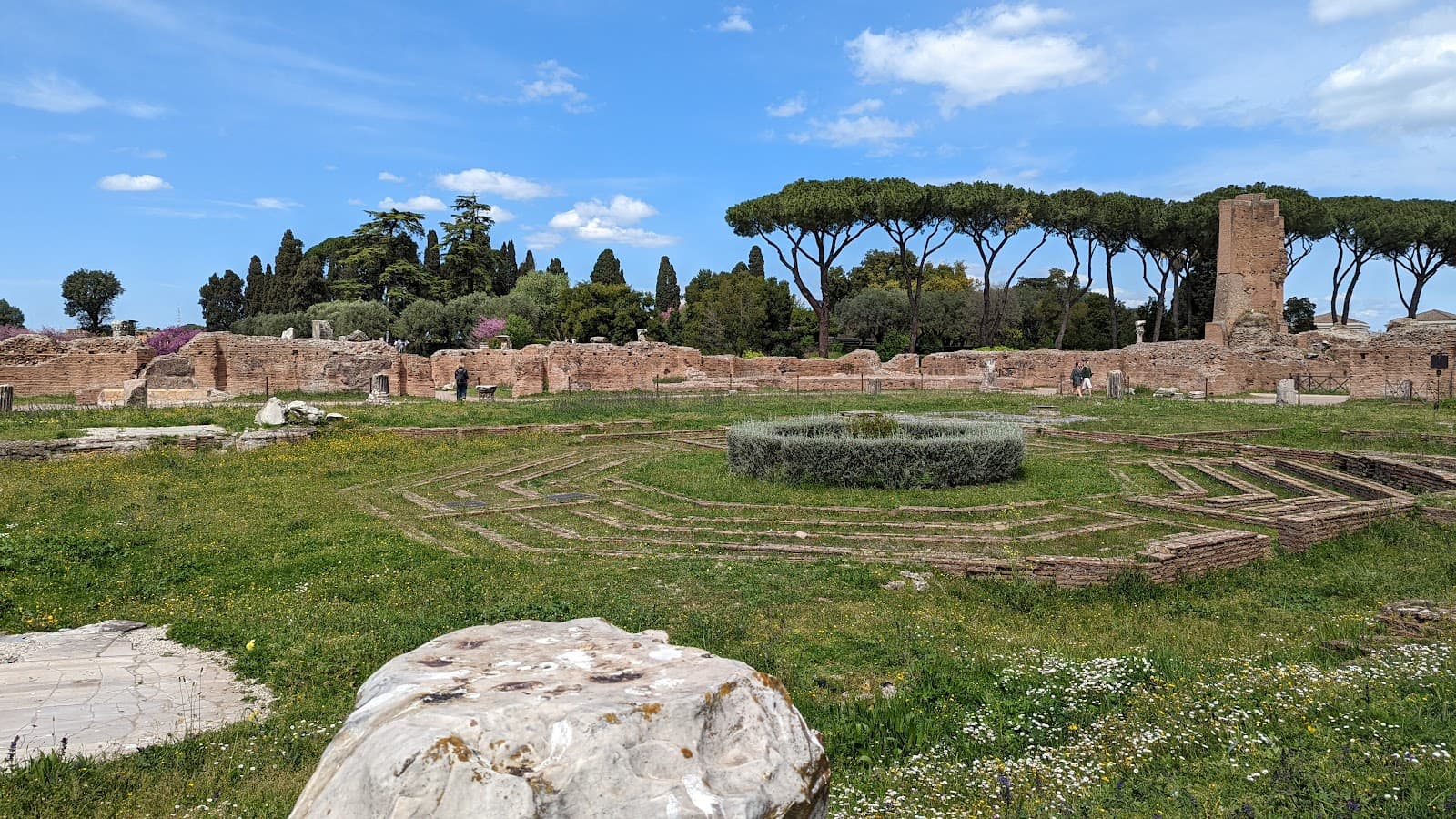
Discover the ancient foundations of the Temple of Magna Mater, a sanctuary dedicated to Cybele on Rome's Palatine Hill.
Highlights
Must-see attractions

Social
From TikTok & Reddit
Best Time
Peaceful exploration
Temple of Cybele
Best Time
Peaceful exploration
Highlights
Must-see attractions
Discover the ancient foundations of the Temple of Magna Mater, a sanctuary dedicated to Cybele on Rome's Palatine Hill.
"A peaceful spot to reflect on ancient Roman religious history amidst the grandeur of the Palatine Hill."
Wear Comfortable Shoes
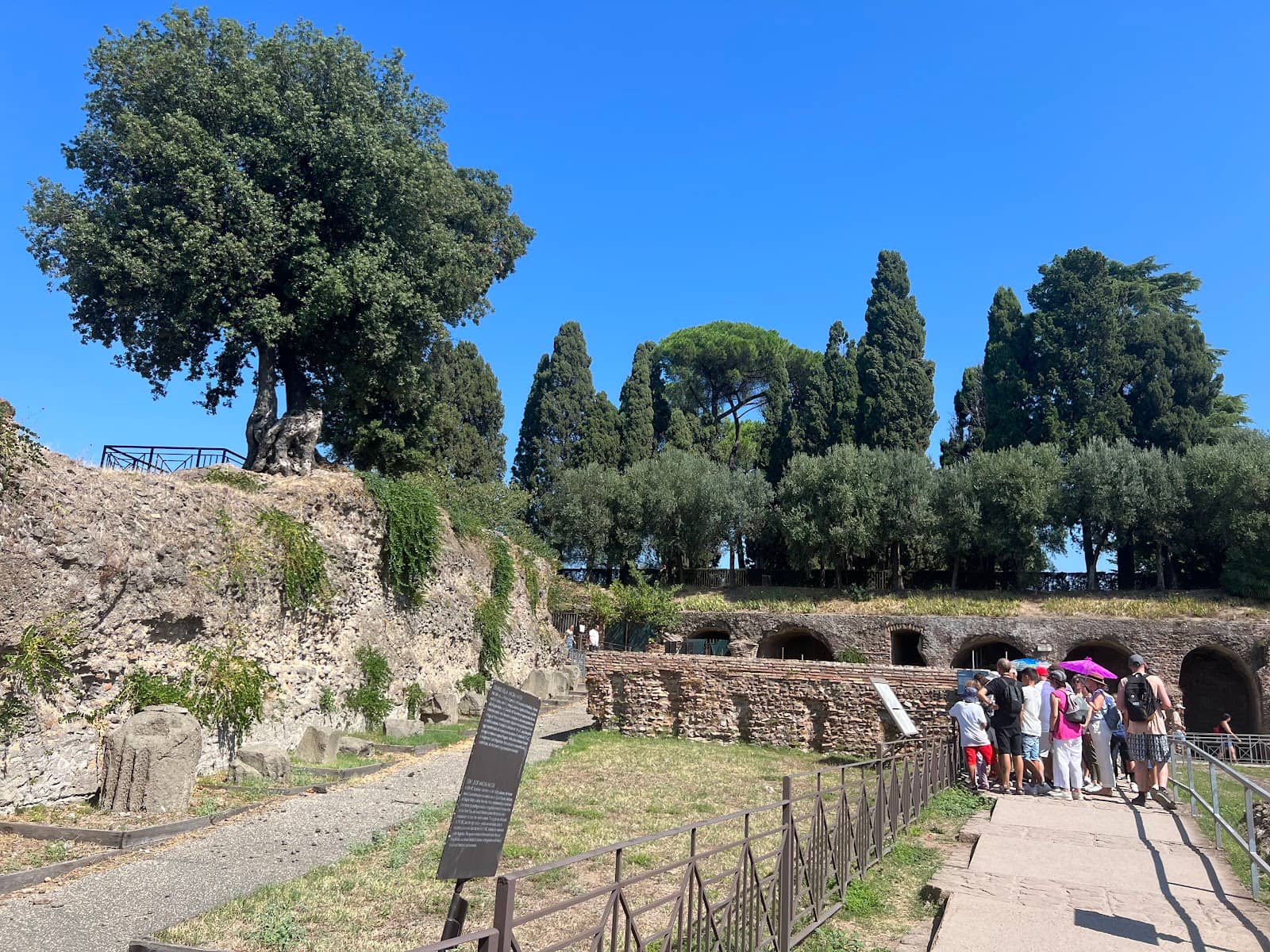
You'll be walking on uneven ancient terrain. :athletic_shoe:
Combine with Palatine Hill
The temple is near other key Roman sites. :world_map:
Quick Facts
Highlights
Discover the most iconic attractions and experiences
Temple Foundations
Palatine Hill
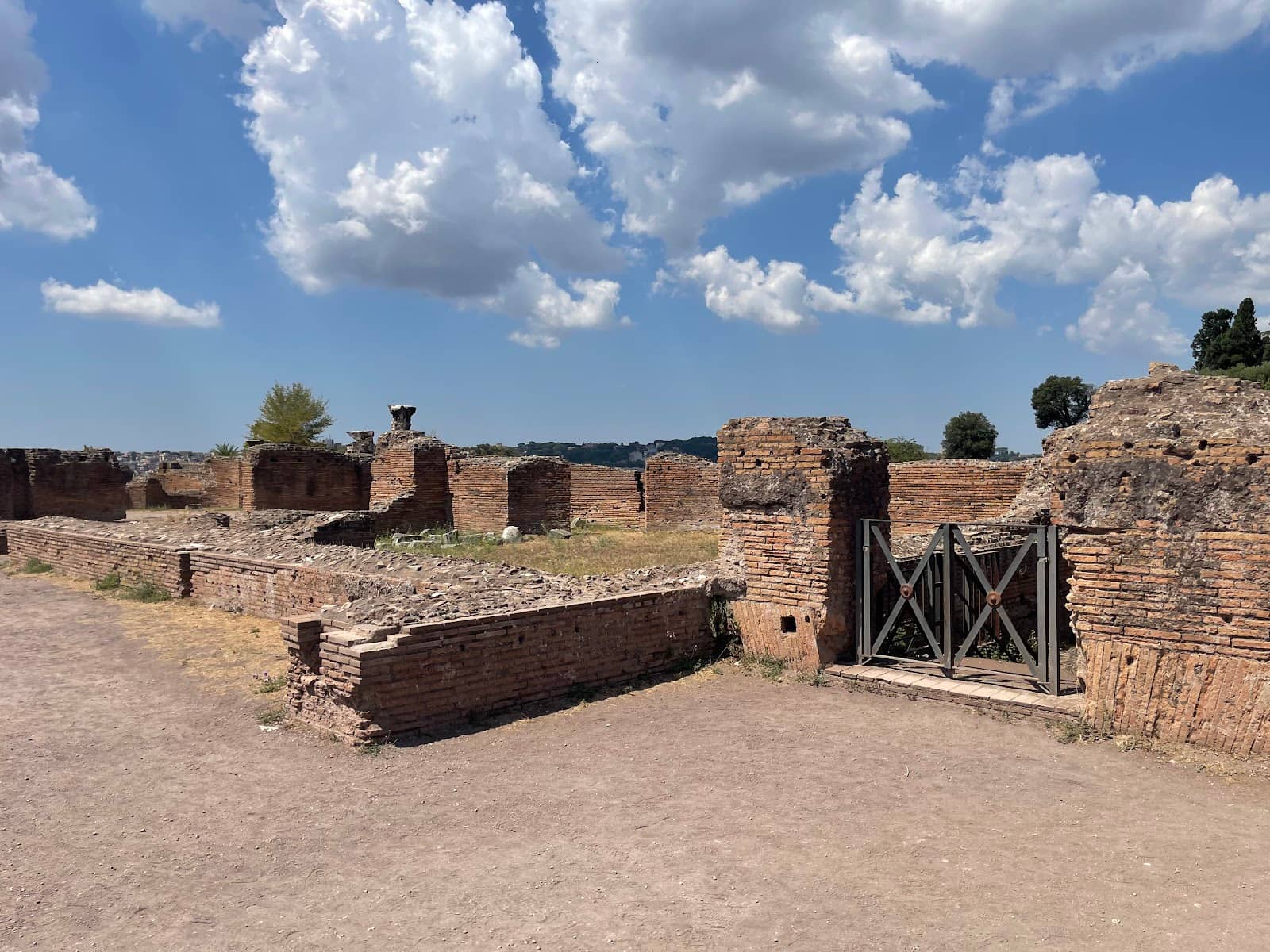
Explore the base and wall fragments of this ancient sanctuary, imagining its former grandeur and mystical ceremonies.
Historical Context
Adjacent to Romulus Huts
Understand its importance during the Punic Wars and the invocation of Cybele to ward off Hannibal.
Plans like a pro.
Thinks like you
Planning Your Visit
Ancient Echoes and Modern Tranquility
Understanding the Remains
Best Times
Insider Tips
from TikTok, Instagram & Reddit
Wear Comfortable Shoes
You'll be walking on uneven ancient terrain. :athletic_shoe:
Combine with Palatine Hill
The temple is near other key Roman sites. :world_map:
The longest-lasting of all sacred Roman relics: the Needle of Cybele, Magna Mater (Great Mother) of Rome and a goddess with constructed ties to Troy, survived from 204 B.C. until 1730. Textual account inside.
“During Hannibal’s invasion of Italy in 204 BC, the Romans followed a Sibylline prophecy that the enemy could be expelled and conquered if the “Idaean Mother” were brought to Rome, together with her sacred symbol, a small stone reputed to have fallen from the heavens. Her…
Cant find this story
Hi, I have a strong memory of this story of a small group of Romans stealing a statue of a foreign (greek?) goddess, placing it in Rome, and basically adopting her into the Roman pantheon with a new name. Is this real? I haven’t been able to find anything about it online.…
Imagine the Past
Focus on the historical context to appreciate the site. 📜
Tips
from all over the internet
Wear Comfortable Shoes
You'll be walking on uneven ancient terrain. :athletic_shoe:
Combine with Palatine Hill
The temple is near other key Roman sites. :world_map:
Imagine the Past
Focus on the historical context to appreciate the site. 📜
What Travellers Say
Reviews Summary
Visitors appreciate the Temple of Cybele for its peaceful atmosphere and the historical significance of its remnants. While acknowledging that only foundations remain, many find it a contemplative spot to connect with ancient Rome's religious past, especially when exploring the broader Palatine Hill.
"Peaceful and quiet
Beautiful"
Sarah Gill-Branion
"Beautiful!"
R. L
"The Temple of Magna Mater was one of the most important sanctuaries in ancient Rome, dedicated to the goddess Cybele, the mother of all gods. Although only foundations and fragments of walls remain today, it's easy to imagine the immensity of this structure and the mystical ceremonies honoring the goddess that took place here over the centuries. This place exudes tranquility and allows one to feel the ancient Romans' connection with nature and the higher powers."
Maciej
What People Like
What People Dislike
Frequently Asked Questions
🚇 🗺️ Getting There
The Temple of Cybele is located on the Palatine Hill in Rome. You can reach the Palatine Hill via public transport, with the nearest metro station being Colosseo (Line B). From there, it's a short walk to the entrance of the Roman Forum and Palatine Hill complex. Consider purchasing a combined ticket for the Colosseum, Roman Forum, and Palatine Hill for easy access.
The site is part of the larger Palatine Hill archaeological area. While the main paths are generally accessible, some ancient ruins can have uneven surfaces. Comfortable walking shoes are highly recommended.
🎫 🎫 Tickets & Entry
Yes, the Temple of Cybele is located within the Palatine Hill archaeological site, which requires an entrance ticket. It's often included in combined tickets for the Colosseum and Roman Forum. Booking in advance is highly recommended, especially during peak season.
The opening hours are tied to the Palatine Hill and Roman Forum complex. These typically vary by season, generally opening around 9:00 AM and closing an hour before sunset. Always check the official website for the most current hours.
Absolutely. You can explore the Temple of Cybele and the surrounding Palatine Hill at your own pace with a general admission ticket. Guided tours are available if you prefer a more in-depth historical explanation.
🎫 🏛️ Onsite Experience
You'll primarily see the foundations and remnants of the walls of the ancient Temple of Magna Mater. While not a towering structure, it offers a sense of the scale and historical importance of the sanctuary.
The Temple of Cybele itself is usually less crowded than the main attractions like the Colosseum. Visiting during off-peak hours or weekdays can offer a more peaceful experience.
The temple was dedicated to Cybele, an imported Anatolian goddess, and was particularly important during the Second Punic War when Romans invoked her to help defeat Hannibal. It represents Rome's willingness to adopt foreign deities.
While the main structure is in ruins, some fragments and bas-reliefs associated with the temple might be found in nearby museums or displayed within the broader Palatine Hill complex. The most significant remnants are the foundations themselves.
📸 📸 Photography
The best photographic opportunities are often from slightly elevated viewpoints on the Palatine Hill, allowing you to capture the scale of the foundations against the Roman sky. The surrounding ruins and greenery also make for picturesque shots.
Yes, photography is generally allowed within the archaeological park, including the area of the Temple of Cybele. However, always be mindful of any specific signage regarding flash photography or restricted areas.
Social
from TikTok, Instagram & Reddit