
Temple of Pax
Ancient Roman temple dedicated to peace, now a captivating ruin with towering columns hinting at its past glory.
Highlights
Must-see attractions

Social
From TikTok & Reddit
Best Time
Fewer crowds, serene atmosphere
Temple of Pax
Best Time
Fewer crowds, serene atmosphere
Highlights
Must-see attractions
Ancient Roman temple dedicated to peace, now a captivating ruin with towering columns hinting at its past glory.
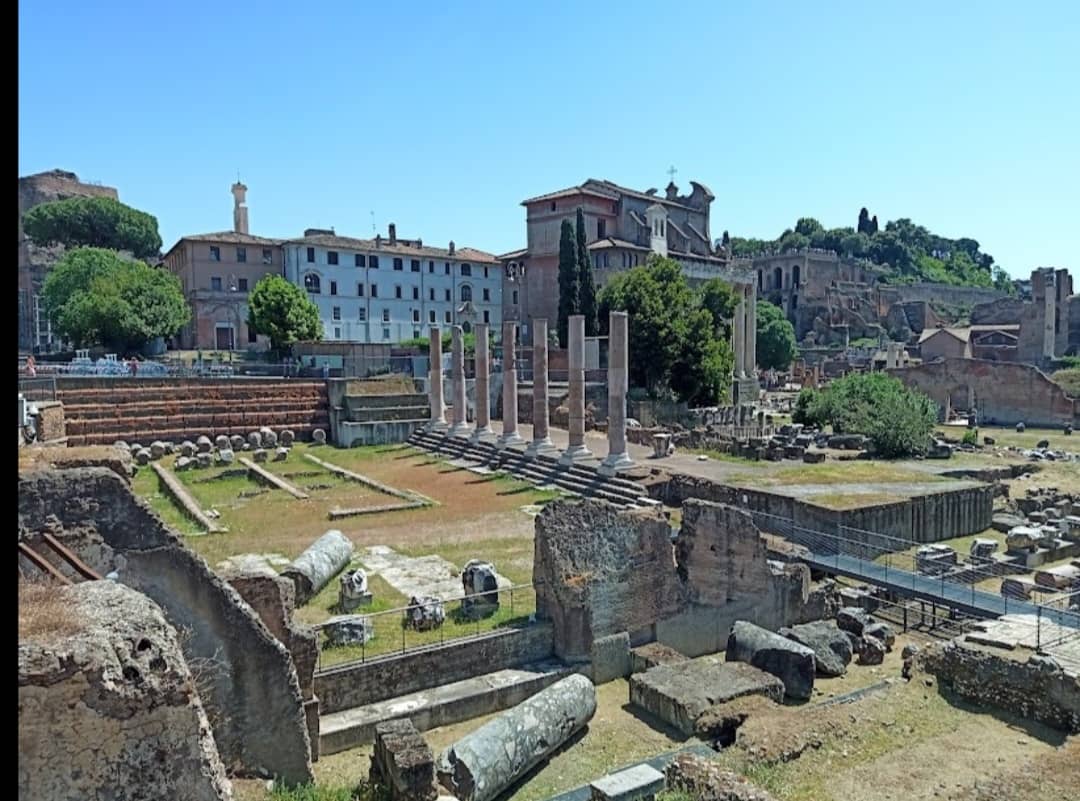
"The scale of the columns and structure suggest that the temple would have been huge and magnificent."
🏛️ View from Outside
Many visitors recommend viewing the Temple of Pax from the outside to appreciate its scale.
🚶♂️ Explore Roman Forum
It's part of the larger Roman Forum, so combine your visit with other nearby historical sites.
Quick Facts
Rating
4.7 · 143 reviews
Type
Historical Landmark
Highlights
Discover the most iconic attractions and experiences
Majestic Columns
Remains of the outer structure
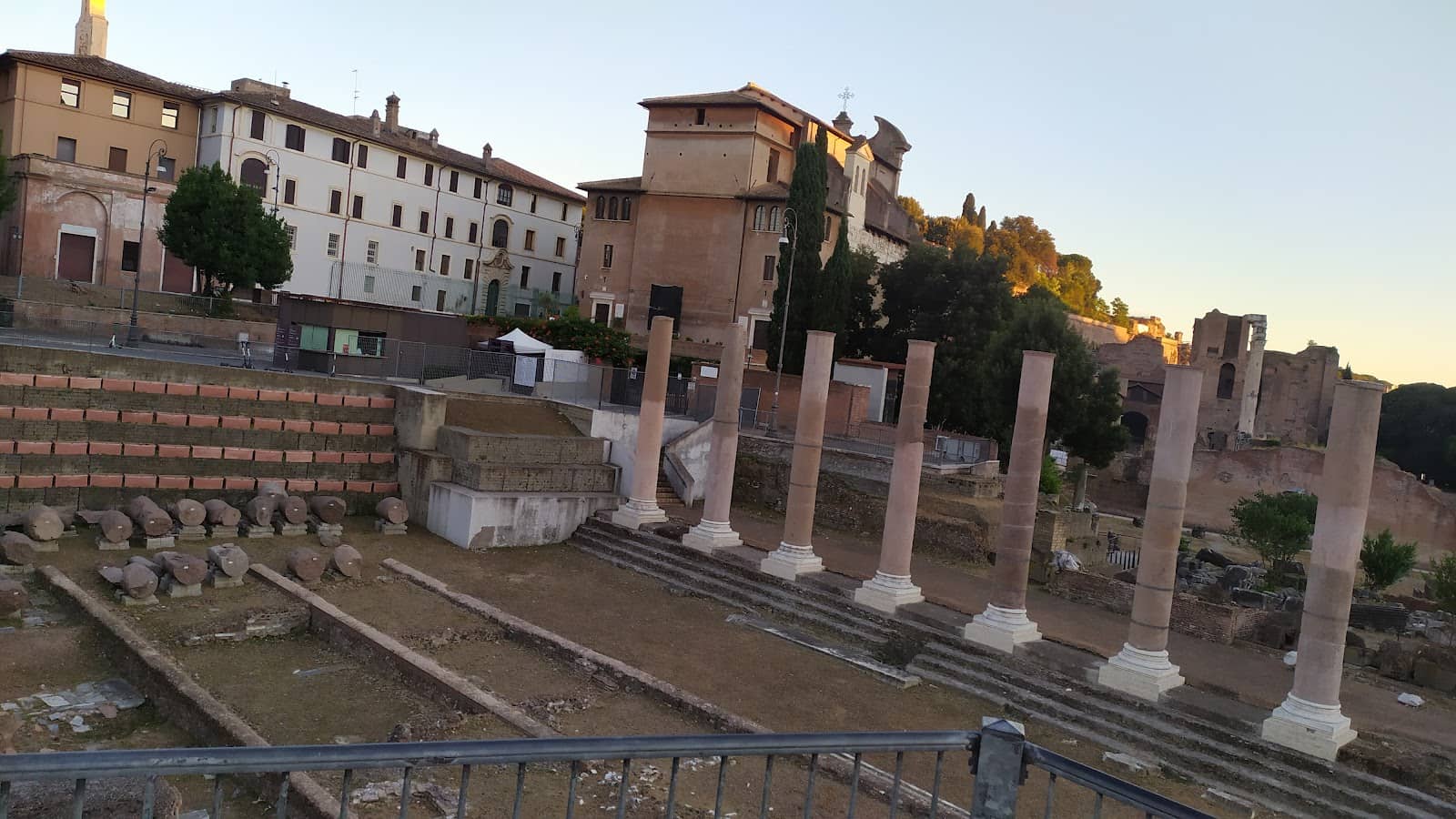
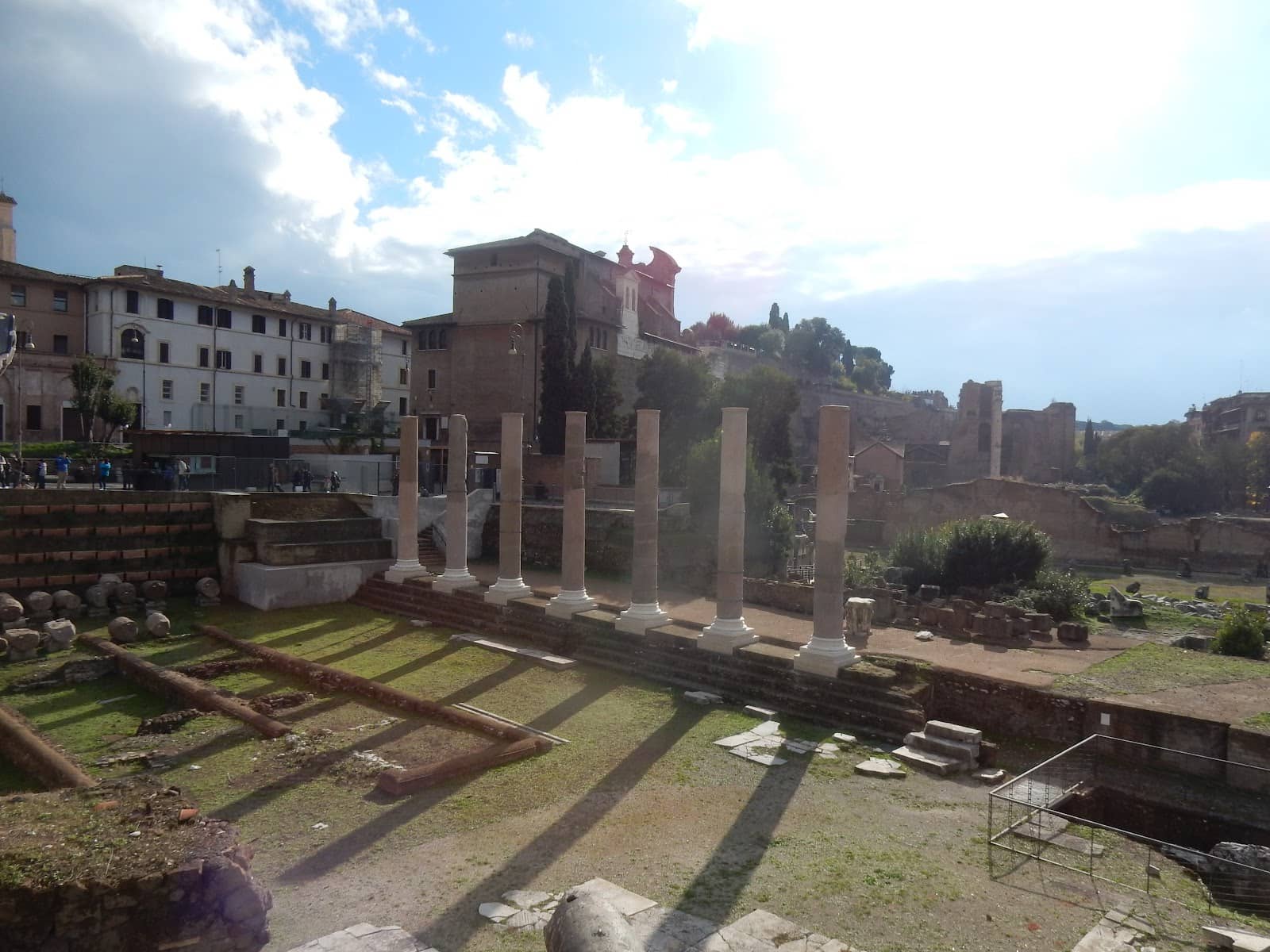
Towering columns that hint at the temple's former immense scale and architectural splendor.
Forum of Vespasian
Original temple site
Explore the historical site of this ancient Roman temple dedicated to Pax, the goddess of peace.
Underground Discoveries
Nearby archaeological sites
Uncover hidden basilicas and ancient secrets that lie beneath the modern city streets.
Plans like a pro.
Thinks like you
Planning Your Visit
Timing is Everything
What Remains Today
Best Times
Insider Tips
from TikTok, Instagram & Reddit
🏛️ View from Outside
Many visitors recommend viewing the Temple of Pax from the outside to appreciate its scale.
🚶♂️ Explore Roman Forum
It's part of the larger Roman Forum, so combine your visit with other nearby historical sites.
✨ Imagine the Grandeur
Focus on imagining the temple's original magnificence from the remaining columns and walls.
🤫 Uncover Hidden History
Look for nearby underground sites that reveal even older secrets of Rome.
Secret pagan basilica in Rome emerges from the shadows after 2,000 years
This was discovered 40 ft below street level - the walls and ceiling looks incredibly detailed.
Tips
from all over the internet
🏛️ View from Outside
Many visitors recommend viewing the Temple of Pax from the outside to appreciate its scale.
🚶♂️ Explore Roman Forum
It's part of the larger Roman Forum, so combine your visit with other nearby historical sites.
✨ Imagine the Grandeur
Focus on imagining the temple's original magnificence from the remaining columns and walls.
🤫 Uncover Hidden History
Look for nearby underground sites that reveal even older secrets of Rome.
What Travellers Say
Reviews Summary
Visitors find the Temple of Pax, or Forum of Vespasian, to be a compelling glimpse into Rome's past, with its remaining columns evoking a sense of its former grandeur. While much of the structure is gone, its historical significance and integration within the larger Roman Forum make it a worthwhile stop. Some suggest it's best appreciated from the outside, focusing on imagining its scale.
"Forum of Peace or The Temple of Peace was a temple built between 70 - 75 AD. Now only a few columns remain along with remains of some of the outer structure. The scale of the columns and structure suggest that the temple would have been huge and magnificent. As with most of Roma, there history in almost everything around."
A R
"Best viewed from the pad, no need to go inside, there's a lot more to see in Rome."
Marin “SayanMk” Kolev
"The Temple of Peace, also known as the Forum of Vespasian, was built in Rome in 71 AD under Emperor Vespasian in honour to Pax, the Roman goddess of peace"
jyotir pandya
What People Like
What People Dislike
Frequently Asked Questions
🚇 🗺️ Getting There
The Temple of Pax, also known as the Forum of Vespasian, is located within the Roman Forum. You can reach it by taking public transport to the Colosseo metro station (Line B) and then walking. Many visitors find it convenient to explore as part of a larger tour of the Roman Forum and Palatine Hill.
As it's part of the Roman Forum, accessibility can vary. The main areas are generally walkable, but some parts might have uneven terrain. Comfortable walking shoes are a must.
Using a good map of the Roman Forum is essential. Many visitors recommend guided tours to fully understand the historical context of the various ruins, including the Temple of Pax.
🎫 🎫 Tickets & Entry
Yes, the Temple of Pax is part of the Roman Forum complex, which requires an entrance ticket. Tickets often include access to the Colosseum and Palatine Hill as well. Booking in advance is highly recommended to avoid long queues.
The opening hours are generally aligned with the Roman Forum, which vary seasonally. It's best to check the official website for the most up-to-date information before your visit.
Absolutely! You can explore the Temple of Pax and the Roman Forum independently with your ticket. However, a guide or audio guide can greatly enhance your understanding of the history.
While the main attraction is the historical ruins, keep an eye on official announcements for any temporary exhibitions or special events that might be happening in the Roman Forum area.
📸 📸 Photography
The remaining columns offer dramatic photographic opportunities, especially during the golden hours of sunrise and sunset. Try to capture the scale by including people in your shots.
Photography is generally allowed in the outdoor areas of the Roman Forum, including the Temple of Pax. However, always be mindful of any specific signage or restrictions.

A wide-angle lens is great for capturing the scale of the columns and ruins. A tripod can be useful for low-light conditions, but check if they are permitted in all areas.
Look for perspectives that highlight the contrast between the ancient ruins and the modern city in the background. The underground sites nearby also offer unique, atmospheric shots.
🎫 🏛️ Onsite Experience
Today, you'll see the impressive remains of large columns and fragments of the outer structure, giving you a sense of its former grandeur. Much of the temple is now buried beneath street level.
As it's part of the Roman Forum, it's best to allocate at least 2-3 hours to explore the entire complex, including the Temple of Pax. If you're doing a full Roman Forum and Palatine Hill visit, plan for half a day.
The Temple of Pax was built by Emperor Vespasian between 71-75 AD to commemorate the victory over Jerusalem and dedicated to Pax, the Roman goddess of peace. +1
Nearby underground sites, like the secret pagan basilica, reveal incredibly detailed walls and ceilings, offering insights into religious practices that were once considered a threat to the empire.
Social
from TikTok, Instagram & Reddit