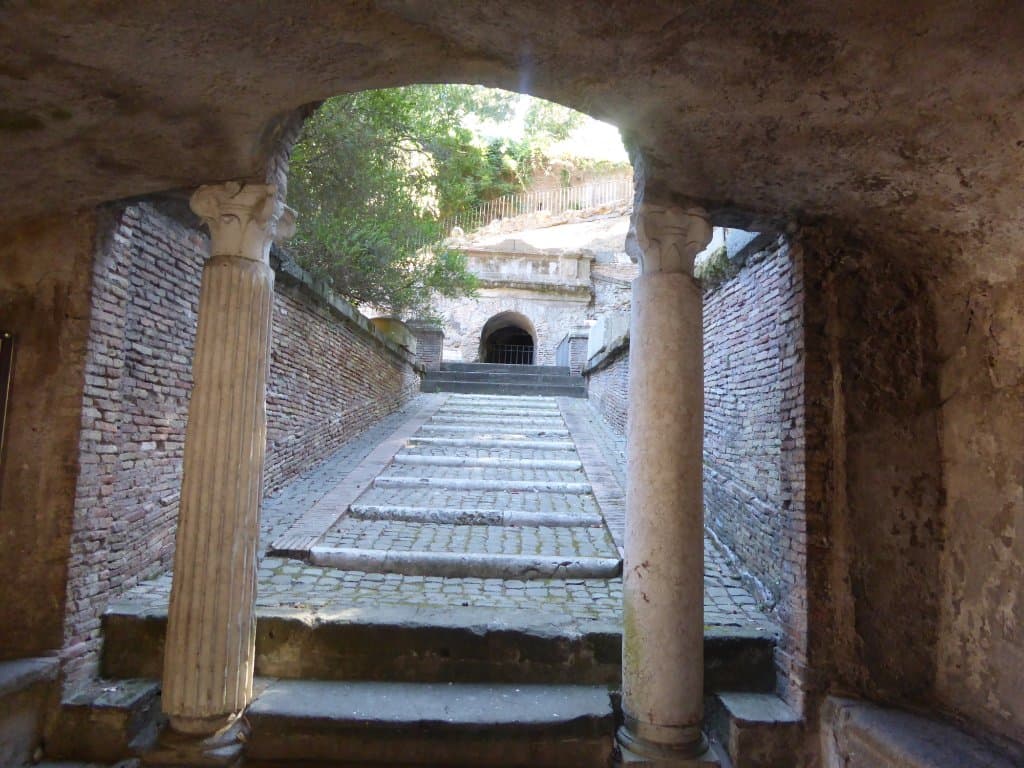
Tomb of the Scipios Rome
An ancient underground tomb on the Via Appia, revealing the legacy of Rome's powerful Scipio family. A true hidden gem.
Highlights
Must-see attractions

Social
From TikTok & Reddit
Best Time
Fewer crowds, more intimate feel
Tomb of the Scipios Rome
Best Time
Fewer crowds, more intimate feel
Highlights
Must-see attractions
An ancient underground tomb on the Via Appia, revealing the legacy of Rome's powerful Scipio family. A true hidden gem.
"An incredible complex spanning the 3rd century BC and the Imperial Age, offering an authentic immersion in Republican Rome."
🎯 Book a Guided Tour
Essential for access & understanding. Roma Sotterranea highly recommended!
👟 Comfortable Footwear
You'll be walking underground. Sturdy shoes are a must for exploring the hypogeum.
Quick Facts
Rating
4.4 · 28 reviews
Type
Historical Landmark
Highlights
Discover the most iconic attractions and experiences
Scipionic Elogia
Inside the hypogeum
Inscriptions celebrating the achievements of the powerful Scipio family. See copies of original texts.
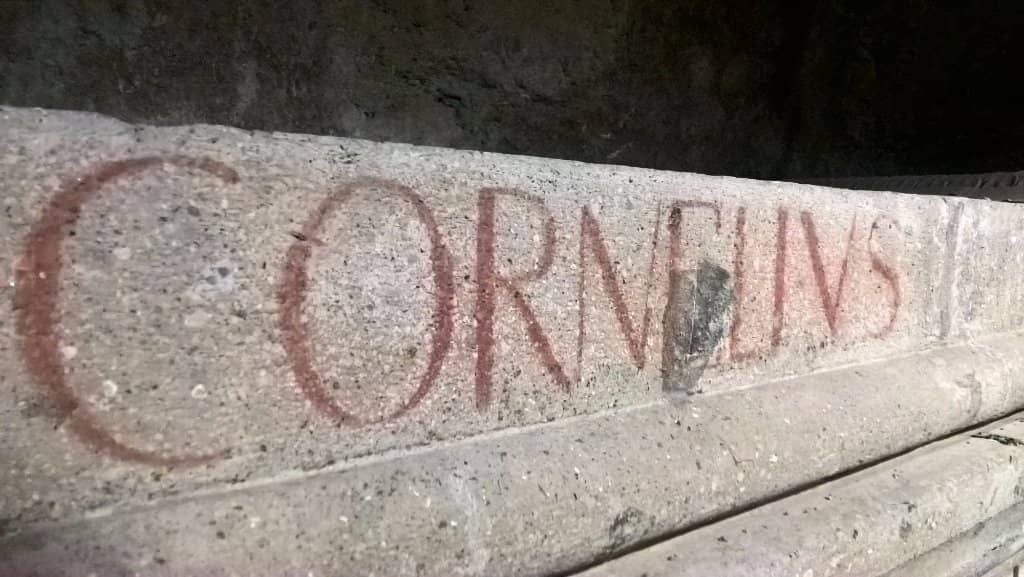
Sarcophagus of Scipio Barbatus
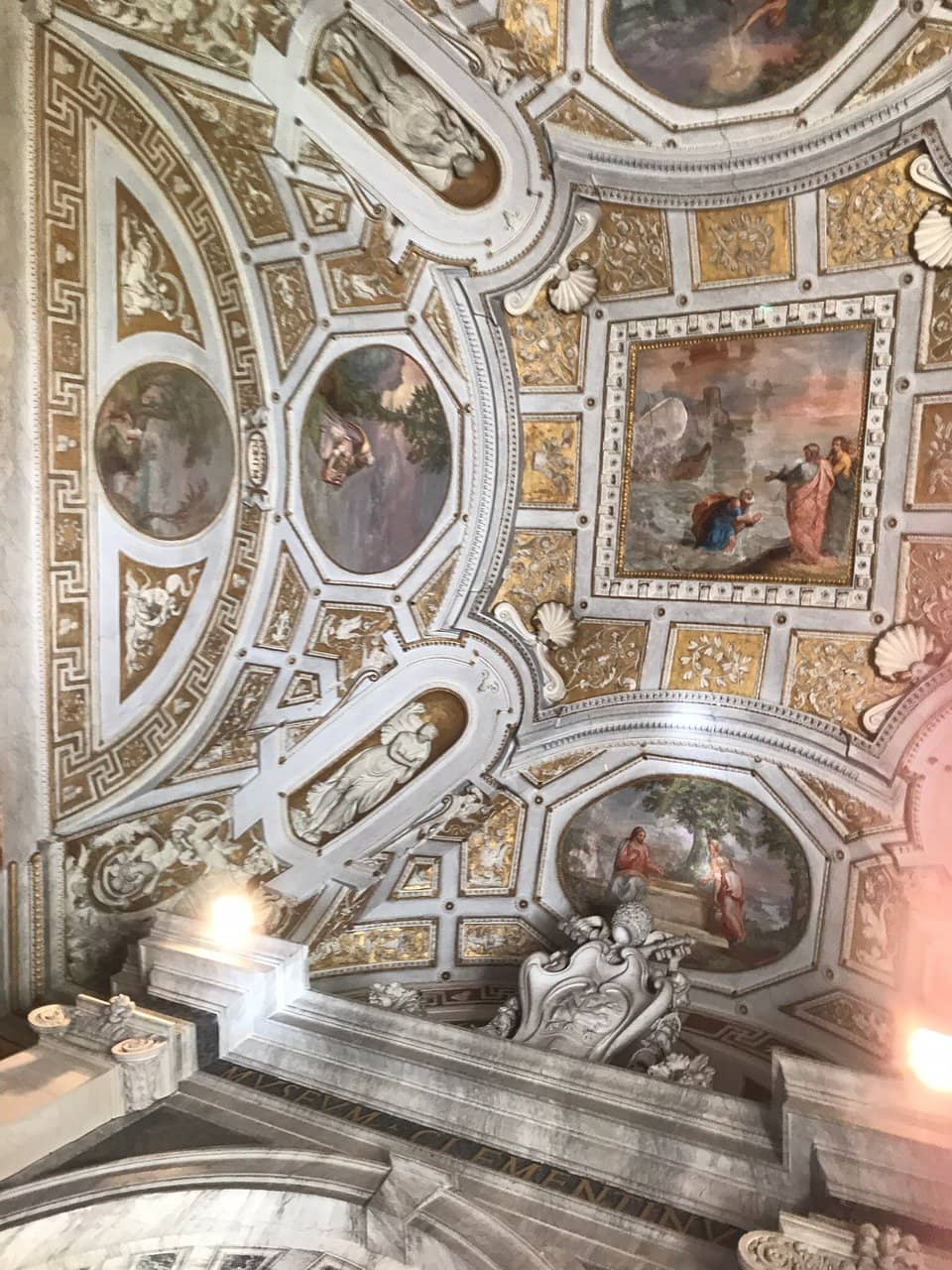
Vatican Museums (original)
The only intact sarcophagus, a testament to early Roman funerary art and the family's prominence.
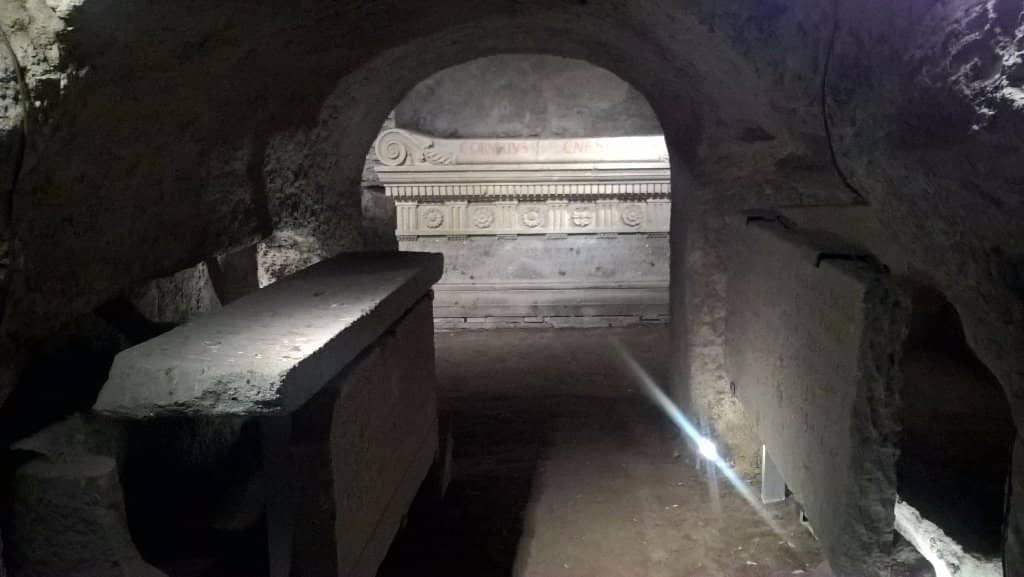
Hypogeum Tunnels
Underground complex
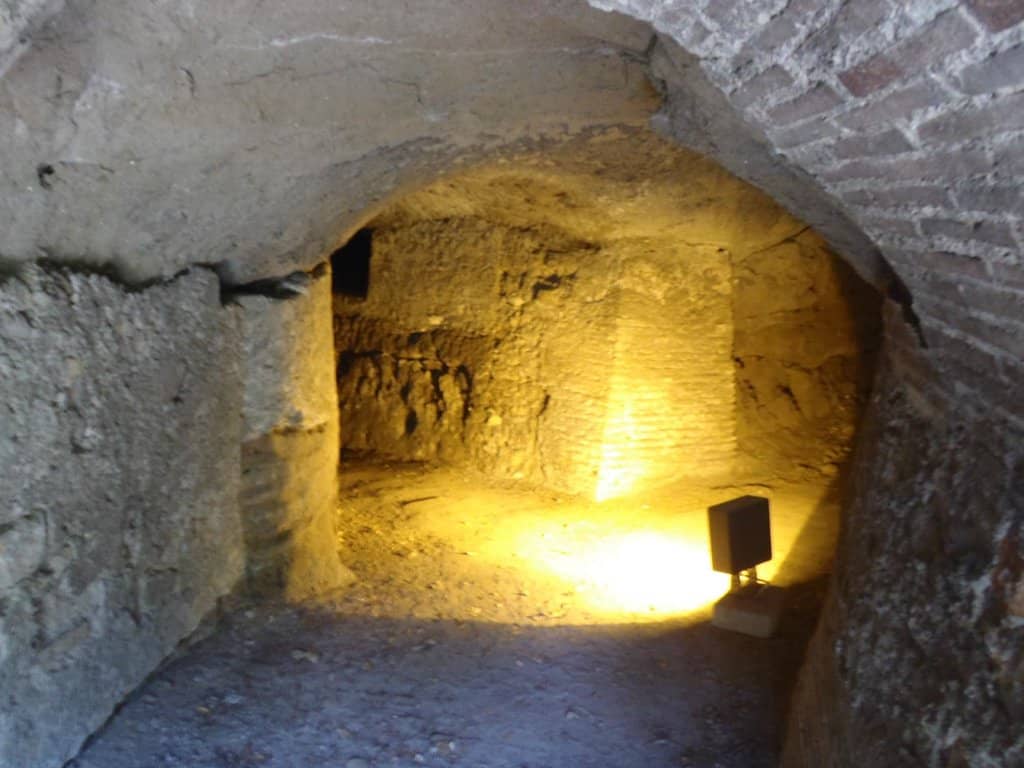
Explore the ancient tuff tunnels, the actual burial chambers of this influential Roman dynasty.
Plans like a pro.
Thinks like you
Planning Your Visit
Book in Advance for Access
Embrace the Underground
Best Times
Insider Tips
from TikTok, Instagram & Reddit
🎯 Book a Guided Tour
Essential for access & understanding. Roma Sotterranea highly recommended!
👟 Comfortable Footwear
You'll be walking underground. Sturdy shoes are a must for exploring the hypogeum.
📜 Learn About the Scipios
Research the family beforehand to appreciate their impact on Roman history.
💧 Stay Hydrated
Especially in warmer months, bring water for your underground exploration. :droplet:
Tips
from all over the internet
🎯 Book a Guided Tour
Essential for access & understanding. Roma Sotterranea highly recommended!
👟 Comfortable Footwear
You'll be walking underground. Sturdy shoes are a must for exploring the hypogeum.
📜 Learn About the Scipios
Research the family beforehand to appreciate their impact on Roman history.
💧 Stay Hydrated
Especially in warmer months, bring water for your underground exploration. :droplet:
What Travellers Say
Reviews Summary
Visitors praise the Tomb of the Scipios as an incredible, often overlooked, hidden gem offering a unique glimpse into Republican Rome. The underground hypogeum and the historical significance of the Scipio family are major draws, though access typically requires booking a guided tour. Some find the site less visually grand than other Roman attractions, but its historical depth is highly appreciated.
"Real amazing hidden gem at the start of the ancient via Appia. You have to find a tour guide. We used Roma Sotterranea, with Sara as our guide. High recommended!"
poluistor nobody
"TOMB OF THE SCIPIONS
Rome, off the beaten track, offers breathtaking landscapes and heritage.
This morning we visited the Tomb of the Scipios on the Appian Way: an incredible complex spanning the 3rd century BC and the Imperial Age, with several tiers of tombs and a beautiful insula. There were four of us, the caretaker, and a wonderful archaeologist, an expert in topography but also a link between anthropology, architecture, and literature.
The Scipios were a powerful and wealthy family that produced figures such as Scipio Cornelius Barbatus, Scipio Aemilianus, and Scipio Africanus; They were progressives in the modern sense, open to the cultural stimuli of the Greek world and interested in non-Roman intellectuals, to the point that the historian Polybius, captured during one of the conquest campaigns, joined the Scipio circle, made up of intellectuals and men of letters of the caliber of Ennius and Terence.
At the end of the 3rd century BC, Scipio Africanus defeated Hannibal at Zama and then conquered Asia Minor. Despite a resounding triumph, he was subjected to such strong political attacks from the conservative faction represented by Cato the Censor that he went into self-exile, uttered the famous invective "ungrateful fatherland, I have no bones left to me," and was subsequently buried a liternum.
From this visit, I took home the stark contrast between two philosophers, which I will discuss in more detail in the next post but which can be summed up by the maxim of Terence, a member of the Scipio circle and born in North Africa: "HOMO SUM HUMANI NIHIL A ME ALIENUM PUTO" (I am human, nothing is alien to me) and that of Cato the Censor with his Romanus sum (I am Roman).
See you in the next post to explore the implications of these two diametrically opposed visions, both culturally and politically, even today."
sonia modenese
"An Authentic Immersion in Republican Rome
The Tomb of the Scipios is a fascinating and often overlooked archaeological site, offering a unique insight into Republican Rome. Tucked away a short distance from the bustling Baths of Caracalla and Porta San Sebastiano, this hypogeum was the burial place of the noble Scipio family, one of the most important and influential in ancient Rome, from the 3rd to the 1st century BC.
Visiting the tomb is a captivating experience: you enter a complex of tunnels dug into the tuff, where the burial niches and funerary inscriptions ("elogia") celebrating the virtues and achievements of family members, including legendary figures such as Scipio Africanus, are still visible (or have been replaced with copies, as the originals are preserved elsewhere, such as the sarcophagus of Scipio Barbatus in the Vatican Museums).
The atmosphere is intimate and steeped in history, far removed from the more imposing monumentality of other Roman sites. Here, one can tangibly sense the grandeur of a gens that profoundly influenced the history of Rome. It's a place that invites reflection and offers an authentic glimpse into the funerary traditions and aristocratic mentality of the Republican era.
For history and archaeology enthusiasts, or simply for those seeking a fascinating place off the beaten track, the Tomb of the Scipios is a highly recommended stop that greatly enriches one's understanding of Rome's long and complex history."
Diego Cesaro
What People Like
What People Dislike
Frequently Asked Questions
🚇 🗺️ Getting There
The Tomb of the Scipios is located near the Baths of Caracalla and Porta San Sebastiano, along the Via Appia Antica. You can reach it by bus (e.g., lines 118 or 628) or by taxi. It's a bit off the main tourist path, so check public transport routes carefully.
While accessible by bus, it requires a walk from the nearest stop. Many visitors opt for a taxi for direct access, especially if combining with other Appian Way sites.
It's a significant walk, approximately 45-60 minutes. It's more feasible to take a bus or taxi to get closer to the site.
Street parking can be very limited in this area. If driving, research designated parking areas in advance or consider public transport.
It's located along the Via Appia Antica, which is an extensive archaeological park. You can combine a visit with other nearby sites like the Baths of Caracalla.
🎫 🎫 Tickets & Entry
Yes, tickets are required, and it's highly recommended to book in advance, often as part of a guided tour. Spontaneous entry can be difficult.
Ticket prices can vary, especially if booking a guided tour. Check with local tour operators like Roma Sotterranea for current pricing.
Opening hours can be variable and are often tied to tour schedules. It's best to confirm directly with the tour provider or the official site if available.
Access is often restricted and managed by tour operators. A guide is generally necessary to enter and fully appreciate the site.
Look for reputable local tour companies specializing in Roman archaeology, such as Roma Sotterranea, which is frequently recommended.
🎫 🏛️ Onsite Experience
It's an underground hypogeum with tunnels, burial niches, and inscriptions (elogia). The atmosphere is ancient and evocative.
The underground nature and uneven surfaces can make it challenging. It's best to inquire with tour operators about accessibility before booking.
A guided tour usually lasts about 1-1.5 hours, allowing time for exploration and explanations.
Restroom facilities may be limited or only available at the tour operator's meeting point. It's advisable to use facilities before your tour begins.
Photography policies can vary. It's best to check with your guide, but generally, non-flash photography is permitted.
🎫 📜 History & Significance
The Scipios were a powerful Roman family, producing generals like Scipio Africanus. Their tomb is a significant example of Republican-era funerary architecture and aristocratic life.
While the tomb was for the Scipio family, it's uncertain if Scipio Africanus himself is buried there; his tomb might be at Liternum. His sarcophagus is in the Vatican.
Founded in the 3rd century BC, it was in use until the 1st century BC and later incorporated into a dwelling. It was rediscovered in the 18th century.
Elogia are inscriptions on sarcophagi or monuments that celebrate the virtues and achievements of the deceased, serving as a form of family legacy.
The tomb is situated along the historic Via Appia Antica, one of Rome's oldest and most important ancient roads, highlighting its strategic and historical location.
Social
from TikTok, Instagram & Reddit