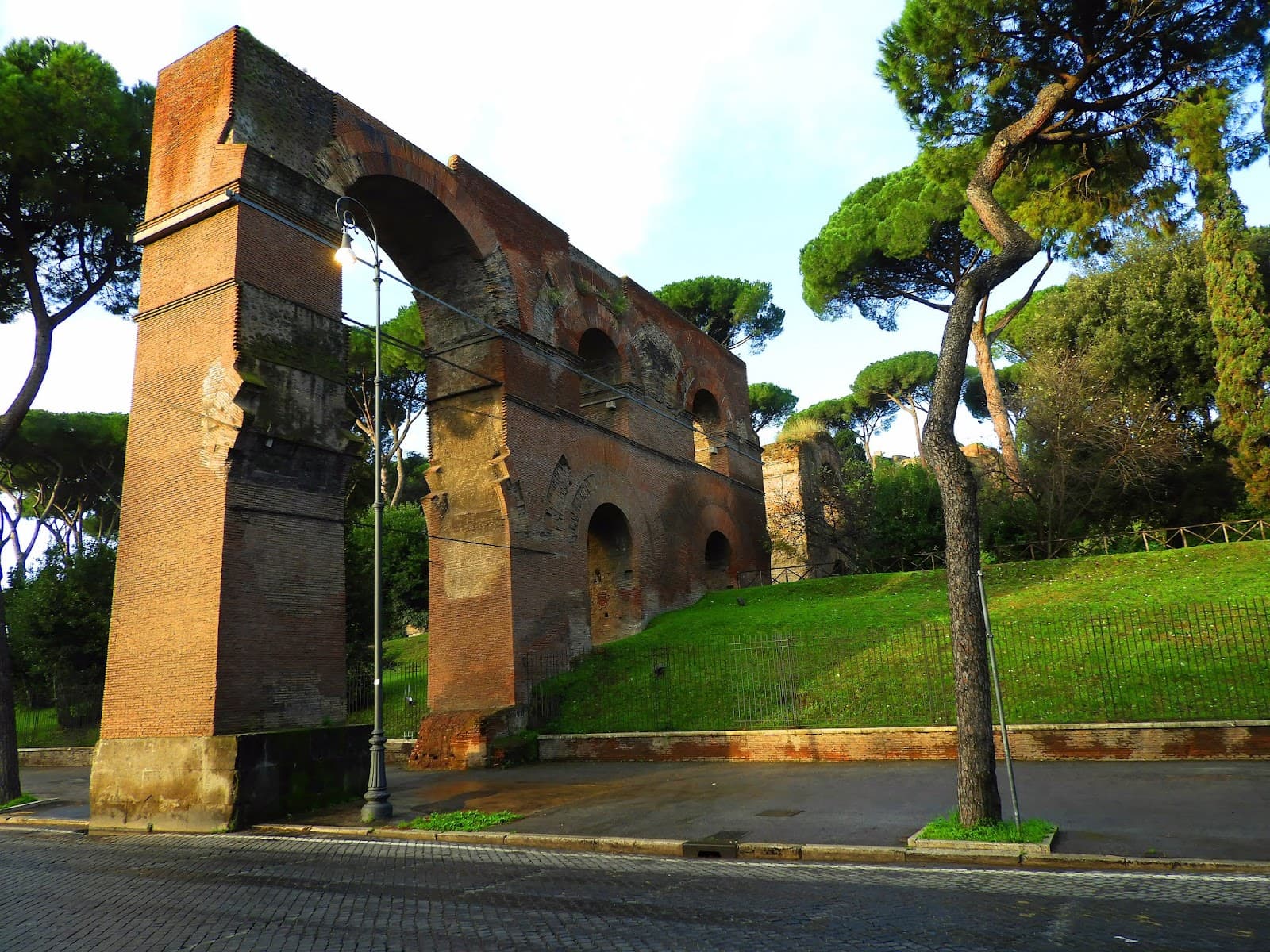
Via Appia Antica and Aqua Claudia Rome
Walk the ancient 'Queen of Roads' and marvel at the colossal arches of the Aqua Claudia, Rome's engineering marvels.
Highlights
Must-see attractions

Social
From TikTok & Reddit
Best Time
Fewer crowds, cooler temps
Via Appia Antica and Aqua Claudia Rome
Best Time
Fewer crowds, cooler temps
Highlights
Must-see attractions
Walk the ancient 'Queen of Roads' and marvel at the colossal arches of the Aqua Claudia, Rome's engineering marvels.
"The scale of these 2000-year-old structures is truly awe-inspiring!"
👟 Wear Comfy Shoes
Cobblestones and uneven paths! Prioritize comfort for exploring the Via Appia Antica. :athletic_shoe:
💧 Stay Hydrated
Bring plenty of water, especially in summer. Amenities are limited along the ancient road. :droplet:
Highlights
Discover the most iconic attractions and experiences
Aqua Claudia Arches
Via di San Gregorio
Majestic Roman aqueduct arches, a testament to ancient engineering, still standing tall.
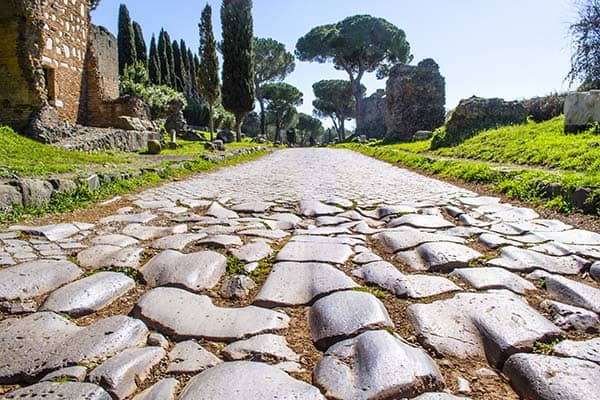
Via Appia Antica
Southern Rome
Walk the 'Queen of Roads,' an ancient Roman highway lined with ruins and history.

Tombs and Ruins
Along Via Appia Antica
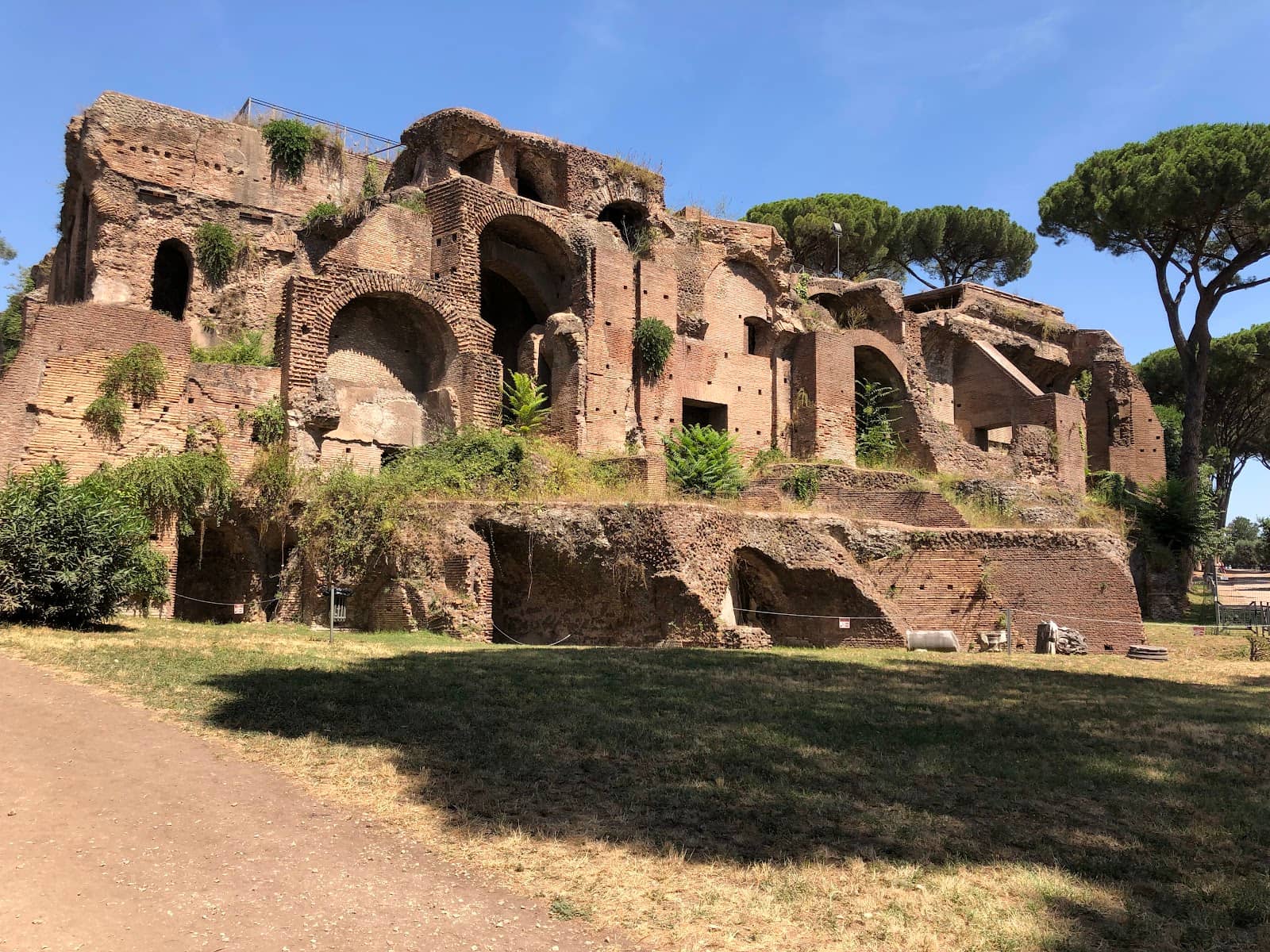
Explore ancient tombs, villas, and mausoleums that whisper tales of Roman life.
Plans like a pro.
Thinks like you
Planning Your Visit
Timing is Everything
Comfortable Exploration
Best Times
Insider Tips
from TikTok, Instagram & Reddit
👟 Wear Comfy Shoes
Cobblestones and uneven paths! Prioritize comfort for exploring the Via Appia Antica. :athletic_shoe:
💧 Stay Hydrated
Bring plenty of water, especially in summer. Amenities are limited along the ancient road. :droplet:
☀️ Sun Protection
Hats and sunscreen are essential. There's not much shade on the Via Appia Antica. :sunwithface:
🚶♀️ Explore at Your Pace
Don't rush! Take time to wander off the main path and discover hidden ruins. :walking:
Tips
from all over the internet
👟 Wear Comfy Shoes
Cobblestones and uneven paths! Prioritize comfort for exploring the Via Appia Antica. :athletic_shoe:
💧 Stay Hydrated
Bring plenty of water, especially in summer. Amenities are limited along the ancient road. :droplet:
☀️ Sun Protection
Hats and sunscreen are essential. There's not much shade on the Via Appia Antica. :sunwithface:
🚶♀️ Explore at Your Pace
Don't rush! Take time to wander off the main path and discover hidden ruins. :walking:
What Travellers Say
Reviews Summary
Visitors are consistently awed by the scale and preservation of the Aqua Claudia arches and the historical significance of the Via Appia Antica. The opportunity to walk on ancient Roman roads and see millennia-old structures is a major draw. However, some find the lack of clear information on-site and limited amenities to be drawbacks.
"The Aqua Claudia was begun by Emperor Caligula and completed by Claudius. It originated in the Sabine Mountains, approximately 35 miles from Rome, and its total length, including turns, was about 45 miles. This aqueduct primarily ran underground for much of its 43-mile length and was capable of transporting water at a rate of 80 cubic feet per second. The Aqua Claudia was the third most capacious aqueduct in Rome, following the Aqua Anio Novus and the Aqua Marcia."
Leonardo Gonzalez
"It is impressive to see an almost 2000 years old structure standing tall, but being in Rome, this is pretty common. Even though it is mentioned that the structure acts as an aqueduct, it is not clear how exactly that is being performed. The guides also do not have much information."
Sumanta Chakraborty
"Located just to the north of the Circo Maxximo along Via di San Gregoerio, this is one of the remaining arches of the aqueduct that was constructed under Emperor Caligula and Emperor Claudius and was completed in 52 AD. It brought water over 40 miles from the mountains and helped to provide to all 14 districts of Rome.
It's in decent shape today and easily visible along the roadway. The scale of something like this that is over 2000 years old and still standing today is impressive. That said, I'd not go out of the way. A Hop On / Hop Off bus stop is here and the bus spends enough time to jump out, walk through the arch itself and get back on for the next stop."
Bruce InCharlotte
What People Like
What People Dislike
Frequently Asked Questions
🚇 🗺️ Getting There
You can reach the Aqua Claudia arches easily via public transport. Take the Metro Line B to Circo Massimo station, and the arches are a short walk away along Via di San Gregorio. For the Via Appia Antica, consider taking bus 118 from the city center, which stops along the route. Some travelers suggest a Hop-On Hop-Off bus as a convenient way to see the arches with limited time.
Parking can be challenging, especially during peak season. If driving, look for designated parking areas, but be prepared for limited availability. Public transport is often a more reliable option for accessing both sites.
While they are in the same general vicinity, walking directly between the Aqua Claudia arches and the main stretch of Via Appia Antica might be a longer trek than anticipated. It's often more practical to use public transport or a taxi to transition between the two areas.
Many visitors opt to walk or cycle along the Via Appia Antica to fully experience its length and historical significance. Renting a bike can be a great way to cover more ground and enjoy the scenery. Bus 118 also provides access to various points along the road.
Yes, guided tours are available and highly recommended for a deeper understanding of the history and significance of these ancient sites. Many tours combine both the aqueduct and the Appian Way, offering valuable insights that might not be obvious otherwise.
🎫 🎫 Tickets & Entry
The Aqua Claudia arches themselves are generally visible from the outside and do not require a ticket to view. They are an impressive sight along the roadside, and you can walk right up to them.
The Via Appia Antica itself is a public road and park, so there is no general entrance fee to walk or cycle along it. However, some specific archaeological sites and tombs along the route may have separate admission fees.
The Via Appia Antica park is generally accessible throughout the day. However, specific archaeological sites and museums within the park may have their own operating hours, so it's best to check in advance.
For specific tombs or museums along the Via Appia Antica, it's advisable to check if advance booking is recommended or required. Some smaller sites might offer on-site ticket purchases, but popular ones can sell out.
While there isn't a single 'combined ticket' for everything, purchasing tickets for nearby attractions like the Colosseum or Roman Forum might be part of a broader Rome itinerary. For the Appian Way, focus on individual site tickets if needed.
🎫 🧭 Onsite Experience
The best way to experience the Via Appia Antica is by walking or cycling. This allows you to truly appreciate the scale of the ancient road, explore the surrounding ruins, and imagine life in Roman times. Renting a bike is a popular option for covering more ground.
For the Aqua Claudia arches, a quick stop of 30-60 minutes is usually sufficient to admire them. To truly explore the Via Appia Antica, dedicate at least half a day, or even a full day if you plan to visit multiple tombs and sites along its length.
Restroom facilities and water fountains can be scarce along the Via Appia Antica. It's highly recommended to use facilities before you start your exploration and carry ample water with you. Some cafes or visitor centers might offer these amenities.
The main paved sections of the Via Appia Antica are relatively accessible, but many of the ancient cobblestones and uneven terrain can be challenging for strollers and wheelchairs. Some of the archaeological sites may also have limited accessibility.
Along the Via Appia Antica, you'll find a variety of ancient Roman ruins, including impressive mausoleums, tombs, villas, and remnants of ancient roads. It's like walking through an open-air museum of Roman history.
📸 📸 Photography
The most iconic photo spots for Aqua Claudia are from a distance, capturing the full scale of the arches against the sky. Experiment with different angles to showcase their grandeur. The late afternoon light can create dramatic shadows.
The golden hours – early morning and late afternoon – offer the most beautiful light for photography along the Via Appia Antica. The soft light enhances the textures of the ancient stones and creates a magical atmosphere.
A versatile lens, like a 24-70mm, is great for capturing both wide shots of the landscape and details of the ruins. A wide-angle lens can be useful for the grand scale of the aqueduct arches. Don't forget a sturdy tripod for low-light conditions.
Drone usage is generally restricted in archaeological areas and within city limits in Rome. It's best to check local regulations before flying a drone to avoid fines or confiscation.
Focus on the textures of the ancient stones, the scale of the ruins against the landscape, and include elements that suggest human presence, like a person walking on the road. Look for interesting light and shadow play to add depth.
For Different Travelers
Tailored advice for your travel style
👨👩👧 Families with Kids
Pack plenty of snacks and water, as amenities are limited. Consider renting bikes with child seats or trailers for a fun way to cover more ground on the Appian Way. The open spaces and historical intrigue make it a memorable outing, turning a history lesson into an active exploration.
🚶♀️ History Buffs & Archaeology Enthusiasts
Consider hiring a knowledgeable local guide or using detailed historical resources to fully grasp the significance of the sites. The opportunity to walk on the same stones as Roman legions and citizens is a profound experience that brings history to life.
Deep Dives
In-depth insights and expert knowledge
The Engineering Marvel of Aqua Claudia
Much of its impressive 43-mile length ran underground, a testament to the Romans' advanced tunneling techniques. The visible sections, like the iconic arches near the Circus Maximus, showcase the sophisticated construction methods used to elevate the water supply across varying terrain. These towering structures, still standing nearly 2,000 years later, are a powerful reminder of the empire's architectural prowess and its commitment to public infrastructure.
While the exact mechanisms of water transport are not always clear to the casual observer, the sheer scale and durability of the Aqua Claudia are undeniable. Guides often provide context, but the visual impact of these ancient arches is profound. They served not just a practical purpose but also symbolized Rome's power and ability to control and distribute vital resources throughout the city.
Walking the Via Appia Antica: A Journey Through Time
The road is famously lined with a variety of ancient structures, including impressive mausoleums, tombs, villas, and churches. These ruins offer a glimpse into the lives of wealthy Romans and the funerary customs of the era. Notable sites include the Tomb of Cecilia Metella, a striking cylindrical monument, and the Villa dei Quintili, once a lavish estate. The sheer density of historical remnants makes it an unparalleled open-air museum.
To truly appreciate the Via Appia Antica, it's recommended to wear comfortable shoes and allocate ample time. Many visitors suggest exploring it by bike to cover more ground and enjoy the scenic route. The experience is enhanced by understanding the historical context, making guided tours or a good guidebook invaluable companions on this journey through Roman antiquity.
Social
from TikTok, Instagram & Reddit