Chiesa di Sant'Eustachio Scanno
A 12th-century church in Scanno, rebuilt in Baroque style, featuring ancient portals and stunning frescoes.
Highlights
Must-see attractions

Social
From TikTok & Reddit
Best Time
Quiet exploration
Chiesa di Sant'Eustachio Scanno
Best Time
Quiet exploration
Highlights
Must-see attractions
A 12th-century church in Scanno, rebuilt in Baroque style, featuring ancient portals and stunning frescoes.
"A beautiful little church just behind the Scanno "passeggio.""
Check for Events
The church often hosts concerts; attending one offers a special experience! :musical_note:
Respectful Attire
Dress modestly when visiting this sacred site. 🙏
Quick Facts
Rating
4.9 · 13 reviews
Type
Church
Highlights
Discover the most iconic attractions and experiences
12th-Century Portal
Church Facade
Admire the ancient portal with pagan influences, a testament to the church's long history.
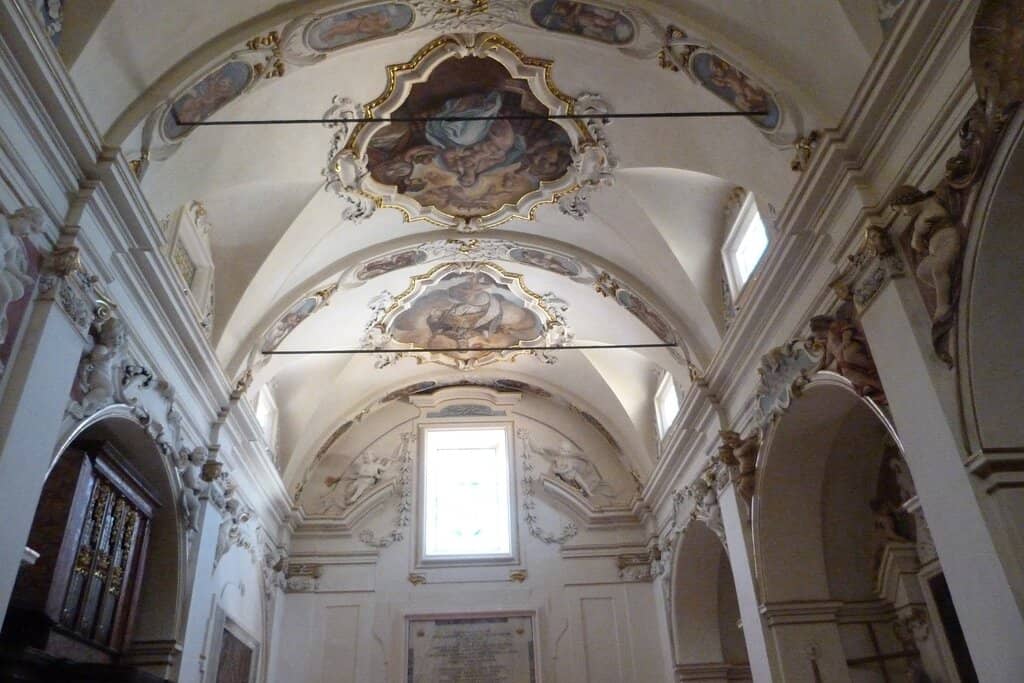
Baroque Frescoes
Barrel Vault Ceiling
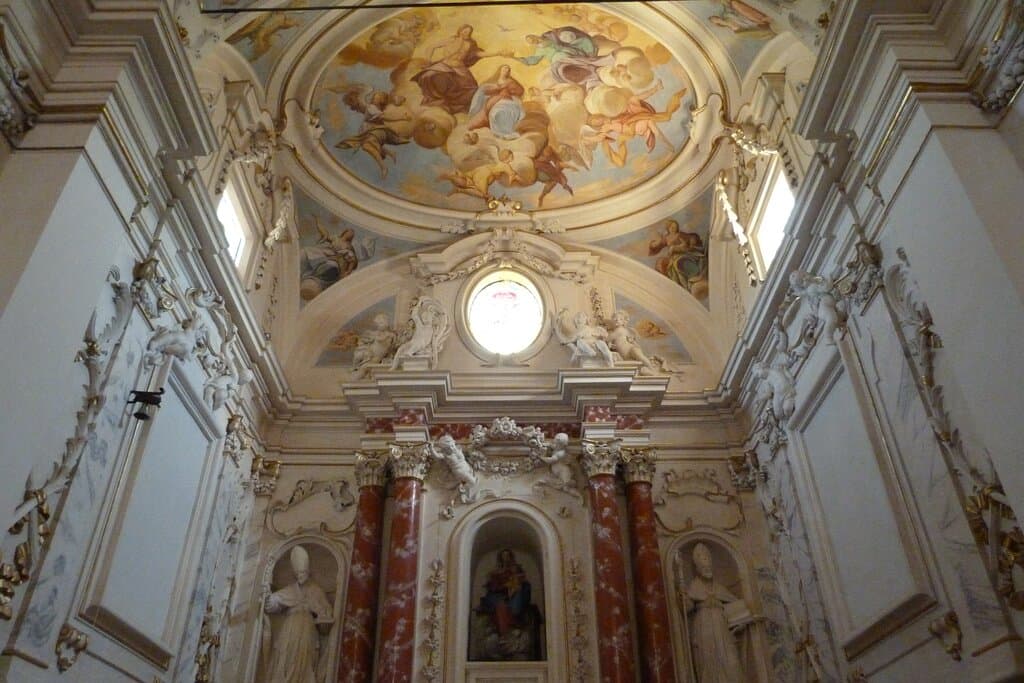
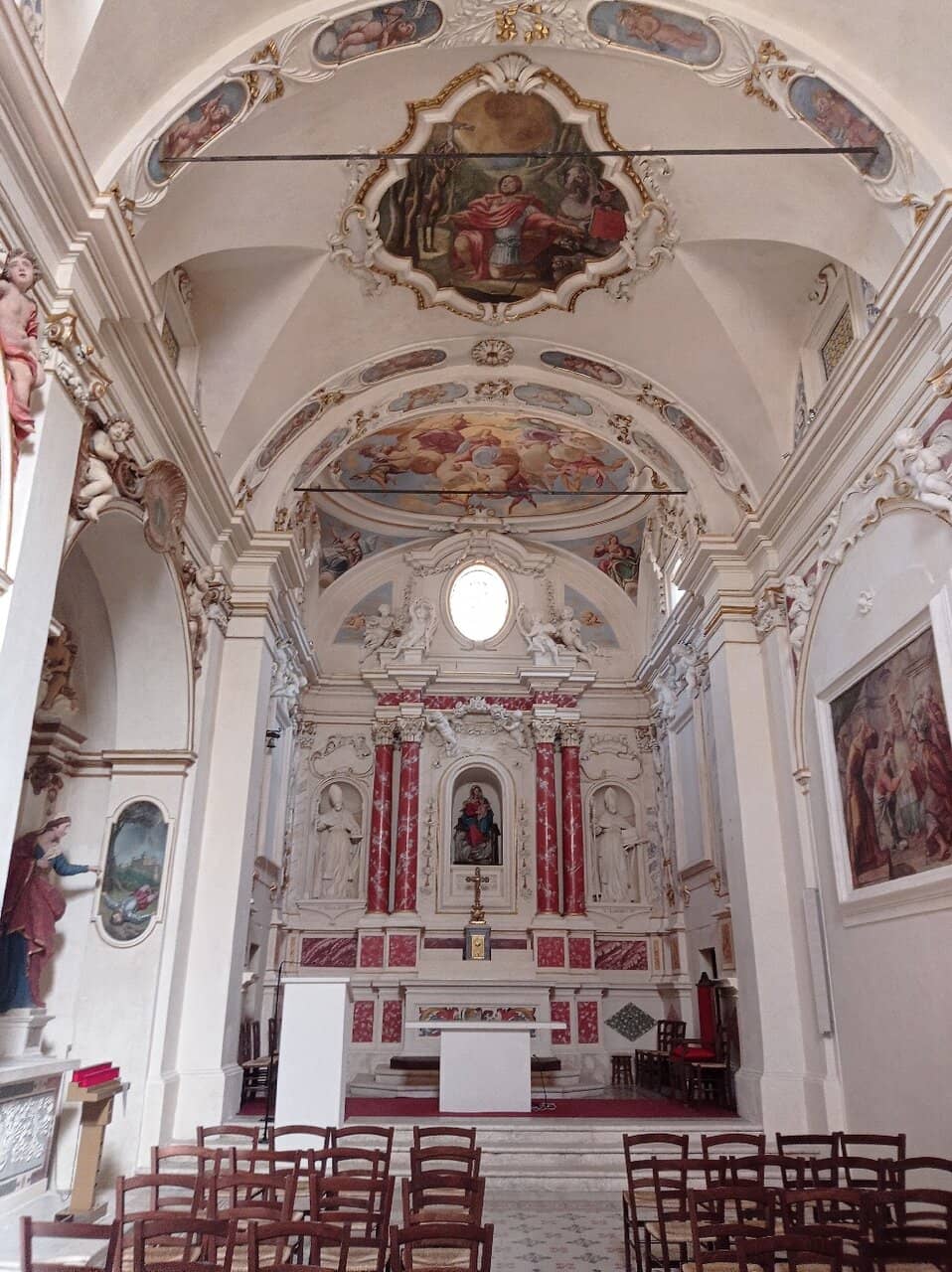
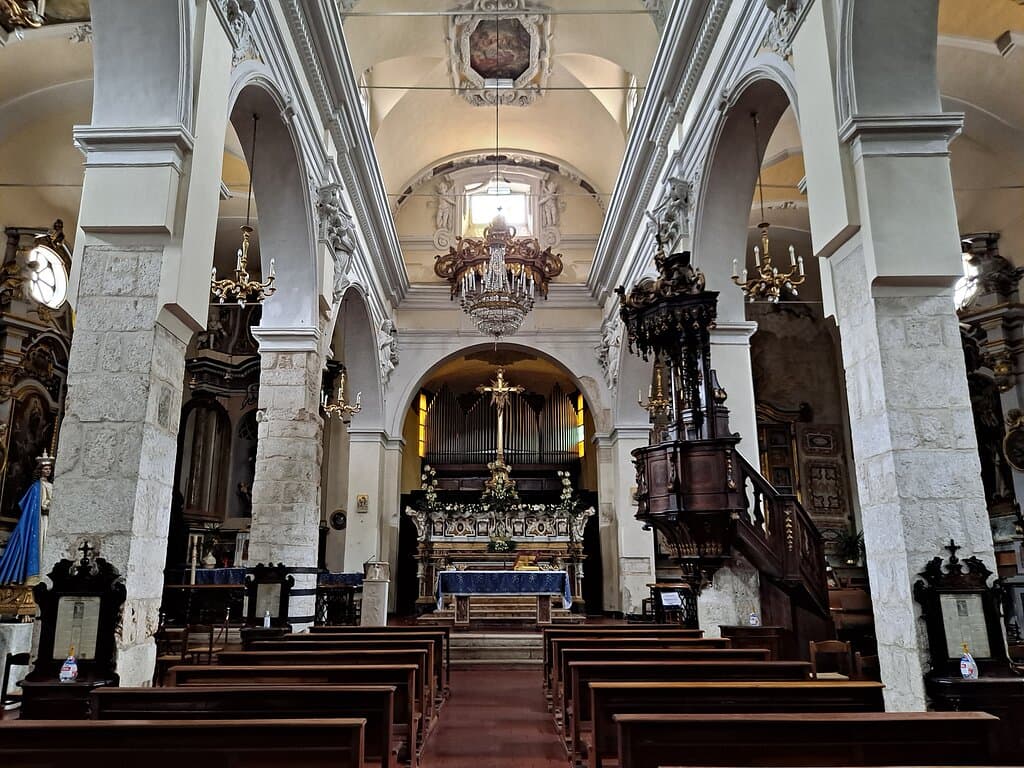
Marvel at the "Coronation of the Madonna" fresco, a stunning example of Baroque art.
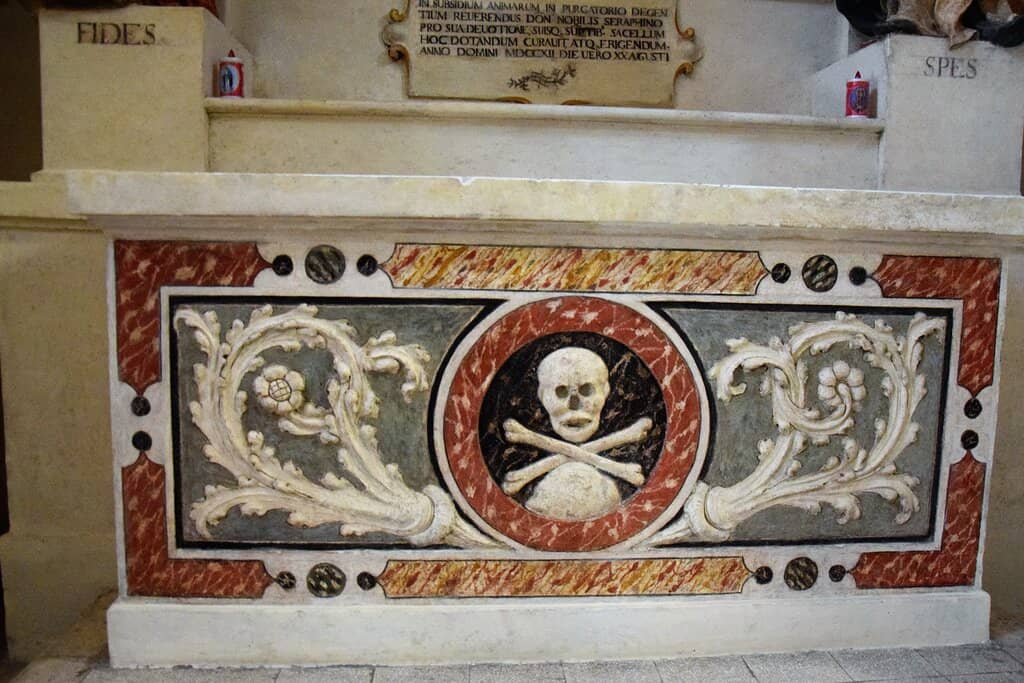
Chapels and Altars
Interior
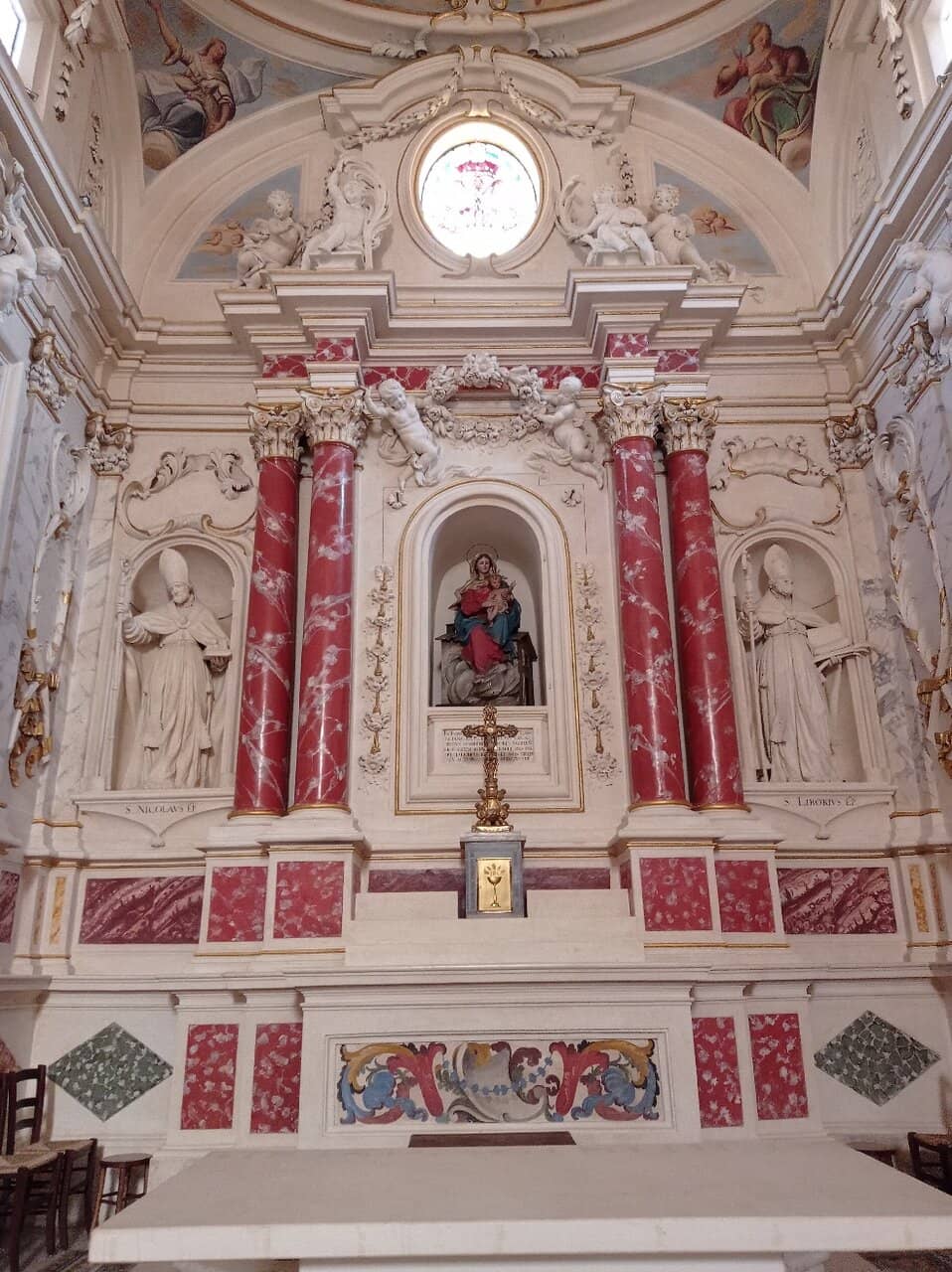
Explore the various chapels and altars, each with its own artistic and historical significance.
Plans like a pro.
Thinks like you
Planning Your Visit
Timing Your Visit
Understanding its Significance
Best Times
Insider Tips
from TikTok, Instagram & Reddit
Check for Events
The church often hosts concerts; attending one offers a special experience! :musical_note:
Respectful Attire
Dress modestly when visiting this sacred site. 🙏
Explore the Surroundings
Located near the "passeggio," it's easy to combine with a stroll. 🚶
Tips
from all over the internet
Check for Events
The church often hosts concerts; attending one offers a special experience! :musical_note:
Respectful Attire
Dress modestly when visiting this sacred site. 🙏
Explore the Surroundings
Located near the "passeggio," it's easy to combine with a stroll. 🚶
What Travellers Say
Reviews Summary
Visitors find Chiesa di Sant'Eustachio to be a beautiful and historically significant church in Scanno. Its ancient portal and Baroque frescoes are particularly admired, offering a peaceful and quaint atmosphere. While some note the absence of traditional wax candles, the church's role in hosting events adds to its charm.
"A beautiful little church just behind the Scanno "passeggio." Last year, I attended the concert with the organ still in perfect working order.
The only disappointment (for my passion) was the lack of wax candles to light."
Maurizio Fedeli
"The church of Sant'Eustachio is located in Scanno and is dedicated to Our Lady of Loreto and Saint Eustace (the latter is also the patron saint of Scanno).
The statue of Saint Eustace was placed in the chapel of San Costanzo in the church of Santa Maria della Valle before the reopening of the church dedicated to him.
The church dates back to the 12th century and is later mentioned in papal bulls issued by Adrian IV, Lucius III, Clement III, Honorius III, and Clement VI.
It was originally Scanno's main church, given the faith the townspeople showed in it when they converted to Christianity. Even today, parish priests are ordained first in this church and then in the main church.
In 1693, the church was demolished following the 1654 Sora earthquake and rebuilt at the expense of the University of Scanno and the faithful in 1712. Reconstruction was entrusted to the architect Giovan Battista Gianni, while the altar was rebuilt in 1698 by Don Loreto Colarossi. This work was commissioned by the chaplain and rector Loreto Colarossi. During this period, the chapel of the Madonna di Loreto was built in collaboration with Francesco Ferradini. After the construction of the bell tower and Ferradini's death, G. B. Gianni also completed the other chapels, including that of Sant'Eustachio, which housed the statue of the saint.
The other two altars, dedicated to the souls in Purgatory and to Saint Cajetan of Thiene, are also important. Remodeling, gilding, and paintings were carried out in 1905 at the expense of Maria Di Rienzo.
Restoration work began in 2002, leading to the building's closure in 2004. It was reopened only in 2013, on August 17, when the new altar was dedicated by the Bishop of Sulmona-Valva, Mgr.
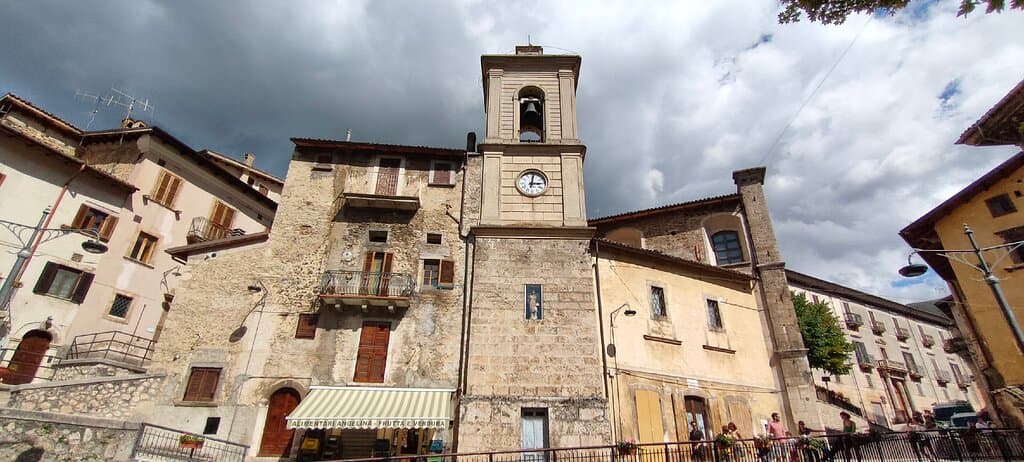
The façade features a horizontal crown and is divided into three levels, with a window aligned with the portal.
The facade is plastered and features a concrete base.
The 13th-century portal, with pagan influences, is served by three steps. Above is a lunette archivolt with internal columns.
The interior is a single-nave hall with a barrel vault frescoed by Francesco Antonio Borzillo in 1698 with the "Coronation of the Madonna, the four angels and the triumphal arch" with a false opening and the style of the painting that trace the work back to the Baroque, and three chapels on each side separated by arched wall facings, in which paintings and statues are preserved."
daniele pedroni
"The 17th-century church at the top of the village. Not very large, it's welcoming and quaint. It often hosts events."
Luca Sirico
What People Like
What People Dislike
Frequently Asked Questions
🚇 🗺️ Getting There
The church is conveniently located just behind the main "passeggio" (promenade) in Scanno, making it easily accessible on foot once you are in the town center. Parking might be available in designated areas around Scanno, and from there, it's a short walk.
Scanno is reachable by bus from major towns in the Abruzzo region. Once in Scanno, the church is centrally located and easily walkable from the bus stop.
🎫 🎫 Tickets & Entry
Entry to the church is typically free, as it is a place of worship. However, donations are often appreciated to help with its upkeep. ❤️
Opening hours can vary, especially outside of peak tourist season. It's advisable to check locally or look for signs posted at the church entrance for the most up-to-date information. Some visitors note it's often open during daylight hours.
The church is generally accessible year-round, though access might be more limited during very early mornings or late evenings. Its central location in Scanno makes it a consistent point of interest.
📸 📸 Photography
Photography is usually permitted inside churches for personal use, but it's always best to be respectful. Avoid using flash, especially during services or when it might disturb others. :camerawithflash:
The 12th-century portal on the facade and the Baroque frescoes on the barrel vault ceiling are prime subjects. The interior chapels also offer interesting photographic opportunities.
🎫 🏛️ History & Architecture
Dating back to the 12th century, it was Scanno's main church. It was rebuilt in the early 18th century after an earthquake and has undergone several restorations, most recently reopening in 2013. Its history is deeply intertwined with the town's faith and resilience.
The church showcases a mix of styles, from its 13th-century portal with potential pagan influences to the Baroque frescoes adorning its barrel vault ceiling. The reconstruction in the 18th century also incorporated contemporary architectural elements.
Social
from TikTok, Instagram & Reddit